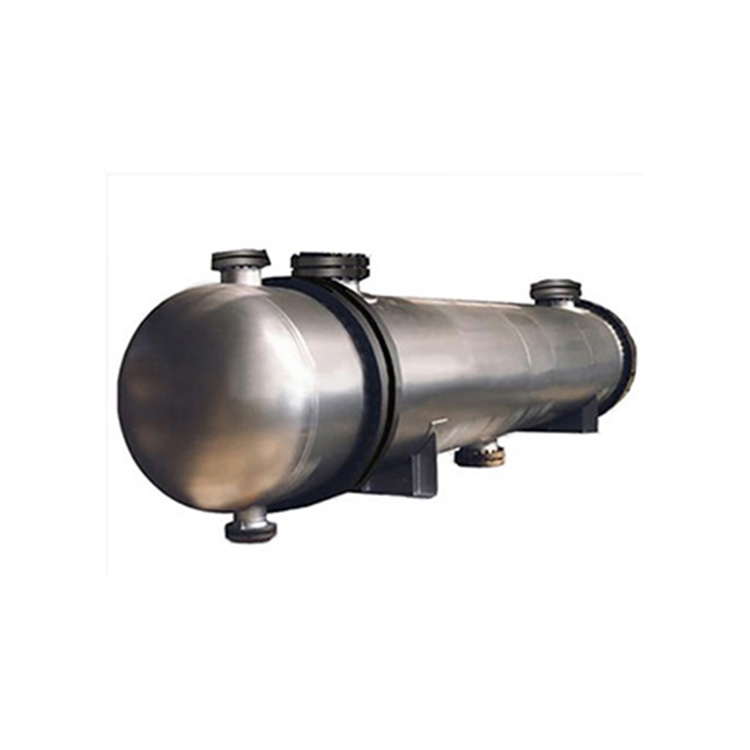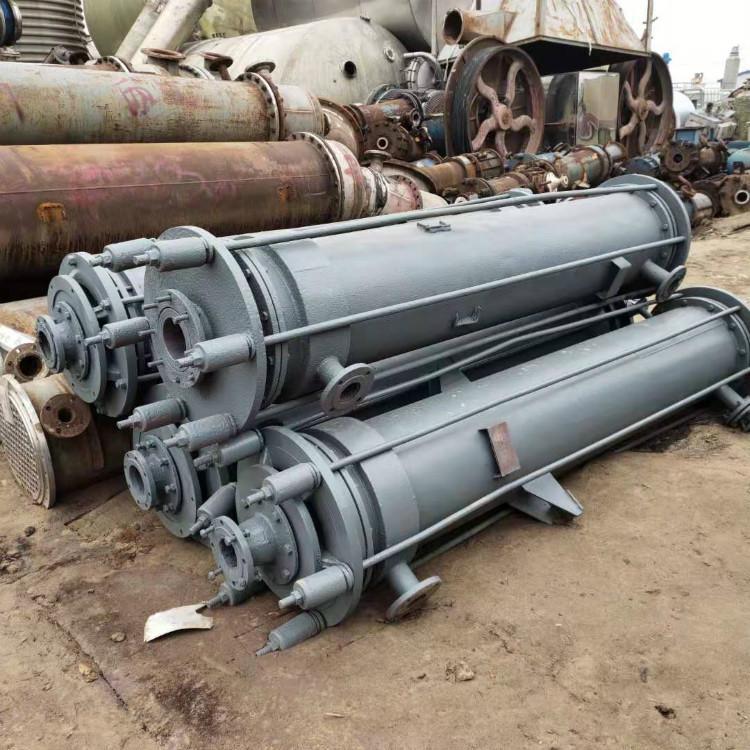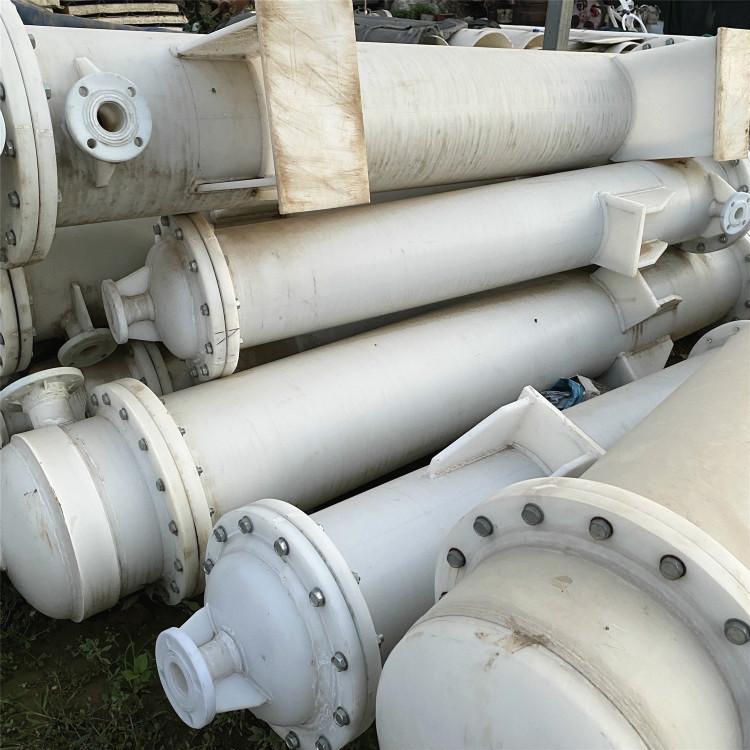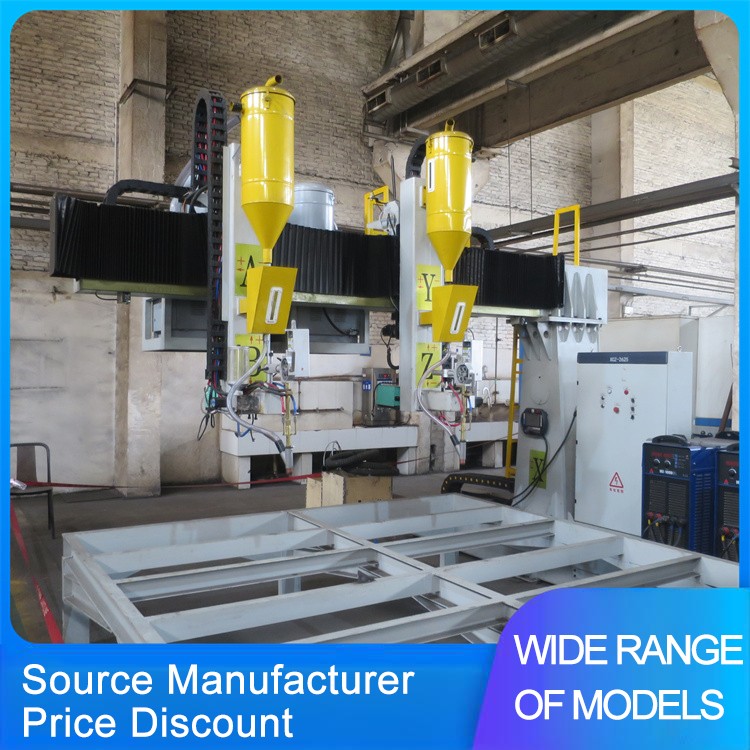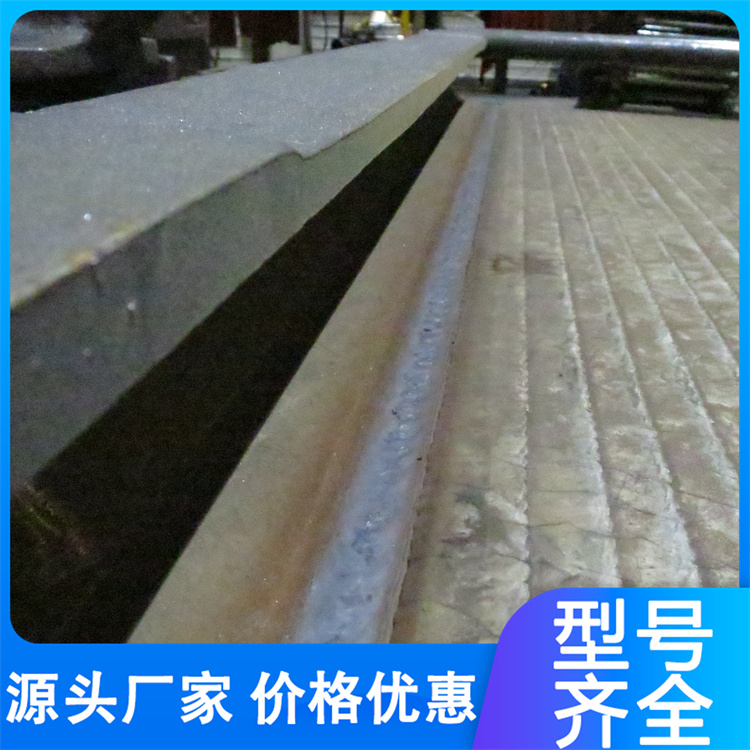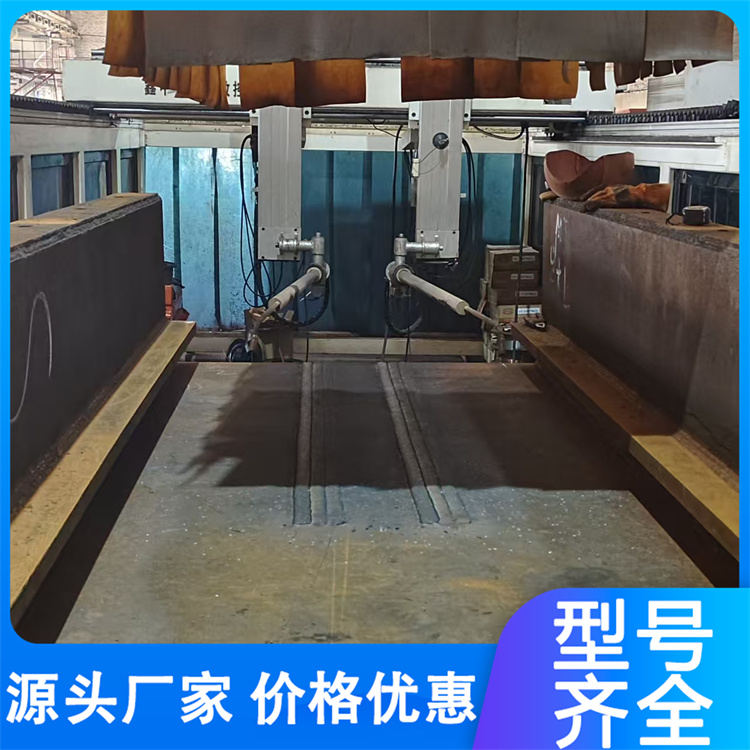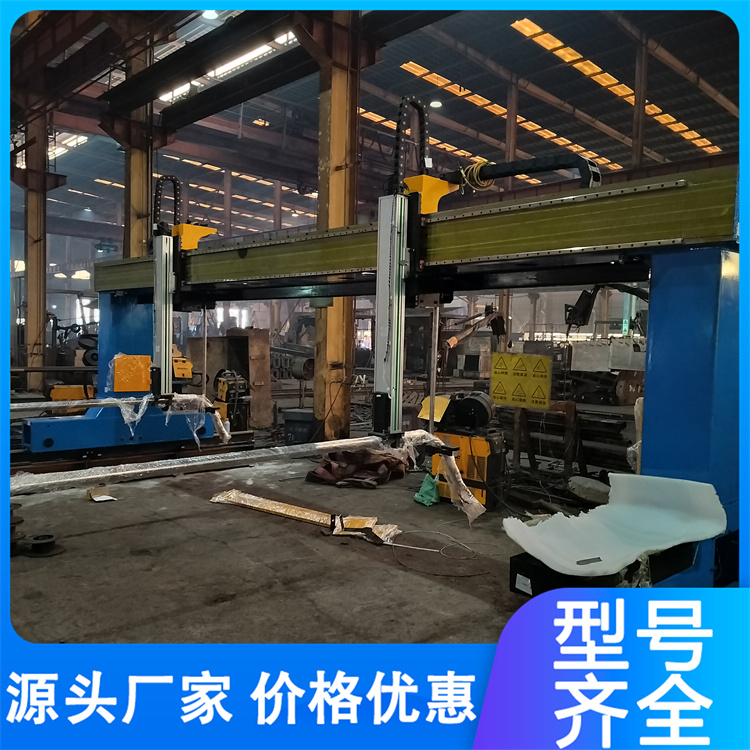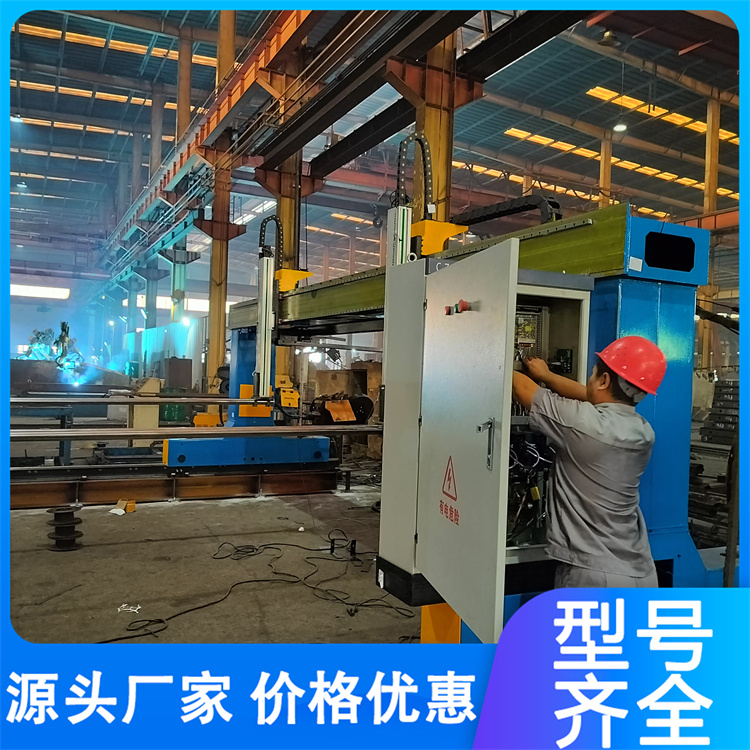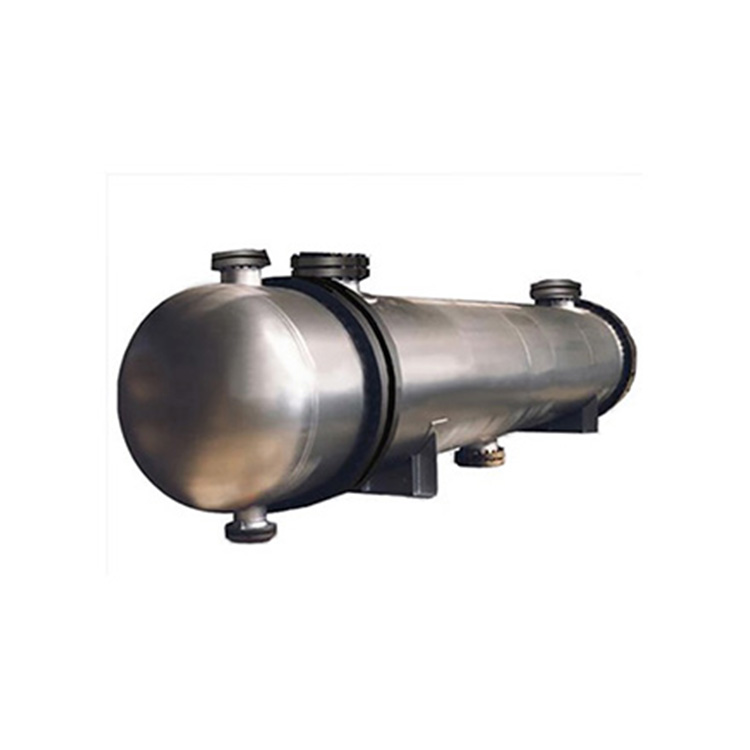

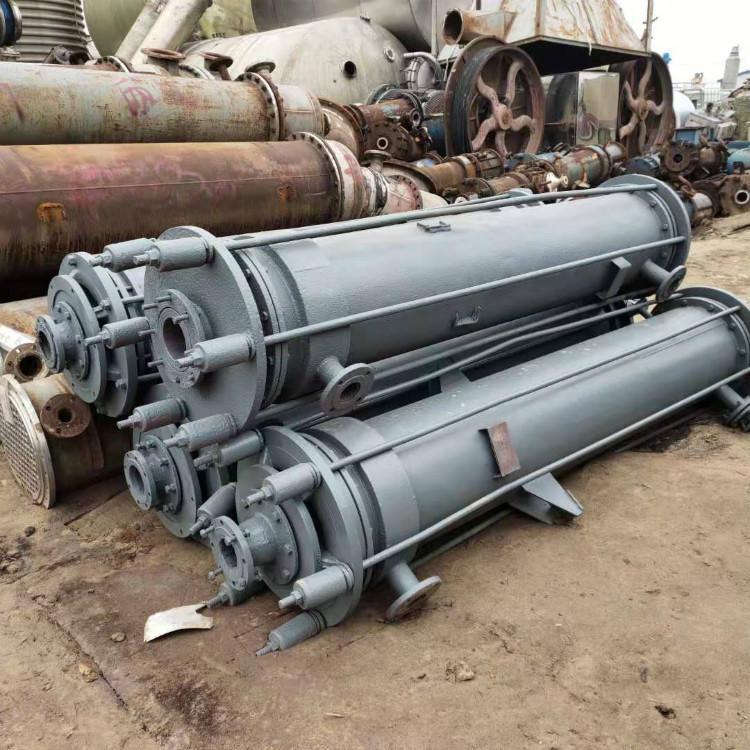









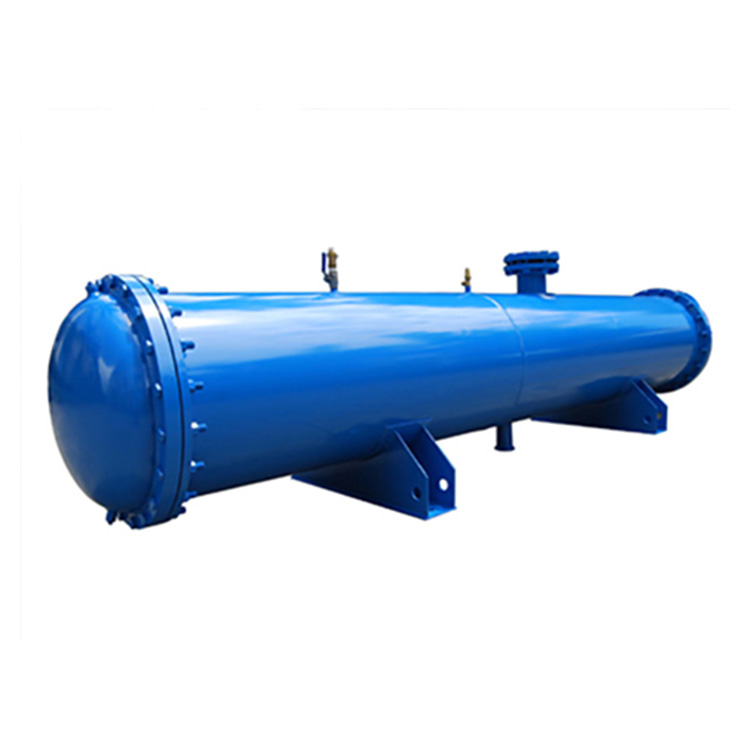

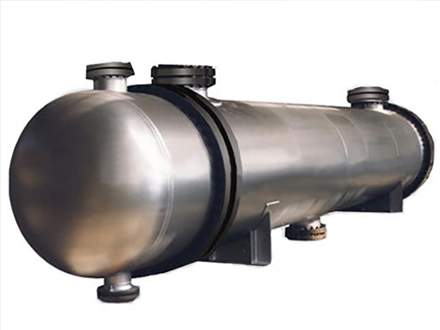
Shell-and-tube heat exchangers are widely used in the chemical and alcohol production industries. They are mainly composed of a shell, tube plate, heat exchange tubes, end caps, and baffle plates. The required materials can be made from carbon steel, copper, or stainless steel.
The tube bundle heat exchanger has a simple, compact structure and is cost-effective, but it cannot be mechanically cleaned on the outside. The tube bundles are connected to tube plates, which are separately welded to both ends of the shell. A top cover is attached, which includes fluid inlets and outlets. Typically, a series of baffles perpendicular to the tube bundles are installed outside. The connections between the tubes, tube plates, and the shell are rigid, and the fluids inside and outside the tubes are at different temperatures. Consequently, when there is a significant temperature difference between the tube wall and the shell wall, the differential thermal expansion of the two creates large temperature difference stresses, which can lead to tube twisting, bending, or even the tubes becoming loose from the tube plates, or even damaging the heat exchanger.
To overcome temperature difference stress, a temperature difference compensation device is required. Generally, when the temperature difference between the tube wall and shell wall exceeds 50℃, for safety reasons, the heat exchanger should be equipped with a temperature difference compensation device. However, the compensation device (expansion joint) can only be used when the temperature difference between the shell wall and tube wall is below 60-70℃ and the shell fluid pressure is not high. Normally, when the shell pressure exceeds 0.6Mpa, due to the excessively thick compensation ring, it is difficult to expand or contract, and loses its temperature difference compensation effect, other structures should be considered.