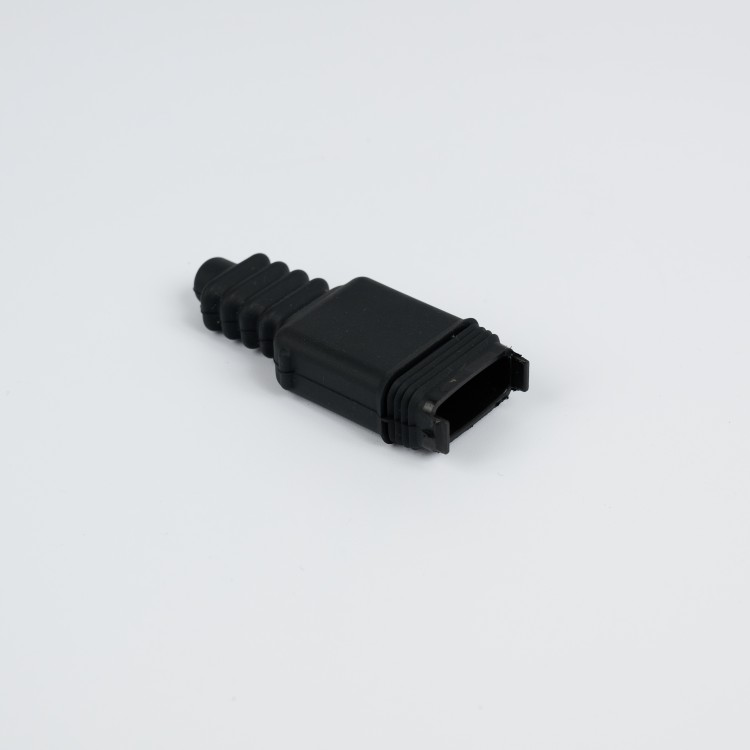
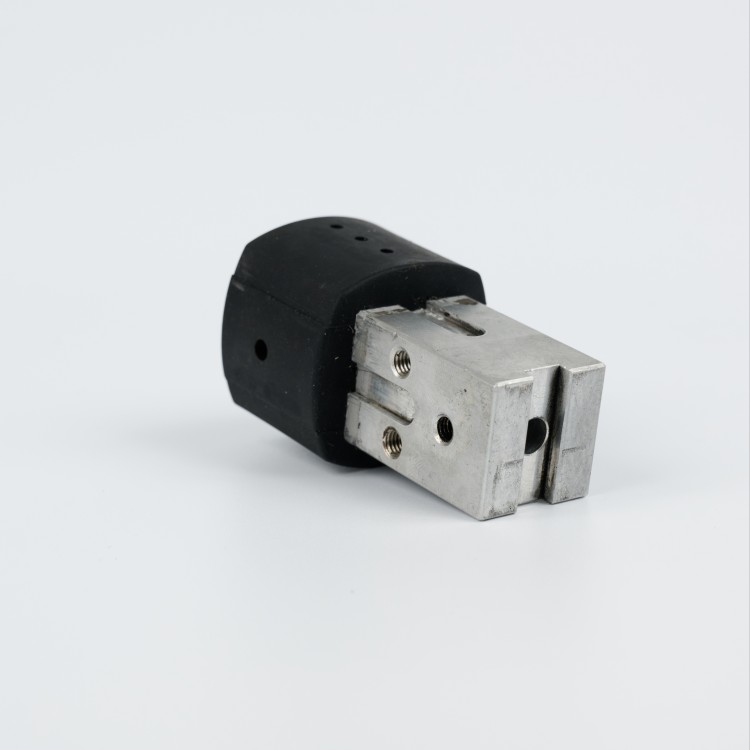





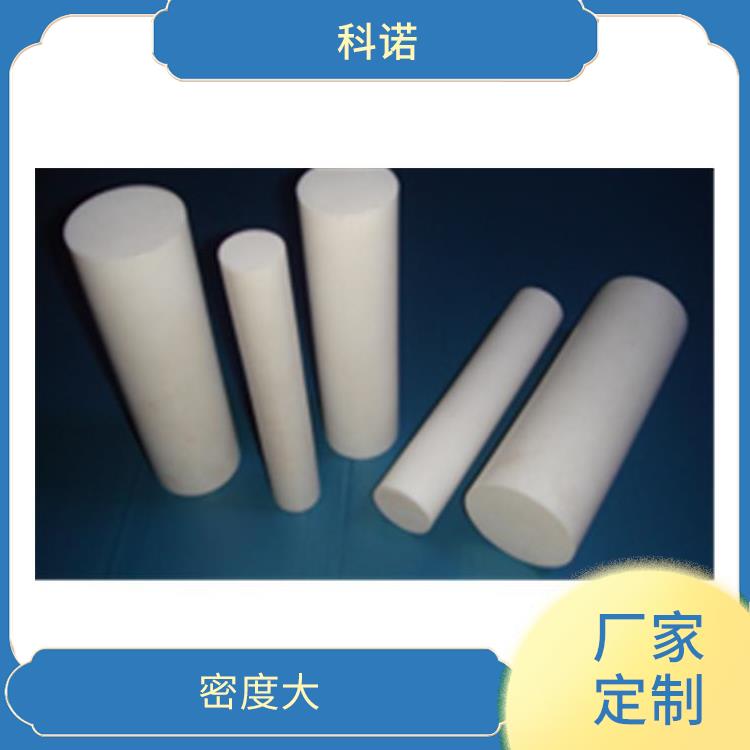
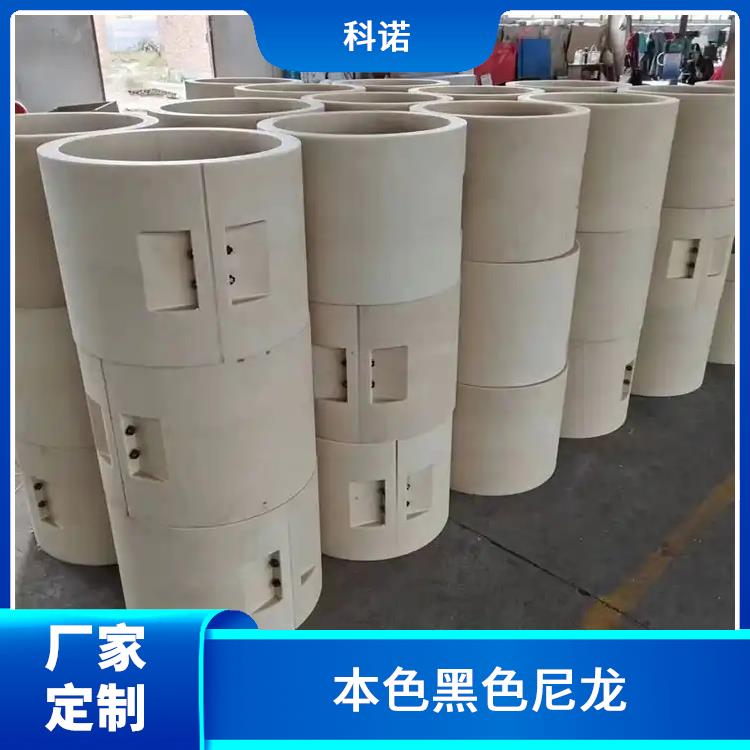
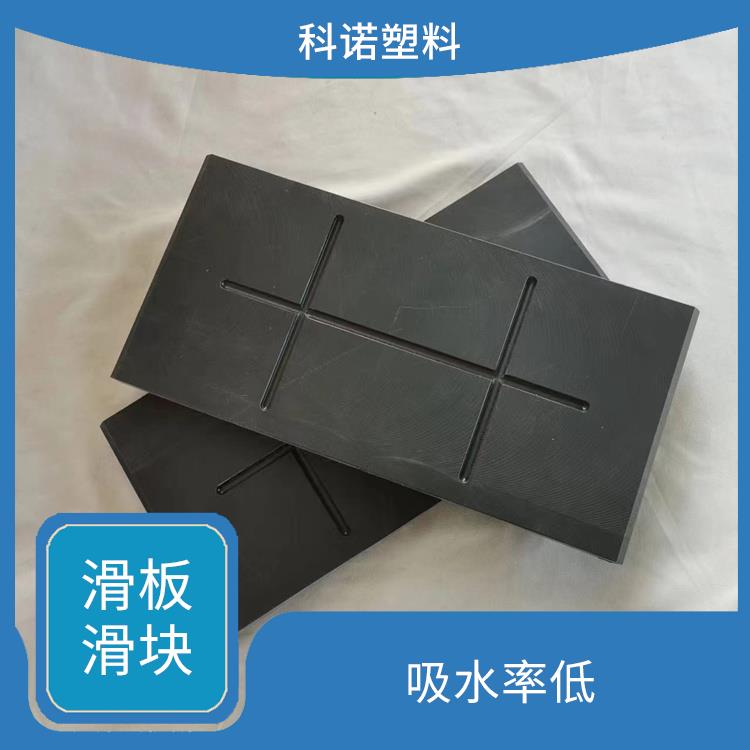
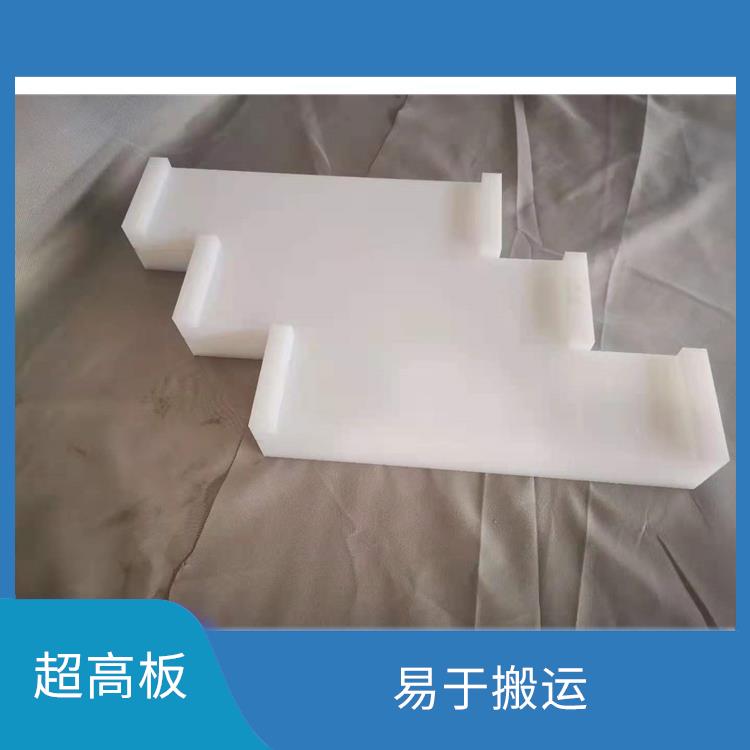
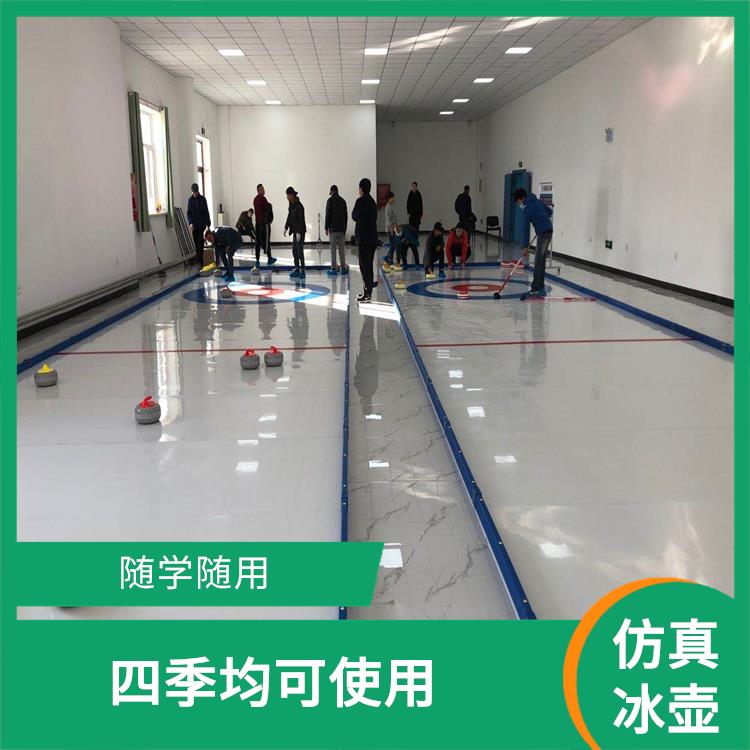
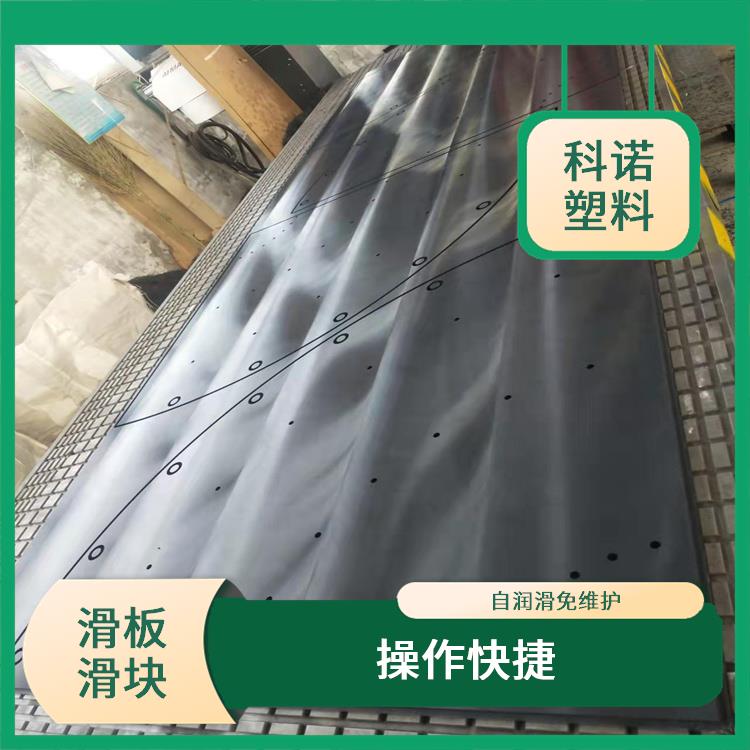
Polymethyl Methacrylate (POM) Features: Also known as acetal resin, polyether oxide, and polyacetal, POM is a thermosetting plastic crystalline fiber material polymer, renowned as "special steel" or "super steel". POM (polyformaldehyde epoxy resin) Definition: POM is a linear polymer with no carbon chain, high relative density, and high crystallinity. Depending on the chemical structure of the molecular chain, it can be categorized into homopolymer POM and copolymer POM (homopolymer POM is both a thermosetting plastic and an important rubber-plastic product. It is obtained through catalytic reaction speed aggregation and termination, or through the use of specially prepared gas catalysts for aggregation. However, the former method is more commonly used. Applications: Primarily used for transmission system gears, camshafts, roller bearings, couplings, sealing rings, throttle valves, liquid conveying pipelines, handles, zippers, corrosion-resistant containers, and more. Used in vehicles, industrial equipment, vehicle instrument panels, agricultural machinery, construction projects, and household items. Molecular chain is a polymer composed of a single structural unit. It can be processed into injection molds, PVC wires, and can be molded into products through injection molding processing. It is available in translucent to opaque white powder or granular form, with a relative density of 1.42 and a melting temperature of 175-179°C. It has a higher fracture toughness by about 10%-20% compared to copolymer POM, and slightly larger crystal grains. However, it has poor high-temperature brittleness and alkaline resistance, and a narrow manufacturing temperature range.
Applications of polyformaldehyde, what are the advantages of polyformaldehyde?
Polycarbonate finds extensive applications, commonly used in typical injection-molded engineering components, such as small gears, fasteners, and handles. It should also be widely utilized in the automotive and consumer electronics industries.
CAS No.:9002-81-7
Molecular Formula: CH₂O
Molecular Weight: 30.0260
Polyoxymethylene has excellent temperature resistance properties.
The thermal denaturation temperature is relatively high; at a load of 18.5 kg/cm², the copolymer formaldehyde has a temperature of 110°C, and the homopolymer formaldehyde has a temperature of 124°C, with caking points at 160°C and 175°C, respectively. The long-term working temperature can reach above 100°C. When the copolymer formaldehyde is continuously used for 2,000 hours at 114°C, or for 1,000 hours at 138°C, there is no significant change in its properties.
Polycarbonate Excellent electrical properties
Not affected by temperature; only contains 0.2〜0.25% moisture absorption due to low saturation rate.
Polymethyl methacrylate (PMMA) boasts excellent short-term mechanical properties and wear resistance, but its high cost significantly limits its application, and it is gradually being replaced by copolymer methyl methacrylate. In many applications, copolymers have the potential to replace PMMA.
WeChat Official Account

Scan to follow Official Account