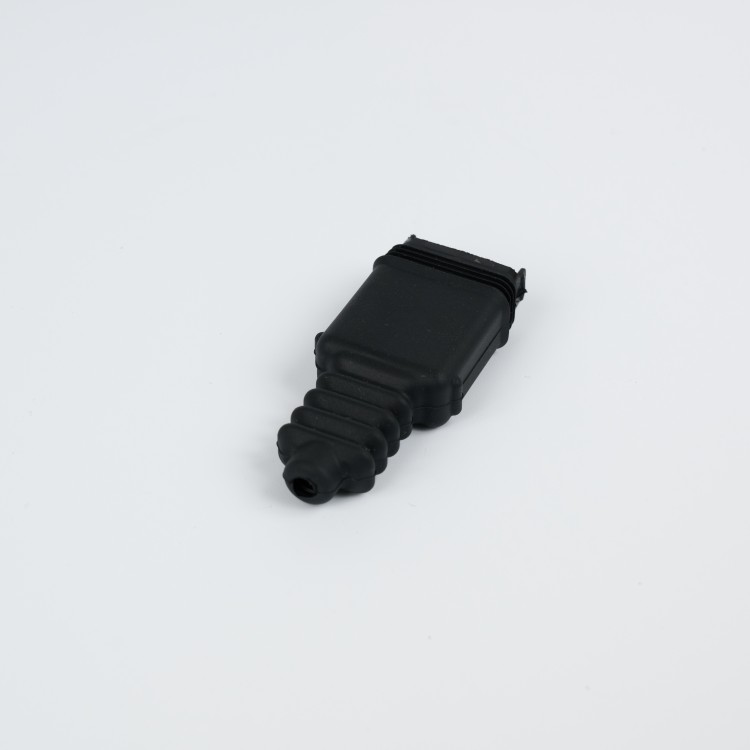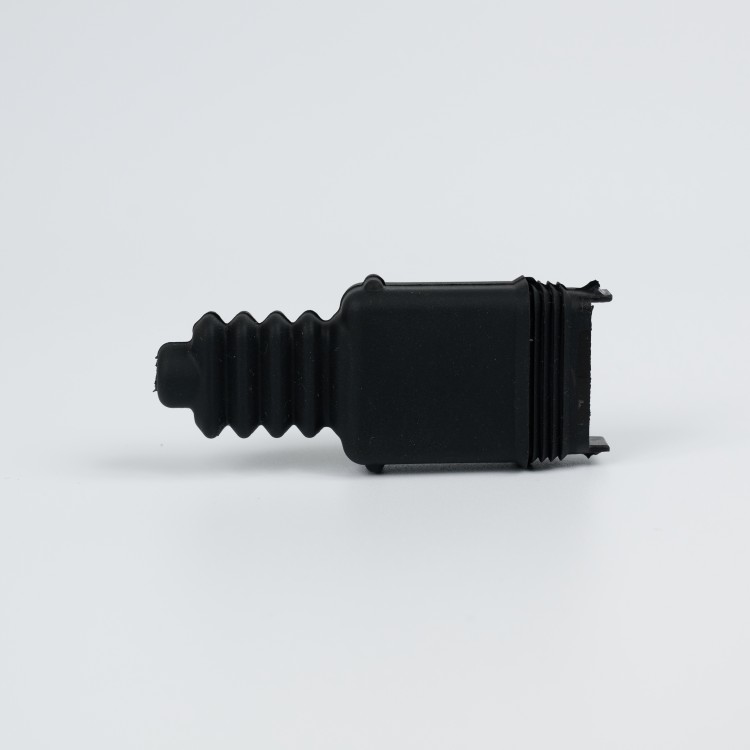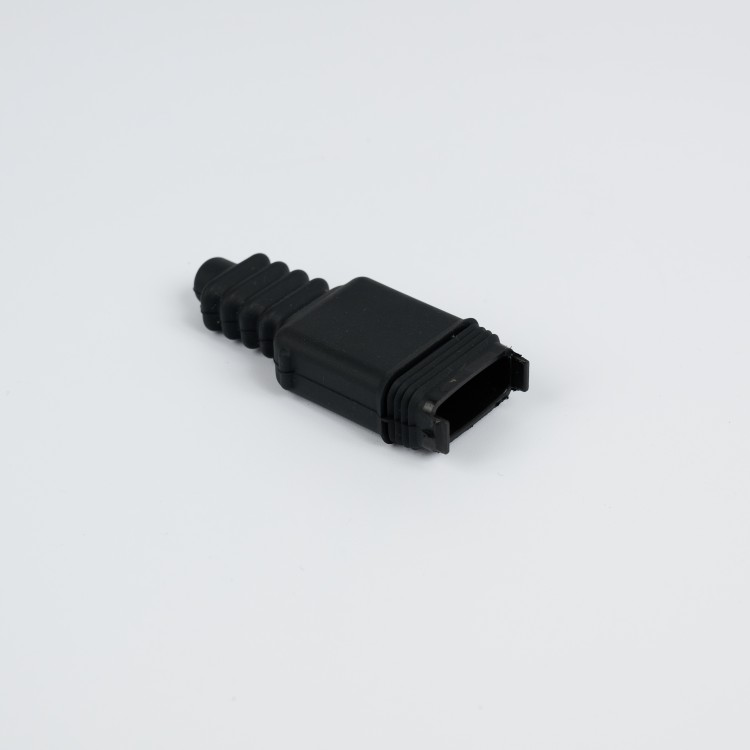

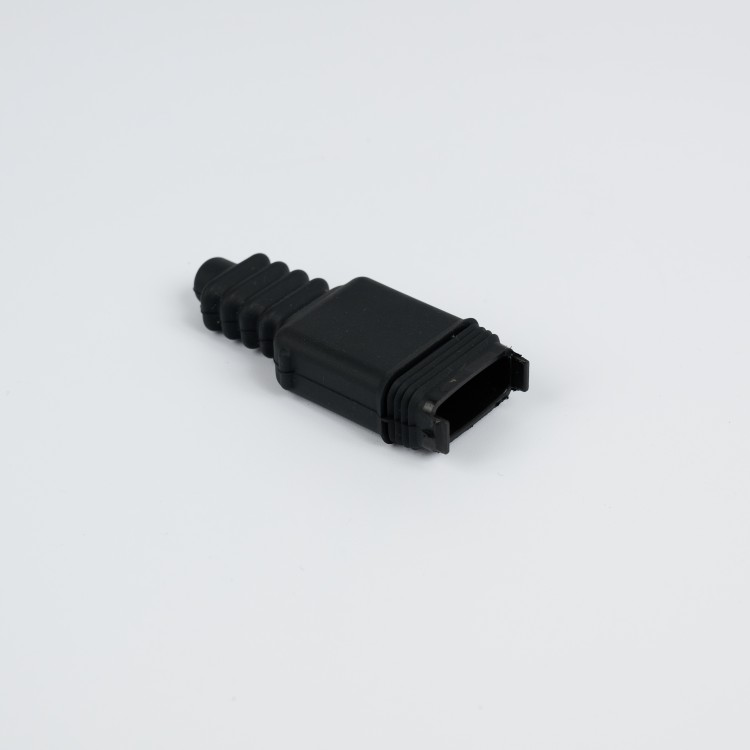
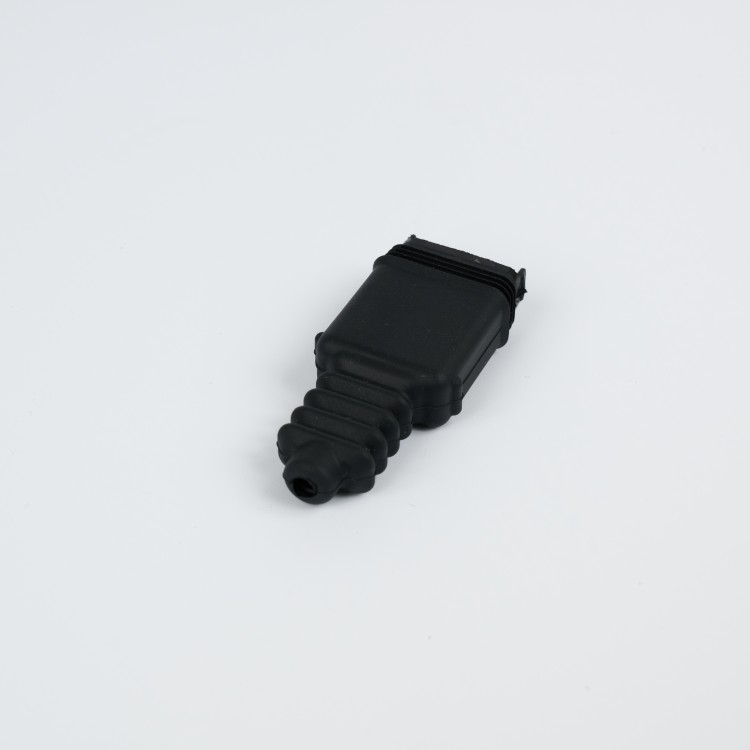
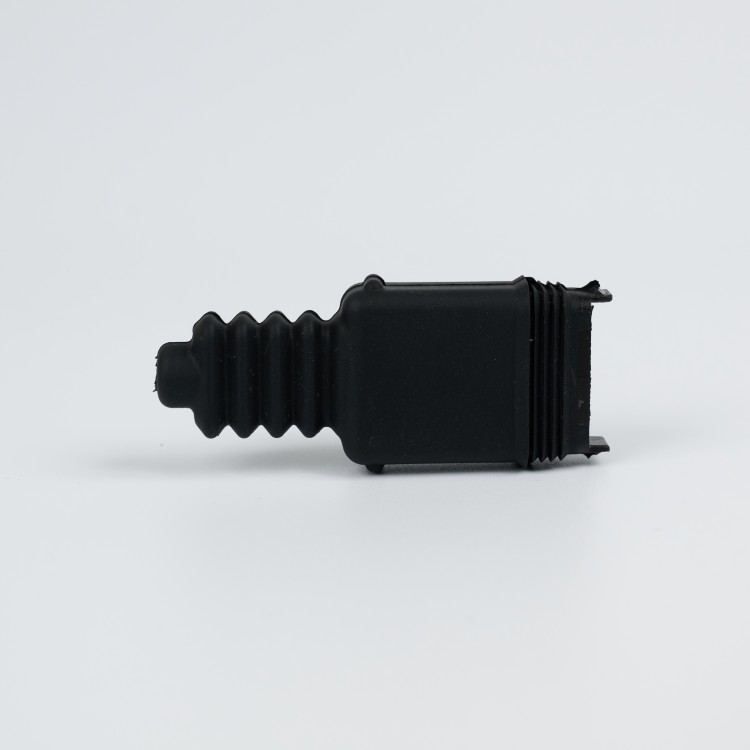


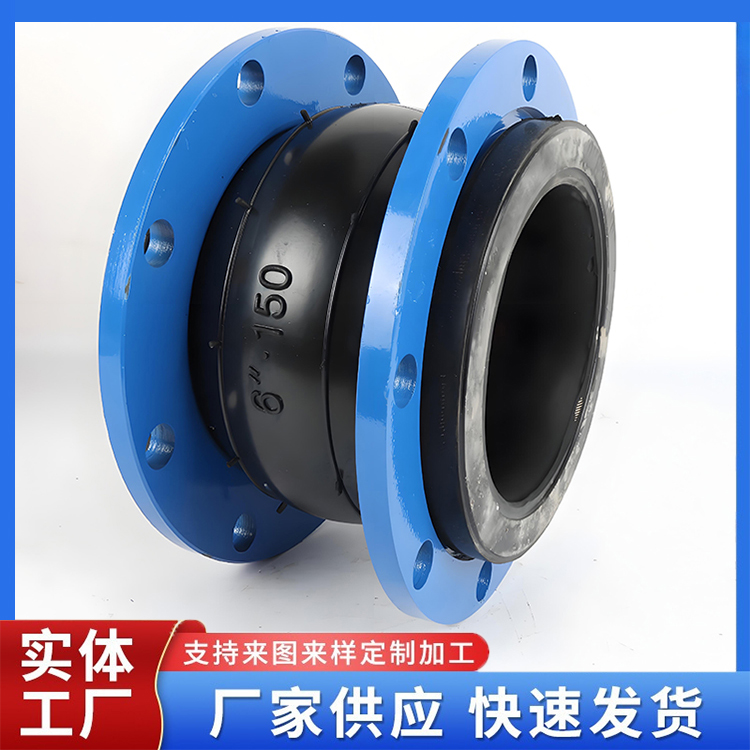

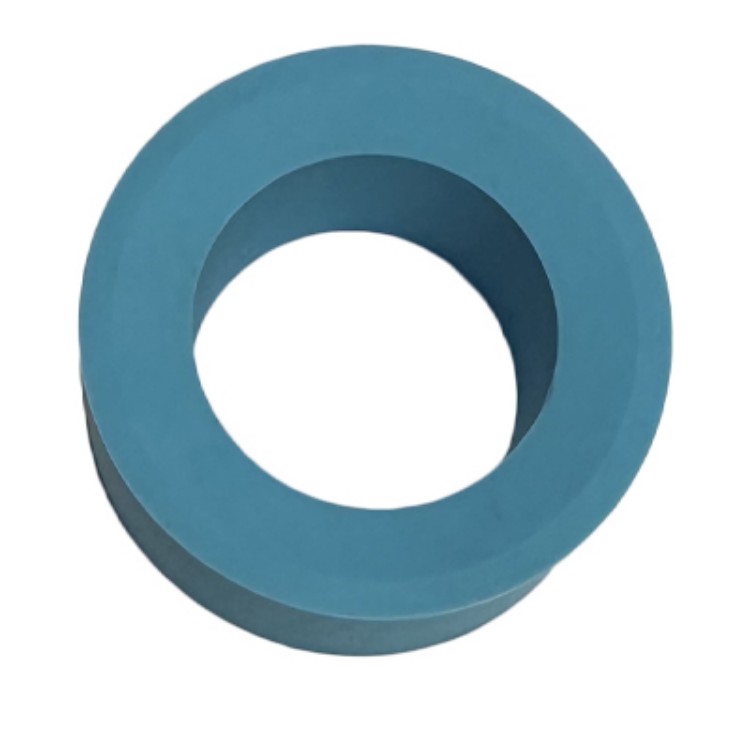
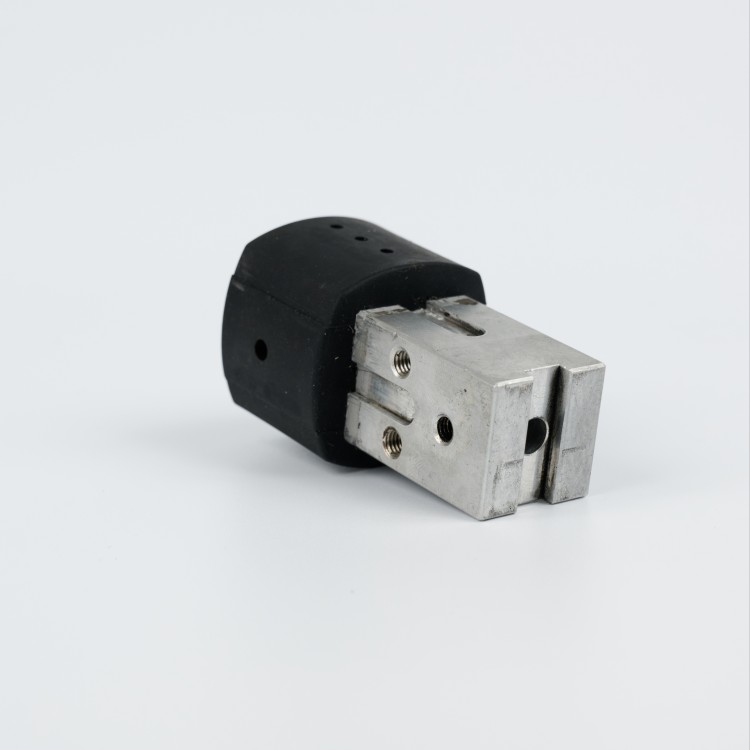






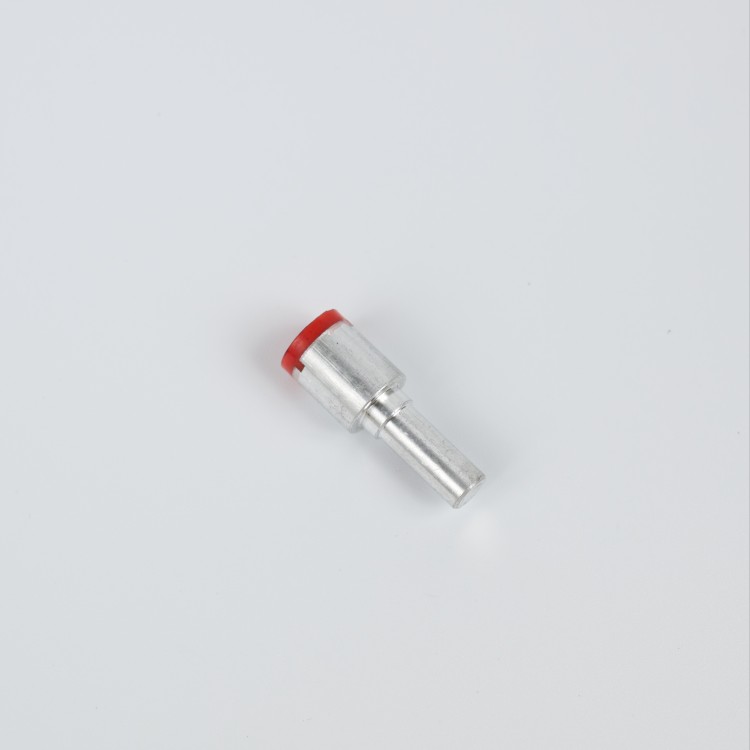
A plastic jacketed pipeline sleeve is a commonly used pipeline protection measure. The following is a detailed introduction to it:
I. Definition and Usage
Plastic sheath for cable protection, as the name implies, is a set of plastic materials designed for wrapping and protecting pipelines. It is primarily used in electrical cable and other types of piping systems, mainly serving to shield and isolate pipelines to prevent damage or risks caused by external factors.
II. Materials and Characteristics
Material: Plastic coated pipeline protective sleeves are generally made of high polymer materials such as nylon, polyethylene, and polypropylene. These materials offer excellent wear resistance, weather resistance, and impact resistance.
Features:
Excellent wear resistance: Resists external mechanical damage, extending the service life of pipelines.
High weather resistance: Capable of withstanding harsh weather and environmental influences, maintaining the stability and safety of pipelines.
Excellent impact resistance: Capable of absorbing and dispersing impact forces upon external shock, thus protecting pipelines from damage.
III. Structure and Types
Structure: Plastic jacketed pipe sleeves typically consist of an inner and an outer layer. The inner layer is tightly fitted to the pipeline, while the outer layer offers additional protection and insulation. Some sleeves are also designed with special spiral or corrugated structures to enhance their flexibility and tear resistance.
Types: Plastic coated pipe sleeves are available in various types based on different application scenarios and requirements, such as straight pipe, bend pipe, and branch pipe types. Additionally, options in different colors, sizes, and materials are provided to meet various customer needs.
Section 4: Application Scenarios
Plastic jacketed pipe protectors are widely used in various fields, including but not limited to:
Electric Power Industry: Used to protect wires and cables, preventing short circuits or leakage accidents caused by wear, aging, or external damage.
Automotive Manufacturing: Protects the internal pipeline system of vehicles, such as fuel lines and brake lines, ensuring the safety and reliability of the vehicle.
Industrial Automation: Protects pipeline systems in industrial automation equipment, such as sensor lines and control lines, ensuring the normal operation and stability of the equipment.
Building Construction: Used to protect the pipeline systems inside buildings, such as water pipes and electrical conduits, to prevent safety hazards caused by damage during construction or renovation.
5. Installation and Maintenance
Installation: The installation of plastic jacketed pipe protection sleeves is relatively simple and typically requires specialized installation tools or equipment. During the installation process, it is essential to ensure that the sleeves fit tightly around the pipe, avoiding any loosening or detachment. Additionally, attention should be given to the orientation and placement of the sleeves to ensure effective protection of the pipe.
Maintenance: It's crucial to regularly inspect and maintain the plastic sheath of the pipe protection sleeve. Check for signs of wear, aging, or damage, and replace or repair as needed. Additionally, keep the sleeve clean and dry to prevent contaminants and moisture from causing harm.
In summary, plastic coated pipeline protective sleeves are an essential pipeline protection measure with broad application prospects and market demand. When selecting and using them, it's crucial to consider the specific application scenarios and requirements to ensure they effectively protect the pipelines and enhance the system's safety and reliability.