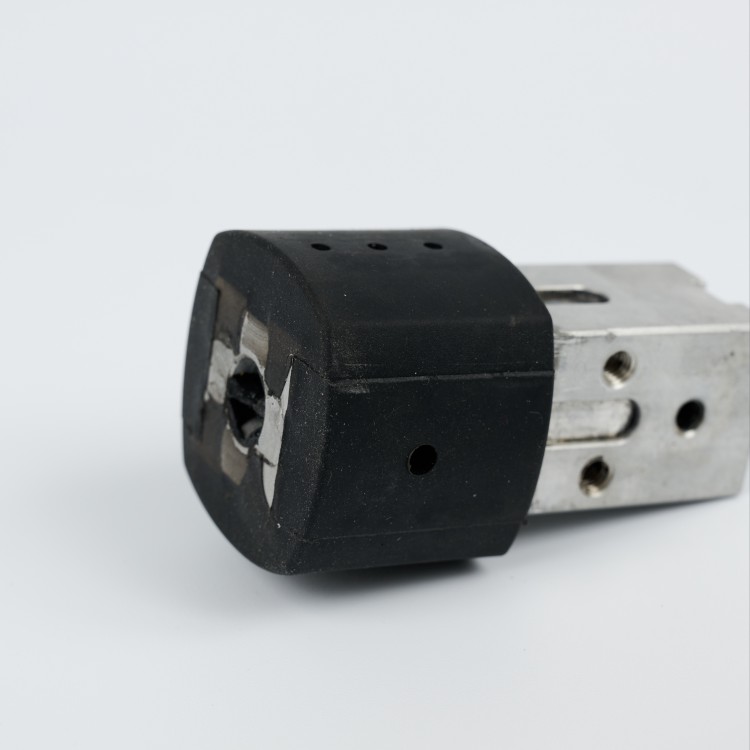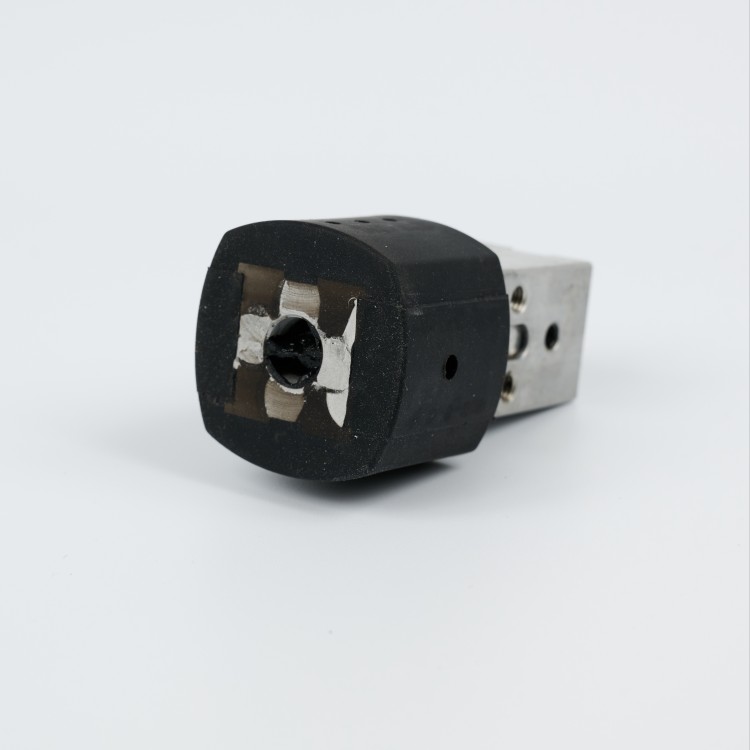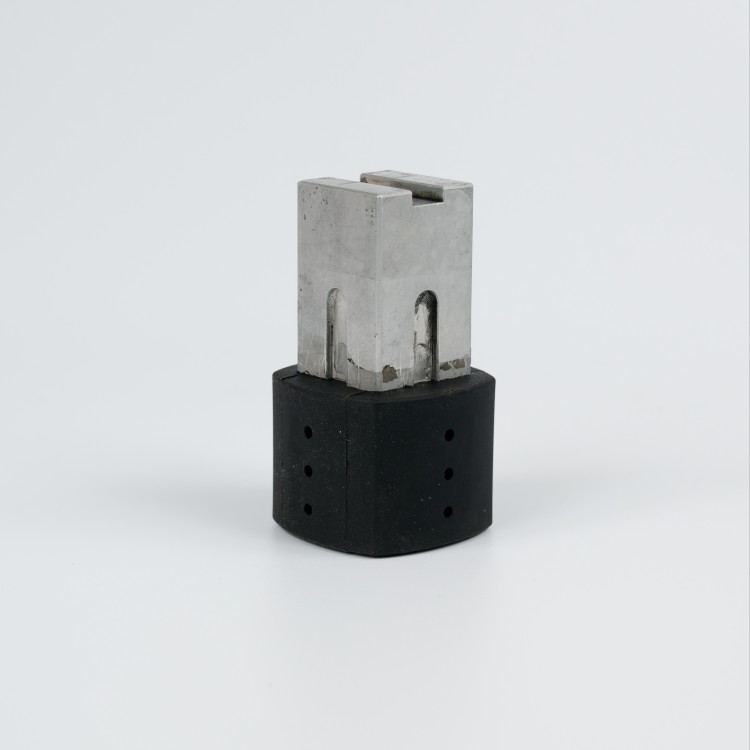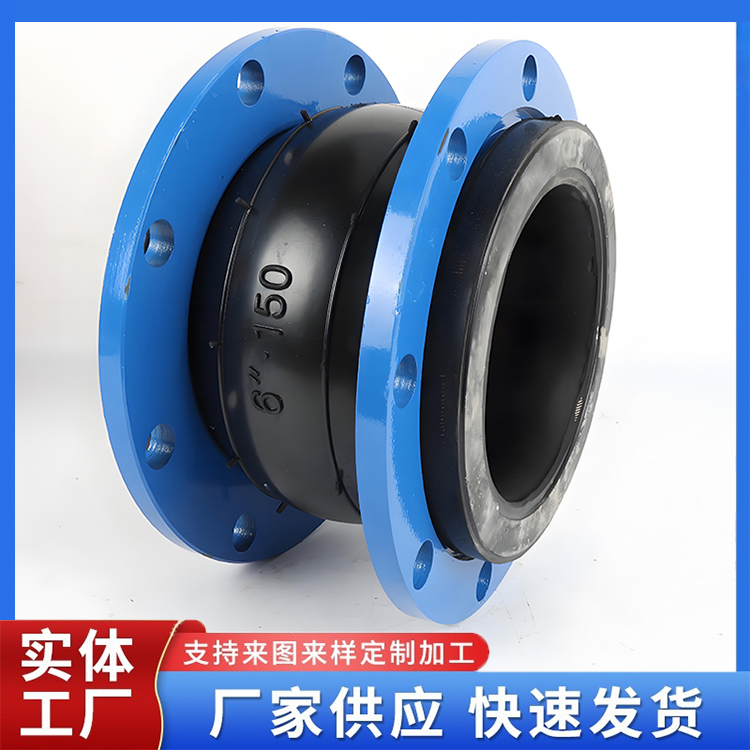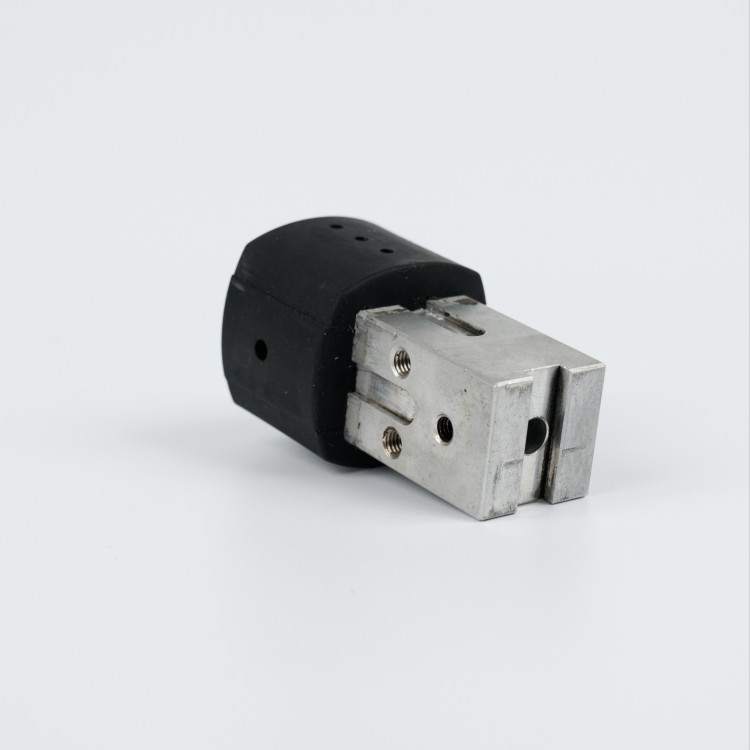

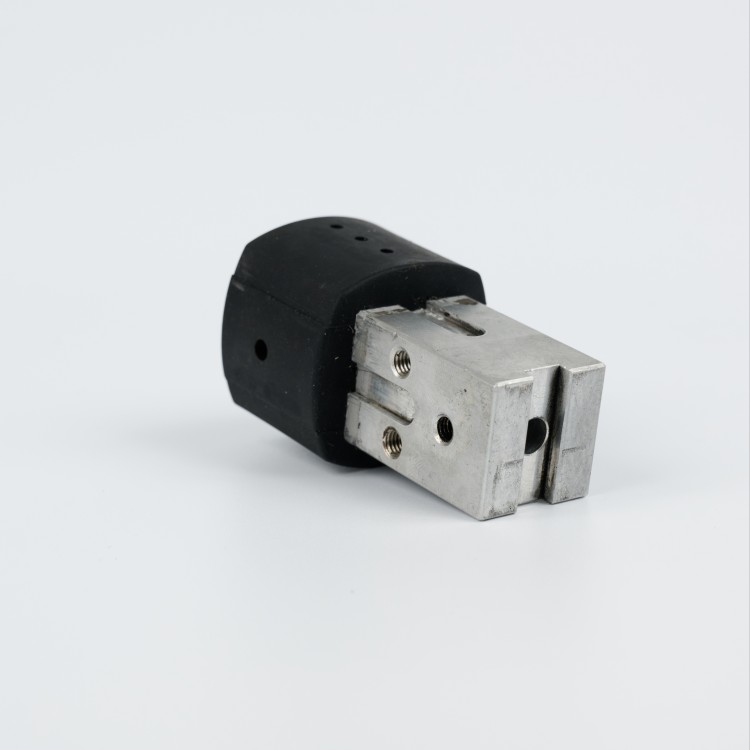
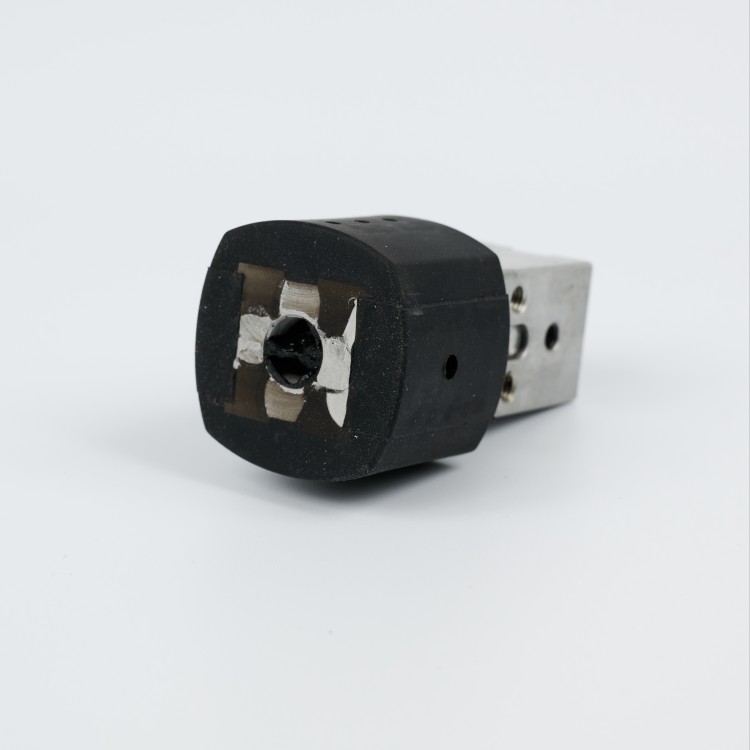
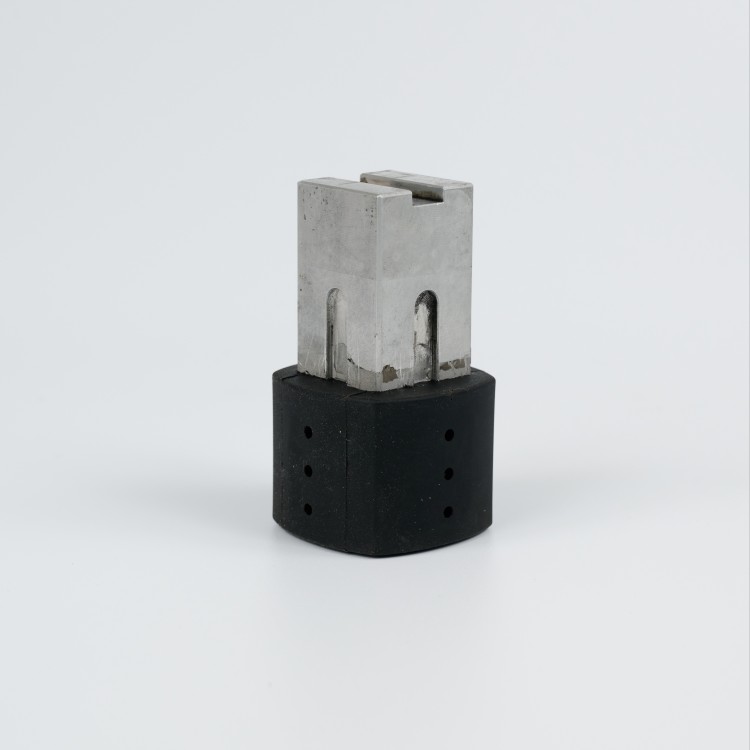


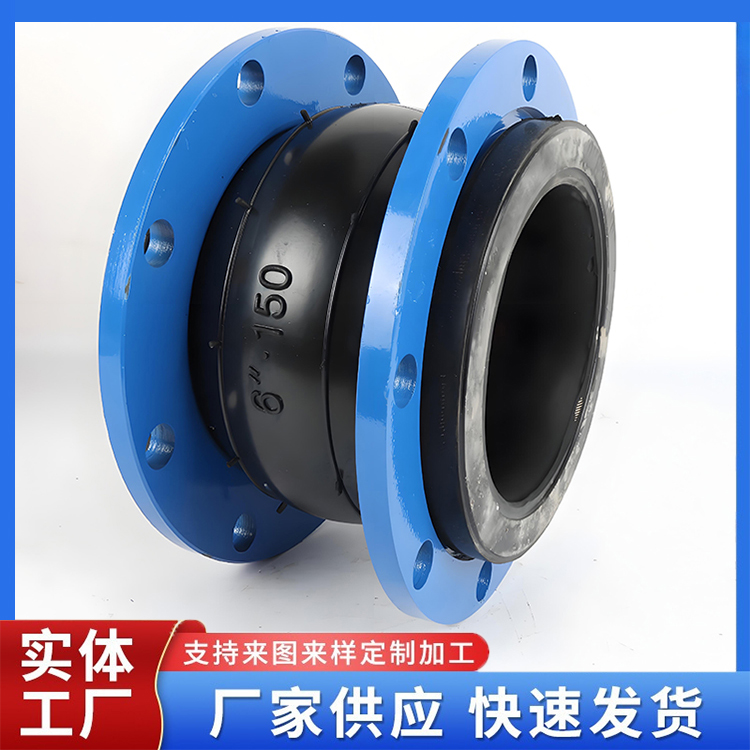
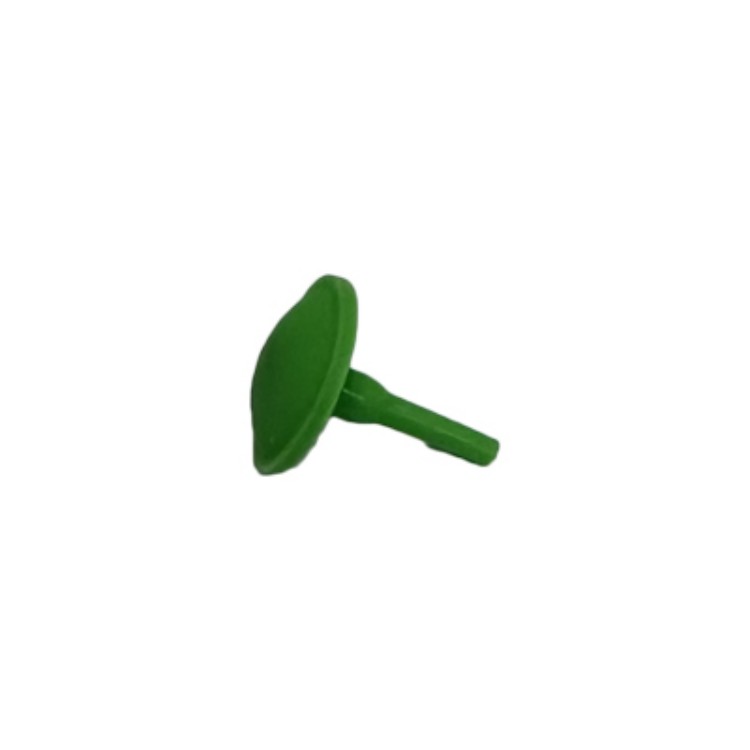
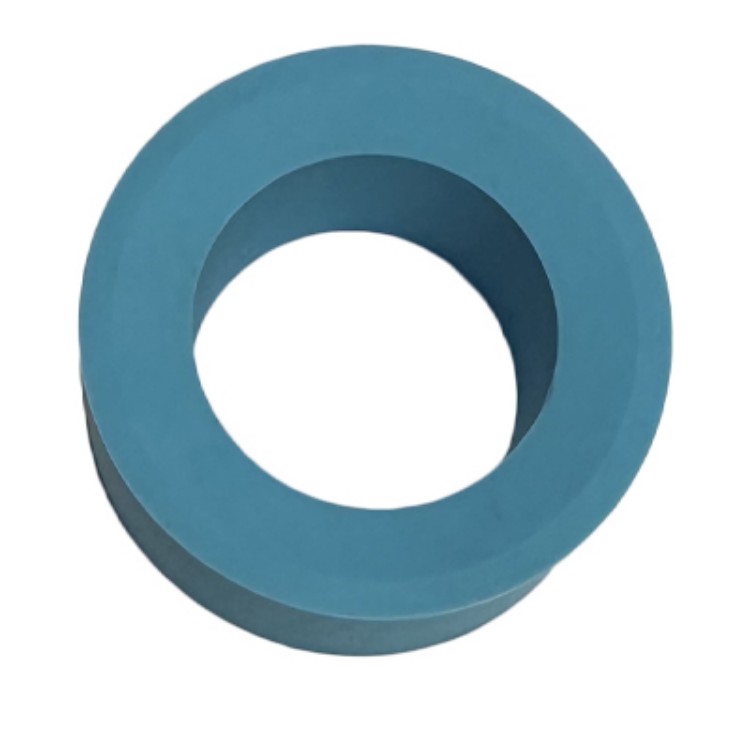
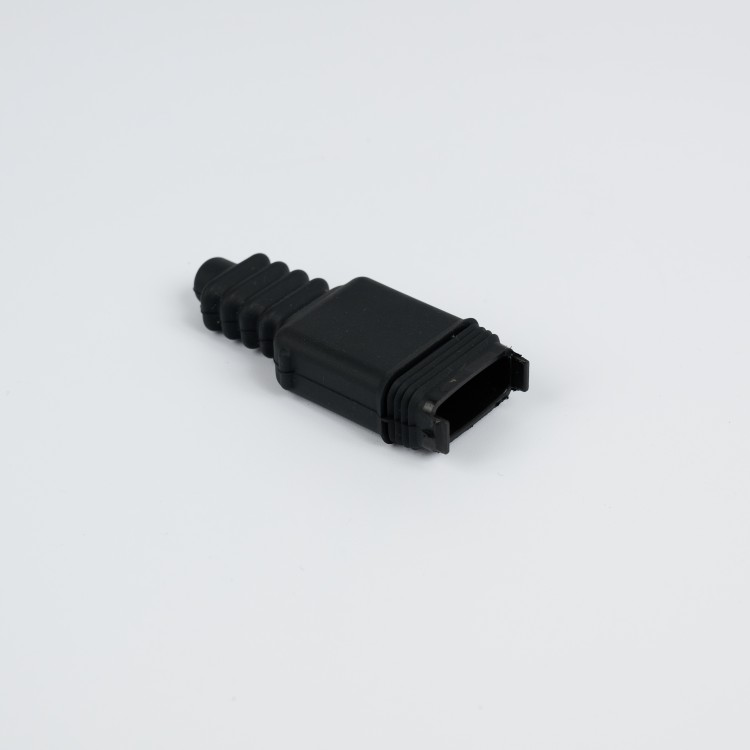






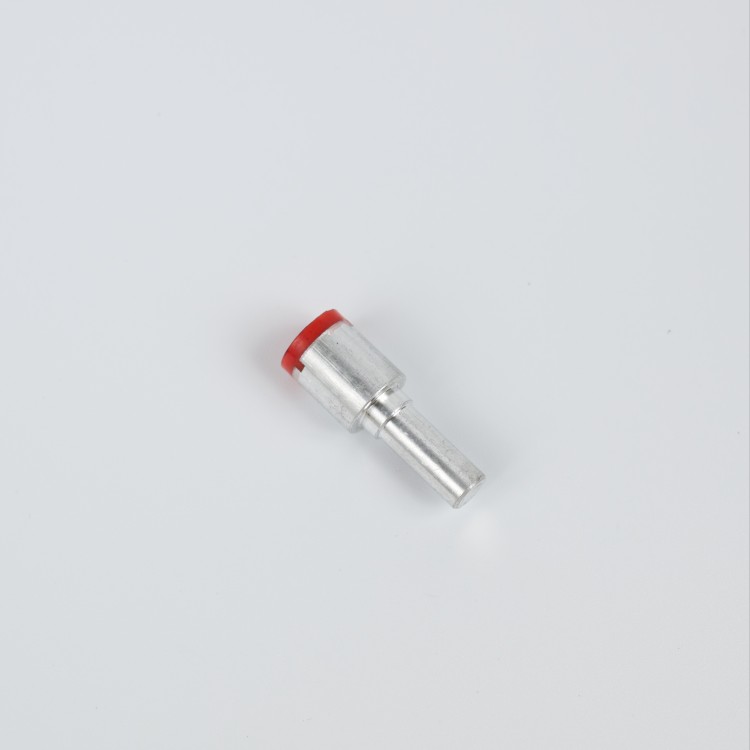
Aluminum-encased rubber components are a multifunctional product that combines aluminum alloy and rubber materials, attracting attention due to their unique properties and wide range of applications. Below is a detailed introduction to aluminum-encased rubber components:
I. Material Composition and Characteristics
Aluminum alloy: As a base material, aluminum alloy offers high strength, excellent corrosion resistance, and lightweight characteristics. With a low density and high strength, aluminum alloy is commonly used as a lightweight, high-strength material in industries such as aerospace and automotive manufacturing.
Rubber: The rubber covering layer is typically made of wear-resistant and elastic synthetic rubber or natural rubber, which provides the aluminum-clad rubber components with good elasticity, wear resistance, and anti-slip properties.
Aluminum-rubber compounds combine the benefits of aluminum alloys and rubber, offering both the strength and hardness of metal and the flexibility and sealing properties of rubber.
II. Manufacturing Process
The manufacturing process for aluminum-coated rubber components typically includes pre-treatment of the aluminum alloy substrate, rubber covering, and vulcanization.
Aluminum alloy base material pre-treatment: Cut, drill, and sand the raw aluminum alloy materials to achieve the required shapes and sizes, followed by surface cleaning and rust removal to enhance bonding with rubber.
Rubber Coating: Place the processed aluminum alloy substrate into the mold, then inject liquid rubber or adhere pre-formed rubber sheets.
Vulcanization: A process that fuses rubber with aluminum alloy to form a strong composite structure.
Section 3: Application Fields
Aluminum-clad rubber components have found wide applications across various fields due to their unique properties:
Automotive Industry: Aluminum-coated rubber parts play a crucial role in the automotive industry, used in the manufacturing of shock absorbers, sealing strips, noise-insulating materials, and other components. These parts not only offer excellent cushioning effects but also effectively isolate noise, enhancing driving comfort.
The construction industry: Aluminum rubber components are used as part of waterproofing materials in the construction field. Due to their excellent water and corrosion resistance, they are suitable for waterproofing at roof joints and sealing around doors and windows.
Electronic Equipment Manufacturing: Aluminum rubber parts are also used on various cable connectors or terminals in electronic devices, serving as part of the insulation protection sleeve to enhance the durability and stability of electrical equipment.
Mechanical Manufacturing: Aluminum-coated rubber parts are widely used in the mechanical manufacturing industry, such as wear-resistant protective layers for mechanical components like conveyor belts.
IV. Maintenance and Care
To extend the service life of aluminum-rubber clad components and maintain their excellent performance, regular maintenance and care are necessary:
Clean: Wipe the surface of aluminum-clad rubber parts regularly with a damp cloth to remove stains and dust. Avoid using corrosive cleaners or sharp objects to scrape the surface to prevent damaging the rubber layer.
Inspect: Regularly check the wear on aluminum rubber components. If severe wear or damage is found, replace the parts with new ones promptly.
Storage: Ensure that the aluminum-clad rubber parts are stored in a dry, well-ventilated area to prevent corrosion or mold due to moisture. Also, avoid placing heavy objects on the aluminum-clad rubber parts to prevent deformation or damage.
In summary, aluminum-clad rubber parts are a multifunctional product with high strength, lightweight, wear-resistant, corrosion-resistant, and excellent elasticity. They are widely used in various fields and play a crucial role. During use, proper maintenance and care should be taken to ensure their long-term stable performance.