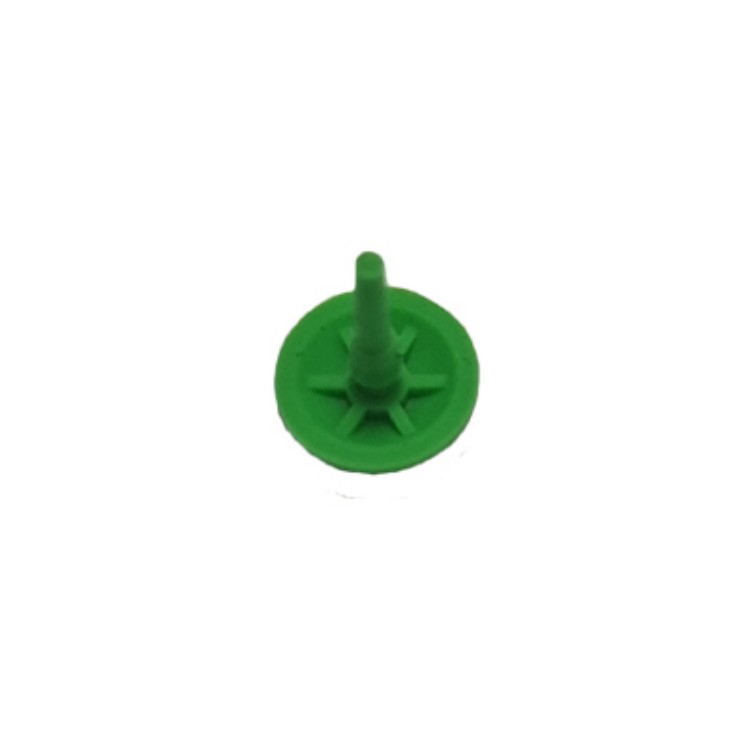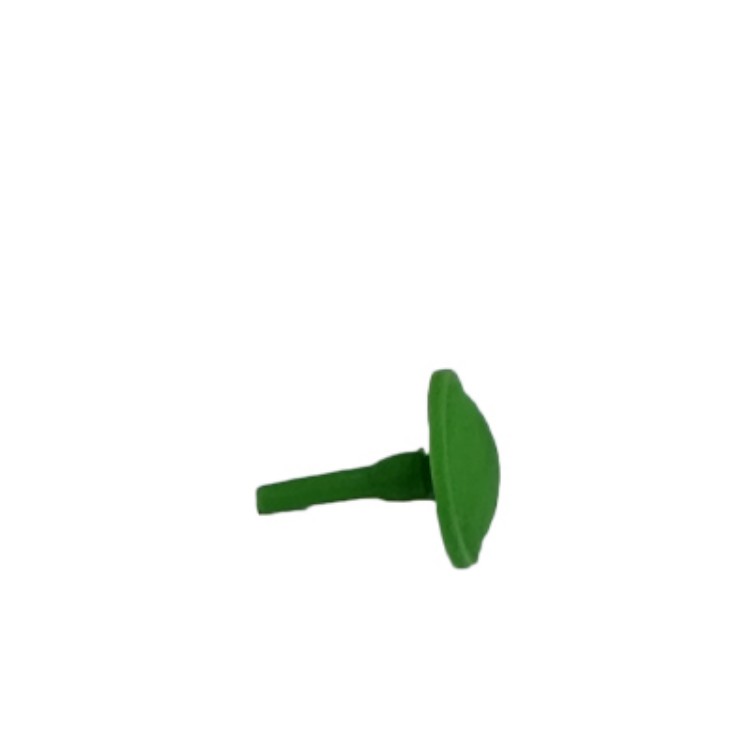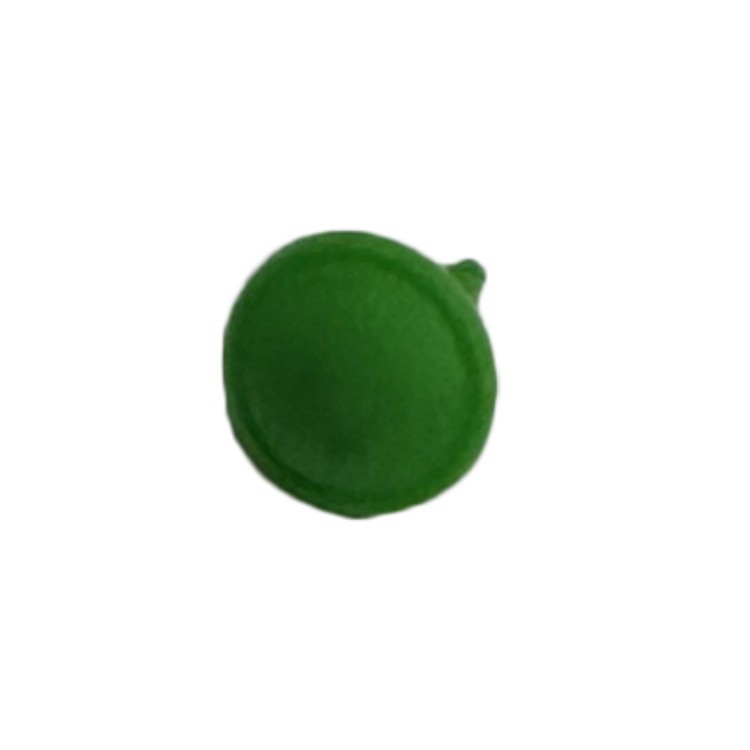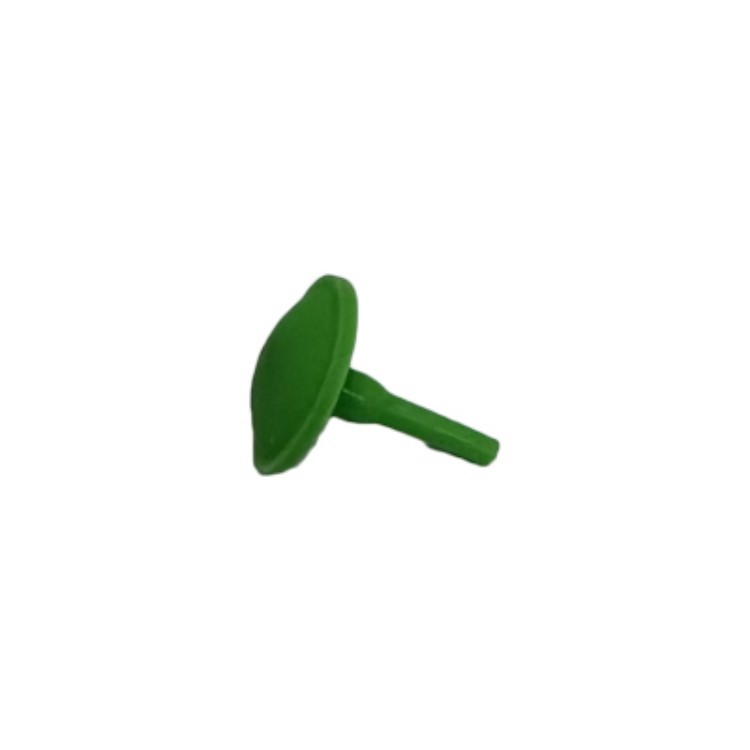

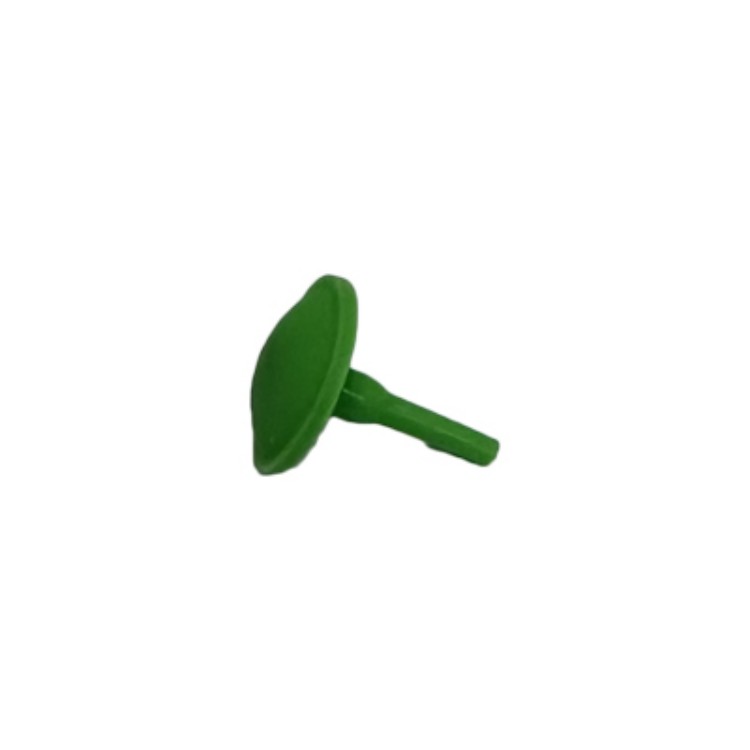
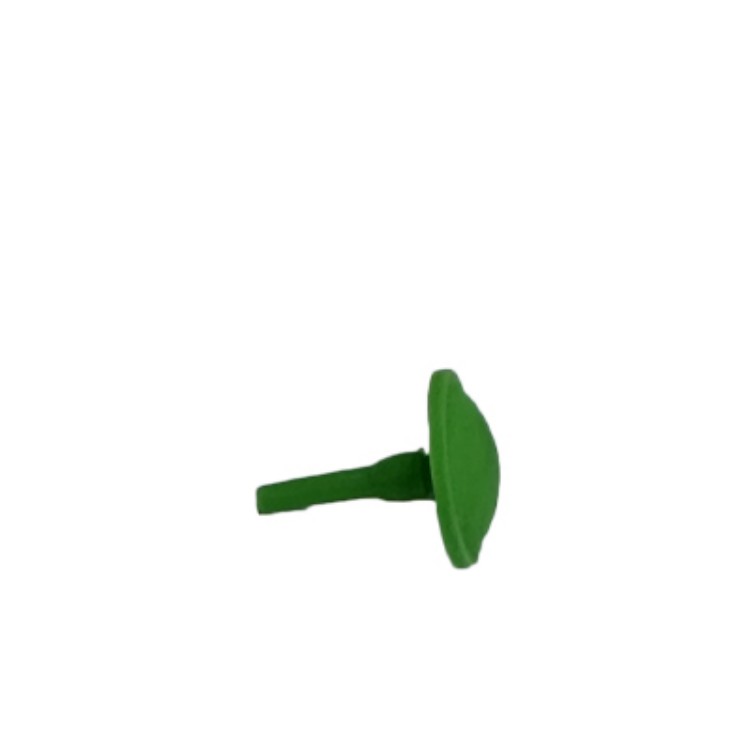
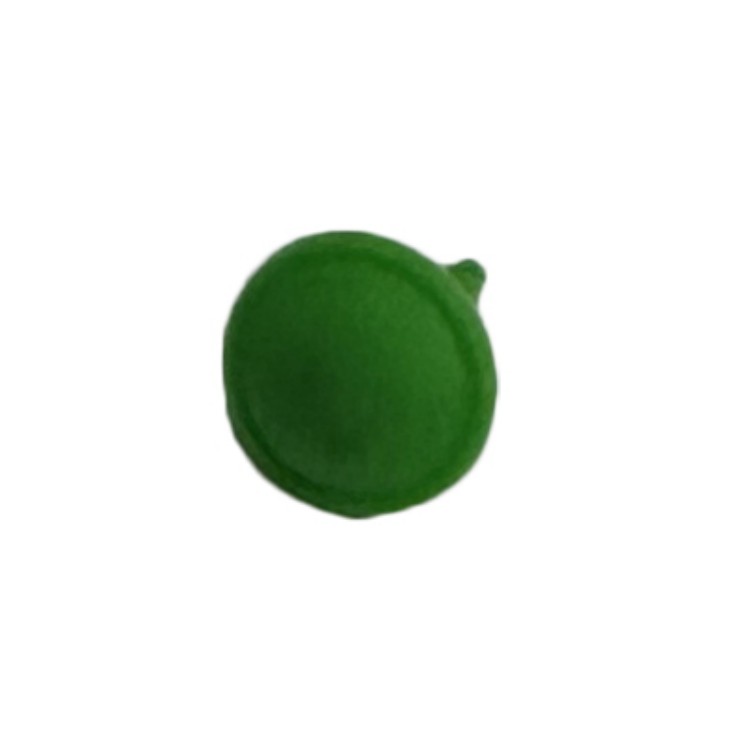


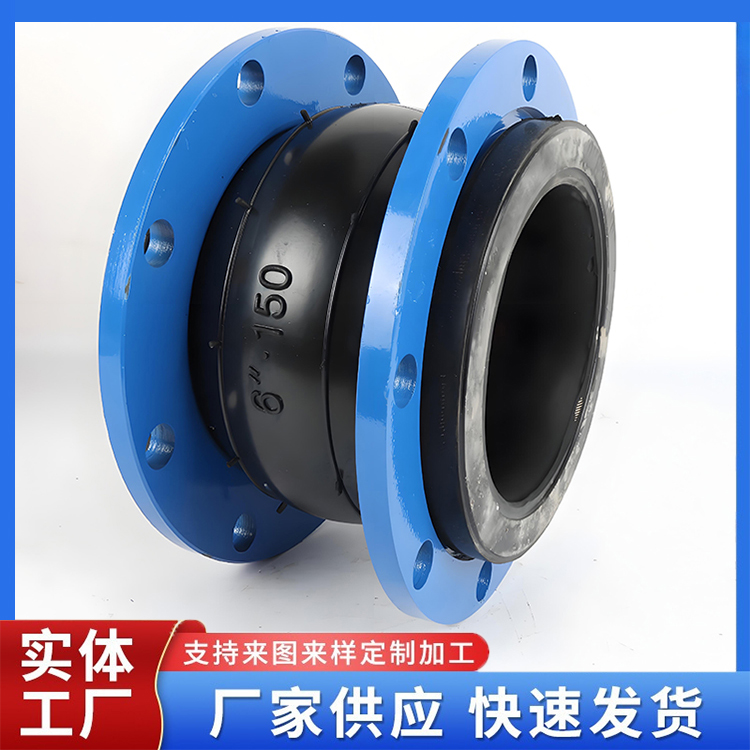
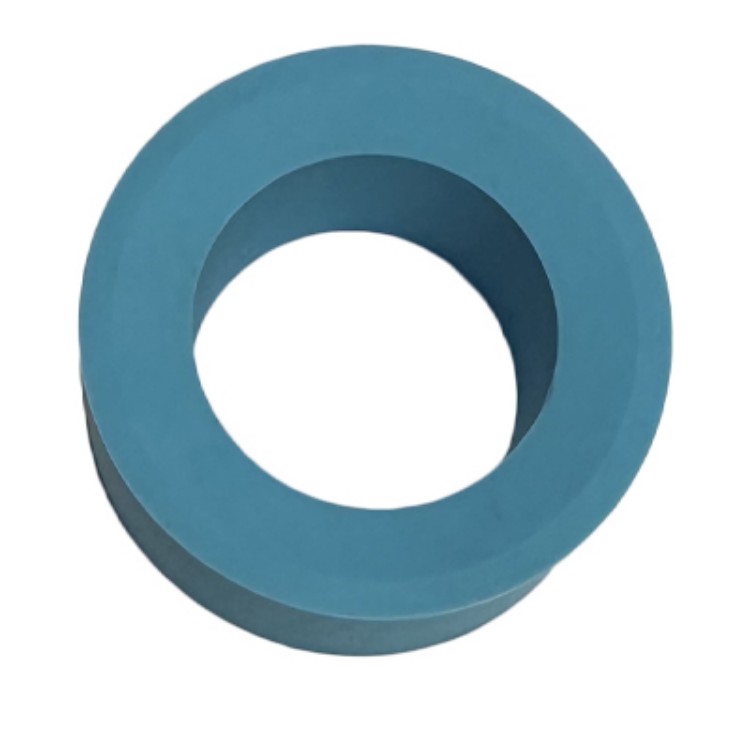
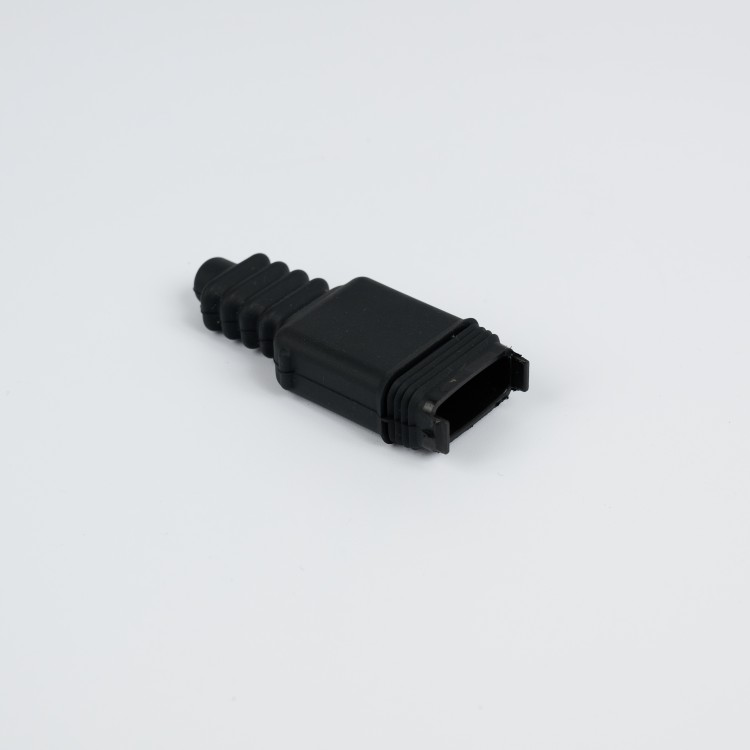
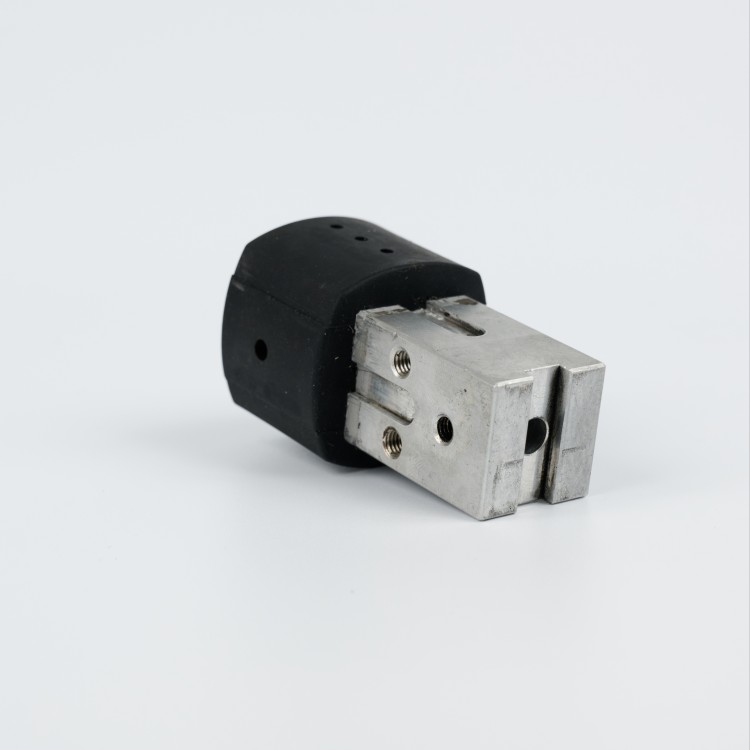






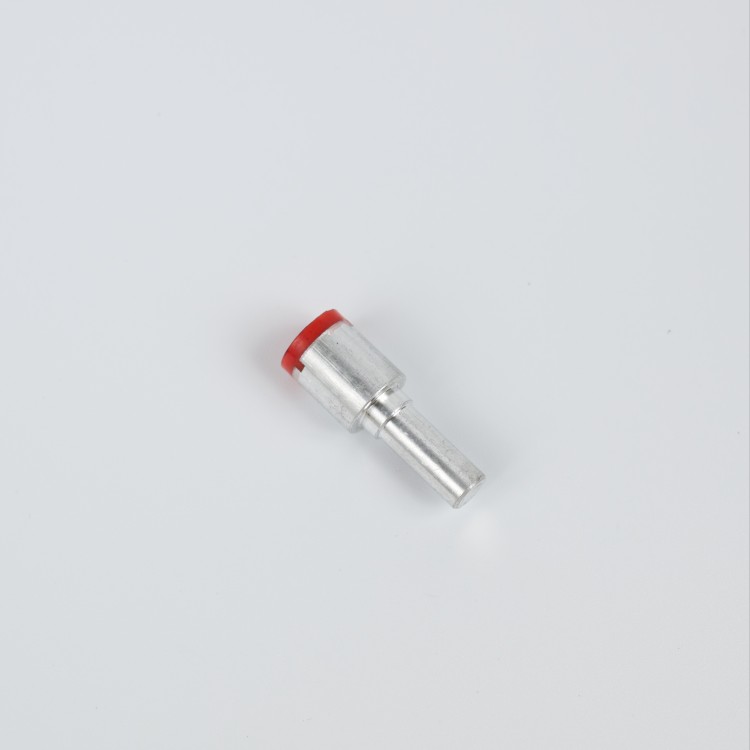
Medical valve discs are a critical component widely used in medical equipment, primarily for controlling and regulating fluid flow to ensure the proper operation of medical devices and patient safety. Below is a detailed introduction to medical valve discs:
I. Definition and Composition
Medical valve discs are valve components used in medical equipment, typically made from high-strength, corrosion-resistant, and non-toxic materials such as stainless steel, ceramics, or special plastics. They usually consist of three parts: the valve body, valve seat, and valve disc, which can move freely to control the flow and flow rate of fluids.
Section 2: Working Principle
The working principle of medical valve discs is to control the flow of fluids by moving the valve disc. When a certain force or signal is applied, the valve disc moves and contacts or separates from the valve seat, thereby altering the fluid's passage state. By controlling the movement of the valve disc, fluid regulation and control can be achieved.
III. Types and Features
Medical valve discs can be categorized into various types based on structural features, applications, and control methods, such as stop valves, ball valves, butterfly valves, diaphragm valves, and more. Each type of valve disc has its unique characteristics and suitable application scenarios:
Check valves: Primarily used to control the opening and closing of fluids, featuring a simple structure and good sealing performance. Check valves are commonly used to regulate the flow of steam, gases, liquids, and other mediums.
Ball valve: Enables full or closed flow by rotating the valve core, offering benefits such as low cost, tight closure, minimal pressure loss, optional flow direction, and suitability for high temperature and pressure conditions. Widely used in various liquid and gas systems.
Butterfly Valve: Operates by rotating the butterfly plate 90° via a valve rod to open or close, featuring low pressure loss, selectable flow direction, compact structure, lightweight, and relatively low cost. However, the regulating performance of butterfly valves is relatively poor, and they perform poorly in high wear environments (particle media). Butterfly valves are commonly used for controlling non-clean media such as cooling water or heating steam.
Diaphragm Valve: Utilizes a corrosion-resistant lined body and a corrosion-resistant diaphragm in place of the valve core assembly, adjusting flow by the movement of the diaphragm. It boasts advantages such as high-frequency usability, suitability for clean and polluted media, no dead corners, disinfectability, and cleanliness.
Four: Application Scenarios
Medical valve discs are widely used in various medical equipment, such as medical gas equipment, drug delivery systems, hemodialysis machines, ventilators, etc. In these devices, medical valve discs play a crucial role, such as controlling gas flow and pressure, adjusting the speed of drug delivery, and ensuring fluid balance during hemodialysis.
V. Selection and Precautions
When selecting medical valve discs, several factors must be considered, including the switching frequency, pressure loss, regulating performance, and the temperature, pressure, and purity of the medium under process conditions. Additionally, the following points should be noted:
Material Selection: Ensure the valve blade material meets the requirements for medical equipment, being non-toxic, corrosion-resistant, and high-strength.
Seal Performance: Select valve plates with excellent sealing performance to ensure fluid does not leak or contaminate.
Reliability: Ensures the valve blade maintains stable performance over long-term use, capable of withstanding repeated cleaning and sterilization tests.
Easy Maintenance: Choose valve blades that are easy to disassemble and clean for maintenance and care.
In summary, medical valve discs play a crucial role in medical equipment. Proper selection and use of medical valve discs ensure the smooth operation of medical equipment and patient safety.