




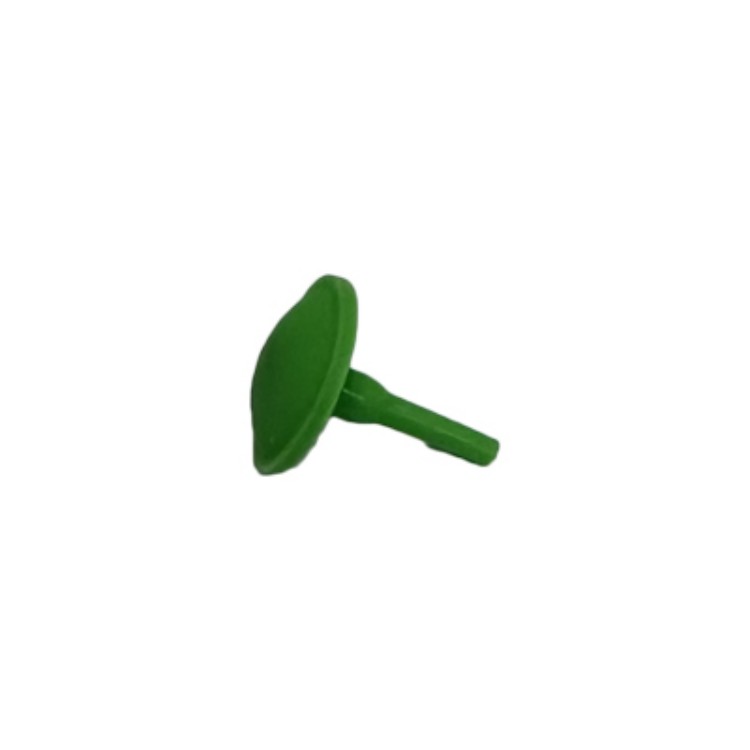
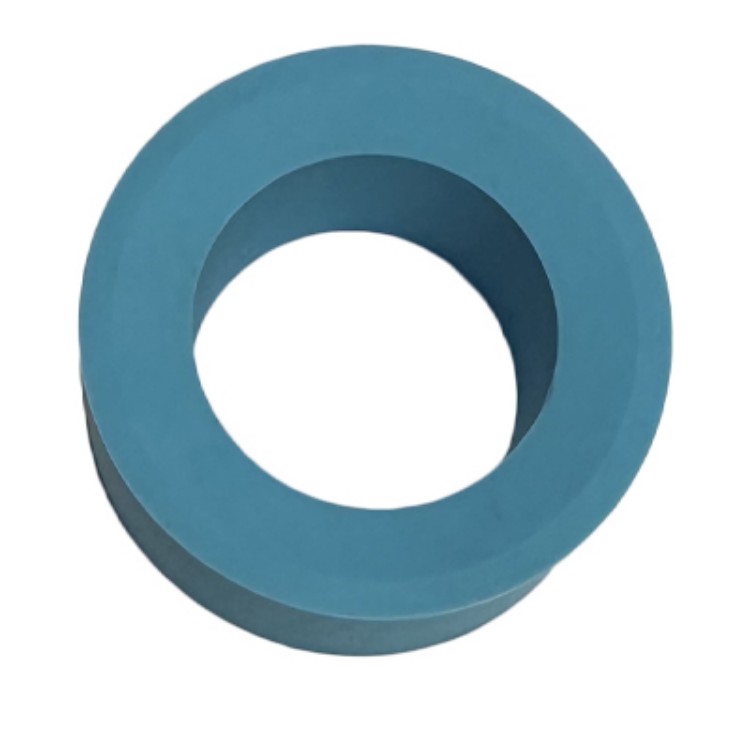
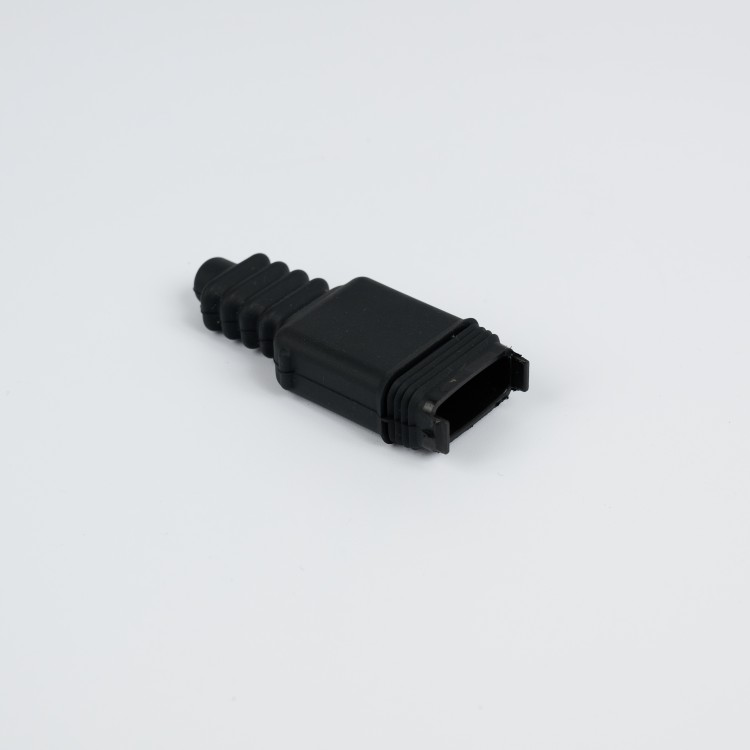
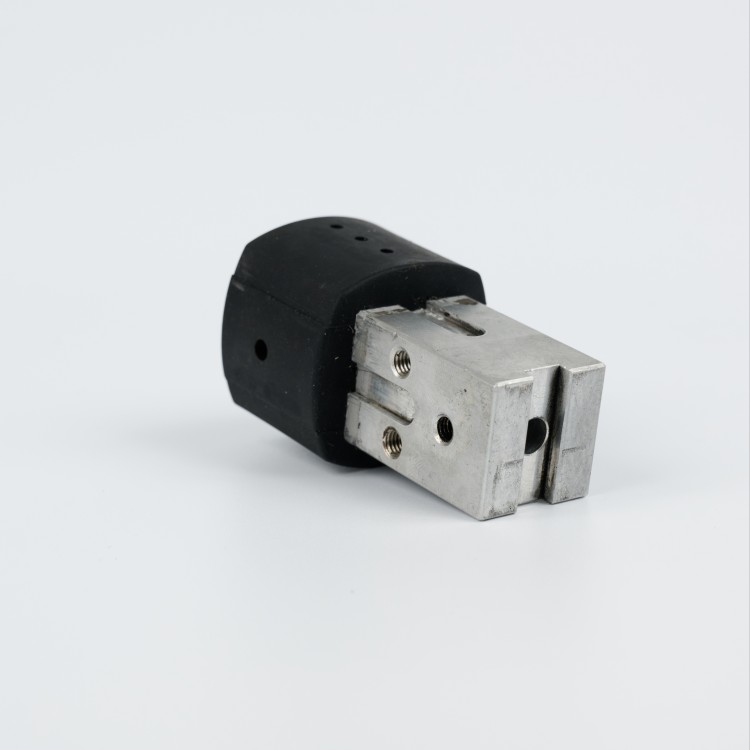






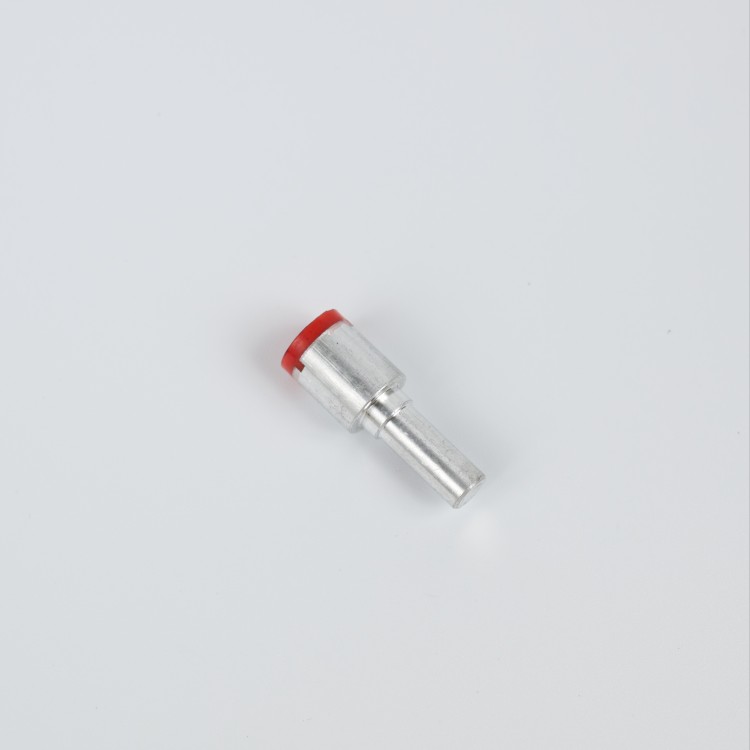
Silicone piece blades are leaf-shaped components made primarily from silicone. They are widely used in various fields due to their excellent heat resistance, insulation, and vibration resistance. The following is a detailed introduction to silicone piece blades:
I. Material Characteristics
Softness and durability: The silicone material imparts the leaves with both softness and durability, enabling them to adapt to various complex environments and application scenarios.
Insulation Performance: Silicone boasts excellent insulation properties, making silicone parts commonly used in the electronics industry for manufacturing heat dissipating devices and auxiliary components for thermal conductive materials.
Thermal Resistance: Silicone maintains stable performance over a wide temperature range, making silicone blade parts suitable for various high or low-temperature environments.
Chemical Stability: Silicone is resistant to chemical changes in acidic or alkaline environments, offering a certain level of chemical stability.
Section II: Application Fields
Electronics Industry: Silicone parts are commonly used in the production of heat dissipation components for electronic products, auxiliary parts for thermal conductive materials, and protective elements on circuit boards, leveraging the insulating and heat-resistant properties of silicone.
Automotive Industry: Silicone parts, with their impact resistance and shock absorption properties, are an essential component in auto manufacturing. Silicone blades are commonly used for engine compartment insulation panels, sealing washers, and exterior decorative elements of vehicles.
Mechanical Manufacturing: Silicone piece blades play a crucial role in the fixation and connection of mechanical parts due to their excellent wear resistance and stability, commonly used in the production of sealing and shock-absorbing components for machinery.
Aerospace Industry: Aviation-grade silicone products can withstand extreme temperatures and harsh environmental conditions, making silicone components widely used in many critical parts of the field, such as thermal insulation panels and seals within the aircraft engine compartments.
Medical Field: Medical silicone products, due to their non-toxic and harmless characteristics, as well as stable physical and chemical properties, are widely used in medical devices and equipment. Silicone parts are commonly used to manufacture seals and protective casings for medical devices.
Section 3: Production Process
The production process for silicone part blades typically includes mold making, material preparation, shaping, and post-processing. Among these, mold making is a critical step that determines the shape and dimensional accuracy of the silicone part blades. The shaping process involves transforming the silicone material into blade shapes through injection molding, extrusion, or calendering. The post-processing steps, such as deburring, cleaning, and drying, ensure the surface quality and performance of the silicone part blades.
Four: Cautionary Notes
Select the appropriate silicone material: Choose the suitable silicone material based on the application environment and requirements to ensure the performance and lifespan of the silicone part blades.
Rigorous production process control: Strictly regulate the process parameters and quality standards at each stage of production to ensure the quality and stability of the silicone piece blades.
Be mindful of the operating environment: When using silicone blade parts, ensure the operating environment meets requirements to avoid performance degradation or damage due to harsh conditions.
In summary, silicone piece blades play a crucial role in various industries due to their unique material properties and wide application scope. When selecting and using them, it's essential to consider the specific application and requirements to ensure their effective function and meet usage demands.