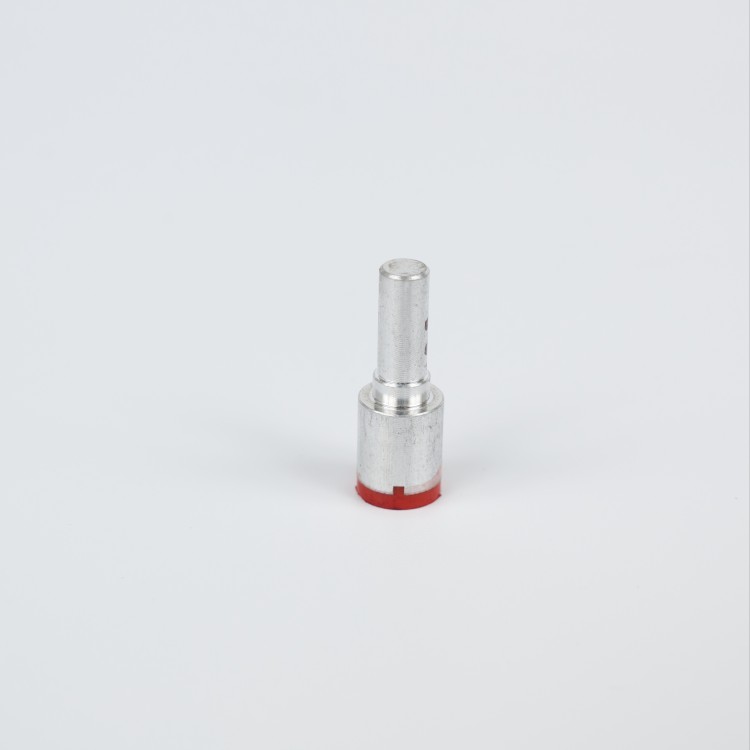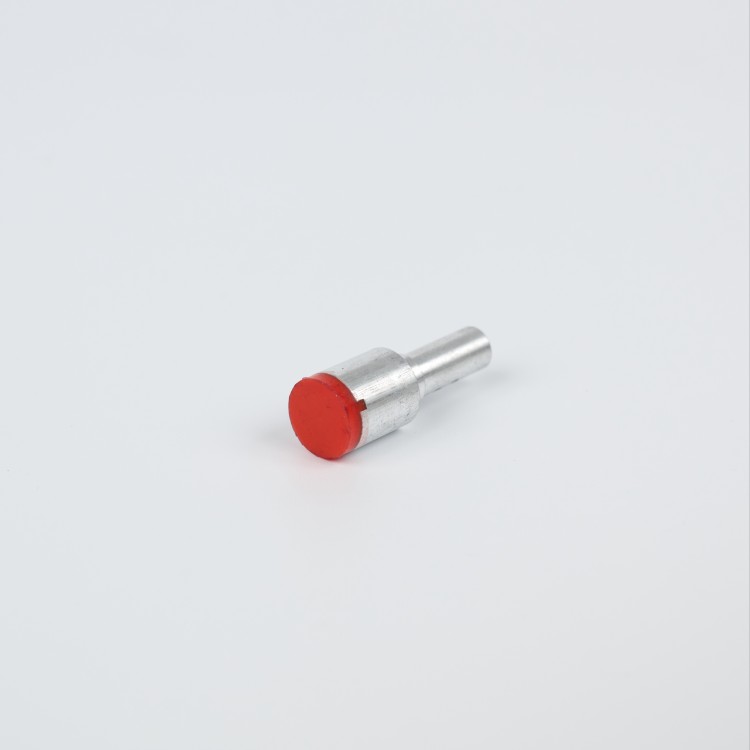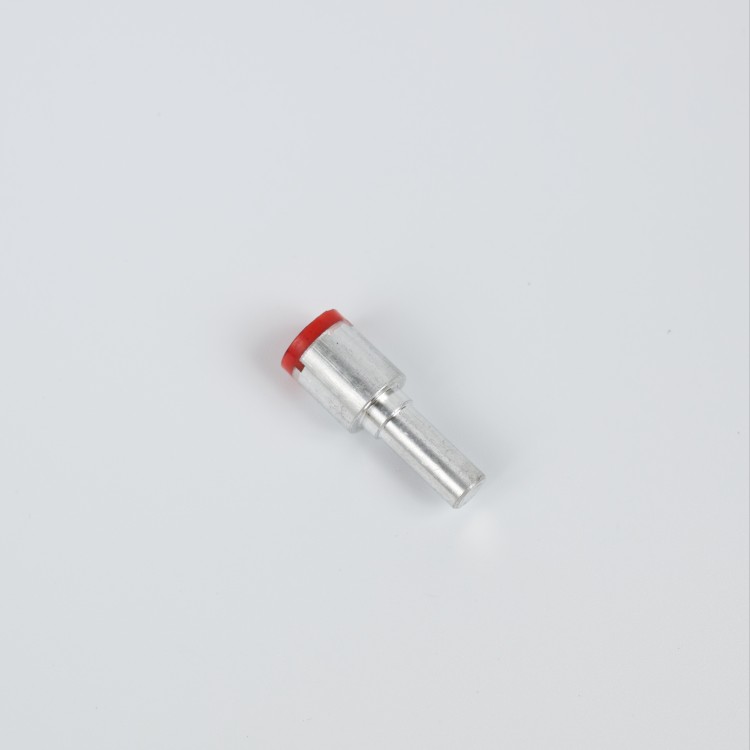

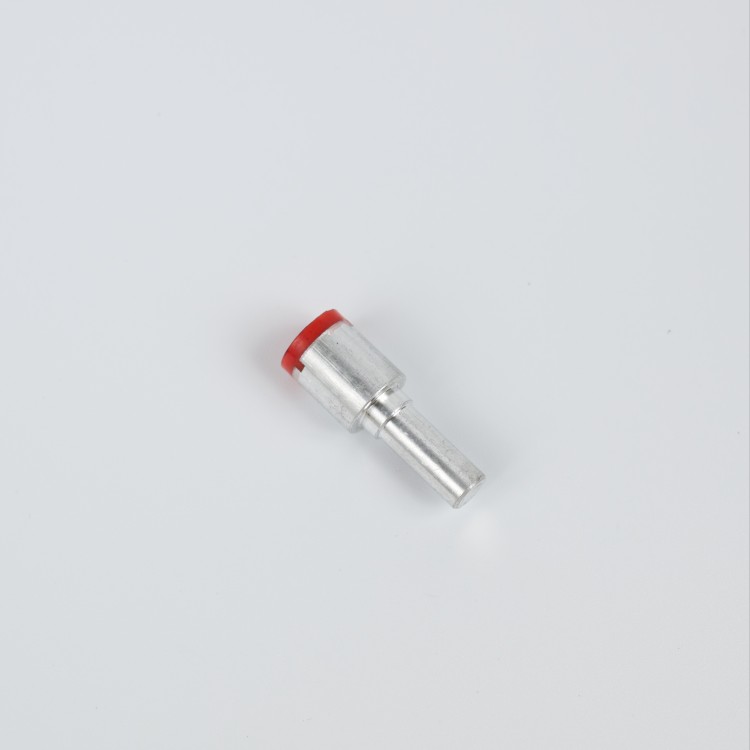
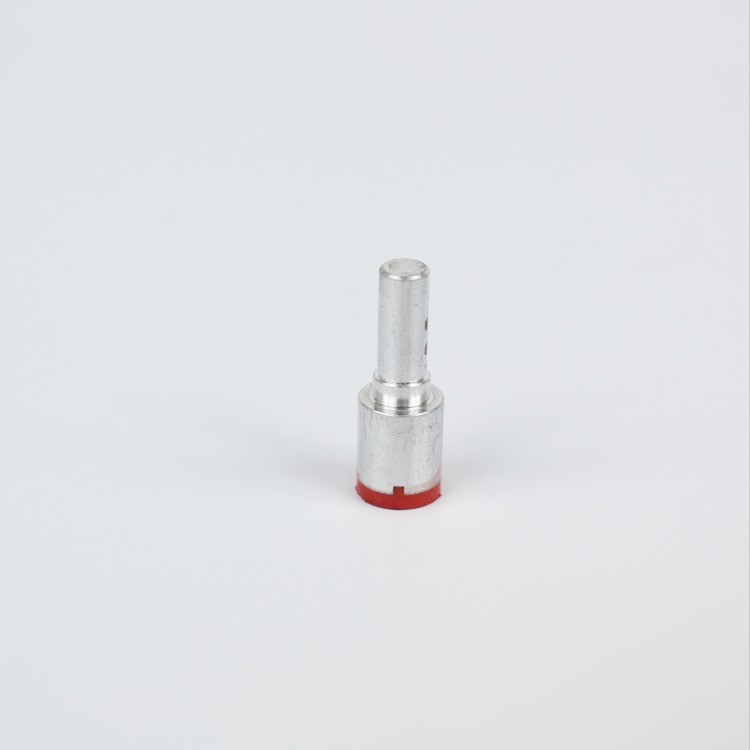
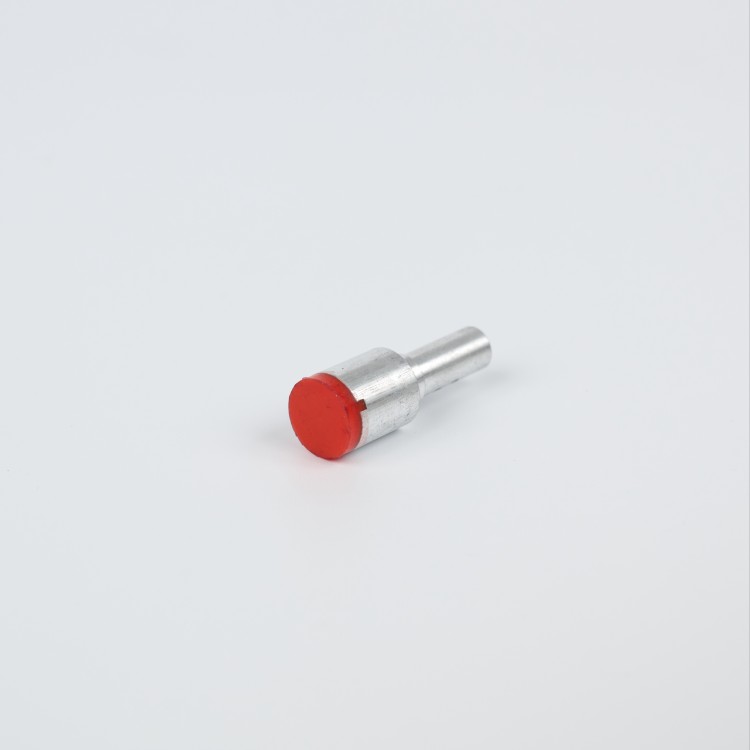


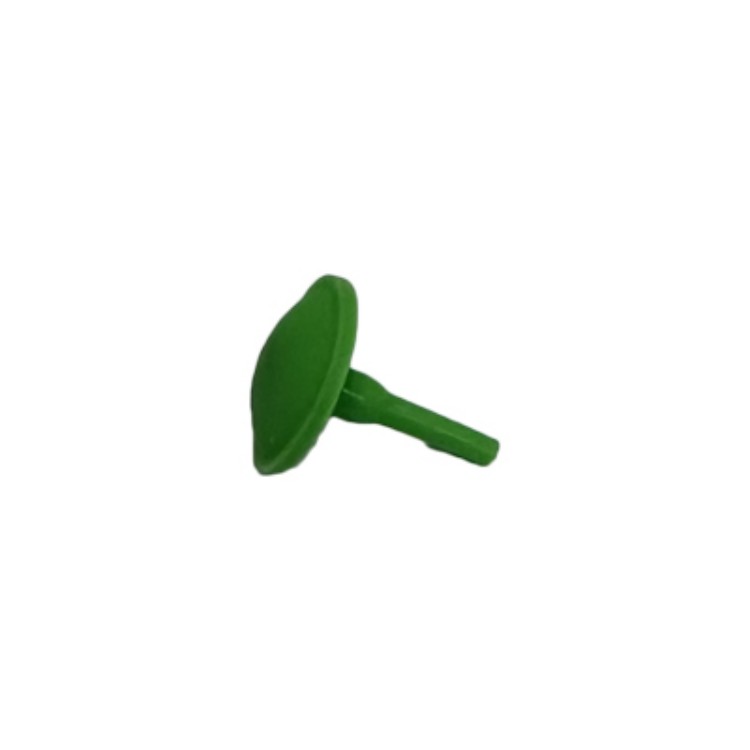
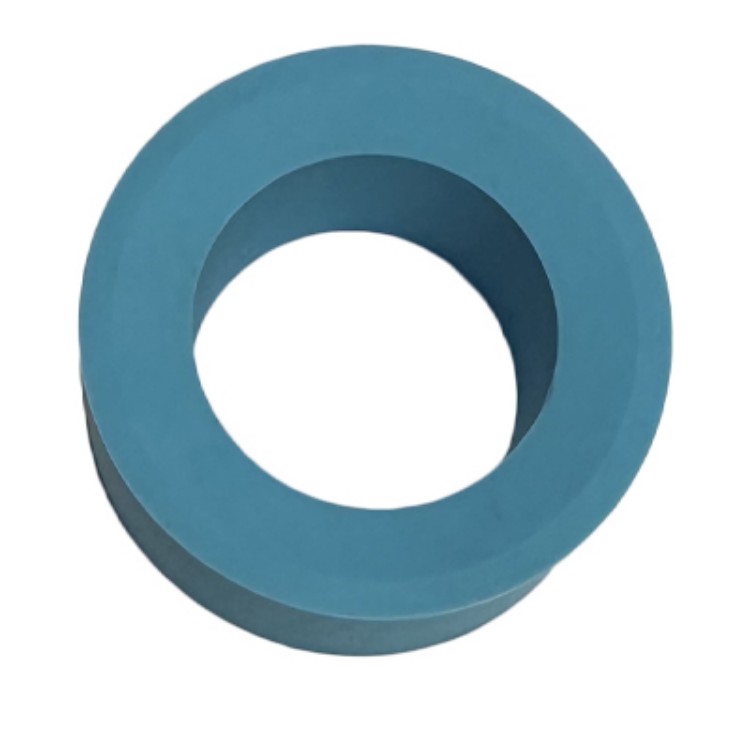
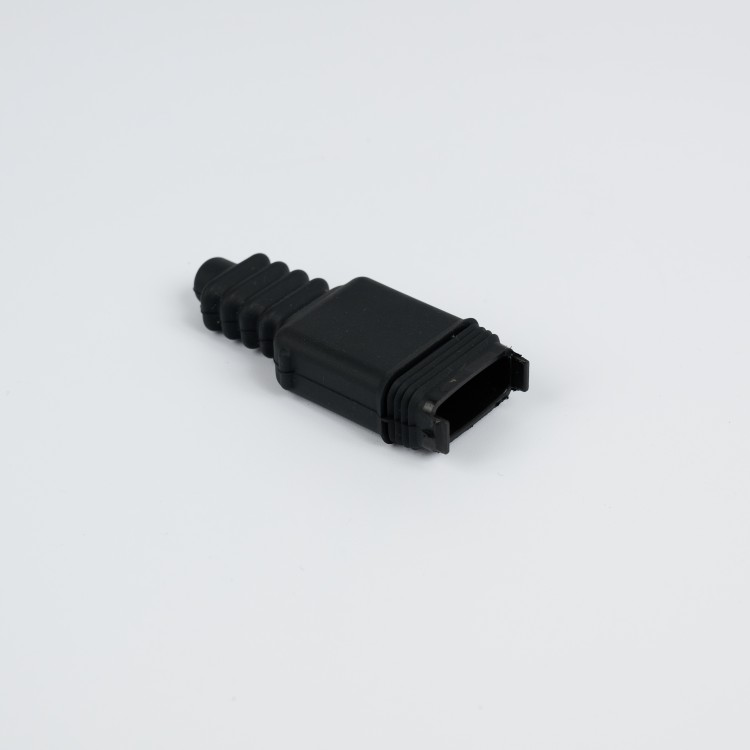
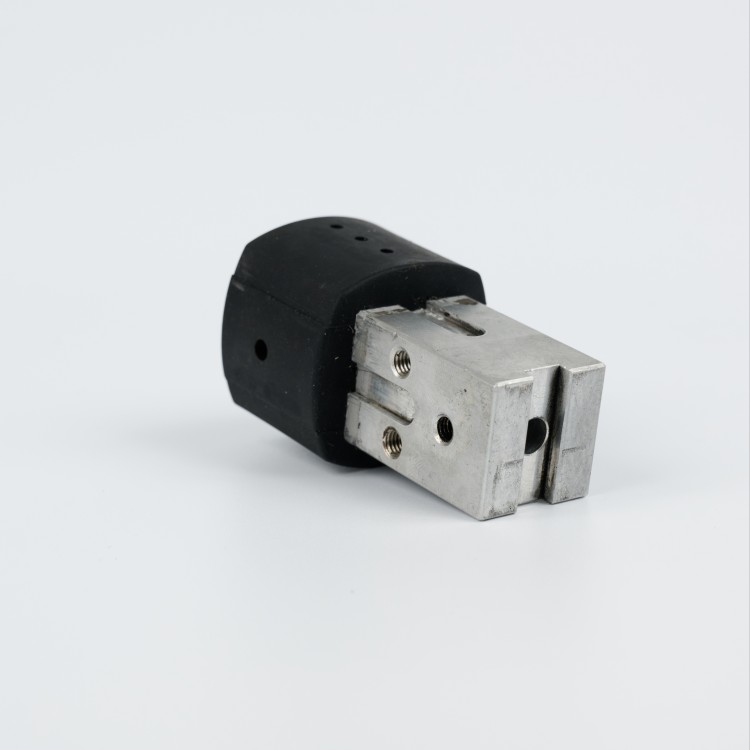






A precision electronic silicone eraser is a specialized cleaning tool for the electronics field, commonly used to remove stains, dust, and oils from delicate electronic components. Below is a detailed introduction to the precision electronic silicone eraser:
I. Main Features
High Precision: The material and design of our precision electronic silicone erasers are specially optimized to ensure no damage to electronic components during cleaning. Their soft texture and fine texture easily remove stains while protecting the surface of the components from scratches or wear.
Good Stability: Precision electronic silicone wipers are typically made from high-quality silicone material, which boasts excellent stability and durability. Even after prolonged use, they maintain their cleaning effectiveness and consistent physical properties.
Thermal Resistance: The precision electronic silicone wipe can withstand certain high-temperature environments, making it safer and more reliable for cleaning heated electronic components.
Easy to clean: After use, the precision electronic silicone wipe can be easily cleaned with water or solvent for next-time use.
Section II: Application Fields
Precision electronic silicone wipes are mainly used in the manufacturing and maintenance of electronic products, especially in situations where cleaning delicate electronic components is required. Typical application areas include:
Chip Packaging: Precision electronic silicone wipes can be used during the chip packaging process to remove stains and dust from the chip surface, ensuring the reliability and stability of the packaging.
Semiconductor Production Equipment Maintenance: Precision components in semiconductor production equipment require regular cleaning and maintenance, with precision electronic silicone wipes being one of the key tools for this purpose.
PCB Cleaning: During PCB manufacturing and maintenance, precision electronic silicone wipes are used to remove grease, dust, and impurities from PCBs, enhancing their performance and reliability.
Other electronic components cleaning: Precision electronic silicone wipes can also be used for cleaning other types of electronic components, such as capacitors, resistors, connectors, etc.
III. Usage Instructions
When using precision electronic silicone erasers, please note the following points:
Select the appropriate silicone eraser: Choose a silicone eraser with the appropriate hardness and size based on the type and dimensions of the electronic component to be cleaned.
Gently wipe: During the cleaning process, gently wipe the surface of the electronic components to avoid excessive force that may cause scratches or damage.
Regular Replacement: As usage time increases, the cleaning effectiveness of silicone wipers gradually diminishes. Therefore, it is necessary to replace them regularly with new silicone wipers to maintain their cleaning performance.
Four: Cautionary Notes
Avoid direct contact with chemical solvents: Although precision electronic silicone wipes can withstand some solvent cleaning, prolonged exposure to certain chemical solvents may degrade their performance. Therefore, it is recommended to avoid direct contact with strong acids, alkalis, and other chemical solvents during use.
Storage Environment: Precision electronic silicone wipes should be stored in a dry, cool environment, away from direct sunlight and high temperatures to prevent aging or deformation.
Be cautious: When using precision electronic silicone wipes, ensure safe operation to avoid risks like electric shock or short circuits. Especially when cleaning high-voltage components like circuit boards, appropriate protective measures must be taken.
In summary, precision electronic silicone erasers play a crucial role in the manufacturing and maintenance of electronic products. Their high precision, stability, temperature resistance, and ease of cleaning make them an ideal choice for cleaning delicate electronic components. When in use, it's important to select the appropriate silicone eraser, gently wipe, regularly replace them, and avoid direct contact with chemical solvents.