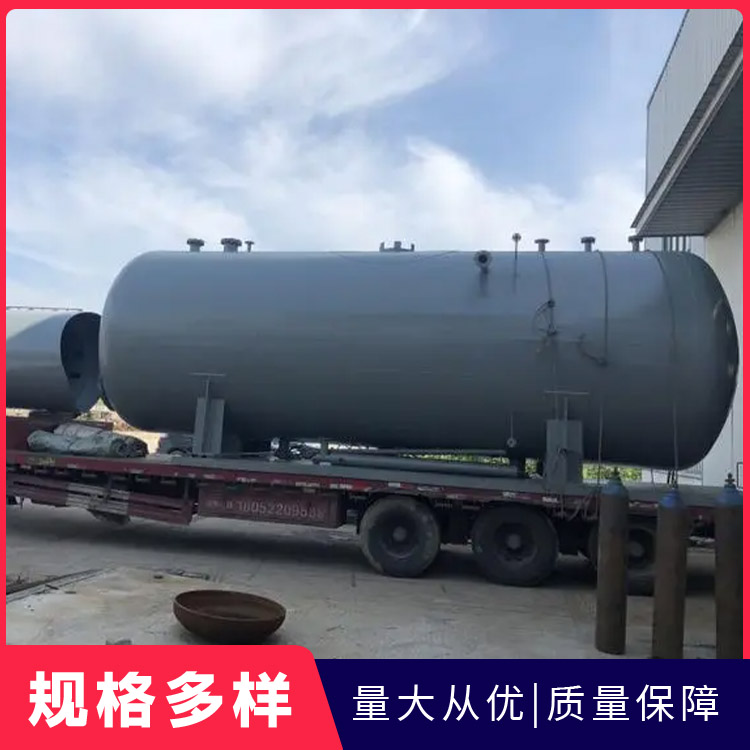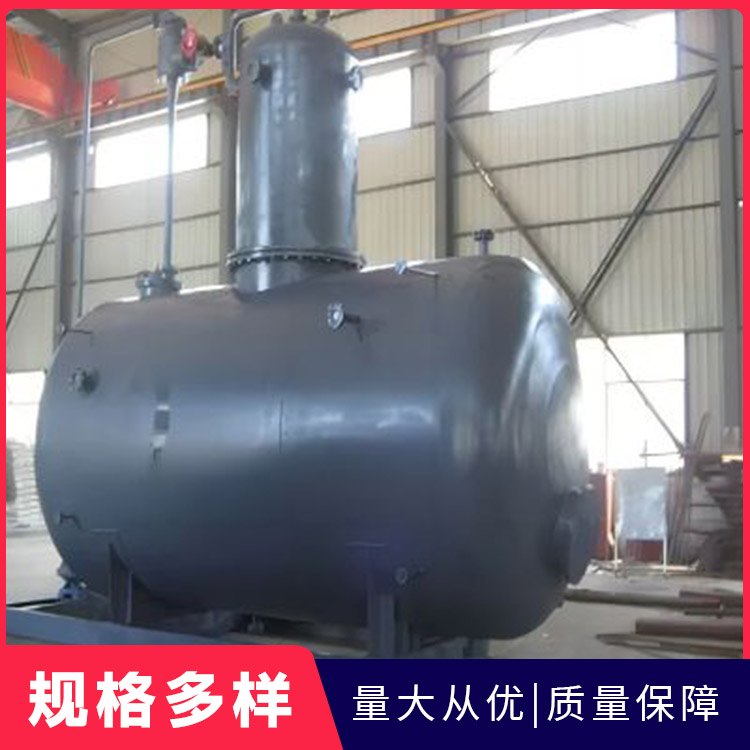


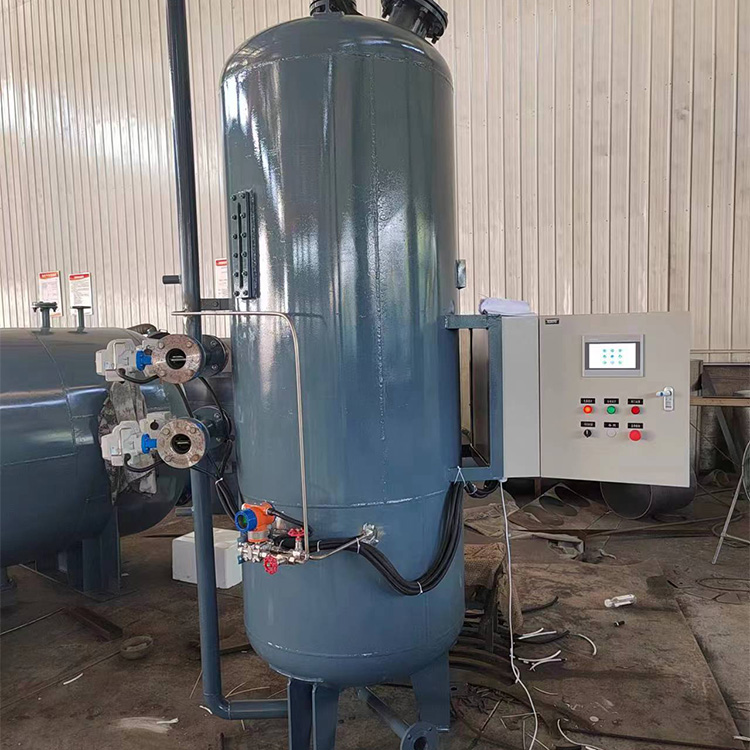


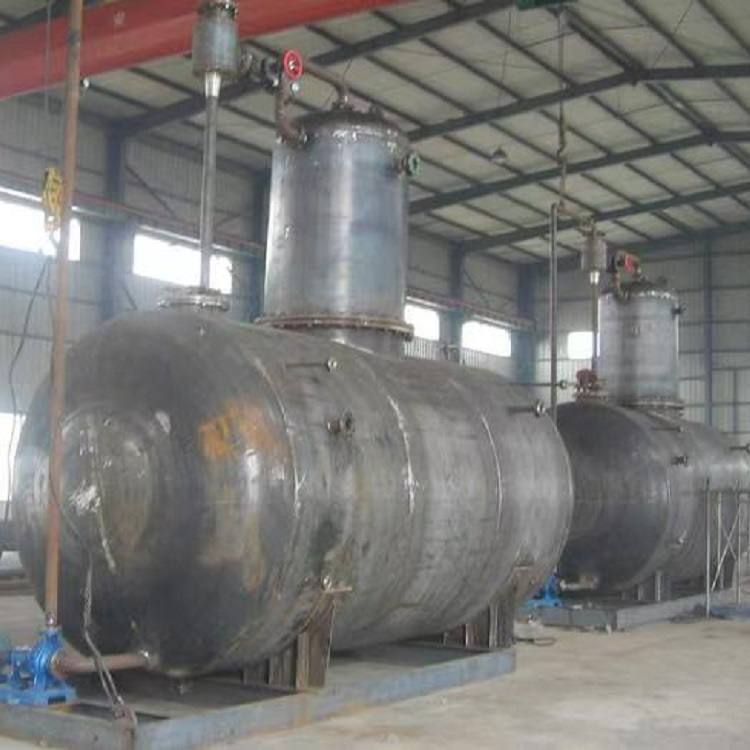
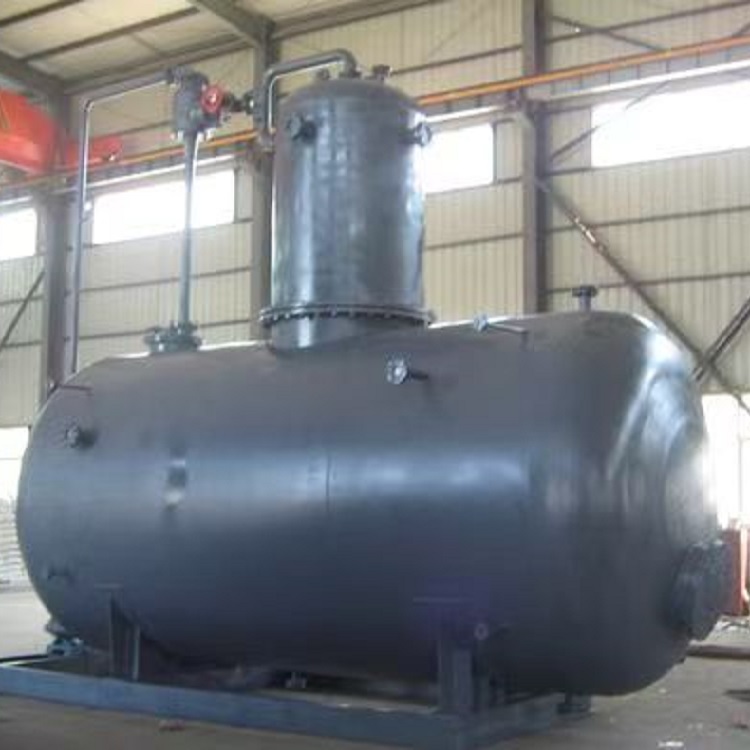







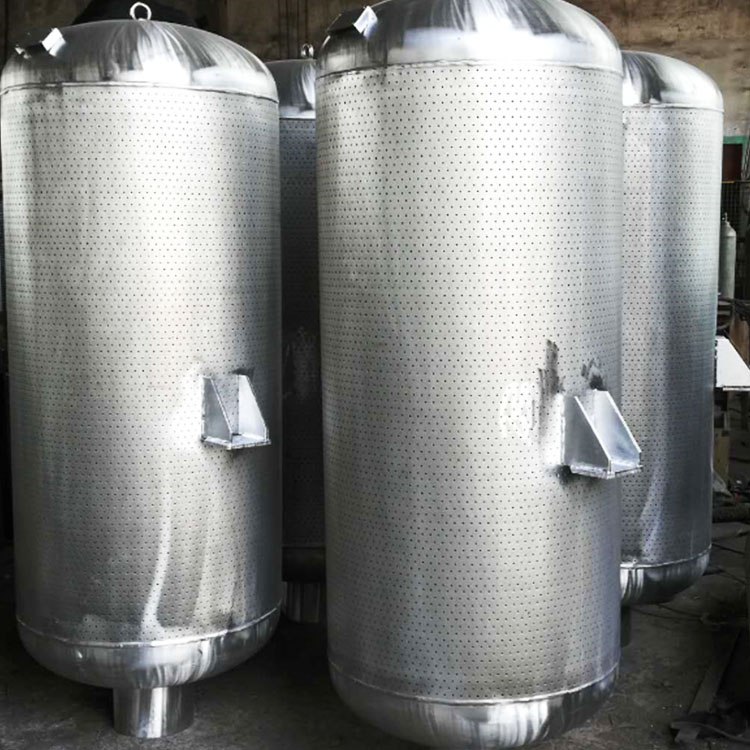
Section 1: Sponge Iron Oxygen Scavenger Product Introduction
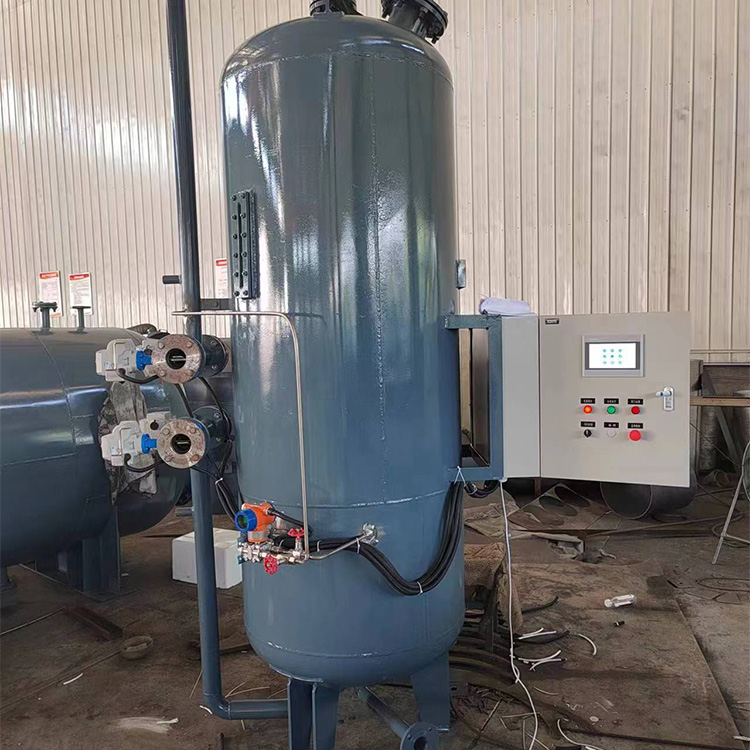
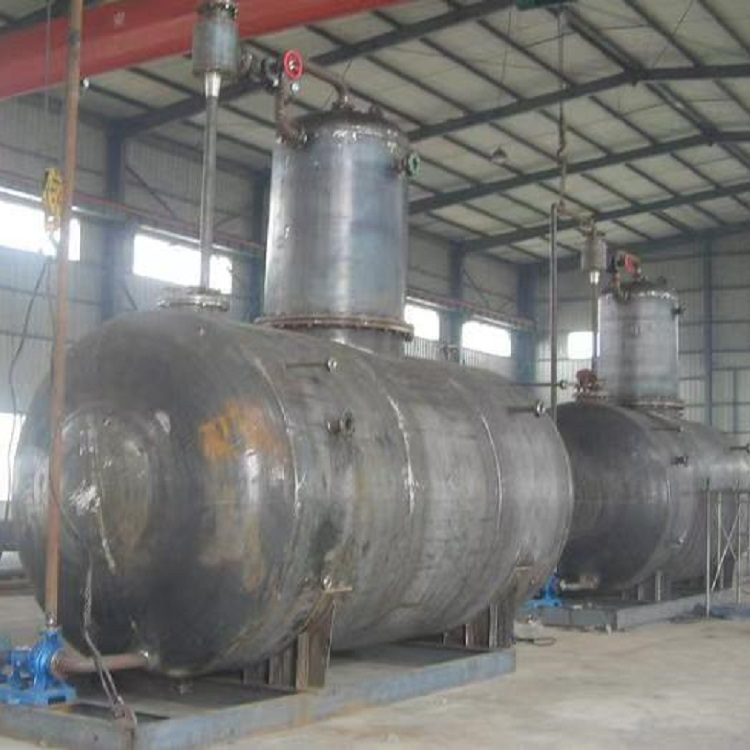
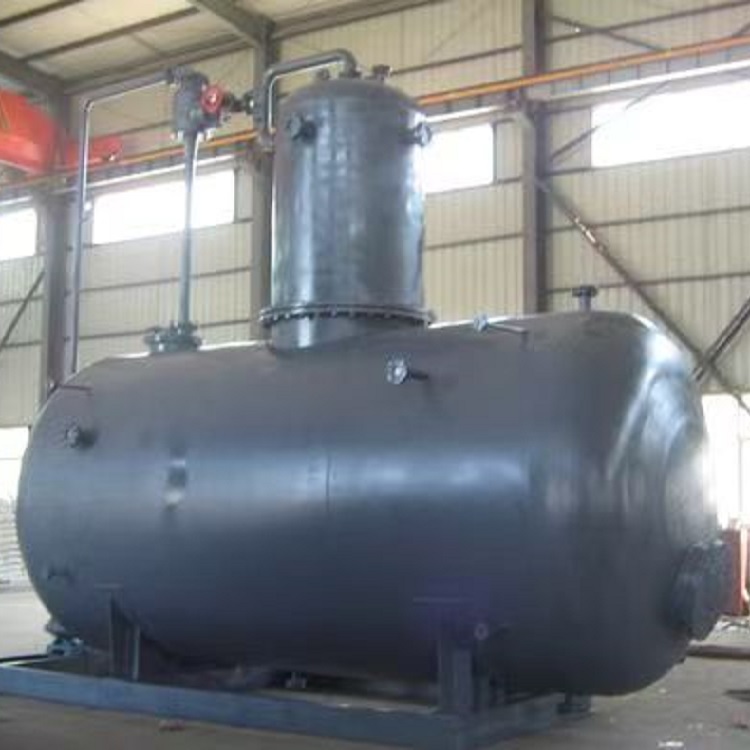
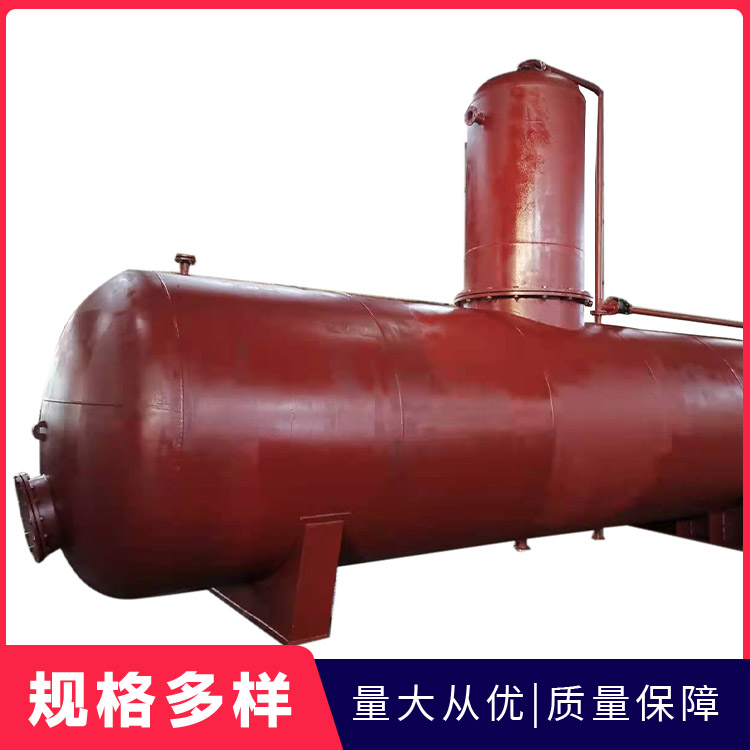
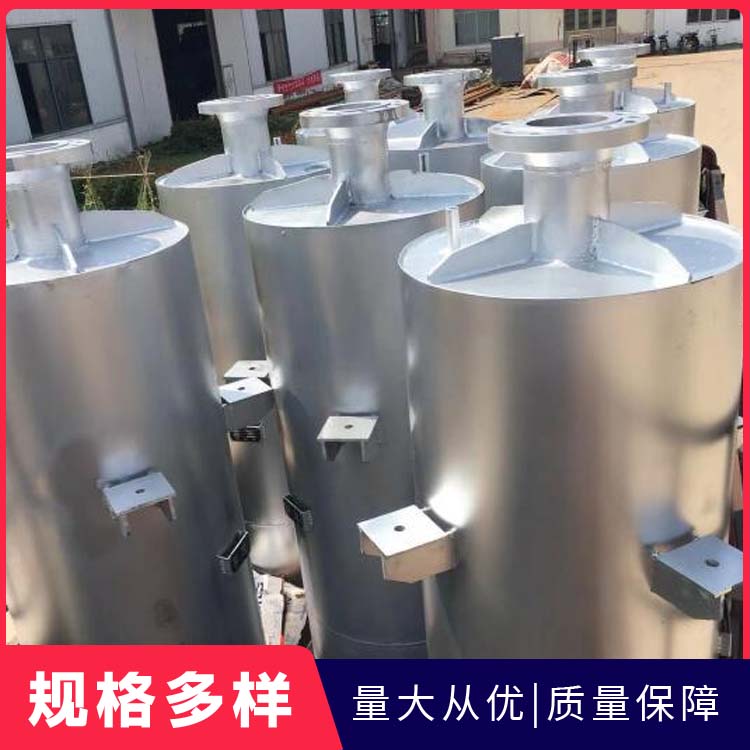
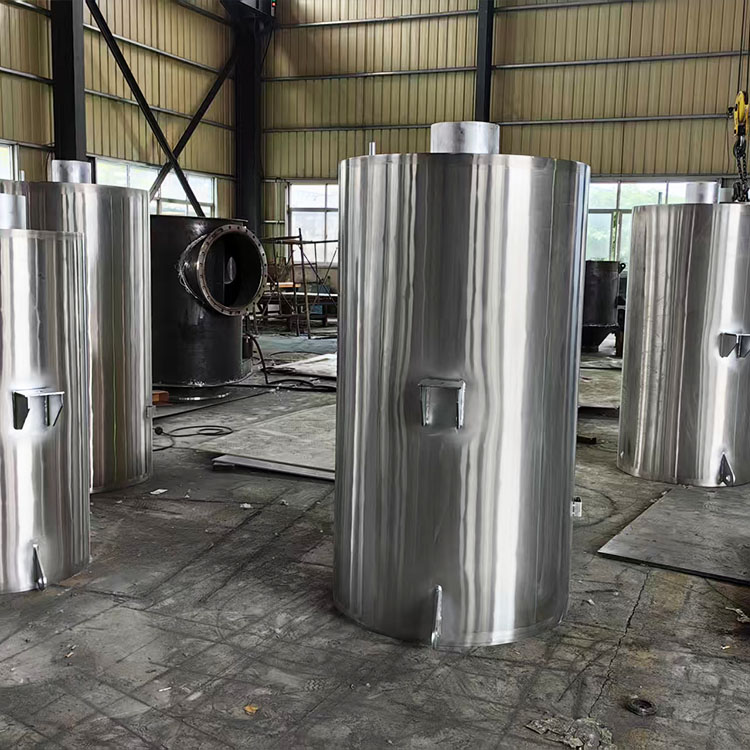
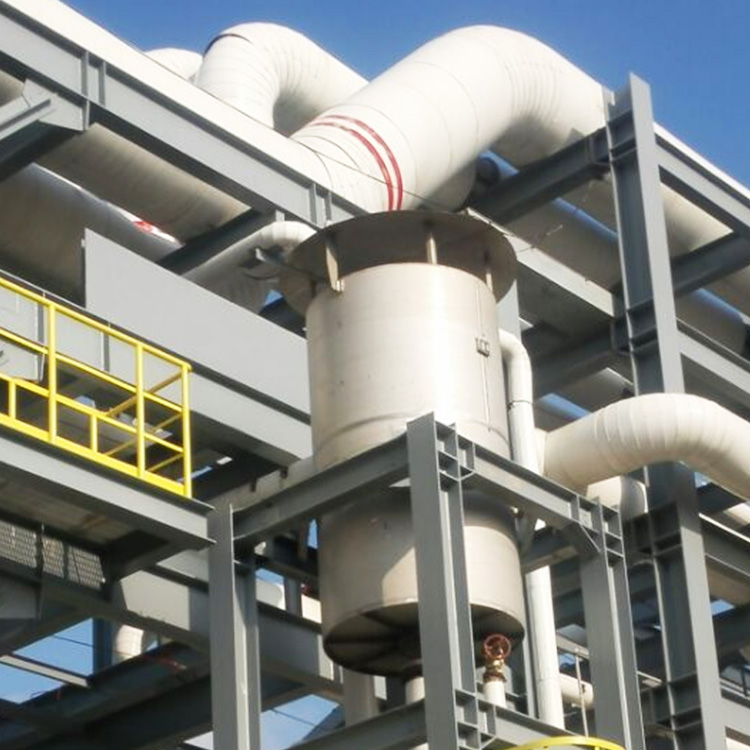
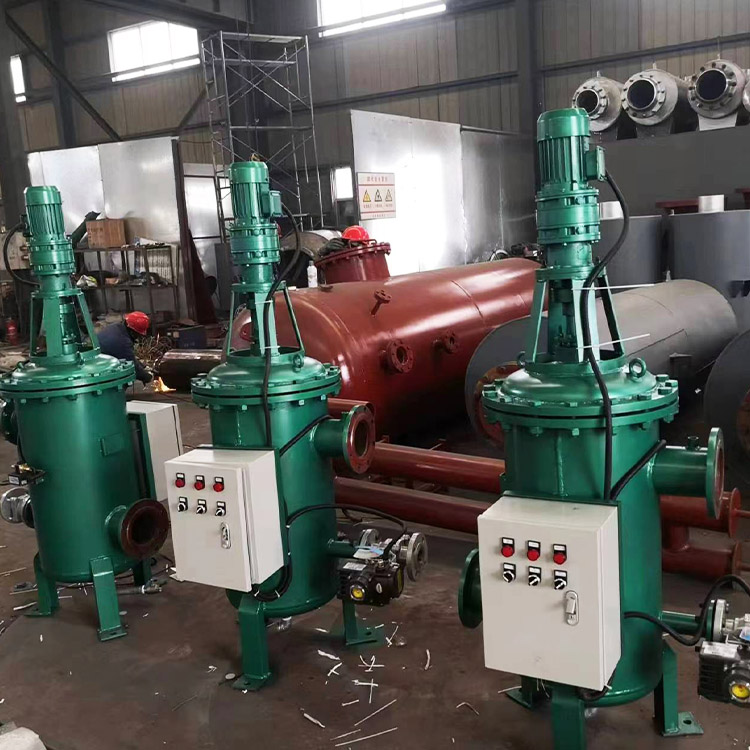
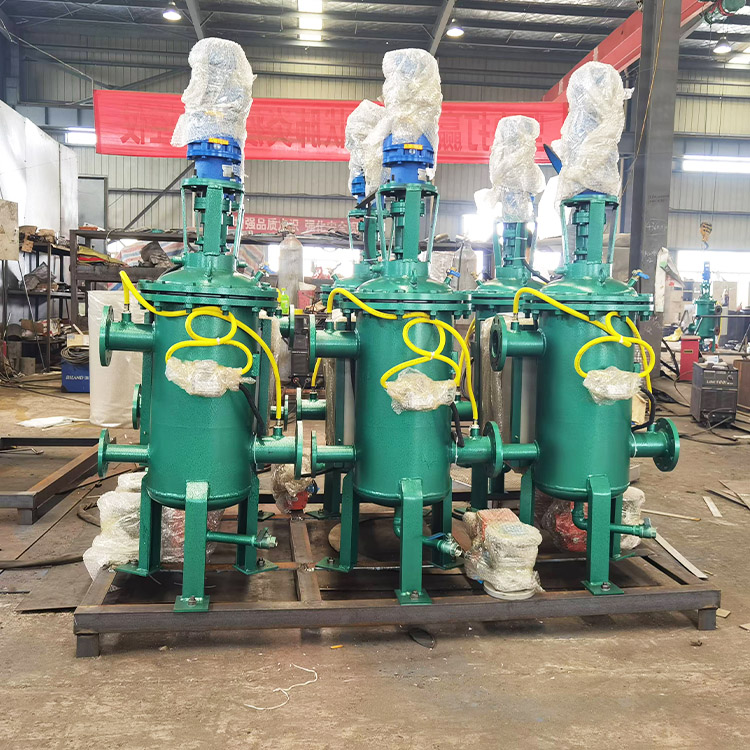
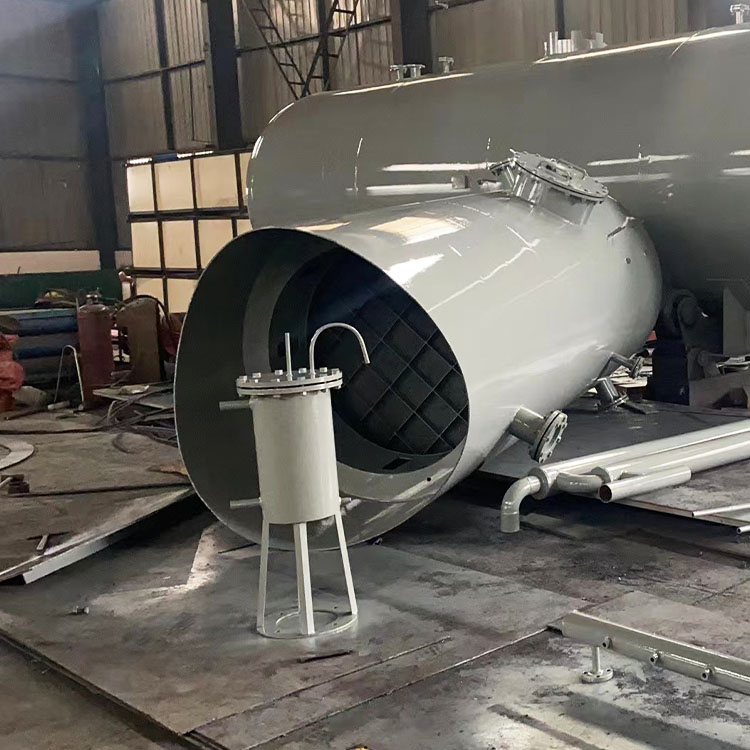
A sponge iron deaerator is an oxygen removal device where water containing oxygen passes through a sponge iron filter layer. This specially designed sponge iron filter material has a large specific surface area, allowing for a complete oxidation reaction between the dissolved oxygen in the water and the iron.
Section 2: Detailed Information on Sponge Iron Oxygen Removal Device
Removing oxygen dissolved in water is crucial for preventing corrosion in boilers or other water-using equipment, ensuring their safe and economic operation. Our company has introduced patented technology since 1995 and developed an atmospheric temperature filtration deaerator. Over the years since its launch, it has been proven that the dissolved oxygen content in the deaerator's output can be maintained below 0.05 mg/L, making it a commonly used product for low-pressure boiler deaeration. The consumption of activated carbon is low, typically requiring replenishment every 3 to 6 months based on the water volume and quality. After deaeration, the water contains a small amount of iron ions (usually 0.2 to 0.5 mg/L), which still meets domestic water quality standards for hot water boilers. However, for steam boilers or deaeration systems that require strict iron ion removal from the feedwater, an iron removal unit can be installed after the existing deaerator to ensure the water quality of the boiler feed. Our company offers a variety of ion exchange iron removal units for customer selection.
Section 3: Characteristics of Sponge Iron Oxygen Removal Equipment
1. Oxygen removal can be achieved at room temperature, with no need to heat the incoming water. This overcomes the缺点 of heat-based oxygen removal and vacuum oxygen removal, which require heating and energy consumption.
2. Oxygen removal is stable and reliable, with the dissolved oxygen content in the effluent consistently below 0.05 mg/L, meeting domestic low-pressure boiler water quality standards.
3. A wide range of equipment is available, featuring both automatic and manual control options for user selection.
4. No special installation requirements; overcomes the inconvenience of having to install high for thermal, vacuum oxygen removal.
5. Simple system, compact equipment. Small land area.
6. No need to install a backwashing pump for the fully automatic deoxygenation and deironing unit per tank.
7. Oxygenated water passes through a specialized iron sponge filter material, primarily composed of iron. The loose and porous internal structure of this material boasts a vast surface area, allowing for a complete oxidation reaction between the oxygen in the water and the iron, ensuring the dissolved oxygen content in the effluent remains below 0.05 mg/L. The reaction equation is:
2Fe 2H2O O2 →2Fe(OH)2
Fe(OH)2 adsorbs onto sponge iron particles, but it is unstable in oxygenated water, and it will be oxidized into a trivalent iron compound, with the reaction equation being:
4Fe(OH)2 2H2O O2→ 4Fe(OH)3↓
The reaction product Fe(OH)3 is a brownish-red flocculent precipitate that is insoluble in water, trapped within the granules of sponge iron. Once accumulated to a certain extent, it can be easily rinsed clean with a moderate intensity of backwash water, restoring the sponge iron oxygen scavenger to its initial oxygen removal capacity.
In the deep layer of the filter, due to the low oxygen concentration in the water, there necessarily exists a small amount of Fe2+ that maintains a balanced relationship with Fe(OH)3. This can be removed by sodium-form strong acidic cation resin, with the exchange reaction being:
Fe2 2RNa → R2Fe 2Na
After resin failure, it can be regenerated using a dilute solution of NaCl (salt) and Na2SO3 (the total capacity of Na2SO3 and NaCl is a solid mixture of 1% to 2%). The addition of Na2SO3 aims to improve the regeneration of the resin and extend its service life.
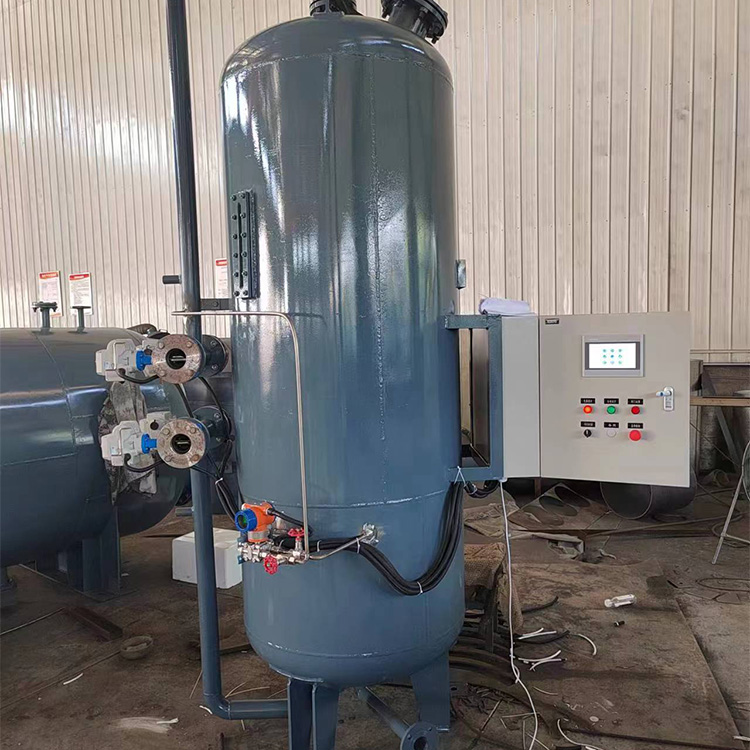
4. Automatic Oxygen Removal System Control Principle
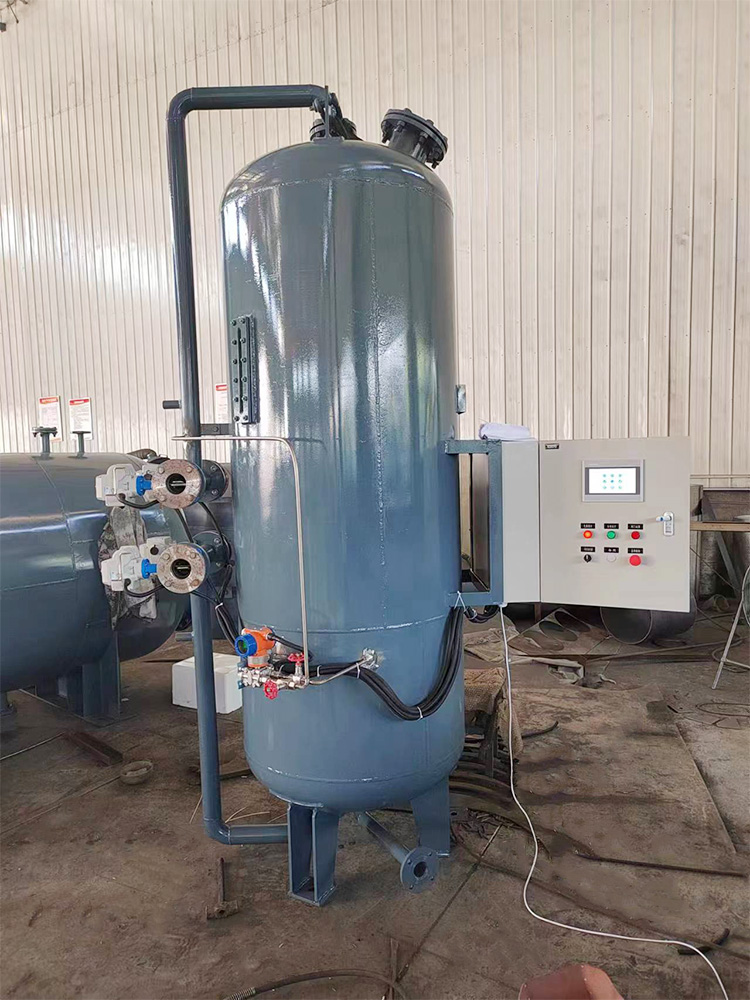
The fully automatic deaerator system consists of multiple control diaphragm valves (hydraulic or pneumatic), a JMA multi-valve controller, and a deaeration tank. The controller issues open/close commands to each controllable diaphragm valve according to pre-set programs, thereby completing the opening and closing of various passages and realizing the various process steps such as operation, backwashing, and cleaning. The JMA multi-valve controller responsible for the execution control is composed of a signal distributor and a time controller, mounted within a waterproof controller housing. The signal distributor is a rotary guide valve that directs the switching of liquid or gas signal sources to various diaphragm valves on the equipment, thereby completing the automatic control of the system. The valve core of the signal distributor is made of durable, corrosion-resistant, self-lubricating material, featuring a long service life and no need for maintenance. The valves used for operation are well-established hydraulic or pneumatic diaphragm valves both domestically and internationally. These valves are easy to install and maintain, allowing non-specialists to perform checks, repairs, and replacements.
Five. Sponge Iron Oxygen Removal Filter Media - Sponge Iron Filter Media
The performance of the sponge iron filter material is a decisive factor in whether the deaerator can meet the design specifications. The deaerator must use specially formulated sponge iron to achieve the desired deoxygenation effect. The HY sponge iron filter material is a high-efficiency filter material for deaerators developed by Haoyang Company, having been proven over years of industrial practice. It can fully meet the deaerator's water output design specifications, and boasts high purity, strong resistance to caking, and stable quality, making it very popular among users.
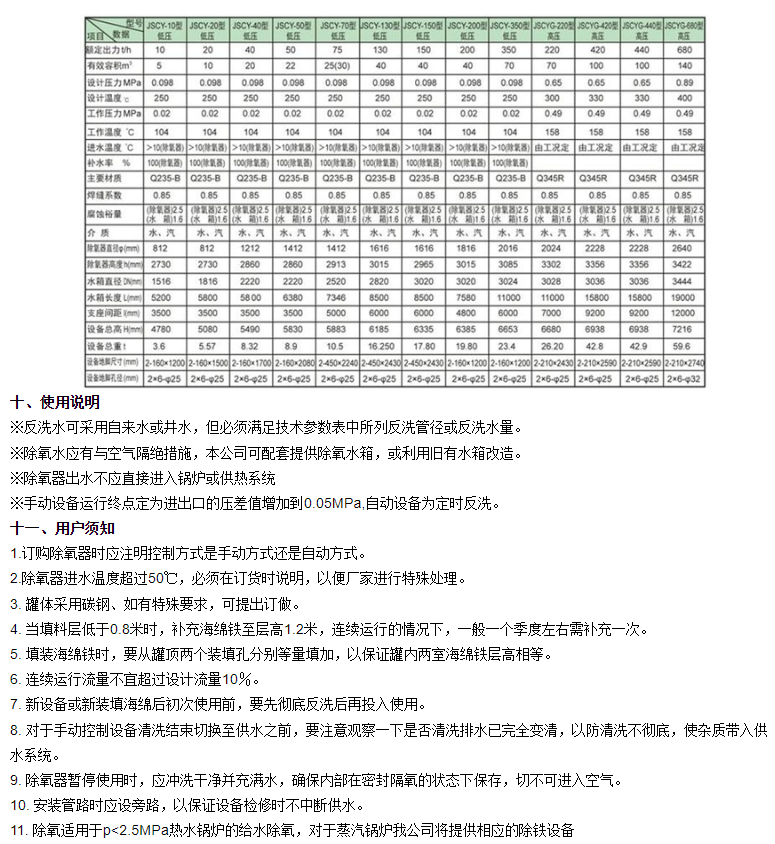
Section 6: Sponge Iron Oxygen Removal Equipment Technical Parameters
Work Flow Rate: 20~30 m/h
Anti-money Laundering Flow Rate: 50 m/h
Anti-laundering time: 5~8 minutes
Flow Rate: 20~30 m/h
Rinsing Time: Until Water Clears
End-point control: Inlet and outlet pressure difference ≤ 0.05 MPa
Section 7: Main Technical Specifications of Sponge Iron Filter Media
Specific Surface Area: 1.06 m2/g
Total Iron (Fe): ≥95%
Particle Size Range: 1.0~5.0mm
Thickener, Accelerator: ≈4% <
Bulk Density: 1.7 g/cm³
Section 8: Installation and Usage Precautions for Sponge Iron Oxygen Scavenger
[1] New equipment or additional sponge iron should be first subjected to a thorough descaling process to ensure all impurities are removed.
When filling with sponge iron, ensure the height of the filling in both compartments is consistent.
[3]For steam boiler feed water deoxygenation, a dedicated iron-removing tank is required after the deoxygenator.
[4] When the filling height is less than 800mm, sponge iron must be replenished promptly to reach the required height (level with the upper mirror centerline).
[5]When the deaerator is not in use, it should be flushed clean, filled with water, sealed at atmospheric pressure, and must not lose water.
Section 9: Automatic Sponge Iron Oxygen Scavenger Selection