












Desiccant Dehumidification Expander Equipment Explanation & User Guide
---
I. Equipment Advantages
Pressure Regulation and Heat Recovery
- By expanding and decompressing, the steam and liquid water in the de-superheating process are separated. The steam can be recycled in a heat exchanger or deaerator, while the liquid water is regularly sent to the boiler feedwater system, reducing heat energy waste.
Effectively prevents overpressure issues caused by direct high-pressure steam entering the condenser; some models are equipped with a temperature-reducing device, which also synchronously lowers the temperature.
2. Structural Reliability and Adaptability
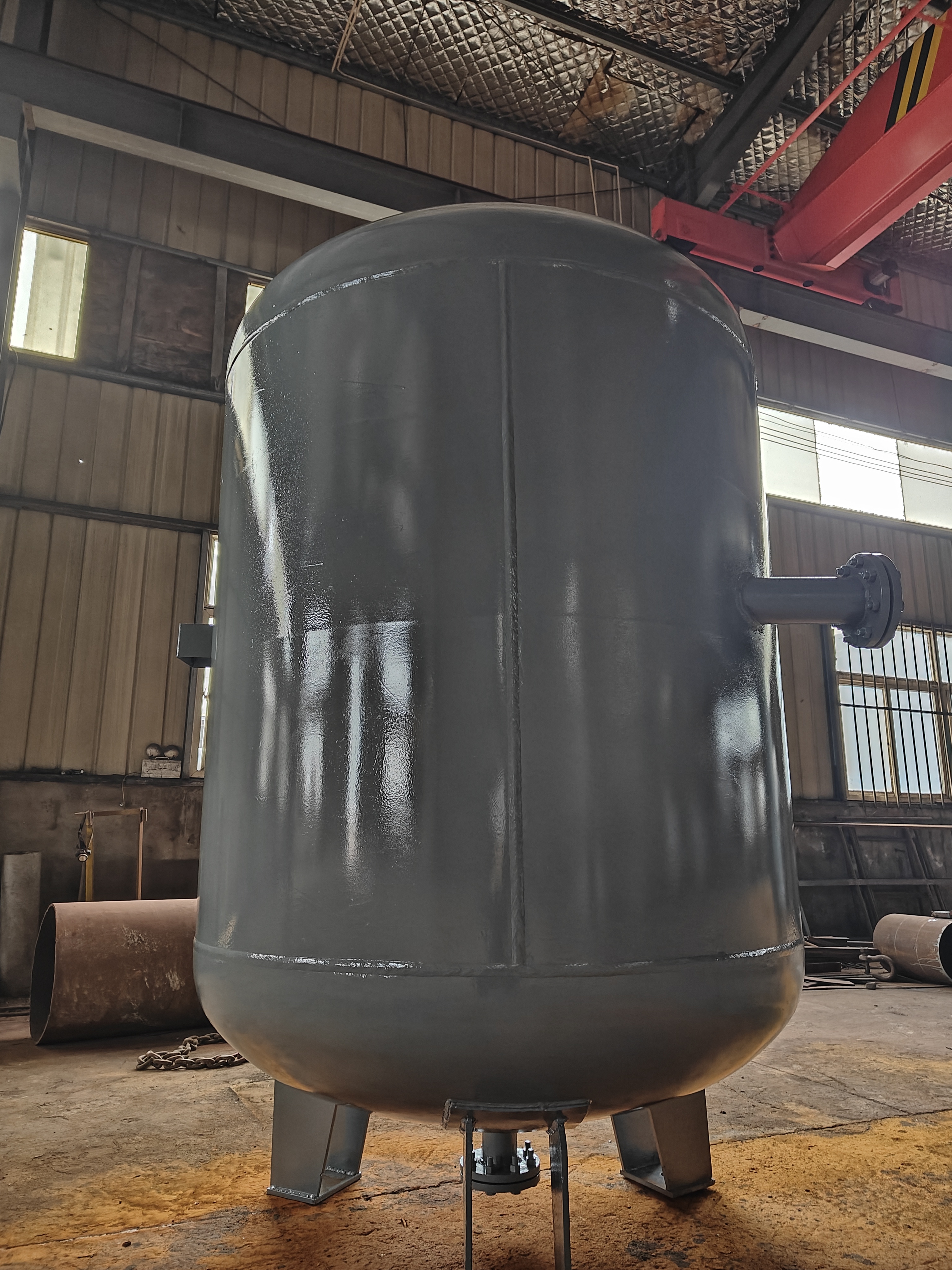
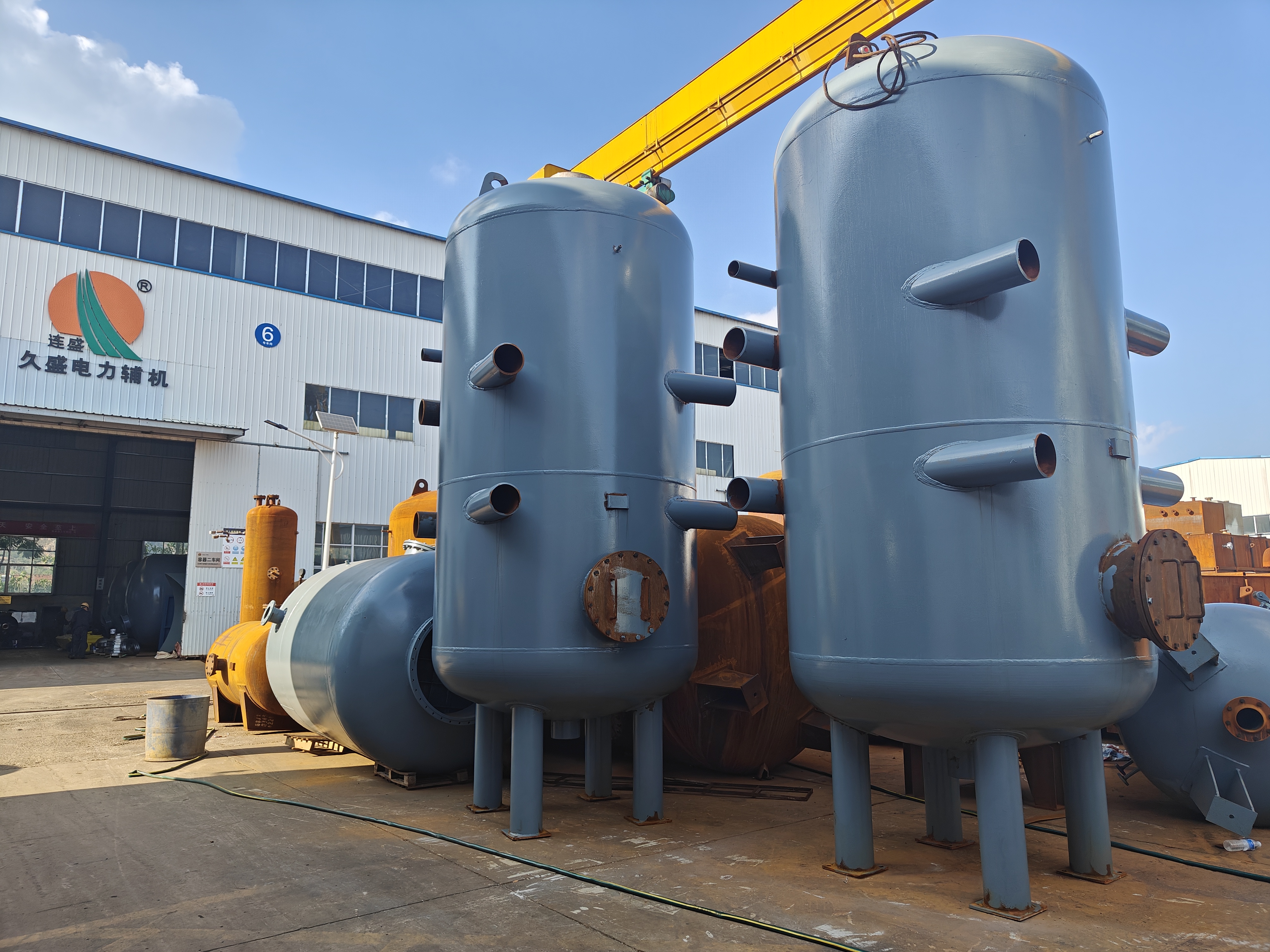
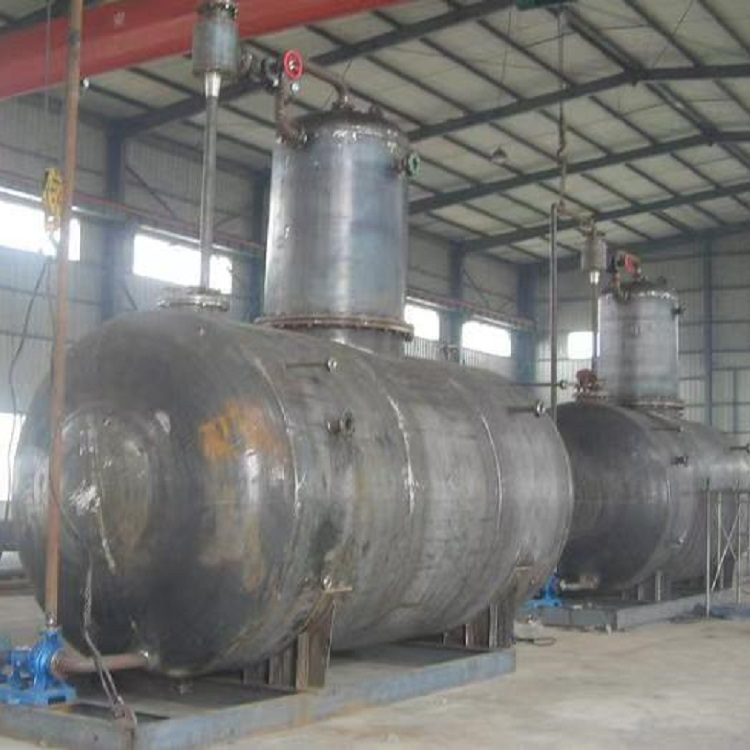
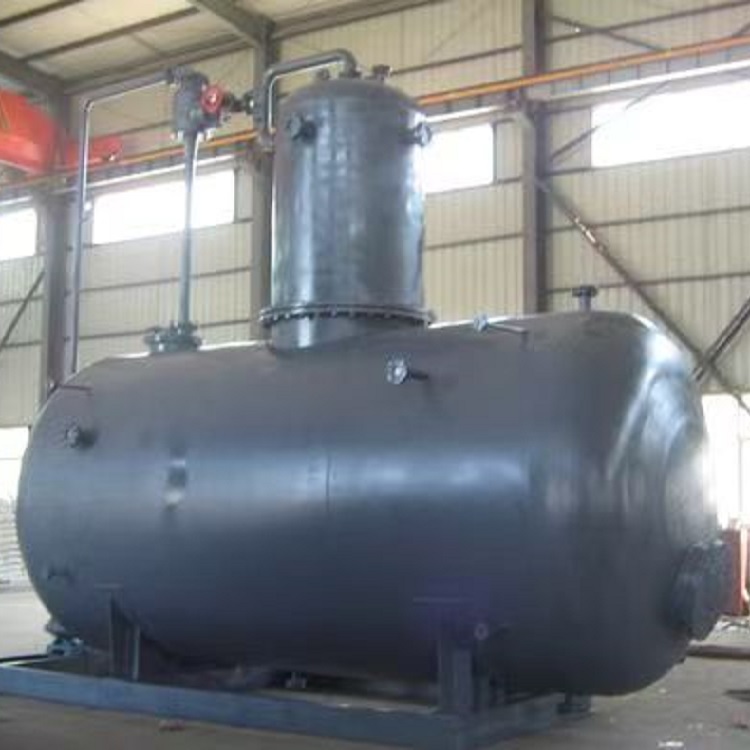
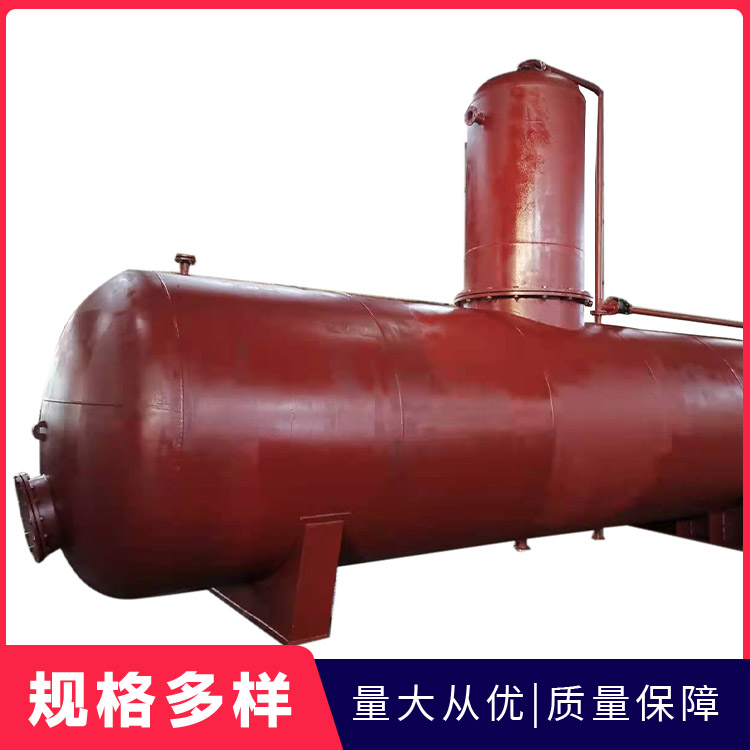
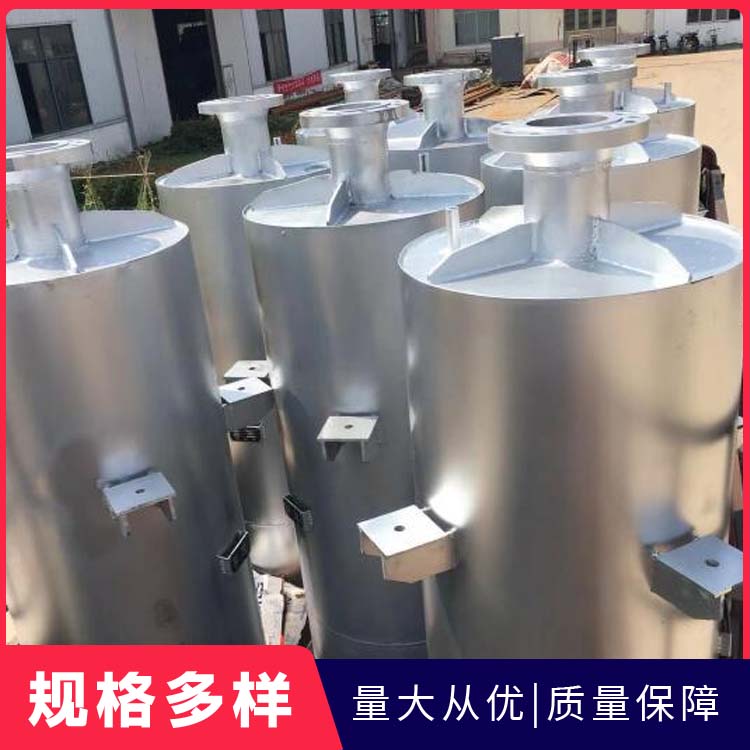
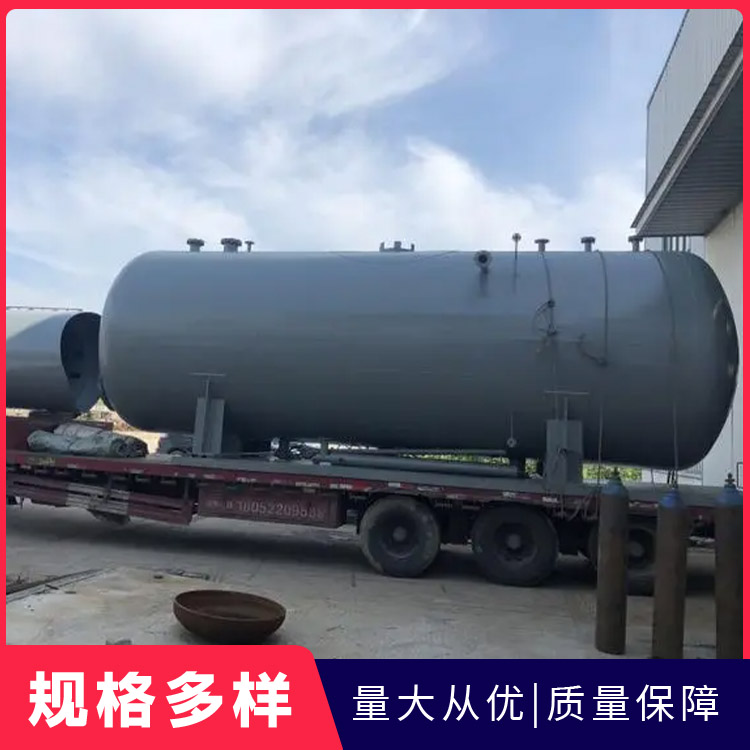
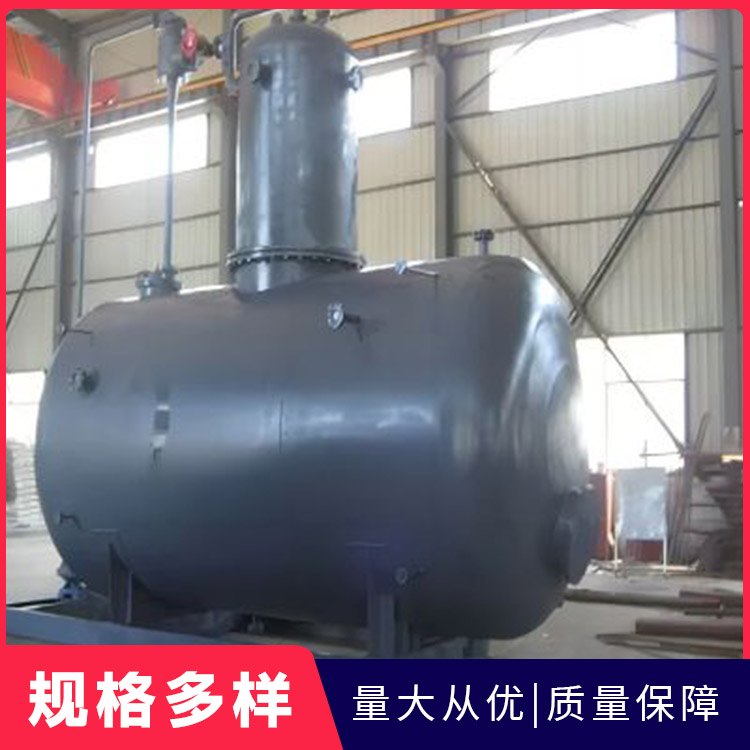
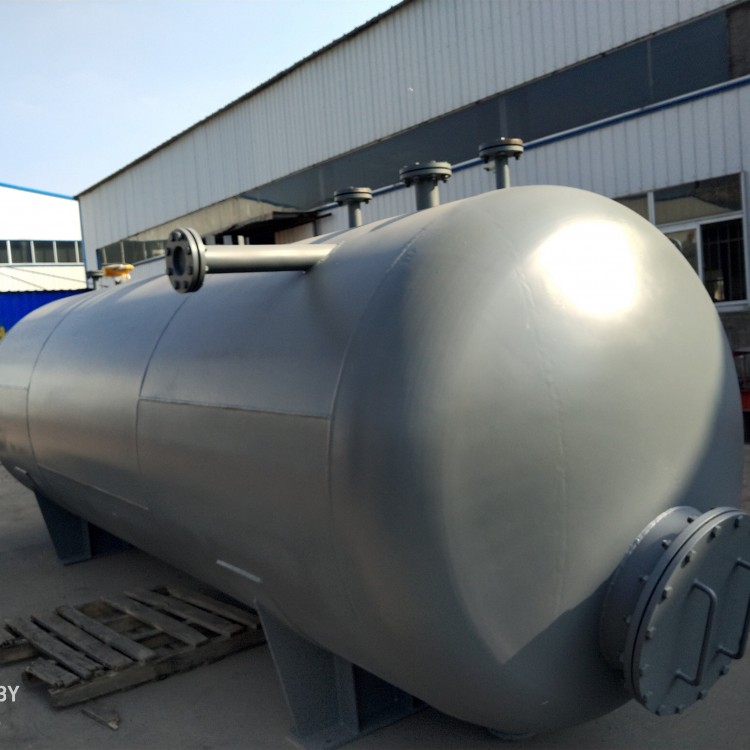
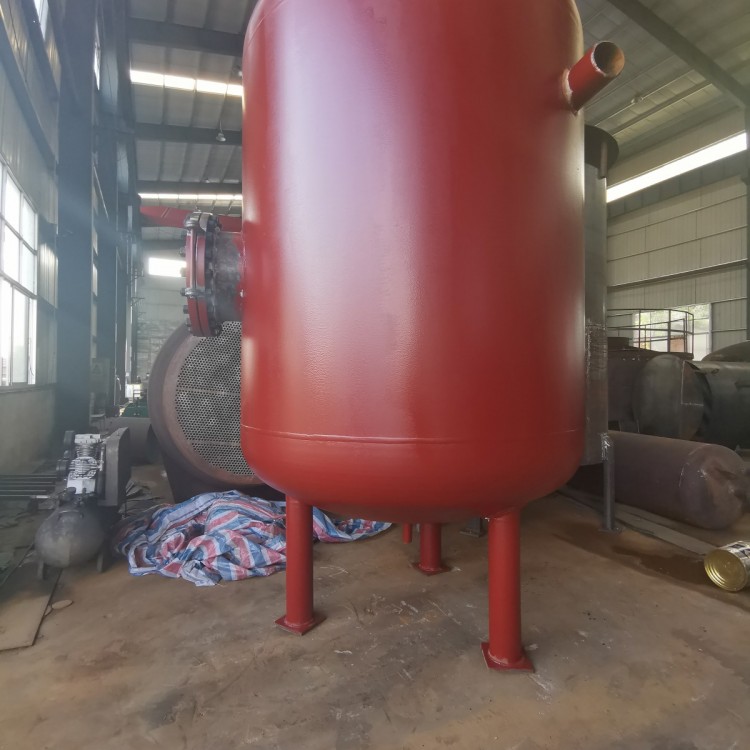
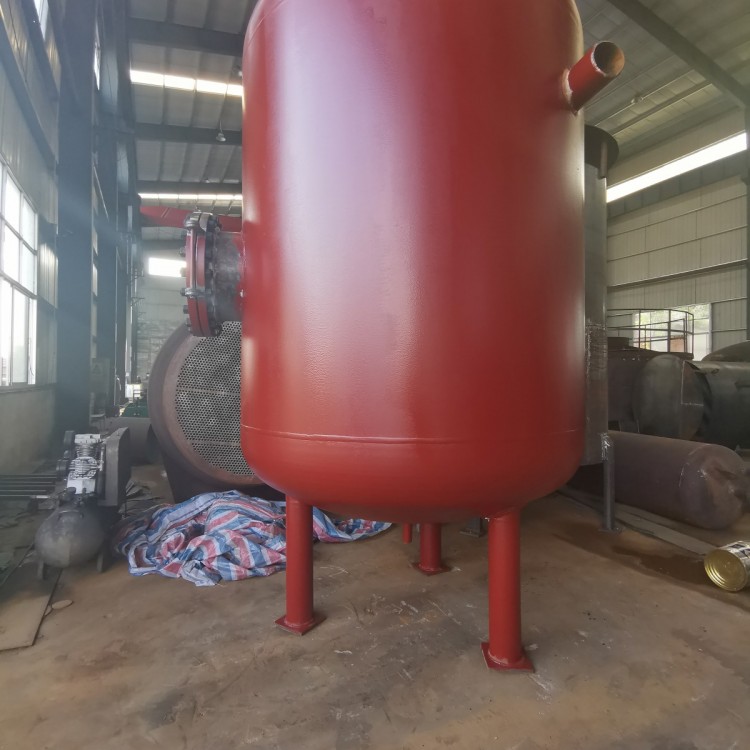
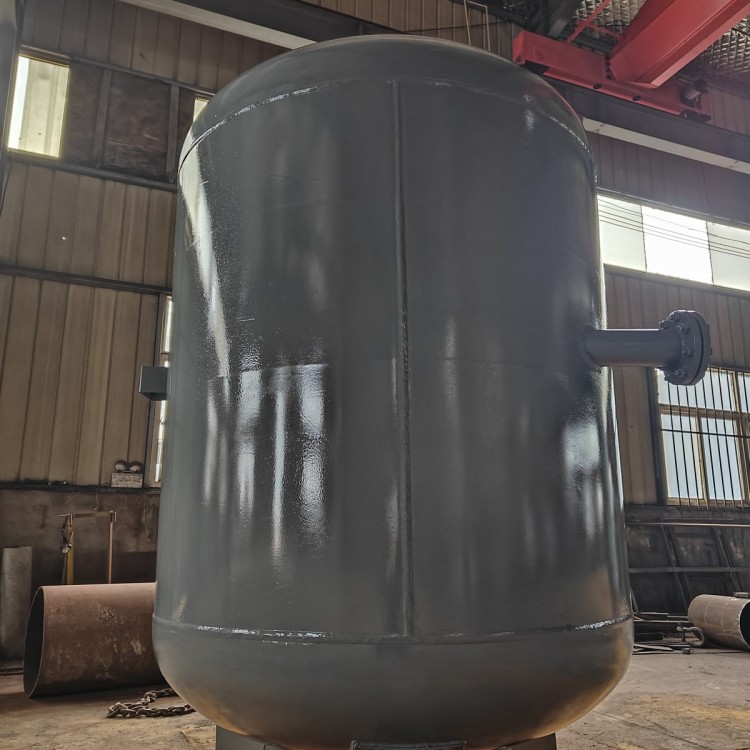
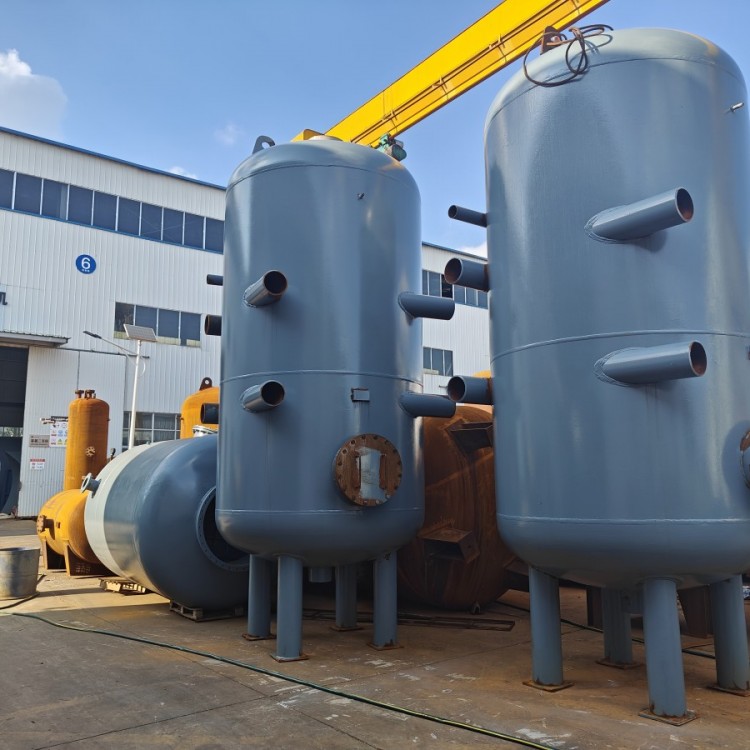
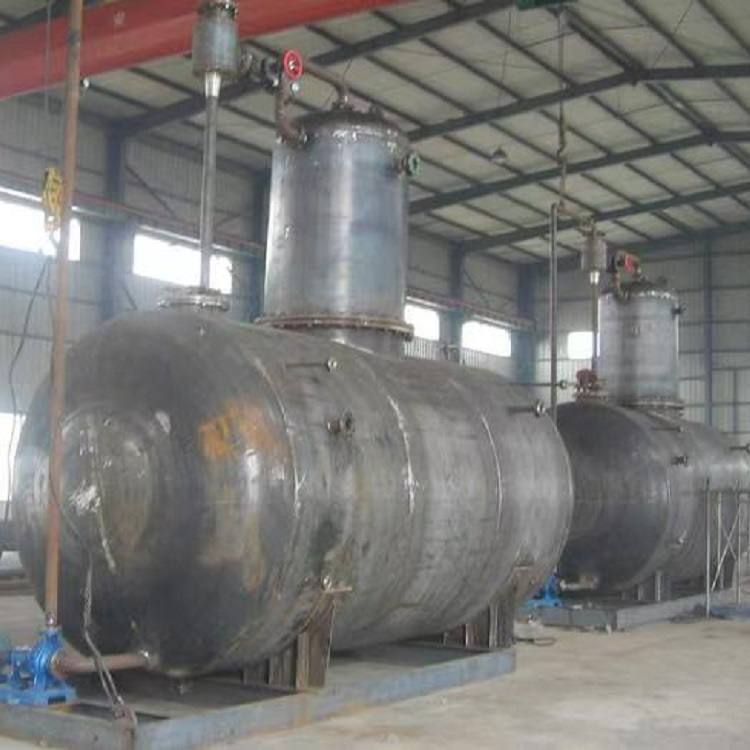
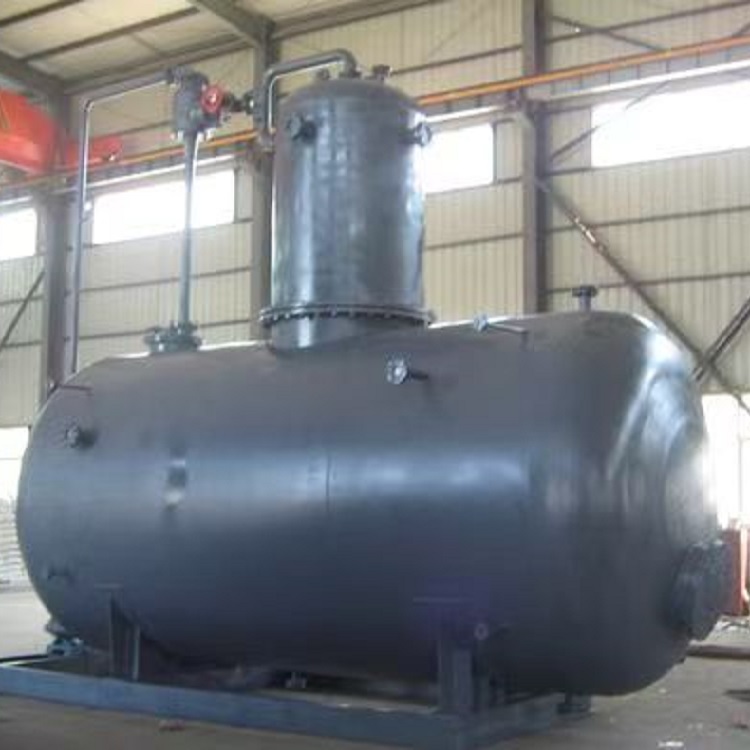
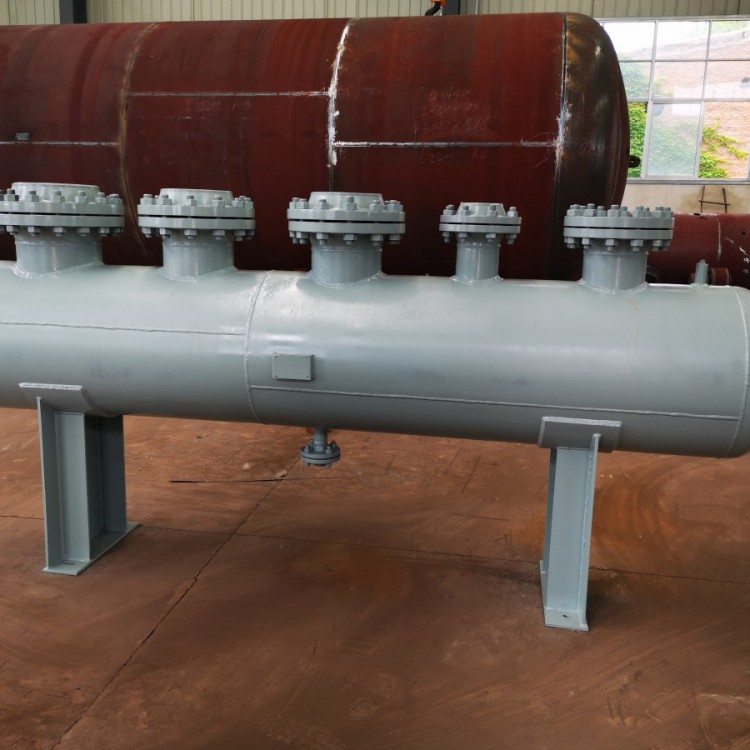
- Modular housing design (horizontal/vertical) supports combination installation with fixed and movable supports, accommodating thermal expansion stress.
- Handles various pressure steam traps (input pressure ≤ 6.0 MPa), compatible with different operating conditions.
3. Ease of maintenance
Equipped with manhole, handhole, and cooling water pipe connection, facilitating internal corrosion inspection and component cleaning.
---
Custom Parameter Requirements
| Parameter Category | Specific Requirements |
|---------------------|-----------------------------------------------------------------------------|
| Core Performance | - Design Pressure: 0.275 MPa (reference value, adjust according to the input condensate pressure)
| | - Working Temperature: ≤400°C, to match the temperature of the pipeline medium |
| Structural Configuration | - Material: Q345R Carbon Steel (standard) / 304 Stainless Steel (for corrosive medium environment) |
Interface Standard: Flange connection from DN25 to DN200, compatible with drain pipe diameters
| Safety Accessories | - Mandatory: Safety valve (set at 1.35 times the working pressure), pressure gauge, level gauge |
Special Requirements | - If temperature reduction is required, install a spray pipe and nozzle; the cooling water flow is designed based on 20% of the drainage volume.
---
Section 3: Installation and Maintenance Precautions
Installation Standards
- Basic Treatment: Ensure saddle installation level deviation is less than <3mm/m, and reserve thermal expansion displacement for movable supports (calculated at 0.2mm/℃).
Welding Requirements: Shell joint welds must undergo radiographic inspection, and the flatness of the manhole flange sealing surface should be ≤0.1mm.
2. Initiate Debugging
Prior to operation, flush the drainage pipelines to prevent slag from blocking the joints; the safety valve must be independently inspected and sealed with a lead seal.
- During the first run, slowly open the drain valve and monitor the pressure gauge fluctuations (pressure rise rate ≤ 0.05 MPa/min).
3. Routine Maintenance
- Regular Inspections: Conduct quarterly checks for internal corrosion (with a focus on welds and steam separator), and clean scale deposits.
- Attachment Management: Inspect safety valves and pressure gauges every 6 months, and replace worn-out sealing pads.
4. Stoppage Insurance
- For long-term disuse, the internal stored water must be drained and nitrogen gas (pressure: 0.03~0.05 MPa) must be filled to protect against oxidation.
---
Section 4: Recommended Products
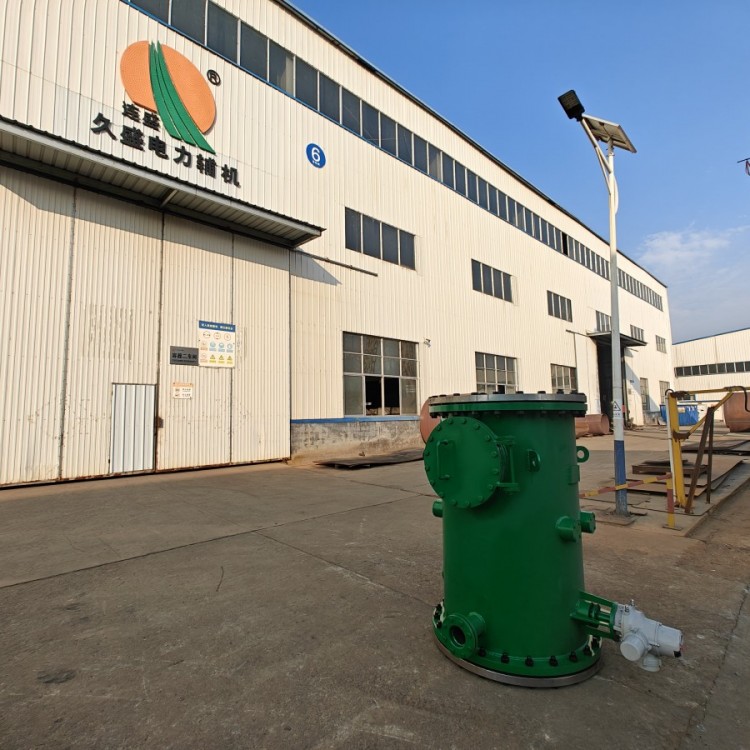
The demister exander produced by Lianyungang Jiu Sheng Power has the following features:
- Model Example: SXK series, supports horizontal/vertical customization, input pressure ≤ 6.0 MPa.
- Key Parameters: Design life ≥ 10 years, compatible with temperature-reducing spray system, exhaust gas efficiency ≥ 95%.
- Service Support: Offer technical solution design, installation guidance, and after-sales maintenance; for details, please inquire.
For further selection or to obtain technical documentation, refer to the "Safety Supervision Regulations for Pressure Vessel Technology" and the installation manual provided by the manufacturer.
WeChat Official Account

Scan to follow Official Account