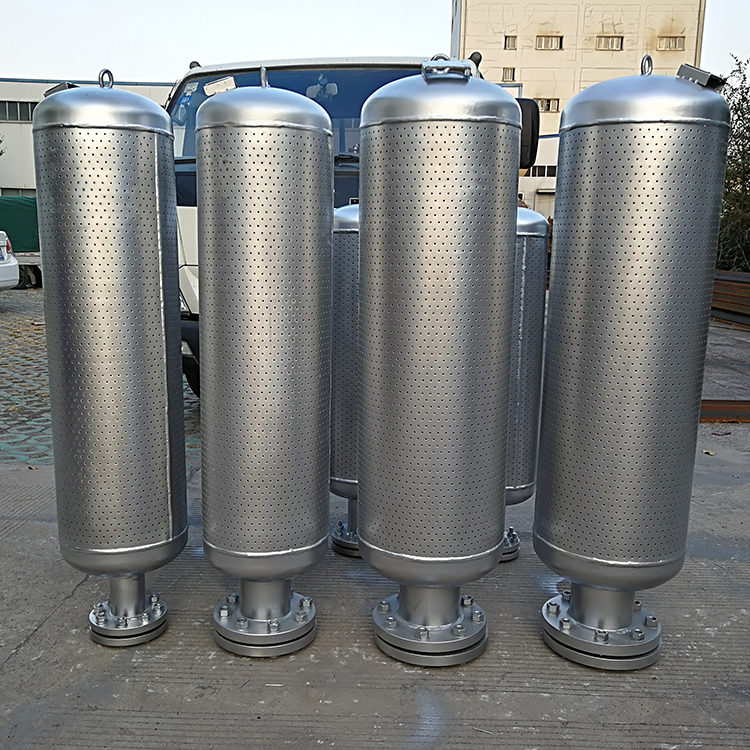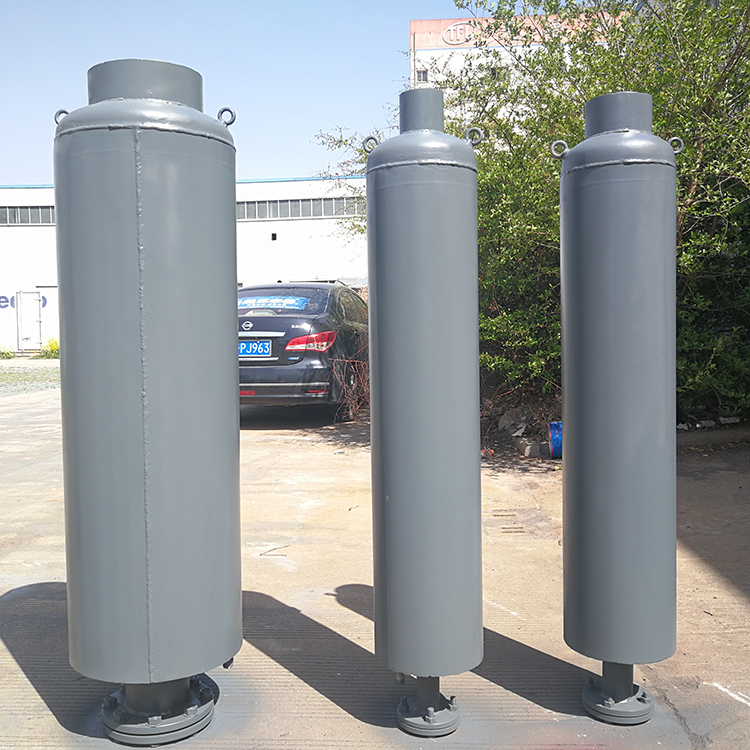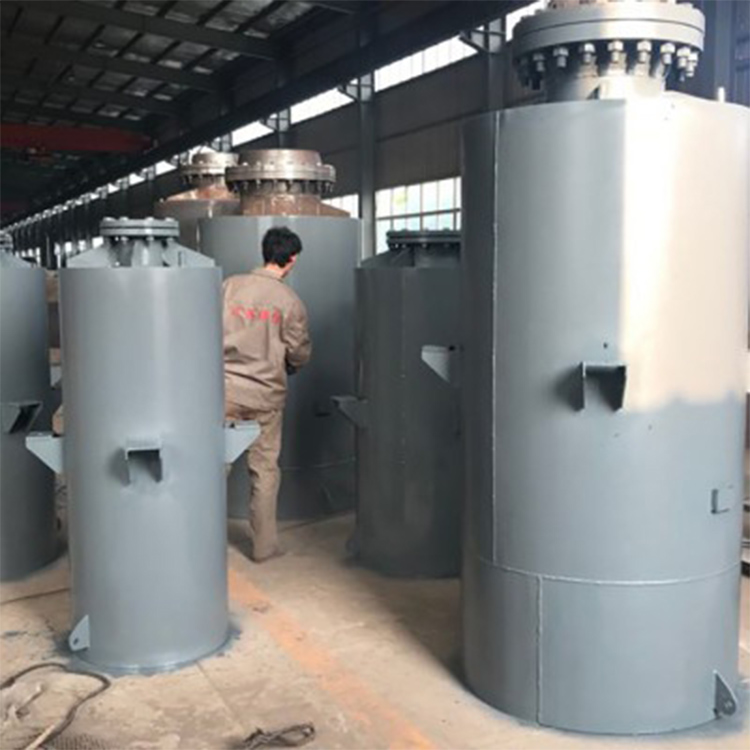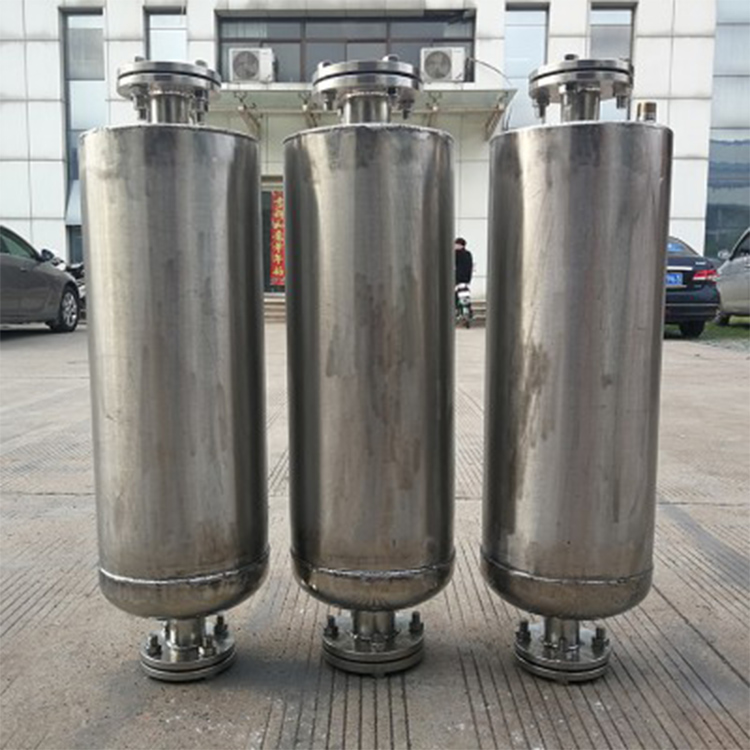













Section 1: Valve Exhaust Muffler Applications and Advantages
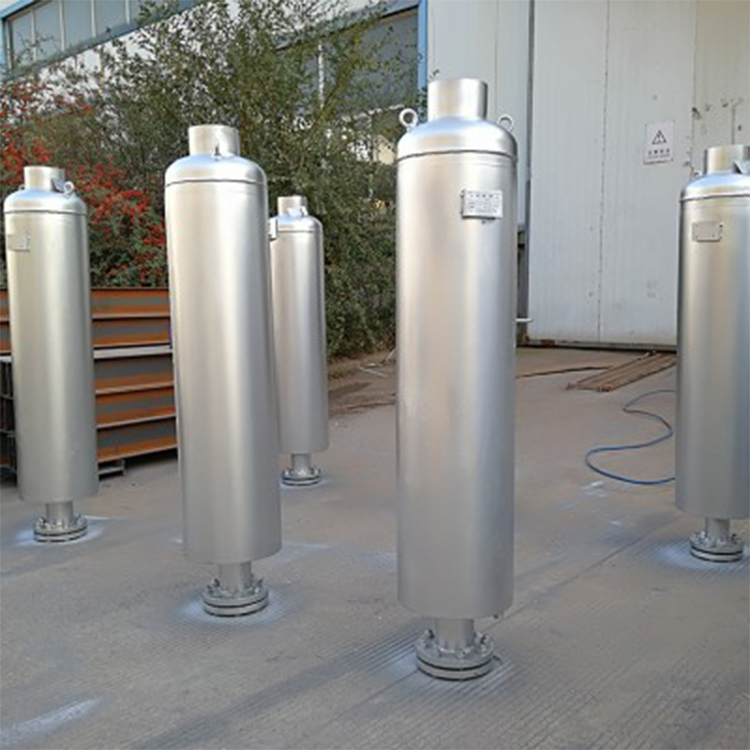
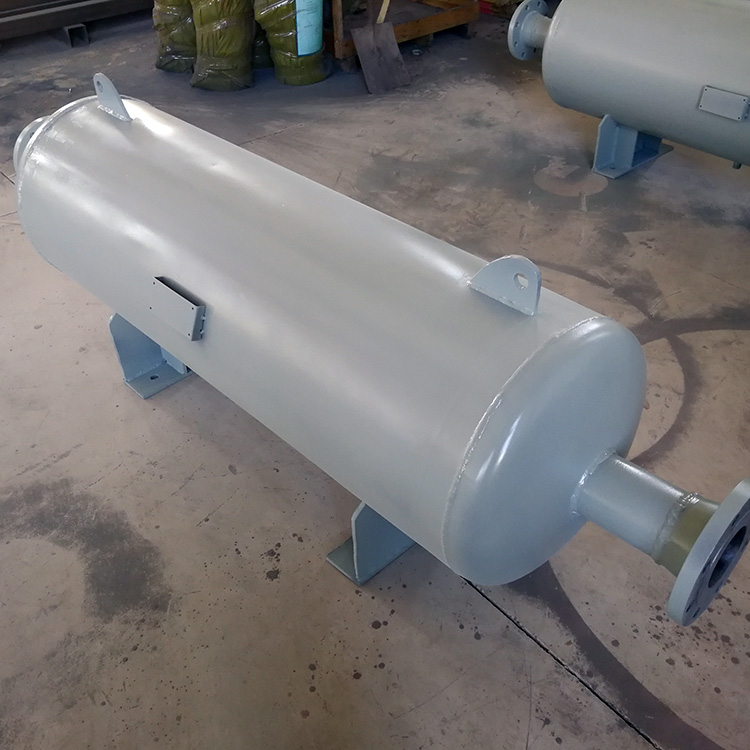
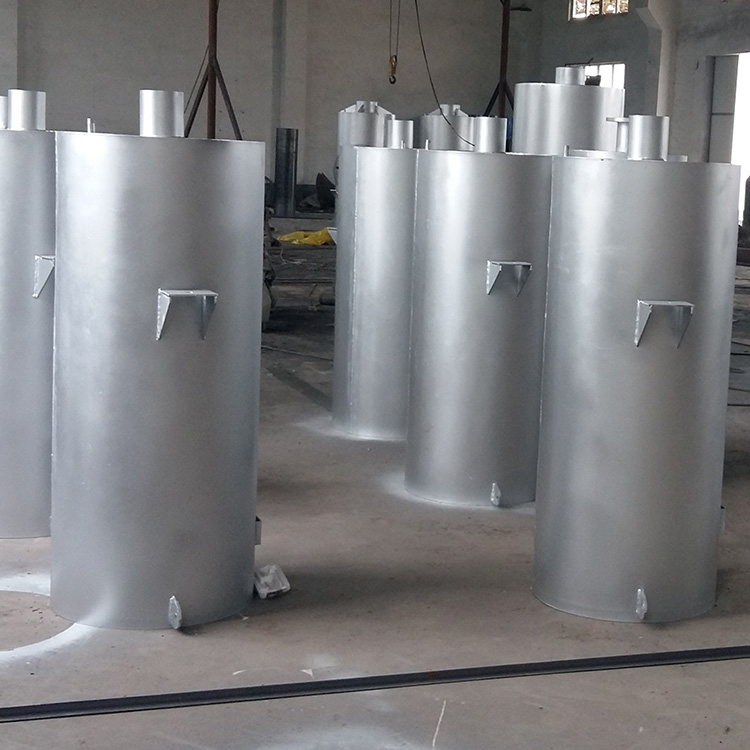
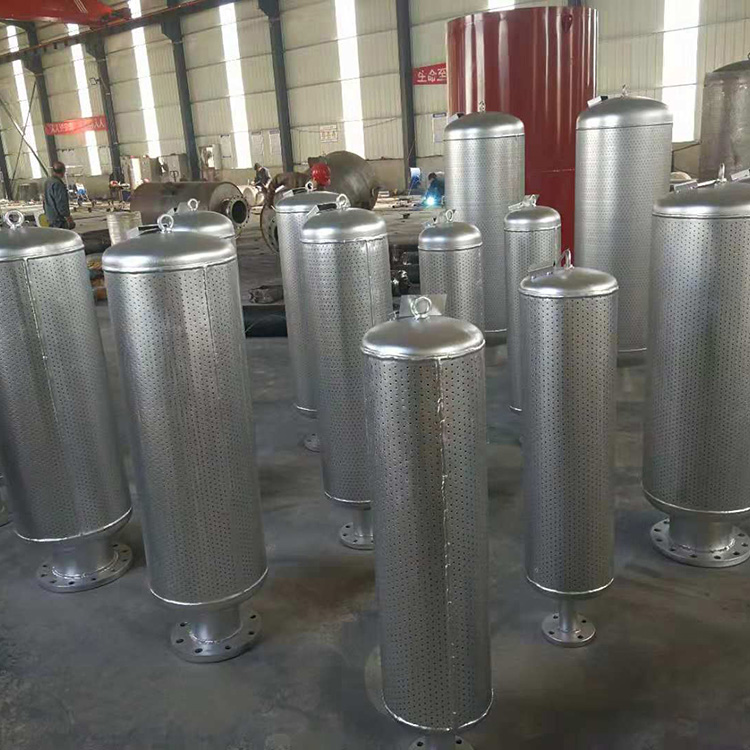
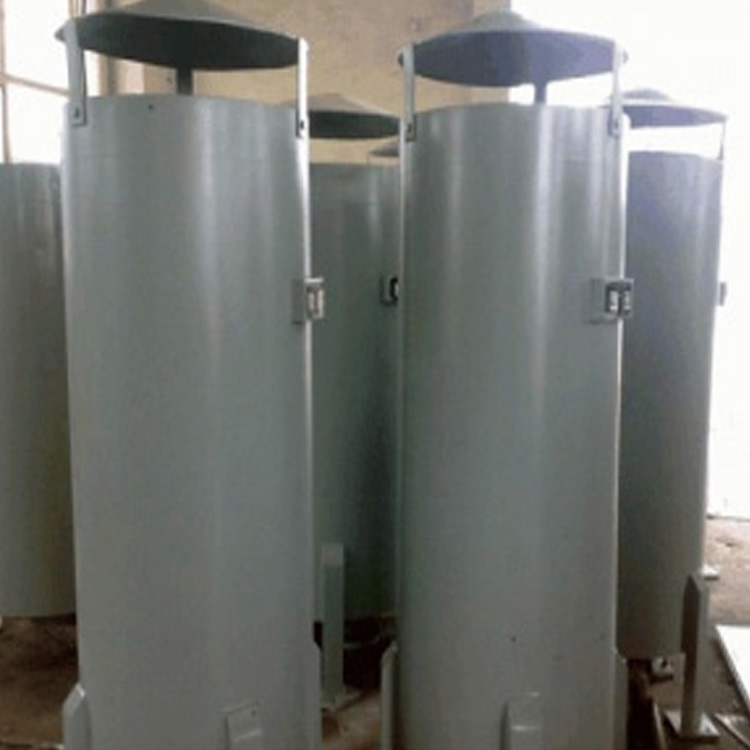
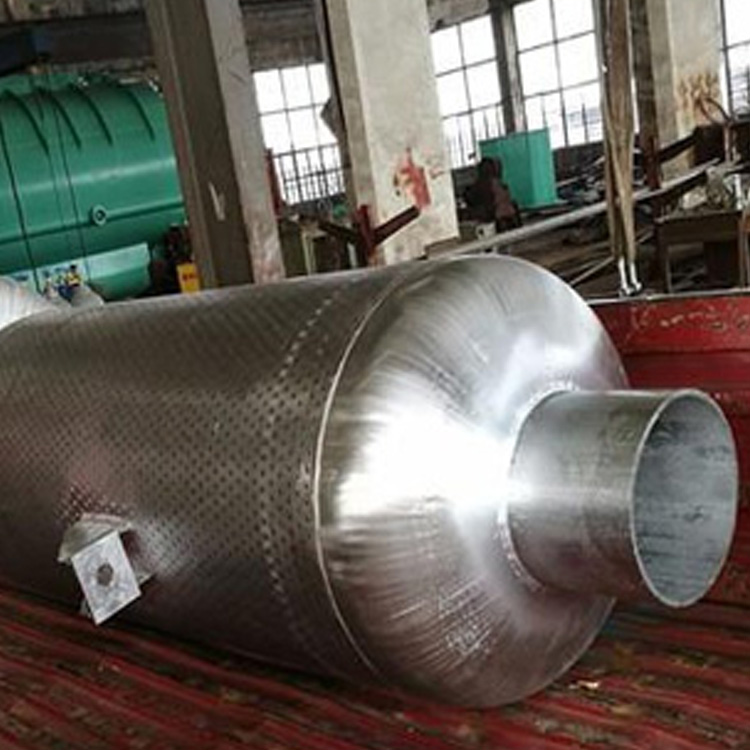
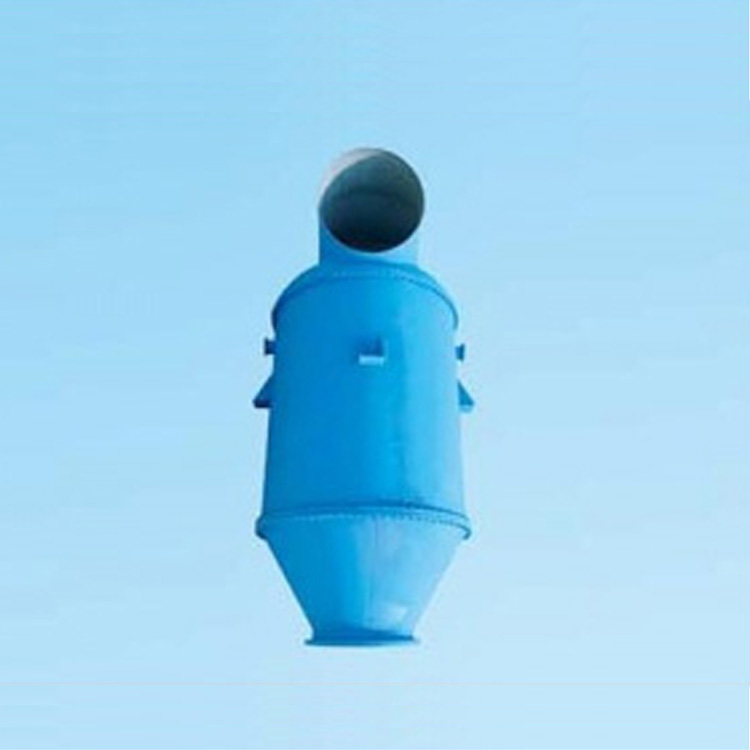
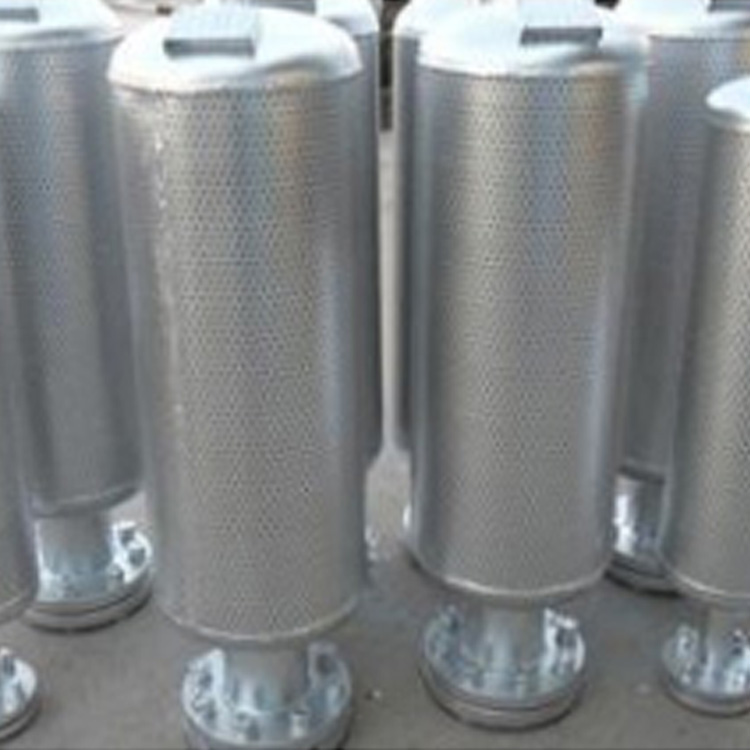
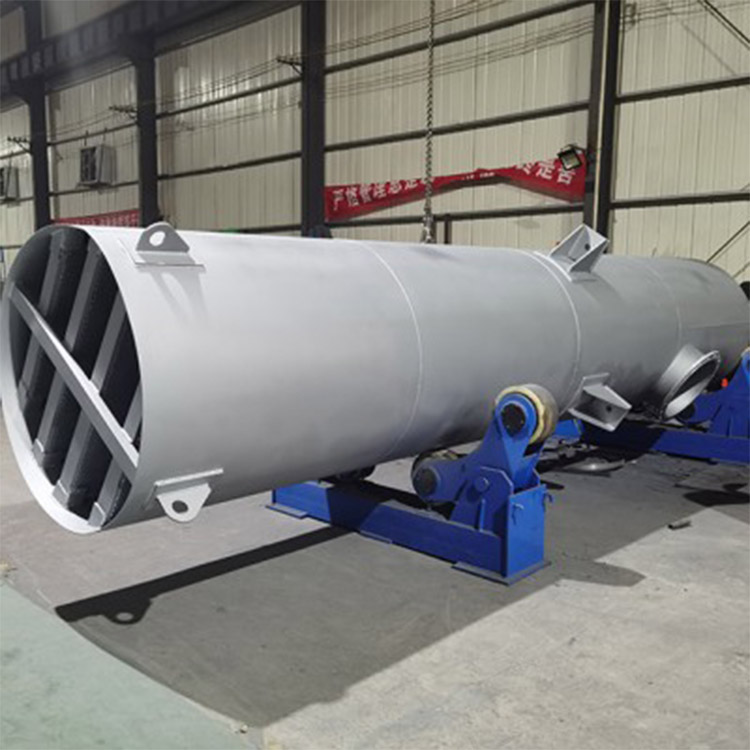
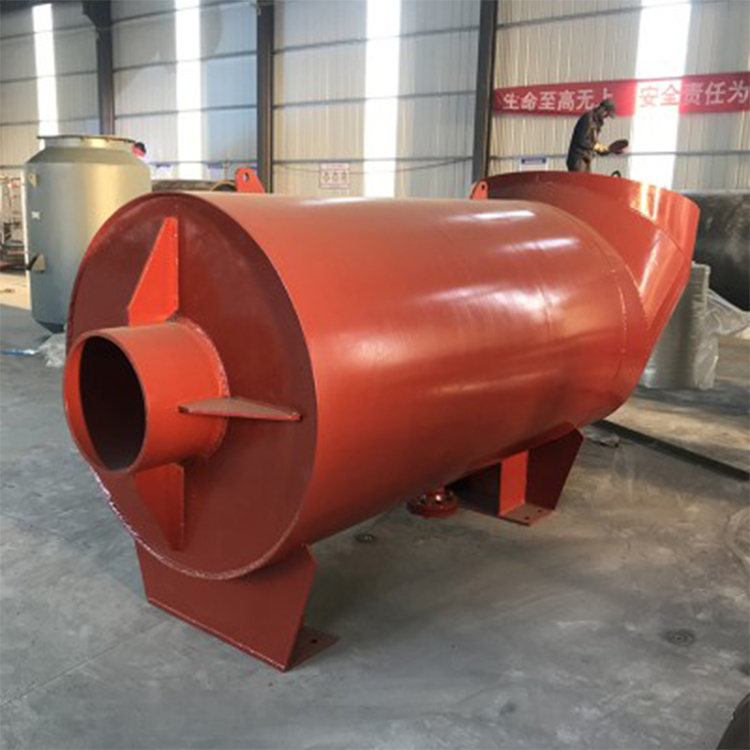
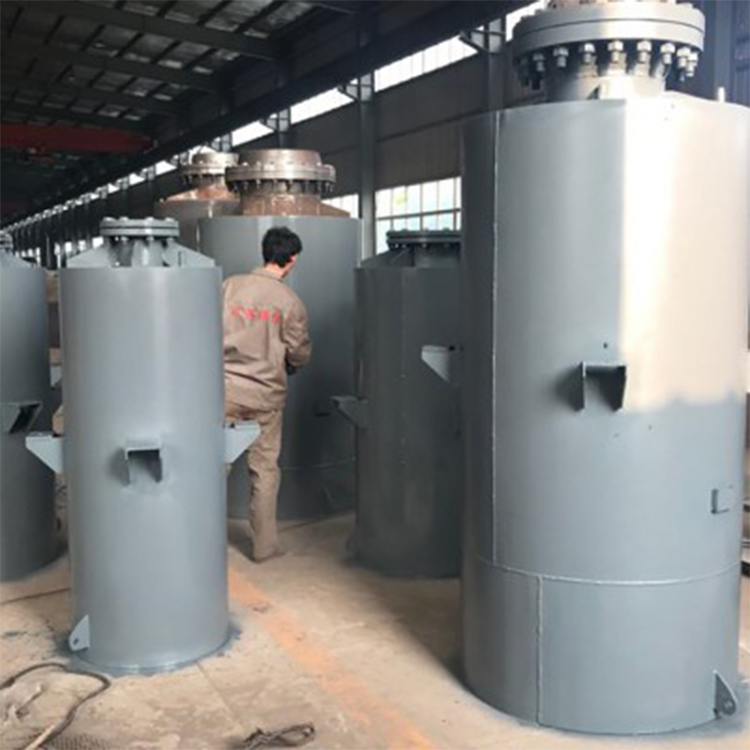
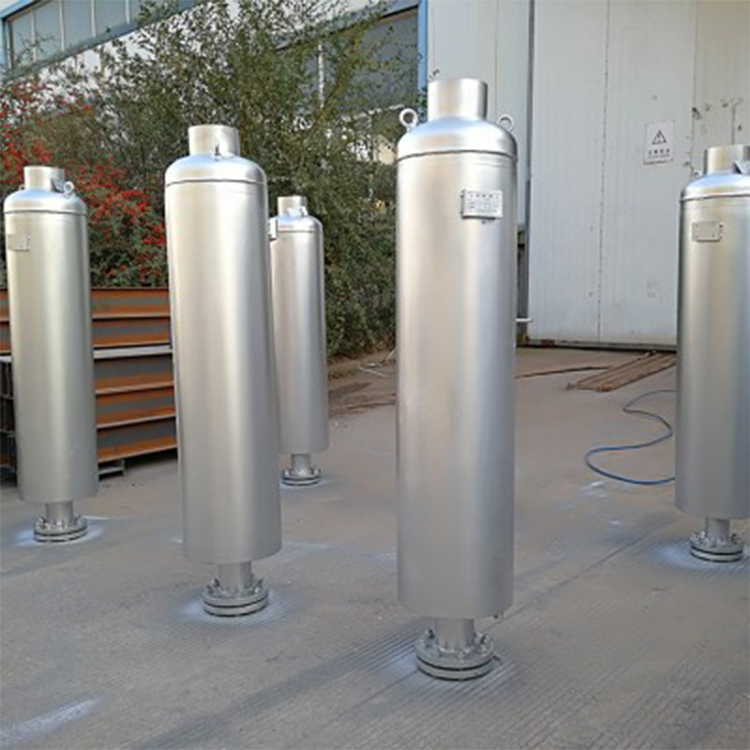
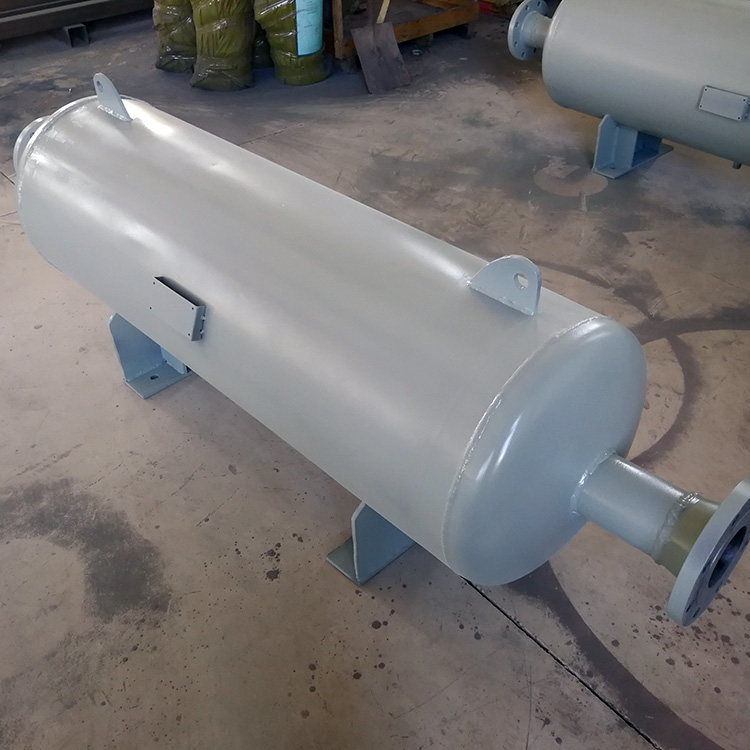
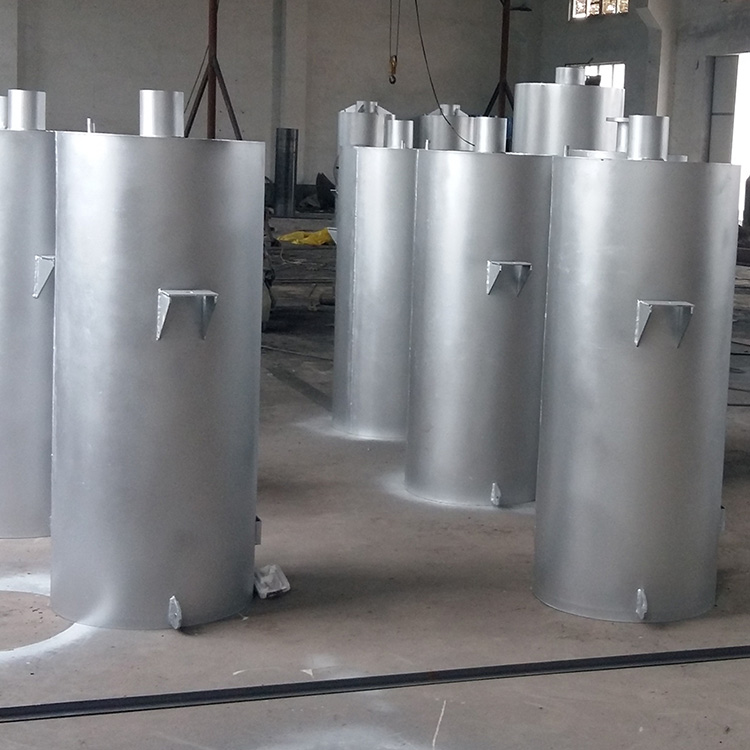
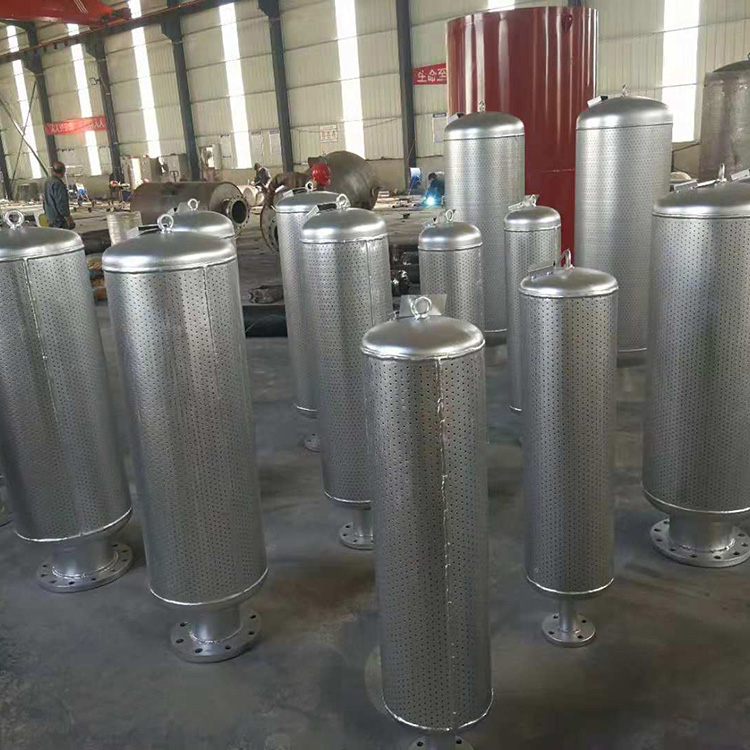
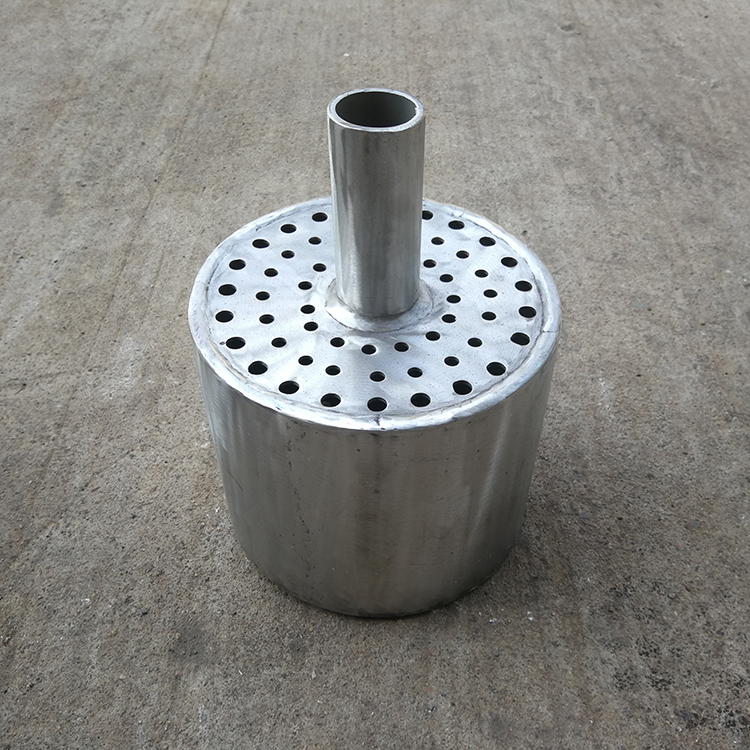
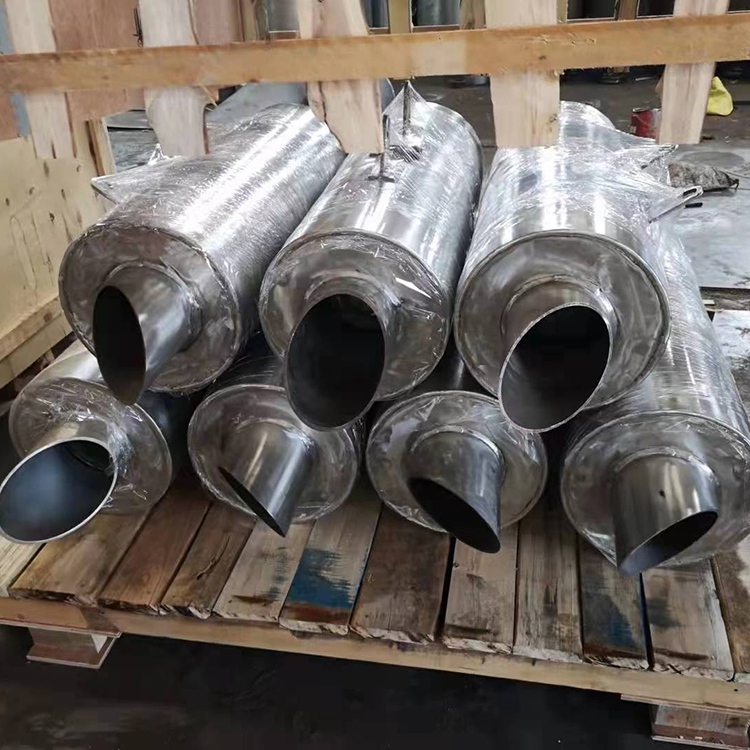
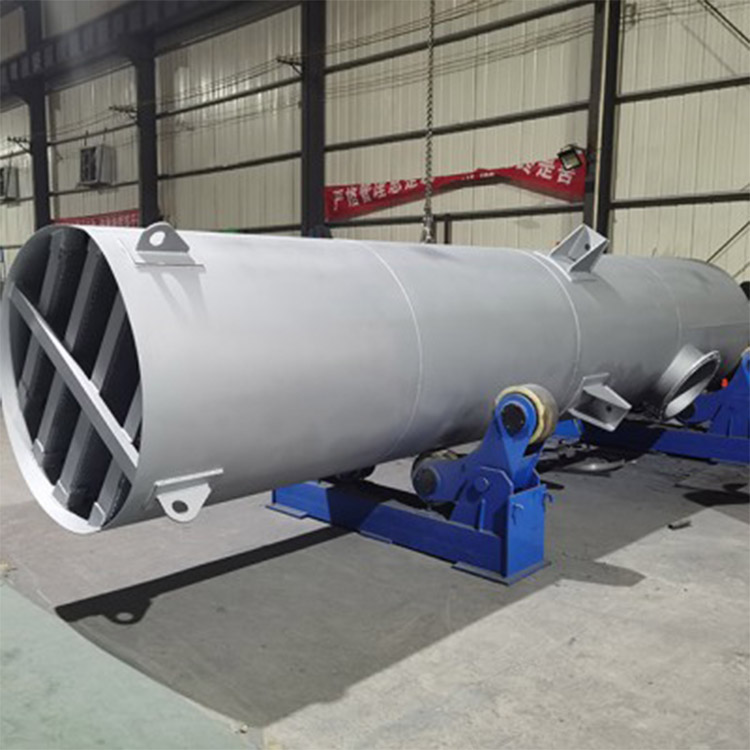
Valve exhaust silencers are primarily used for effective noise reduction of gas emissions from safety valves and exhaust valves in power plants, chemical industries, steel mills, thermal power plants, cement plants, air separation units, and air compressors. Generally categorized as: boiler drum safety valve exhaust silencers, superheater safety valve exhaust silencers, reheater safety valve exhaust silencers, boiler ignition valve exhaust silencers, and other valve exhaust silencers.
For boiler safety valves and exhaust valves, they can be considered as part of the pipeline. After acoustic treatment inside, they can reduce the generation and transmission of noise, achieving an attenuation of outlet noise up to 35-45 decibels (A-weighted), resulting in a noise reduction of over 50% at the site, with a noticeable subjective effect. When designing the exhaust muffler for valves, the following three aspects should be considered:
1. The noise reduction level of the muffler meets the requirements of the "Noise Hygiene Standards for Industrial Enterprises."
2. The muffler should not only minimize excessive noise but also ensure smooth exhaust of air flow.
3. The structural performance of the muffler (including reasonable dimensions, low cost, long lifespan, etc.).
Manufacturers often employ common multi-stage throttle and small-hole injection muffling methods, which can lead to instantaneous steam exhaust blockage and cause explosion and burst accidents. Therefore, the valve exhaust muffler has always been a design challenge, and it is also the reason for the poor muffling effect of valve mufflers.
Section 2: Valve Exhaust Muffler Principle
Our factory's exhaust muffler valves also employ the noise reduction principle of resistance, suppression, and obstruction. We replace the small-hole control flow with large-hole expansion and control flow, ensuring the smooth exhaust of valve steam in structure. This further enhances the resistive noise reduction principle, allowing airflow sound waves to enter the countless tiny holes of the porous sound-absorbing material, exciting the vibration of the porous material molecules, converting sound energy into heat to overcome frictional resistance and viscosity, thereby achieving the ideal noise reduction effect and ensuring the smooth exhaust of airflow.
Section 3: Ordering and Selection of Valve Exhaust Muffler
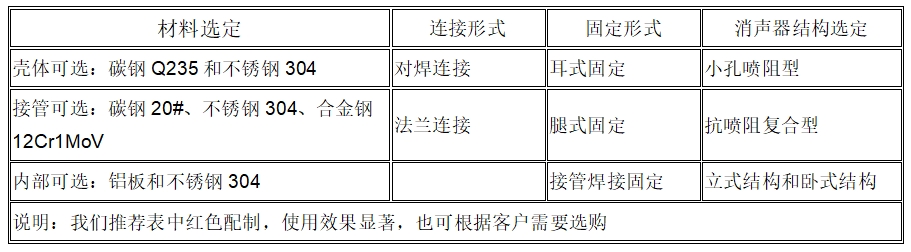
Our silencers are meticulously designed to meet the specific exhaust requirements and targets of the user. To achieve optimal noise reduction, it is essential that the product matches the exhaust target and parameters. Therefore, when ordering a silencer, the following information must be provided:
(1) Valve steam flow rate: (T/h) (m³/h)
(2) Spring Load: (Mpa) (bar) (Kpa) (Pa)
(3) Temperature: (℃)
(4) Exhaust pipe outer diameter and wall thickness; e.g., Φ159*6
Section 4: Product Showcase