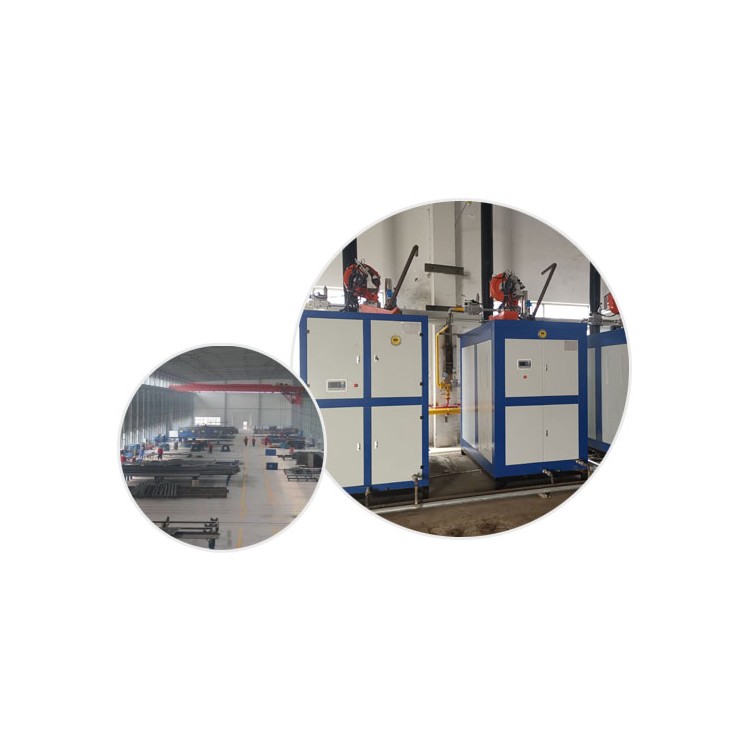




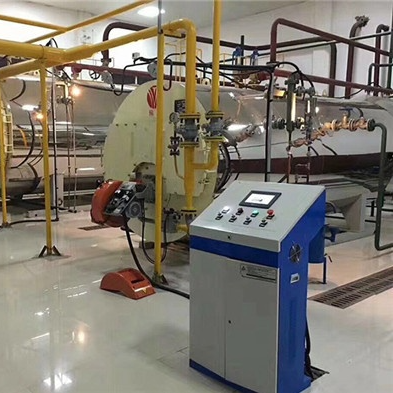
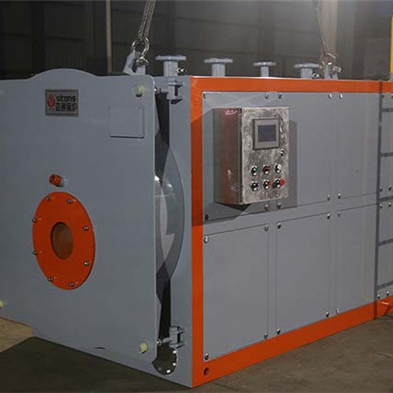
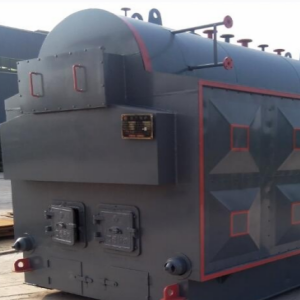
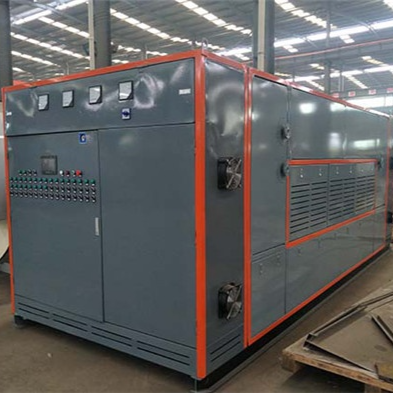
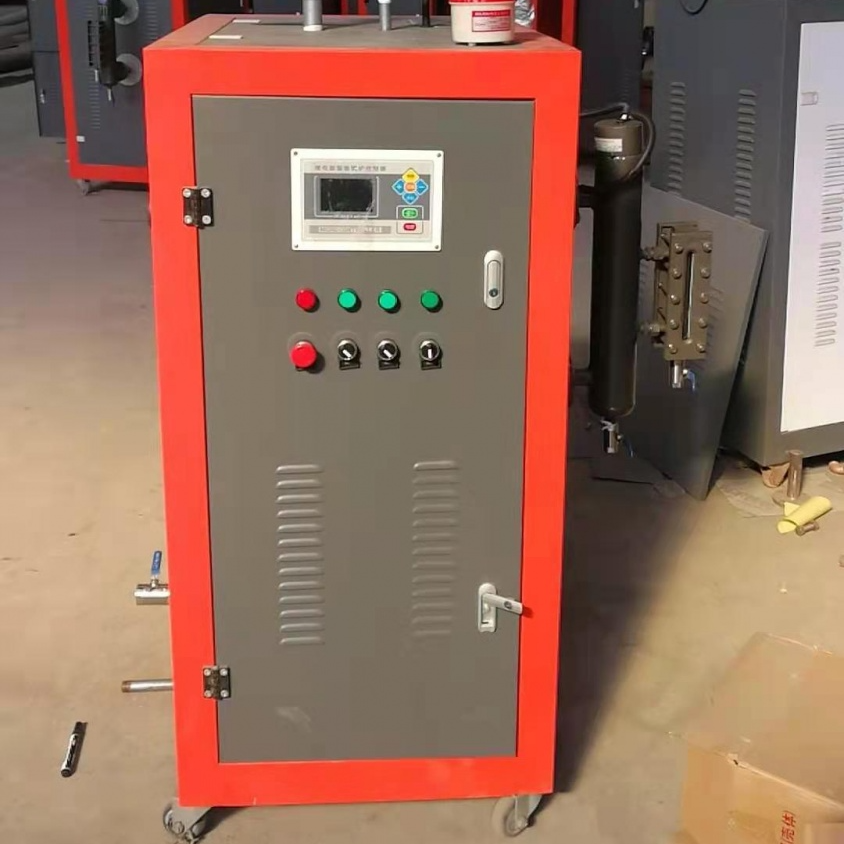





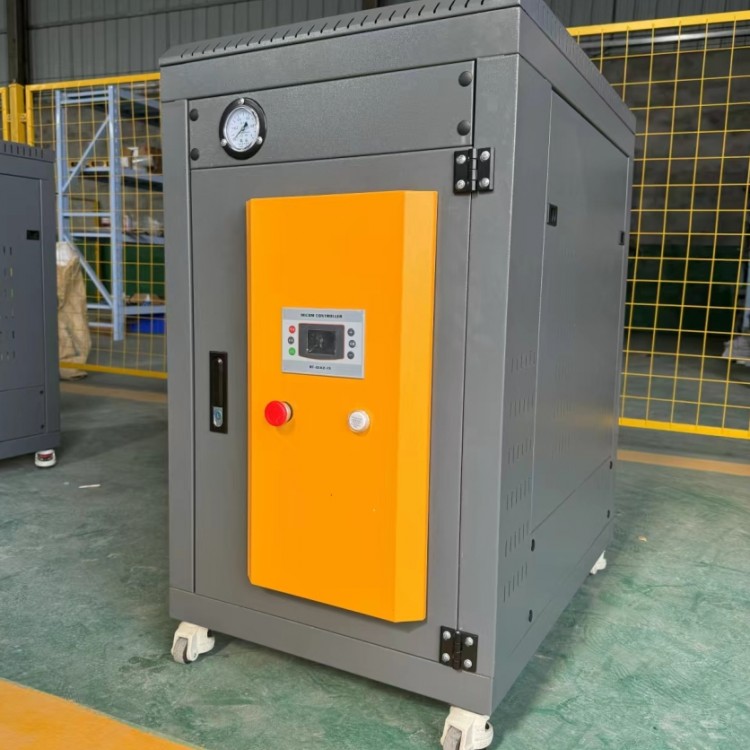
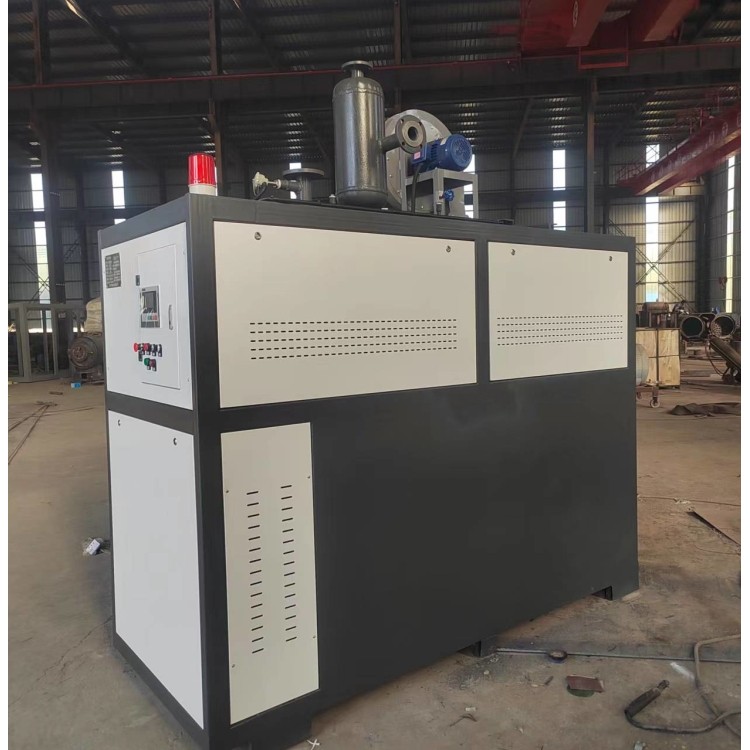

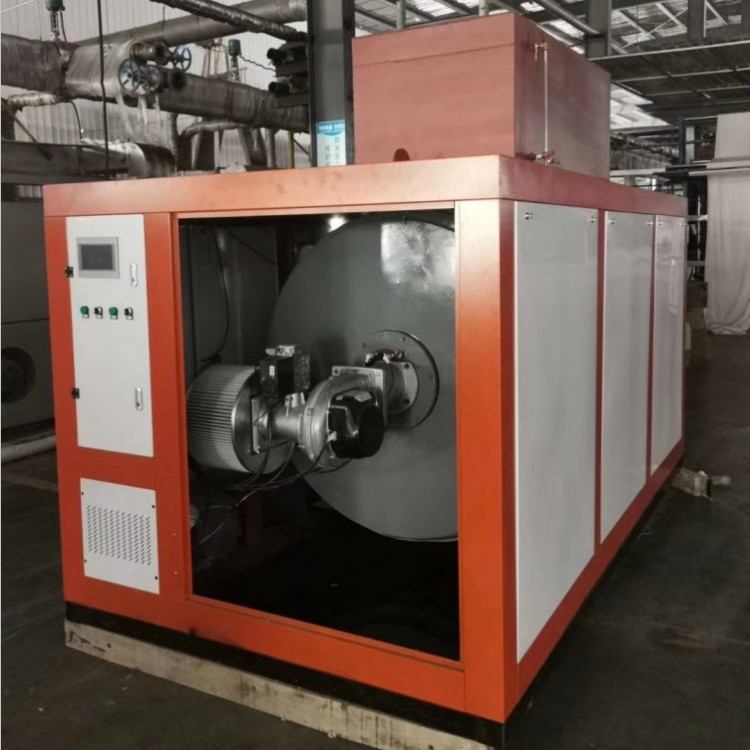


Introduction to Vacuum Hot Water Boiler
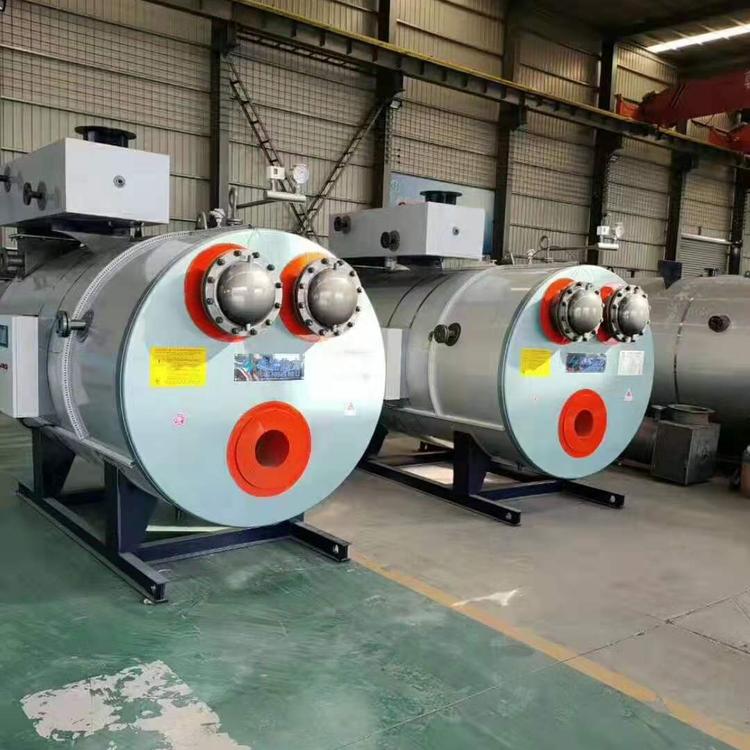
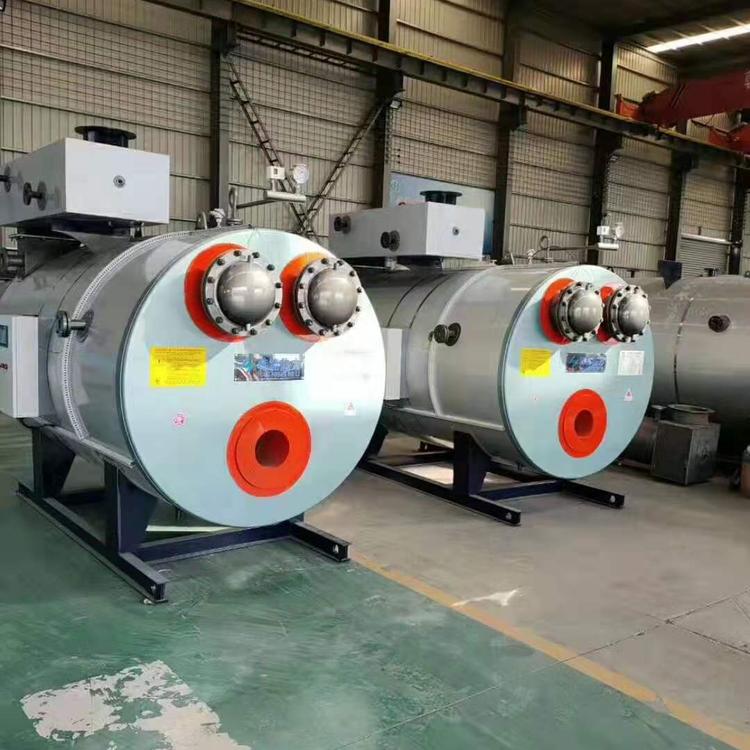
Fuel (Gas) Series Vacuum Hot Water Boilers are officially known as Vacuum Phase Change Boilers. Note the two key terms: vacuum and phase change. Vacuum boilers create a vacuum environment within a sealed furnace, filling it with heat transfer fluid. This fluid is heated by combustion or other methods, then evaporates and condenses on a heat exchanger, where it heats the water to be heated. China is the birthplace of a vacuum boiler. Vacuum hot water boilers supply hot water at different temperatures and for various purposes, such as central air conditioning, sanitary hot water, and process hot water. The lower part of the vacuum boiler's structure is similar to a standard boiler, consisting of a combustion chamber and heat transfer tubes; the lower part contains the heat transfer medium (boiler water), while the upper part is a vacuum steam chamber, equipped with a U-shaped tube (or straight tube) heat exchanger. Since the boiler operates under a vacuum, it is safe. The heat transfer medium inside the boiler remains unchanged throughout the entire operation, confined to the boiler's vacuum chamber, transferring heat between the boiler's heat transfer tubes and the heat exchanger. The heat transfer medium is deoxygenated pure water, which is non-corrosive and free of scale, extending the boiler's lifespan to over 20 years or more. In summary, boilers with such characteristics naturally trend towards replacing traditional drum and shell boilers.
Performance Features of Vacuum Hot Water Boiler
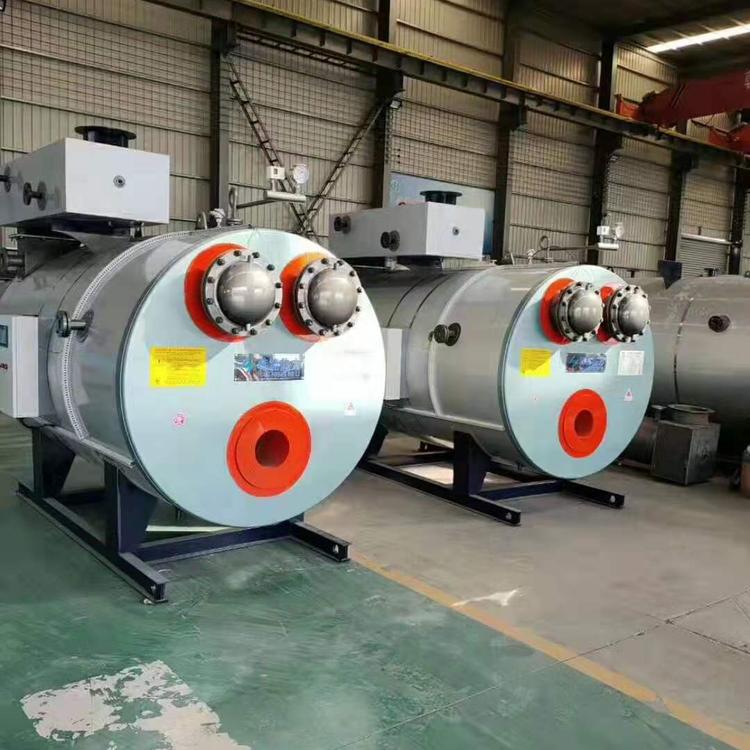
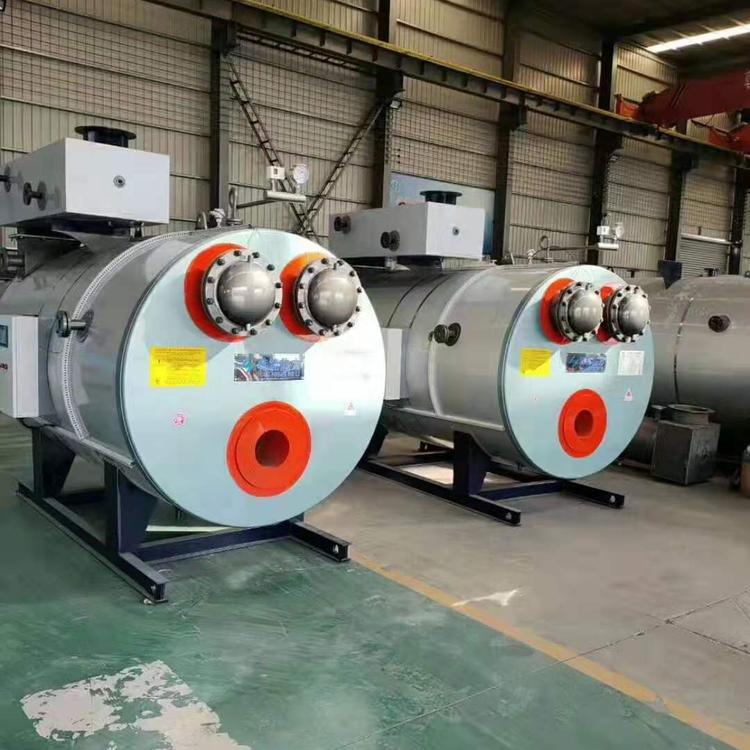
1. Boiler Body: The combustion heating section of the vacuum phase change boiler body uses Q245 steel plates and 20# steel pipes. Its advantages include a large combustion chamber, low thermal load in the boiler furnace. It has a large heating surface area, compact structure, and small water capacity, resulting in fast heating speed. Additionally, the integrated negative pressure evaporator at the top ensures stable performance and reliable operation. Due to the larger space of the negative pressure evaporator, the heat exchanger inserted can be custom-made according to the user's needs. Generally, horizontal boilers use straight tube type heat exchangers, with removable end caps and connections for easy maintenance and cleaning of the heat exchanger water pipes.
2. Heat Exchanger Manufacturing and Construction: The heat exchanger is made of stainless steel and inserted into the vacuum evaporation chamber in a tube bundle manner, connected at both ends with flanges. Advantages: easy to disassemble and replace, corrosion-resistant, easy to maintain and clean, and durable.
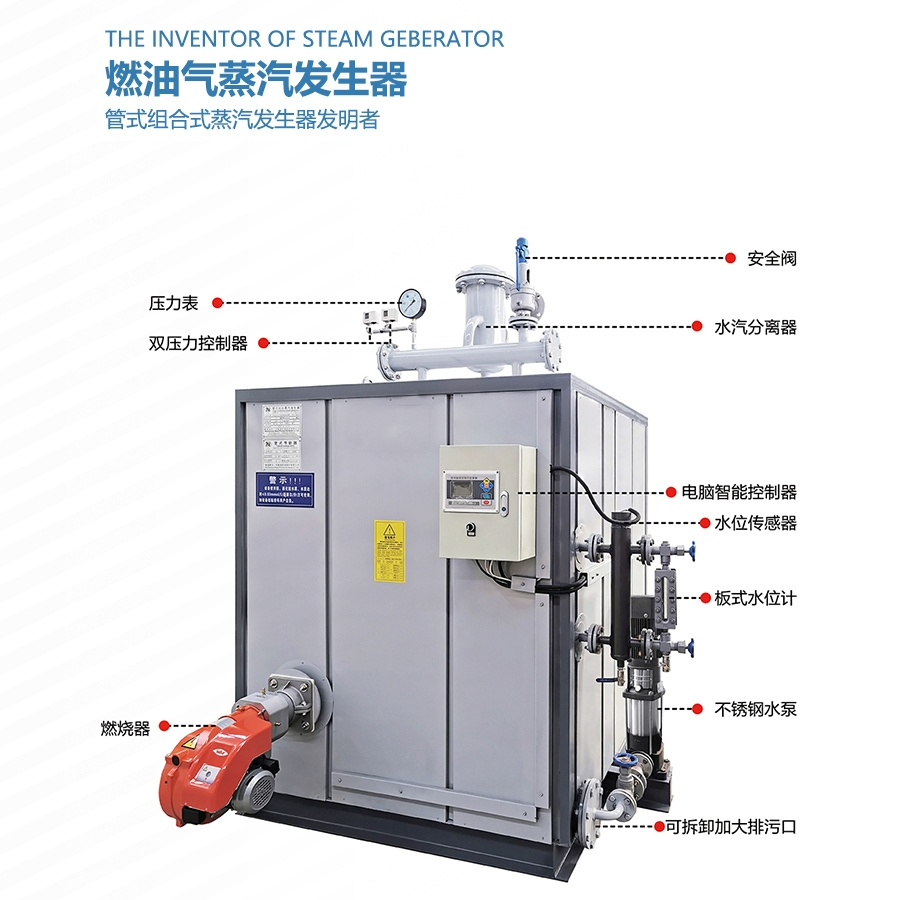
3. Automation Control: Equipped with controllers and touch screen control systems, it automatically detects the water temperature and outlet temperature; automatically identifies faults within the burners and furnace body; programmable to control combustion time; capable of accurately adjusting the entire combustion process based on load changes, reducing the number of starts and stops caused by load fluctuations, ensuring normal boiler operation, and minimizing heat loss during start-up and shutdown.
4. Combustion Equipment: Due to the unique design of vacuum phase change boilers, various imported and domestic fuel and gas burners can be configured according to the fuel type and user requirements, via a dedicated installation plate.
5. Energy-saving: Utilizing vacuum hot water boiler technology, the boiler operates under a vacuum, with a low boiling point, enhancing the latent heat of vaporization (condensation), thereby increasing thermal efficiency. The boiler features a three-pass wet back design, which significantly increases the radiation and convection heat exchange area, achieving a high thermal efficiency of up to 95%.
6. Negative Pressure Operation of the Unit, Safe and Reliable: The unit operates under vacuum, with the heat medium in a vacuum state, eliminating risks of expansion or explosion. The furnace stores a constant amount of heat medium water, ensuring no risk of dry burning. Equipped with multiple automatic protection devices, it offers unparalleled safety compared to other boilers.
7. Non-corrosive, scale-resistant, and long-lasting: The heat exchanger is made of stainless steel, and the once-injected heat medium water operates in a closed state, ensuring no corrosion or scaling. Its lifespan is twice as long as that of a conventional boiler, reaching up to 30 years.
8. Diverse Models for Multiple Applications: Available in vertical, horizontal, fuel, gas, methanol, water, and smoke tube configurations, allowing users to freely select the model that suits their needs. The heat exchanger is separate from the collector, enabling the heating water and hot water load to be switched on demand. This meets the varied requirements for heating water and clean hot water in user applications, ensuring stable and clean hot water supply.
Technical Parameters of Vacuum Hot Water Boiler
| Item/Model | ZKW0.7-8560-Y(Q) | ZKW1.05-8560-Y(Q) | ZKW1.4-8560-Y(Q) | ZKW1.75-8560-Y(Q) | ZKW2.1-8560-Y(Q) | ZKW2.8-8560-Y(Q) | ZKW3.5-8560-Y(Q) | |
| Hot Media Water Capacity (L) | 410 | 520 | 568 | 700 | 830 | 980 | 1250 | |
| Rated Heat Output (MW/h) | 0.7 | 1.05 | 1.4 | 1.75 | 2.1 | 2.8 | 3.5 | |
| Rated heat output | 60 | 90 | 120 | 150 | 180 | 240 | 300 | |
| Fuel consumption | Light Diesel Oil (Kg/h) | 64 | 96 | 128 | 160 | 192 | 256 | 320 |
| Heavy Oil (Kg/h) | 67.3 | 100 | 134 | 168 | 202 | 269 | 363 | |
| Natural Gas (m³/h) | 165 | 116 | 155 | 193 | 232 | 310 | 387 | |
| City Gas (m³/h) | 77 | 247 | 330 | 412 | 494 | 659 | 824 | |
| Liquefied Gas (m³/h) | 29 | 44 | 58 | 73 | 88 | 117 | 146 | |
| Heat Exchanger | Material/Structure | Stainless steel; straight pipe | ||||||
| Working Pressure (MPa) | 1.0 | |||||||
| Heating-specific | High heat output | 36 | 54 | 72 | 90 | 108 | 144 | 180 |
| Warm water circulation volume | 36 | 54 | 72 | 90 | 108 | 144 | 180 | |
| Pressure Loss | 2.2 | 3.0 | 2.0 | 2.6 | 2.5 | 3.5 | 3.3 | |
| Heating Export (DN) | 65 | 80 | 80 | 100 | 125 | 125 | 133 | |
| Heating Area (sq. m.) | 6000 | 9000 | 12000 | 15000 | 18000 | 24000 | 30000 | |
| Hot Water-Specific | High heat output | 24 | 36 | 48 | 60 | 72 | 96 | 120 |
| Supplying Hot Water Volume (m³/h) | 6 | 9 | 12 | 15 | 18 | 24 | 30 | |
| Hot Water Temperature | 50 | |||||||
| Pressure Loss | 2.0 | 0.6 | 1.5 | 1.8 | 1.5 | 1.8 | 2.0 | |
| Outflow Diameter (DN) | 40 | 65 | 65 | 80 | 100 | 100 | 125 | |
| Voltage | Voltage (V) | 220/380 | ||||||
| Total Energy Consumption | 2.2(2.6) | 3.7(4.1) | 5.0(6.5) | 7.5(9) | 11(2.5) | 15(16.5) | 18.5(20) | |
| Blower power consumption | 2.2 | 3.7 | 5.0 | 7.5 | 11 | 15 | 18.5 | |
| Oil pump power consumption | 0.4 | 0.4 | 1.5 | 1.5 | 1.5 | 1.5 | 1.5 | |
| Dimensions | Chimney Diameter (mm) | 350 | 350 | 400 | 450 | 500 | 550 | 600 |
| Length (m) | 2700 | 3200 | 3400 | 4050 | 4700 | 4900 | 5500 | |
| Width (m) | 1365 | 1365 | 1600 | 1600 | 1600 | 1800 | 2020 | |
| High (m) | 2345 | 2400 | 2500 | 2580 | 2580 | 2630 | 2700 | |