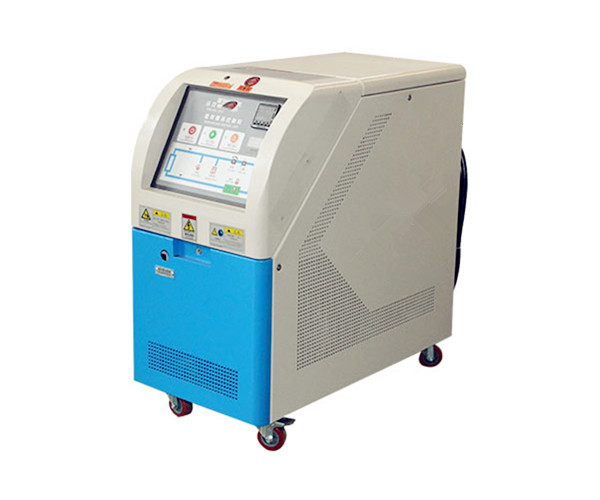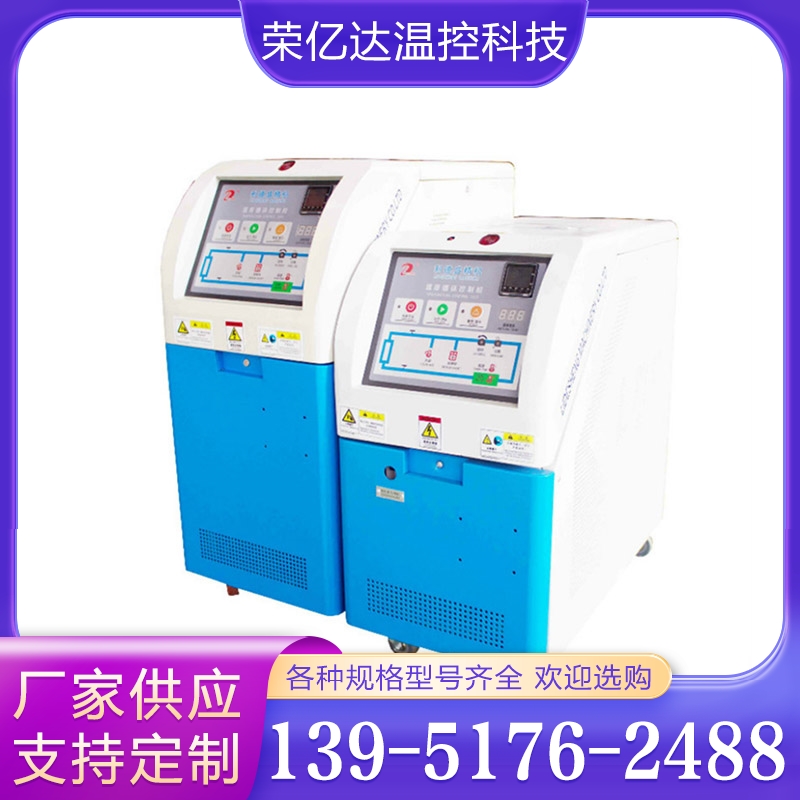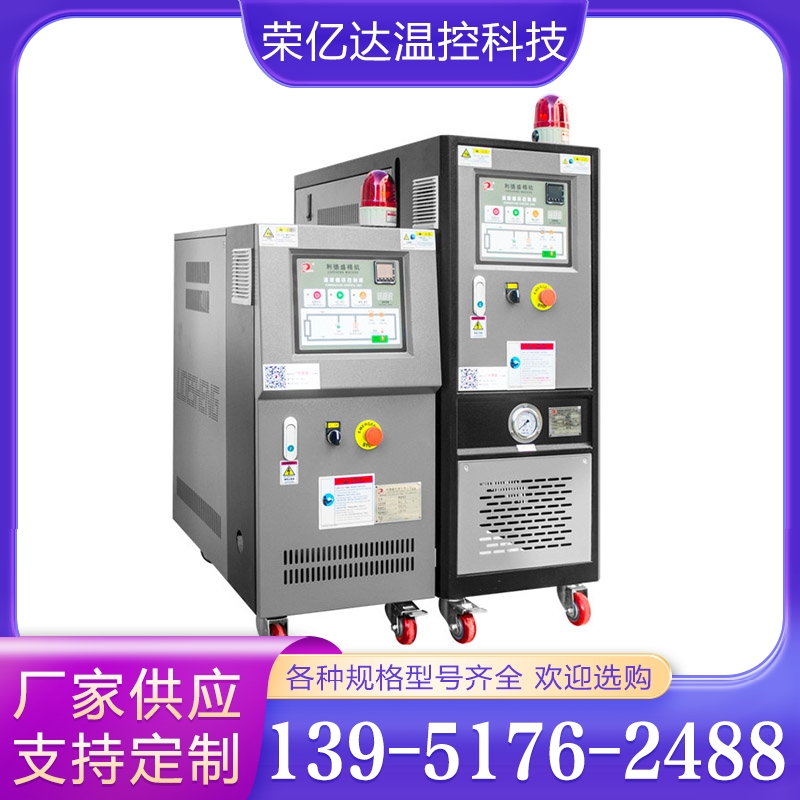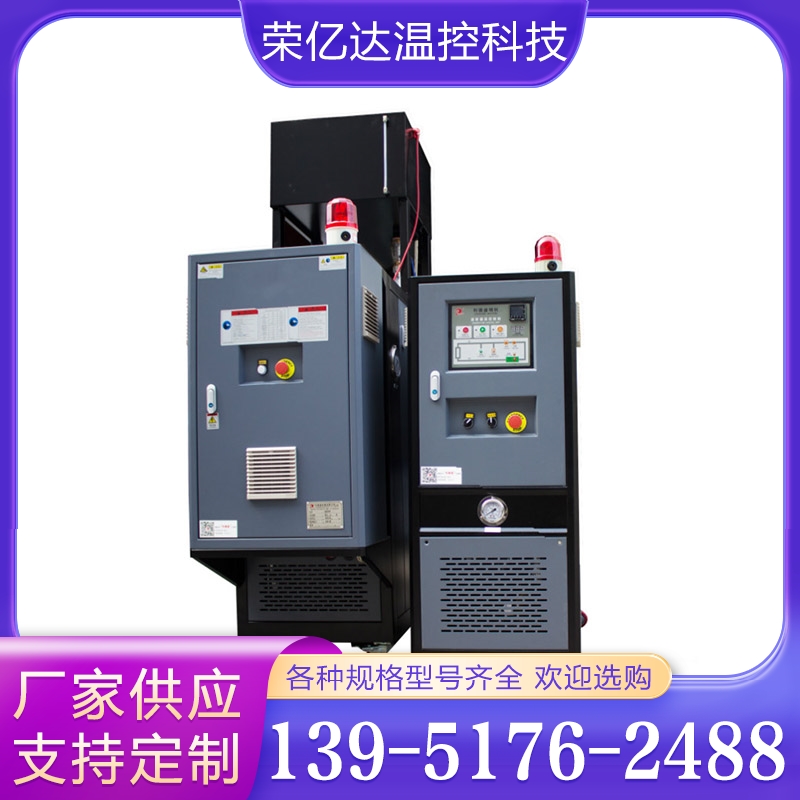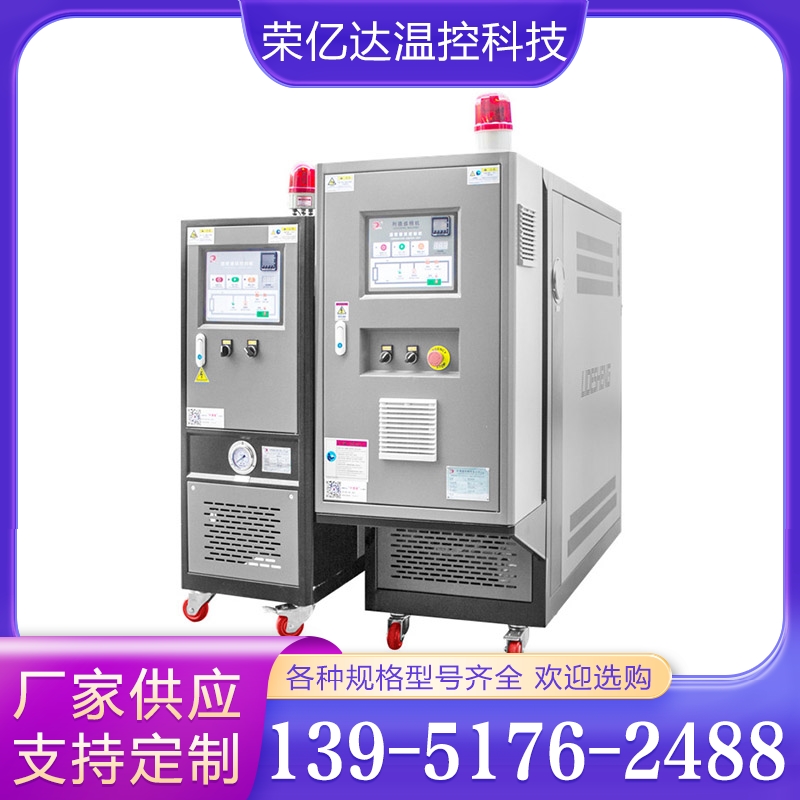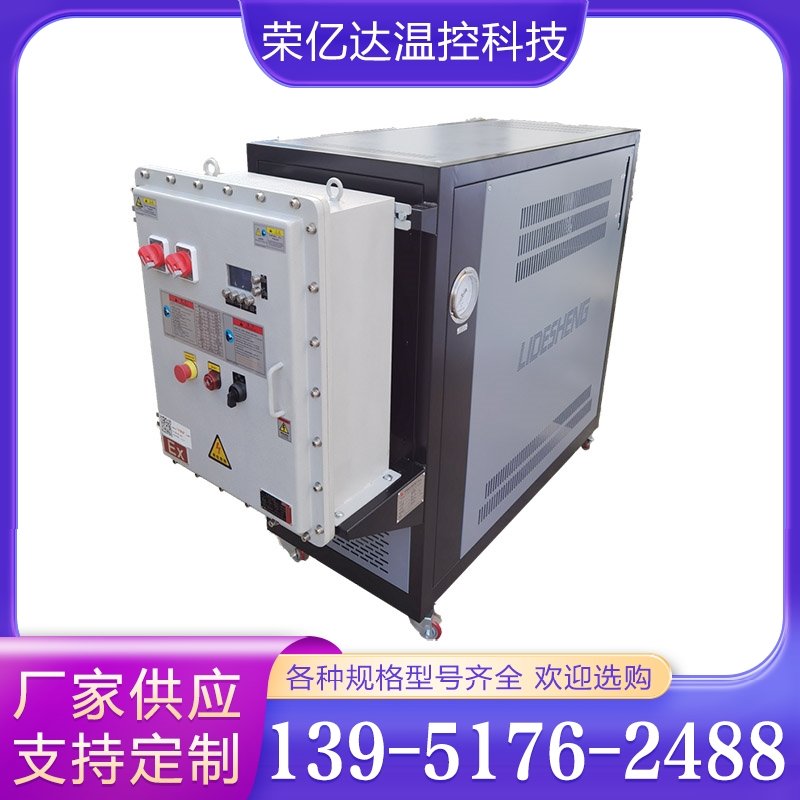




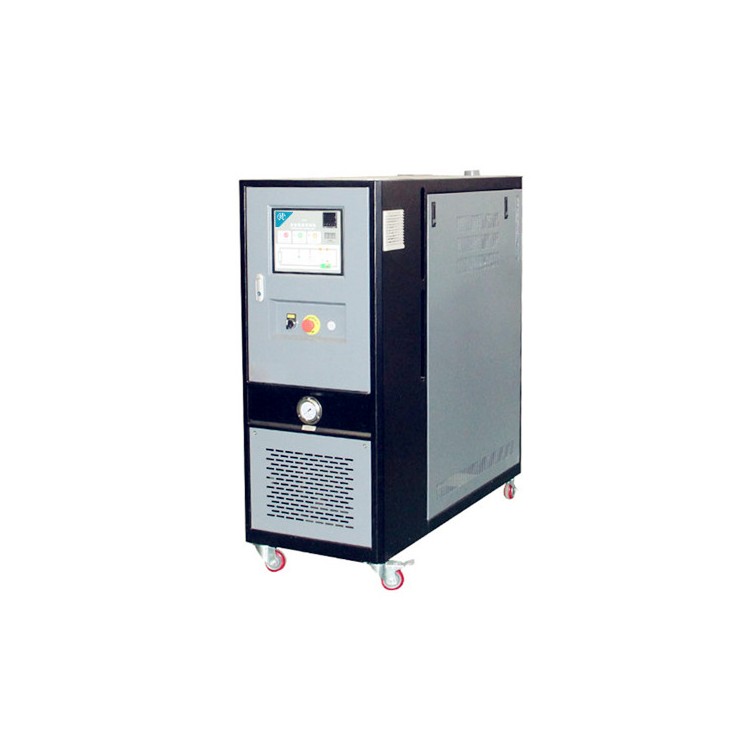
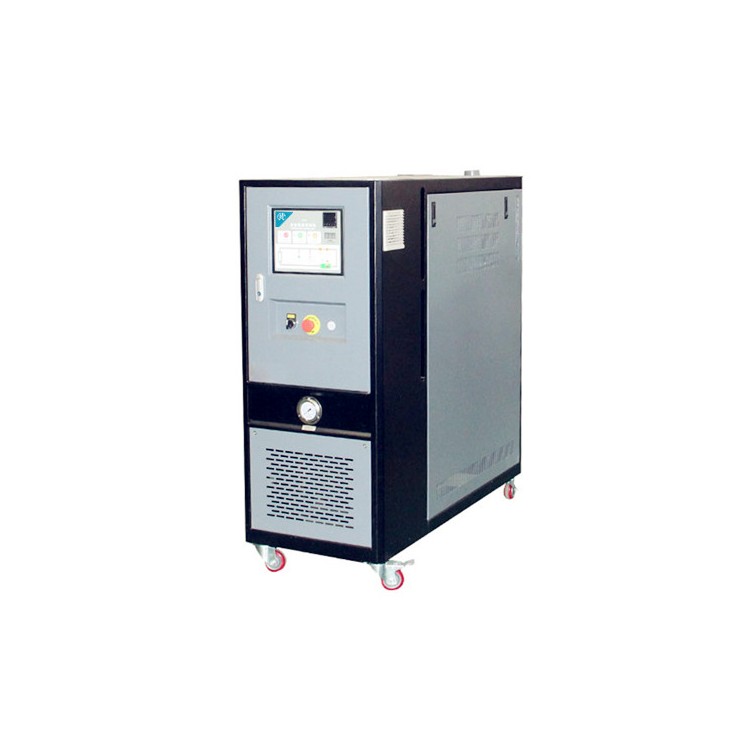
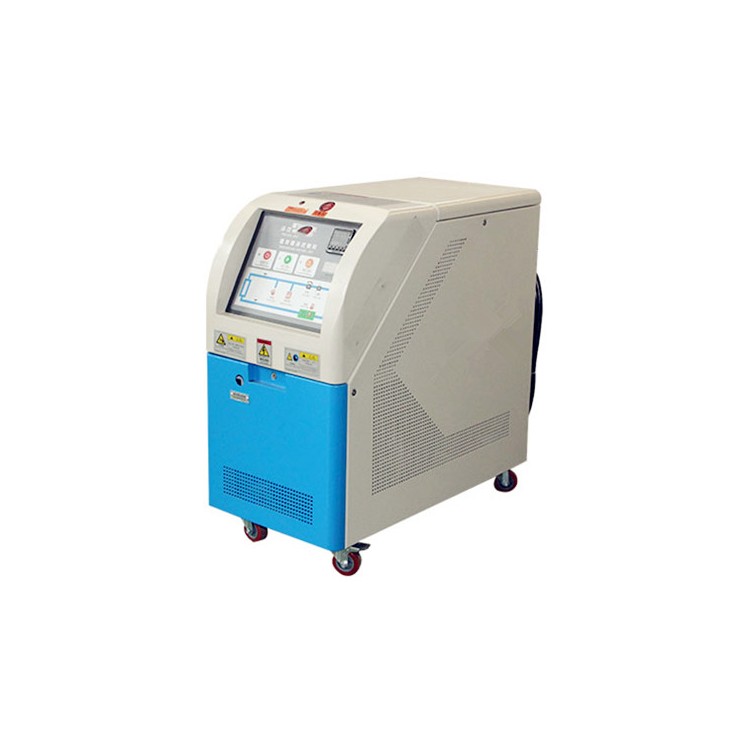
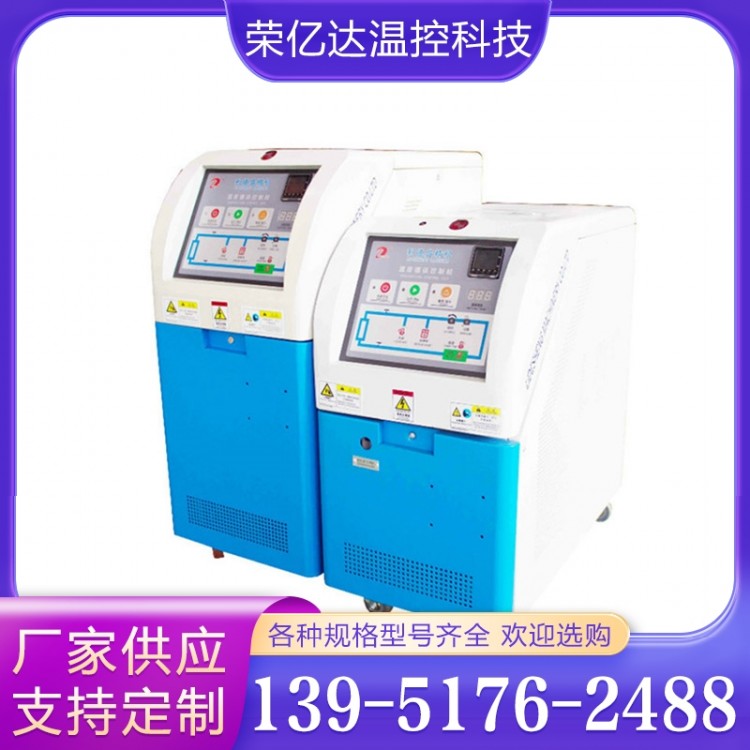





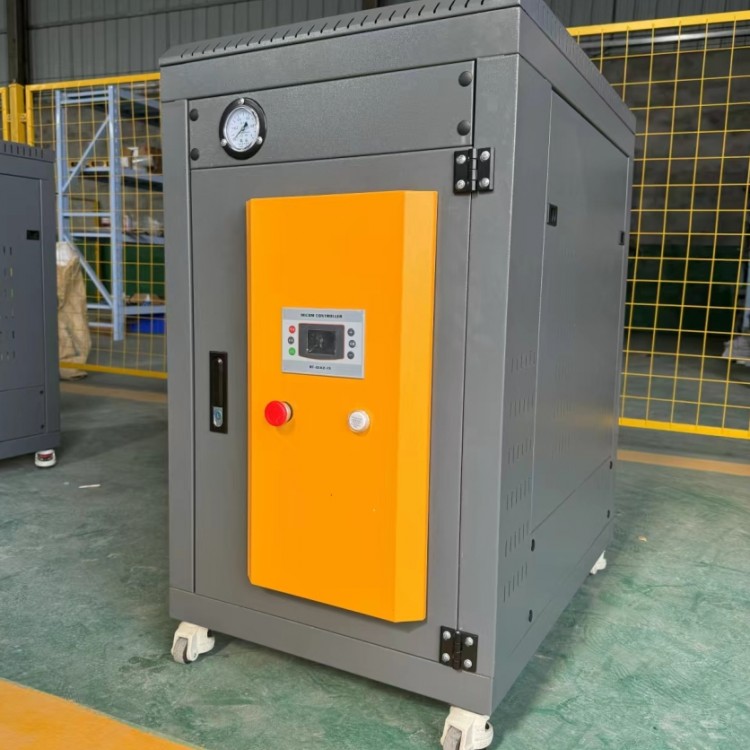
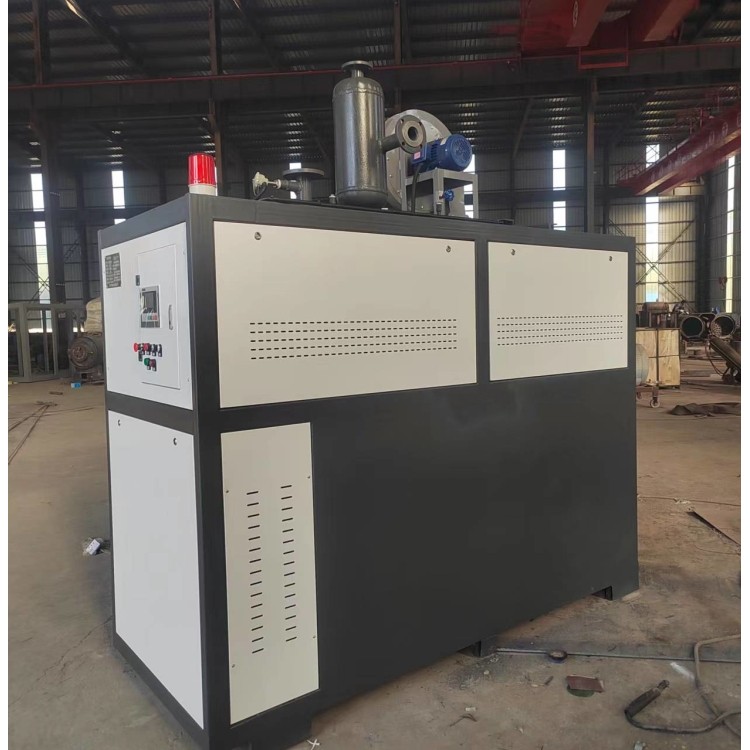


Oil Temperature Control Machine Introduction
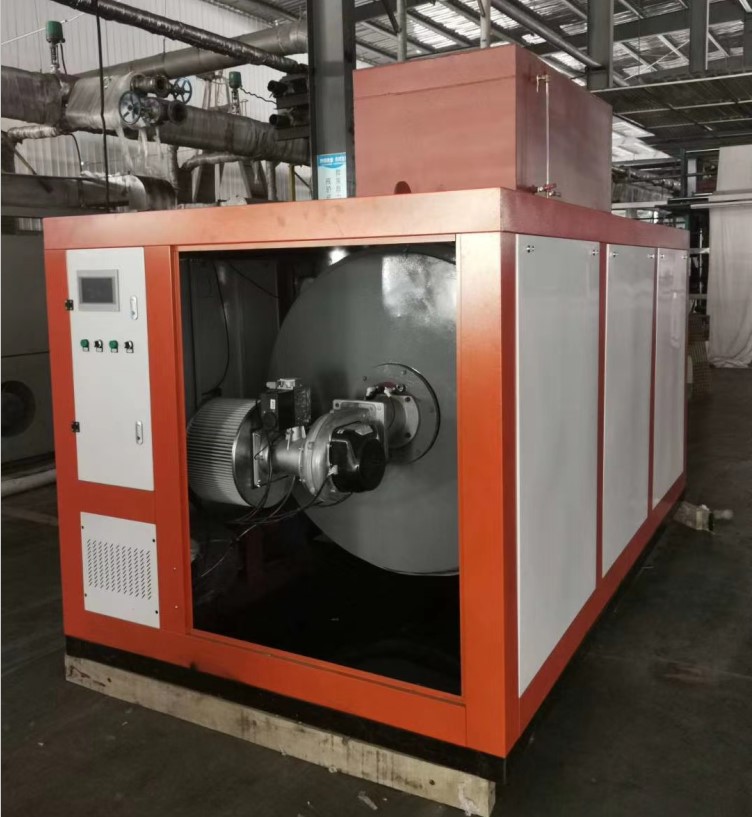
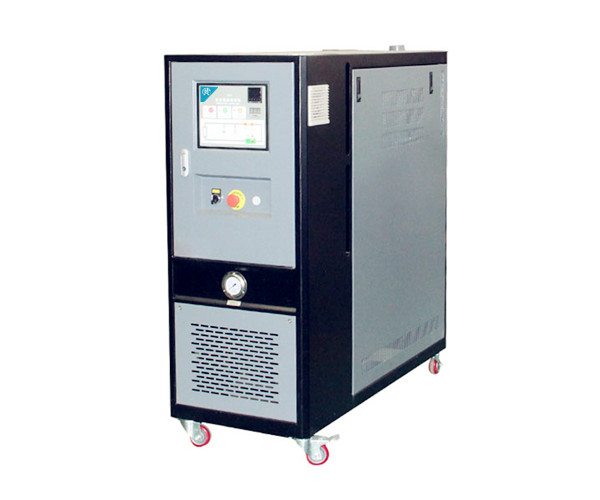
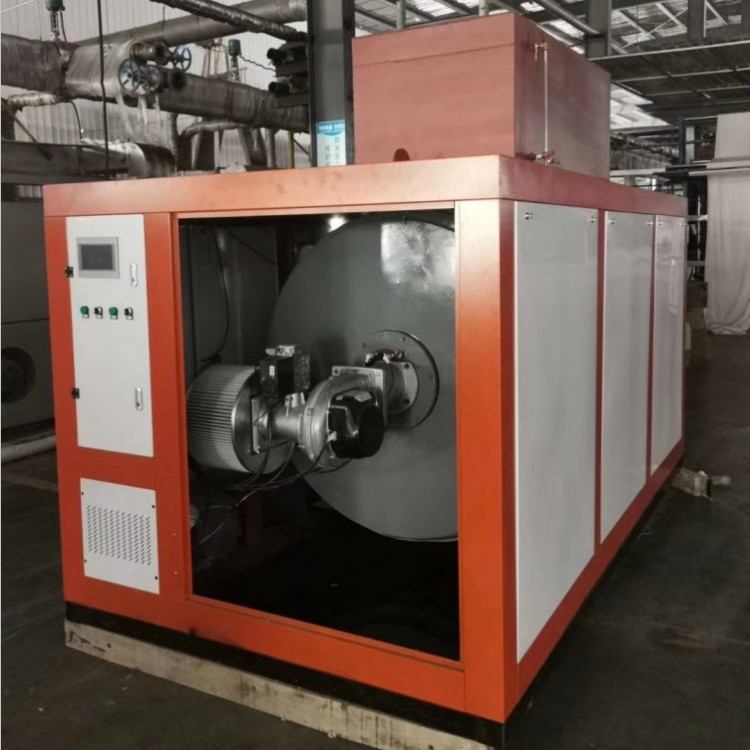
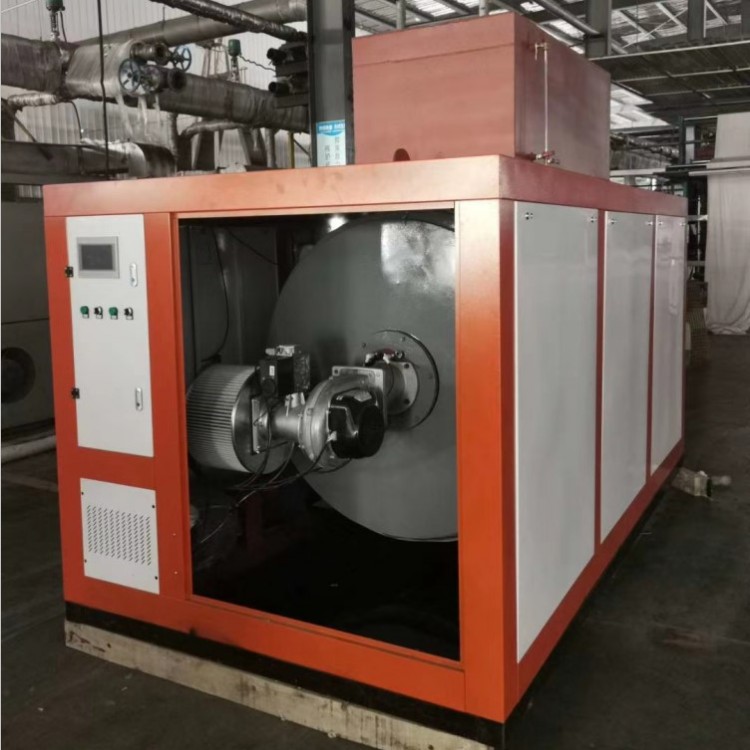
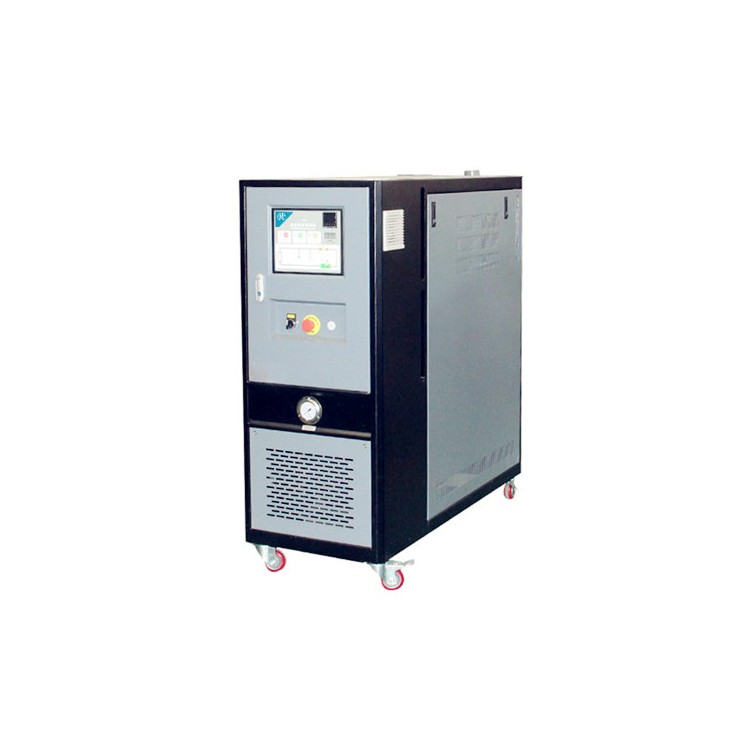
An oil-type temperature controller is a mold temperature controller that uses thermal oil as the heat transfer medium. The oil temperature controller is equipped with a storage tank, where the thermal oil enters the system during operation, pumped by a circulating pump into the mold or other temperature-controlled equipment. After the thermal oil exits the temperature-controlled equipment, it returns to the system, repeating the cycle. The thermal oil is heated by a heater, and when the temperature probe detects the medium temperature has reached the set value, the heater stops. When the temperature falls below the set value, the heater starts, and it stops again once the temperature reaches the set value. This cycle repeats.
Oil Temperature Control MachineWorking Principle
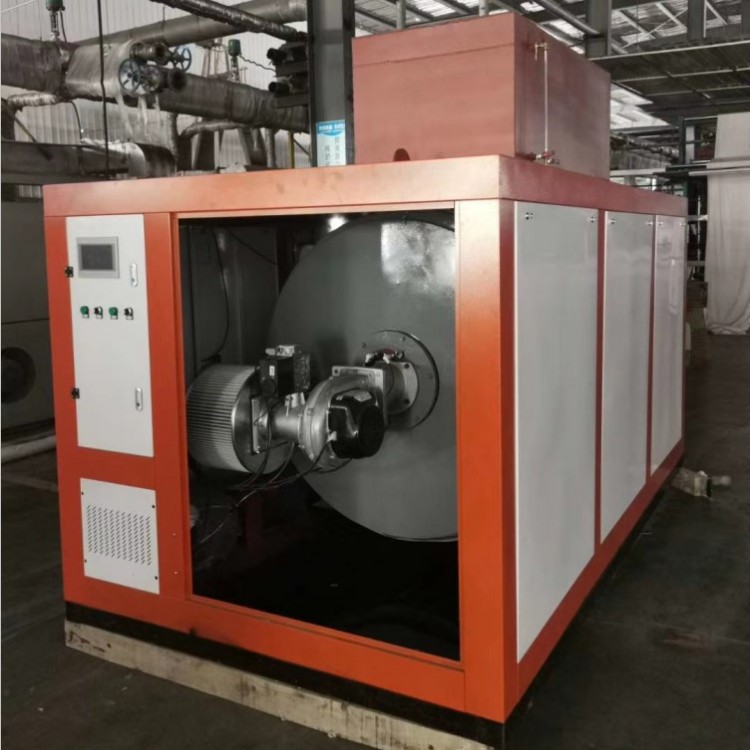
Utilizing fuel, gas, or electric heating lamps as heat transfer mediums (either thermal oil or water), the heated medium is then circulated by a high-temperature pump to the areas requiring temperature control, where it acts as a heat transfer agent. Subsequently, a temperature controller is used to adjust the temperature of the thermal oil, thereby ensuring precise temperature control of the targeted areas.
Features of Oil-Type Molding Temperature Control Machines
1. Computer touch control, easy and intuitive operation
2. Microcomputer dual-group P.I.D. temperature controller, touch-screen internal storage, automatic calculation
3. Safety Protection and Fault Indication System
4. Long service life of components
5. Fast heating and cooling, precise and stable temperature
6. Unique power heating design, suitable for various temperature control environments, with significant energy-saving effects.
7. Seamless stainless steel, small tube diameter, even wall thickness
8. Automatic Exhaust Function Upon Power-On
9. Molding Oil Return Temperature Inspection Chart
10. Microcomputer dual-group P.I.D. temperature controller, automatic calculation, precise and stable temperature control within ±1°C, saving energy by over 40%.
11. System design with quick temperature rise and fall, precise and stable temperature control. Extends the lifespan of the electric heating tube, with significant energy-saving effects.
12. Media recycling function ensures no leakage during mold changes, without causing contamination to the workspace; operation is convenient and quick; forced cooling reduces cooling time significantly during temperature adjustments and mold changes, greatly enhancing work efficiency.
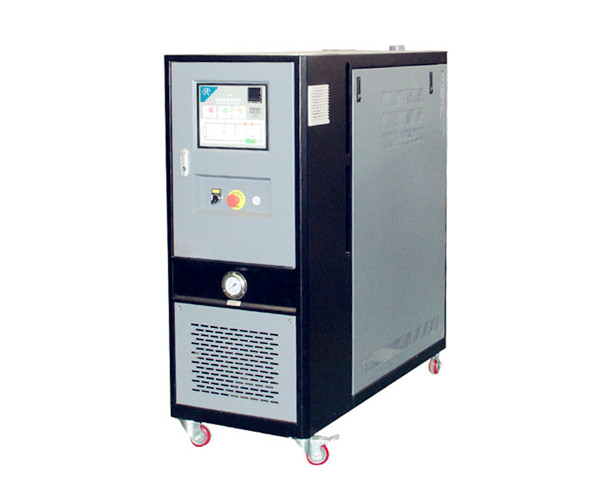
13. Liquid crystal control interface, easy to operate and understand, comprehensive monitoring functions. The operation panel features an ammeter, a safe control system, an electronic temperature controller, various safety protection indicator lights, and a unit start-up and operation indicator light, offering convenient use.
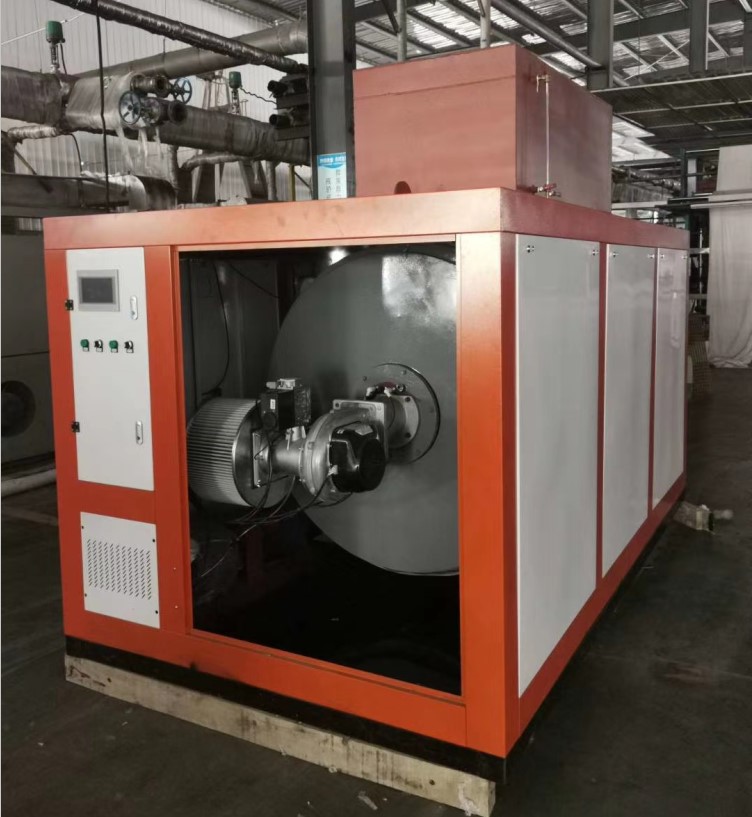
Oil-Type Mold Temperature Control Machines - Application Fields
1. Application Areas: Petroleum & Chemical Industry - Polymerization, Condensation, Distillation, Melting, Dewatering, Forced Insulation
2. Fats and Oils Industry: Control of reactor temperature for fatty acid distillation, oil decomposition, concentration, esterification, and vacuum degassing reactions, reactor heating
3. Synthetic Fiber Industry: polymerization, melting, spinning, drawing, drying
4. Textile dyeing and finishing: heat setting roller heating, oven heating, heat capacity dyeing
5. Nonwoven Industry: Nonwoven Fabric
6. Feed Industry: Drying
7. Plastic & Rubber Industry: Heat Pressing, Calendering, Extrusion, Vulcanization Molding
8. Paper Industry: Drying, Corrugated Paper Processing
9. Wood Industry: Plywood, pressed fiberboard, heated plywood lamination, hot press heating, oil press temperature control, wood drying
10. Building Materials Services: Gypsum Board Drying, Asphalt Heating, Concrete Component Curing
11. Mechanical Industry: Painting and Printing Drying
12. Food Industry: Oven Heating, Jacketed Kettle Heating
13. Air Conditioning Industry: Industrial Factory and Civil Building Heating
14. Road Construction Industry: Asphalt Melting, Insulation
15. Pharmaceutical Industry: Drying
16. Light Industry: Manufacturing inks, laundry detergents