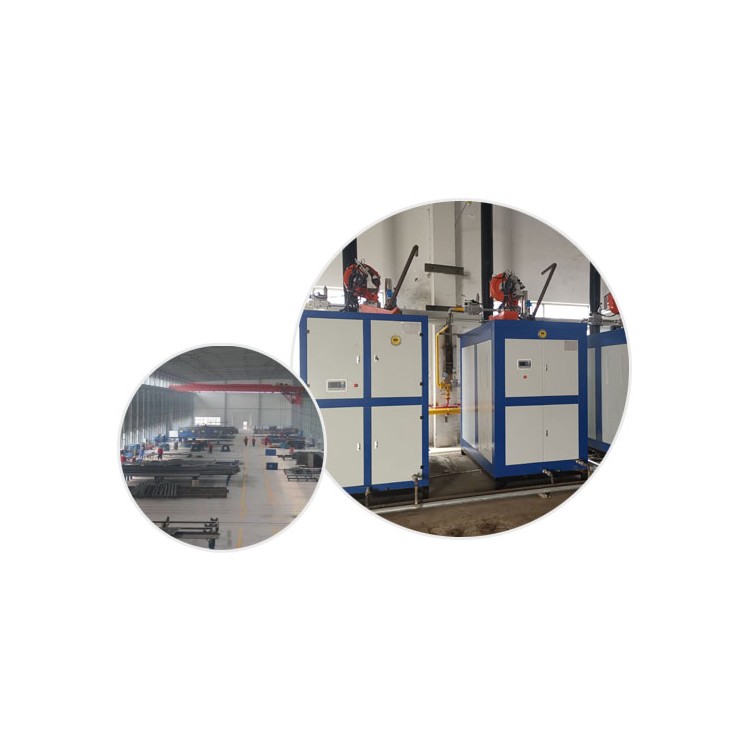

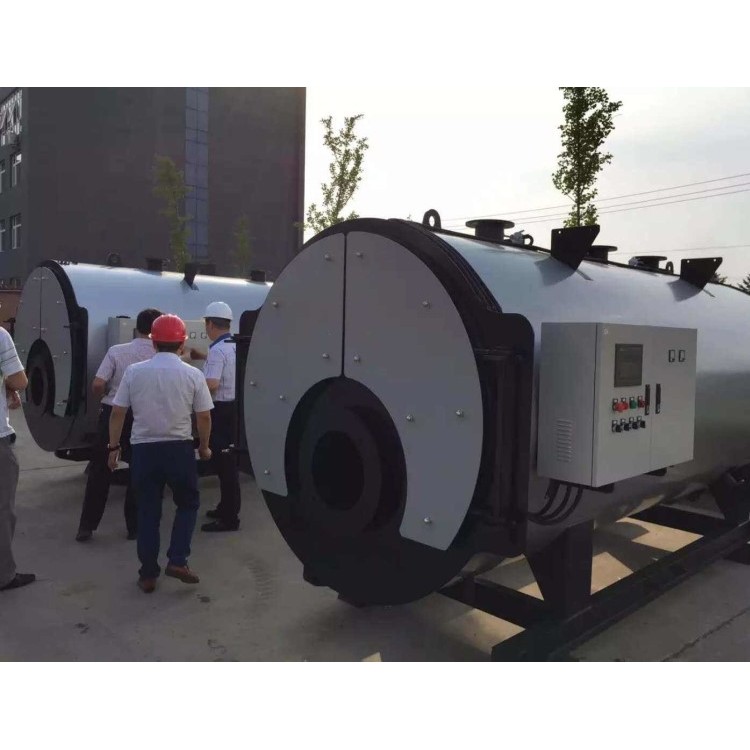

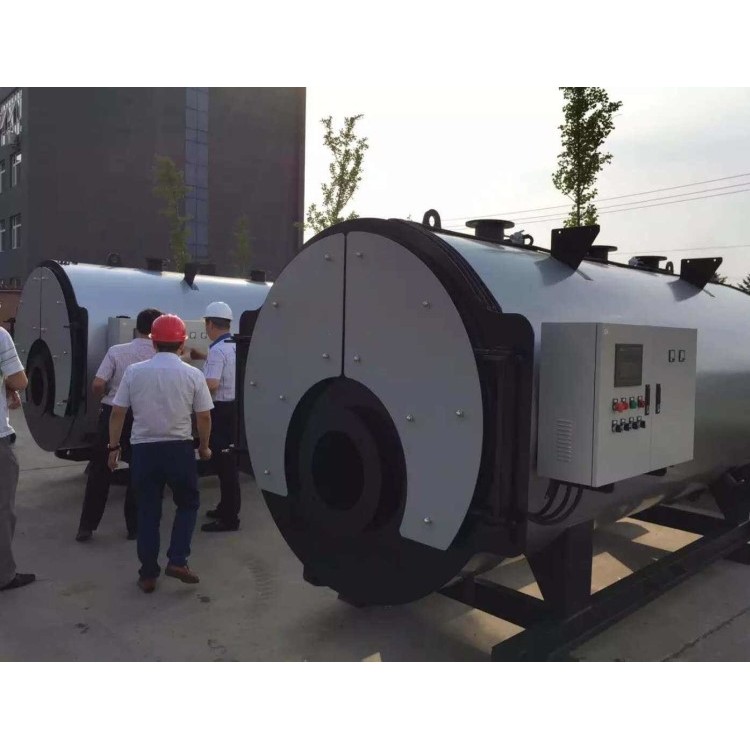


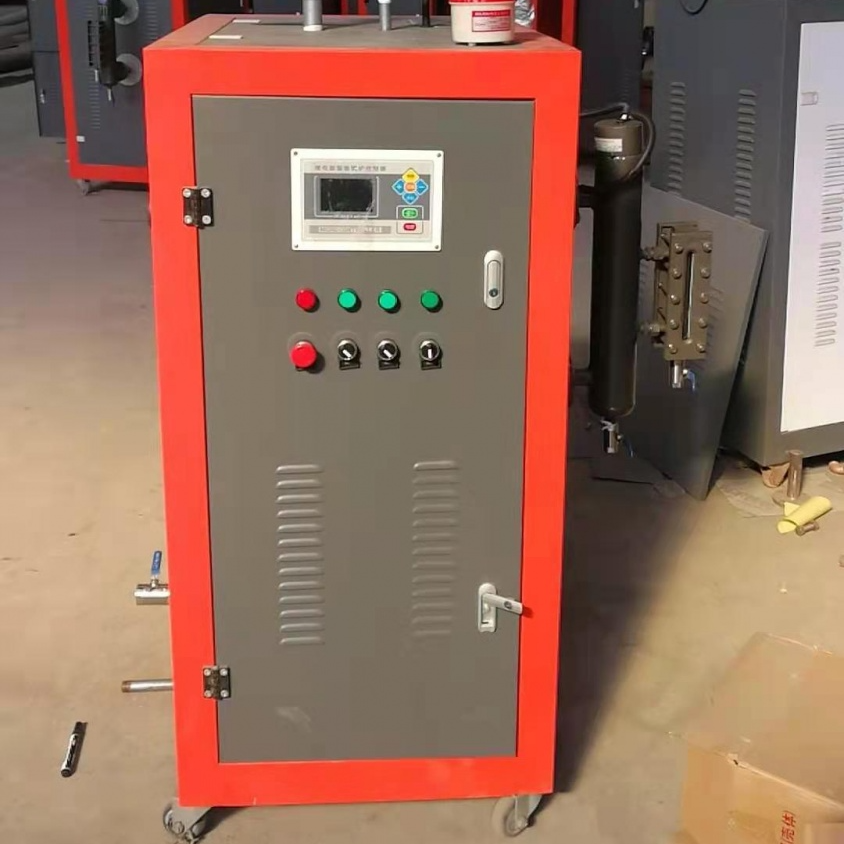





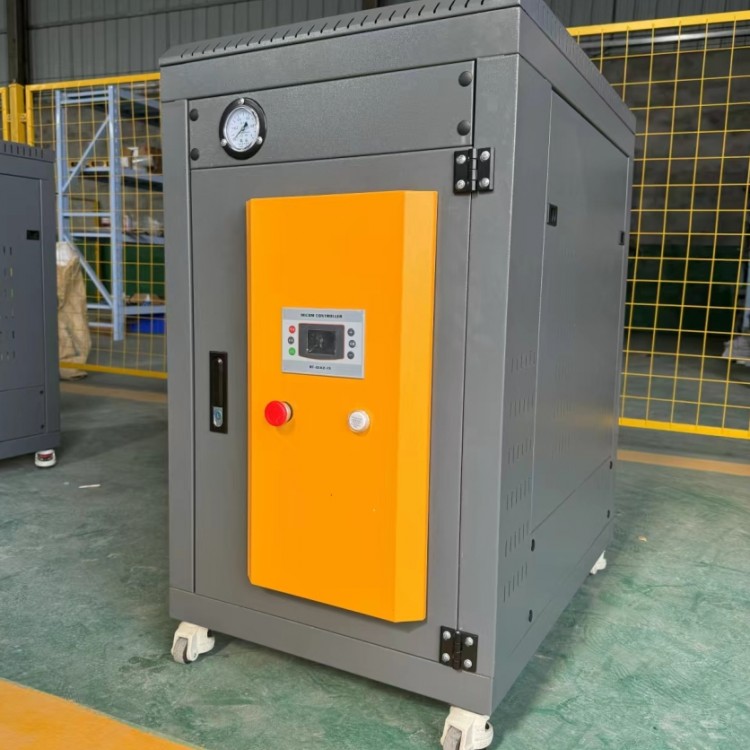
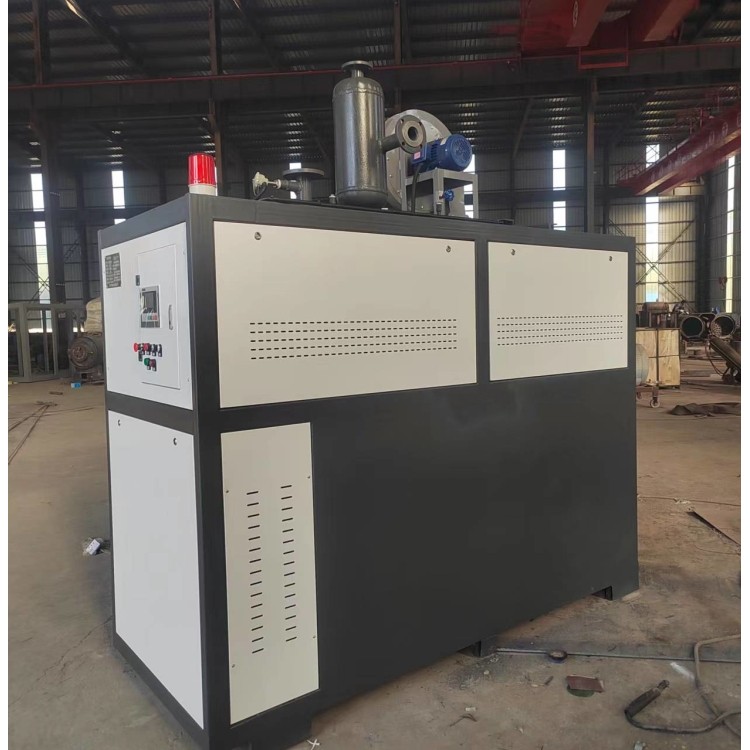

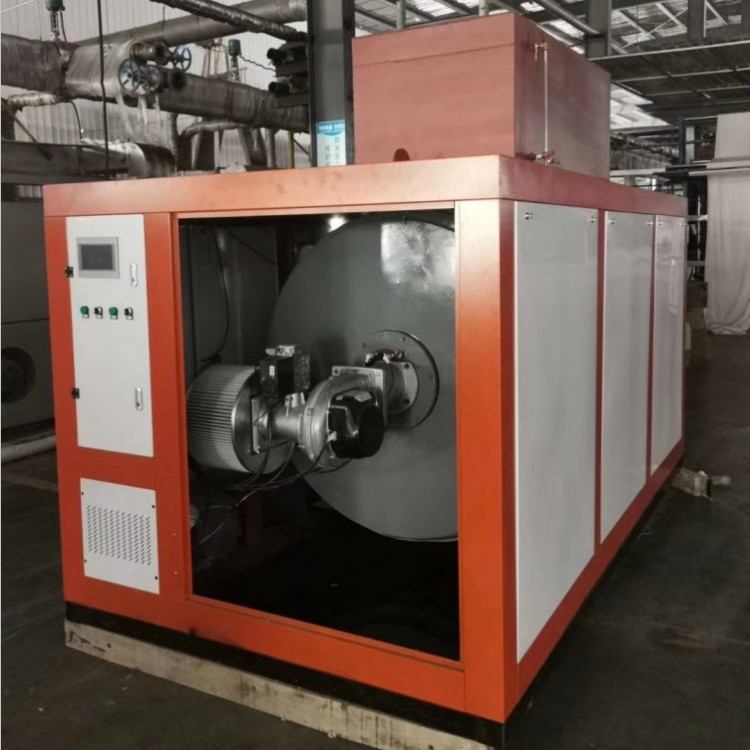


Introduction to CWNS Gas Hot Water Boiler
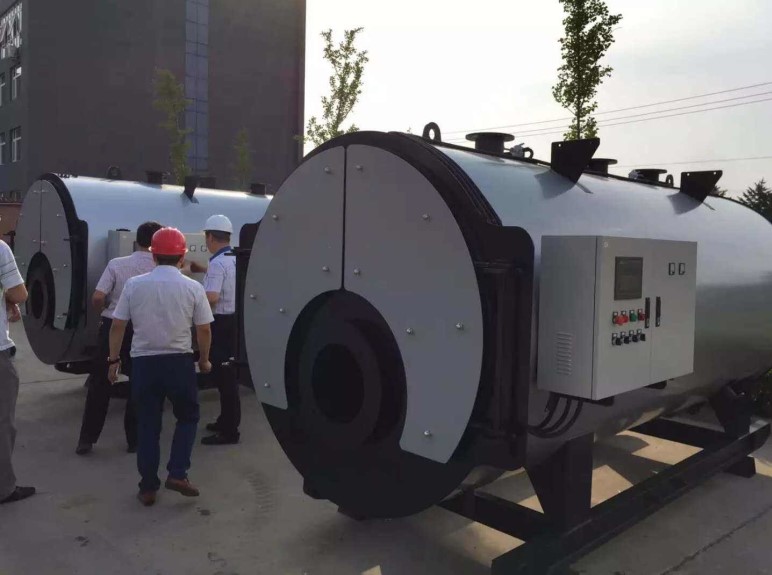
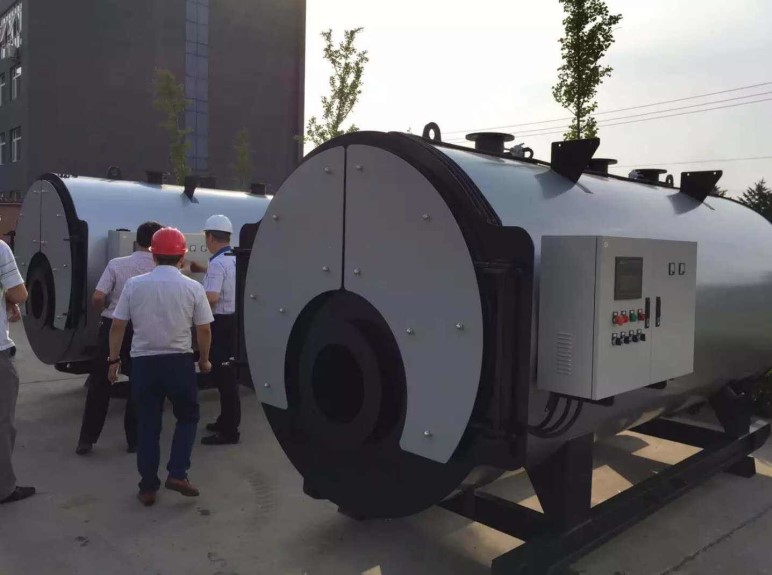
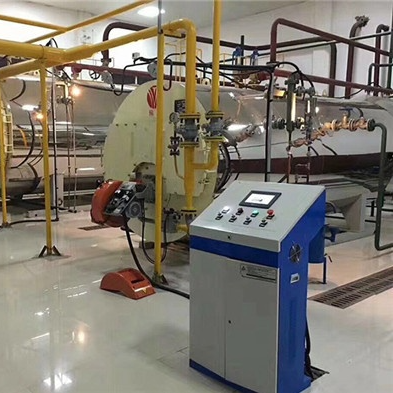
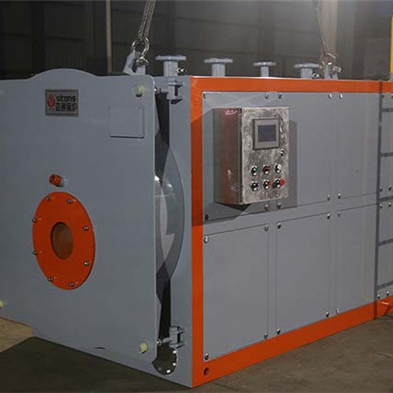
The CWNS type oil/gas hot water boiler is a fast-installation horizontal卧式 internal combustion boiler with a three-pass flue tube structure. It employs a bottom-mounted corrugated furnace tube that allows high-temperature flue gases to sequentially wash the second and third-pass flue tubes through a corrugated furnace tube chamber, then discharged into the atmosphere through the rear smoke chamber chimney.
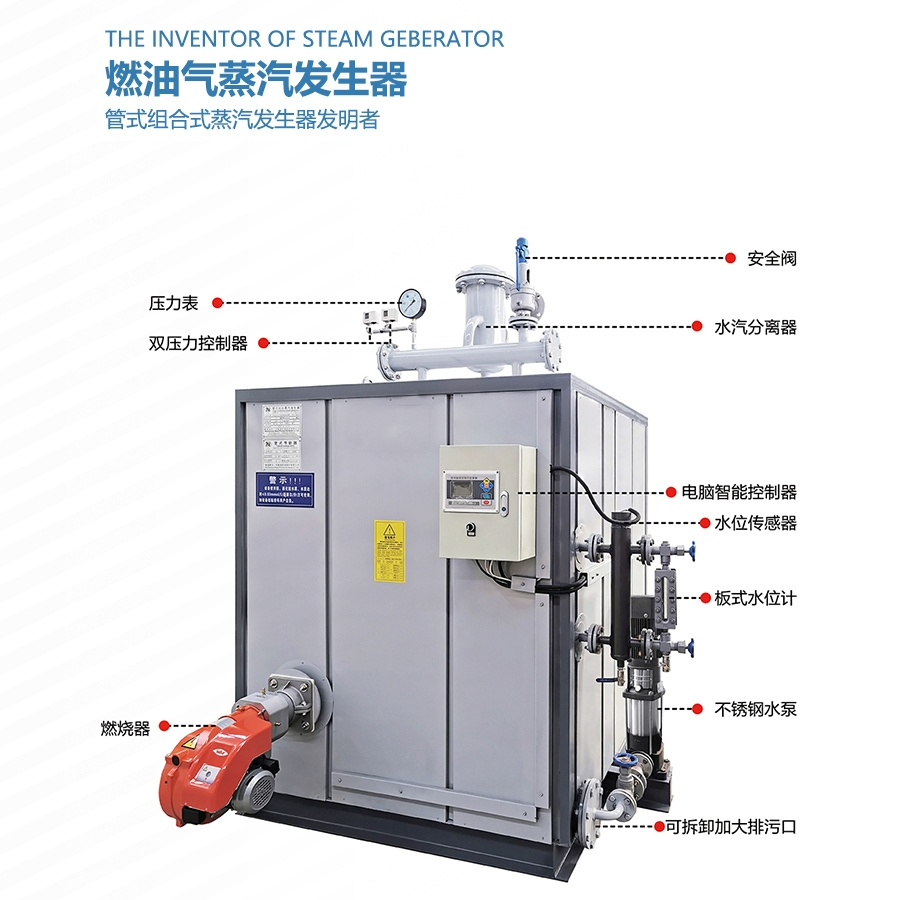
The boiler is equipped with a world-renowned fully automatic burner, featuring automatic proportional combustion adjustment, automatic water regulation, programmable start/stop, and automatic operation. It also includes automatic protection functions such as water temperature control and shutdown in case of overheating or overpressure. High-quality domestic valves, instruments, and water pumps are used.
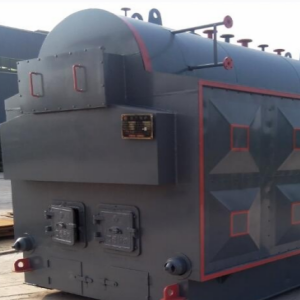
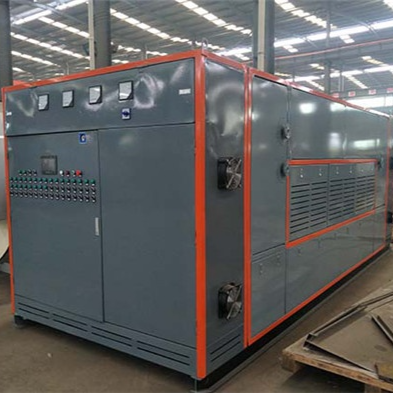
The CWNS type oil/gas hot water boiler boasts safety and reliability, high efficiency, attractive appearance, compact structure, easy installation, and durability.
CWNS Gas-Fired Hot Water Boiler Working Principle:
Gas-fired hot water boiler equipped with a microcomputer controller and imported burner. It utilizes an automatic circulation system with a hot water circulation pump to heat the boiler and radiator pipes, achieving heating purposes, or heating the hot water in the storage tank for bathing requirements. Widely applicable in government agencies, enterprises, factories, hospitals, schools, hotels, and other institutions.
Categories of Gas-Fired Hot Water Boilers
Vertical gas-fired hot water boilers and horizontal gas-fired hot water boilers can be categorized by structure; by application, they are divided into gas heating hot water boilers and gas bathing hot water boilers; by construction, they are classified as atmospheric pressure gas-fired hot water boilers and pressure-bearing gas-fired hot water boilers; and by fuel, they include natural gas hot water boilers, city gas hot water boilers, biogas hot water boilers, liquefied gas hot water boilers, and more.
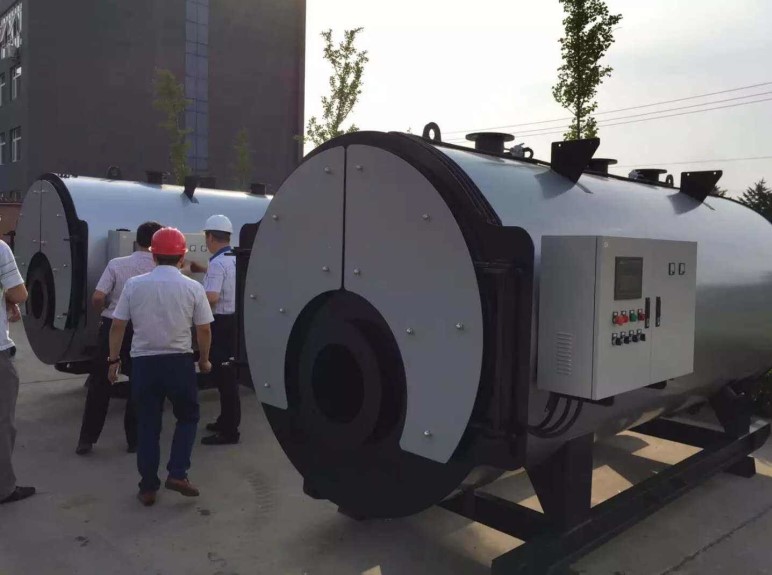
CWNS Gas-Fired Hot Water Boilers Performance Advantages
1. The CWNS type gas boiler is a horizontal, quick-assembly, internal combustion, three-pass fire-tube boiler. It features an offset furnace tube, wet-back structure, where high-temperature flue gases sequentially wash the second and third pass smoke tubes, then排出 through the rear smoke chamber and chimney into the atmosphere. The structure is compact and the appearance is aesthetically pleasing.
2. Reasonable heating surface structure to control flue gas resistance.
3. Appropriate control of flue gas temperature ensures boiler efficiency while preventing condensation, thereby extending the boiler's lifespan.
4. The boiler is equipped with removable front and rear smoke box lids for easy maintenance.
5. Equipped with explosion-proof doors, they automatically return after pressure release, ensuring boiler safety.
6. The application of reinforced heat transfer elements such as wave-shaped furnace liners and threaded flue pipes not only enhances the heat transfer effect but also absorbs the thermal expansion and contraction of the furnace body.
7. Stainless steel outer packaging, enhanced corrosion resistance.
8. Excellent thermal insulation: The boiler uses overall insulation to reduce heat loss.
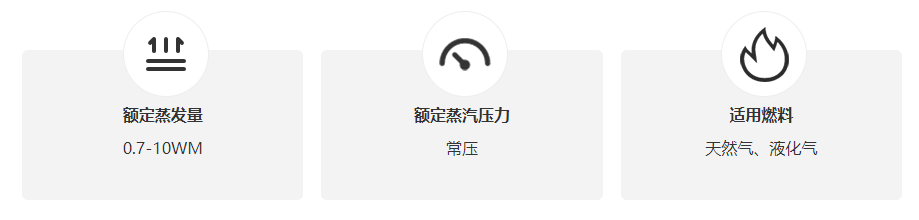
9. Safety: The boiler operates at atmospheric pressure for safe and reliable performance, no annual inspection required, and easy installation.
CWNS Gas-Fired Hot Water Boilers Application Range
Primarily used in: farming and breeding in agriculture and animal husbandry, greenhouse cultivation, seed factories, livestock slaughterhouses; fertilizer plants, oil refineries, feed mills, coating factories, plastic factories, glass factories, sulfuric acid factories in the chemical industry; paper mills, textile factories, dairy plants, breweries, food factories, shoe factories, ceramic factories, furniture factories, tire factories, cigarette factories, bamboo mat factories, chopstick factories, printing factories, tape factories, hardware factories, flooring factories, cabinet factories, wooden door factories in manufacturing; bath centers, hotels, schools, etc. Functions include: heating, insulation, drying, heating, melting, production supply, sterilization, vulcanization, hot water supply, and more.
Maintenance Methods for CWNS Gas Water Boiler
Pressure Maintenance
Suitable for producing standby boilers or boilers undergoing brief maintenance of no more than one week's duration.
(1) After shutting down the furnace, drain all the water, thoroughly clean the scale and sediment inside, and then refill with qualified softened water.
(2) Regularly heat the water in the boiler with low flame, or use the steam from an adjacent boiler to heat the water. The water temperature in the boiler should be maintained at about 10℃ above the ambient temperature during summer and prevent freezing during winter. Close all drain valves, vent valves, and water release valves to prevent leakage.
(3) Regular feed water to the boiler to maintain the internal pressure at 0.05 MPa to 0.1 MPa, preventing air from entering the drum.
Wet保养
Wet maintenance is generally suitable for the maintenance of boilers that have been out of service for no more than one month.
After shutting down the furnace, drain the water according to the specified time and thoroughly clean the scale, sludge, and soot.
(2) Close all manholes, handholes, valves, etc., to completely isolate from the operating boiler.
(3) Prepare alkaline protective solution using qualified softened water, adding 8 to 10 kg of sodium hydroxide (NaOH) per ton of boiler water, or 20 kg of sodium carbonate (Na2CO3), or 20 kg of sodium phosphate (Na3PO4).
(4) Inject the prepared alkaline maintenance solution into the boiler using a dedicated pump.
(5) After all the protective solution has been injected, open the water supply valve to fill the boiler with qualified softened water until it overflows from the air valve. Then, close the air and water supply valves, and start the dedicated pump to circulate, ensuring the solution is well-mixed.
(6) Throughout the maintenance period, the external surface of the heated area should be kept dry by periodically using a low flame to heat the furnace. Regularly activate the pump to circulate, ensuring consistent solution concentration throughout. Additionally, regularly test and replenish the solution, maintaining a pH level between 10-12 to ensure the alkalinity of the furnace water.
(7) Take appropriate frost protection measures during winter.
Dry maintenance
Dry maintenance is suitable for longer shutdown periods, generally exceeding one month, especially for heating hot water boilers that are shut down during summer.
After the furnace is shut down, drain the water from the furnace, and clean out the scale, sludge, and ash from the heated surfaces.
(2) Close the valves on the boiler's water supply, feed, and drain pipes, or seal them tightly with a partition, ensuring complete isolation from other operating boilers.
(3) Open the manhole and handhole to allow the boiler to dry naturally. If the boiler is damp, use a low flame to dry the boiler body, walls, and flue.
(4) Select appropriate desiccants. Common desiccants include anhydrous calcium chloride (CaCl2) and quicklime (CaO2). CaCl2 should be placed at a rate of 2kg per cubic meter of water volume, with particles of about 15mm in size. Quicklime should be placed at a rate of 3kg per cubic meter of water volume, with blocks ranging from 10mm to 30mm in size.
(5) After the boiler is dried, place the tray containing the desiccant into the furnace and drum to absorb moisture. It is required that the desiccant not come into direct contact with the boiler's heating surface.
(6) The desiccant in the boiler should be checked weekly for the first month to inspect for any corrosion on the heating surface, and replace any失效 desiccant promptly. After the first month, inspections should be conducted every two weeks.