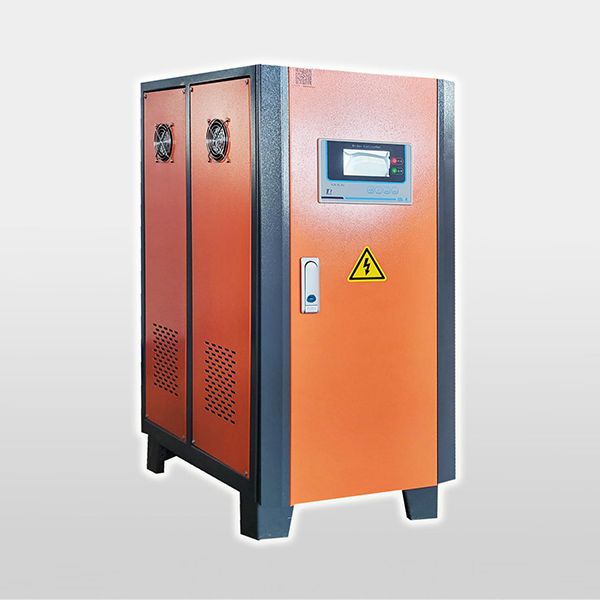




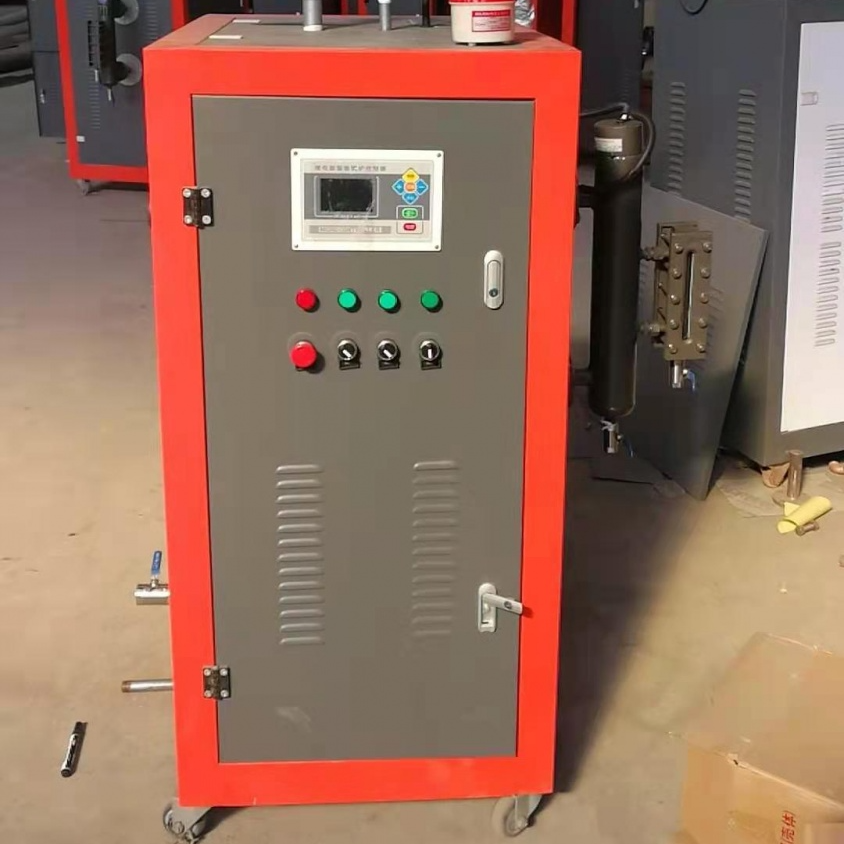





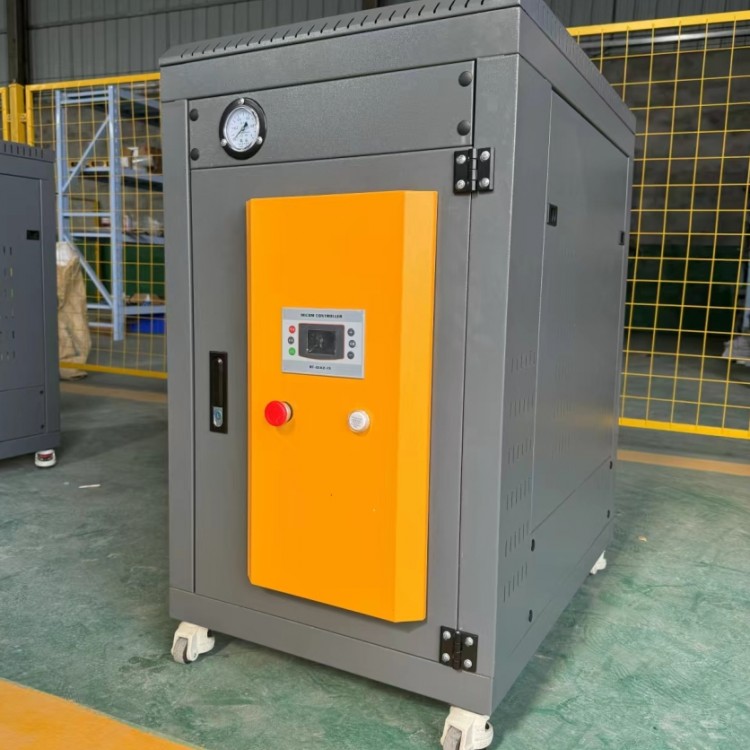
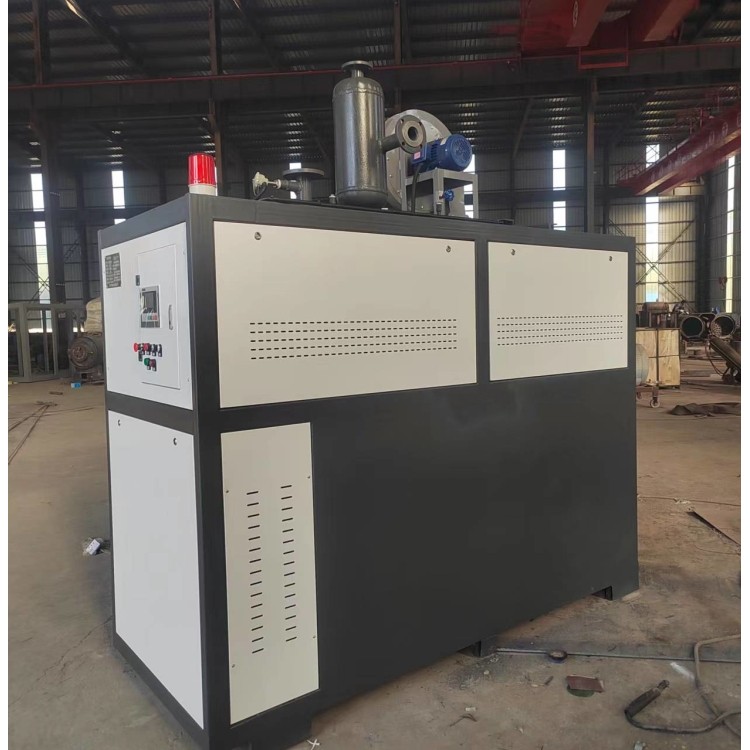

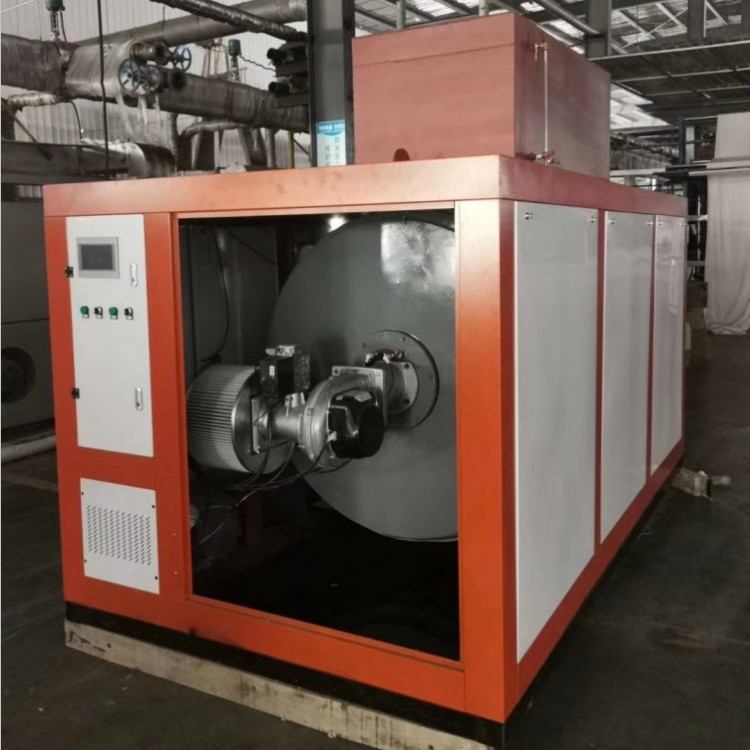


Electromagnetic Heating Boiler Product Introduction
Electromagnetic Heating BoilerAlso known as electromagnetic induction heating, or electromagnetic heating technology, the principle of electromagnetic heating involves generating an alternating magnetic field through an electronic circuit board component. When an iron-containing container is placed on top, the container's surface cuts through the alternating magnetic field lines, creating an alternating current (eddy current) in the metal part at the bottom of the container. The eddy current causes the charged particles at the bottom of the container to move rapidly and randomly. As these particles collide and rub against atoms, thermal energy is produced. This process effectively heats the item. Since the heat is generated by the iron container itself, the heat conversion rate is particularly high, reaching up to 95%. It is a direct heating method. Stovetops, cooktops, and electric rice cookers that use electromagnetic heating technology all employ this method.
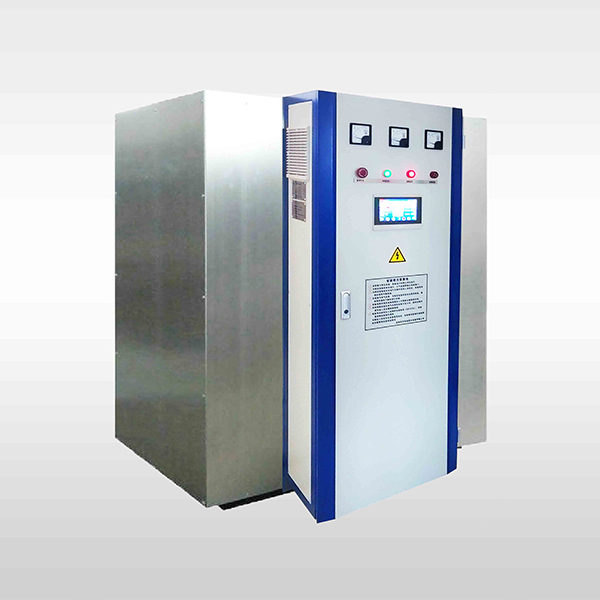
Electromagnetic HeaterAn electromagnetic heater is a device that converts electrical energy into heat energy using the principle of electromagnetic induction. The electromagnetic heater controller converts 220V, 50/60Hz AC into DC, then transforms the DC into high-frequency, high-voltage electricity at 20-40KHz, or converts 380V, 50/60Hz three-phase AC into DC, which is then transformed into high-frequency, low-voltage, high-current electricity at 10~30KHz, for industrial product heating.
Electromagnetic heating coilHigh-frequency and high-voltage currents passing through a coil generate rapidly changing alternating magnetic fields. When an iron-containing container is placed above it, the container's surface cuts through the alternating magnetic lines, creating alternating currents (eddy currents) in the metallic bottom part of the container. These eddy currents cause the charged particles in the container bottom to move rapidly and randomly, colliding and frictionally generating heat energy. This effectively heats the items. It is a heating method that converts electrical energy into magnetic energy, inducing eddy currents on the surface of the heated steel, thereby solving the issue of low thermal efficiency associated with resistive heating methods like electric heating plates and coils, which rely on heat conduction.
Industrial electromagnetic energy-saving transformation is widely used in energy-saving upgrades for plastic machinery heating, wood processing, construction, food, medical, chemical industries, etc. This includes machines like plastic injection molding machines, extruders, blowing film machines, filament winding machines, plastic films, pipes, wires, food processing, textiles, dyeing and printing, metallurgy, light industry, machinery, surface heat treatment and welding, boilers, water heaters, and other industries. It can replace resistive heating and open flame fuel energy.
Textile Printing and DyeingRaw materials are heated using electromagnetic heating, which enhances energy utilization efficiency, accelerates heating speed, and improves temperature control accuracy.
Light IndustryCanned goods and other plastic packaging closures, etc.
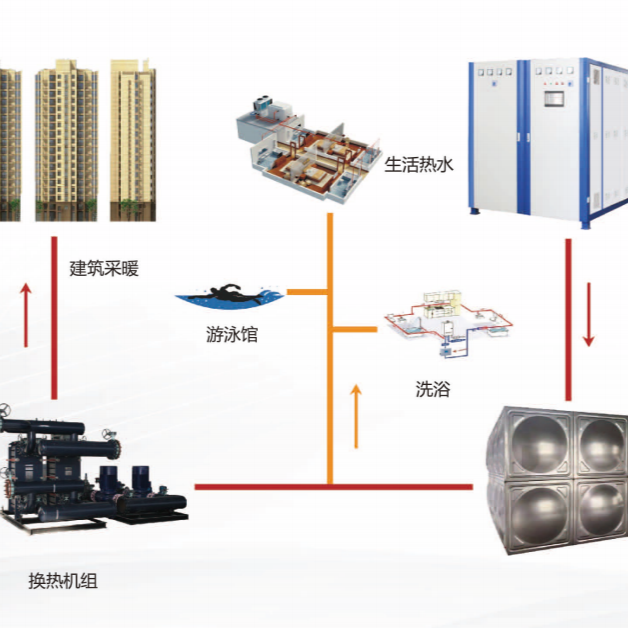
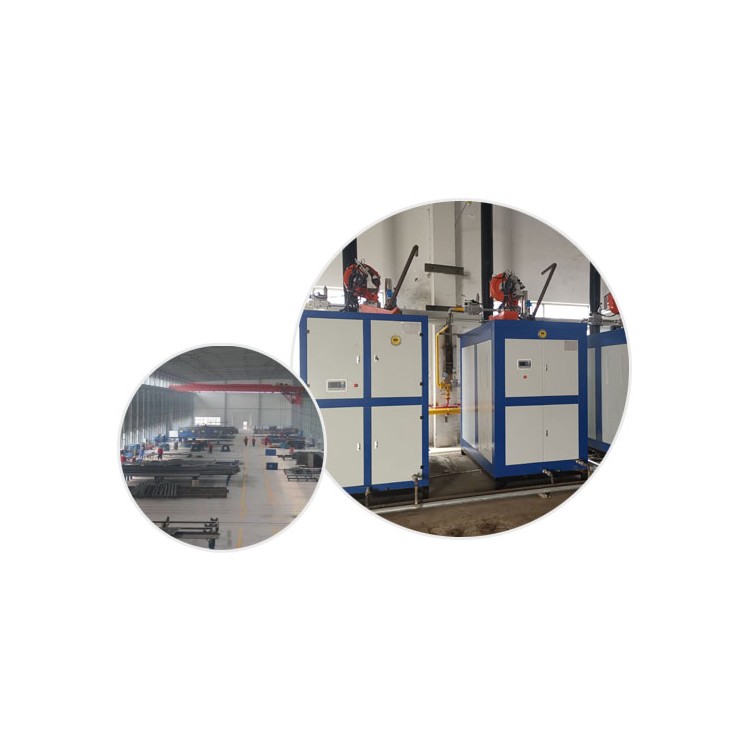
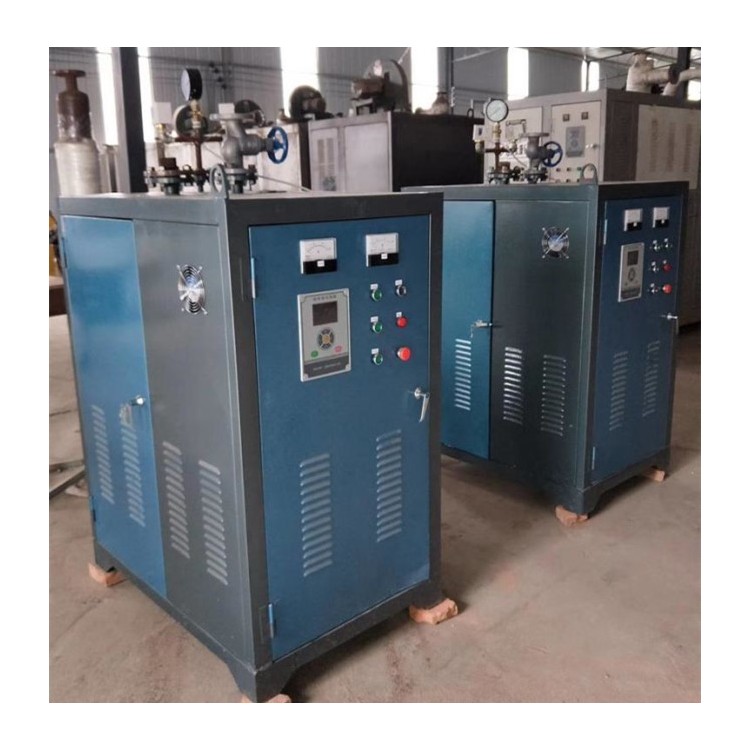
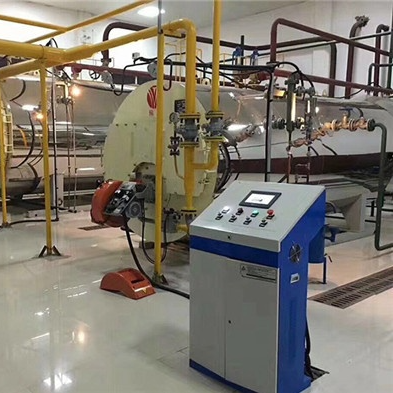
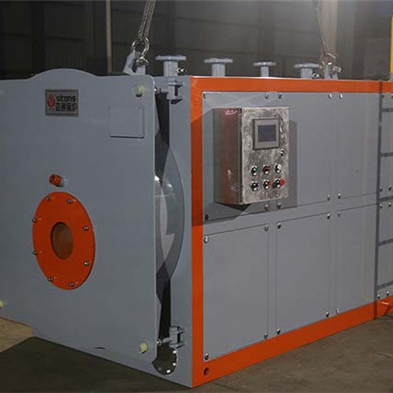
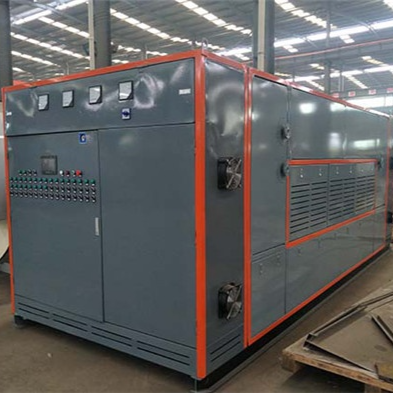
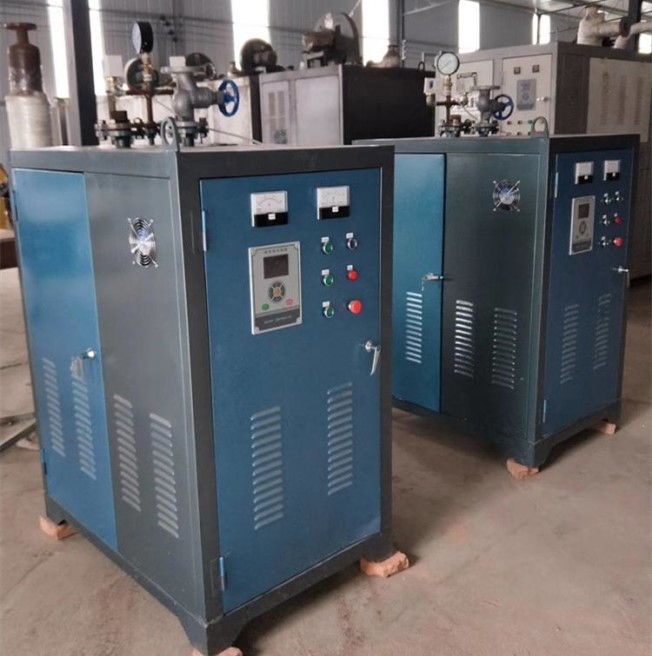
Boiler IndustryElectromagnetic heating boilers take advantage of their fast heating speed, allowing for the abandonment of the traditional all-over heating method used in conventional boilers. Instead, they heat only at the outlet end of the boiler, enabling water to be heated as it flows, resulting in rapid heating and space-saving.
Machinery IndustryHigh-frequency electromagnetic heating can be applied to metal surface heat treatment, offering significantly improved results compared to conventional methods. It is also suitable for various heat treatments such as quenching of mechanical parts, followed by tempering, annealing, and normalizing, as well as preheating before pressure processing.
The application of electromagnetic heating boiler technology not only benefits product quality, production efficiency, energy conservation, and cost reduction, but also enhances the technical level of equipment manufacturing enterprises, and is increasingly accepted and utilized in the industry.
How does an electromagnetic heater save 30-70% on energy in plastic machinery?
1. Compared to resistance heating, electromagnetic heaters have an additional insulation layer, increasing the energy efficiency of heat utilization.
2. Compared to resistance heating, electromagnetic heaters directly heat the material tube, reducing heat transfer energy loss.
3. Compared to resistance heating, electromagnetic heaters heat up 25% faster, reducing heating time.
4. Compared to resistance heating, electromagnetic heaters heat up faster, improving production efficiency. This keeps the motor in a saturated state, reducing energy loss caused by high power and low demand.