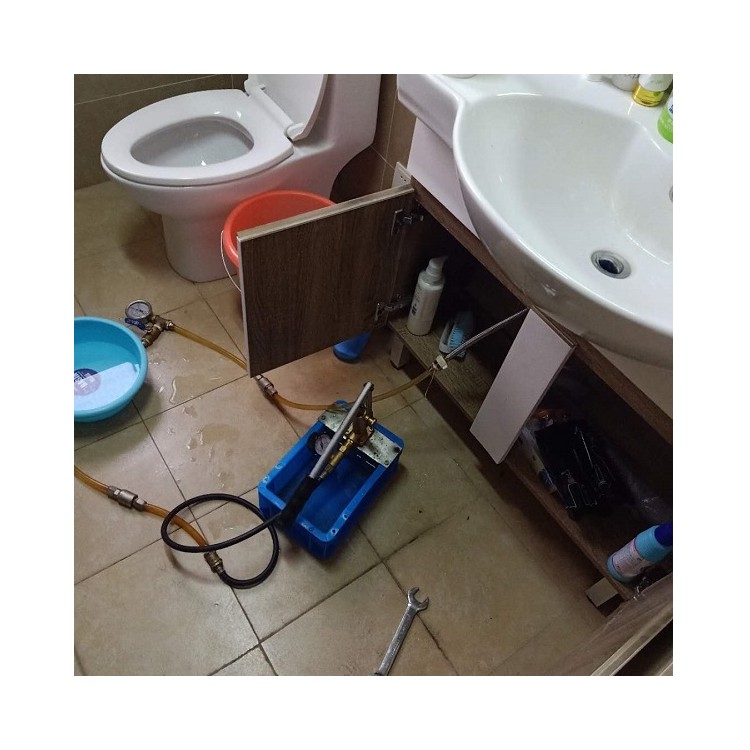

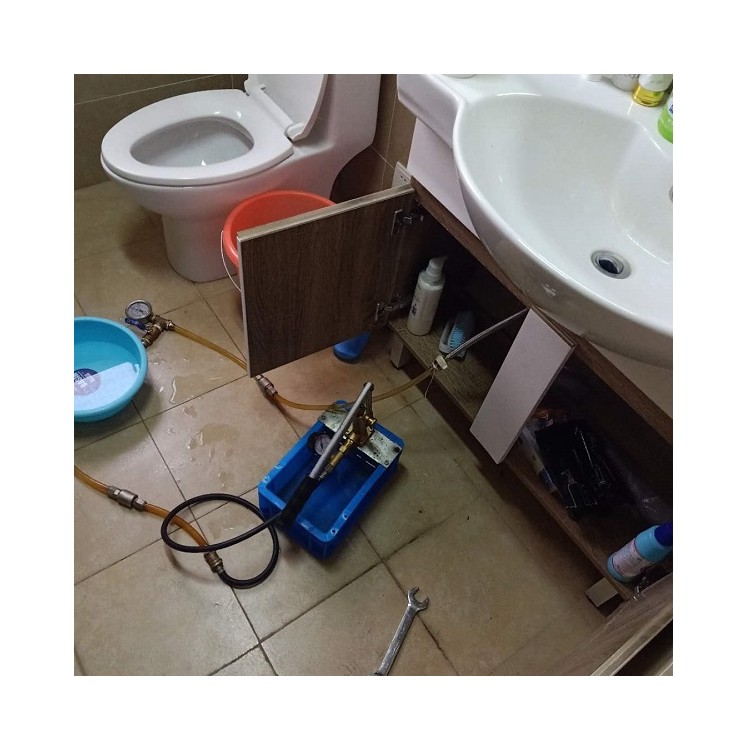
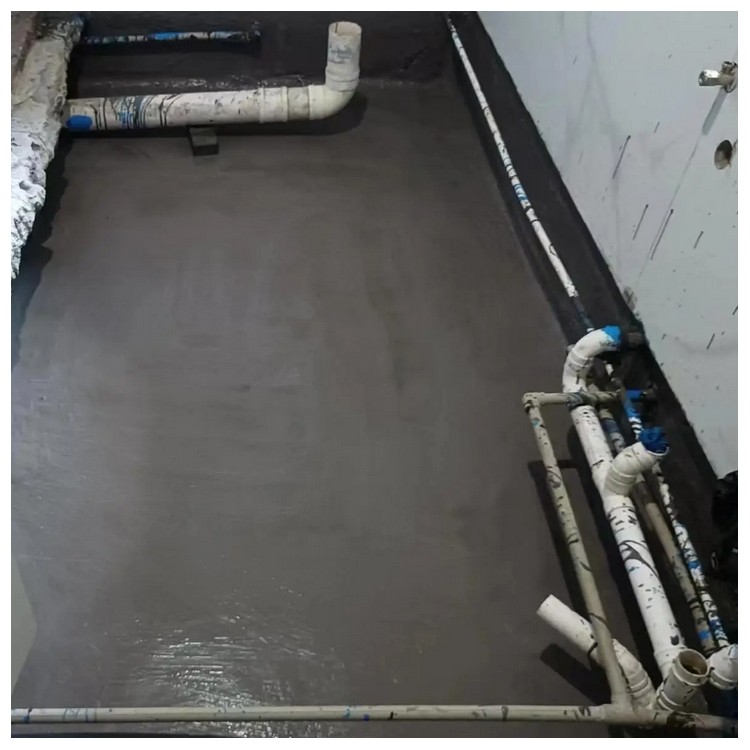
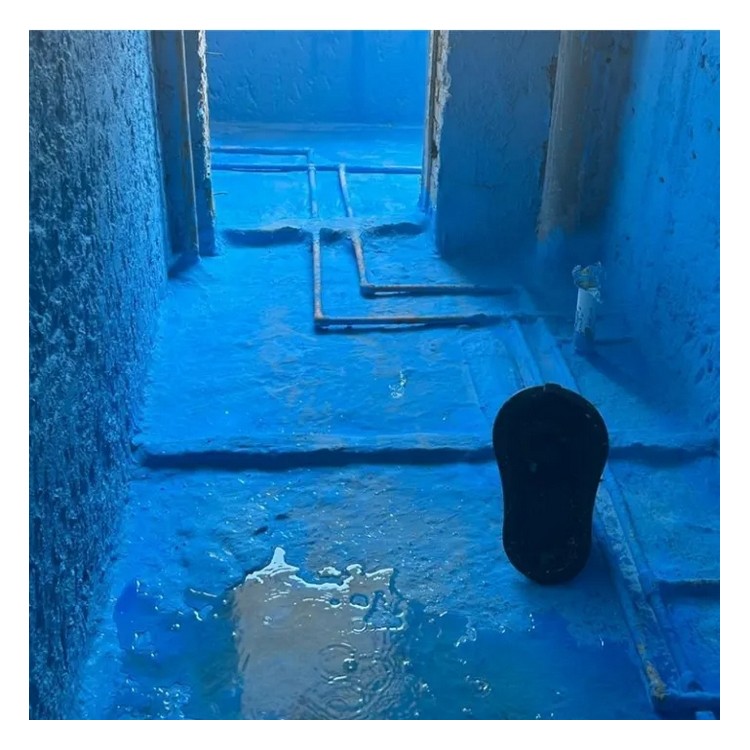








Toilet waterproofing construction technique:
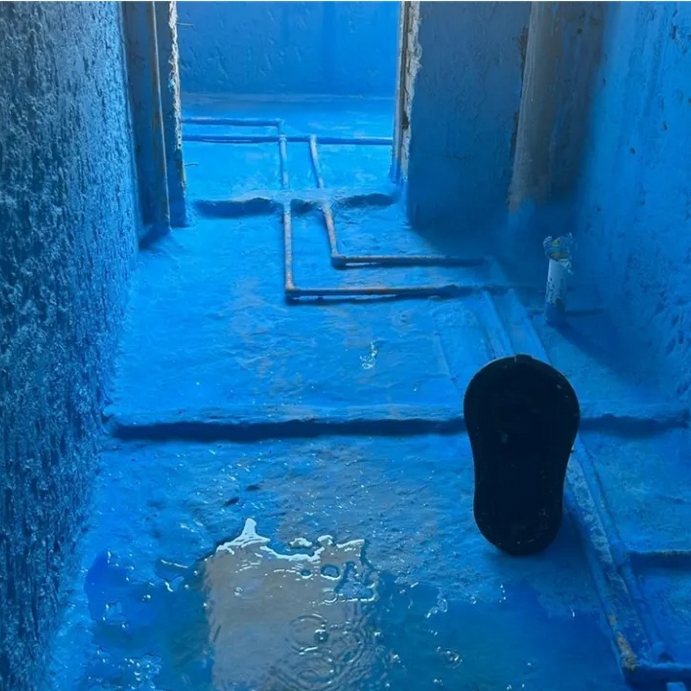
1. Waterproof coating used
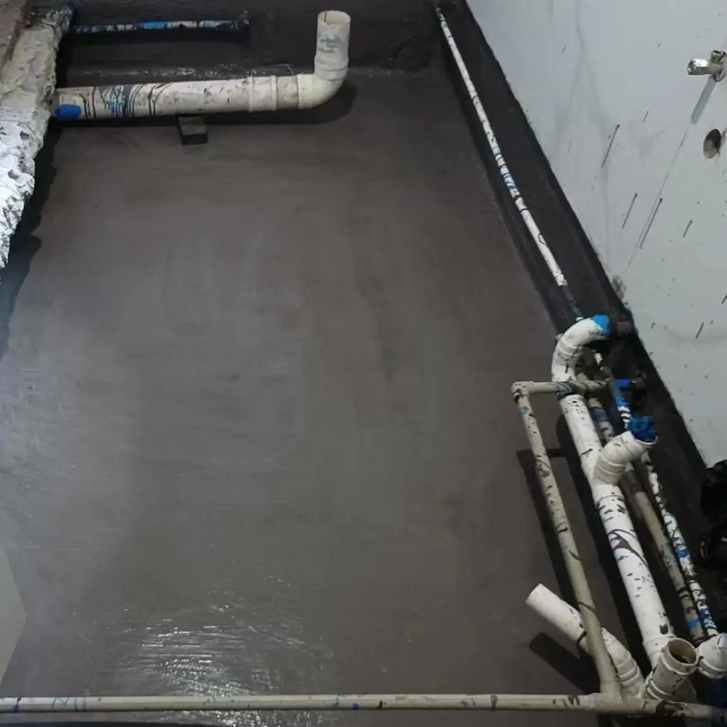
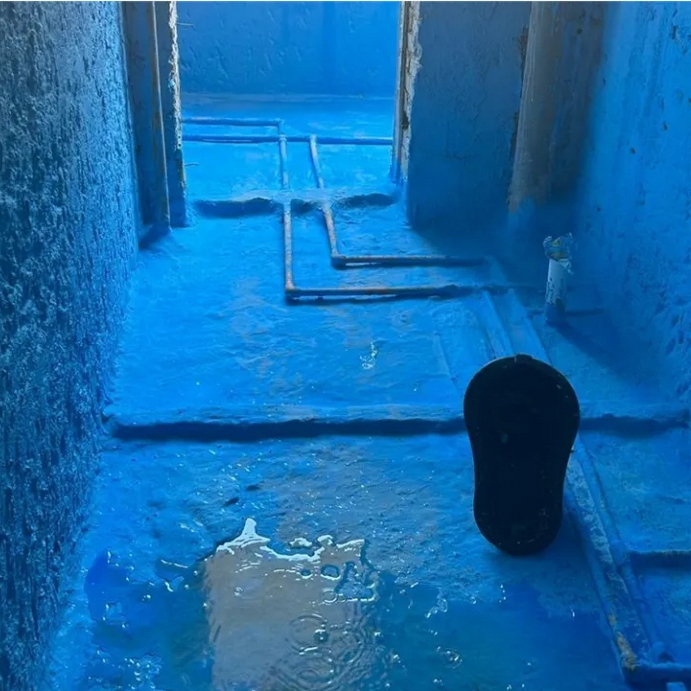
Waterproof paint is a commonly used material for waterproofing, which can be applied to tile surfaces to form a protective layer. The benefits of using waterproof paint include simple installation, no need to break tiles, and the ability to maintain the original decorative style. However, the waterproofing effect of the paint is limited, and issues like cracking and peeling may occur, requiring regular maintenance.
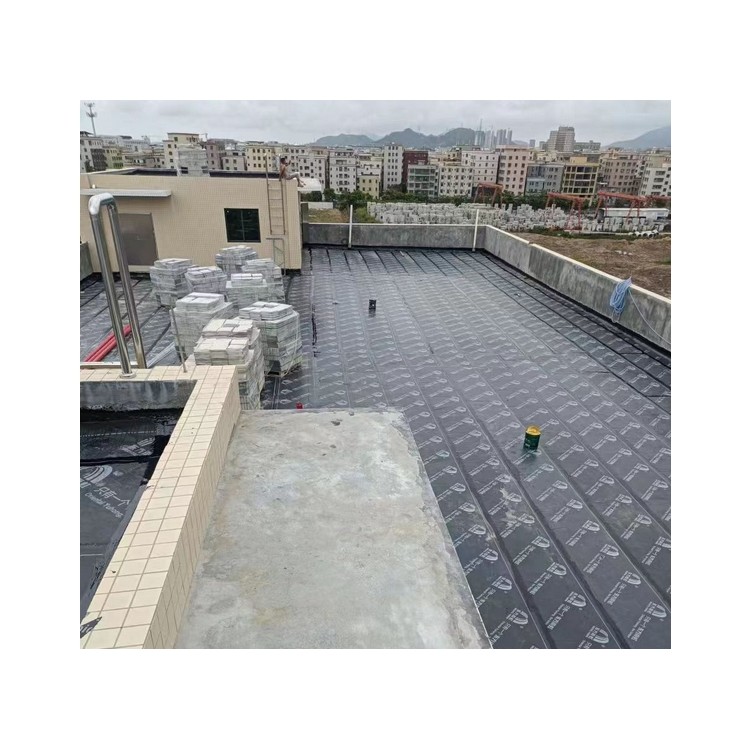
2. Waterproof membrane usage
Waterproof membrane is a specialized material for waterproofing purposes, which can be laid on tile surfaces. The benefits of using waterproof membranes include excellent waterproofing performance, effectively preventing water leakage, and a long service life. However, the use of waterproof membranes requires removing the existing tiles, making the installation process more challenging and necessitating the expertise of professional installers.
3. Waterproof adhesive
Waterproof adhesive is a transparent glue that can be brushed onto tile surfaces to form a protective film. The benefits of using waterproof adhesive include simple installation, no need to break tiles, and the ability to maintain the original decoration style. However, the waterproof effect of the adhesive is limited, and issues like cracking and peeling may occur, requiring regular maintenance.
Additionally, when dealing with waterproofing, several details should be taken into account:
1. Select appropriate waterproof materials: Bathroom waterproofing materials include tiles, waterproof coatings, and waterproof membranes, etc. Choosing the right material ensures effective waterproofing.
2. Prepare the Substrate: Before applying waterproofing, the substrate of the bathroom must be treated to ensure it is level, dry, free of oil stains, and not loose.
3. Note the thickness of the waterproofing layer: The thickness of the waterproofing layer should generally be above 1.5mm to ensure effective waterproofing.