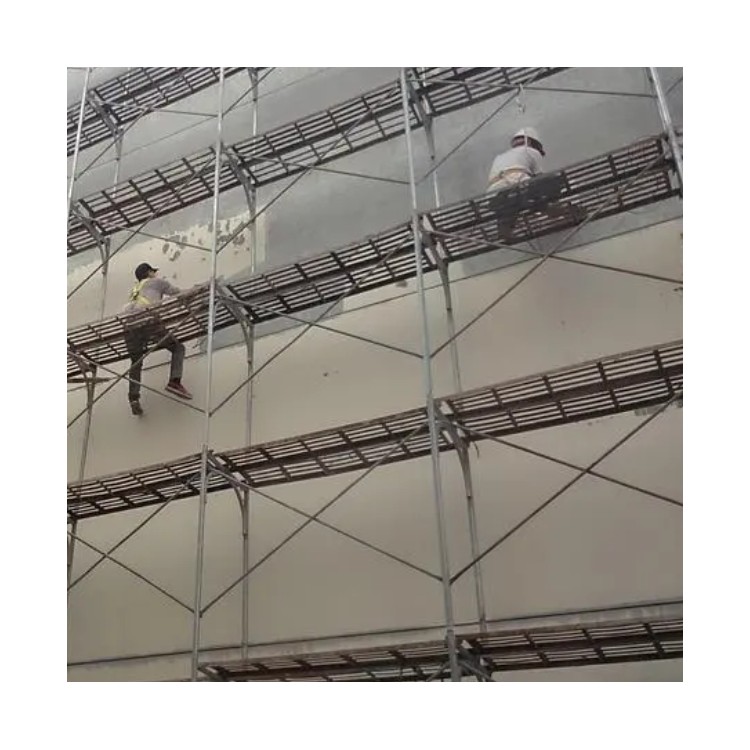

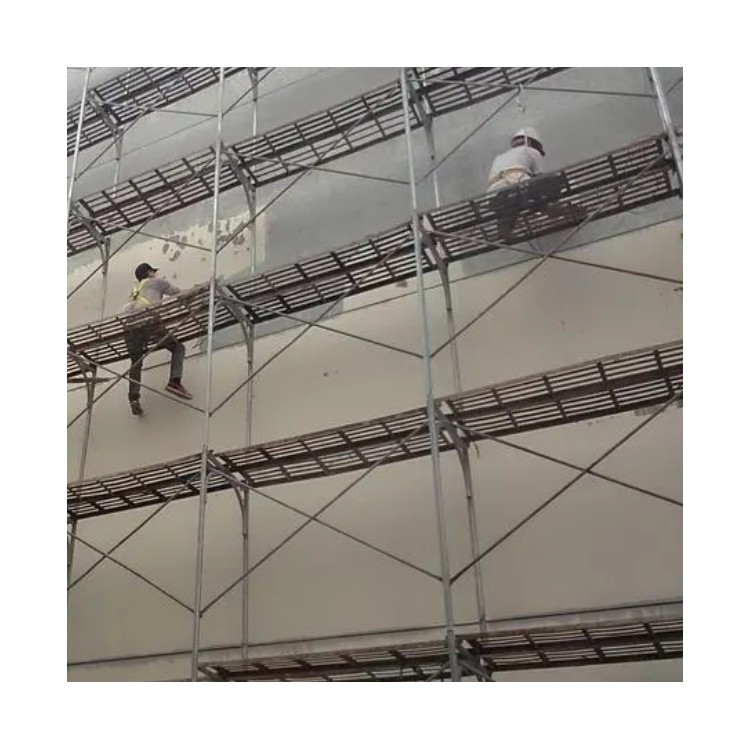

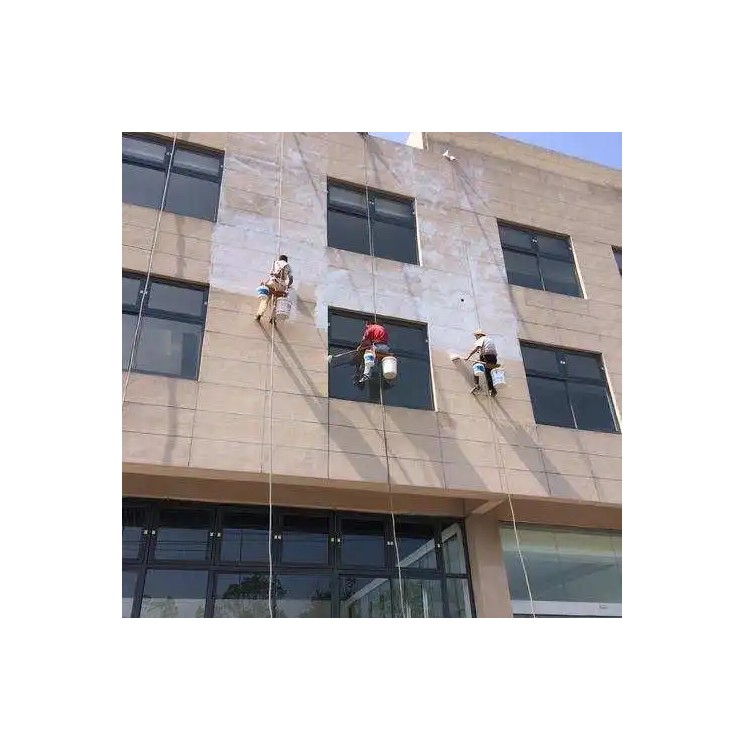









Waterproofing exterior walls is a crucial step. Properly done, it not only effectively prevents leaks and protects the building structure but also extends the lifespan of the building and enhances living comfort. So, how can one achieve effective exterior wall waterproofing? Professional waterproofing and leak repair companies will provide a detailed introduction.
Exterior walls serve as the protective barrier for the building's outer layer, enduring constant exposure to wind, rain, and sunlight. Poor waterproofing of the exterior walls can lead to rainwater seeping into the interior, causing issues like mold growth, paint peeling, and structural corrosion. This not only affects the aesthetics of the building but also poses a risk to its structural safety. Therefore, the quality of exterior wall waterproofing directly impacts the durability and comfort of the building.
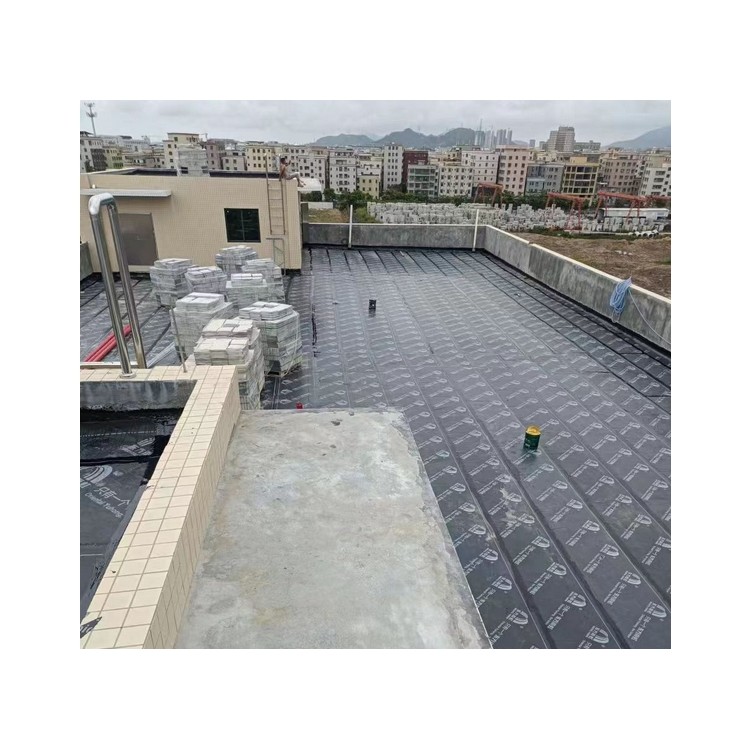
Waterproof coatings are common exterior wall waterproofing materials, offering advantages such as easy application, moderate cost, and wide applicability. Common types of exterior wall waterproof coatings include polyurethane waterproof coatings and cementitious waterproof coatings, among others.
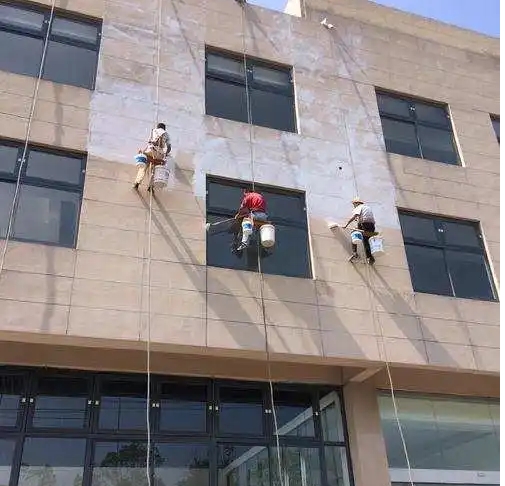
Apply waterproof coatings in thin, multiple layers to ensure even coverage and no missed spots. Typically, use rolling or spraying techniques, applying in two or three coats. The interval between each coat should be determined by the type of paint and the construction environment, ensuring the previous coat is fully dry before applying the next one.
Exterior waterproofing should be conducted on dry, rain-free days, avoiding high or low temperatures and humid conditions. Protective measures should be taken during construction to prevent water intrusion.