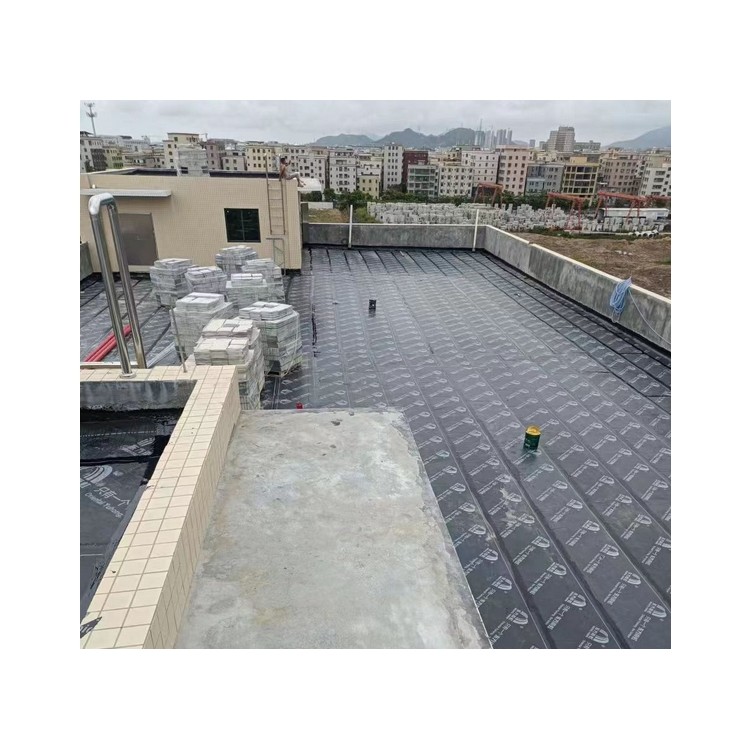

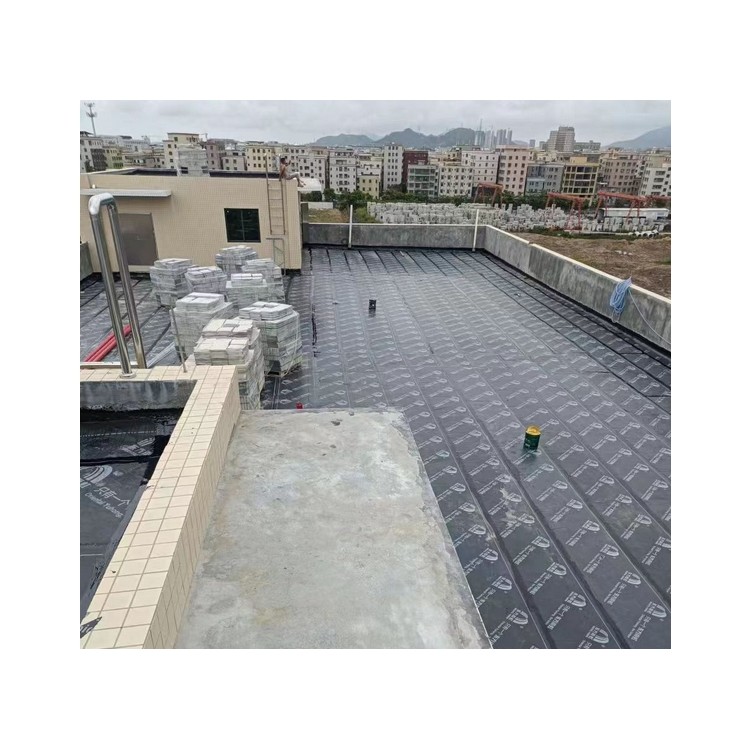








Roof waterproofing is a crucial aspect of construction, as its effectiveness directly impacts the lifespan and comfort of the building. The roof is constantly exposed to the external environment, subjected to factors like rain, sunlight, and temperature changes, which can easily lead to leakage. Therefore, selecting the appropriate waterproofing material for roof treatment is essential. Currently, there are various types of waterproofing materials available, each with different properties and application ranges.
Waterproof membrane
Modified Asphalt Waterproof Roll Material for APP
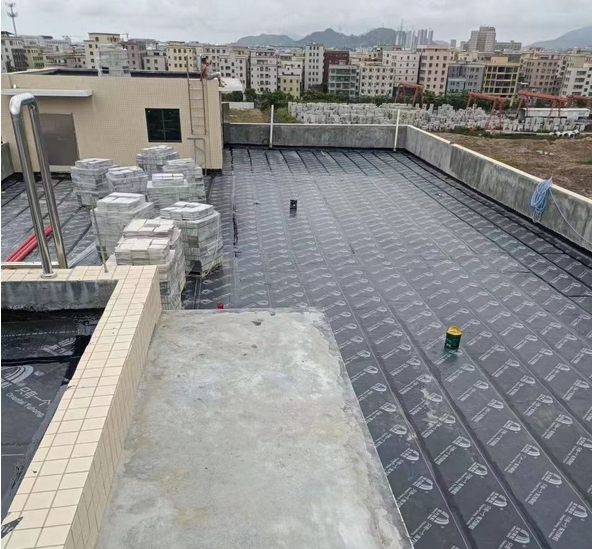
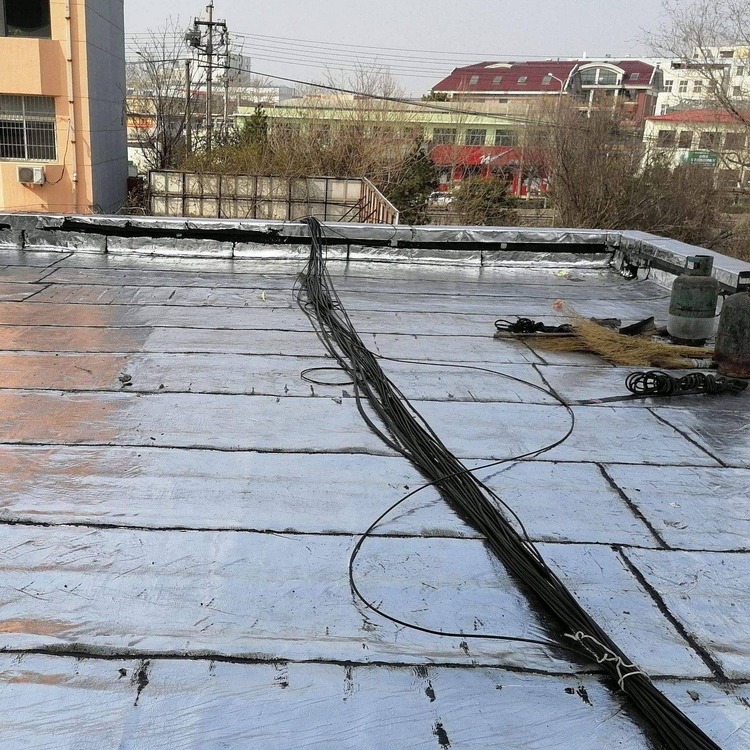
APP modified asphalt waterproof membranes add APP to asphalt, enhancing its high-temperature resistance and excellent waterproofing properties. This material is commonly used for roofing waterproofing in high-temperature regions.
Advantages:
• Excellent high-temperature resistance, suitable for use in high-temperature areas.
• Easy installation, rapid construction speed.
Excellent aging resistance and long service life.
Drawbacks:
Poor adaptability to low-temperature environments, prone to cracking.
• Prices are relatively high.
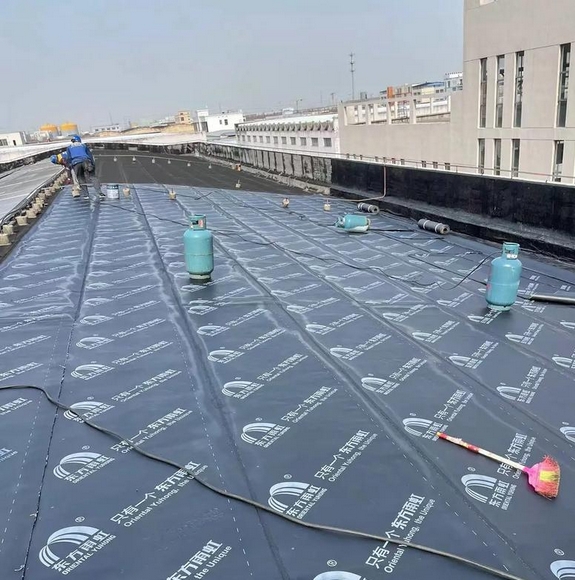
2. SBS Modified Asphalt Waterproof Rolls
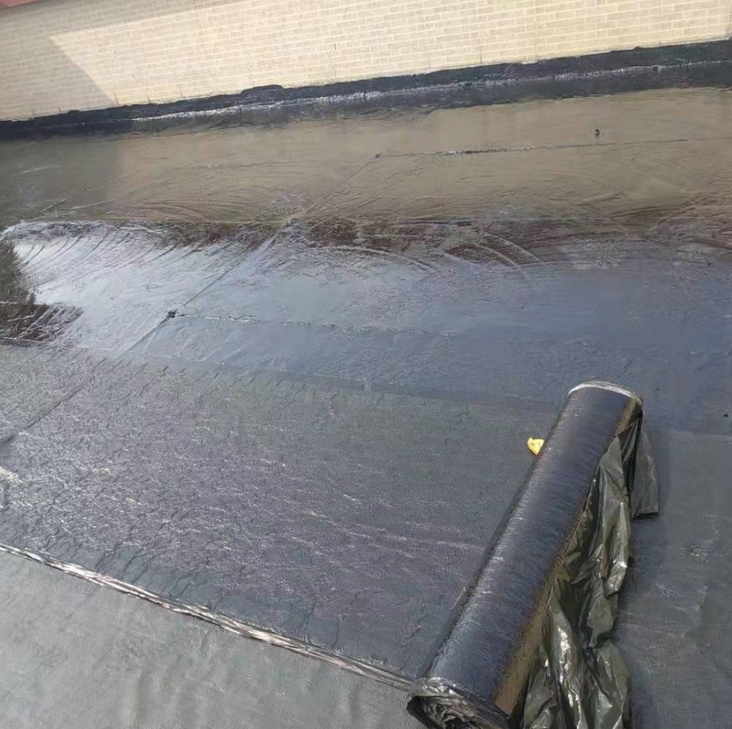
SBS-modified asphalt waterproofing membranes incorporate SBS into asphalt, ensuring excellent elasticity and adhesion even at low temperatures. This material is suitable for roof waterproofing in cold regions.
Advantages:
Superior low-temperature performance, suitable for use in cold regions.
• Good elasticity, capable of adapting to the deformation at the grassroots level.
Excellent aging resistance and long service life.
Drawbacks:
• Poor adaptability to high-temperature environments; prone to flowing.
• Prices are relatively high.