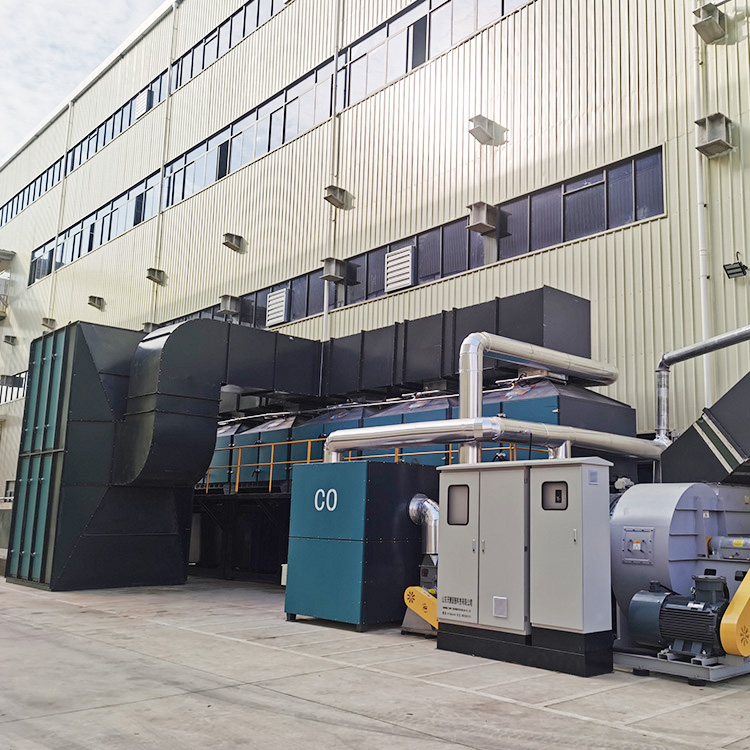


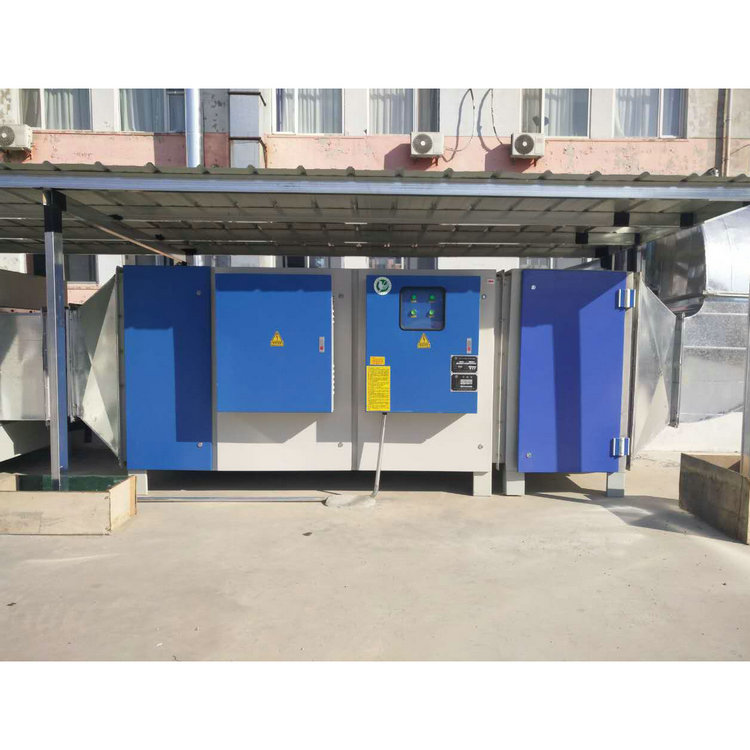


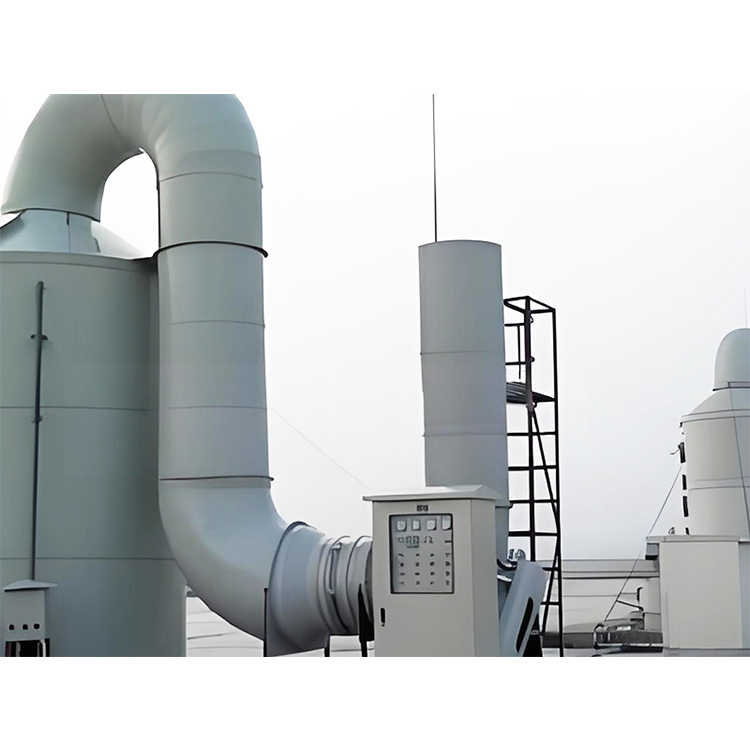
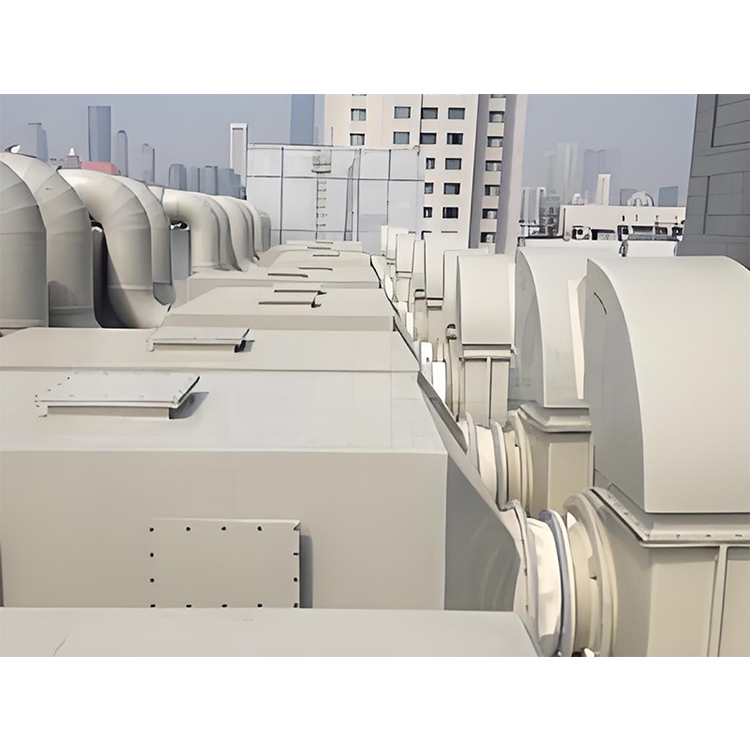





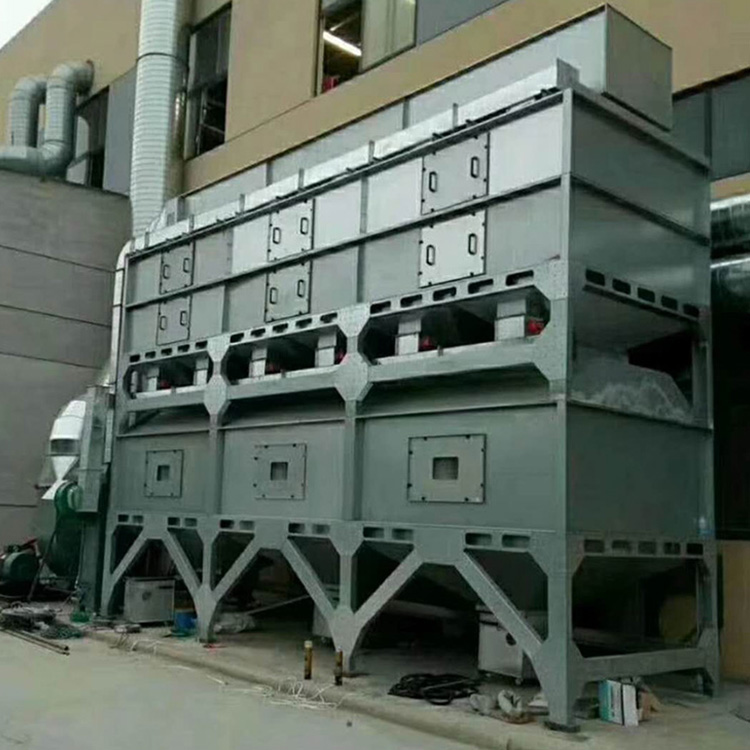


Automotive Paint Spraying Emission Treatment
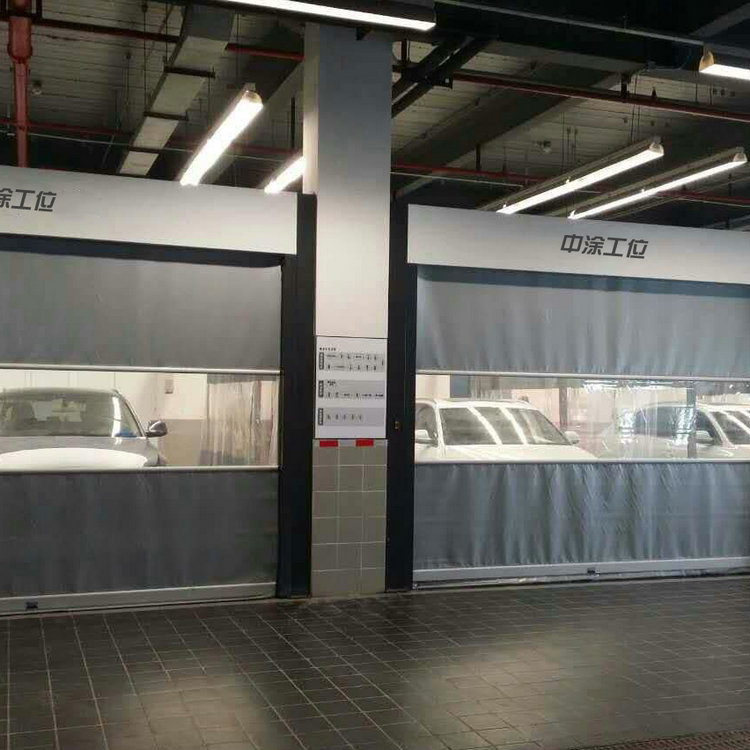
The automotive painting workshop requires pretreatment, electrocoating, and painting for workpieces. The painting process includes spraying, leveling, and drying, which generate organic volatile compounds (VOCs) and overspray mist.
1) Paint booth exhaust gases
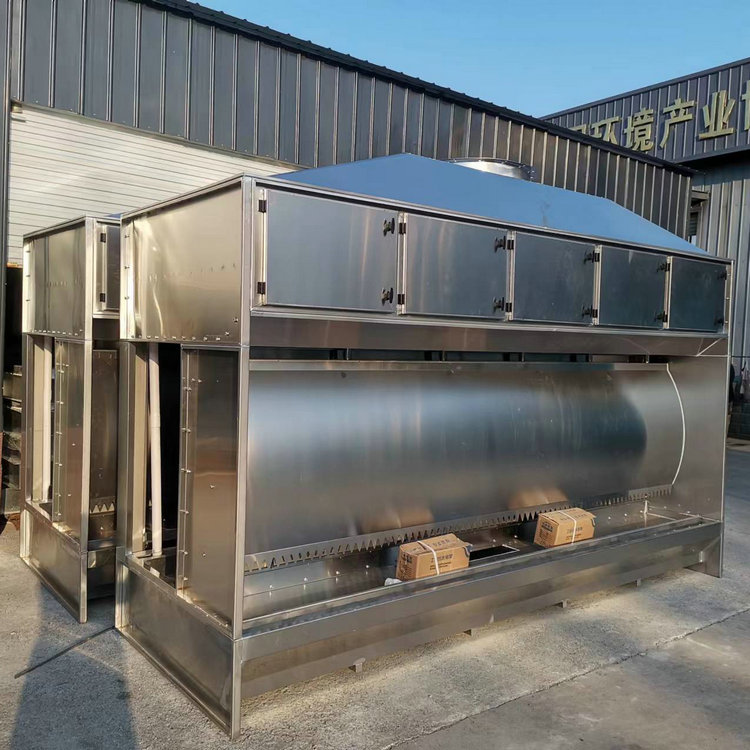
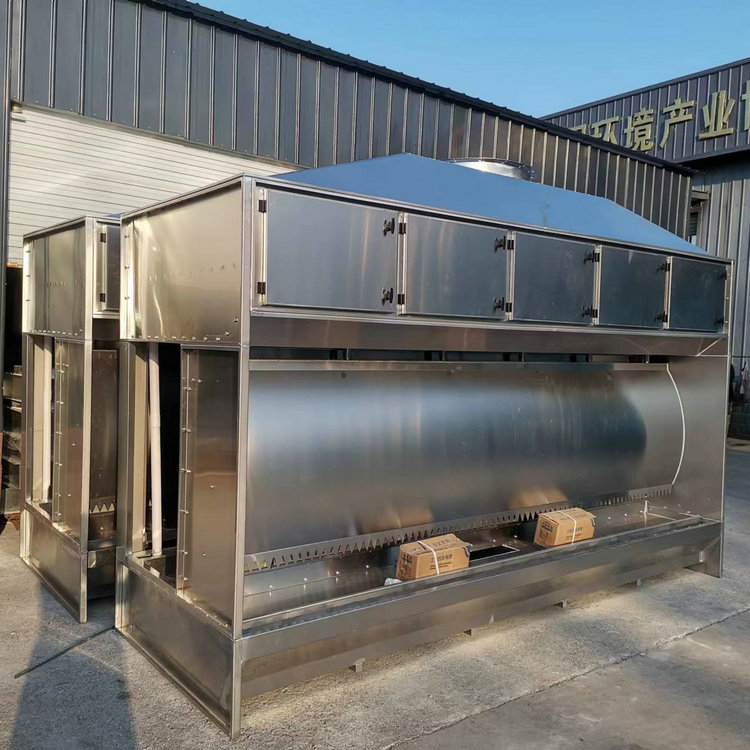
To maintain the painting operation environment, in accordance with the provisions of the Labor Safety and Health Law, during painting operations, the spray room should have continuous air exchange, with the air exchange rate controlled within the range of (0.25~1)m/s. The main components of the exhaust from the spray room air exchange are the volatile organic solvents emitted from the paint, primarily consisting of aromatic hydrocarbons (including triphenyls and total non-methane hydrocarbons), alcohols ethers, and esters. Due to the large exhaust volume of the spray room, the total concentration of the organic exhaust is usually very low, around 100mg/m3. Additionally, the exhaust from the spray room often contains a small amount of unprocessed paint mist, particularly in dry mist collection spray rooms, where the exhaust may contain more paint mist, which could hinder waste gas treatment. Pre-treatment is required before waste gas treatment.
2) Drying room exhaust gases
The surface paint should be leveled and dried before spraying. During the drying process, volatile organic solvents are released. To prevent the accumulation of solvents and potential explosions in the drying room, the room should be continuously ventilated with an air flow rate of approximately 0.2 m/s. The composition of the exhaust air is similar to that of the painting room but does not contain paint mist. The total concentration of organic vapors is higher than that in the painting room exhaust, usually about double, reaching around 300 mg/m³. This is typically mixed with the painting room exhaust and treated collectively. Additionally, the paint mixing room and the surface paint wastewater recycling pool also emit similar organic vapors.
3) Dried exhaust gas
The composition of the dried exhaust gas is relatively complex, including volatile components such as organic solvents, some plasticizers or resin monomers, as well as products of thermal decomposition and reaction products. Both electrostatically applied primers and solvent-based topcoats emit exhaust gas during drying, but their compositions and concentrations vary significantly.
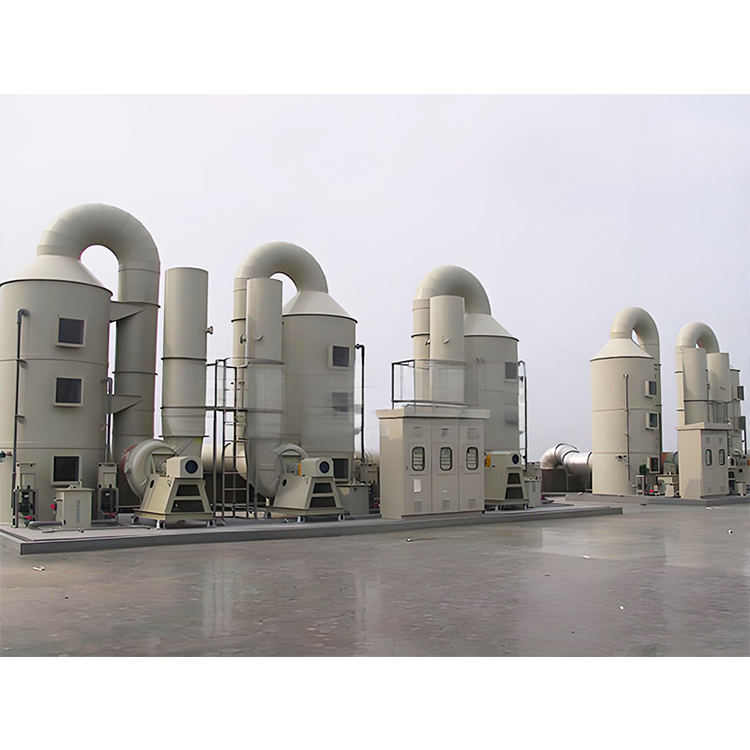
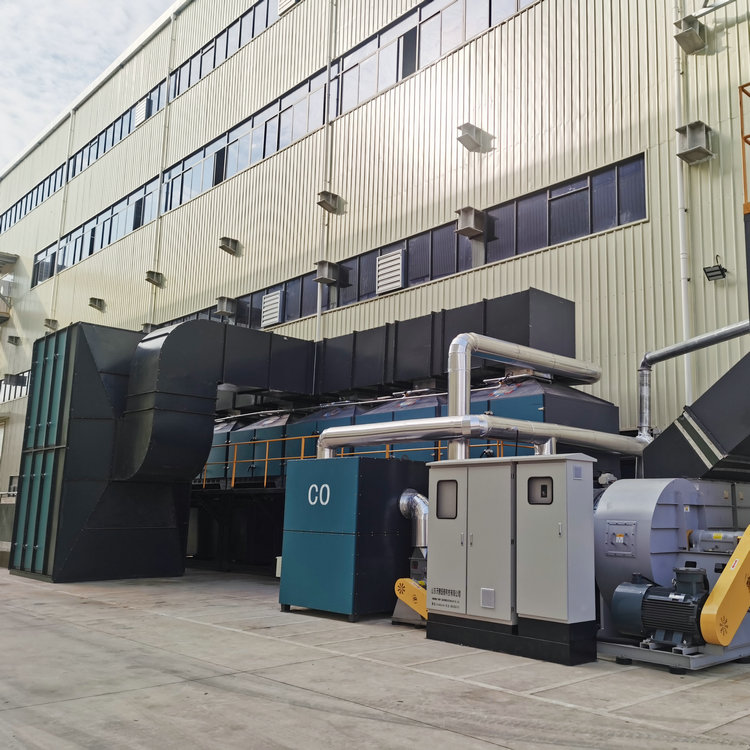
The analysis shows that the waste gases from the paint booth, drying room, paint mixing room, and surface paint wastewater treatment room are low-concentration, high-flow, ambient temperature gases. The main pollutants consist of aromatic hydrocarbons, alkoxy compounds, and ester organic solvents. Compared to the "Comprehensive Emission Standard for Air Pollutants," the concentrations of these gases are generally within the emission limits. To meet the requirements of the emission rate in the standard, most automobile factories adopt the method of high-altitude emissions. Although this method can meet the current emission standards, the waste gases are essentially discharged after untreated dilution. The total amount of gas pollutants emitted by a large-scale body coating line each year may reach hundreds of tons, posing a very serious harm to the atmosphere.