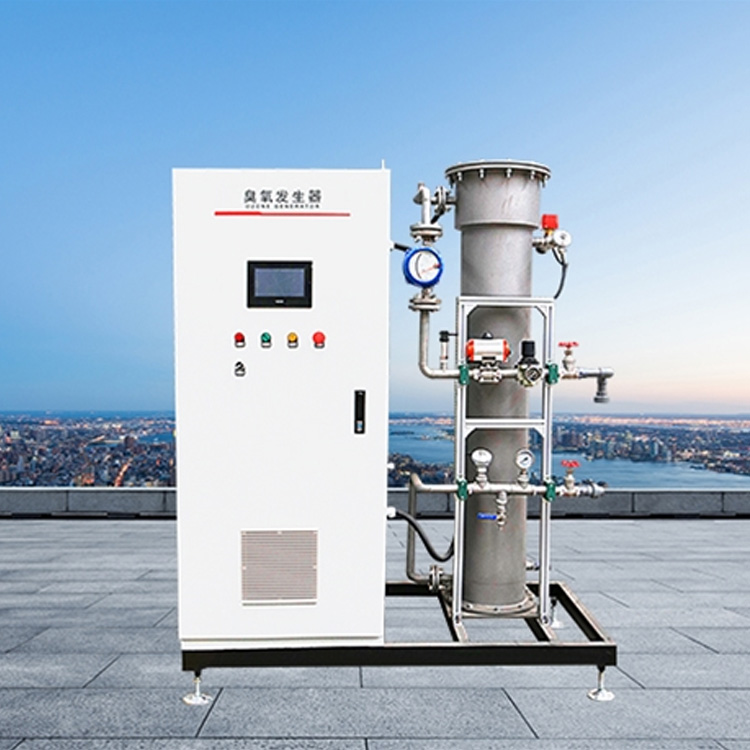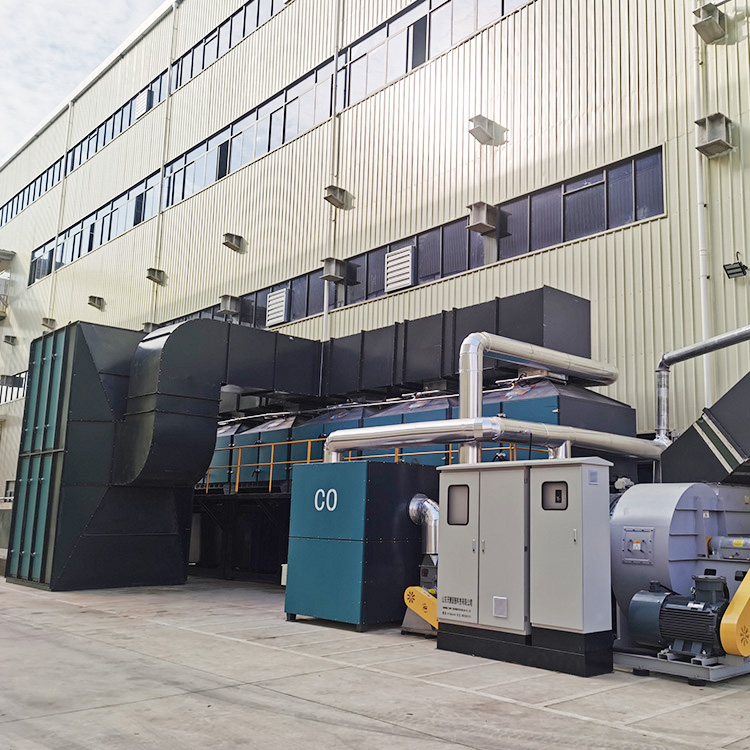

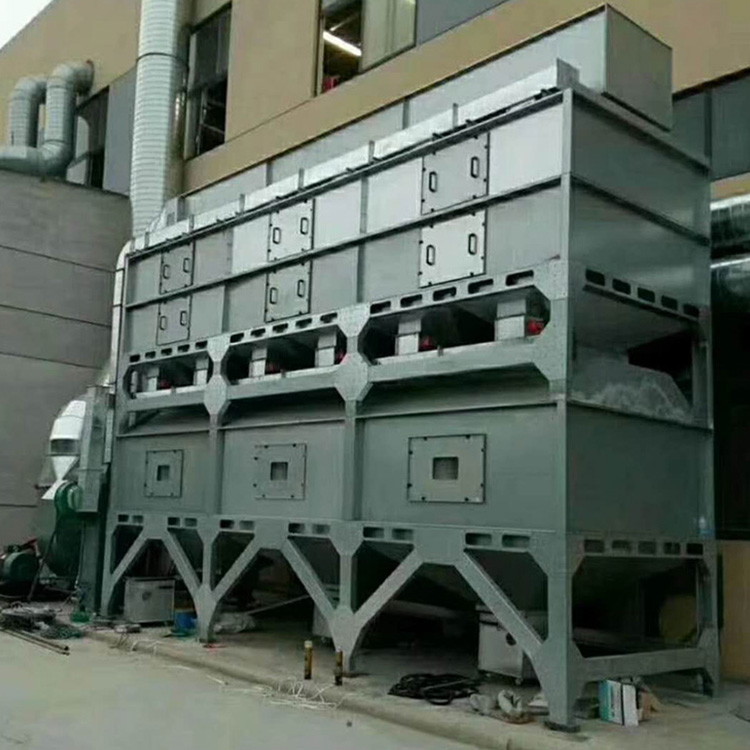

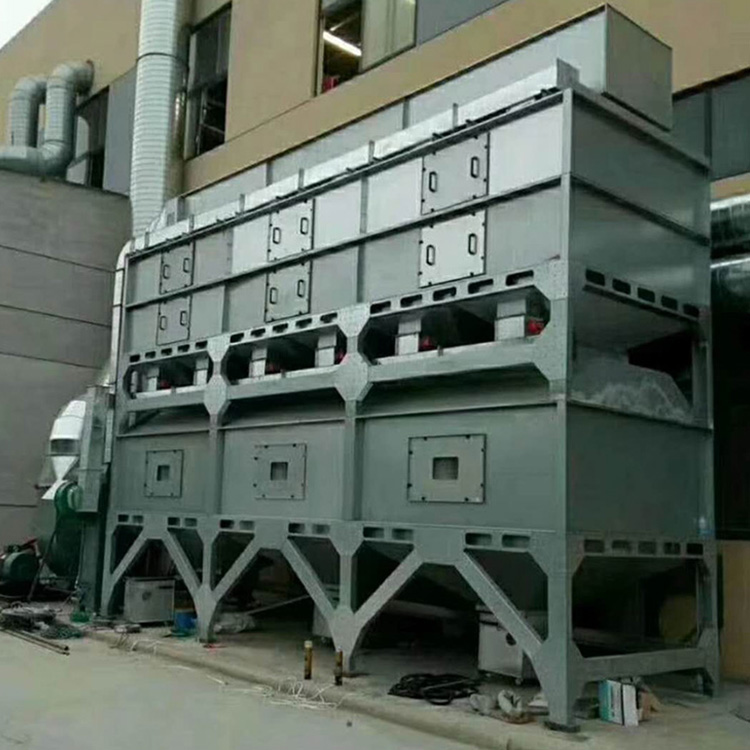

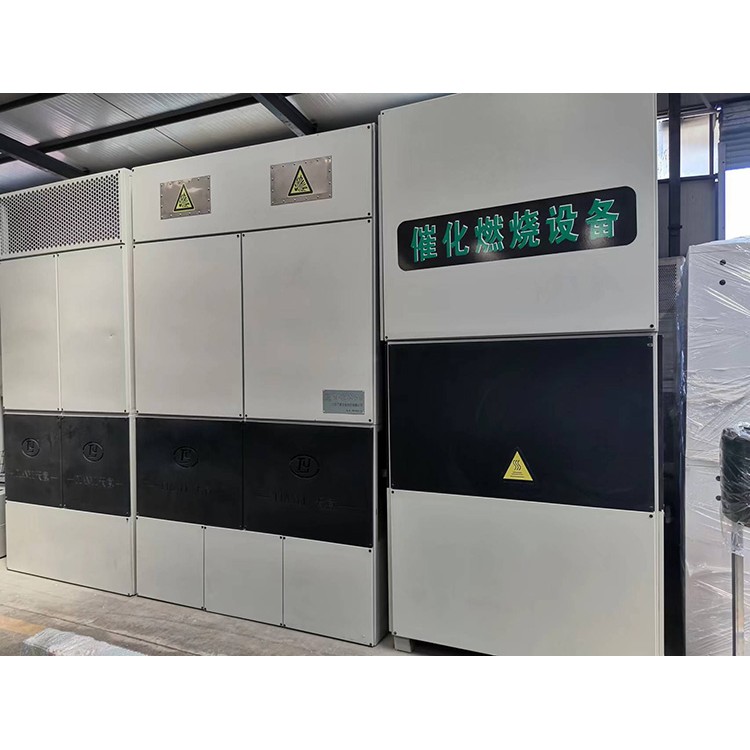









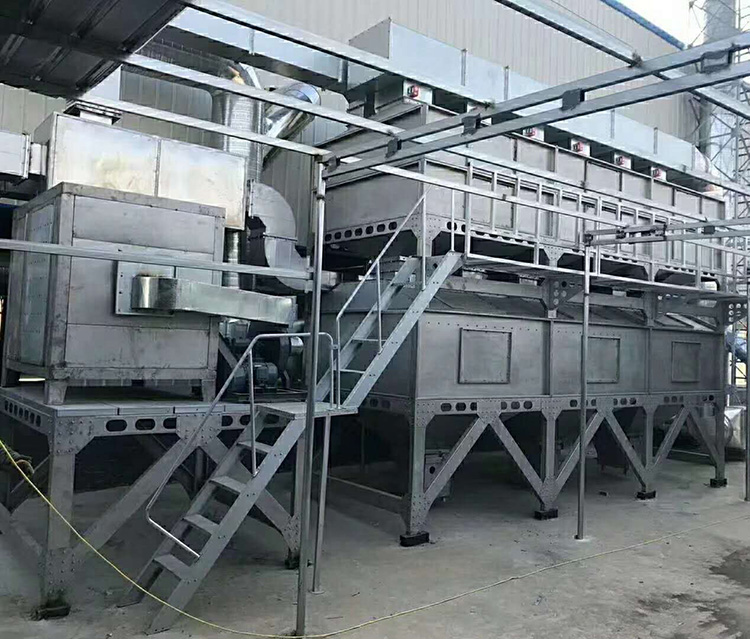

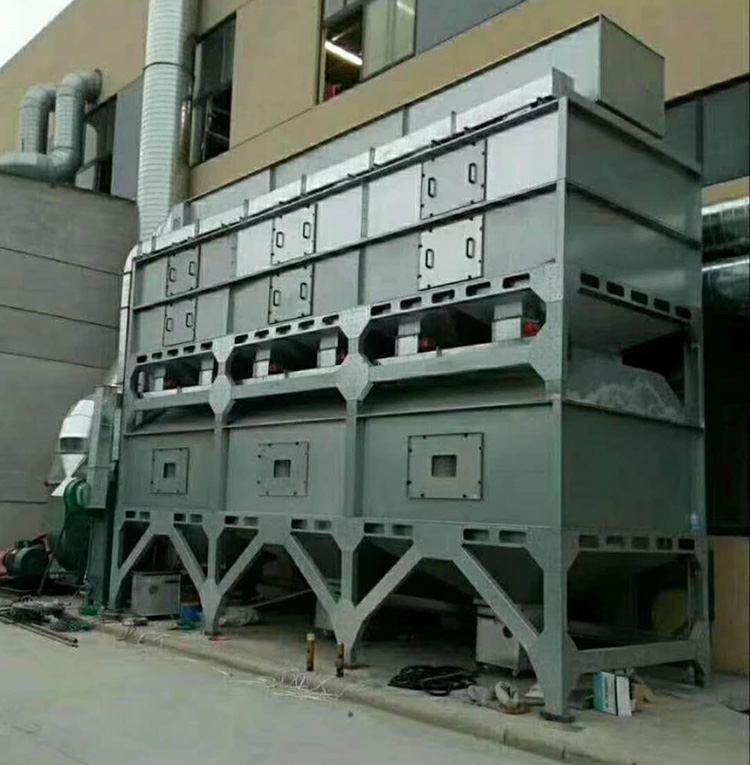
Oxidation catalysis refers to the oxidation reaction carried out using air, oxygen, ozone, etc., as oxidizing agents through a catalyst. For example, the catalytic oxidation of ammonia: 4NH3 + 5O2 = (catalyst, △) 4NO + 6H2O.
Oxidation catalysis refers to an oxidation reaction under certain pressure and temperature conditions, using metal materials such as Pt, Pd, Ni, Cu, etc., as catalysts, in the presence of oxidizing agents like air, oxygen, and ozone. This includes both "oxygenation" and "hydrogen removal" as forms of catalytic oxidation. It utilizes the catalyst to enhance the decomposition of oxidizing agents to accelerate the chemical reaction between pollutants in wastewater and the oxidizing agents, thereby removing pollutants from the water.