








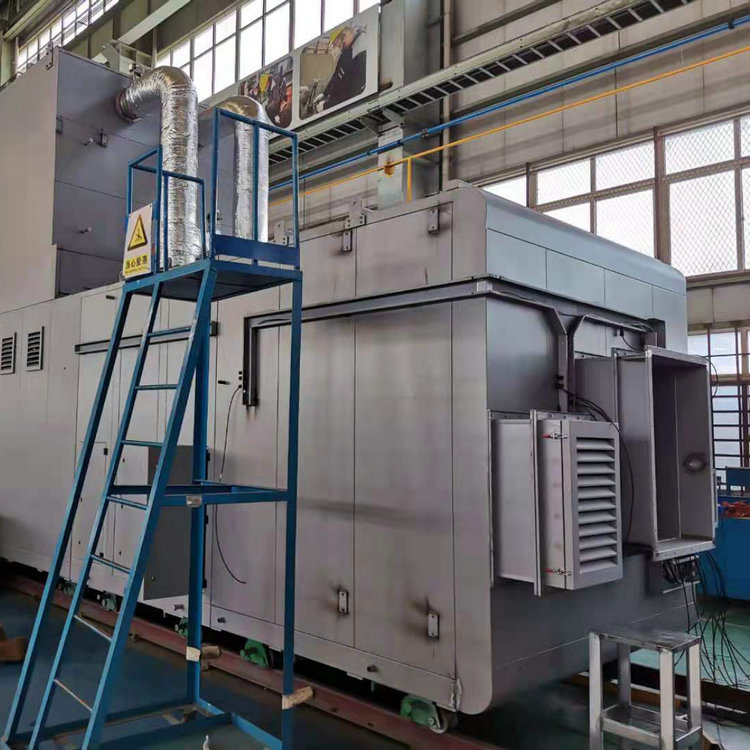
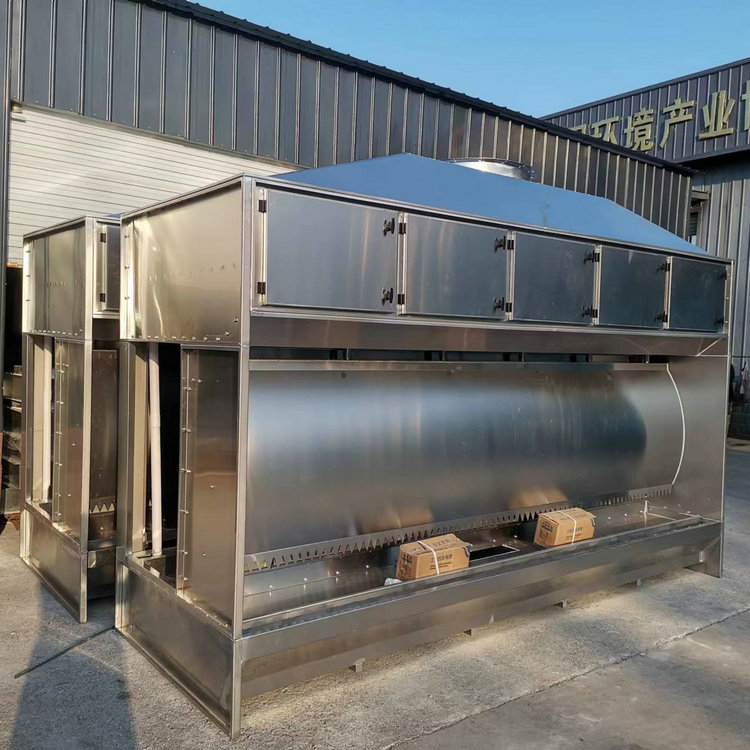
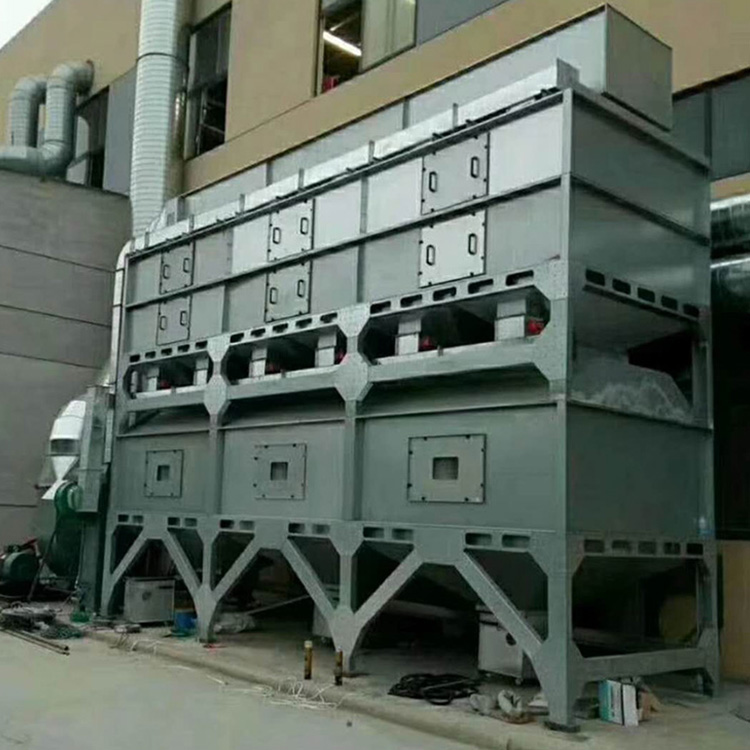

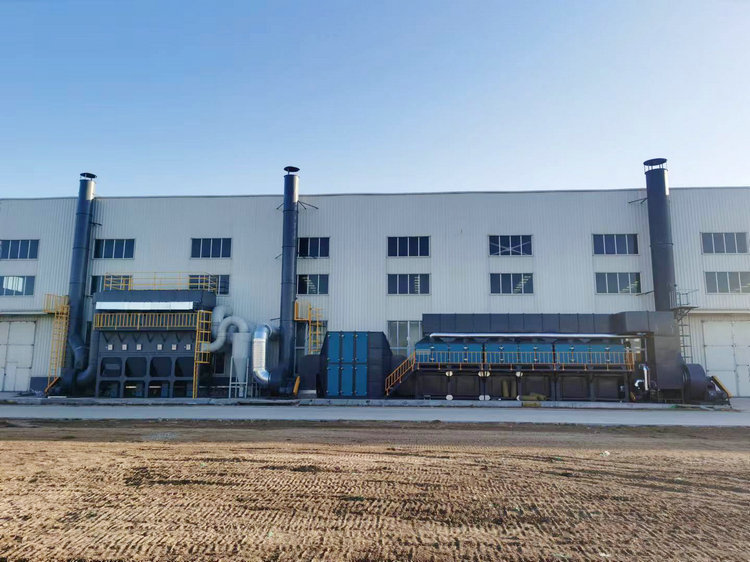
Catalytic combustion is a purification method that uses a catalyst to oxidize and decompose combustible substances in waste gases at lower temperatures. Therefore, catalytic combustion is also known as catalytic chemical conversion. As the catalyst accelerates the process of oxidation and decomposition, most hydrocarbons can be completely oxidized at temperatures between 300~450°C through the use of a catalyst.
Compared to thermal combustion, catalytic combustion requires less auxiliary fuel, has lower energy consumption, and occupies a smaller volume of equipment. However, issues such as catalyst poisoning, the replacement and cleaning costs of the catalyst bed, and high expenses affect the promotion and application of this method in industrial production processes.
In the process of chemical reactions, the method of using a catalyst to lower the combustion temperature and accelerate the complete oxidation of toxic and harmful gases is known as catalytic combustion. Since the carrier of the catalyst is made of porous materials, it has a large specific surface area and suitable pore size. When organic gases heated to 300~450℃ pass through the catalytic layer, oxygen and organic gases are adsorbed on the catalyst at the surface of the porous material, increasing the chances of contact and collision between oxygen and organic gases, enhancing activity, and causing a vigorous chemical reaction between the organic gases and oxygen to produce CO2 and H2O. Simultaneously, heat is generated, converting the organic gases into non-toxic and harmless substances.
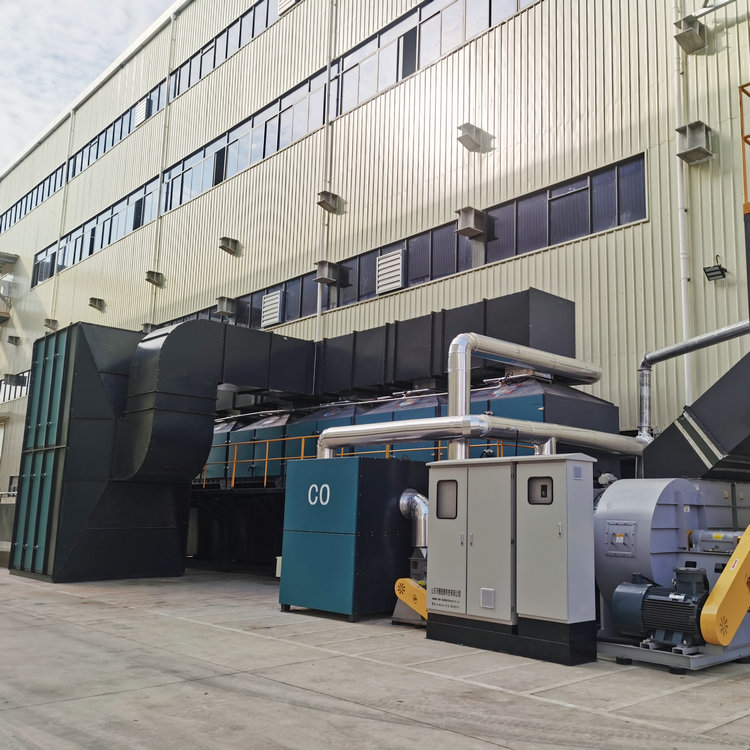
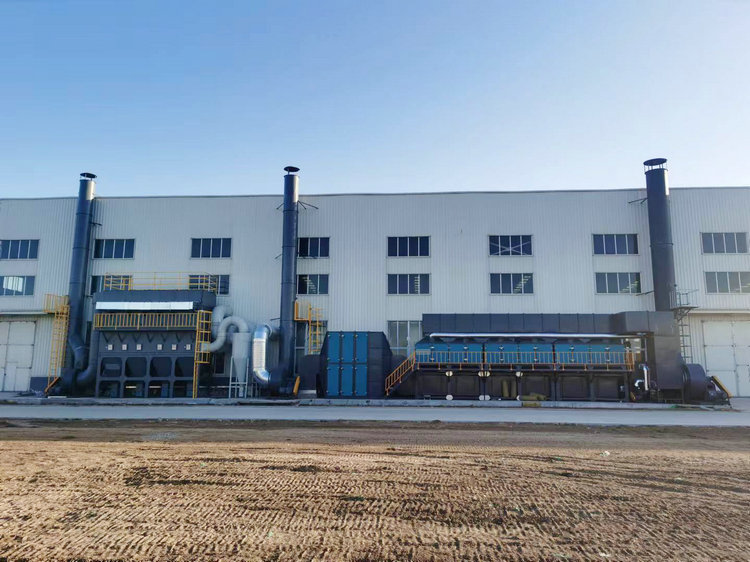
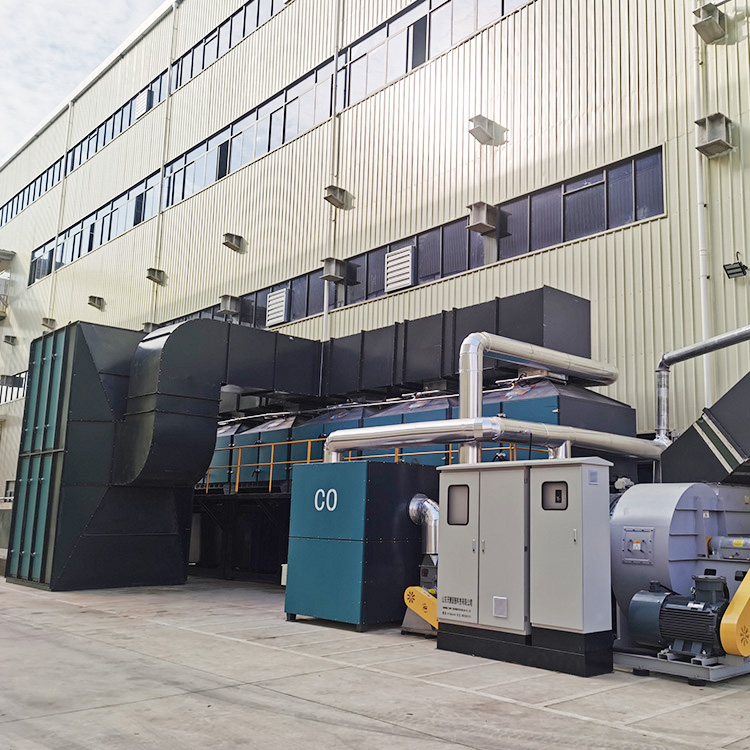
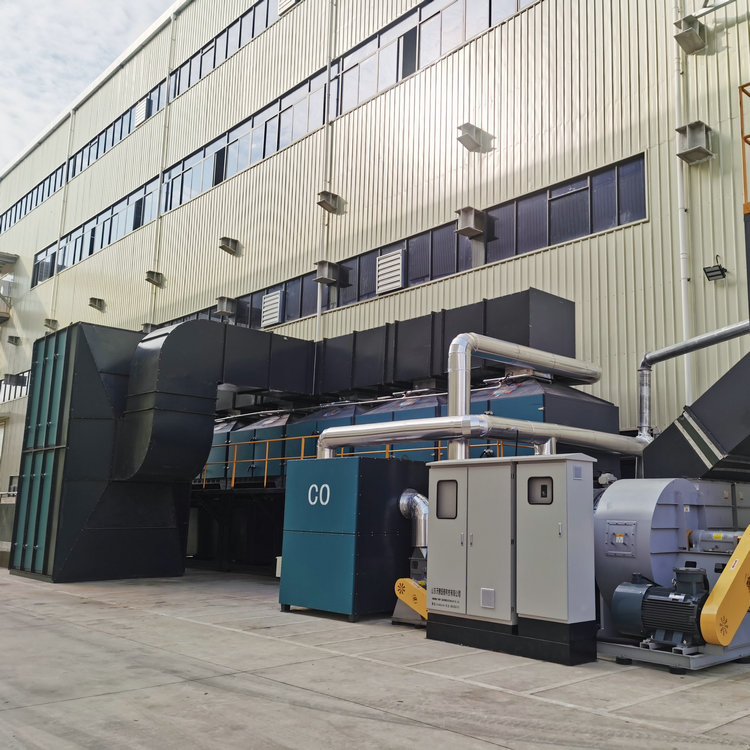
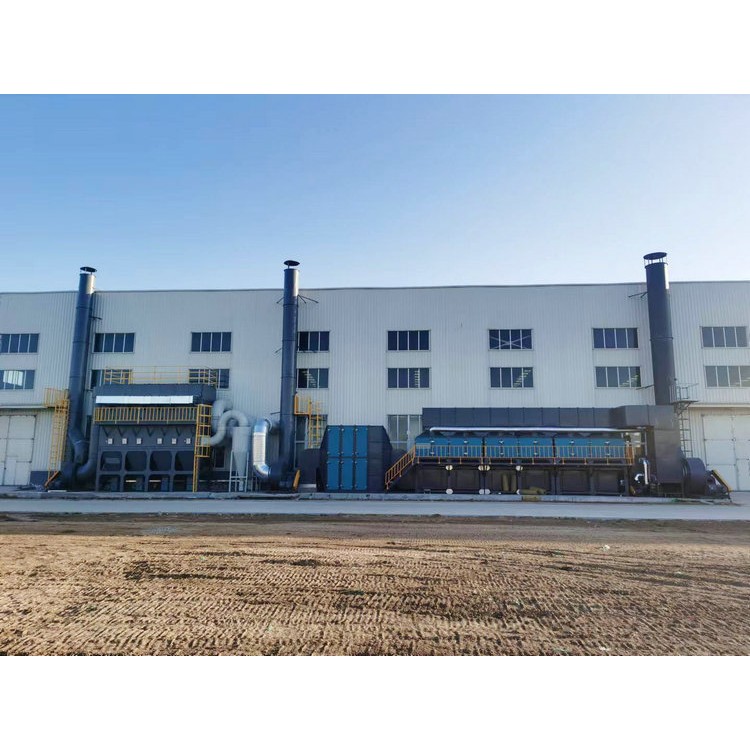
The catalytic combustion unit consists mainly of a heat exchanger, combustion chamber, catalytic reactor, heat recovery system, and a flue gas emission chimney, as shown in the right figure. Its purification principle is as follows: the unprocessed gas is preheated by the heat exchanger before entering the combustion chamber and then sent to it. Inside the combustion chamber, it reaches the required reaction temperature. The oxidation reaction takes place in the catalytic reactor. After purification, the烟气 releases some heat through the heat exchanger before being discharged into the atmosphere through the chimney.