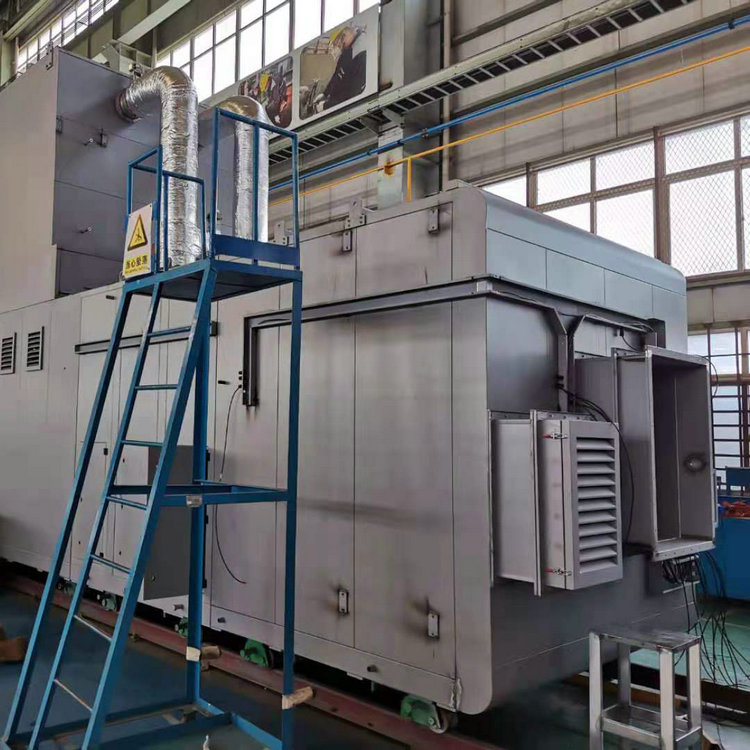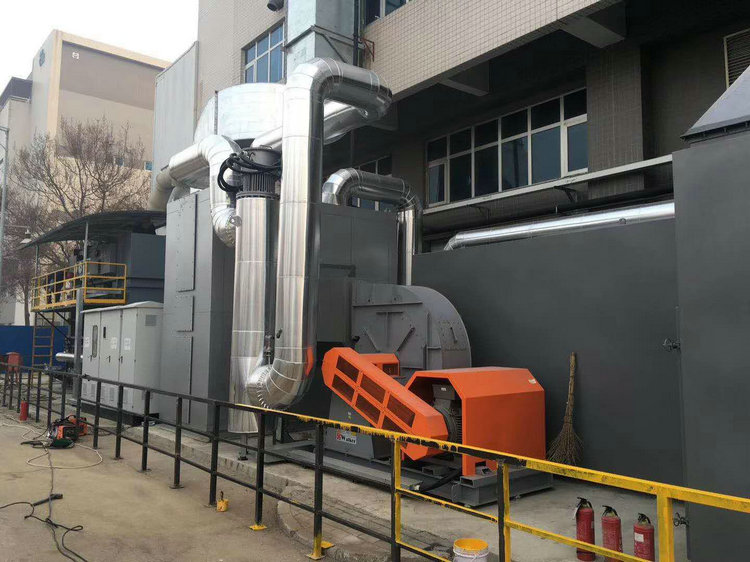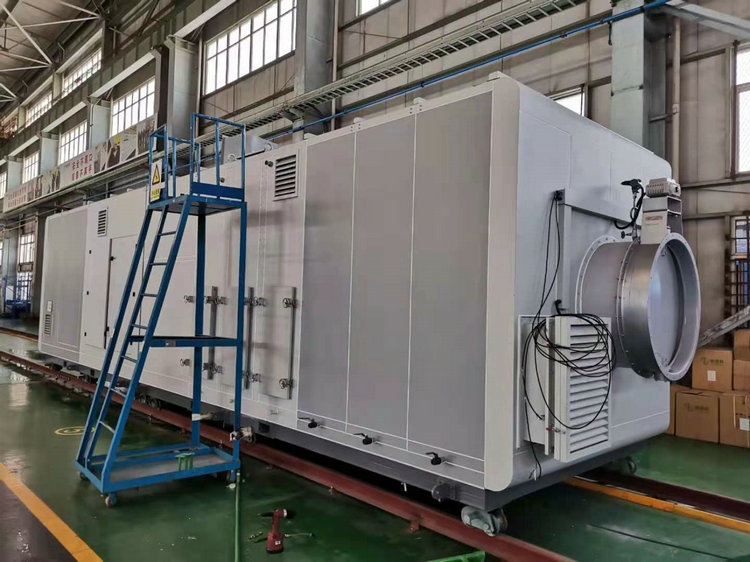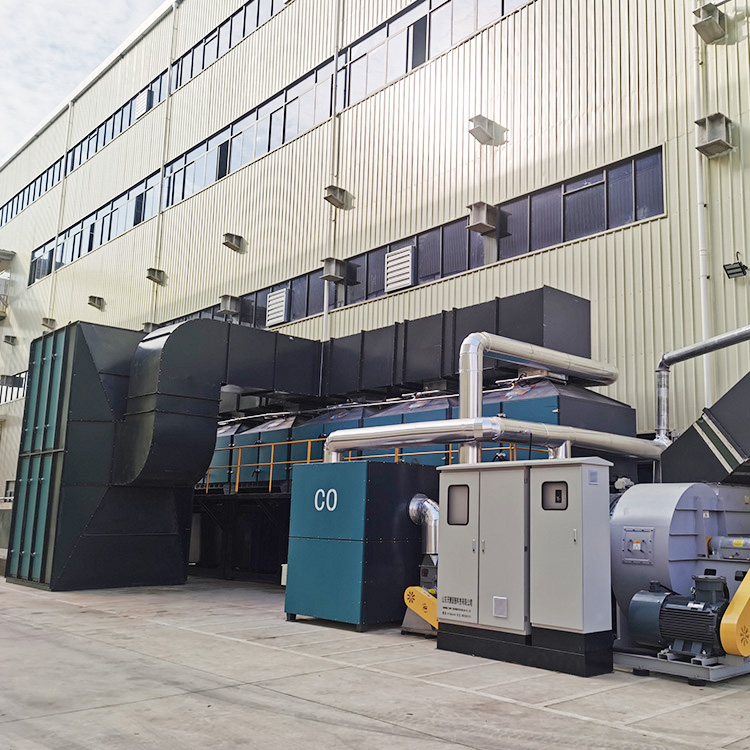

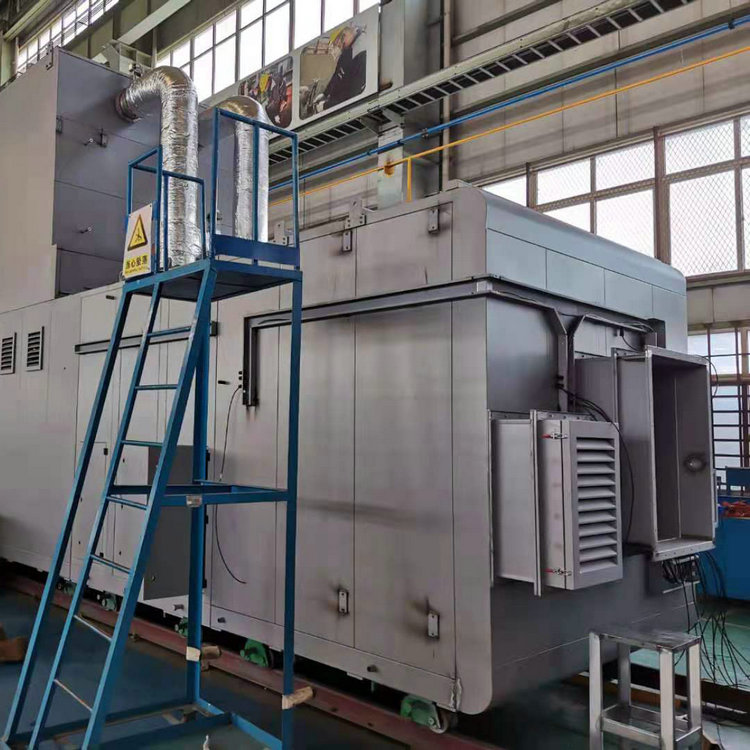

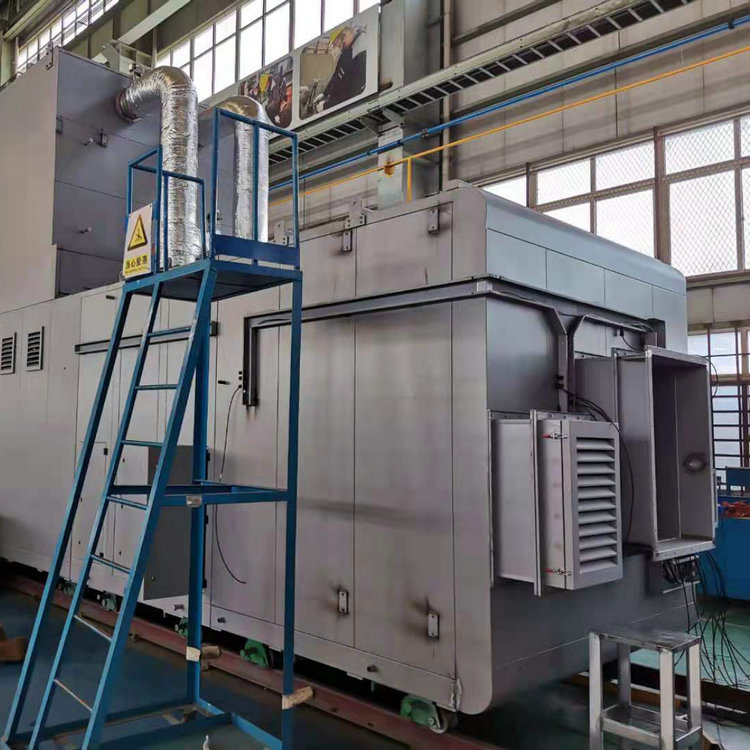
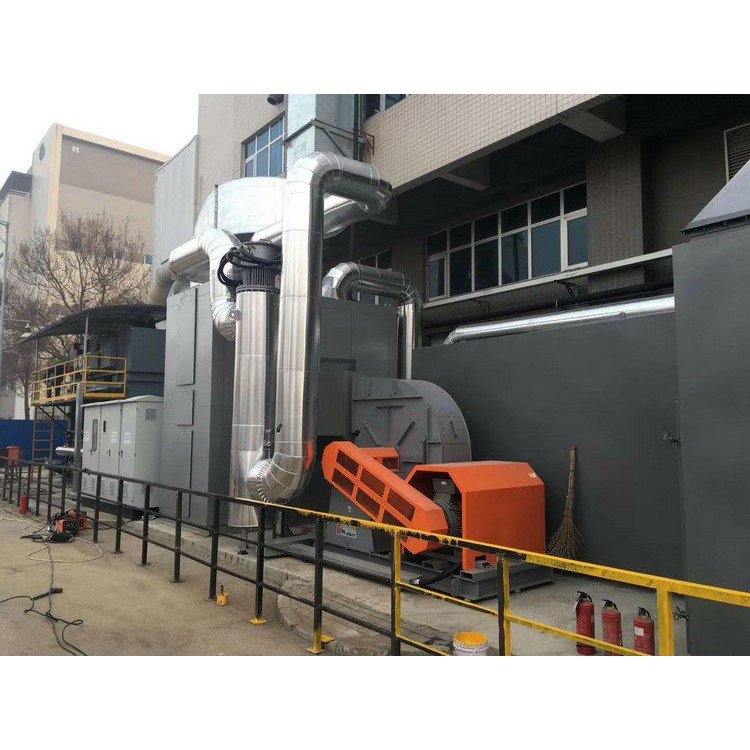
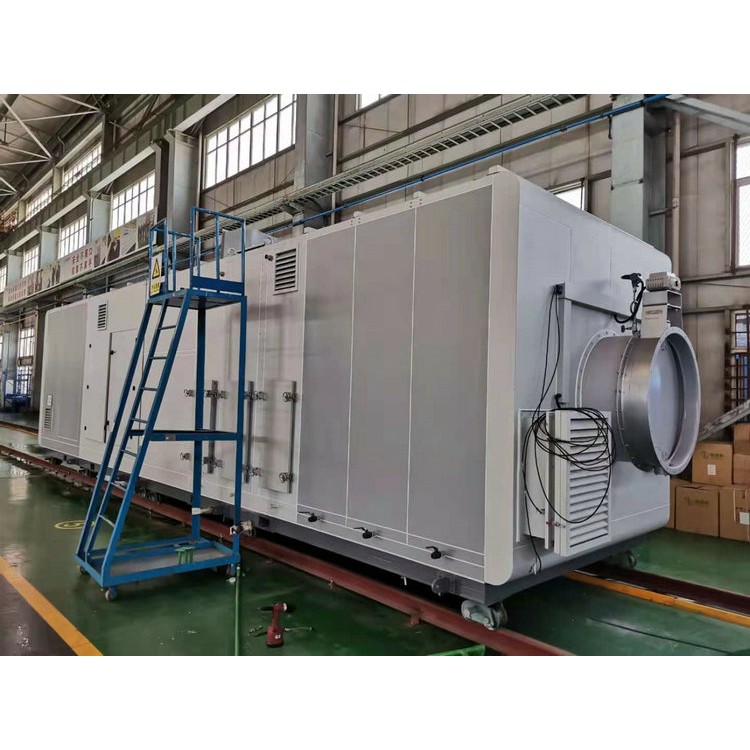







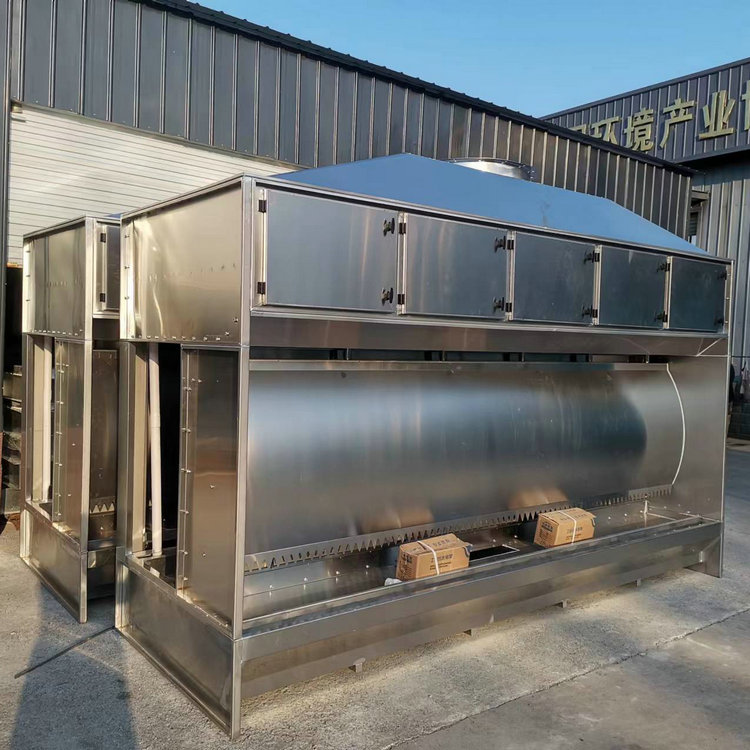
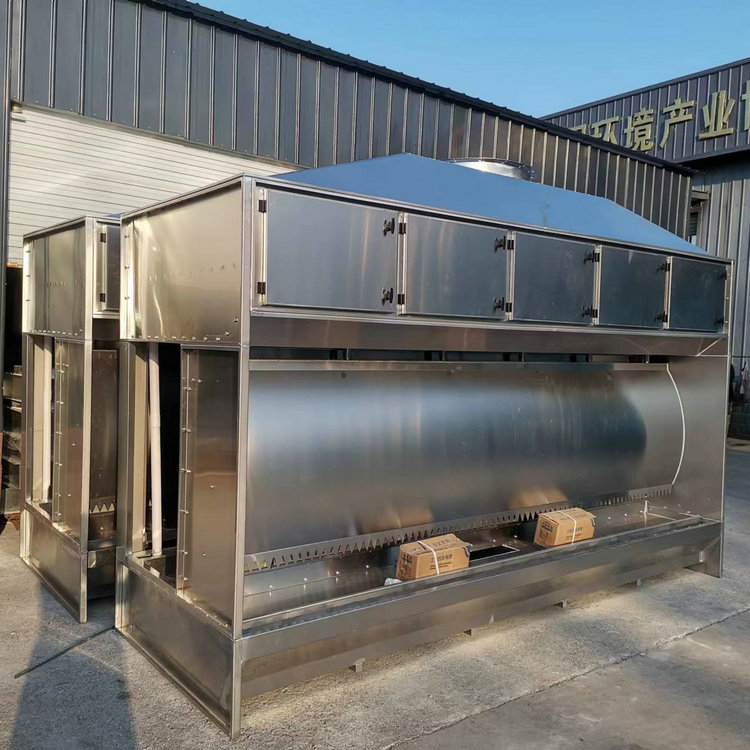
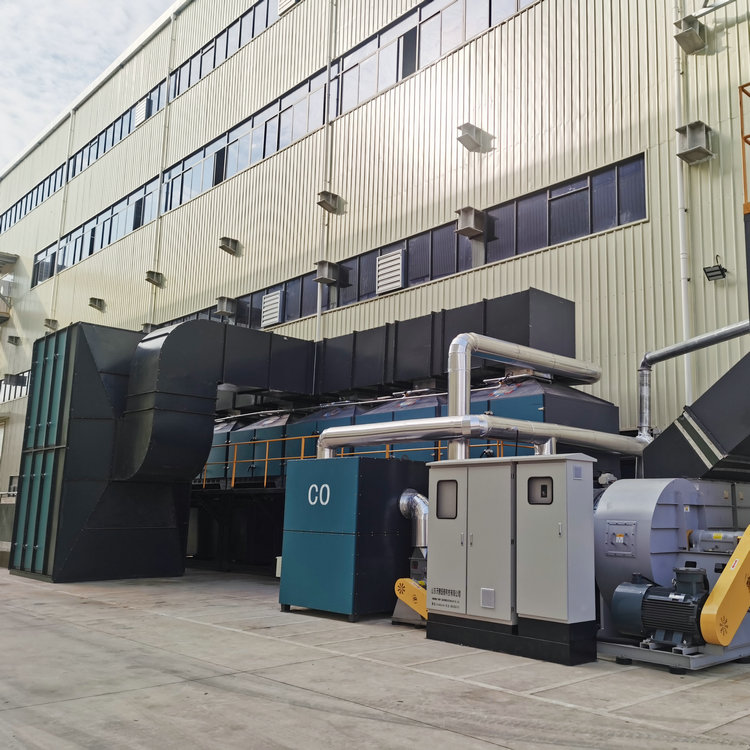
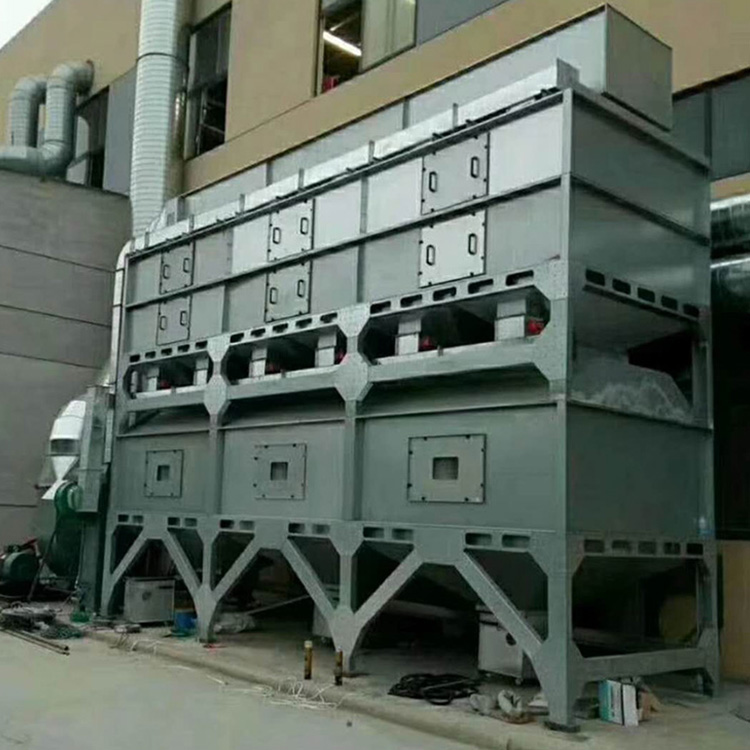

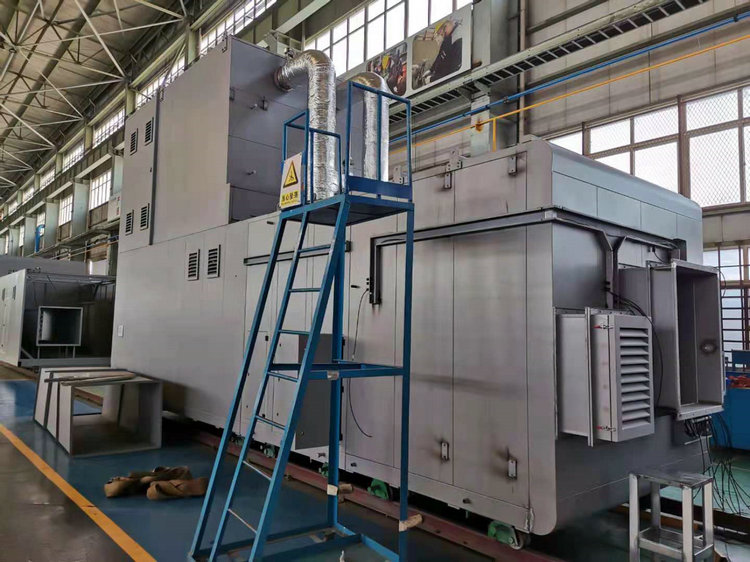
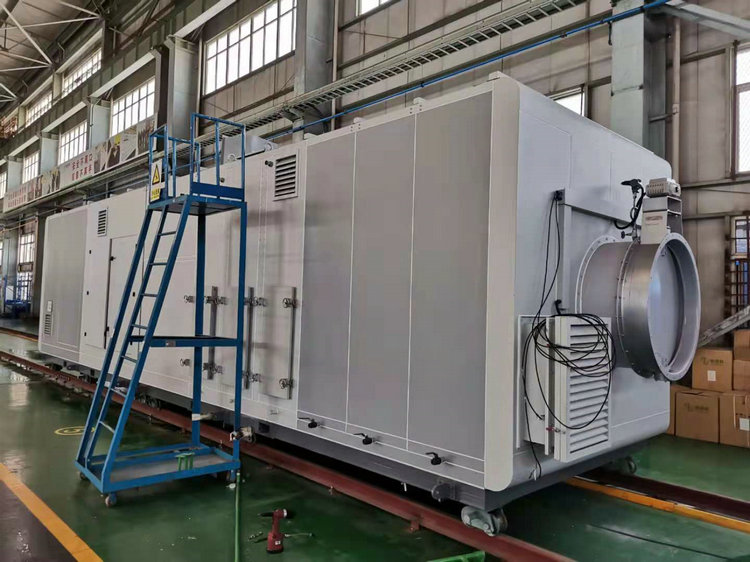

Zeolite wheel equipment is an environmentally friendly device, having made significant contributions to environmental protection efforts.
1. As the waste gas flows through the concentration wheel, the organic matter is adsorbed. The purified gas (accounting for about 90% of the total volume) is released into the air. A small portion of the gas (about 10% of the total volume) is heated to the desorption temperature.
2. The concentrator rotor continuously rotates to transport adsorbed VOCs to the desorption area. In the desorption area, the organic matter is released from the adsorbent—zeolite—into a small heated air stream, thereby regenerating the rotor. The desorbed gas is then sent to the RTO unit for treatment.
3. Upon entering the RTO system, the fuel is burned to heat up, decomposing into CO2 and H2O. The clean, high-temperature flue gas then enters a special ceramic heat storage unit, where 95% of the waste gas heat is absorbed and "stored" by the unit. The temperature is then reduced to nearly the incoming temperature (usually about 30 degrees higher) before being discharged.
4. After the heat storage medium's temperature rises, the airflow direction is changed through a switching valve or a rotating device, allowing for heat absorption and release over time, effectively recycling and utilizing the heat.
With the severe air pollution in recent years, many environmental protection equipment has been developed and put into use. Zeolite wheel concentration equipment has also been widely applied in response to market demand.