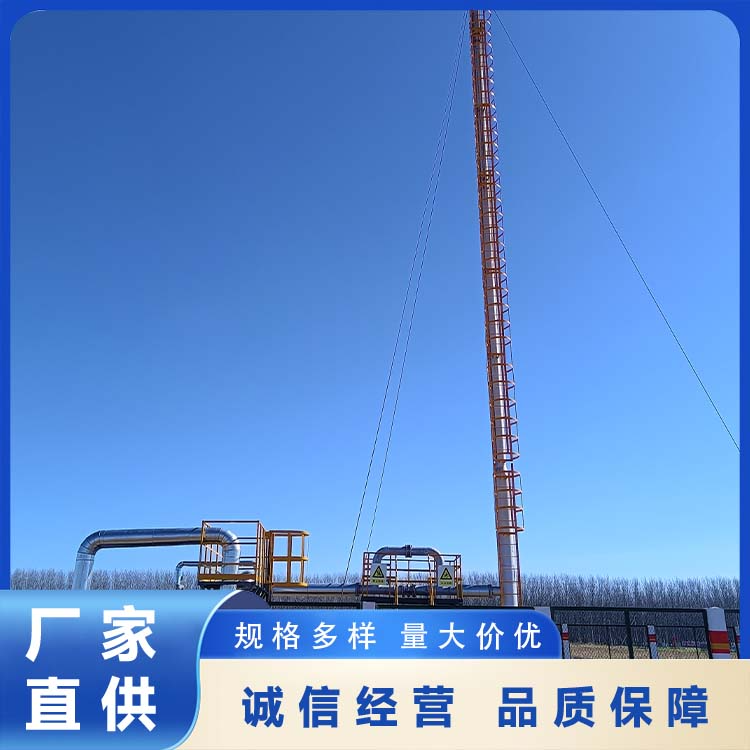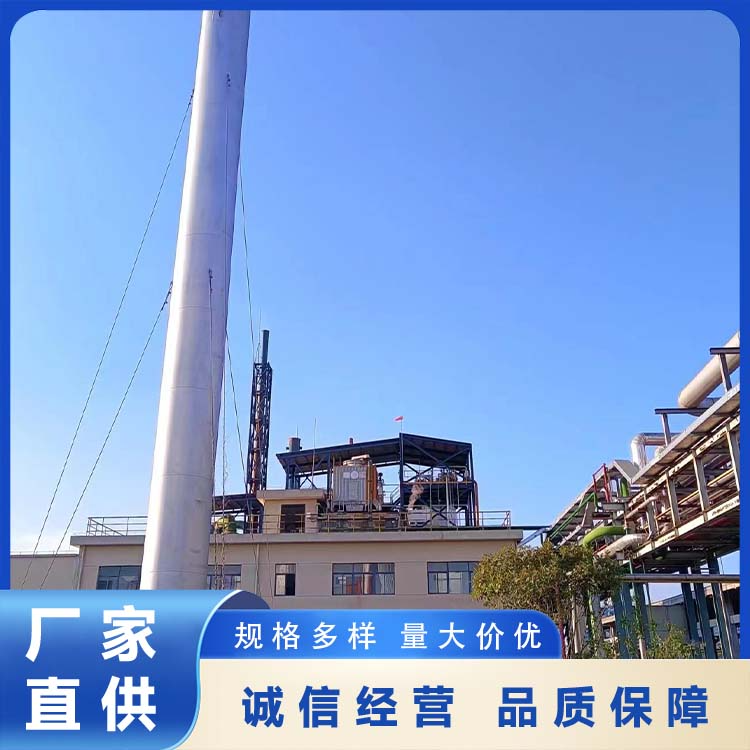

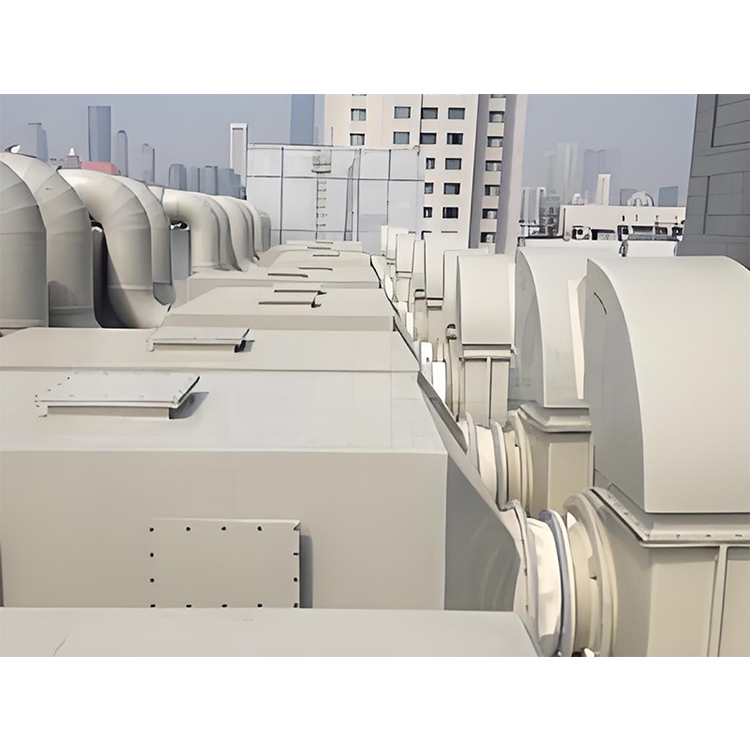


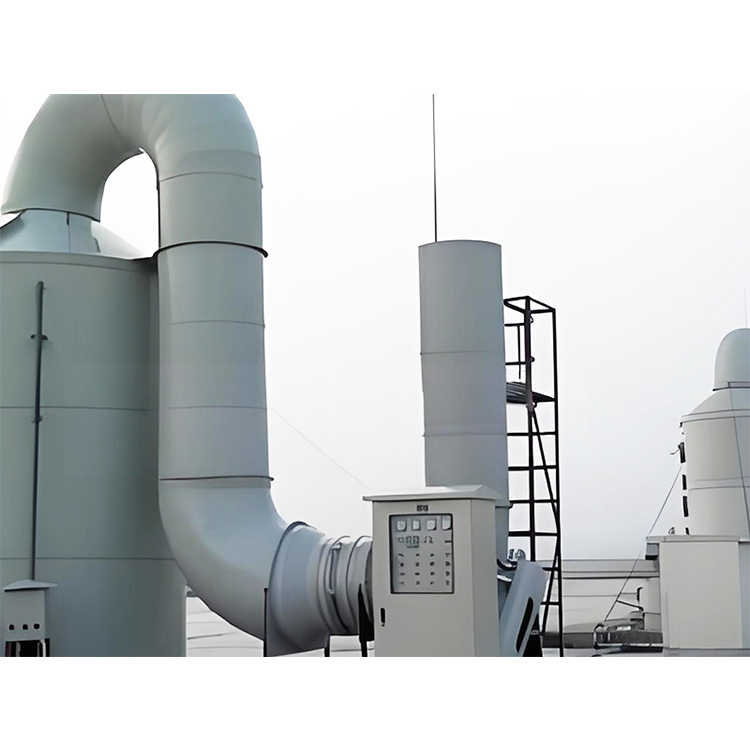
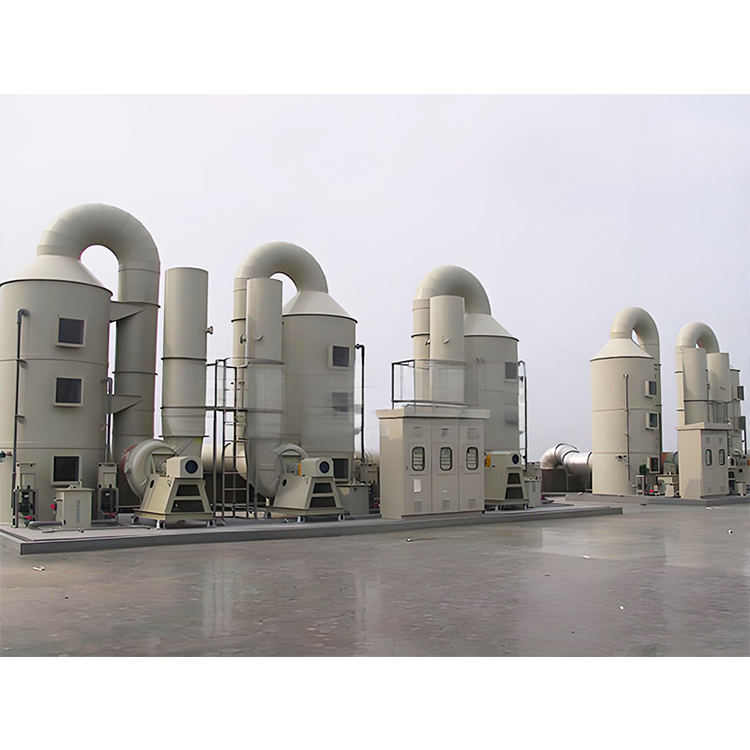
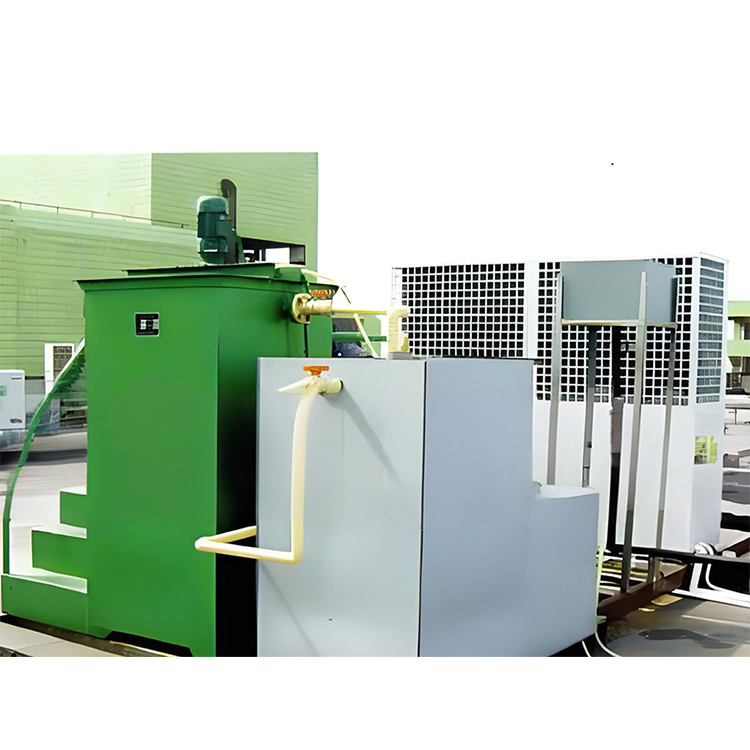





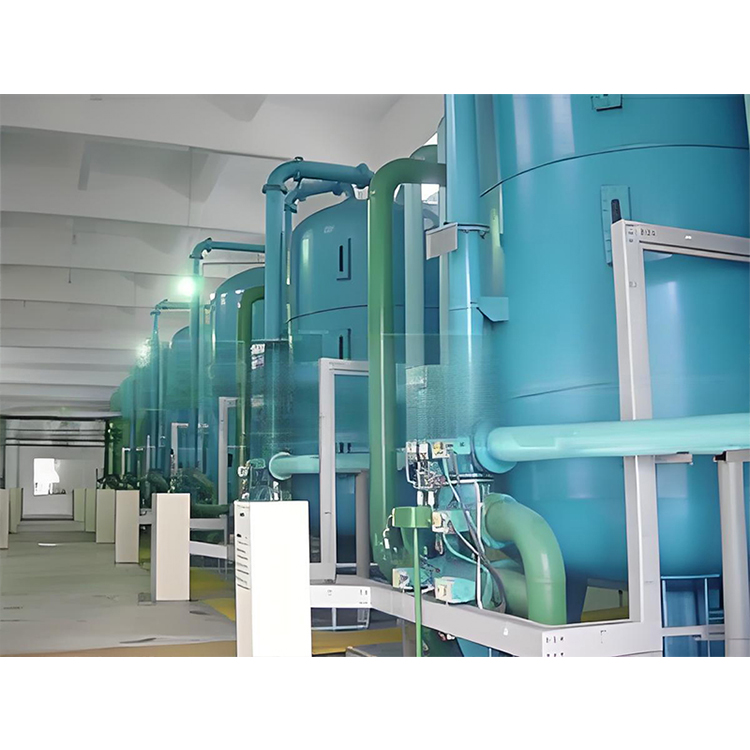
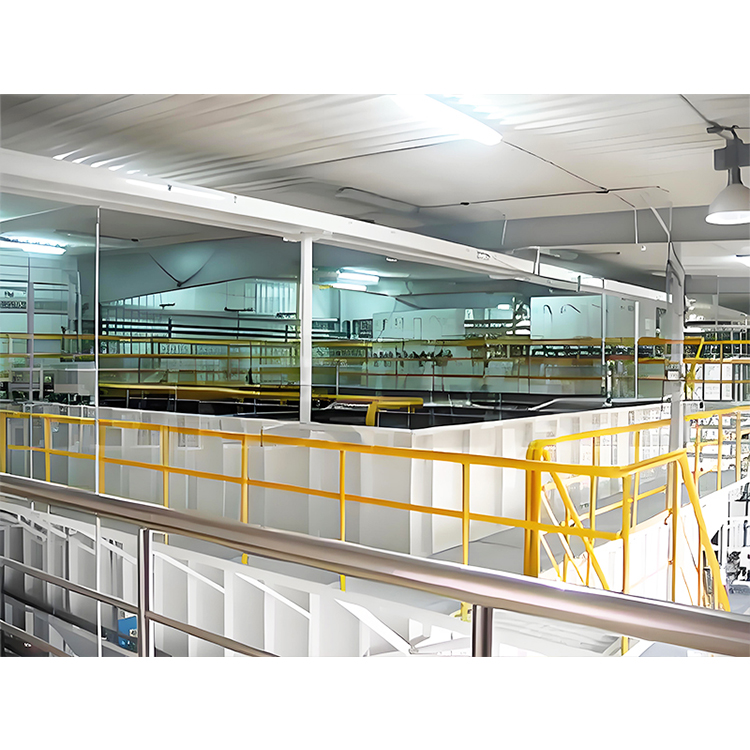
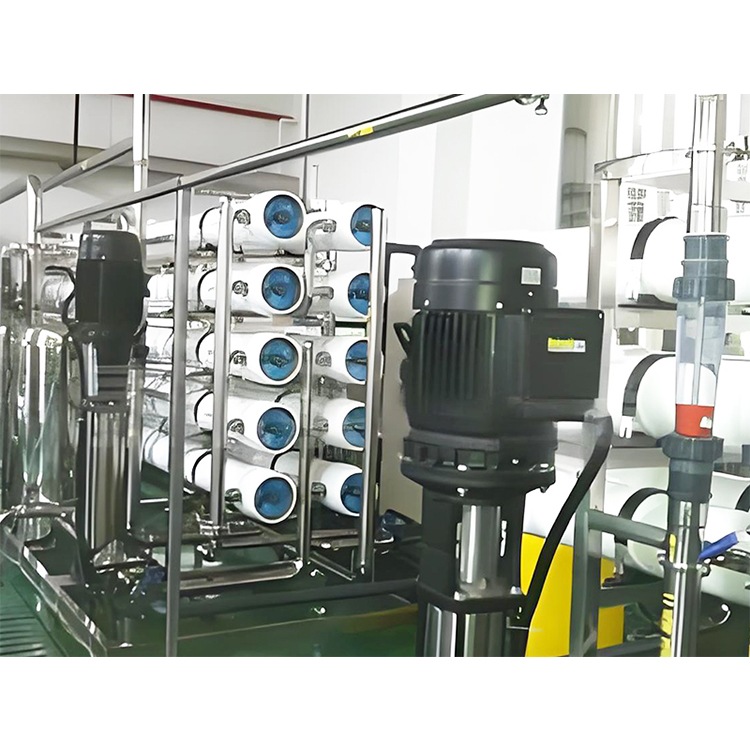
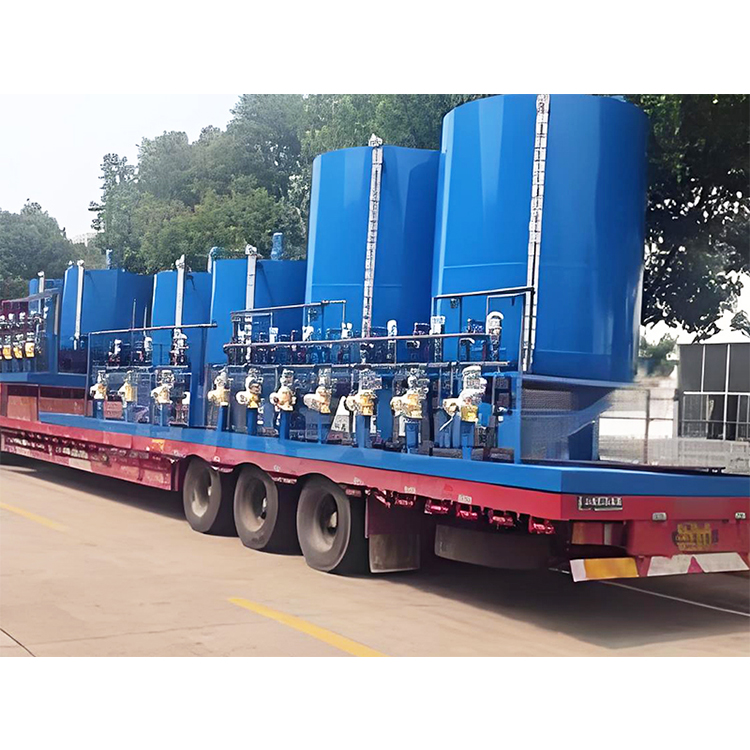
The laboratory exhaust gas treatment system collects, purifies, and processes toxic, harmful, flammable, and explosive gases (such as volatile organic compounds VOCs, acidic gases, alkaline gases, sulfur/nitrogen-containing gases, etc.) produced during the experiment by physical, chemical, or biological means. It ensures these gases meet national emission standards (such as the Comprehensive Emission Standard for Air Pollutants GB 16297) before being released. This system is directly related to the health of laboratory personnel, the safety of surrounding environments, and environmental compliance. It is widely used in fields such as chemistry, medicine, materials, and environmental testing.
System Design Key Standards and Specifications
The laboratory exhaust treatment system must strictly comply with national environmental protection standards (GB 16297, GB 37822 "Control Standard for Unorganized Emission of Volatile Organic Compounds") and industry regulations. The key design points are as follows:
1. Exhaust Gas Collection Design Standards
Capture Efficiency: Local exhaust (such as laboratory bench operations) requires a swivel exhaust hood (airflow velocity ≥0.5m/s, hood mouth distance from exhaust source ≤30cm), ensuring negative pressure (-5~-15Pa) within the cabinet (such as a fume hood), with a capture efficiency of ≥90%.
Pipe Design:
Pipe material must be compatible with exhaust gases (use PP pipes or FRP pipes for acidic exhaust gases, galvanized steel pipes or stainless steel pipes for organic exhaust gases to avoid corrosion or swelling);
Pipe Velocity Control: Acidic/Alkaline Waste Gas ≤15m/s, VOCs Waste Gas ≤12m/s (to prevent excessive velocity causing pipe wear or waste gas retention)
Avoid dead ends: Use large-radius elbows (R≥3D, where D is the pipe diameter) at pipe bends, and connect branch pipes to main pipes with 45° angles.
2. Main Purification Unit Design Standards
Absorber Tower Design:
Filling Material Selection: Polypropylene Pall rings for acidic waste gas, ceramic packing for alkaline waste gas; the packing layer height should be ≥1.5m.
Liquid to Gas Ratio: Acidic waste gas treatment liquid to gas ratio ≥ 2L/m³, alkaline waste gas ≥ 1.5L/m³.
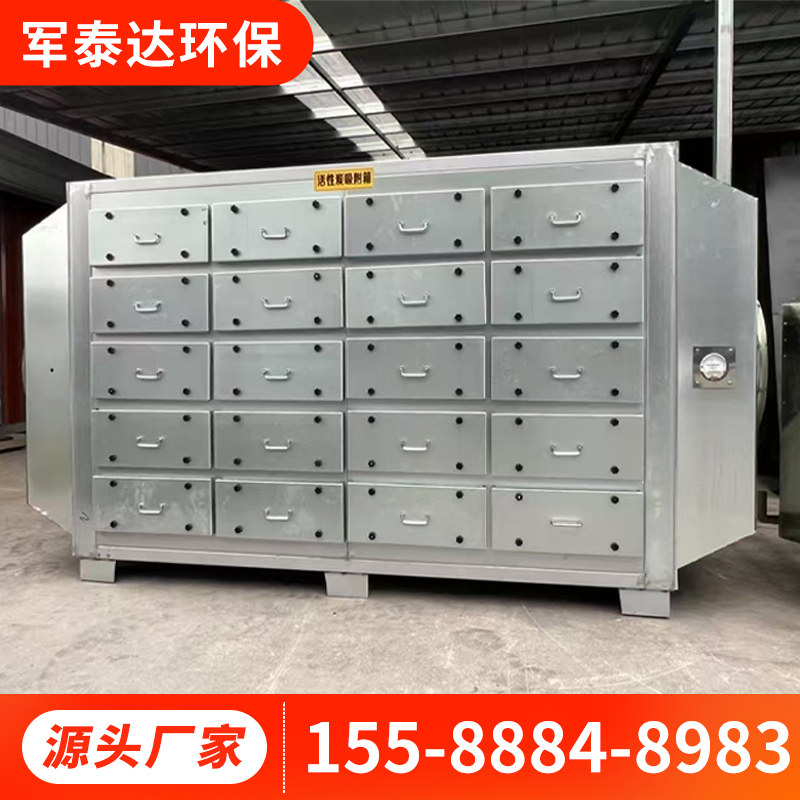
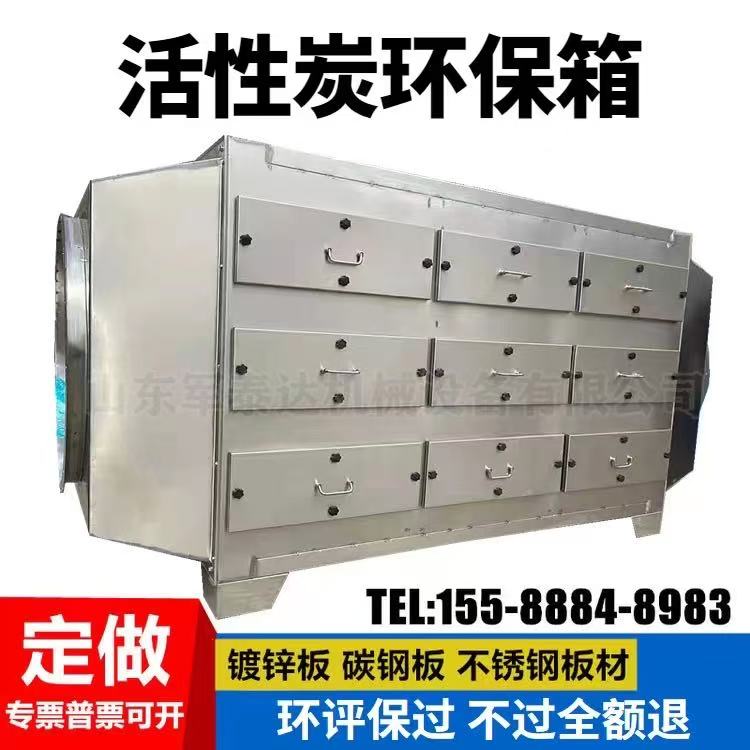
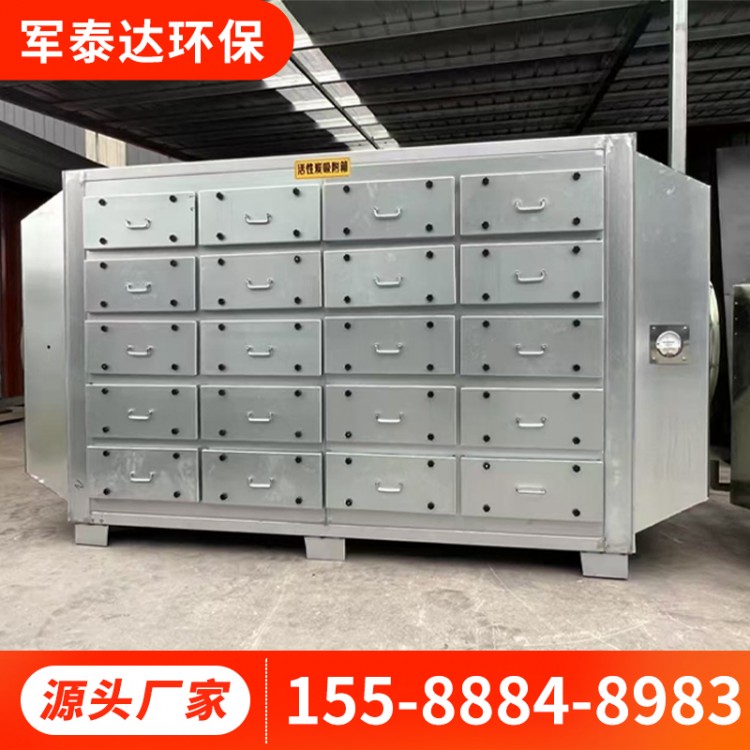
Design of Activated Carbon Adsorption Tower
Activated Carbon Filling Quantity: Based on the exhaust air volume and concentration, the empty tower flow rate ≤ 0.8 m/s, and the residence time ≥ 1.5 s.
Safety Design: The adsorption tower must be equipped with a explosion-proof valve and a CO concentration detector.
Catalytic combustion unit design:
Catalyst Selection: Ant poison-resistant catalysts required for treating sulfur/chlorine VOCs; space velocity ≤ 15,000 h⁻¹.
Preheat Temperature: During cold start, the exhaust gas must be preheated to the catalyst ignition temperature, using electric heating or waste heat recovery heating.
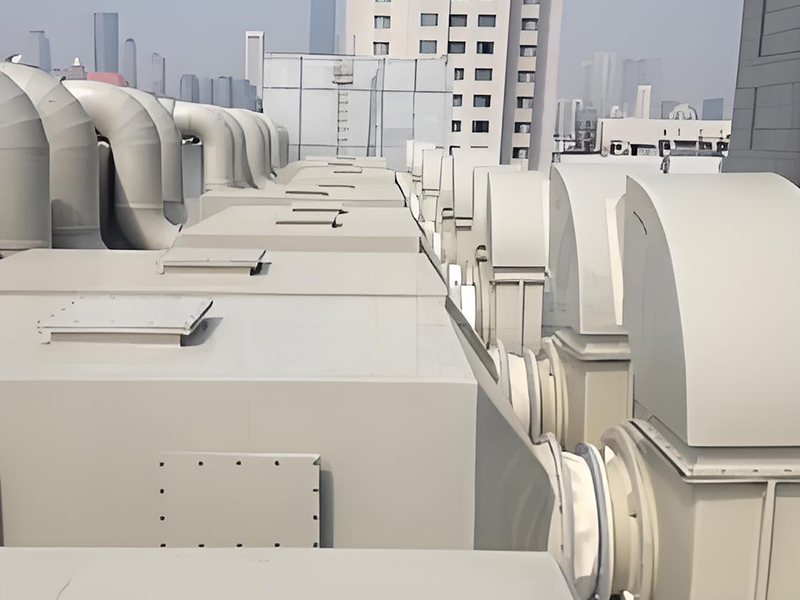
3. Emission and Safety Design Standards
Exhaust pipe requirements: The exhaust pipe height must be ≥3m above the laboratory roof, and at least 50m away from surrounding sensitive points, with an outlet wind speed of ≥5m/s.
Monitoring and Alarm
Exhaust outlets must be equipped with online monitoring devices.
Gas concentration detectors must be installed before and after the purification unit, and they need to be linked with the fan and valves.
Emergency Design: A bypass pipeline must be set up in the system.
IV. Routine Maintenance and Security Management
Regular maintenance content
Daily inspection:
Check fan operational status.
Check the absorption tower level.
View online monitoring data.
Weekly Maintenance:
Clean the filter of the pretreatment unit.
Calibrate gas concentration detectors.
Monthly/Quarterly Maintenance:
Replace activated carbon;
Check catalyst activity.
Clean the packing material of the scrubbing tower.
2. Safety Operating Procedures
Before starting the waste gas treatment system, the pretreatment unit must be activated first, followed by the fan, to prevent untreated waste gas from being directly discharged.
When replacing activated carbon/catalyst, protective equipment must be worn, and the used activated carbon/catalyst should be handled as hazardous waste by qualified units.
In case of exhaust gas leakage, immediately shut down the equipment, close the exhaust source, activate emergency ventilation, and restart the system after the leakage is resolved.
Regularly conduct emergency drills to ensure personnel are familiar with shutdown, evacuation, and rescue procedures.
3. Environmental Compliance Requirements
Regularly commission a third-party testing agency to sample and analyze exhaust emissions from the exhaust outlet, issue a test report, and ensure compliance with emission standards.
Establish and maintain an operation and maintenance ledger, retaining it for at least 3 years for environmental inspection purposes.
If there is a significant change in the composition or air volume of laboratory exhaust, the treatment process must be reassessed, and the system may need to be modified if necessary, to avoid purification failure due to "mismatch."