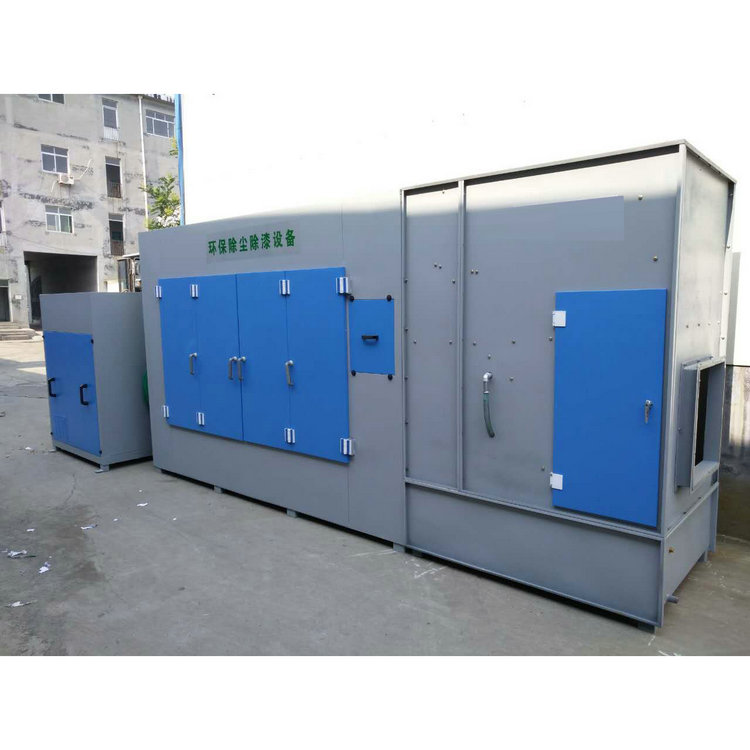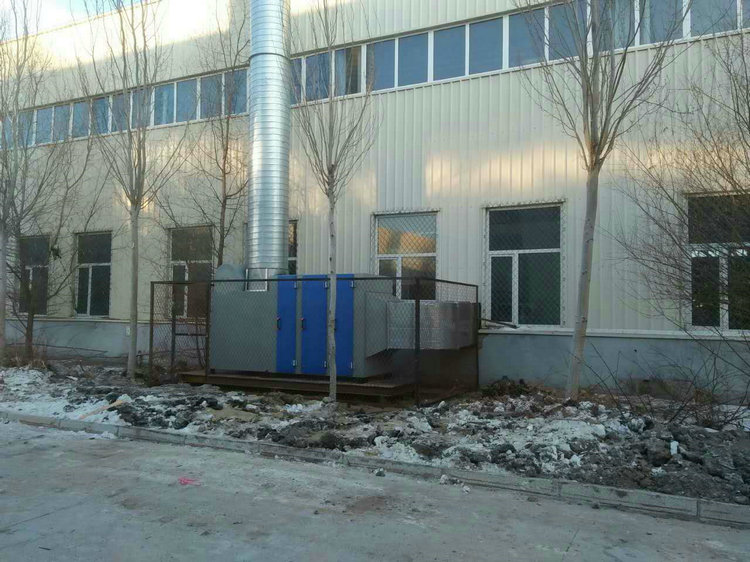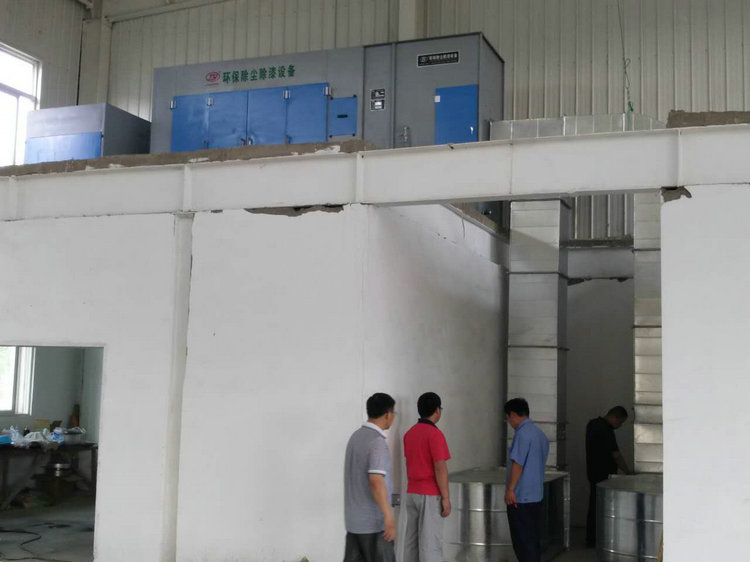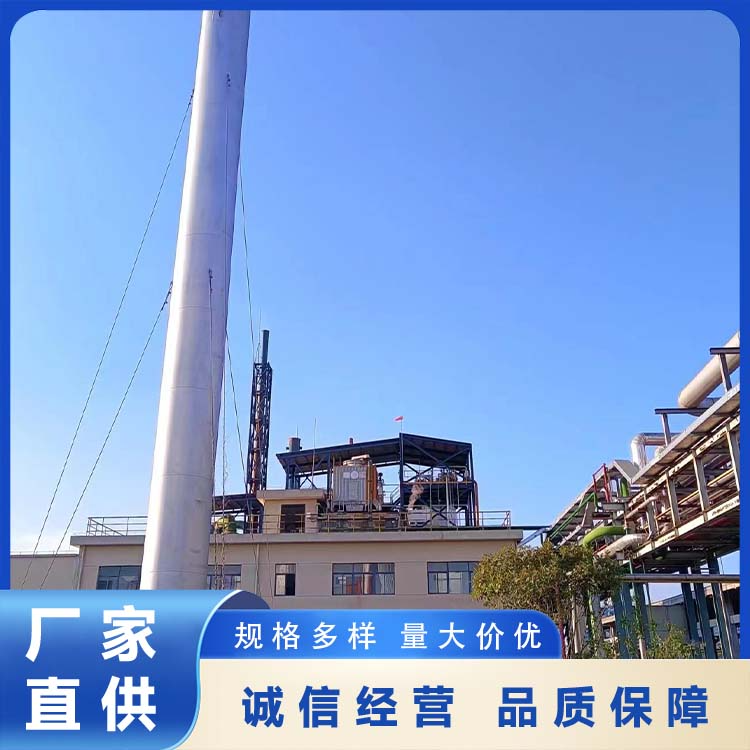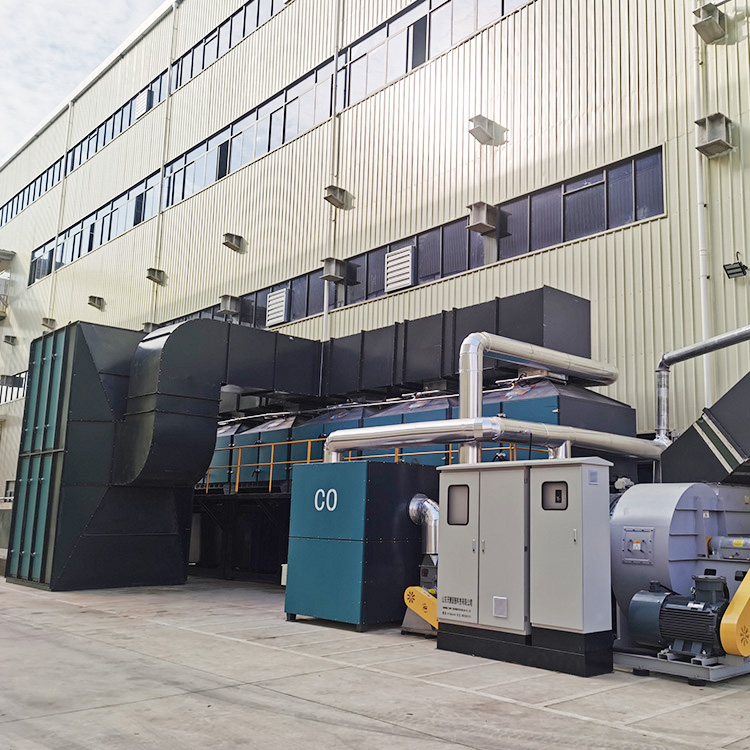

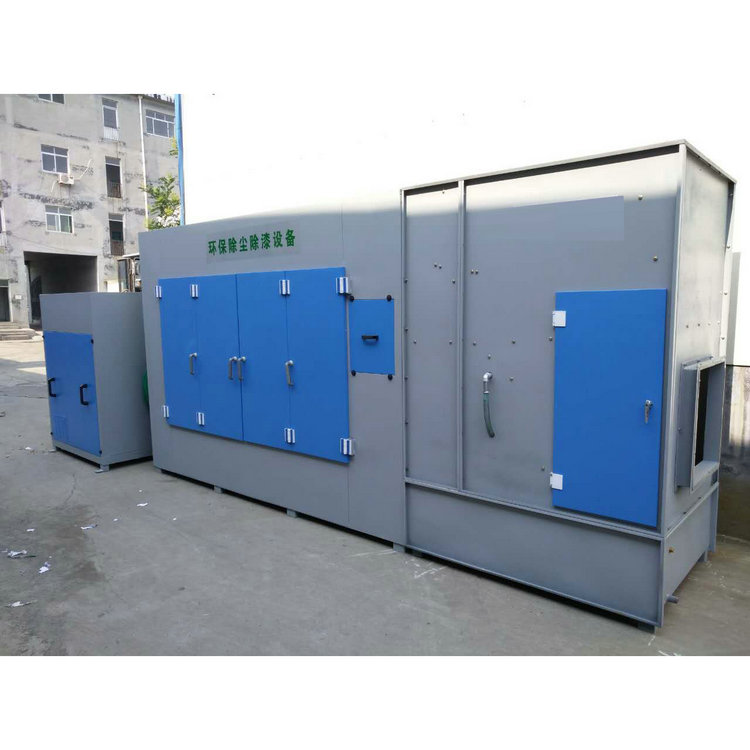

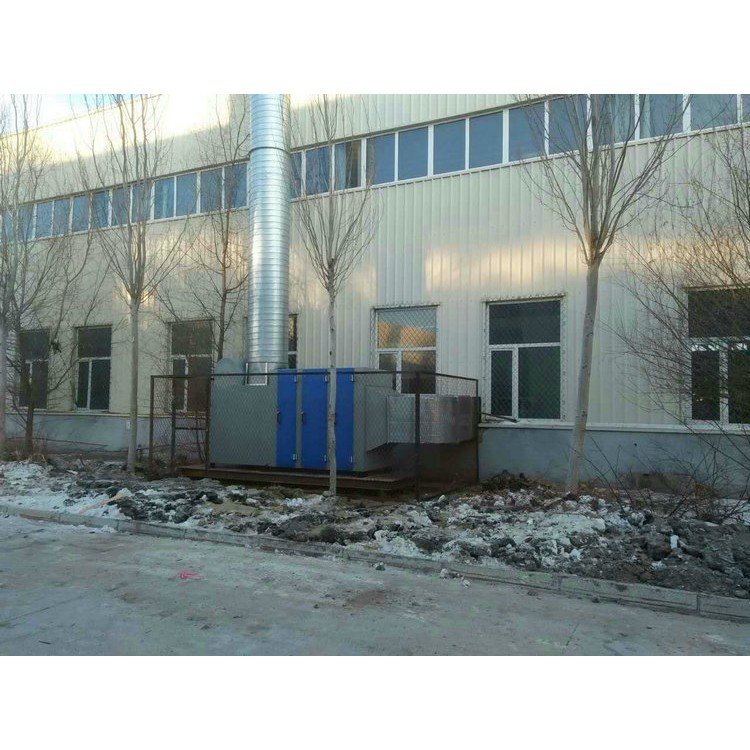
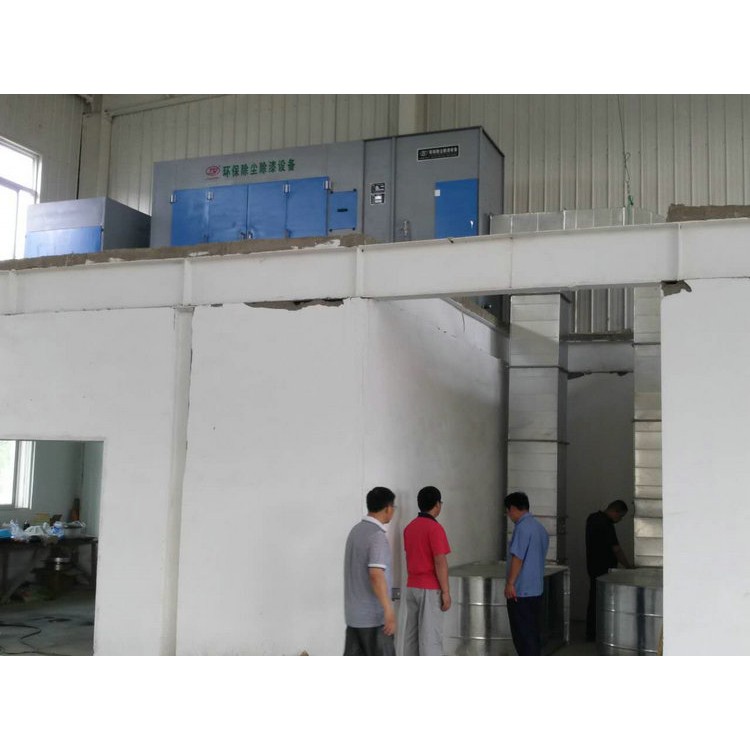


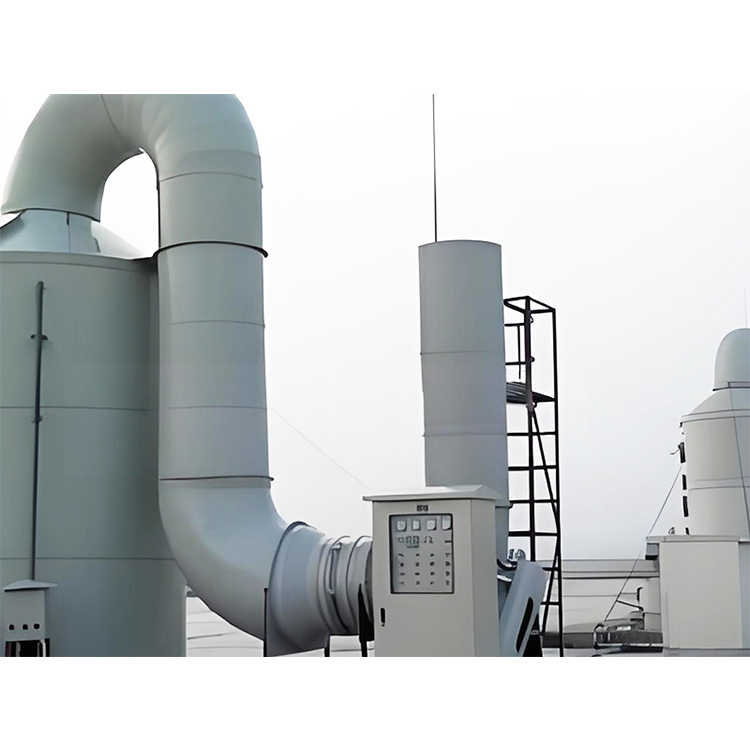
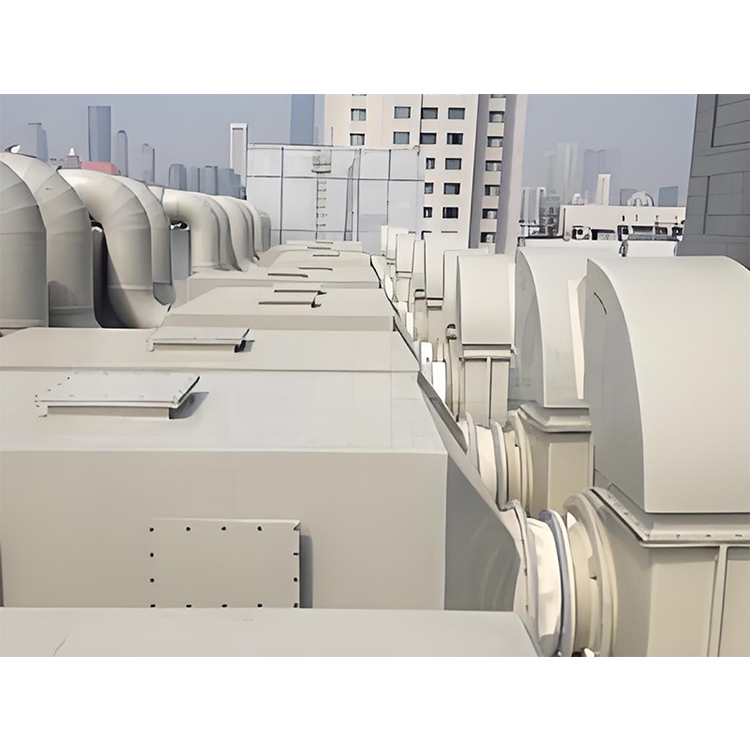
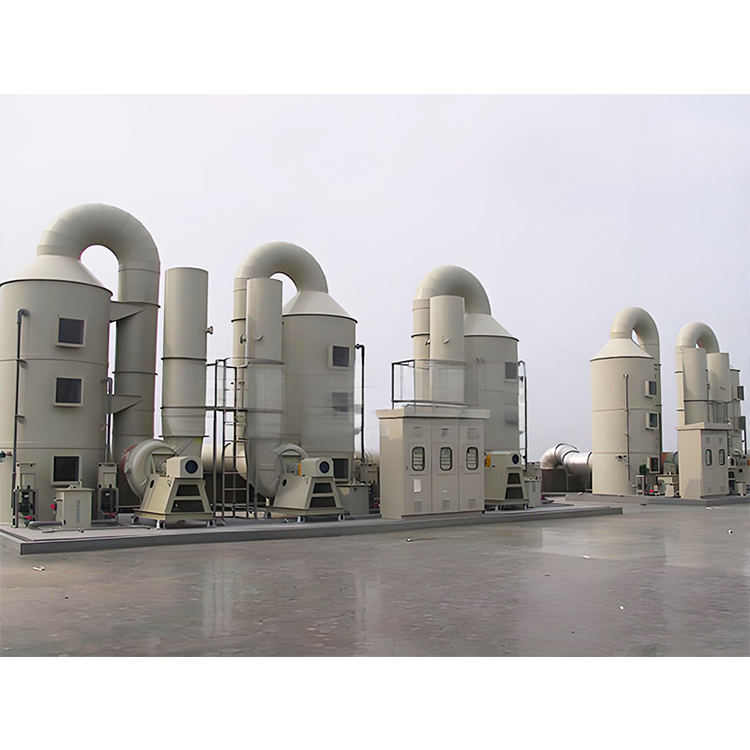
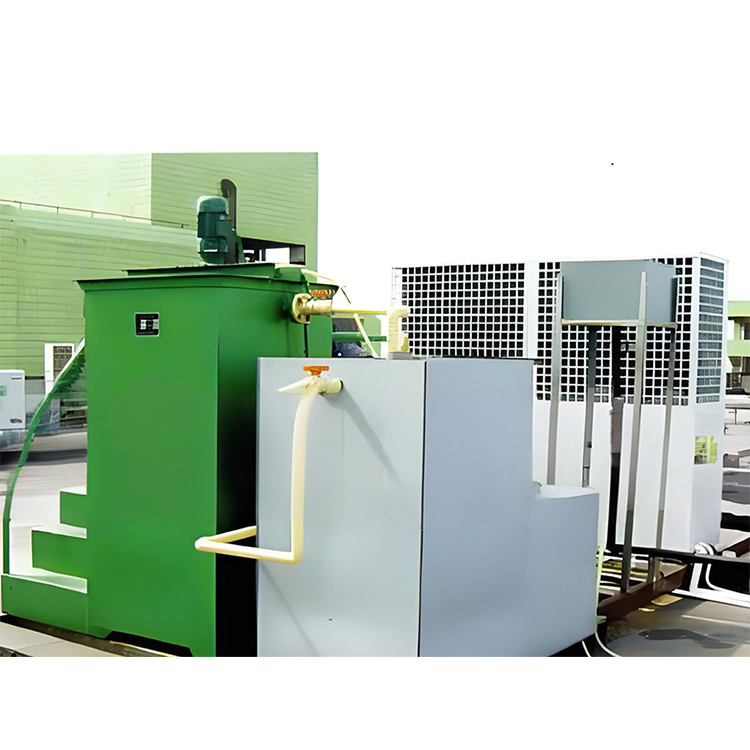
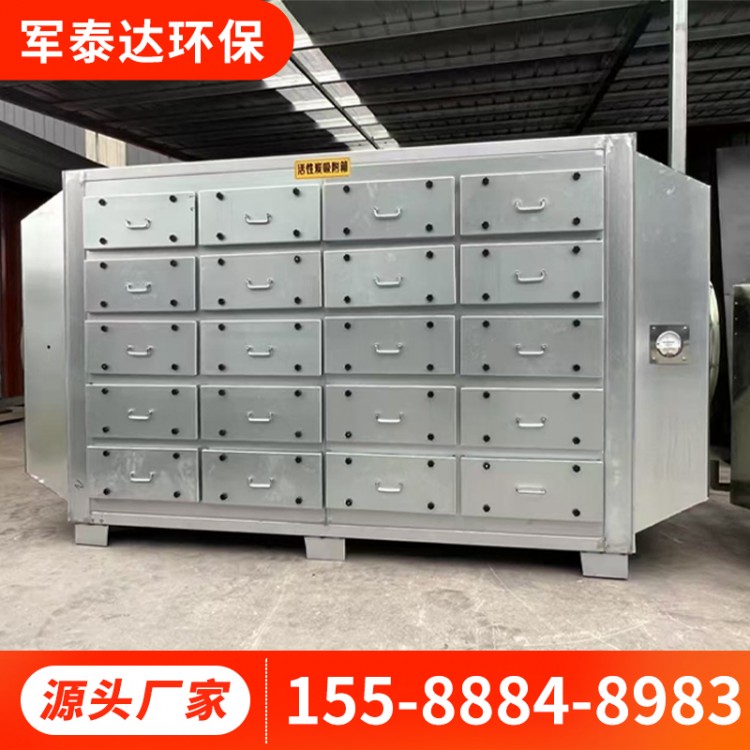





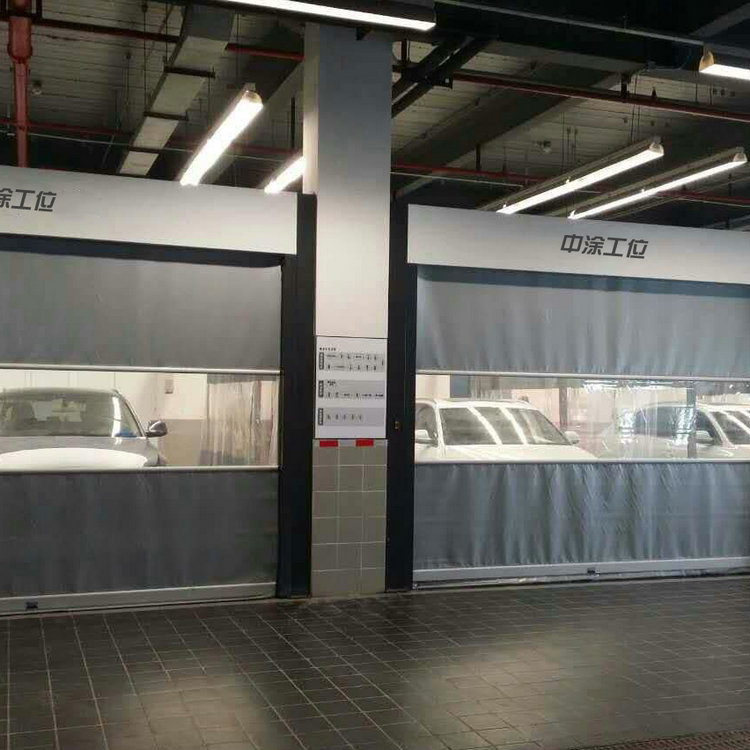
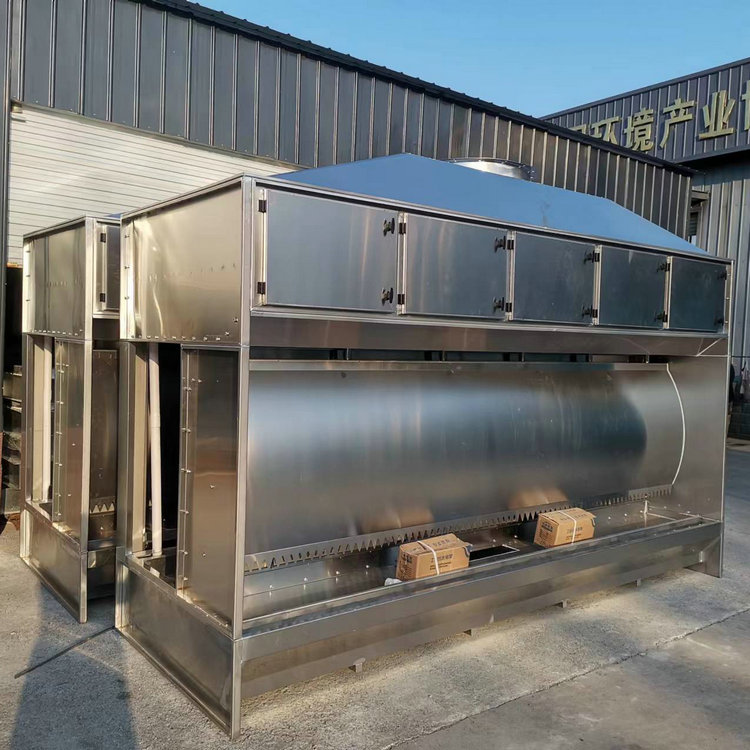
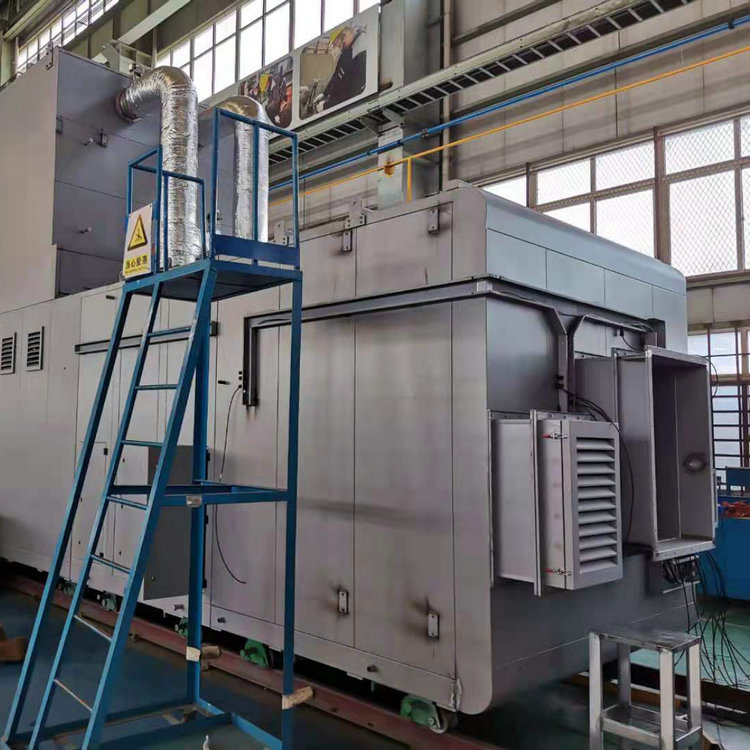
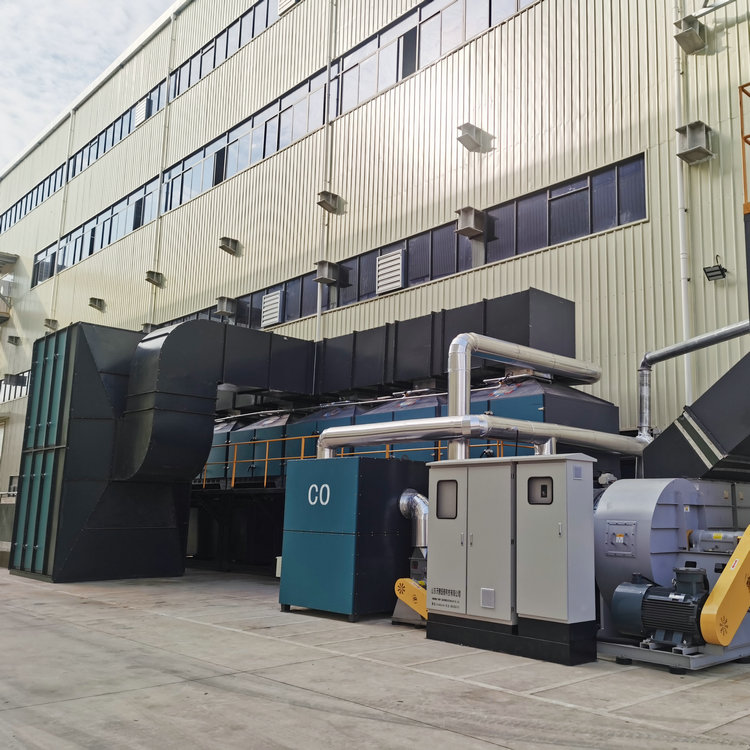
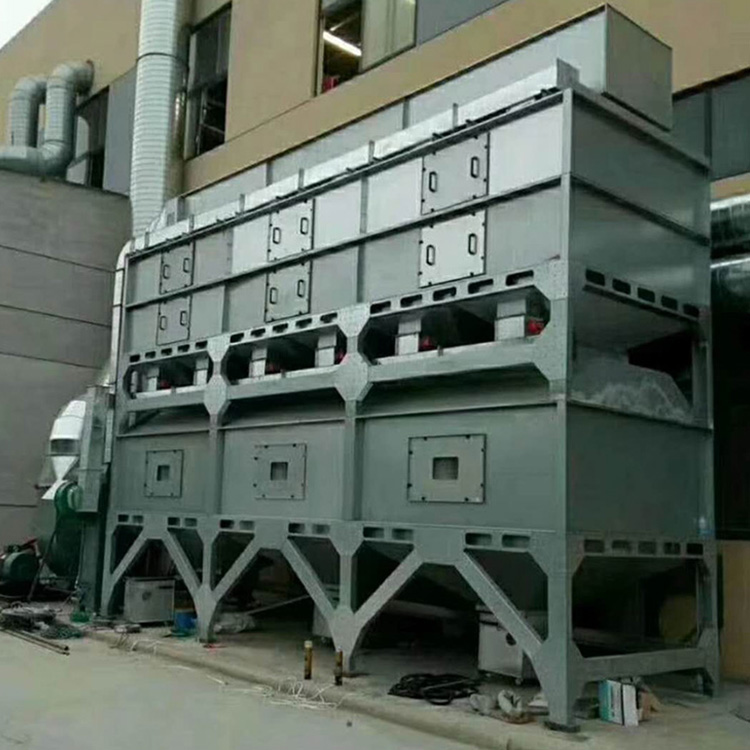
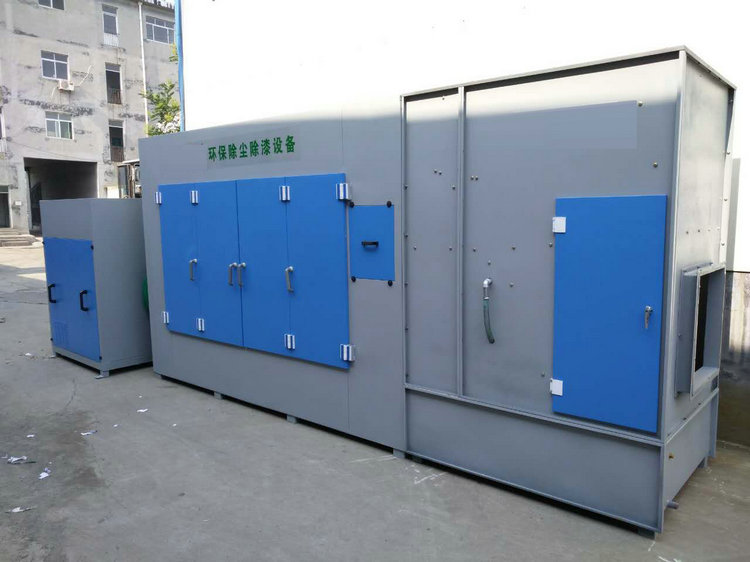
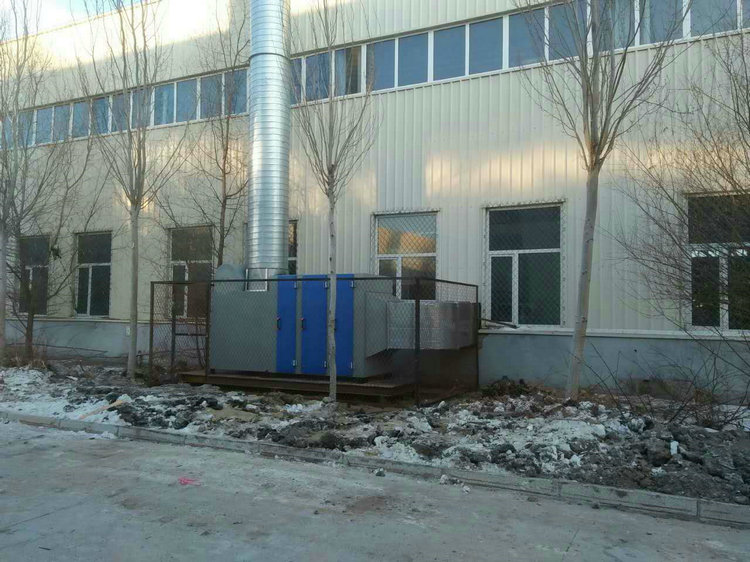
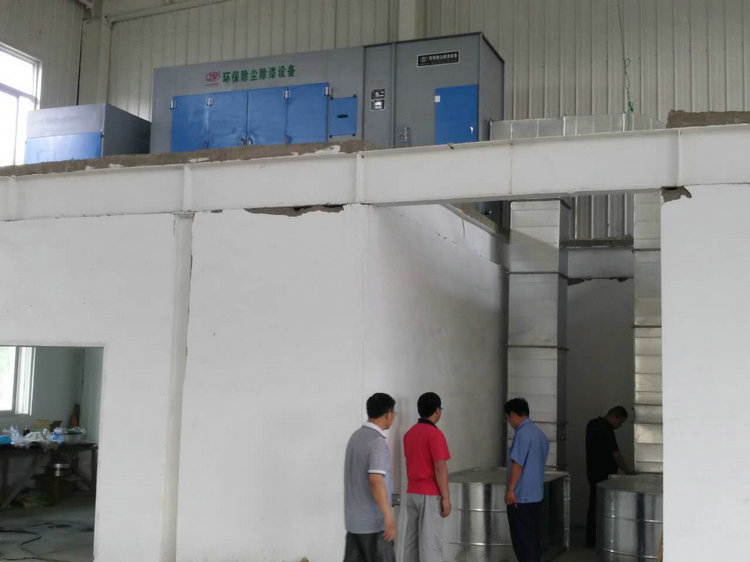
Industrial waste gas treatment refers to the pre-treatment of waste gases produced in industrial facilities such as factories and workshops before they are discharged into the environment, to meet national standards for waste gas emissions.
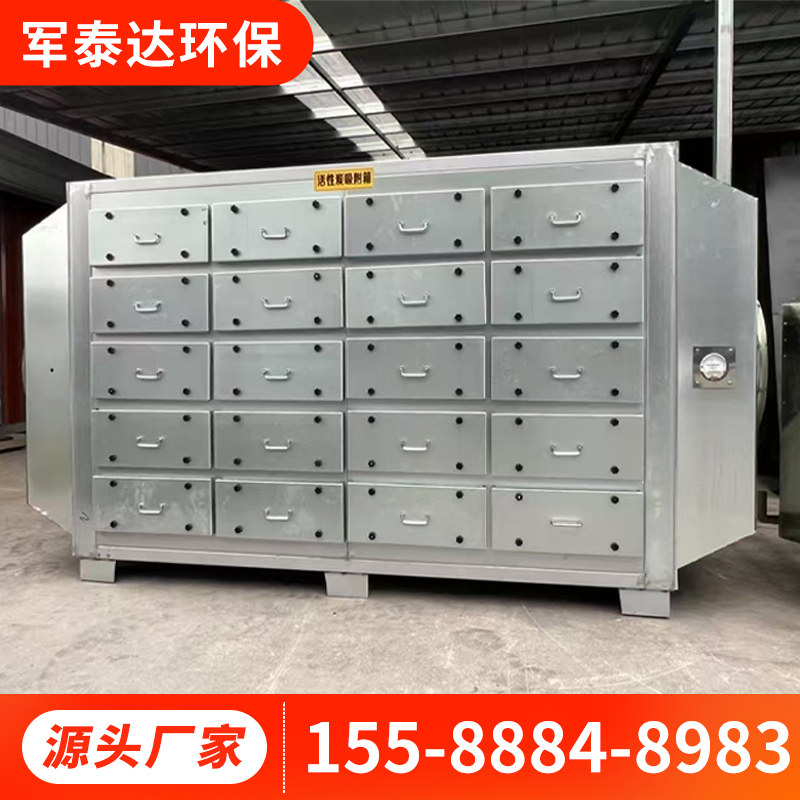
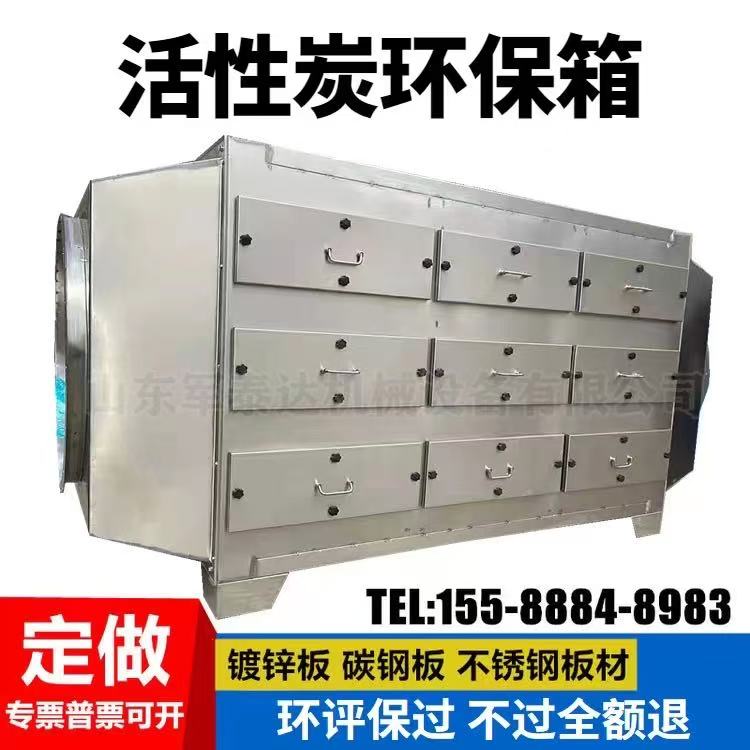
The principles of industrial waste gas treatment include activated carbon adsorption, catalytic combustion, catalytic oxidation, acid-base neutralization, and plasma methods, among others. The waste gas treatment tower utilizes a five-stage waste gas adsorption and filtration purification system, ensuring a thorough and multi-level purification process for industrial waste gases, yielding good results.
Techniques for treating industrial waste gases include activated carbon adsorption, deep catalysis, direct combustion, condensation recovery, absorption, and the newly discovered biological treatment technologies in recent years. Each of these technologies has its own advantages, disadvantages, and room for improvement. Currently, biological treatment technology is a relatively mature technique, utilizing microorganisms to convert industrial waste gases into substances harmless to humans or usable. In terms of equipment, there are over a dozen industrial waste gas treatment devices available, but these still suffer from drawbacks such as large size and limited treatment capacity, which not only increase production costs but also affect production efficiency. Improving the technologies and equipment for preventing and controlling industrial waste gases will enhance treatment efficiency and reduce the harm caused by emissions. Therefore, we must continuously innovate in industrial waste gas treatment technologies, invest in funds and manpower, develop new treatment technologies, add more advanced equipment, and choose appropriate treatment methods based on current air pollution control needs and environmental characteristics to promote the construction of a good environment.