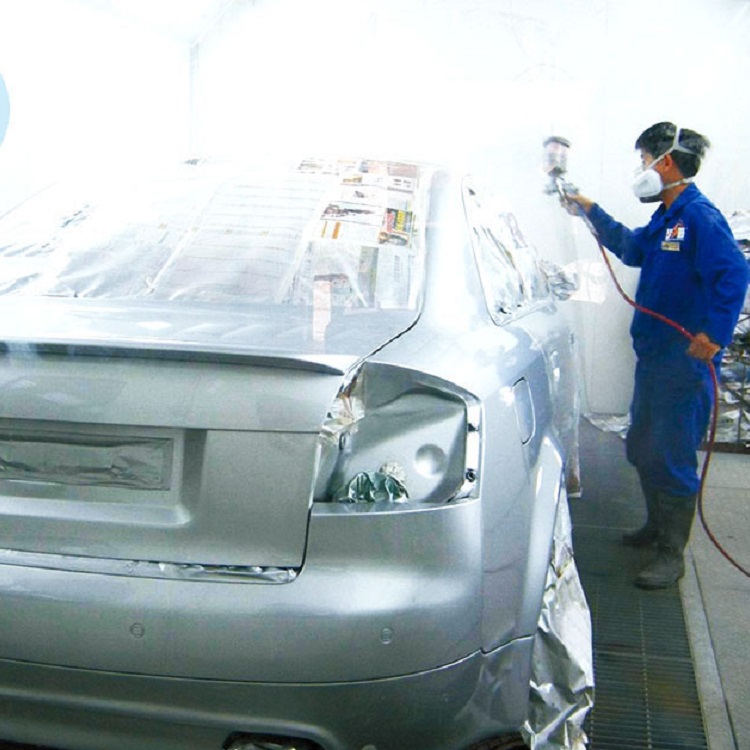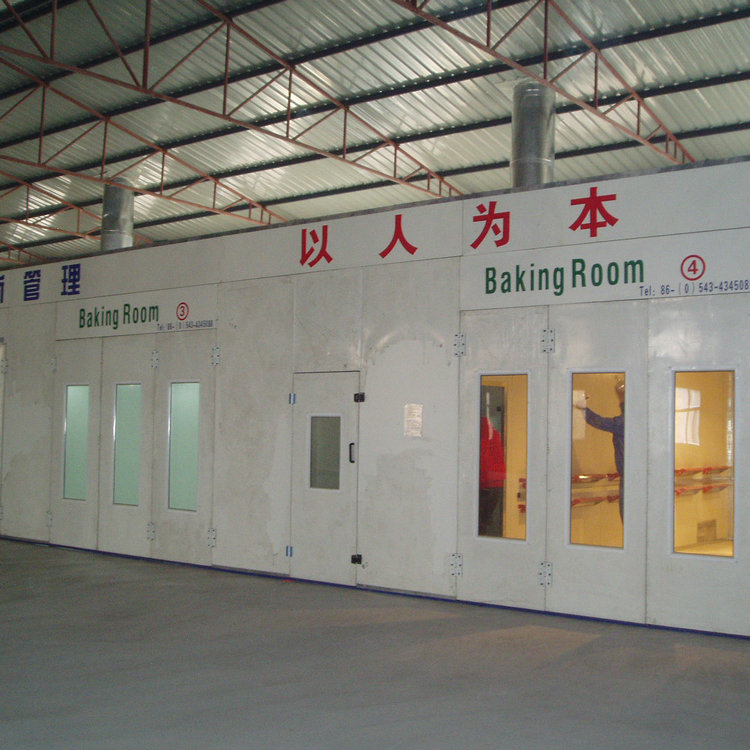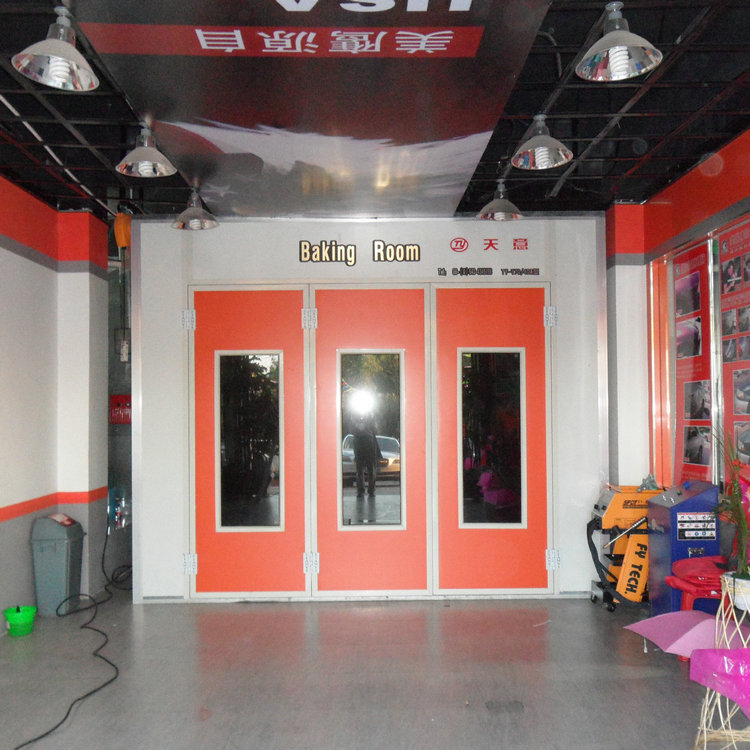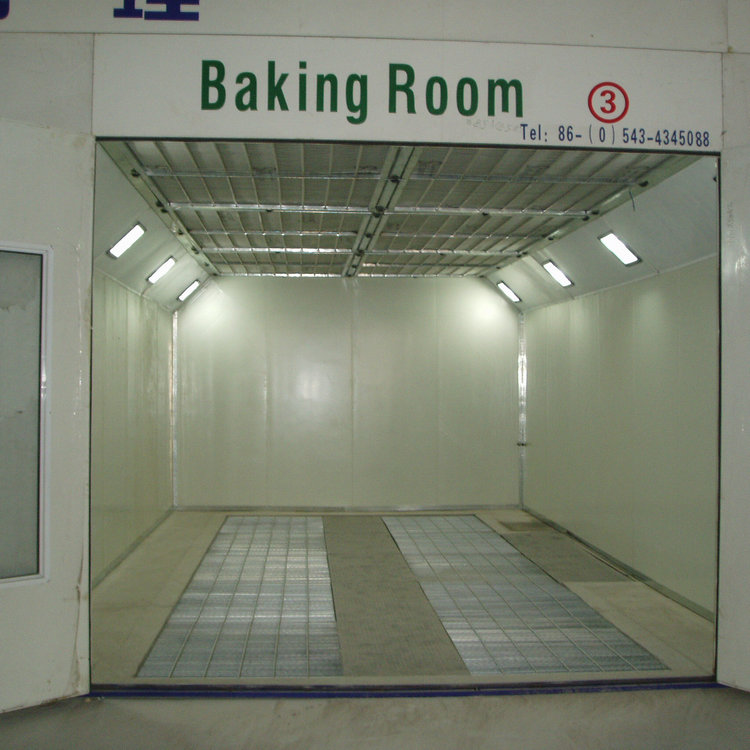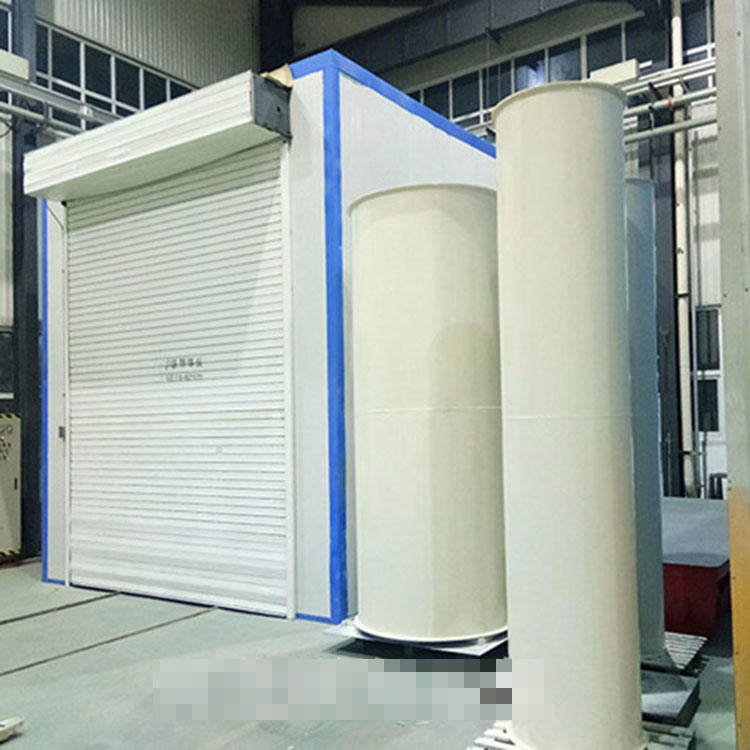


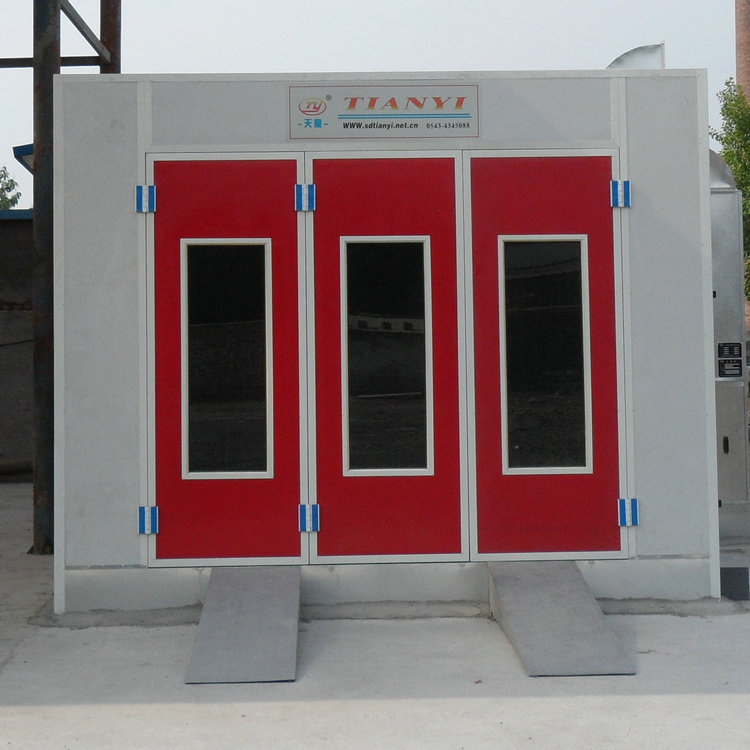


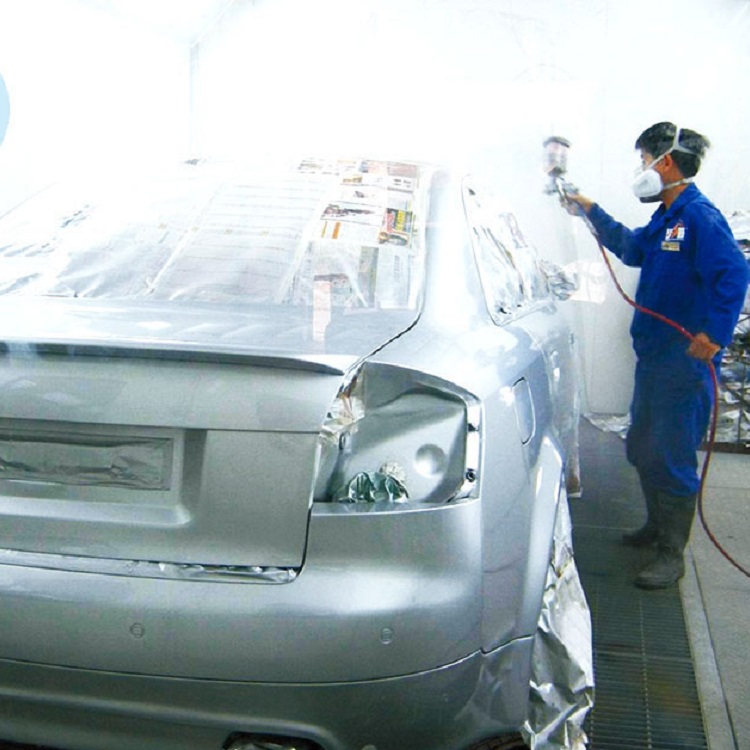







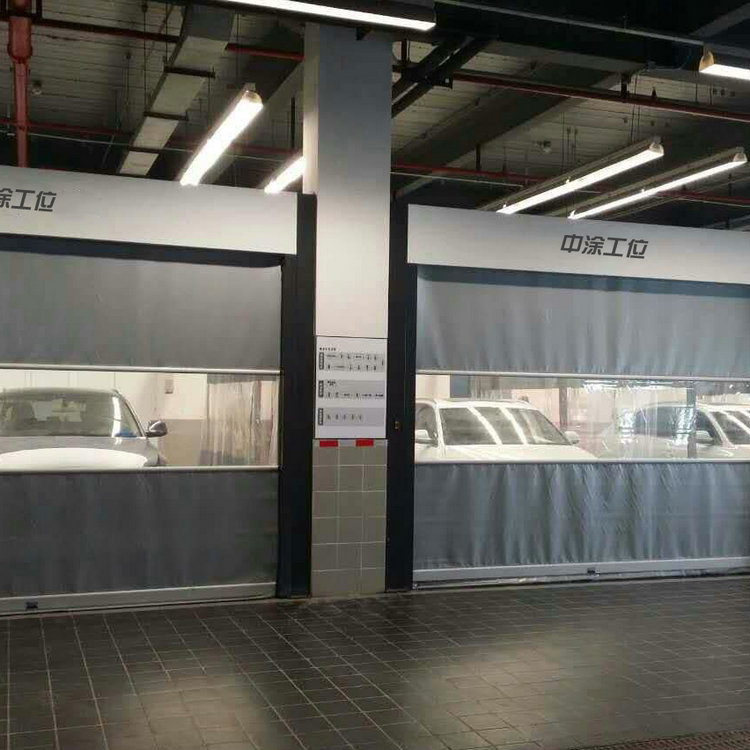
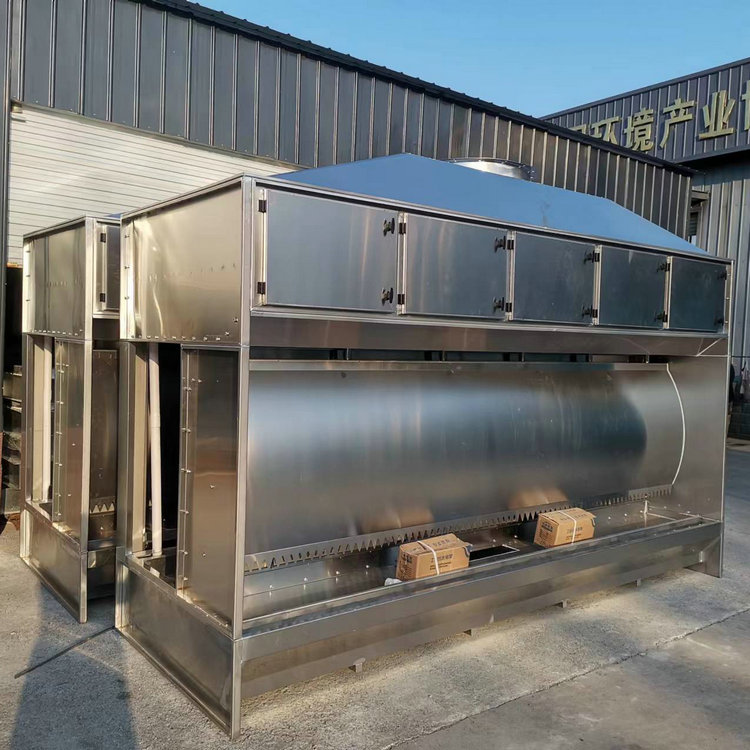
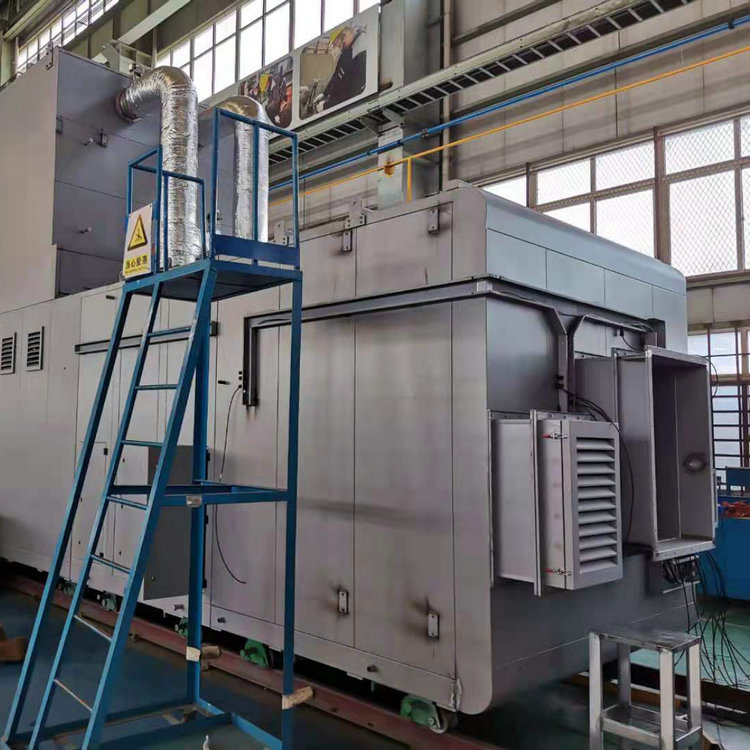
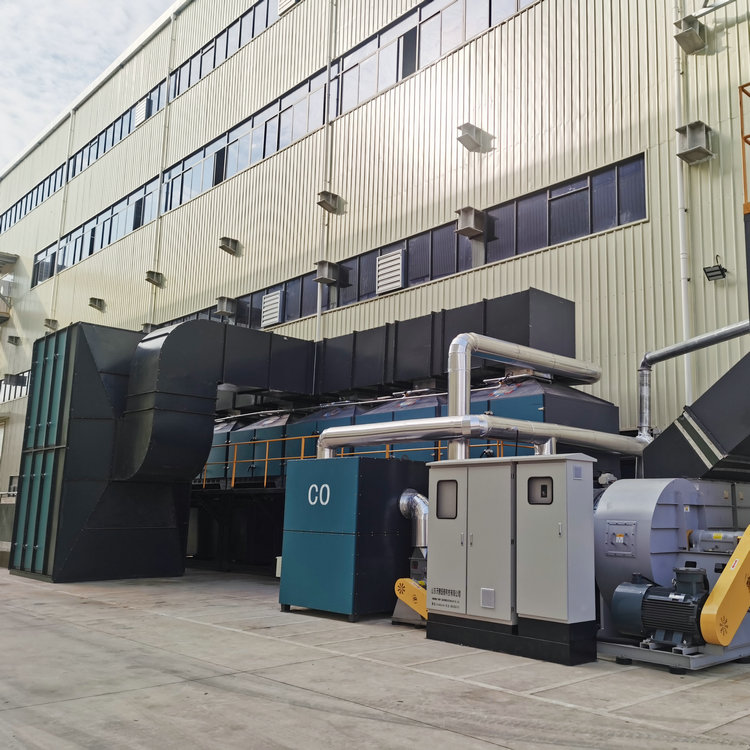
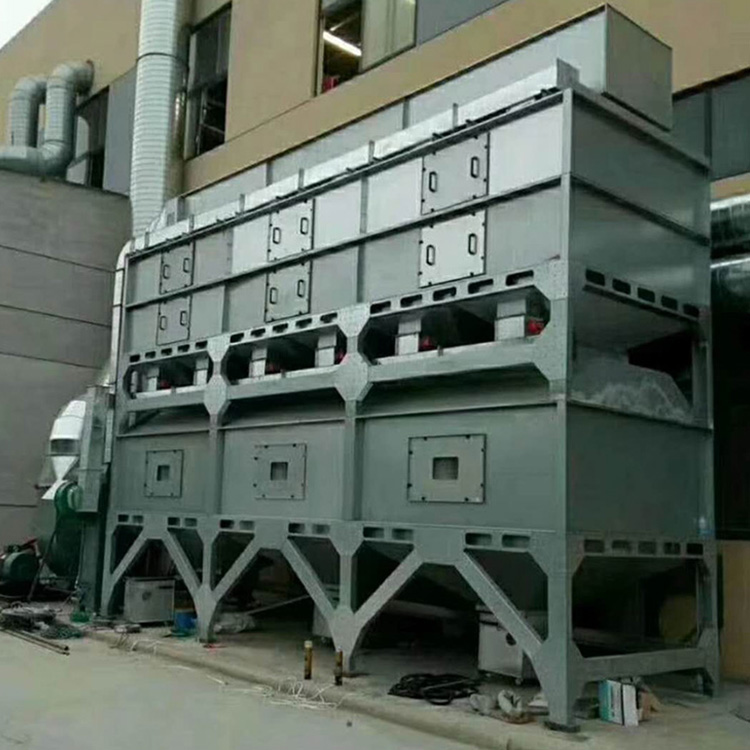
Eco-friendly paint spray booths, as the name implies, refer to the traditional method of painting outdoors using spray nozzles on objects (such as cars, furniture, etc.). However, this approach can degrade the quality of painting for large objects. For instance, during the painting process, dust from the air can mix into the paint, thereby lowering the quality of the finish. It also leads to uncertain waste of paint and leaves the painting area extremely dirty. Moreover, it can be harmful to workers, as it not only makes the area messy but also exposes them to a significant amount of paint mist, which is detrimental to their health.
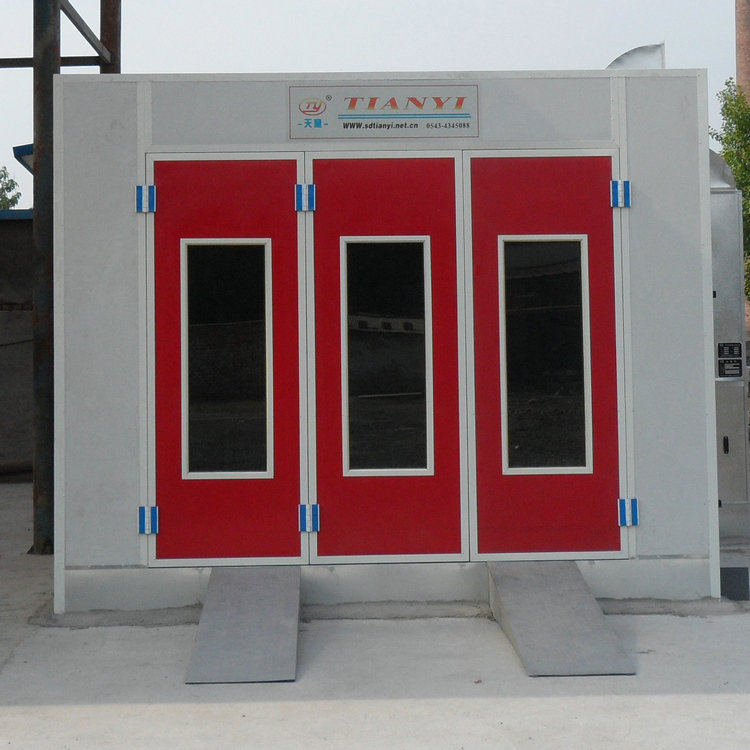
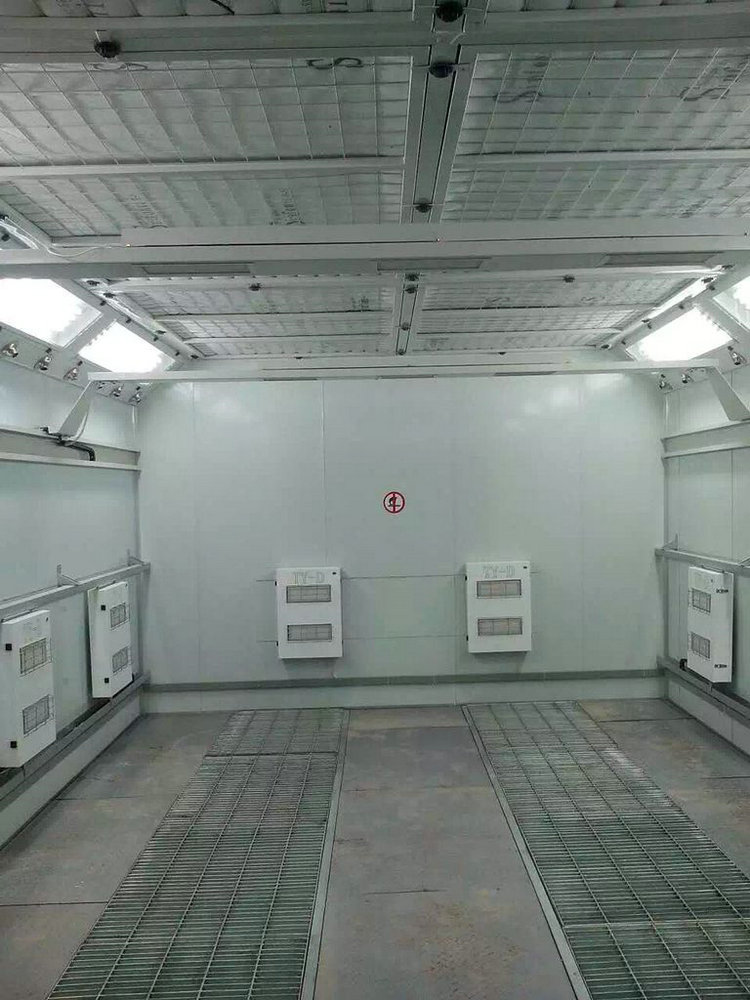
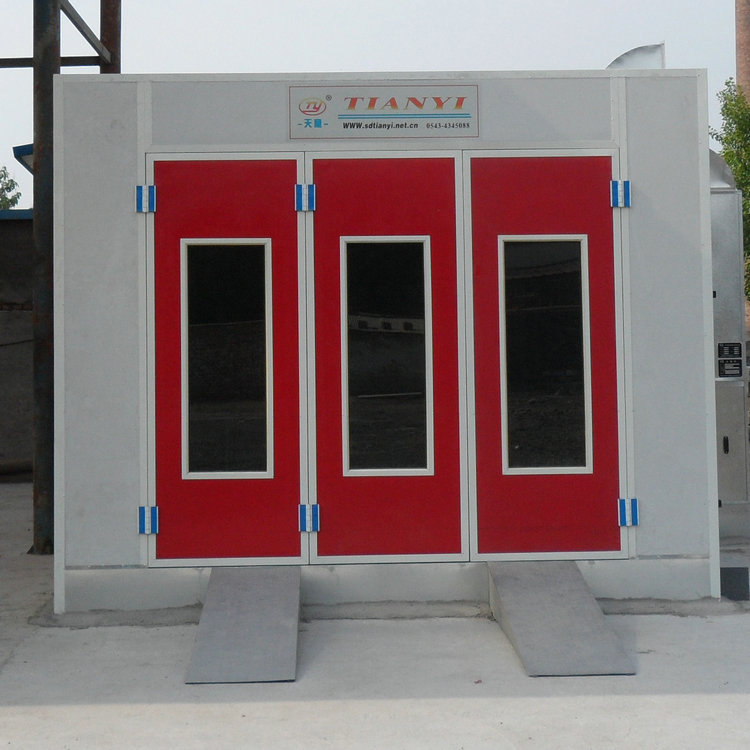
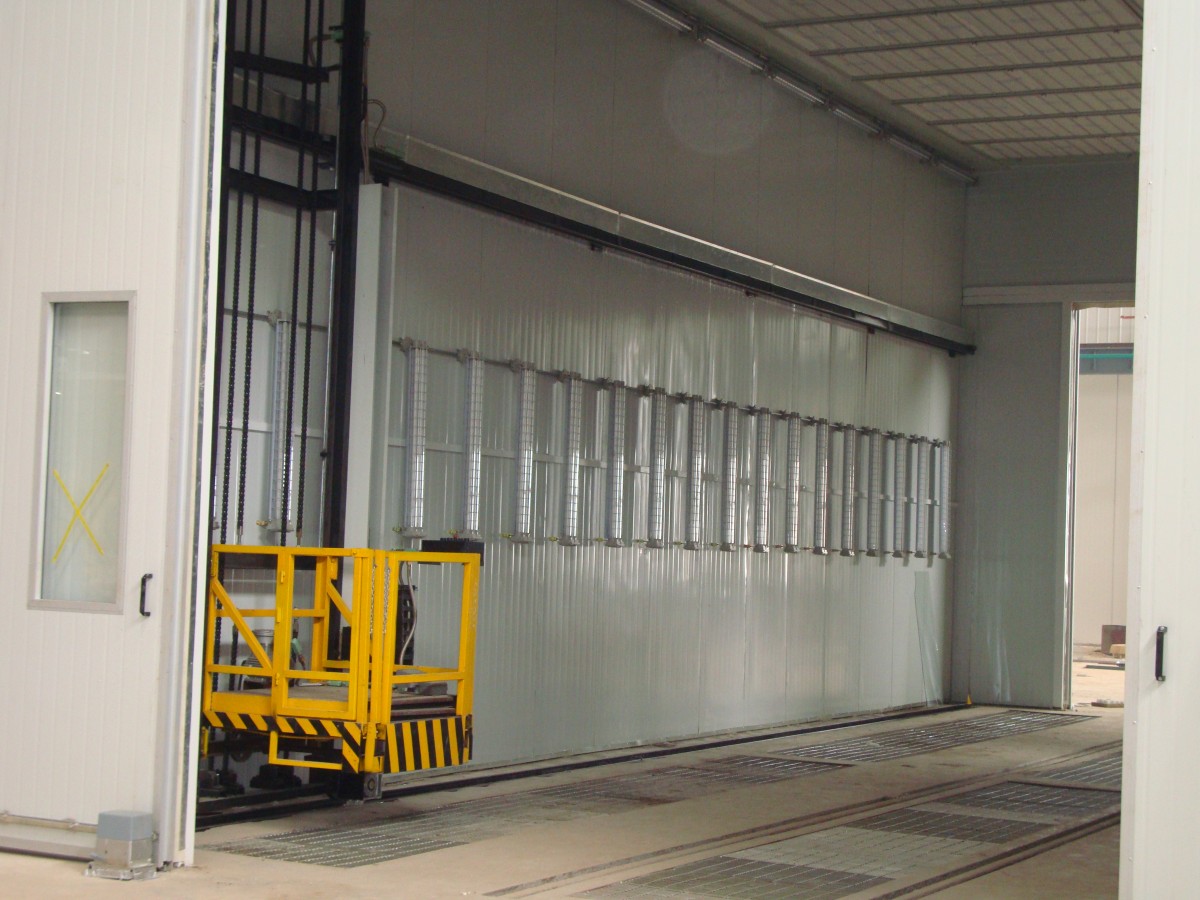
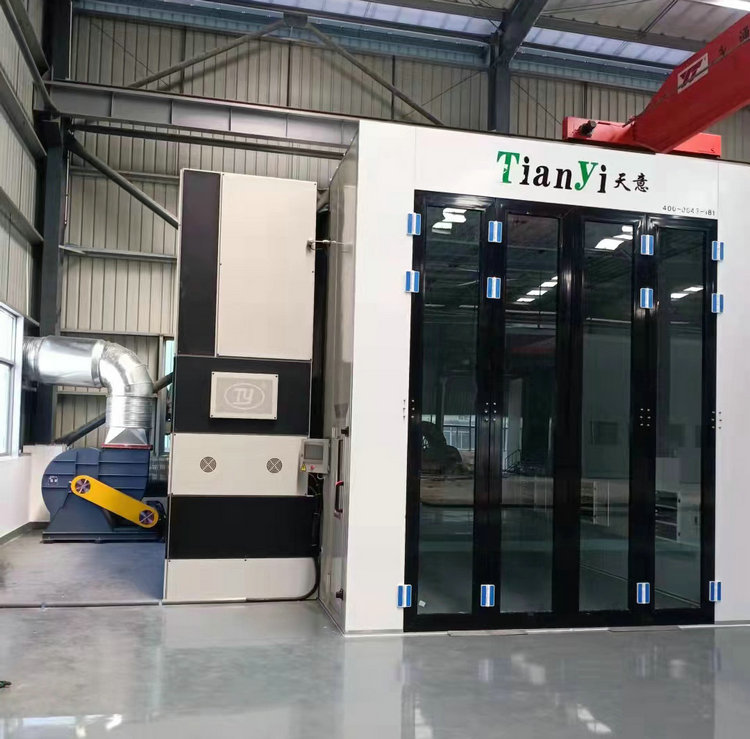
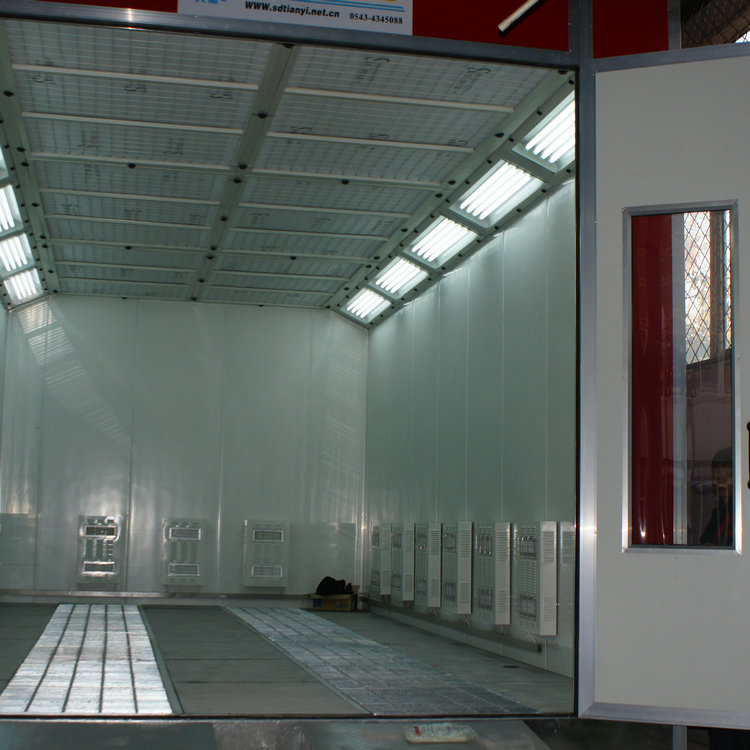
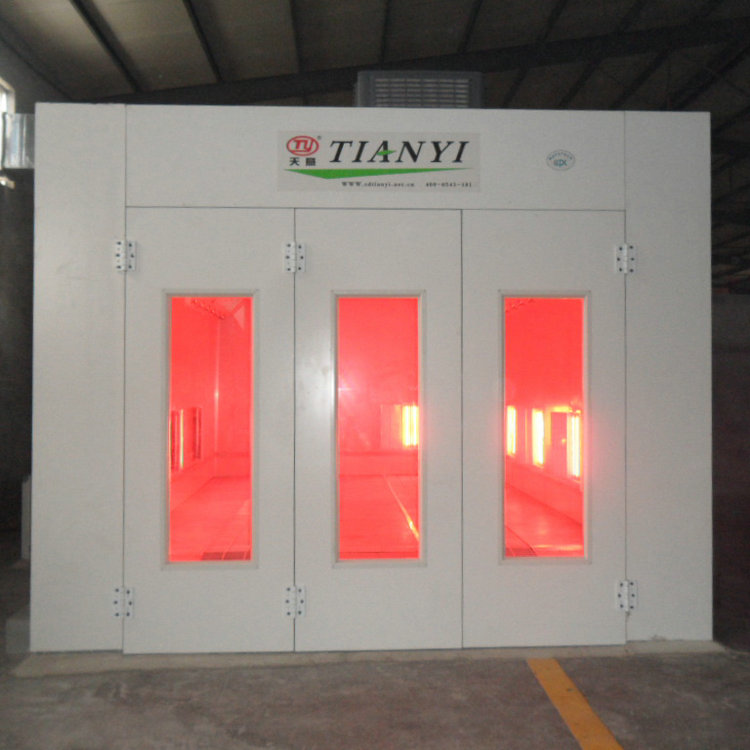
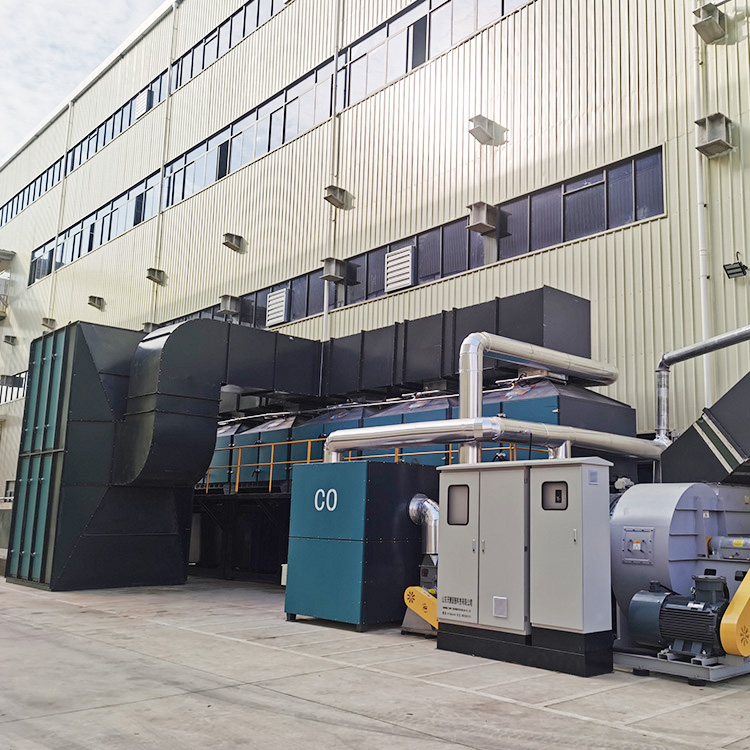
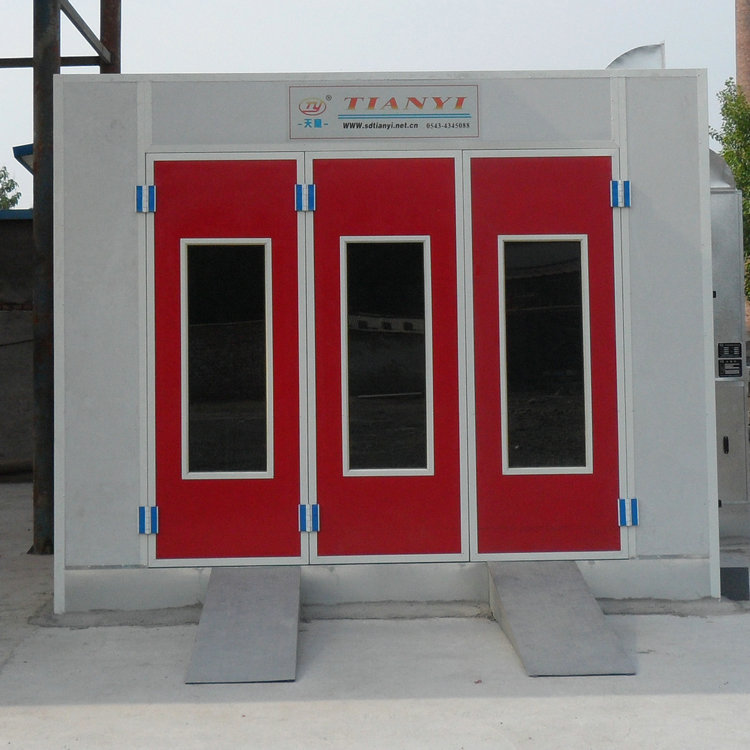
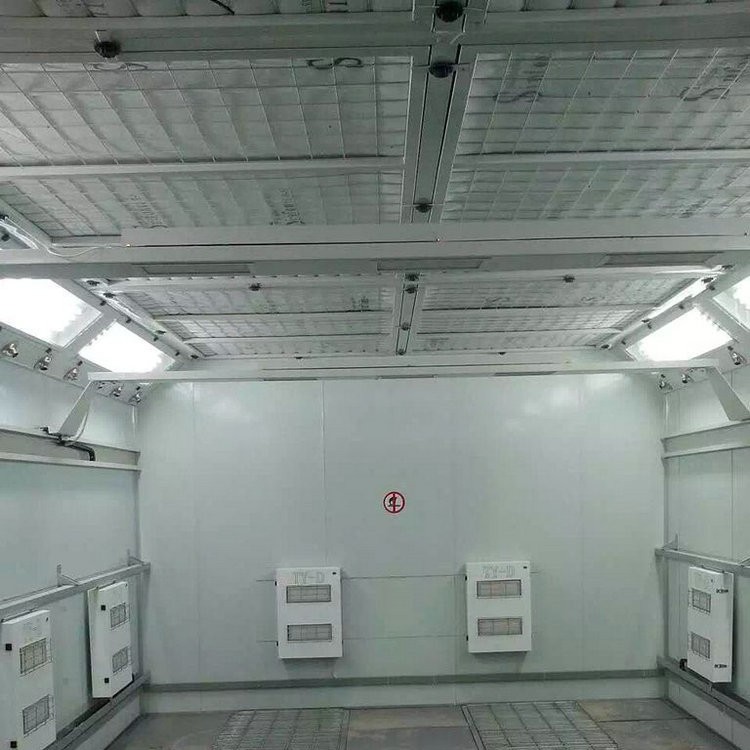
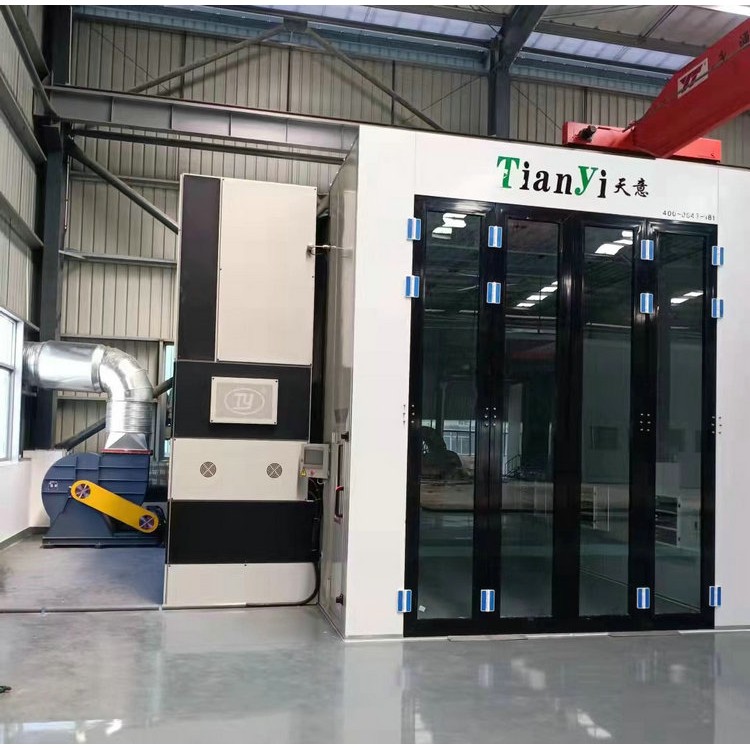
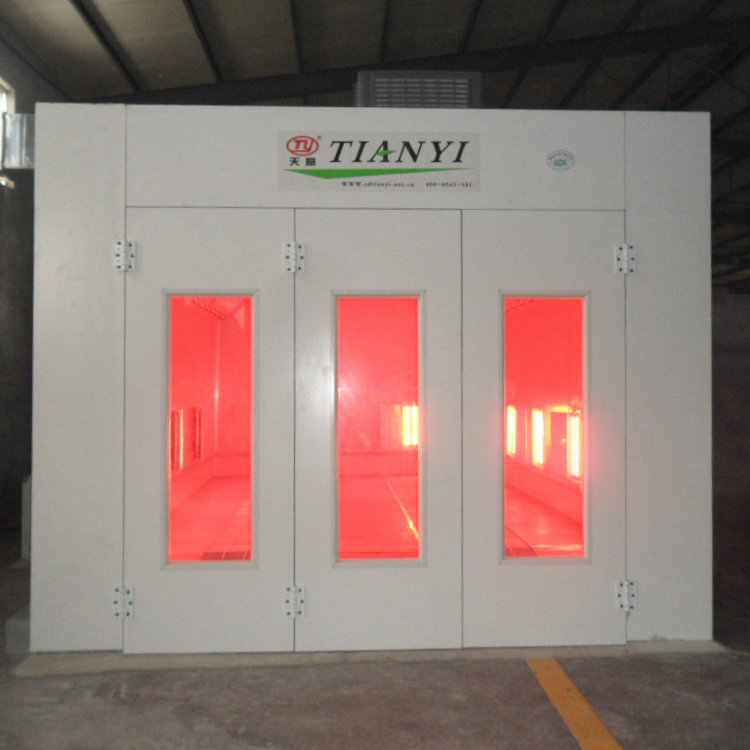
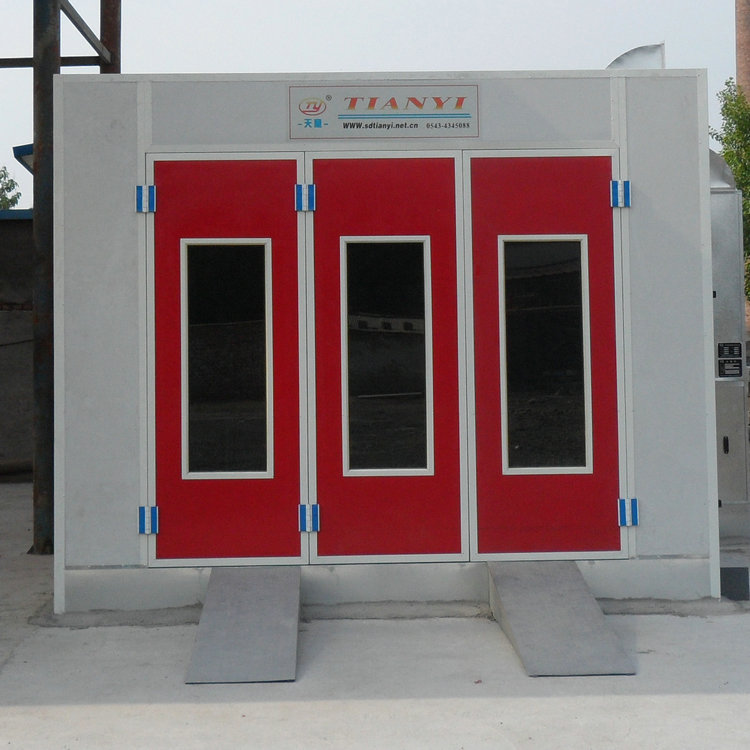
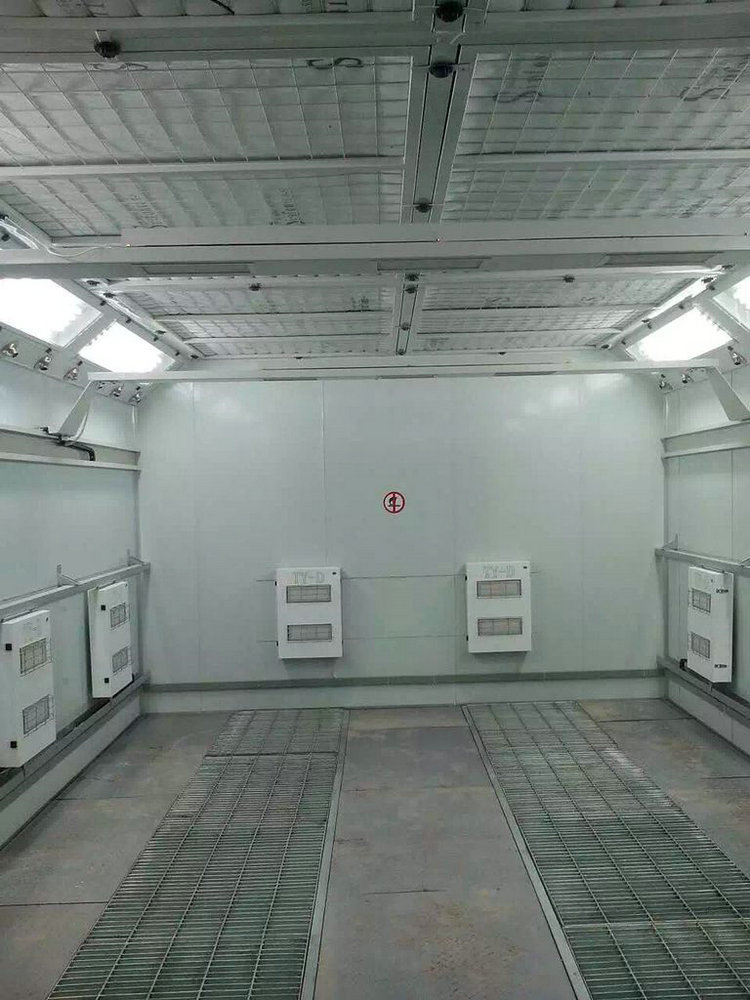
The entire spray curing room is a modular structure, featuring interlocking insulated spray-painted wall panels, ensuring good sealing and thermal insulation properties. The aluminum alloy framed door is equipped with a viewing window in the center, allowing for real-time observation of the room's interior. A service door is installed on the side of the room for convenient access by staff. The stainless steel heat exchanger offers high heat exchange efficiency and a long service life. Imported filter cotton and low-noise, high-airflow fans are used to ensure the perfect spray painting effect. The spray painting room provides: (1) a clean working environment; (2) complete collection of paint mist. The configuration of the spray painting room can vary according to the size, shape, weight, and production schedule of the workpieces, including open vs. closed, continuous vs. intermittent, automatic rotation vs. fixed, and single-sided vs. double-sided spraying. In recent years, oil curtain spray painting rooms and under-spray rooms have been developed. The structure should include: an air supply and filtering system, workpiece suspension (transmission, automatic rotation) devices, water curtain system, washing system, exhaust system, water trough, lighting equipment, and the room body. The principle of paint mist recovery: Paint mist recovery can be divided into two parts: First, during the painting process, the paint mist collides and mixes with the water curtain, some of which dissolve and fall into the water trough. Second, the paint mist that has not dissolved in the water curtain enters the washing chamber through the bottom gaps of the water curtain panel, where it is thoroughly mixed with the water mist emitted by the atomizing nozzle. After gas-liquid separation and settling, it flows into the water trough. Paint mist coagulants are added regularly to the water trough to form paint sludge.