









I. Introduction
The inedible waste treatment equipment for animal and poultry excrement utilizes solid-liquid separation and high-temperature, high-pressure sterilization methods to kill all bacteria, converting them into organic fertilizer or fish feed. The invention of this equipment truly addresses the method of harmless treatment. Through repeated tests and modifications over the past few years, its automation during processing, pollution-free process, environmental-friendly results, recyclability, and usability have garnered attention and praise from a wide range of users.
Part II: Principle
The result of the harmless treatment of animal and poultry feces waste (hereinafter referred to as harmless treatment) is to effectively sterilize and dehydrate the waste through a process of solid-liquid separation to remove most of the moisture, followed by high-temperature drying. After that, through the addition of microbial strains, qualified compound fertilizers are produced, achieving complete recycling and utilization of the waste.
III. Process Flow
Livestock manure waste is collected and stored in an underground tank for temporary containment after being sealed.
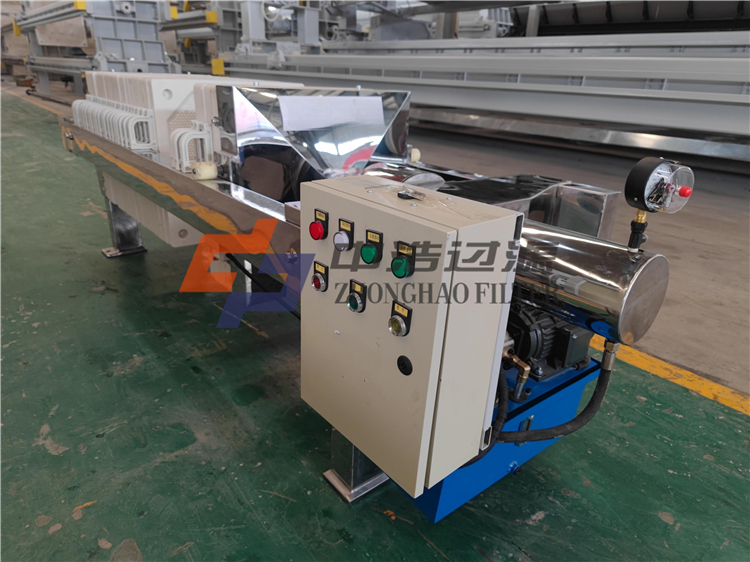
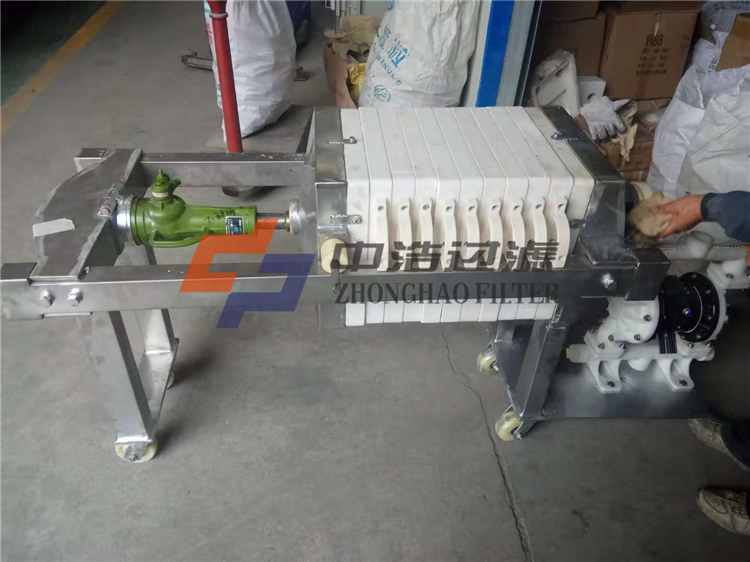
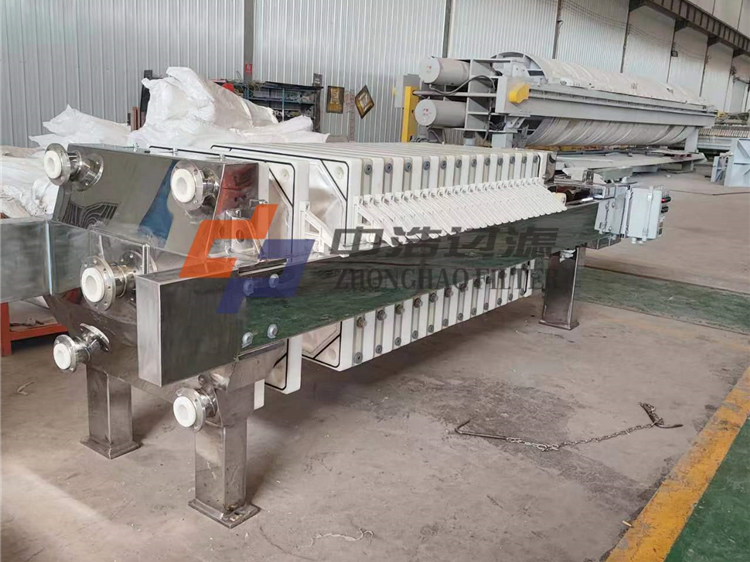
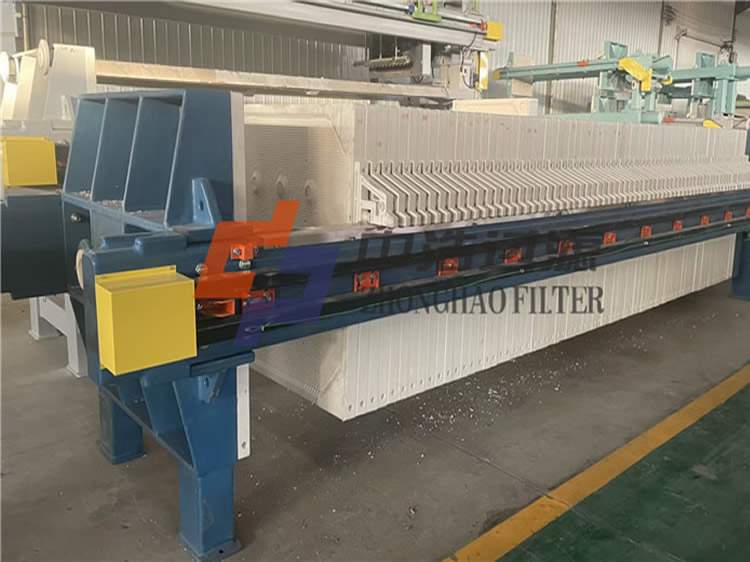
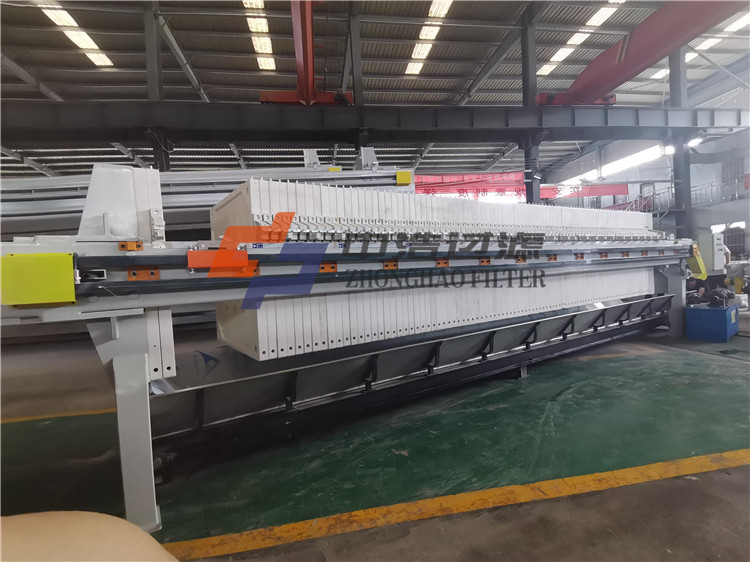
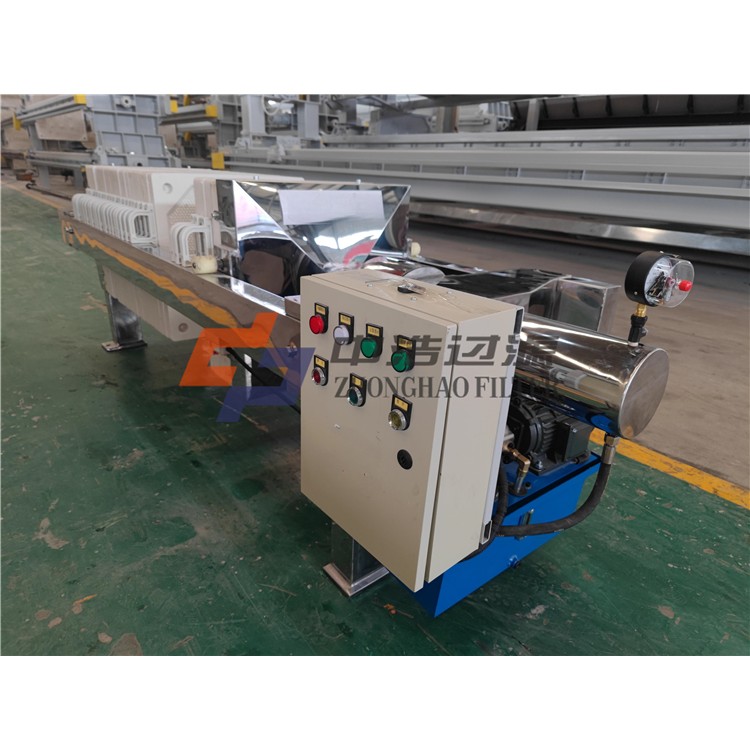
2. Dehydrated using a solid-liquid separator to reduce moisture content to below 50%.
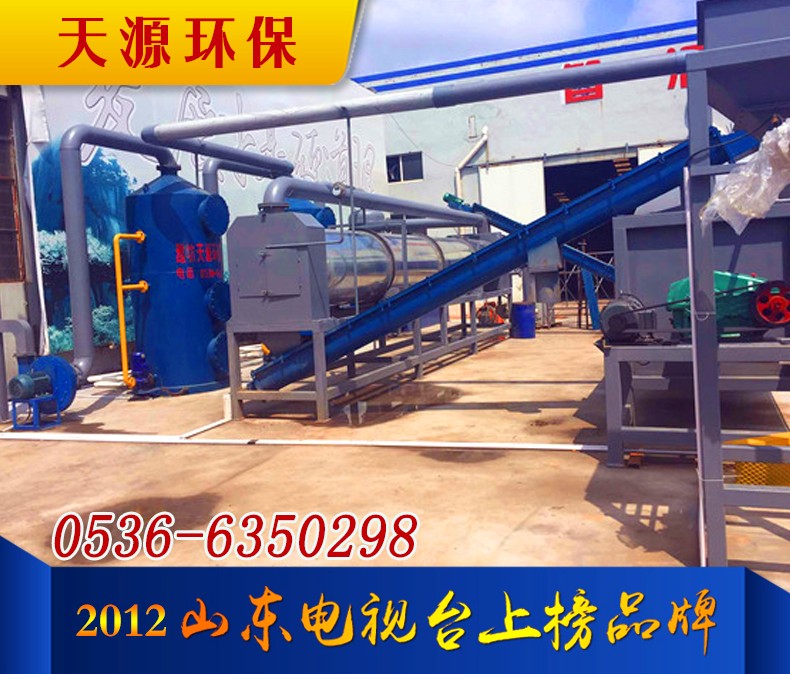
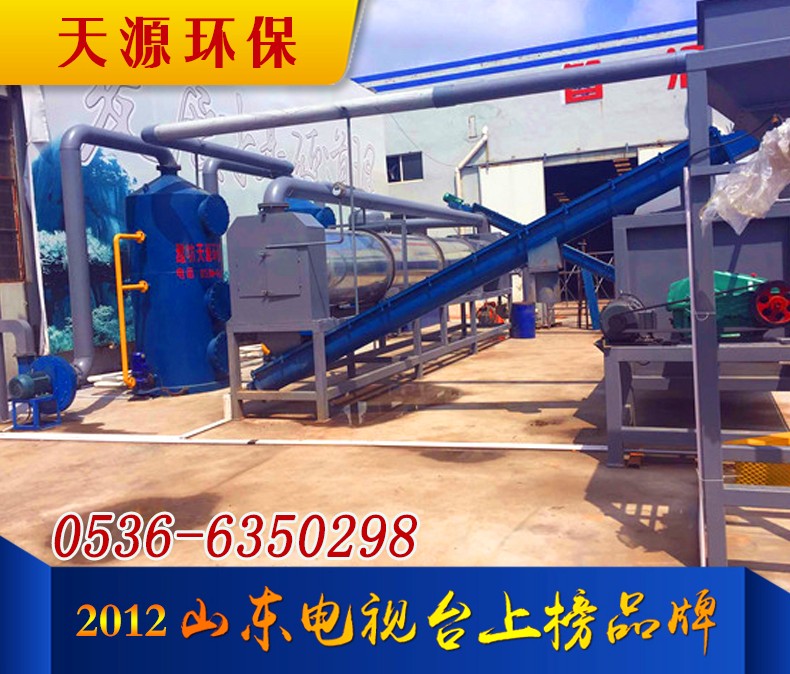
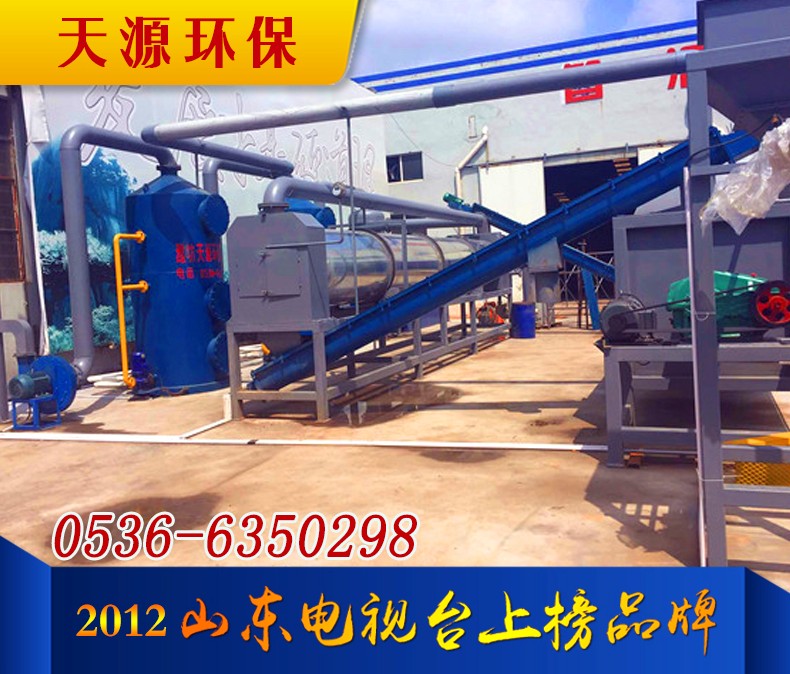
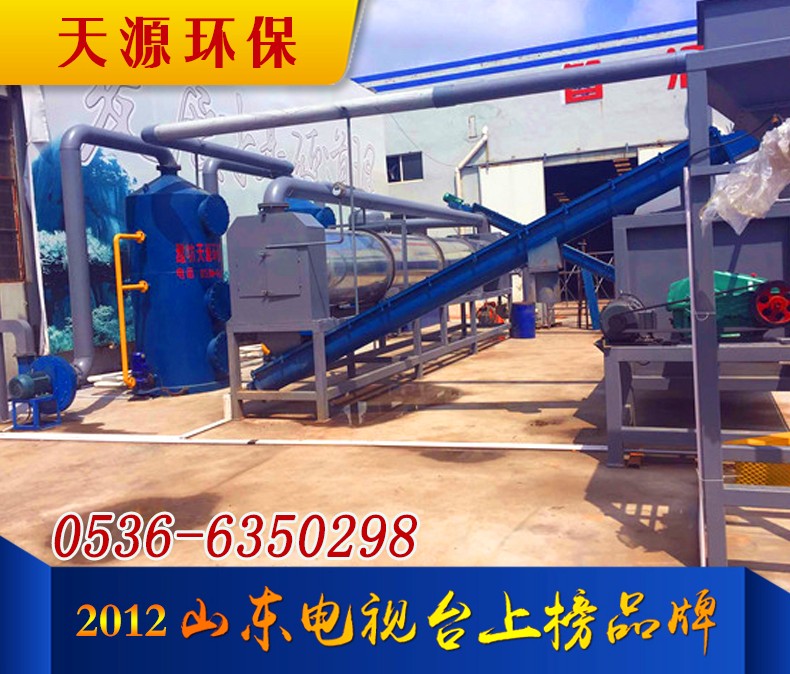
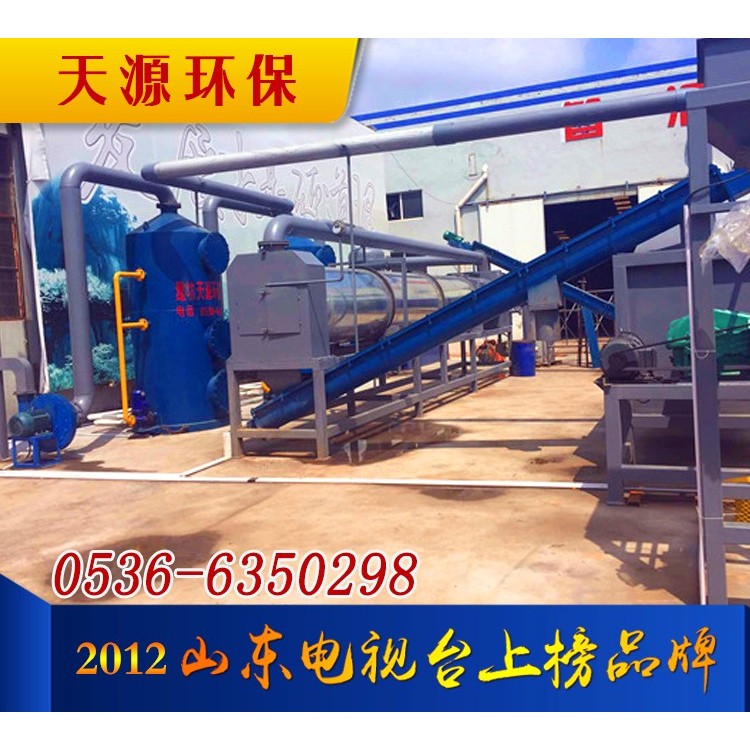
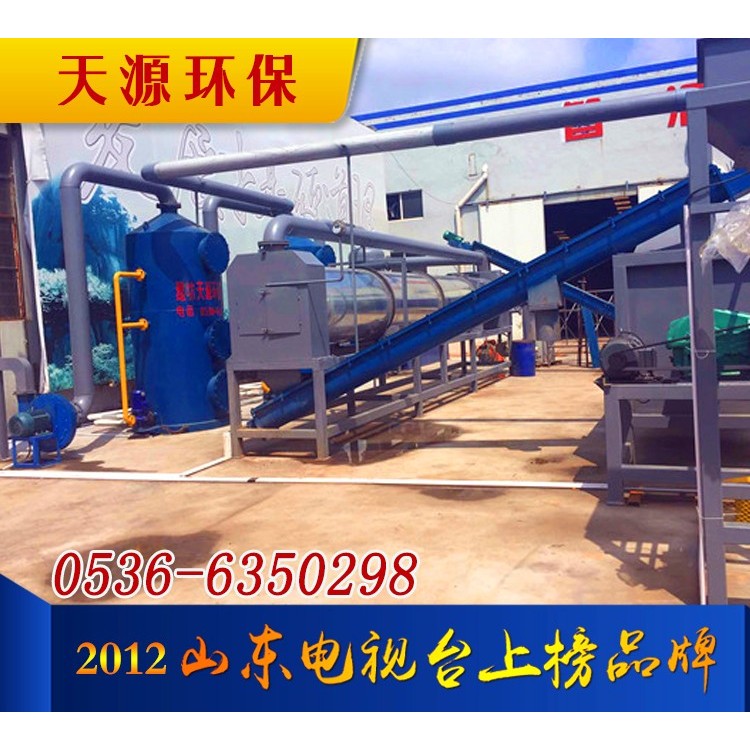
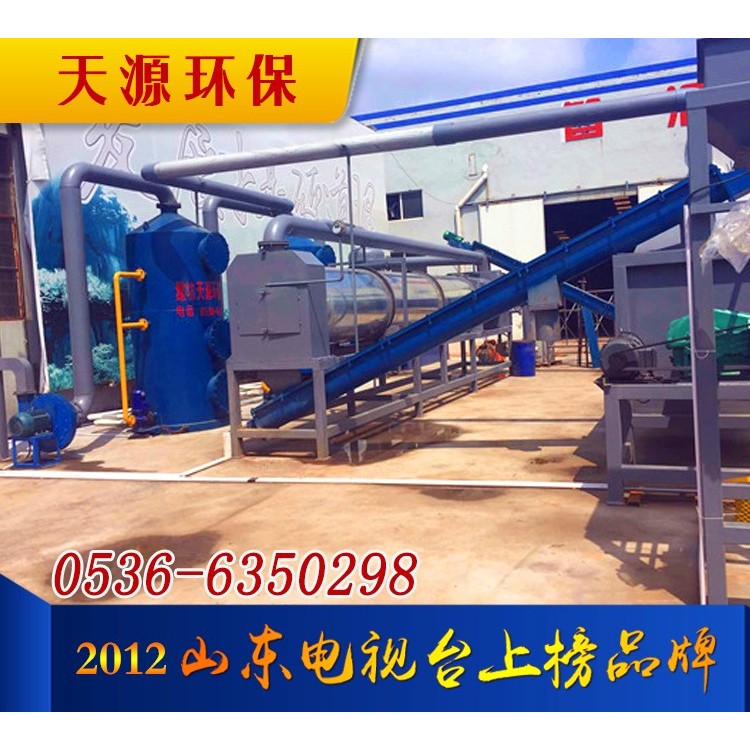
3. The dried manure is temporarily stored in a material warehouse (capable of holding up to 2 cubic meters of material). The screw conveyor is then activated to transport the material to the automatic feeding system. The material is directly and uniformly conveyed to the feeding end of the drum dryer through the screw conveyor in a sealed environment. The slope of the feeding pipeline must be greater than the natural angle of repose of the material to ensure smooth flow into the dryer. The drum dryer's cylinder is a slightly inclined rotating cylinder from the horizontal line. Material is added at the higher end, with the heat carrier entering from the lower end, counterflowing with the material, and sometimes flowing together with the material into the cylinder. As the cylinder rotates, the material is moved by gravity to the lower end. During the forward movement of the wet material inside the cylinder, it is directly or indirectly heated by the heat carrier, allowing it to dry. Then, it is discharged through a conveyor belt or a screw conveyor at the outlet end. Scrapers are mounted on the inner wall of the cylinder, which function to lift and sprinkle the material, increasing the contact surface between the material and the airflow to enhance the drying rate and promote material movement.
4. After the heat carrier passes through the dryer, a cyclone dust collector is typically required to trap the material carried by the gas. For further reduction of dust content in the exhaust gases, use a wet dust collector before discharge.
5. Waste gases produced during the drying and fermentation processes are purified through a dust collector, then washed with spray淋, and used for biological aeration in the wastewater treatment section. After passing through a dryer, the heat carrier typically requires a cyclone dust collector to capture the material carried in the gas. For further reduction of dust content in the exhaust, a wet dust collector is used before discharge.
6. Environmental-friendly Waste Incinerator
All types of flammable waste, combustibles, and coal are acceptable. Fill up once, generating a substantial amount of heat, and it's environmentally friendly with no pollution.
7. Wastewater Treatment Section:
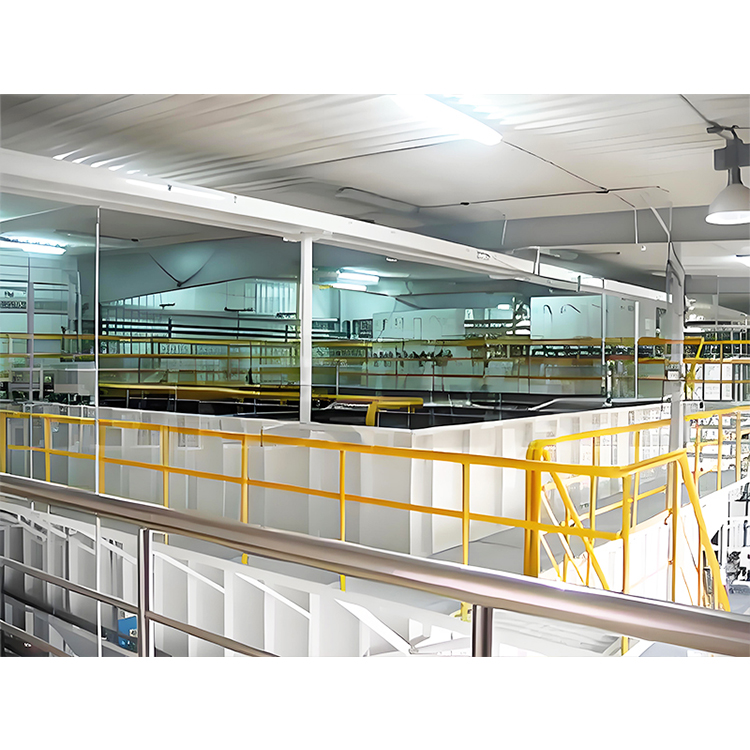
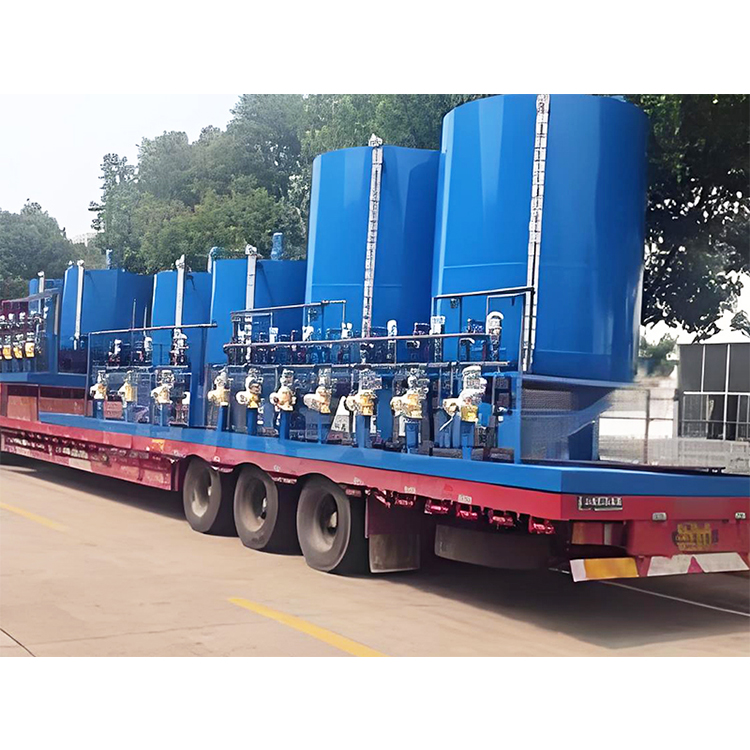
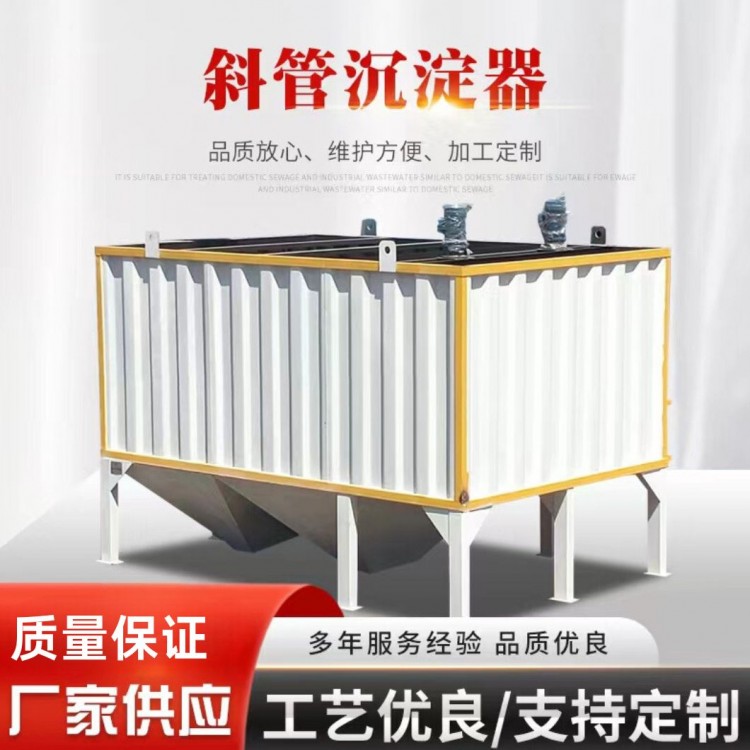
Waste water and dust and odor removal spray water from the solid-liquid separation of animal and poultry feces are temporarily stored in sedimentation ponds. In the coagulation sedimentation pond, organic colloids and particles in the wastewater are adsorbed and trapped at the bottom of the inclined tube sedimentation pond through the adsorption bridging of flocculants. These are then returned to the temporary storage pond via sludge pumps. At the same time, the remaining sludge in the secondary sedimentation pond is periodically and quantitatively discharged into the temporary storage pond.
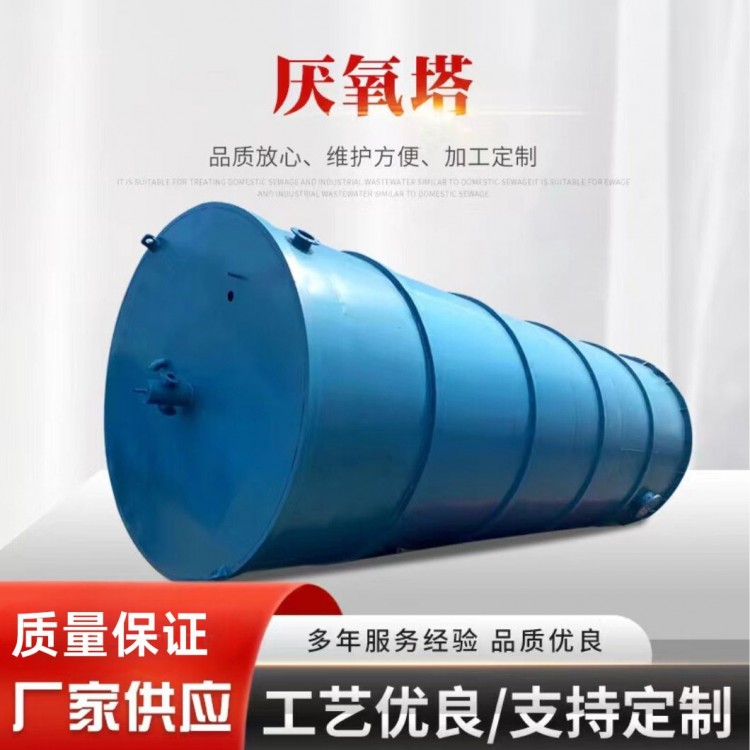
8. Treated wastewater is reused for dust suppression and odor control. The remaining portion can be processed through an MBR reaction pond and meet emission standards.
Four: Process Features
Short processing time
(2) High processing capacity
(3) No secondary pollution generated