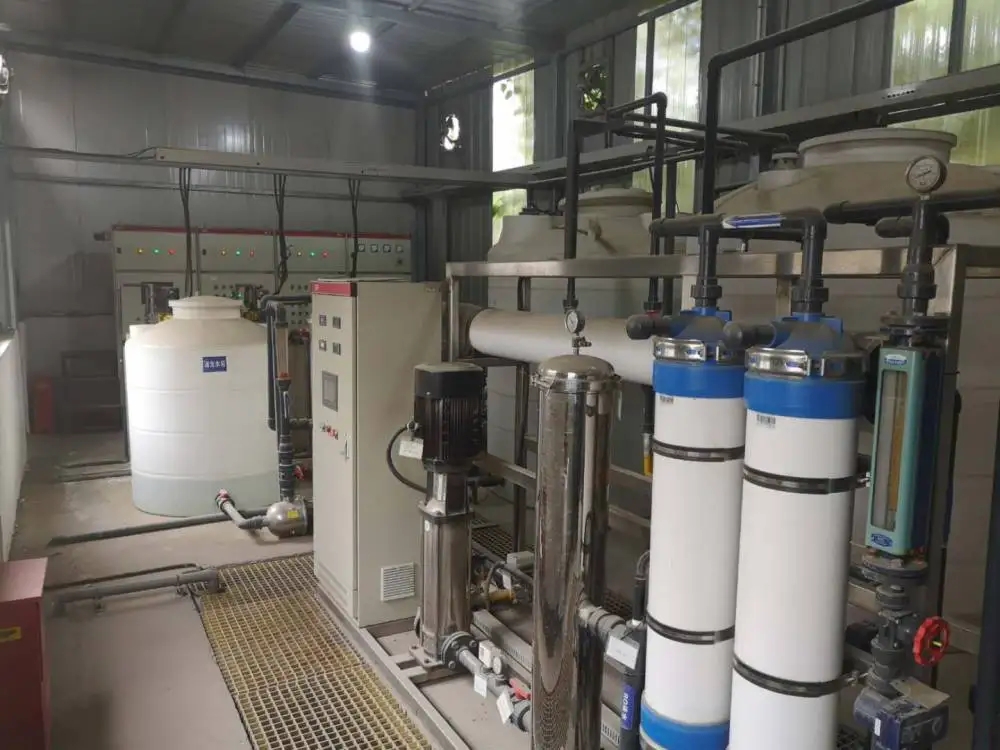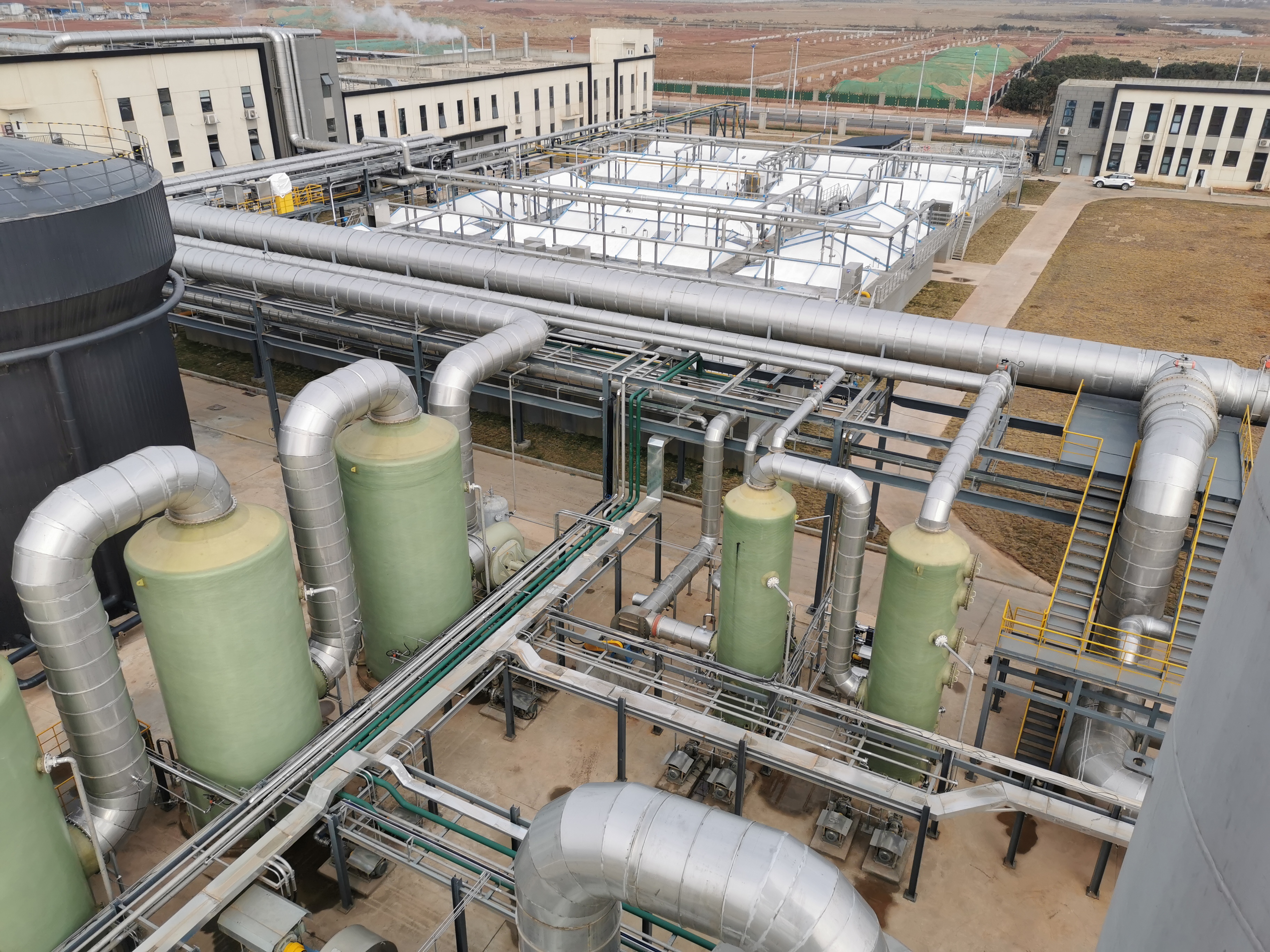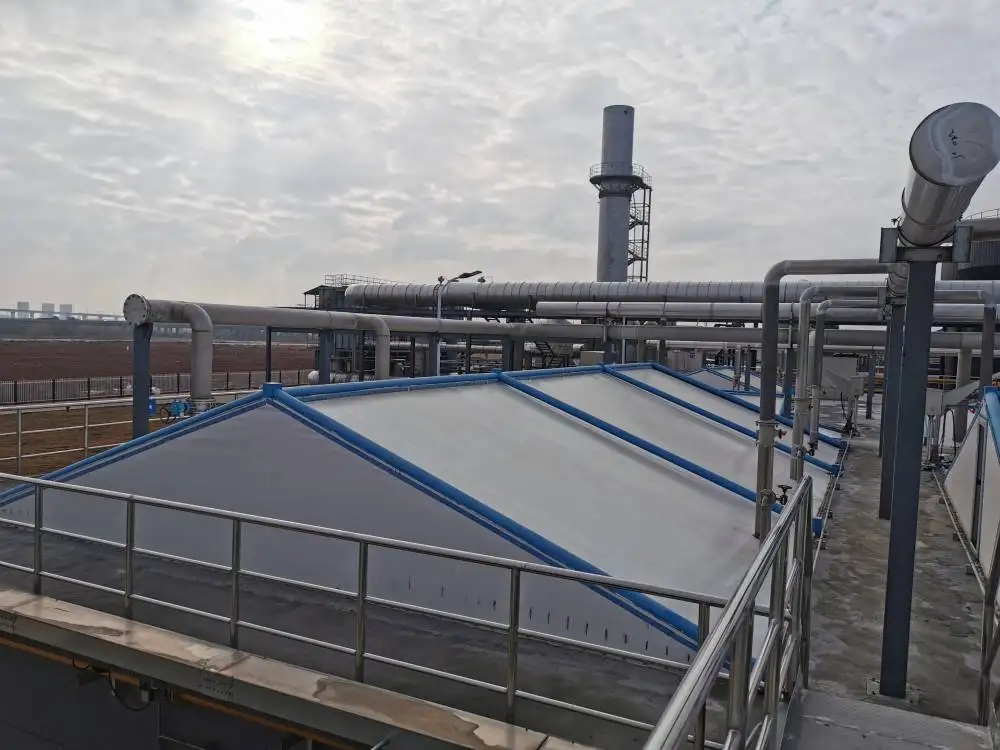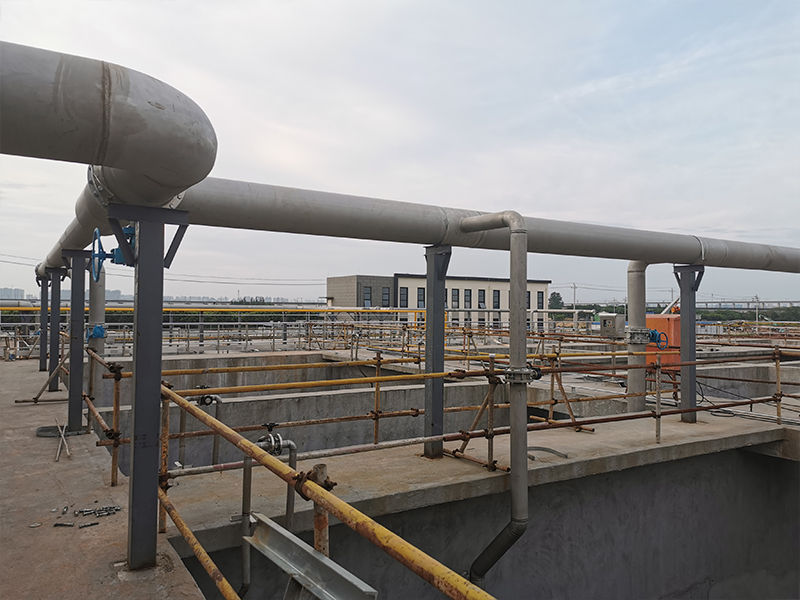



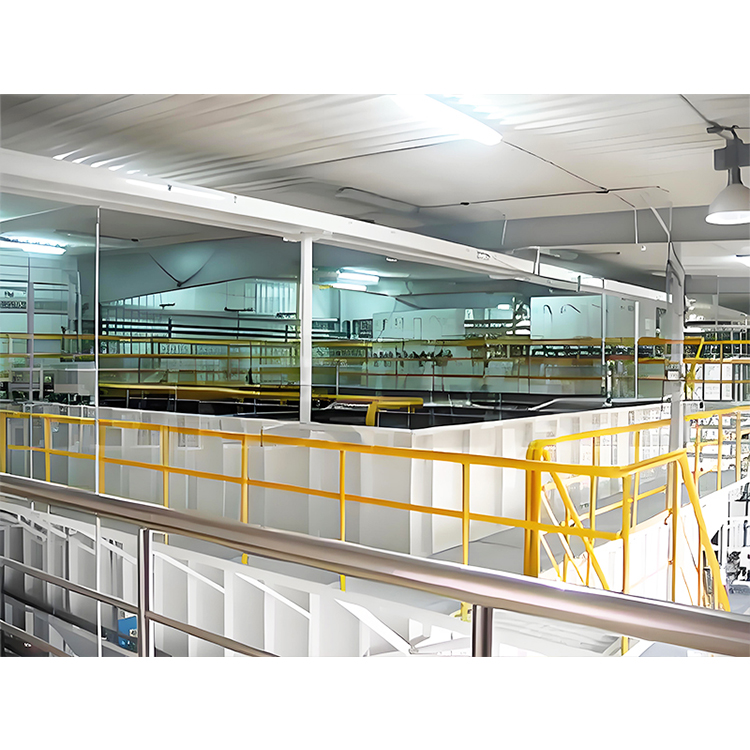
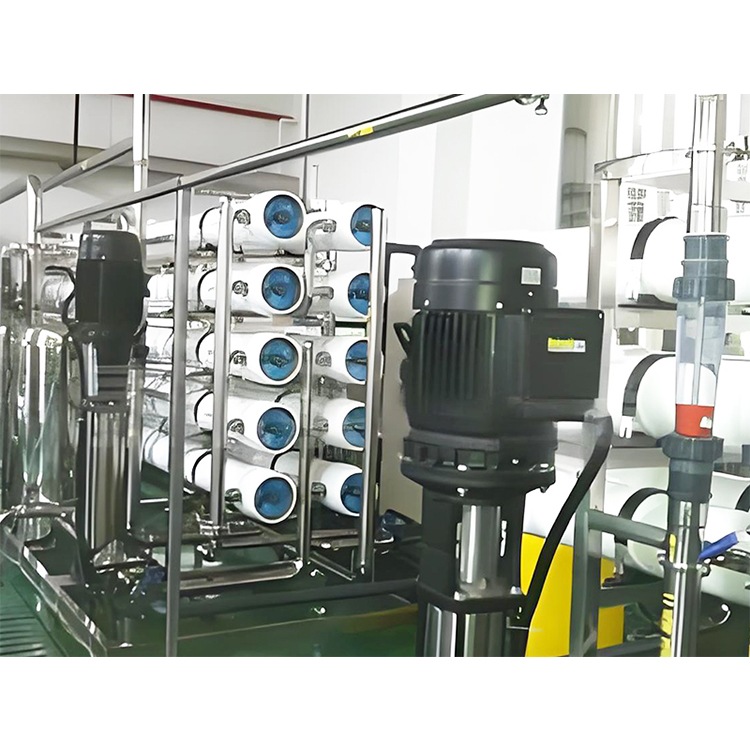
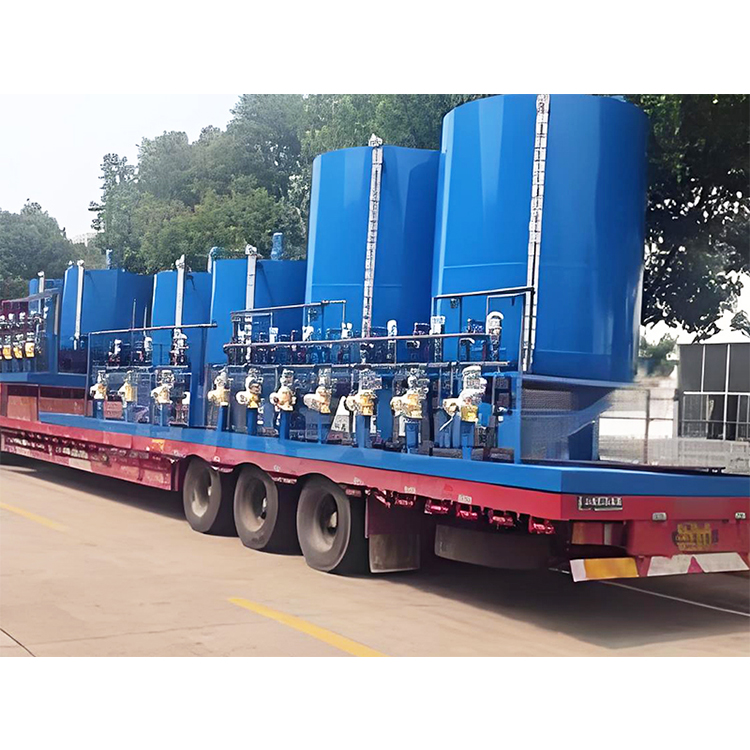
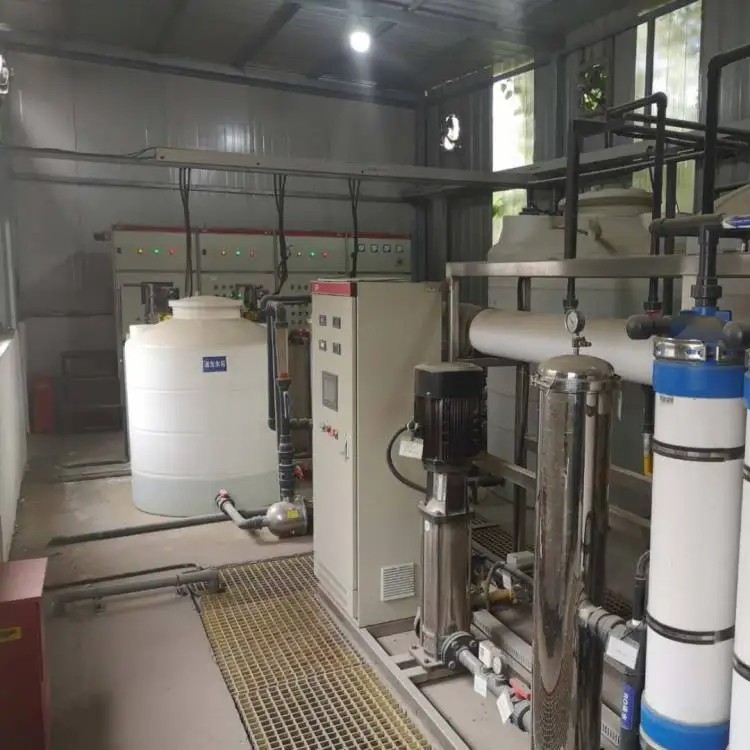





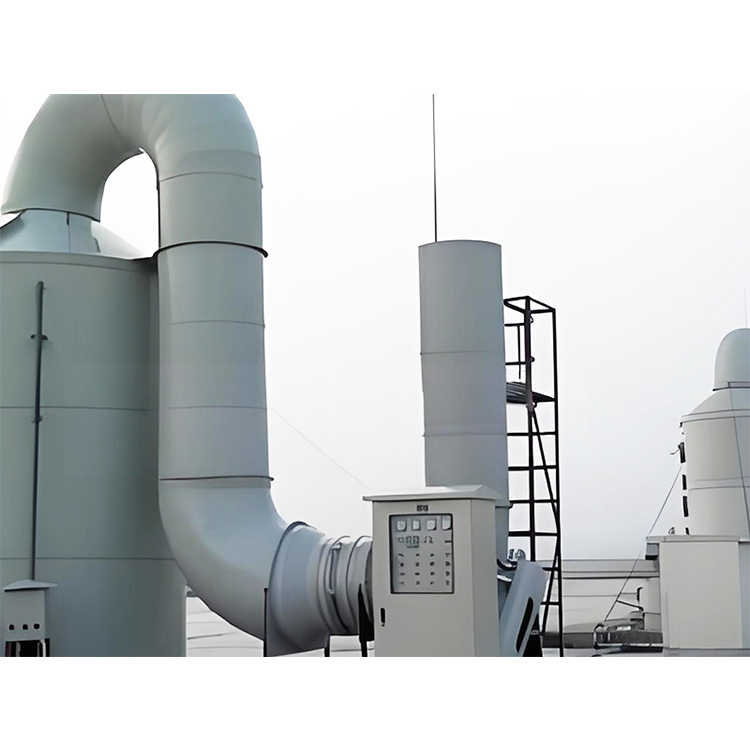
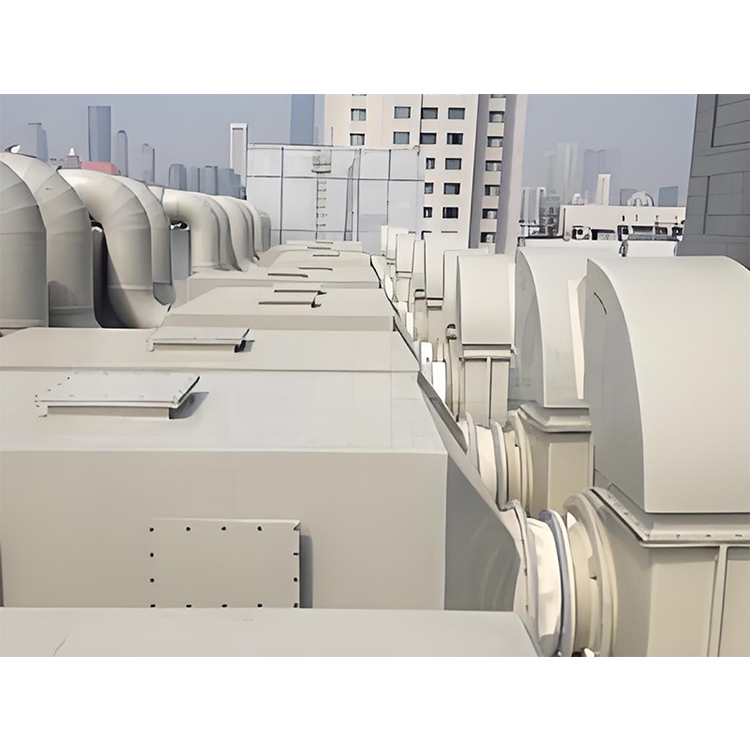
The laboratory wastewater treatment system is one of the core facilities ensuring the safe operation of laboratories and preventing environmental pollution. Its design and operation must strictly match the complexity of laboratory wastewater composition and the fluctuating characteristics of water quality, while complying with national and local environmental protection emission standards (such as the "Comprehensive Wastewater Emission Standard" GB 8978-1996, "Technical Specifications for Laboratory Wastewater Treatment," etc.). The following section provides a detailed explanation of the system's core elements, treatment process, key technologies, design principles, and maintenance points to help understand its functions and applications.
Core Treatment Process of Laboratory Wastewater Treatment System
The system typically follows a four-step process of "pre-treatment → main treatment → deep treatment →达标排放/回用," with different procedures for various types of wastewater, all centered around "collect by quality first, then classify and treat."
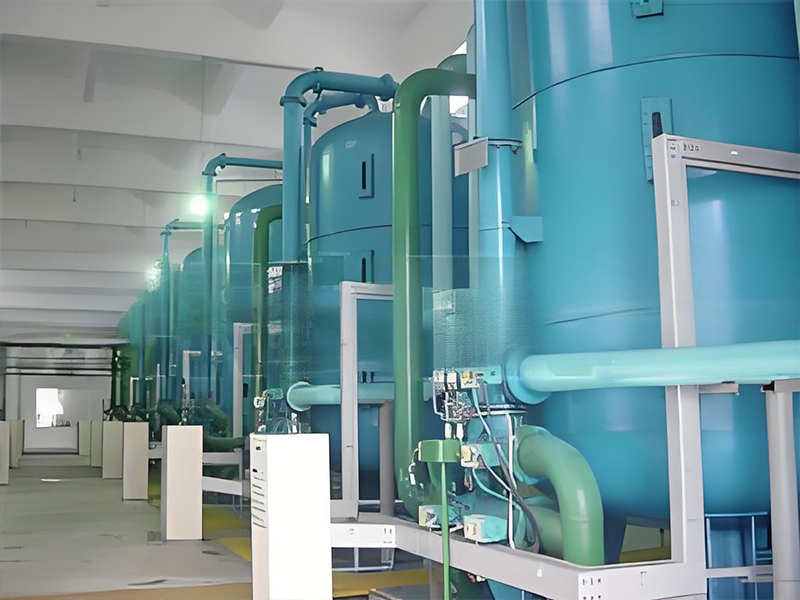
1: Quality-separated Collection (Pre-treatment Requirement)
Core Objective: Prevent secondary pollution from the mixture of different types of wastewater (such as heat generation from mixing strong acid with strong base, and the formation of highly toxic hydrogen cyanide gas from cyanide wastewater and acidic wastewater), while reducing the difficulty of subsequent treatment.
Implementation Method:
Special waste collection drums/piping for laboratory setup, labeled by "Inorganic/Organic/Biological" categories, no mixing allowed.
Hazardous wastewater containing heavy metals, cyanides, etc., must be collected separately. Use "small mouth sealed drums + corrosion-resistant materials (PP/PTFE)" to prevent leakage.
Biological wastewater must undergo disinfection pretreatment before being connected to the collection system to prevent the spread of microorganisms.
2: Pretreatment (Reduction of Pollutant Load)
Preliminarily remove "high-risk pollutants" from various types of wastewater to alleviate the subsequent main treatment process.
Inorganic wastewater pretreatment:
Acid-Base Neutralization: Adjust pH to 6-9 by means of an automatic dosing device (such as adding NaOH to neutralize acidic wastewater, or H₂SO₄ to neutralize alkaline wastewater).
Heavy Metal Sedimentation: Add sulfides (e.g., Na₂S) or hydroxides (e.g., Ca(OH)₂) to precipitate heavy metal ions (e.g., PbS, Hg(OH)₂) into insoluble precipitates, and then separate them through the sedimentation tank.
Organic Wastewater Pretreatment:
Solvent Recovery: For high-concentration organic solvents, recover and reuse through distillation/extraction (reduce processing costs, minimize waste).
Oxidative Breakdown: For refractory organic substances (such as phenols), add an oxidizing agent (such as H₂O₂, NaClO) or use "Fenton Oxidation" (Fe²⁺ + H₂O₂) to decompose large molecular organic substances into small, easily degradable substances.
Biological wastewater pretreatment:
Sterilization and Disinfection: Utilize "Chemical Disinfection" (effective chlorine concentration ≥ 50mg/L) or "Physical Disinfection" (ultraviolet radiation, dose ≥ 20000μW・s/cm²) to eliminate pathogenic microorganisms, preventing microbial proliferation and pipeline blockage during subsequent processing.
3: Primary Processing (Core Pollutant Removal)
Select targeted technology based on wastewater type to ensure pollutant concentrations are reduced to nearly meet discharge standards.