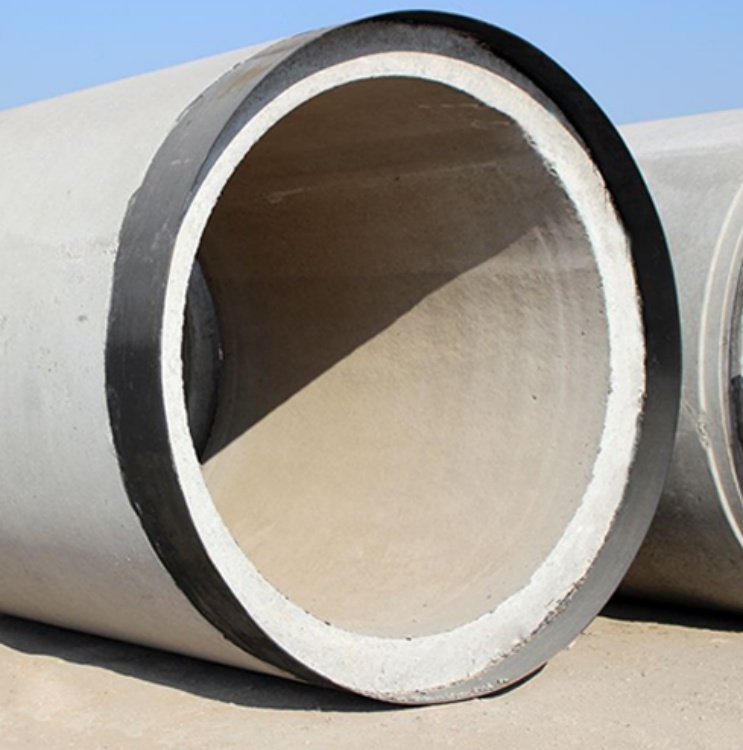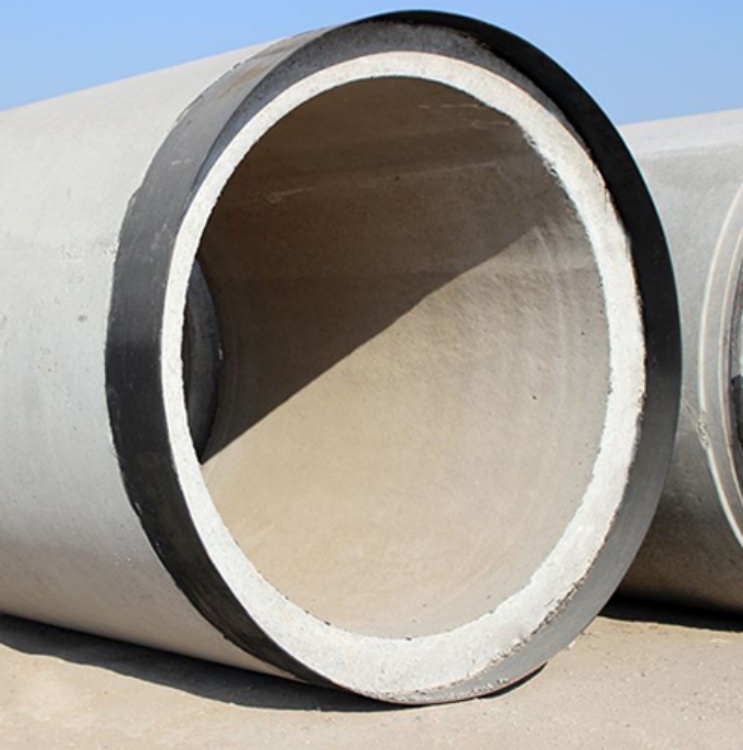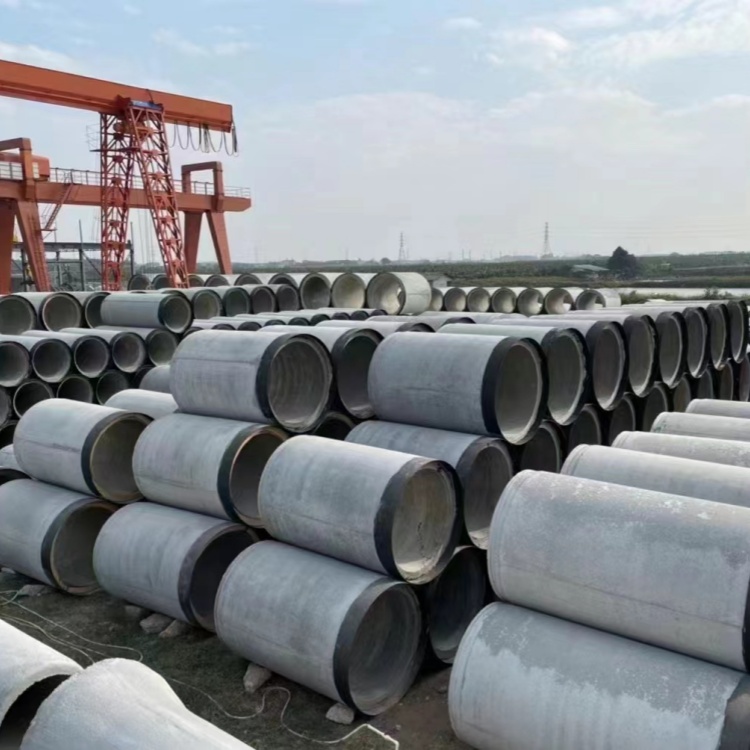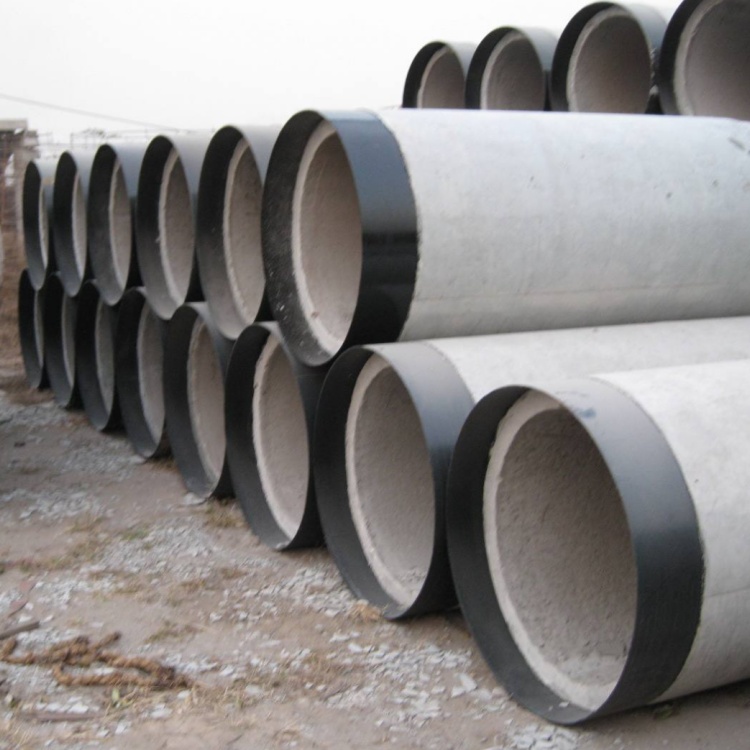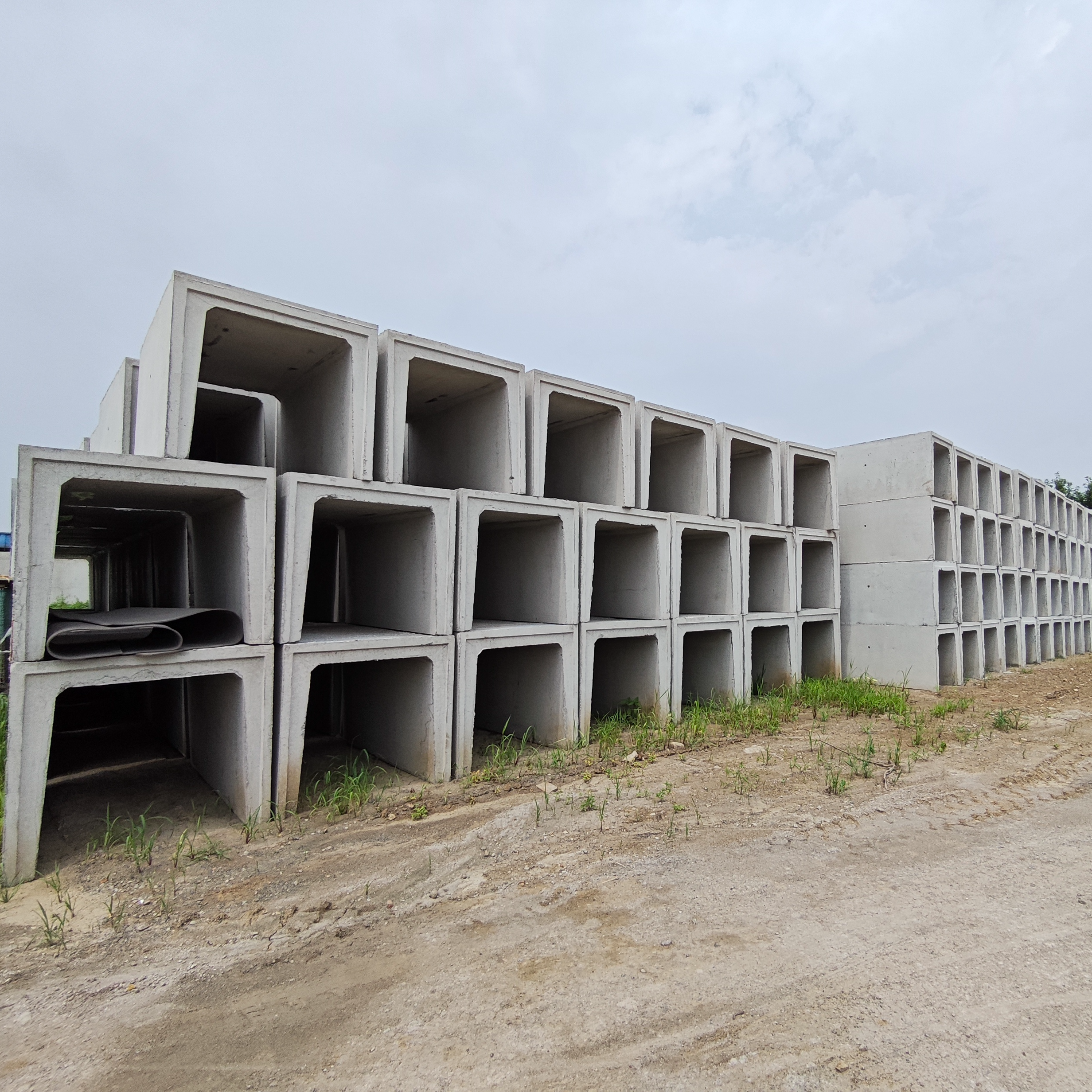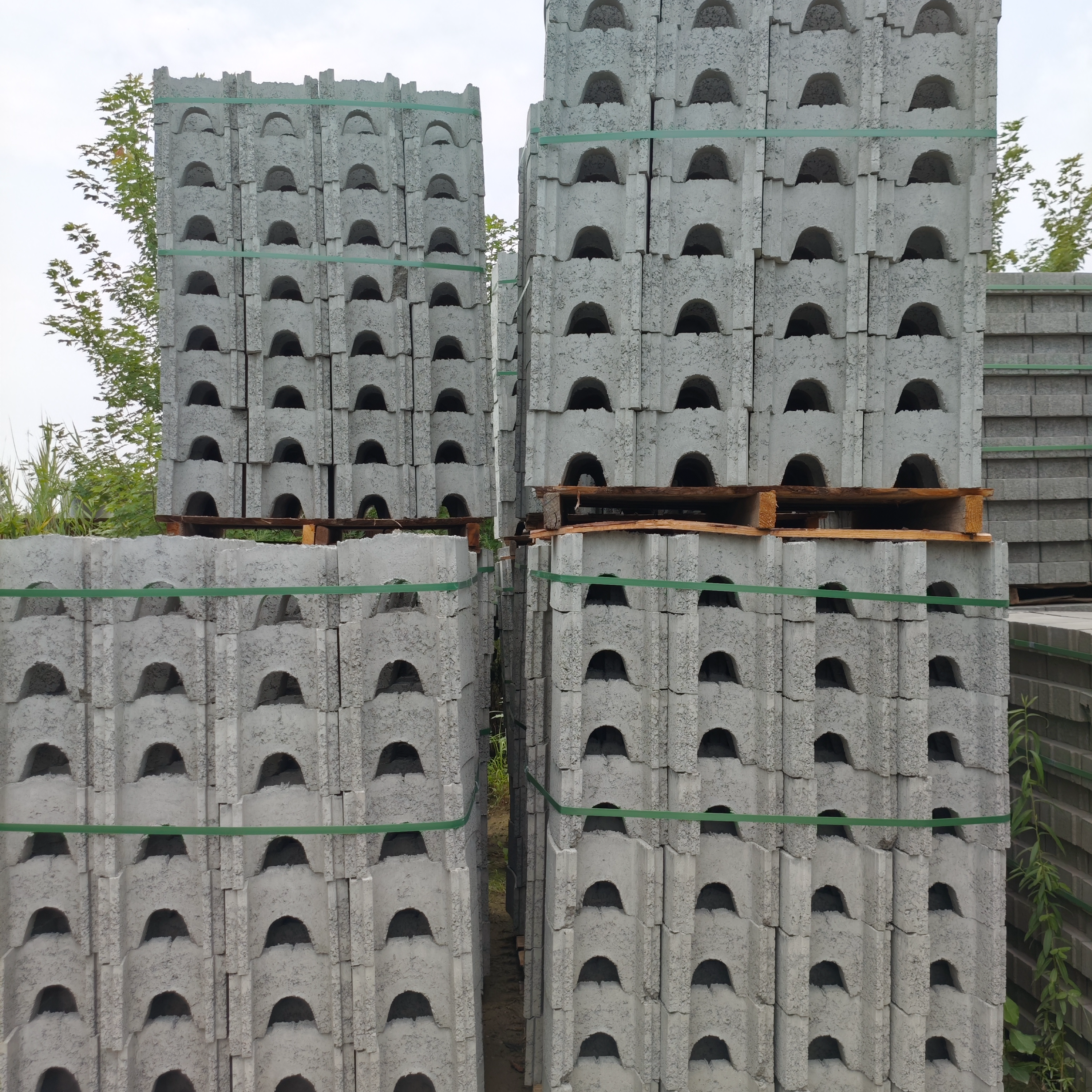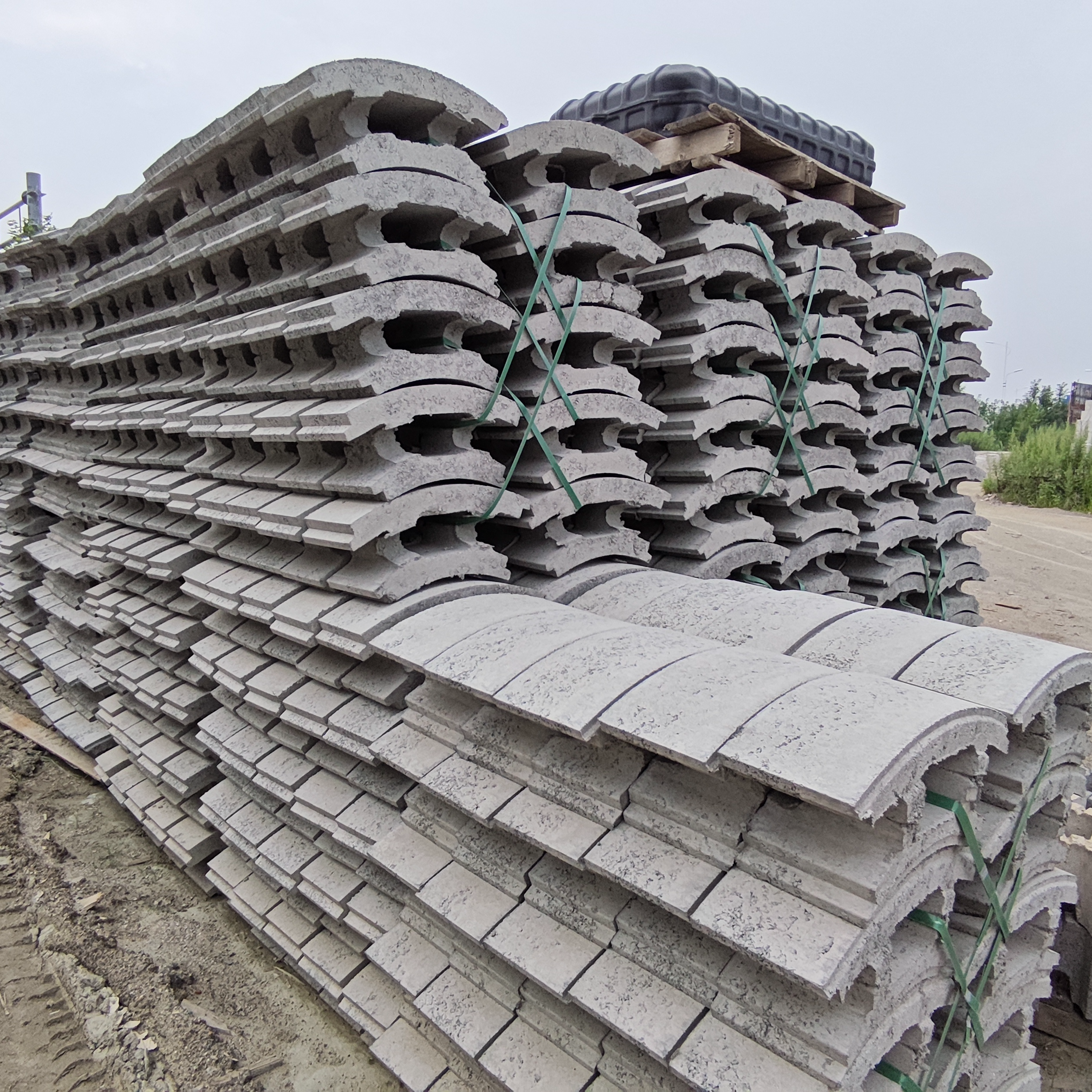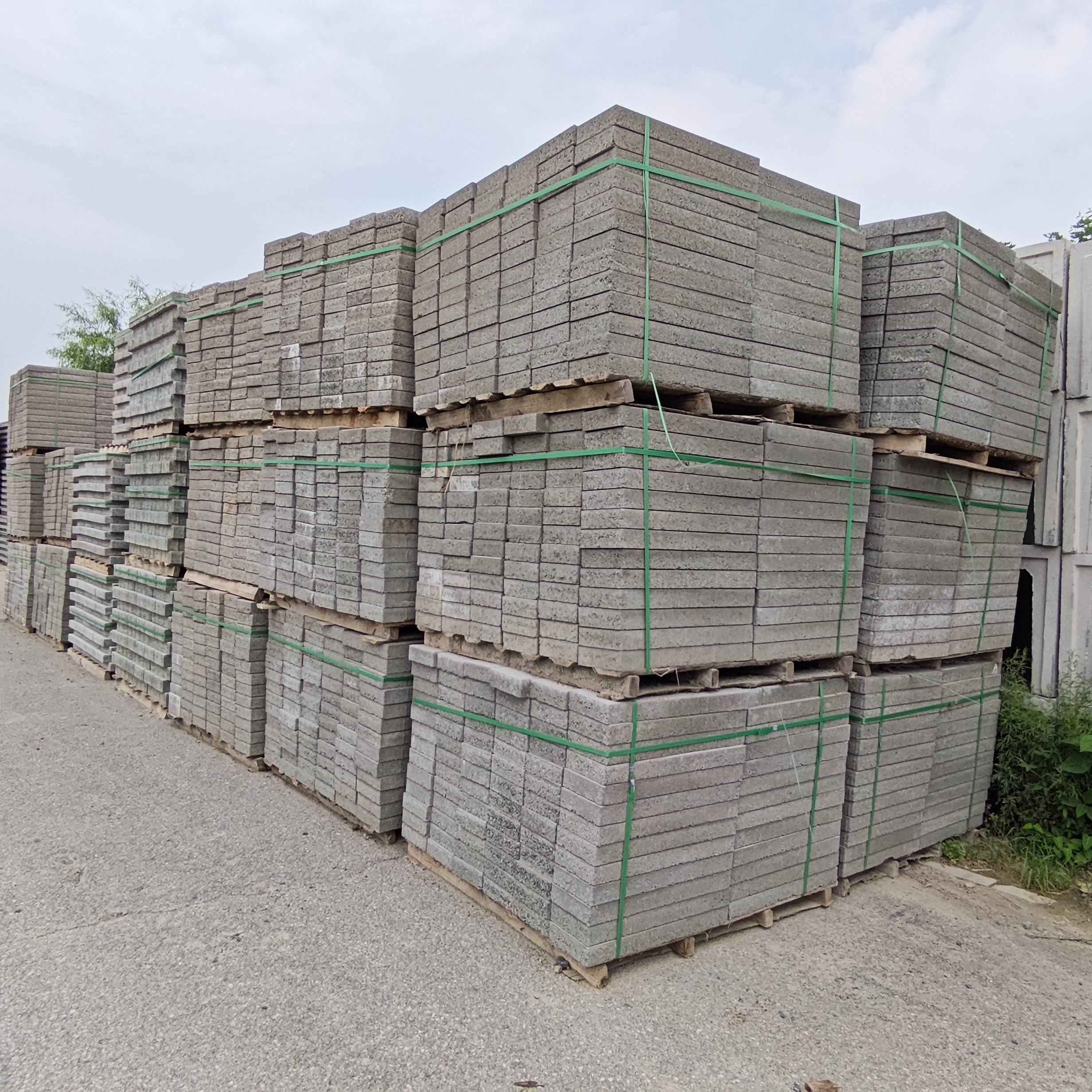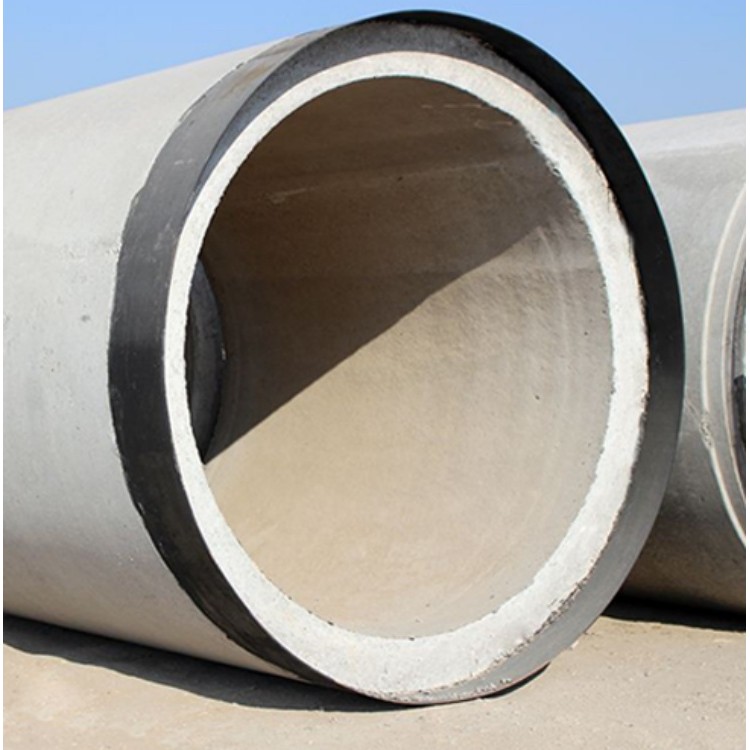

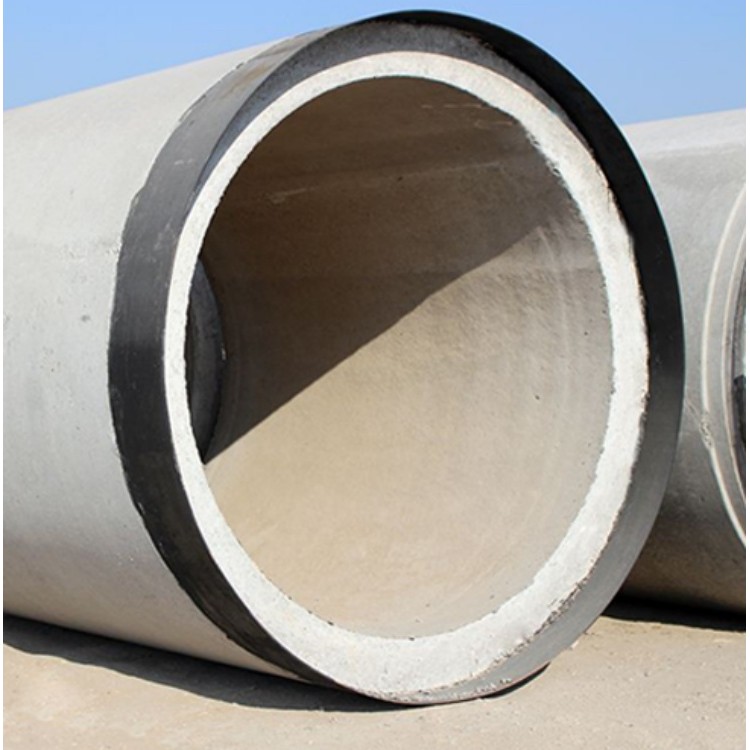


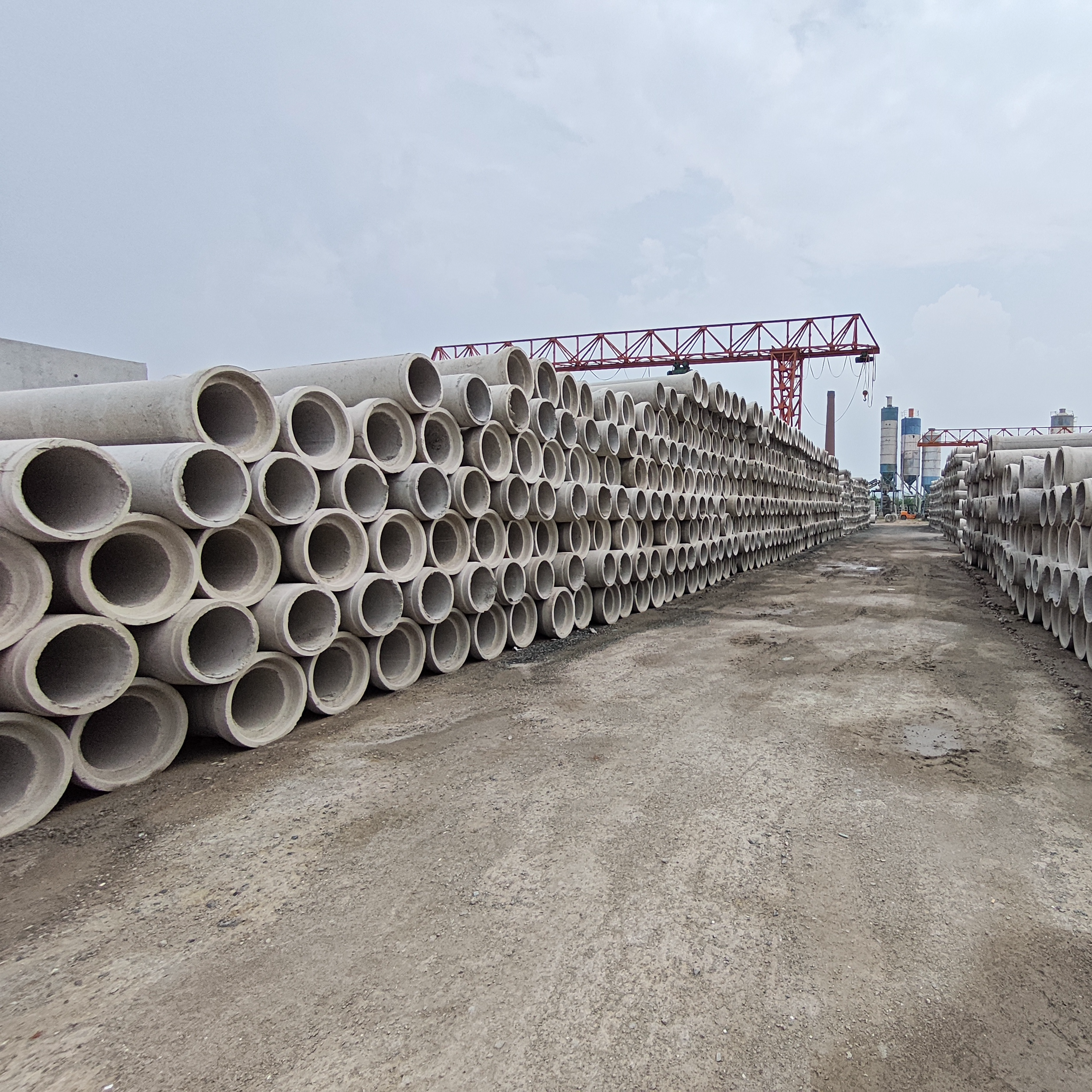





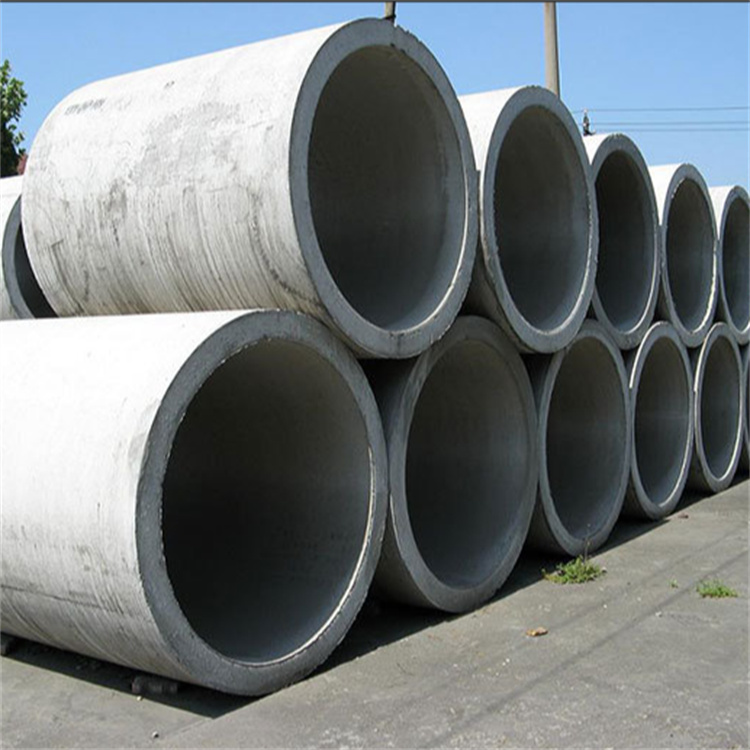
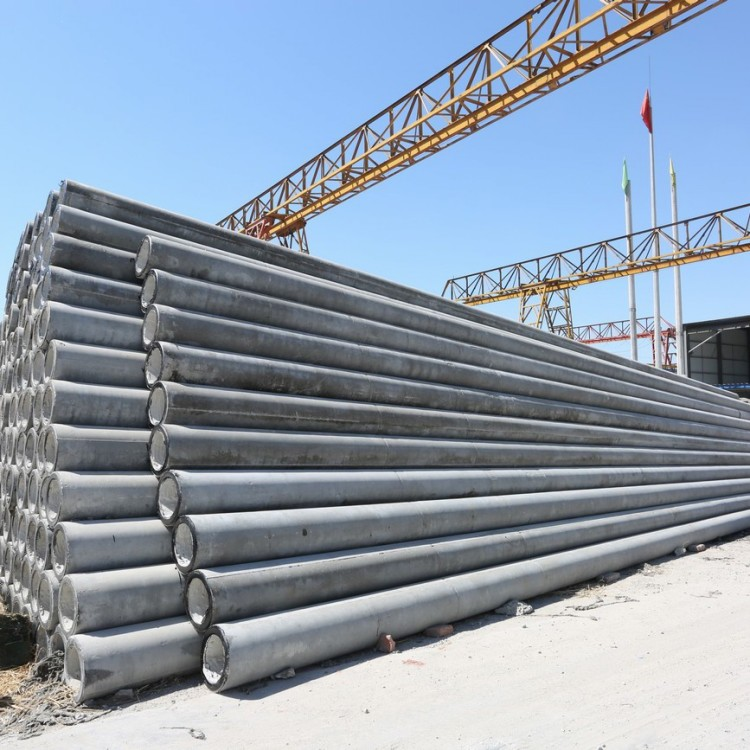
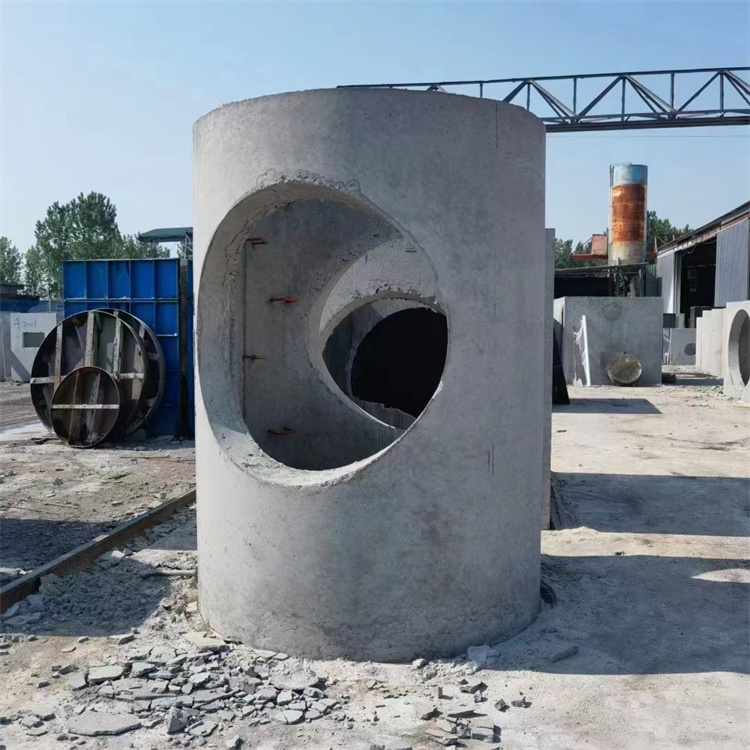
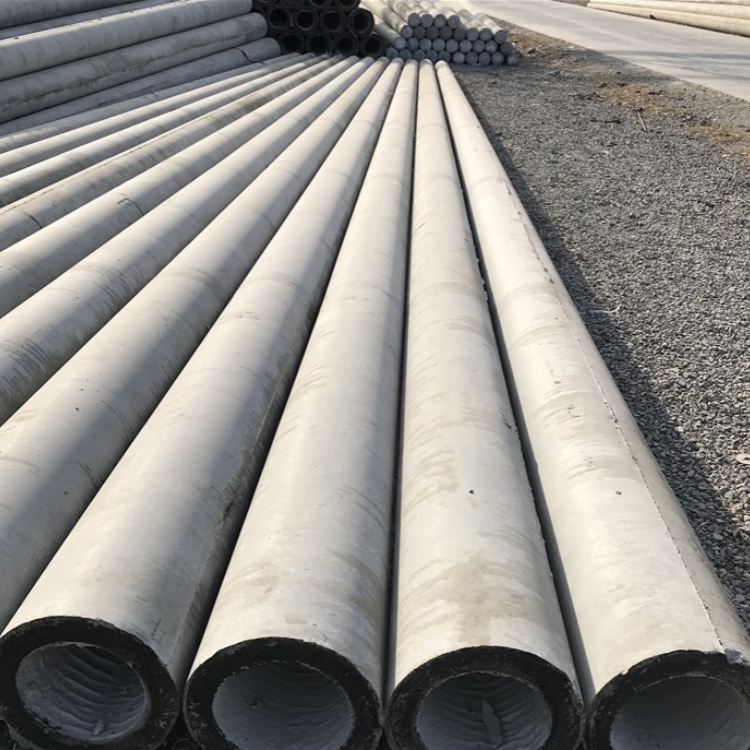
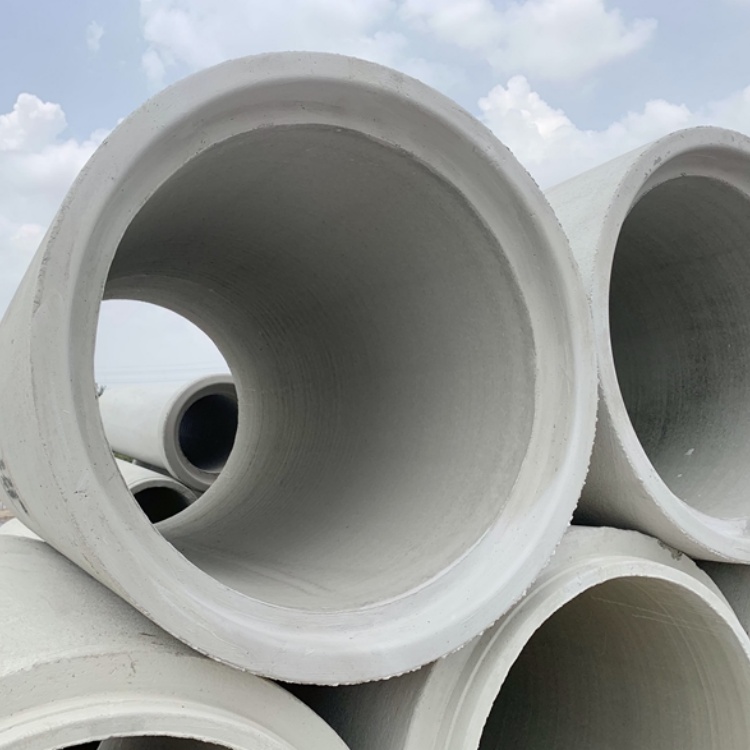
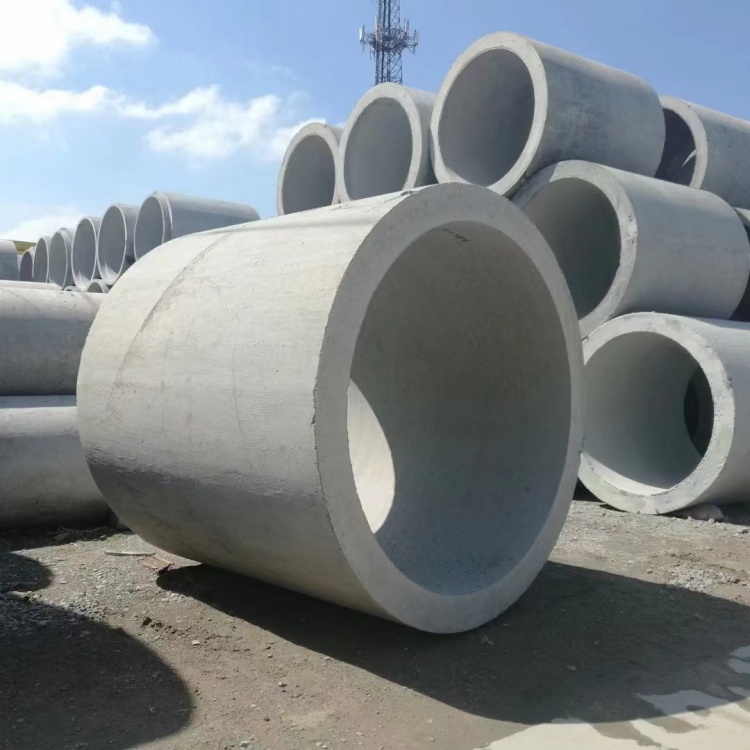
Jacking pipe is a special type of concrete pipe, primarily used in non-excavation construction techniques. This involves pushing pipes underground using jacking machines or similar equipment without the need for extensive ground excavation. This method is suitable for urban underground pipeline construction, especially in areas where excavation is not feasible or advisable, such as roads, railways, and rivers.
Features of Top Tube Cement Pipes
Trenchless Technology: The characteristics of jacking cement pipes involve the use of trenchless technology, which minimizes ground damage and reduces the impact on the environment and traffic during construction.
High construction efficiency: compared to traditional excavation methods, trenchless pipe jacking construction is faster and can complete pipeline laying in a shorter time.
High adaptability: The pipe jacking cement pipes can accommodate various complex geological conditions, including hard soil, sandy soil, and high moisture content soil.
Control: Directional drilling allows for precise control over pipeline placement, ensuring accuracy and safety in pipeline laying.
Application of Pipe Jacking Concrete Pipes
Jacking pipes are primarily used in the following fields:
Urban Infrastructure: Construction of underground networks for city water supply, drainage, gas, electricity, etc.
Traffic Engineering: Pipeline laying beneath key transportation routes such as railways and highways to prevent disruption to traffic.
Environmental Protection: Install pipelines beneath rivers, lakes, and other water bodies to safeguard the aquatic environment and prevent constructional contamination.
Jacking pipe cement pipe construction
Main steps of pipe jacking construction include:
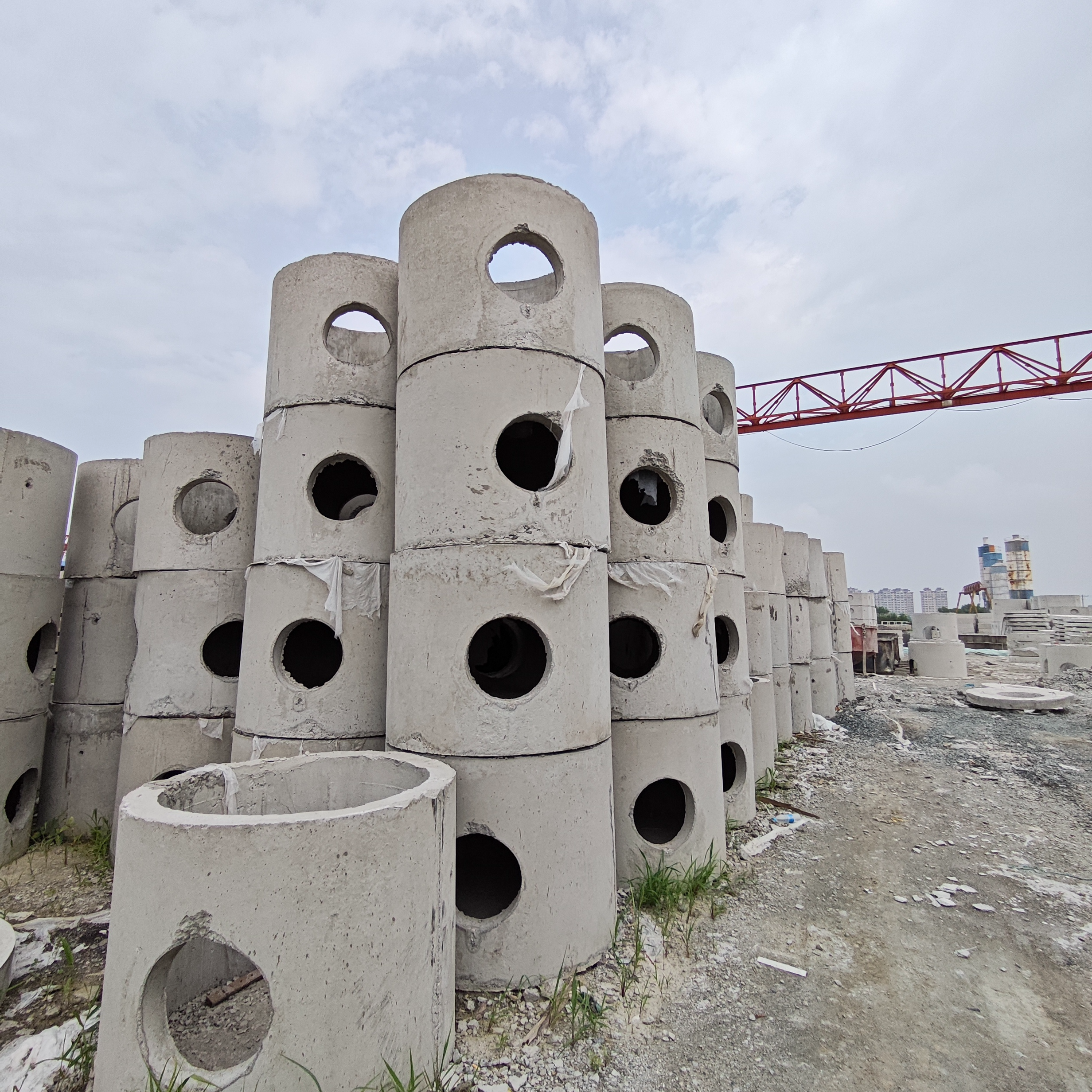
Construction of work and reception wells: Construct work and reception wells at the start and end points of the pipeline laying.
Pipe Jack Installation: Install the pipe jack within the manhole and position the concrete pipe at the front end of the pipe jack.
Pipe Jacking: Start the pipe jacking machine, gradually push the concrete pipe underground, while simultaneously filling soil behind the pipe to maintain soil pressure balance.
Pipe Connection: As the pipeline advances, new cement pipe sections are connected to the already laid pipeline until the entire pipeline is completed.
Construction completed: Upon reaching the receiving well, construction is complete. Remove the jacking machine and conduct inspections and tests on the pipeline.
Jacking pipe specifications and materials
The specifications and materials of the jacking cement pipes are determined by the specific engineering requirements and design standards. Common specifications include DN400, DN600, and DN800, with materials typically being reinforced concrete to ensure the pipe's strength and durability.
Jacking cement pipes have become an indispensable part of modern urban infrastructure construction, not only improving construction efficiency but also reducing environmental impact. They represent a technological advancement in modern urban development.