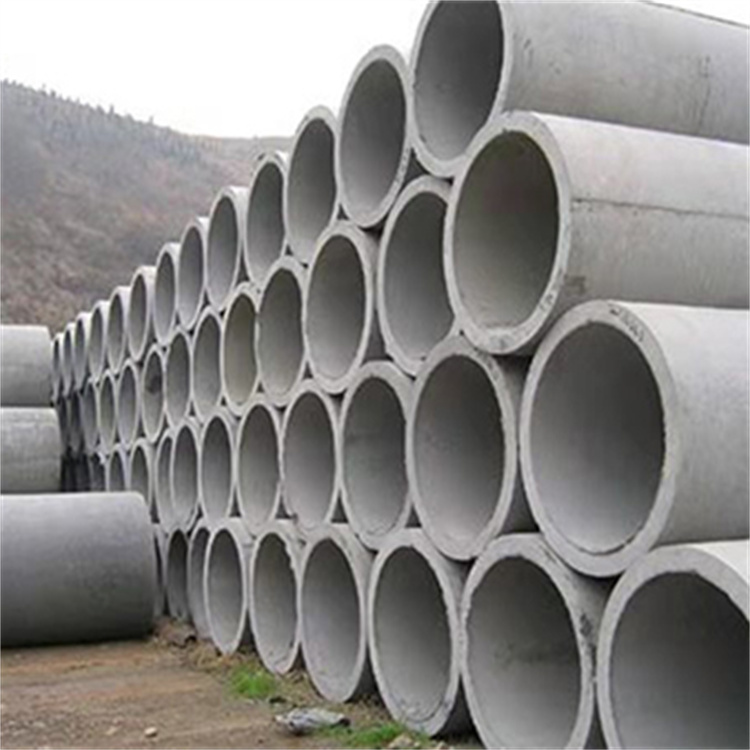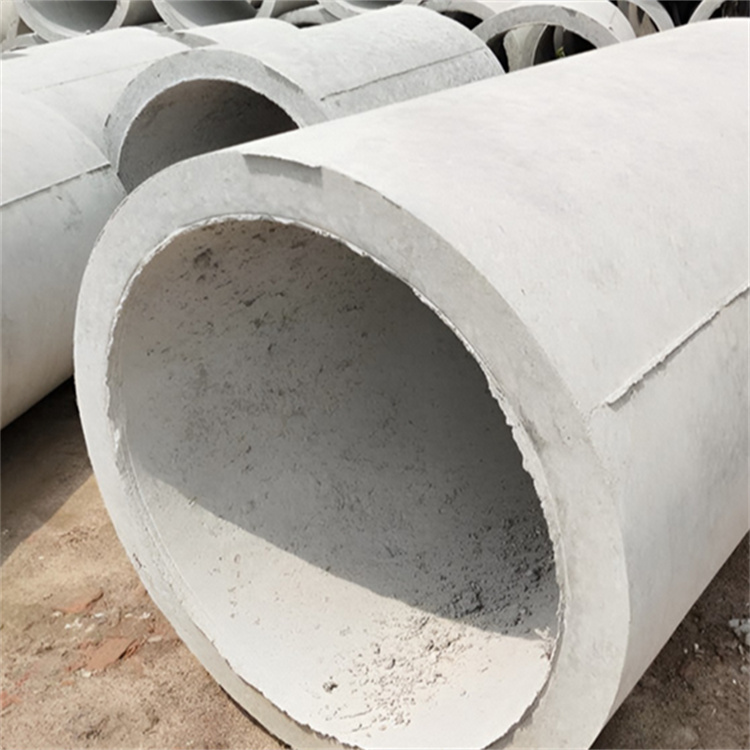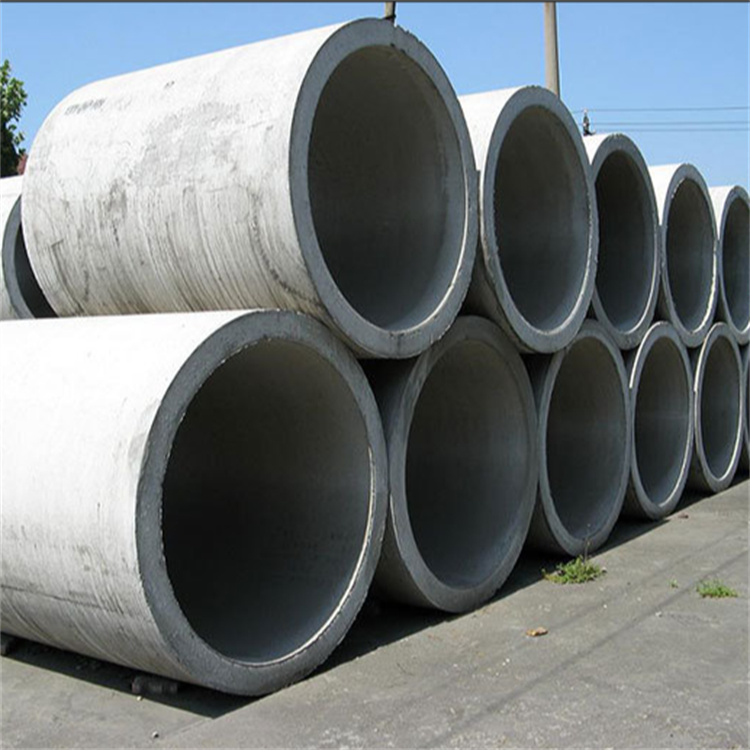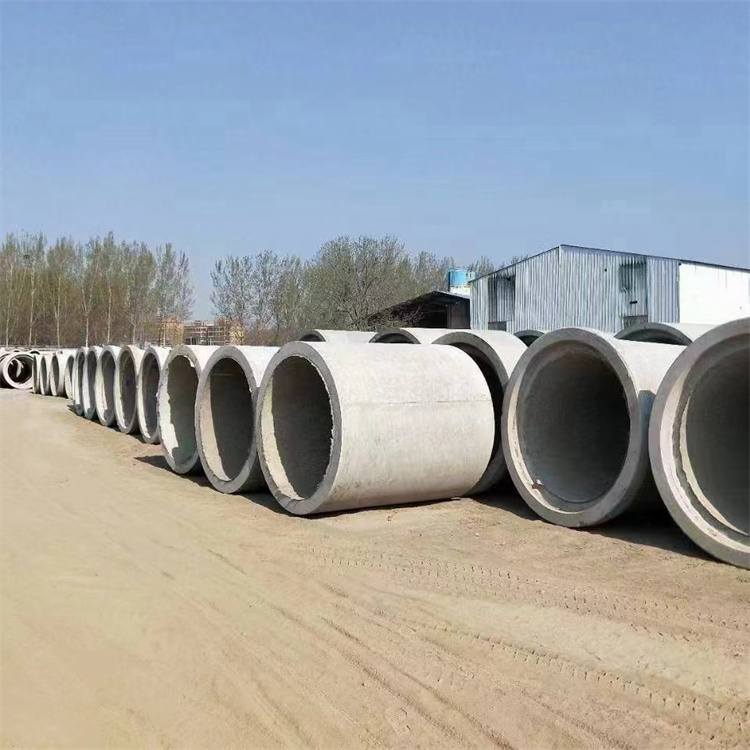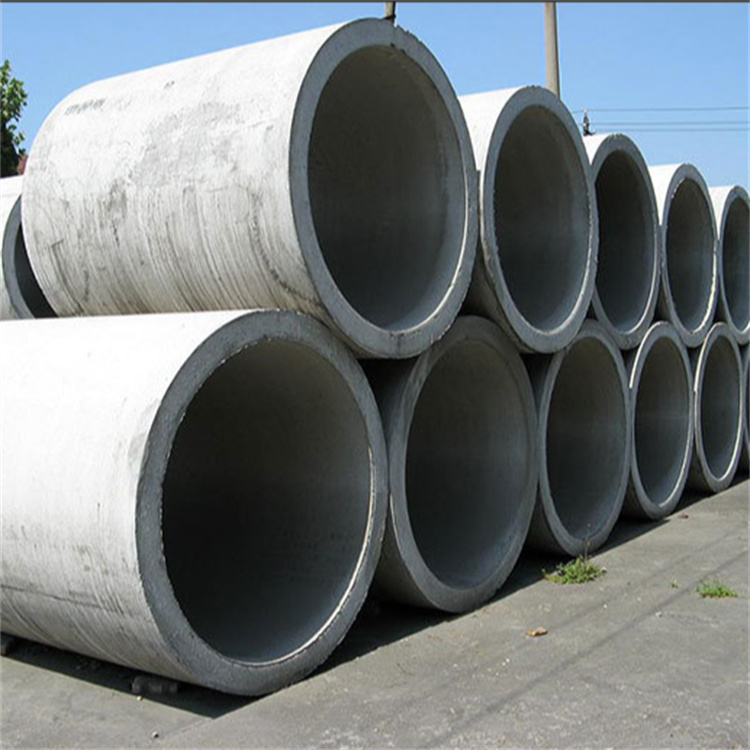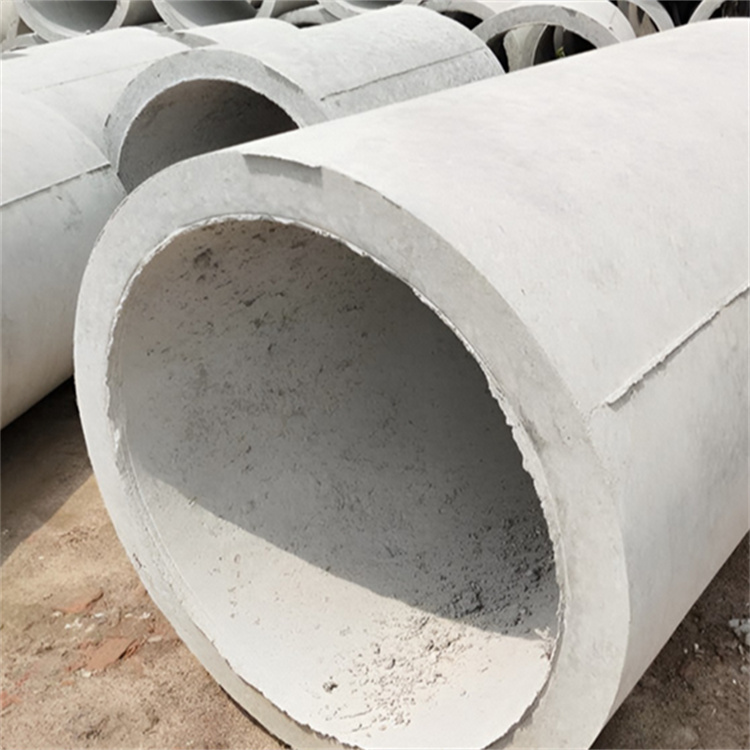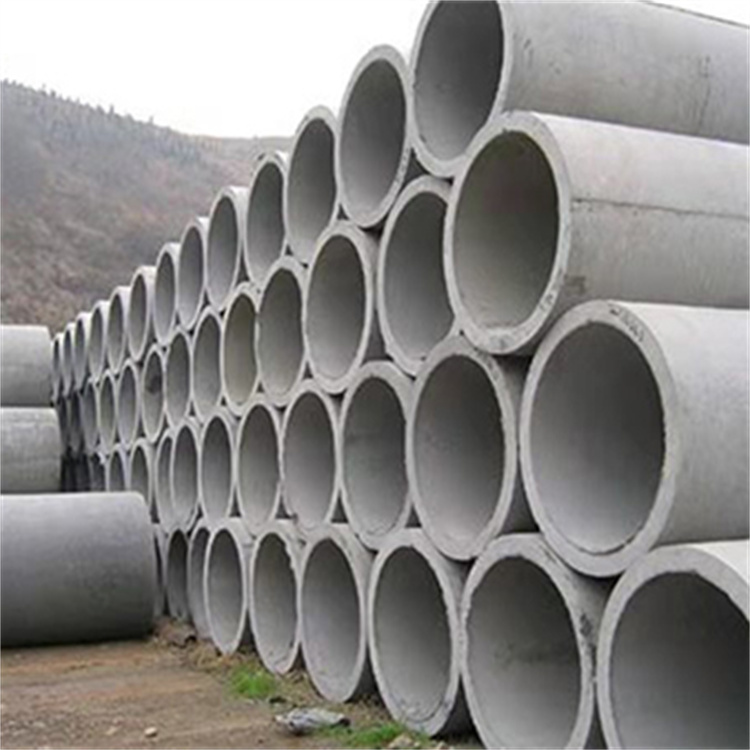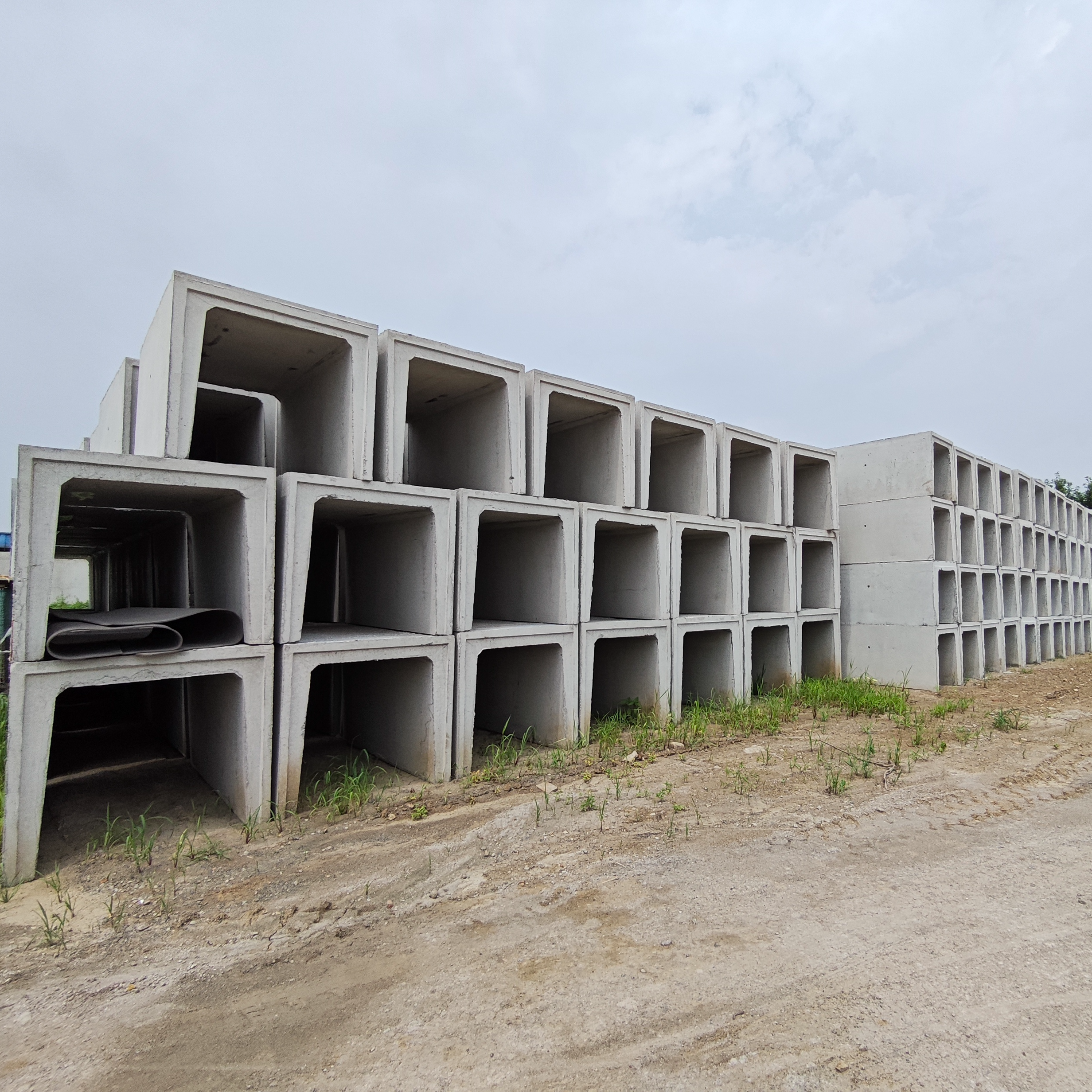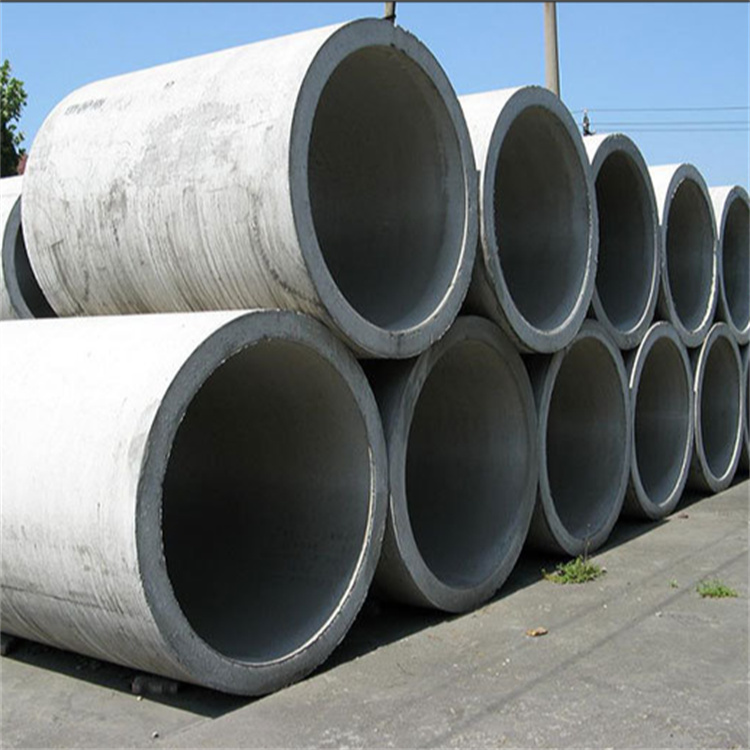

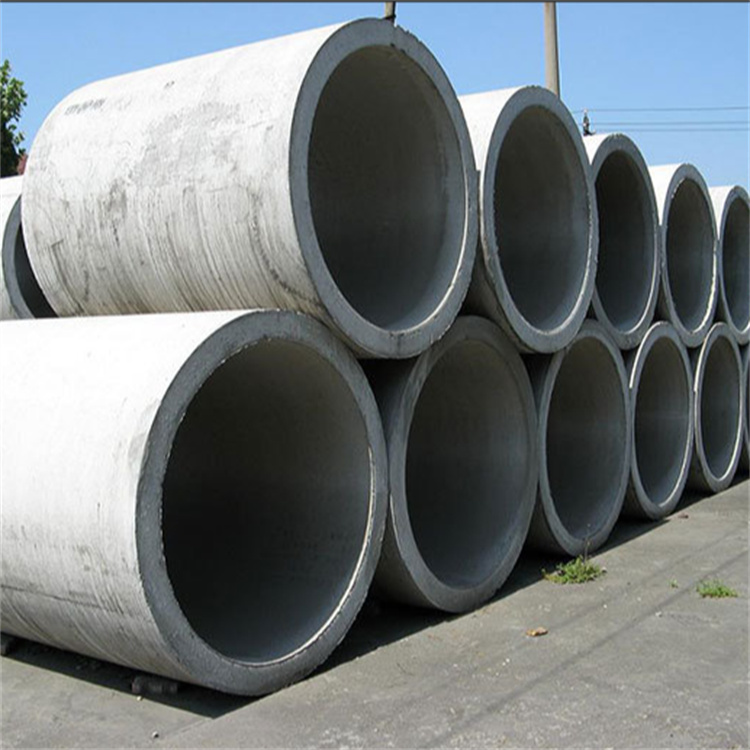
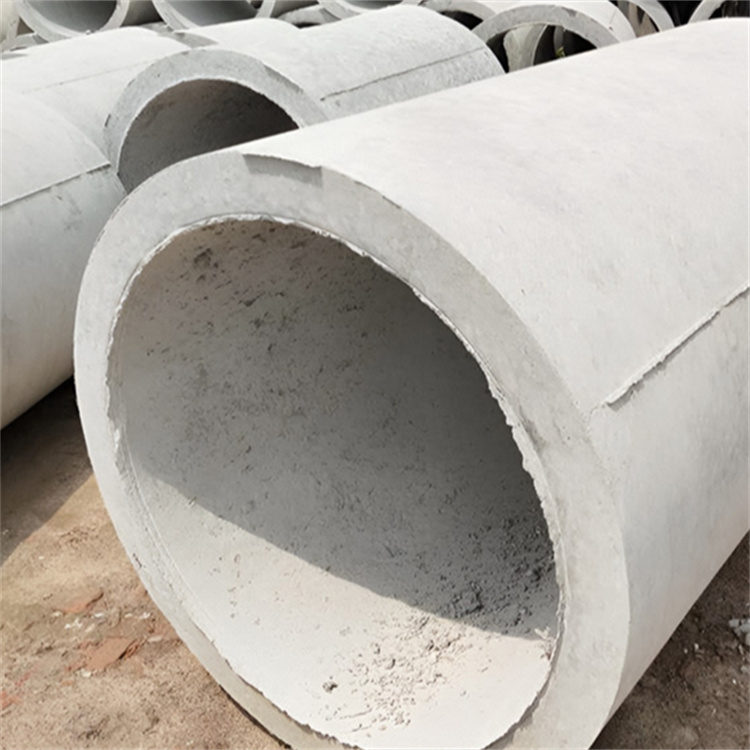
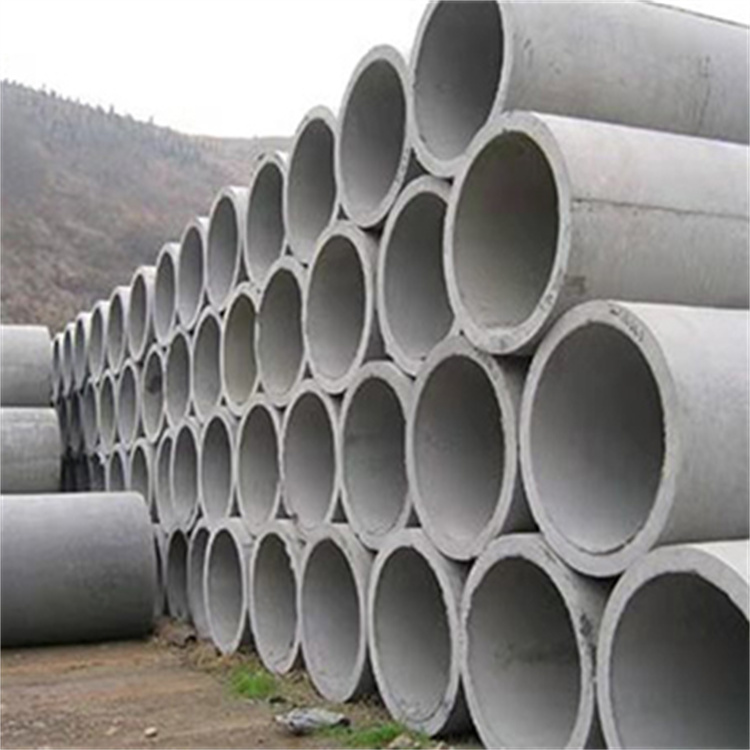


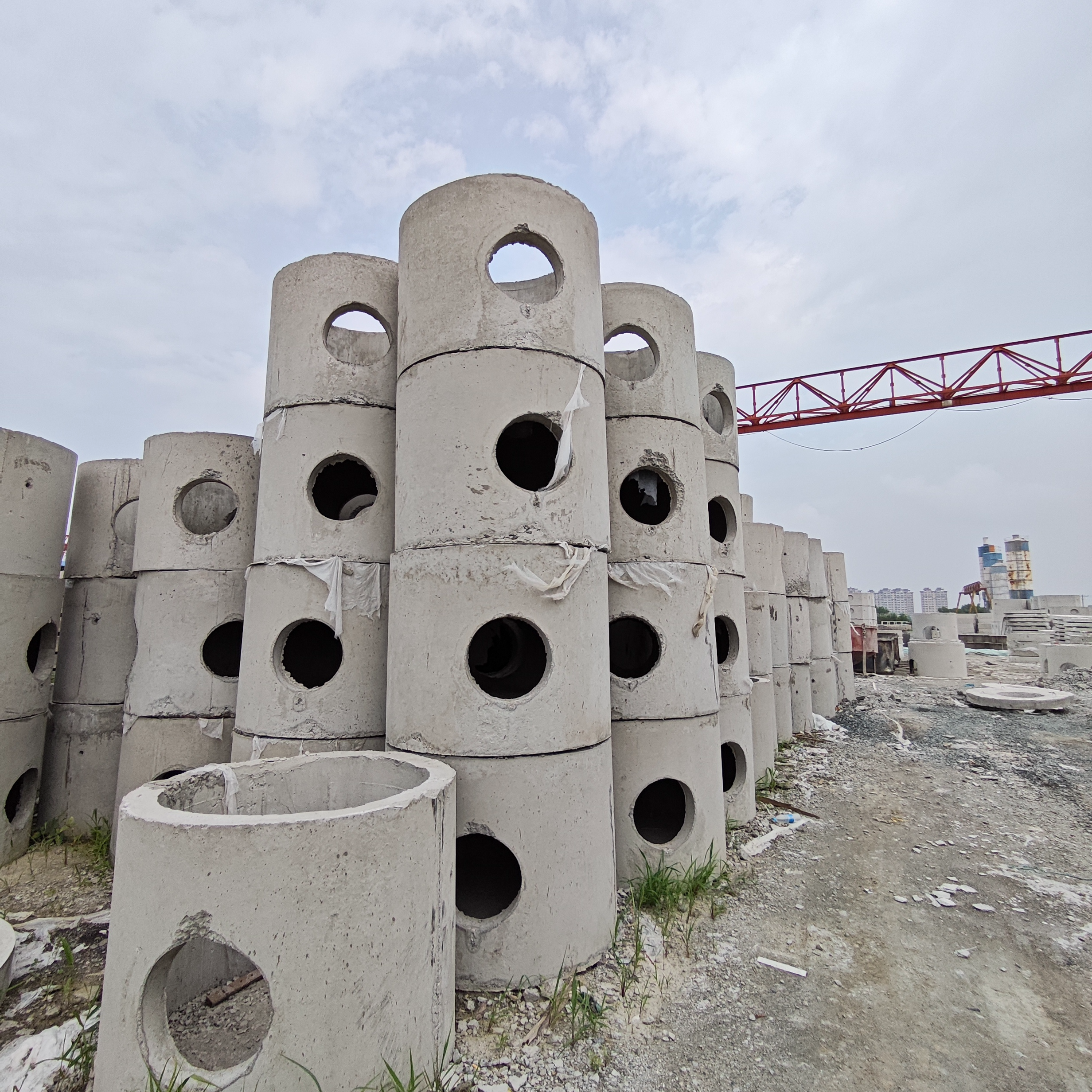
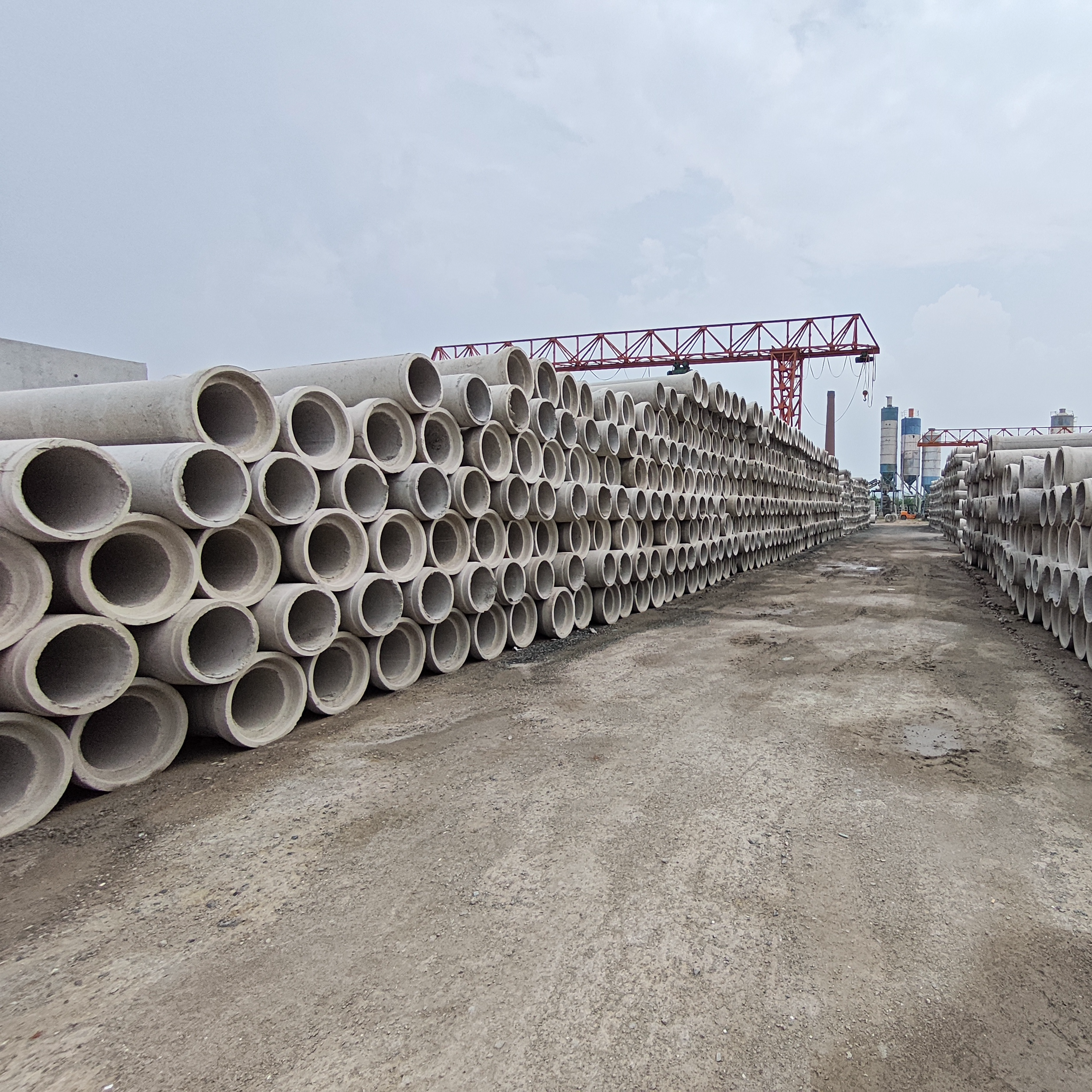
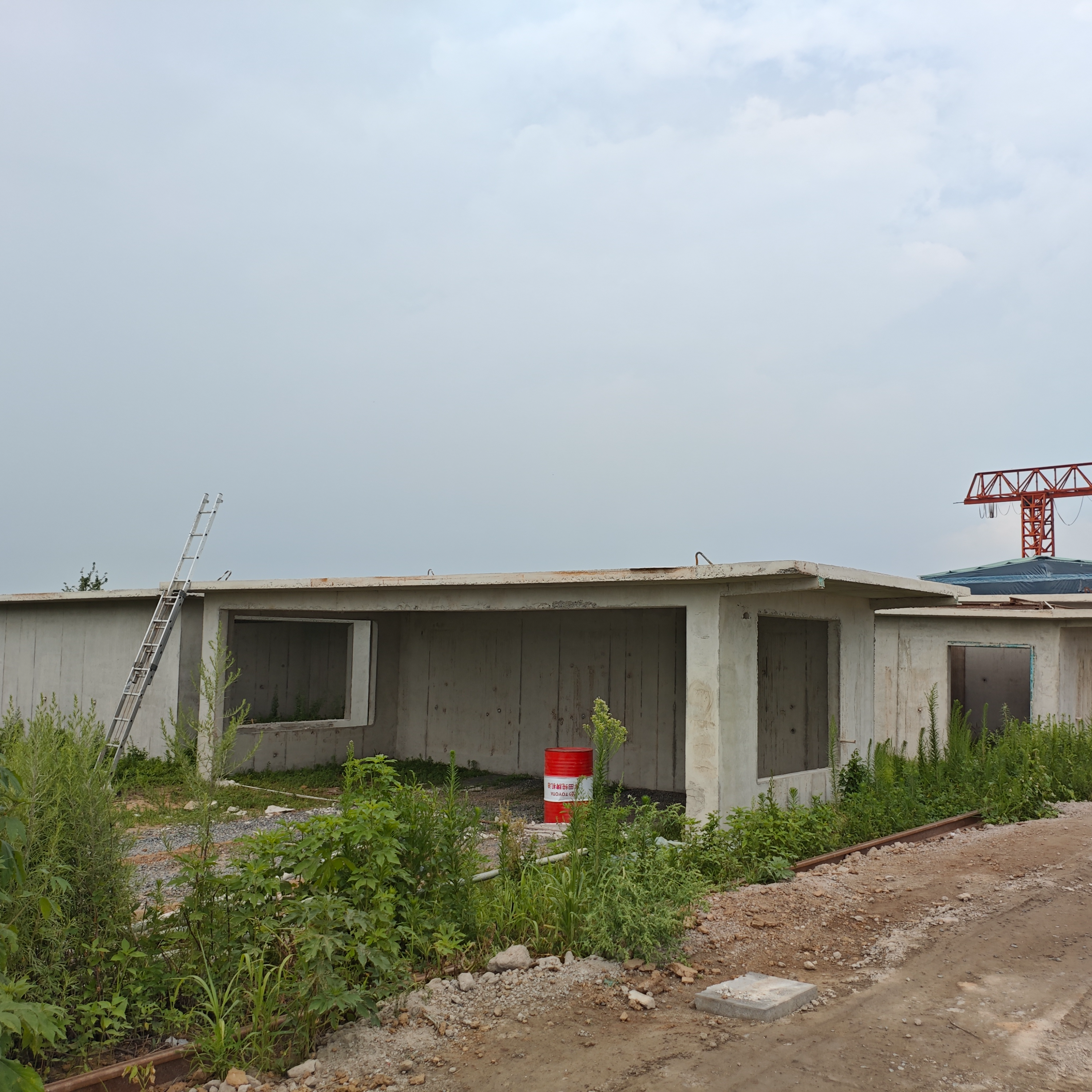
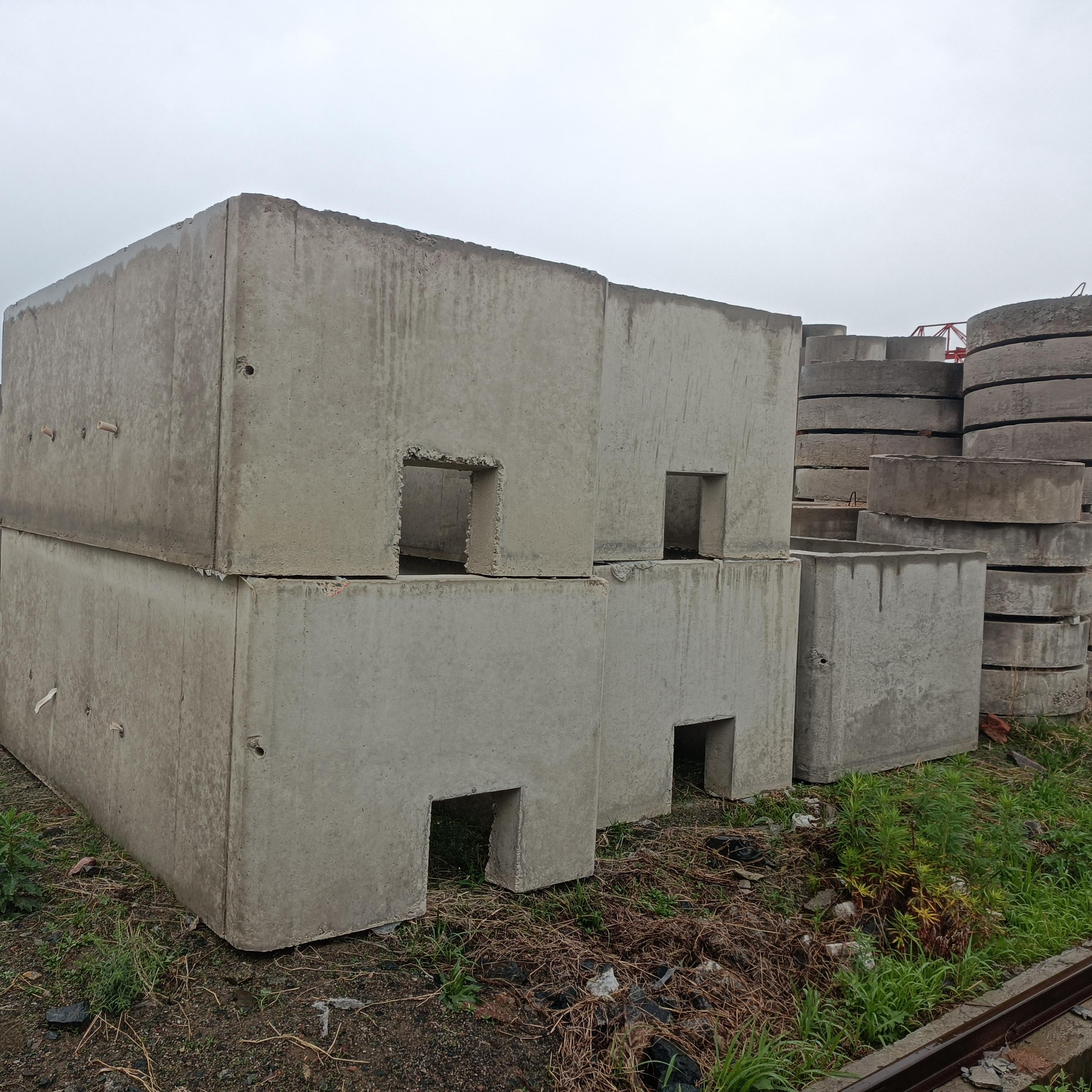
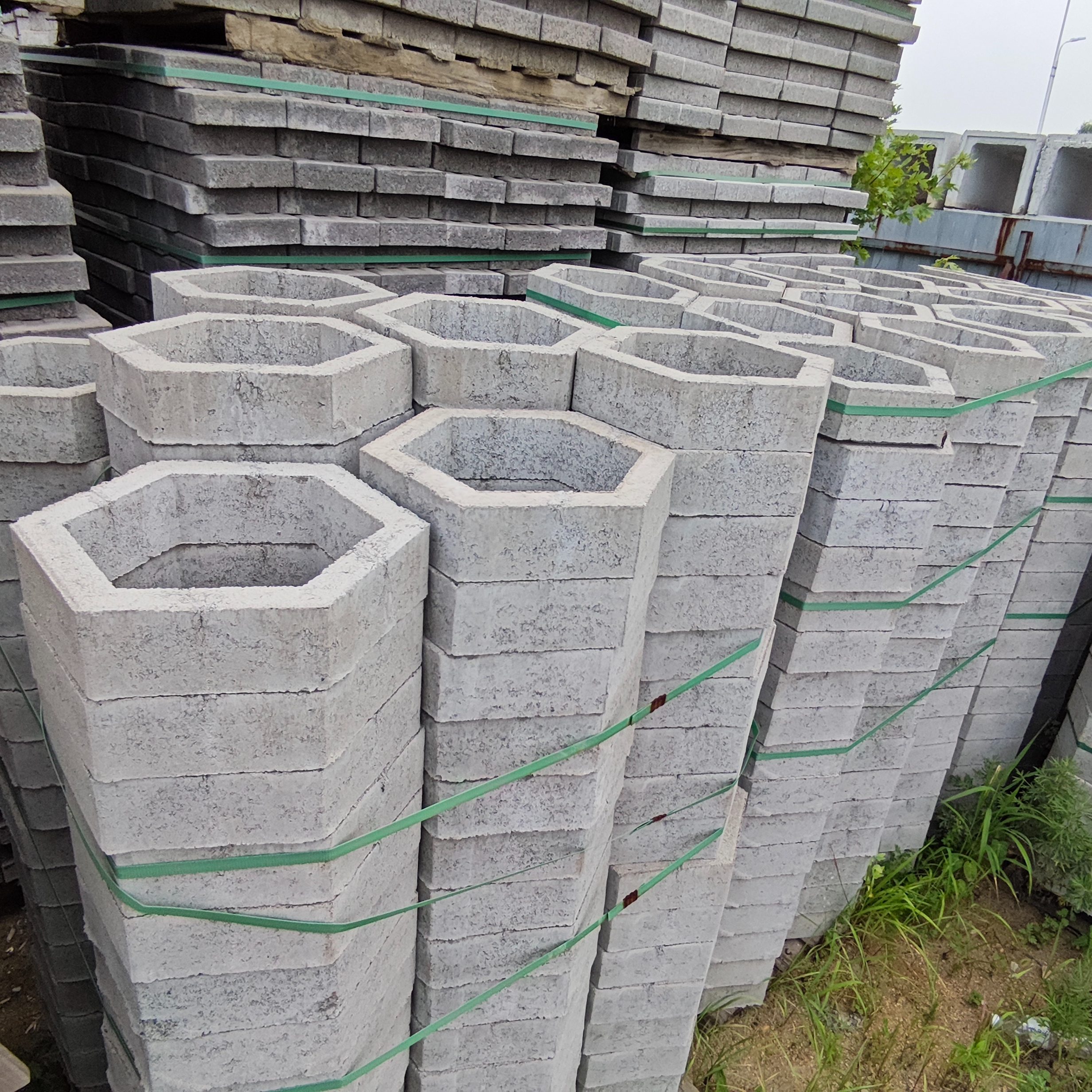





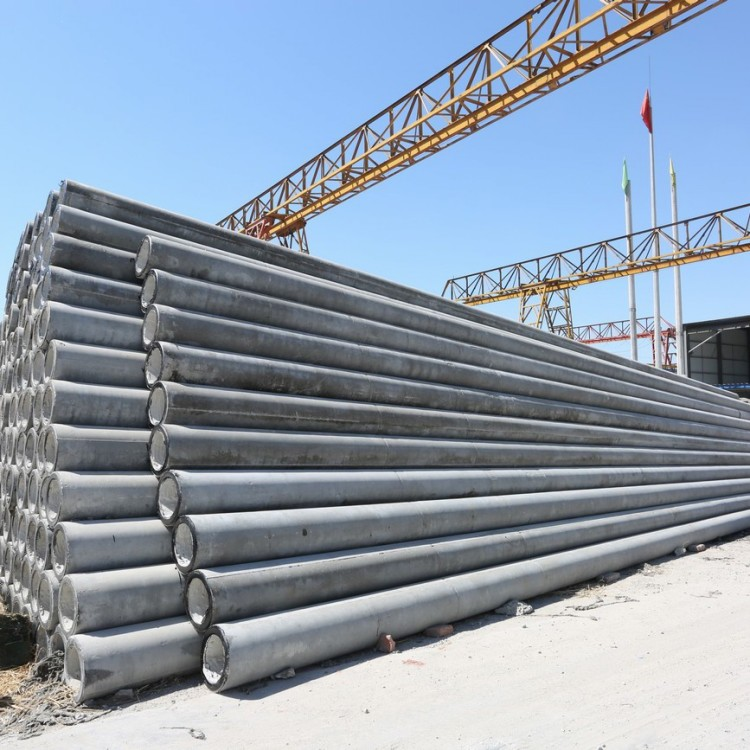
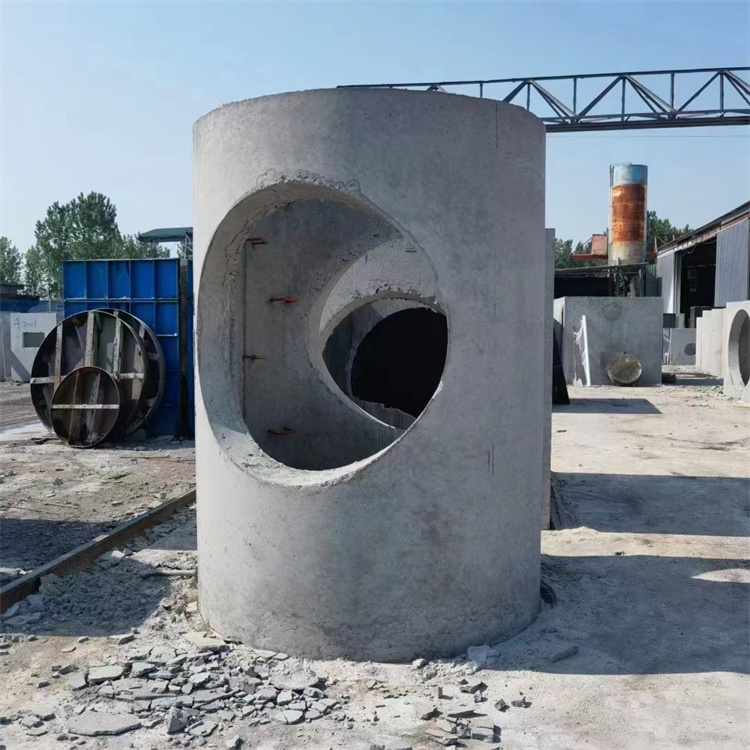
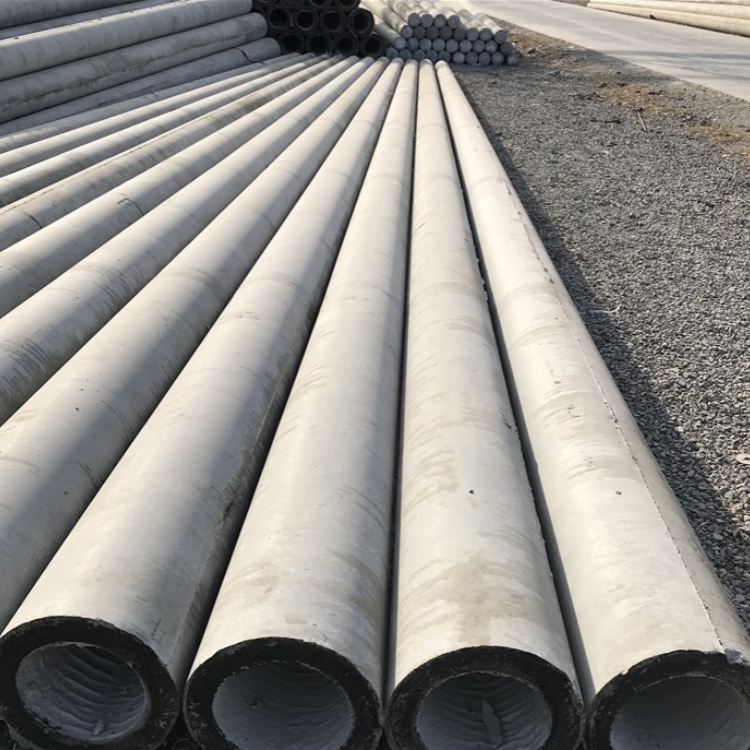
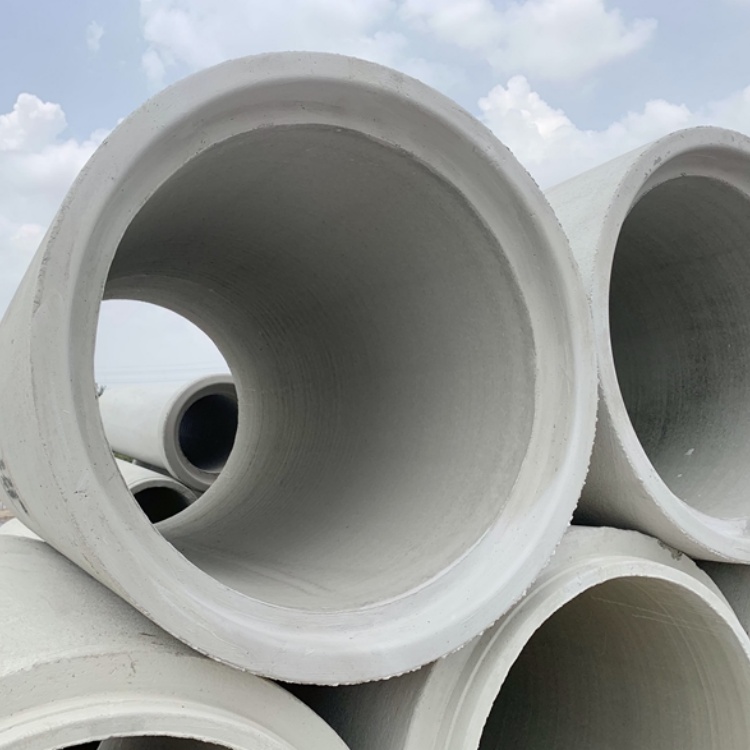
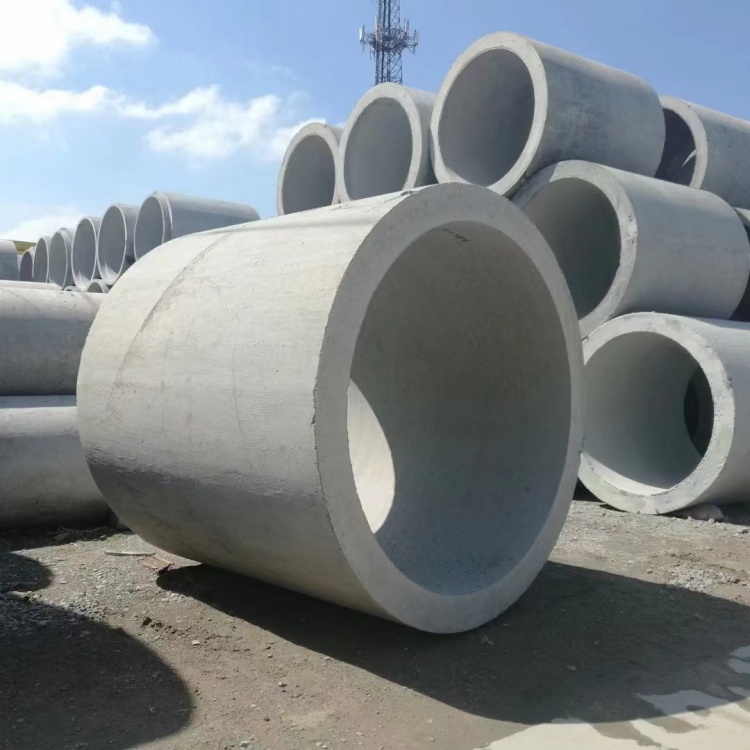
Cement pipes, also known as concrete pipes or reinforced concrete pipes, are widely used in the construction of urban infrastructure. They are primarily employed in various engineering fields such as drainage, sewage, water supply, and gas transmission. The production and use of cement pipes are of great significance for the sustainable development of cities and the quality of life for residents. Below is some detailed information about cement pipes:
The composition of cement pipes:
Cement pipes are mainly manufactured through a process of mixing, molding, and curing, using materials such as cement, sand, gravel, and steel rebars.
The addition of steel rebar enhances the strength and durability of concrete pipes, enabling them to withstand greater pressure and impact.
Characteristics of Cement Pipes:
Excellent Durability: Concrete pipes boast a longer service life and are resistant to the effects of various harsh environments.
Good corrosion resistance: Concrete pipes exhibit excellent resistance to various chemicals such as acids and alkalis.
Excellent Sealing: The joint design of the concrete pipes ensures excellent sealing properties, effectively preventing leaks.
Environmental friendliness: The production and use of concrete pipes have relatively minor environmental impact, making them an eco-friendly building material.
Cement pipe classification:
Cement pipes are available in various sizes and types, depending on their diameter and length.
According to the purpose of the pipeline, cement pipes can be classified into drainage pipes, sewage pipes, water supply pipes, etc.
Based on the pipe's pressure-bearing capacity, cement pipes are categorized into standard and reinforced types.
Application of Cement Pipes:
Urban Drainage System: Cement pipes are widely used for the discharge of rainwater and sewage, ensuring smooth urban drainage.
Irrigation System for Farmland: Concrete pipes are used in the irrigation system for farmland, enhancing irrigation efficiency.
Industrial conveying systems: Cement pipes are used for the conveyance of various fluids in industrial production, such as gas, oil, etc.
Infrastructure Development: Cement pipes are widely used in the construction of roads, bridges, and other infrastructure projects.
Installation and Maintenance of Concrete Pipes
Ensure the pipes are level and aligned when installing concrete pipes to prevent leaks at the joints.
Regularly inspect the integrity of concrete pipes and the sealing condition of the joints, and promptly carry out repairs or replacements.
Clear debris and sediment from the pipeline interior to maintain unobstructed flow.
Prevent heavy loads from pressing on the concrete pipes to avoid破裂 or deformation of the pipes.
The Future of Cement Pipe Industry:
With technological advancements, the production process of cement pipes will become more automated and intelligent, enhancing production efficiency and product quality.
The application of new materials and technologies will enhance the performance of cement pipes, such as higher strength and better impermeability.
The principles of environmental protection and sustainable development will be further integrated into the production and use of concrete pipes, such as the use of eco-friendly materials and the enhancement of resource utilization.