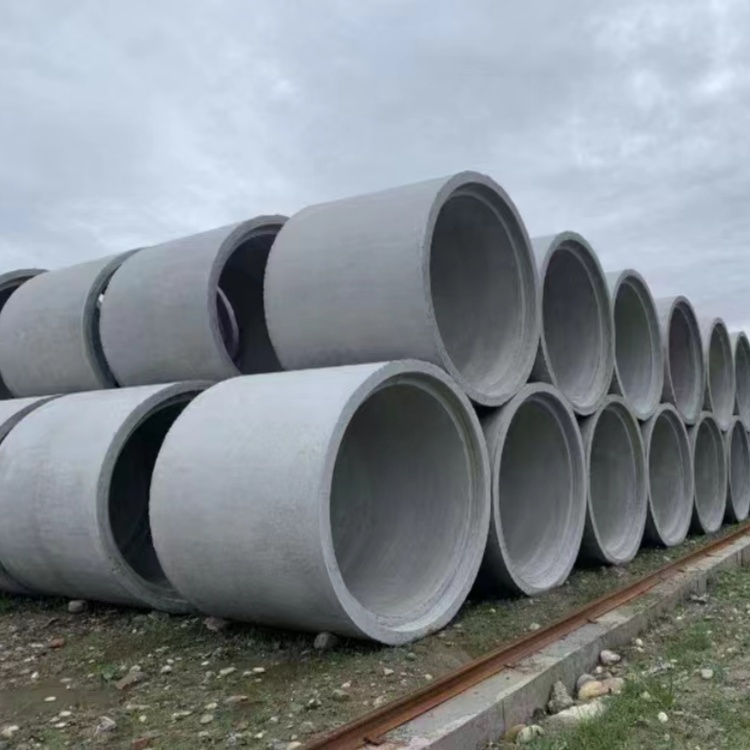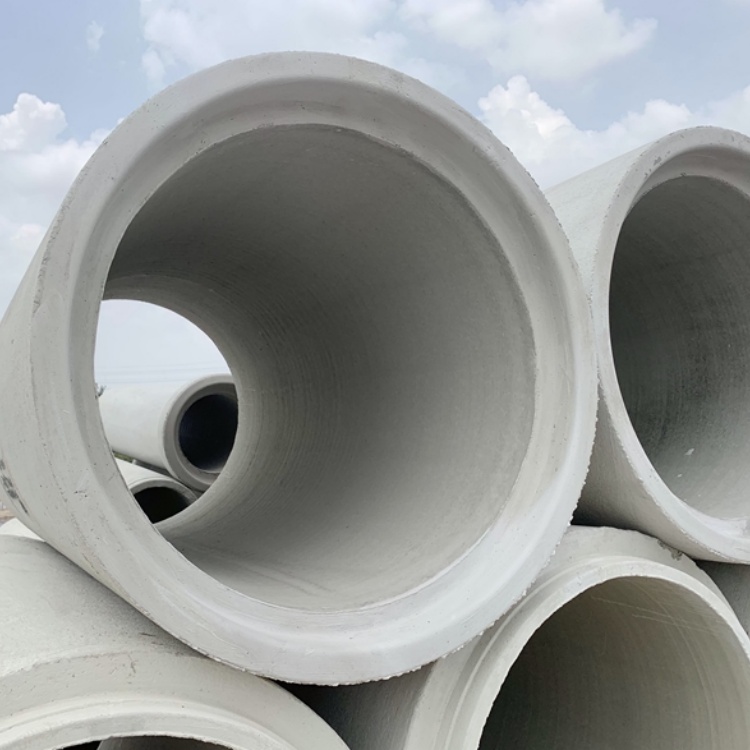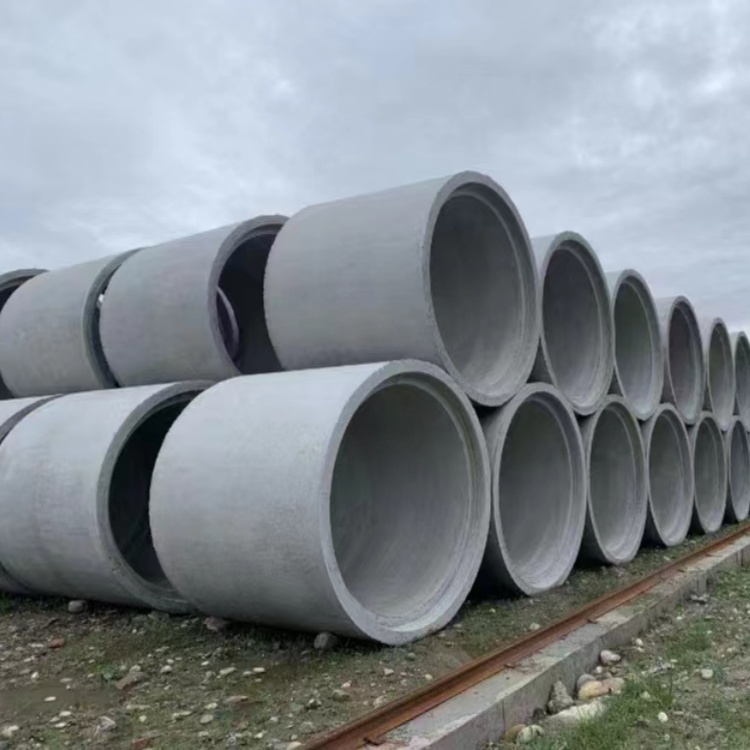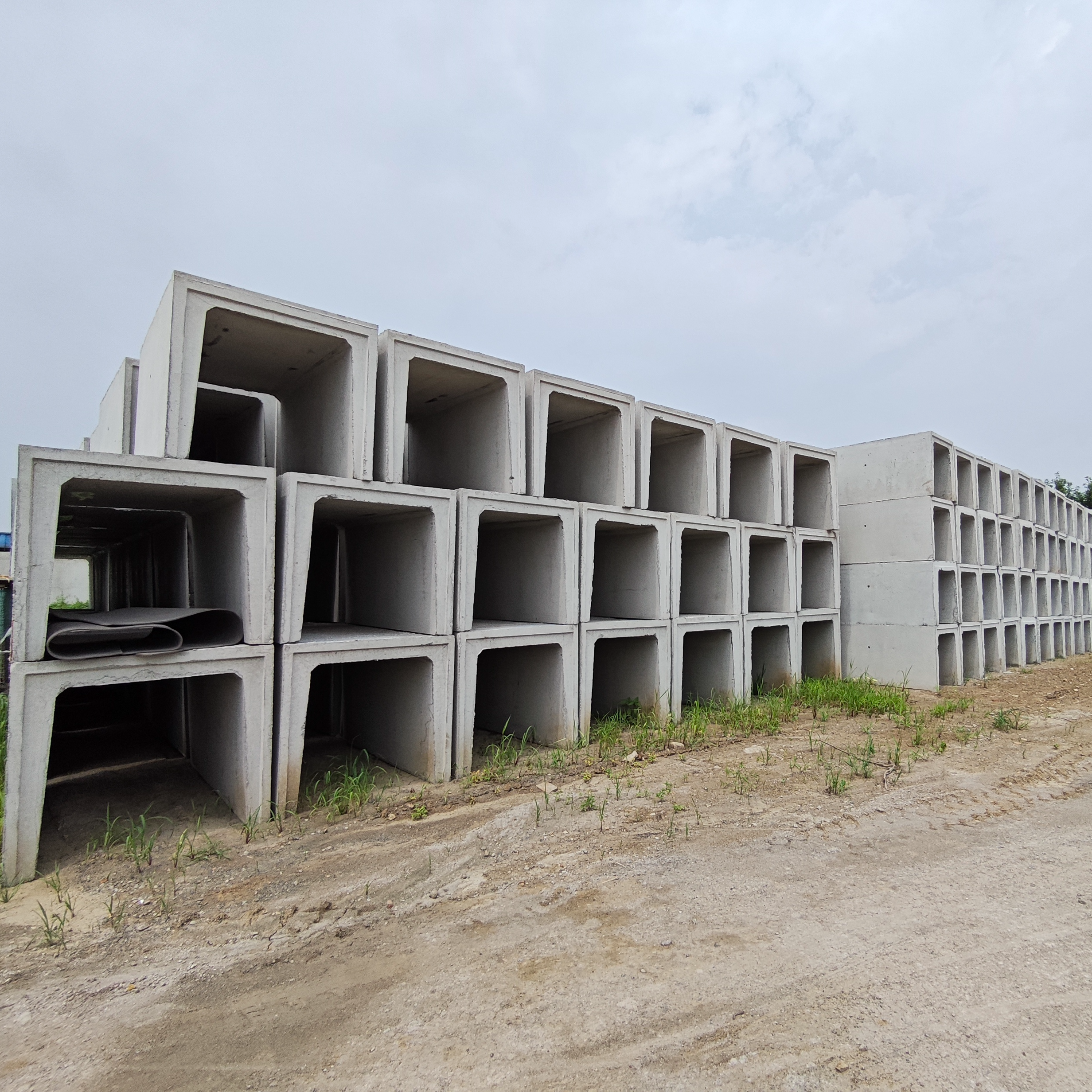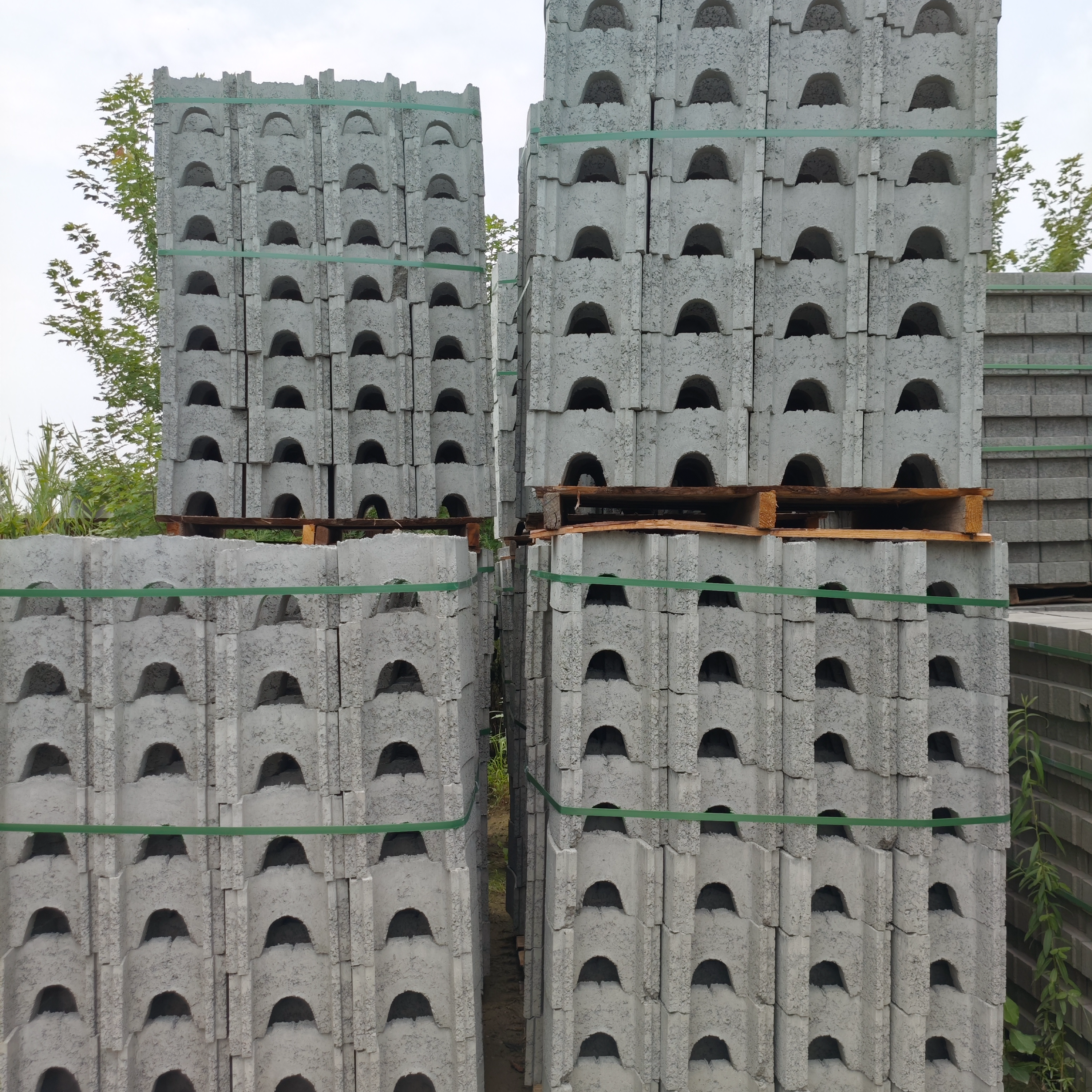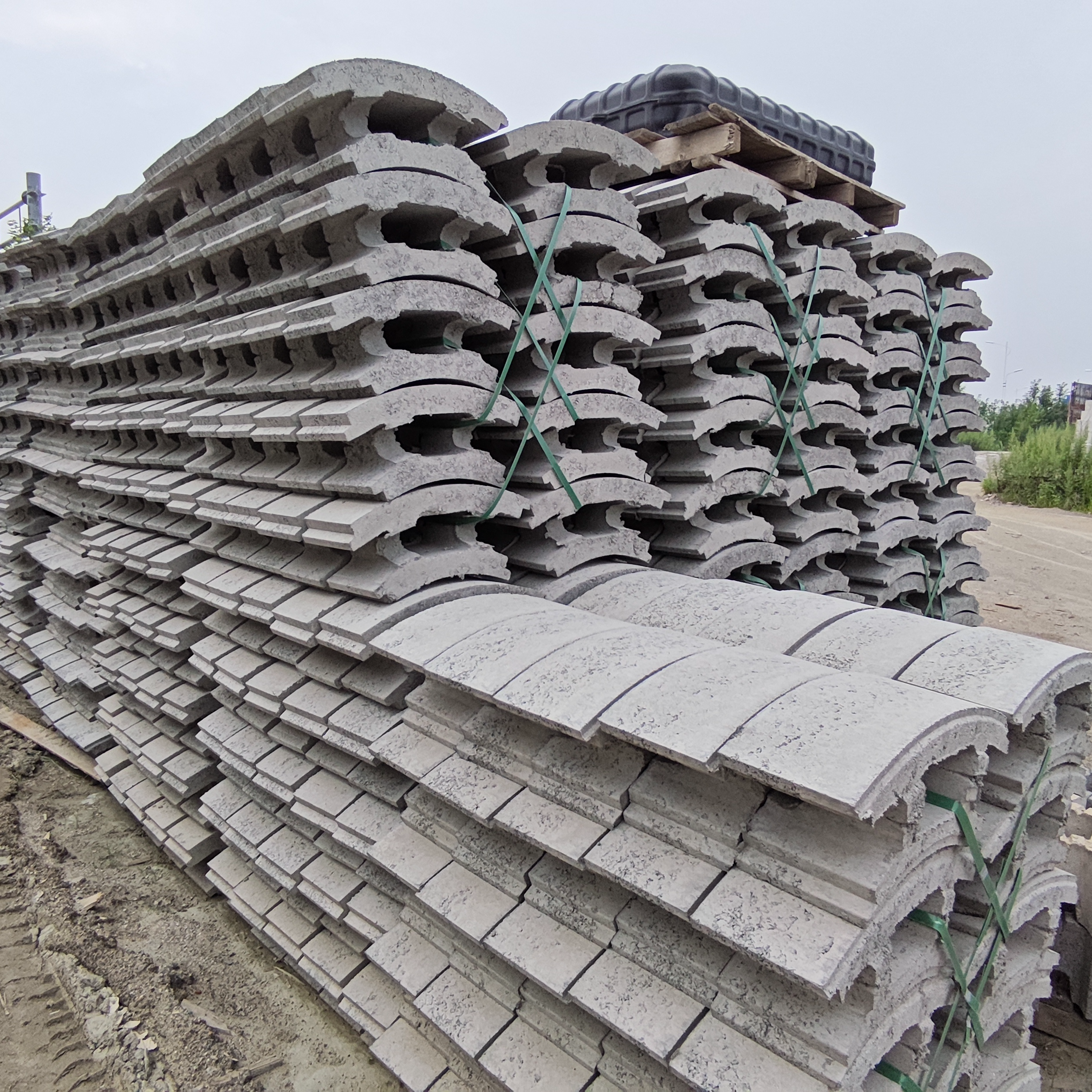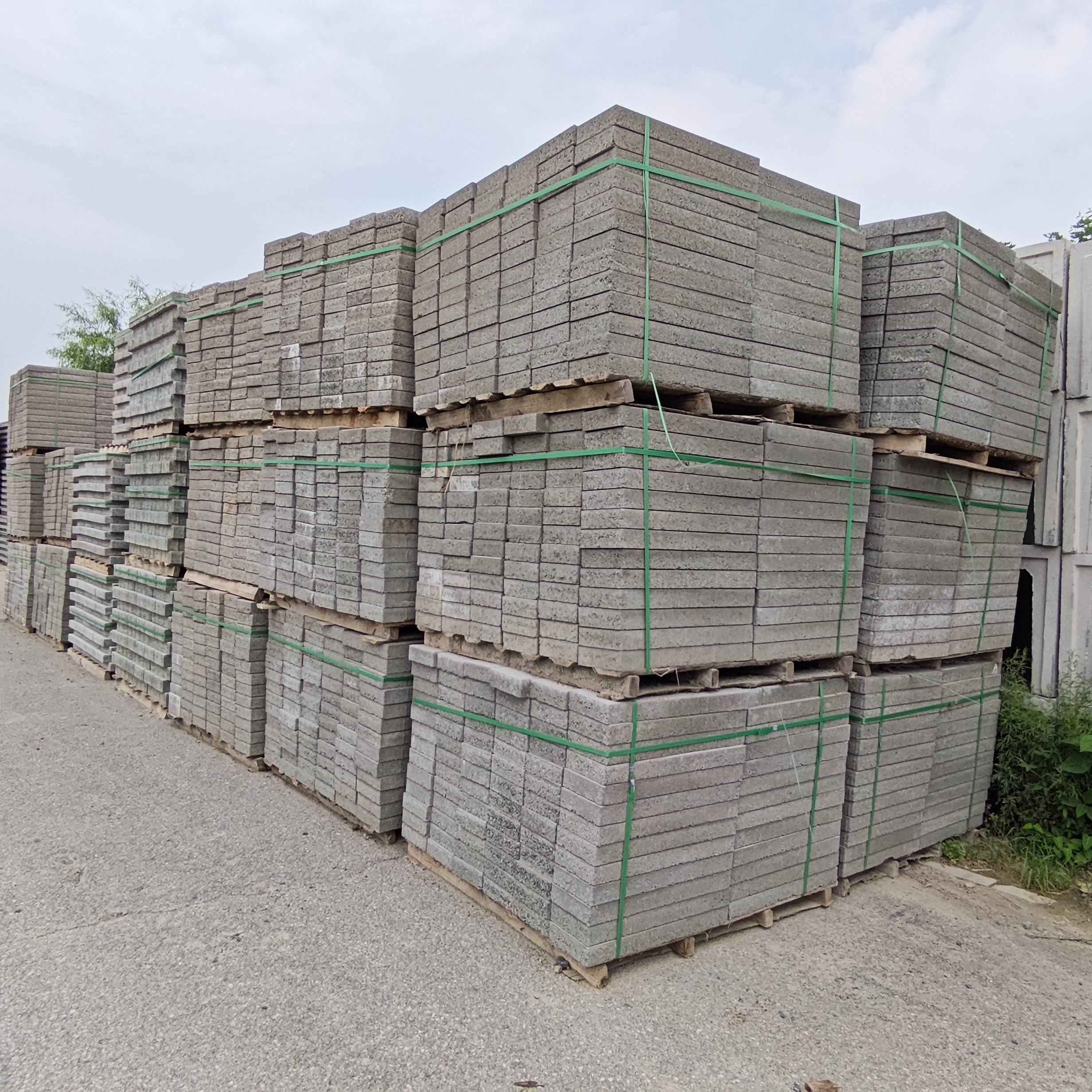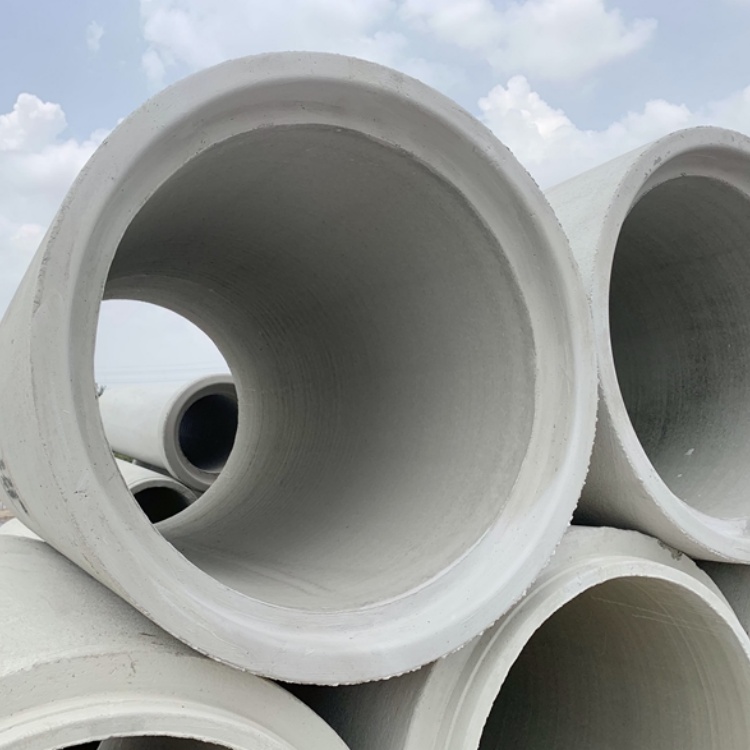

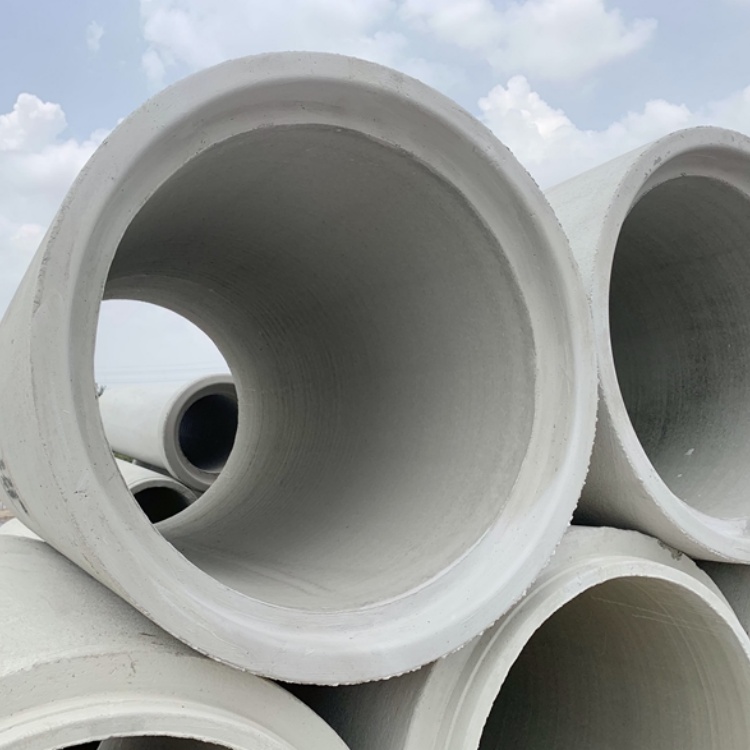
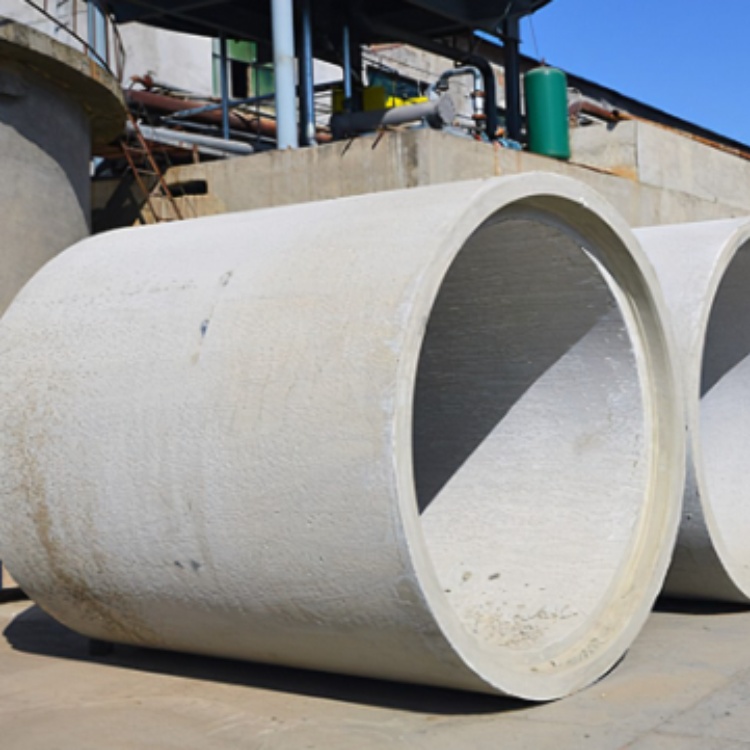


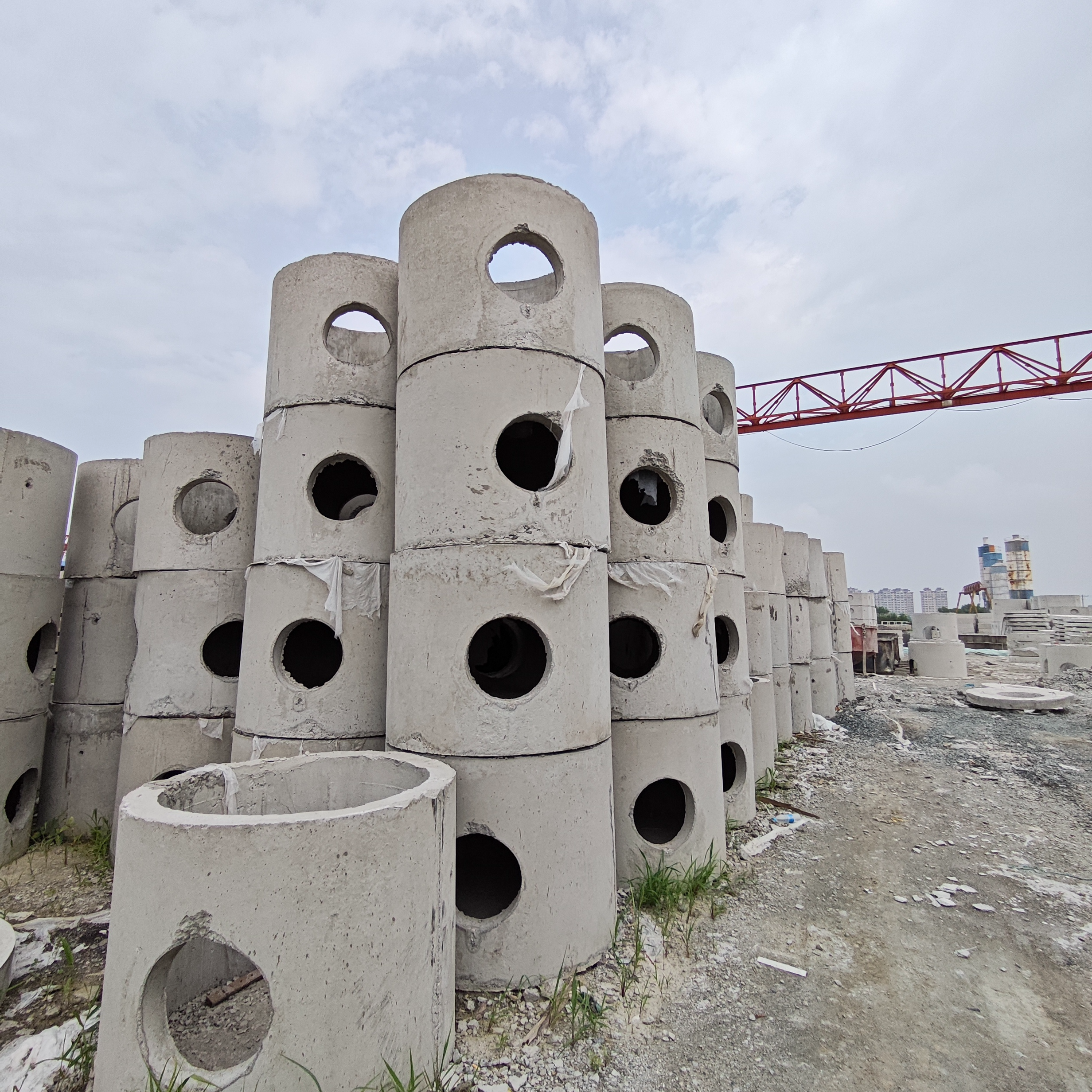
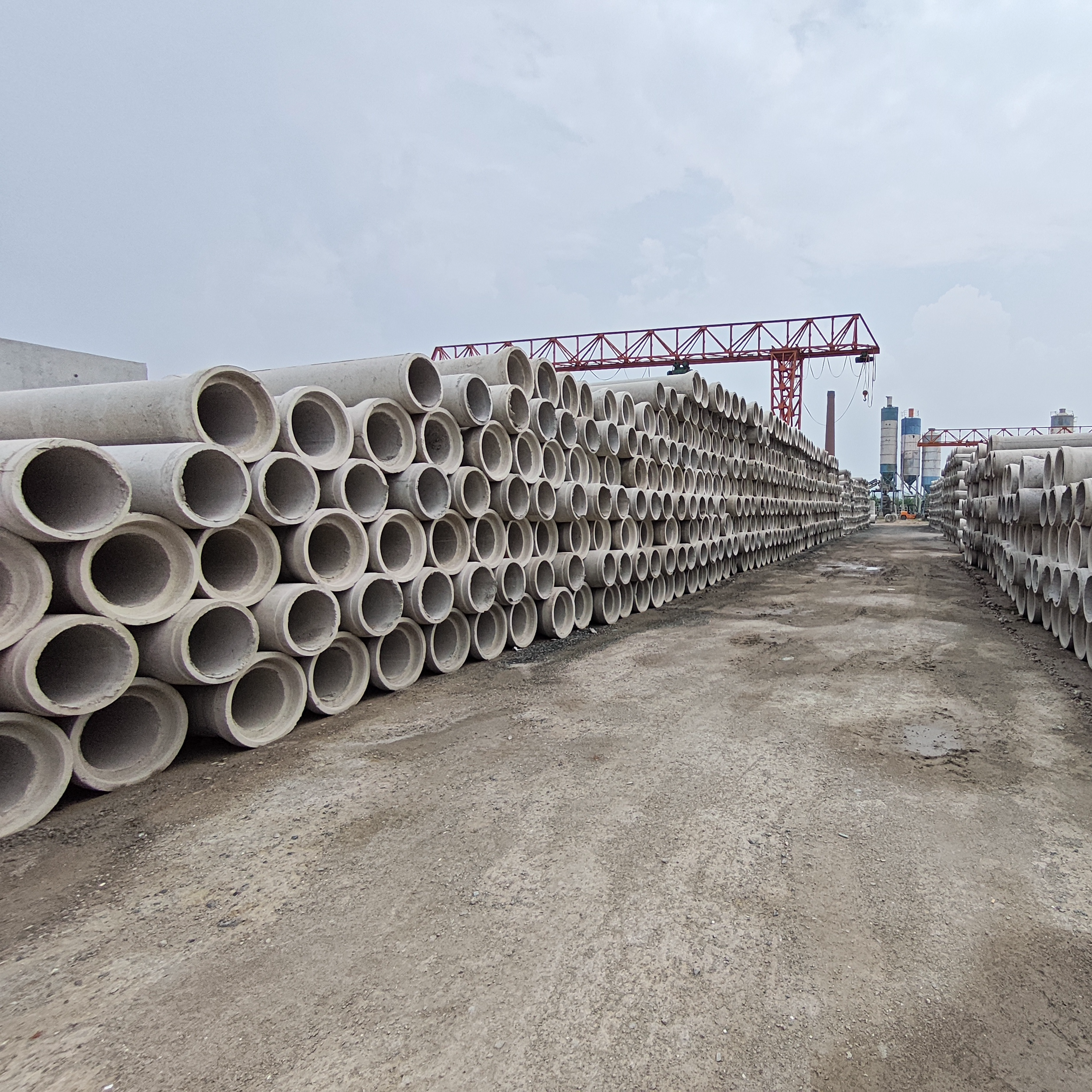





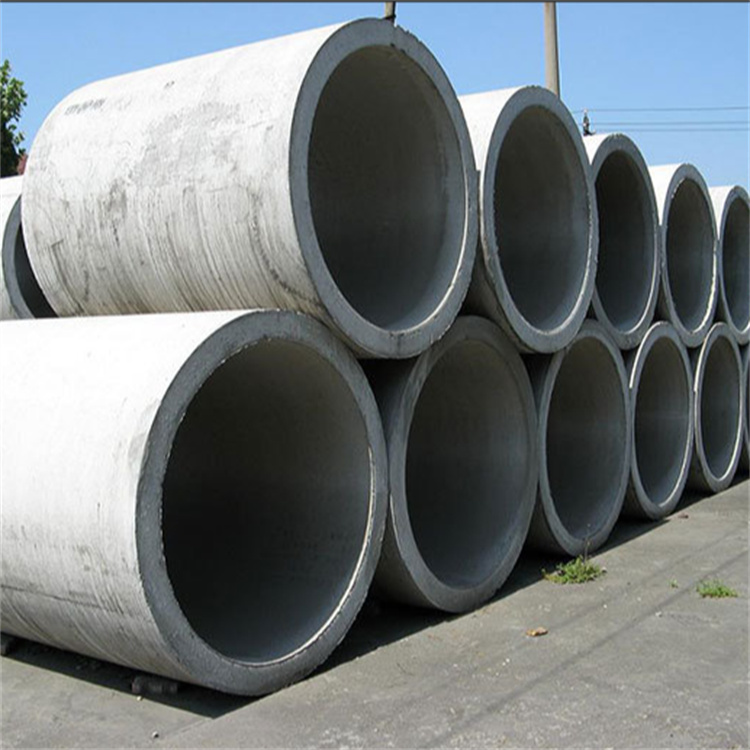
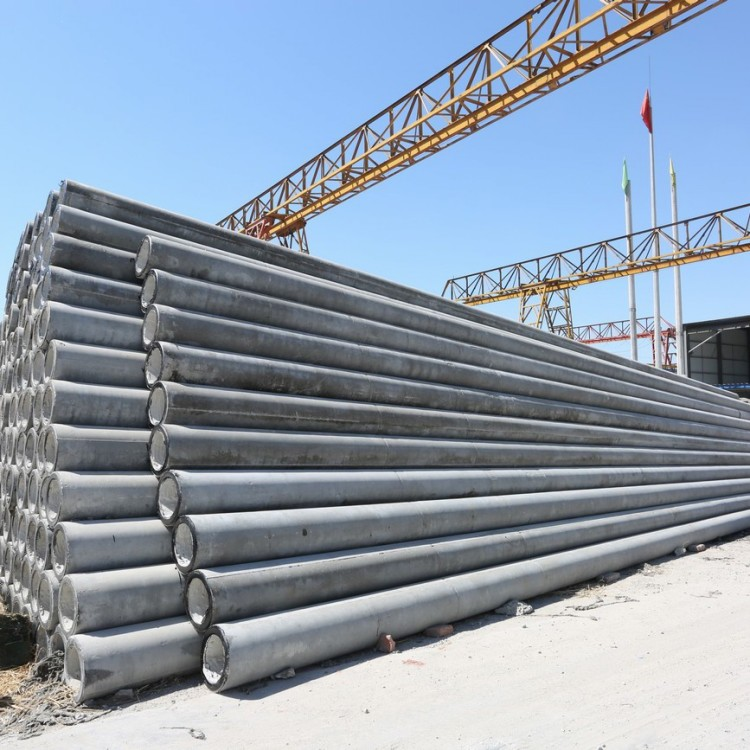
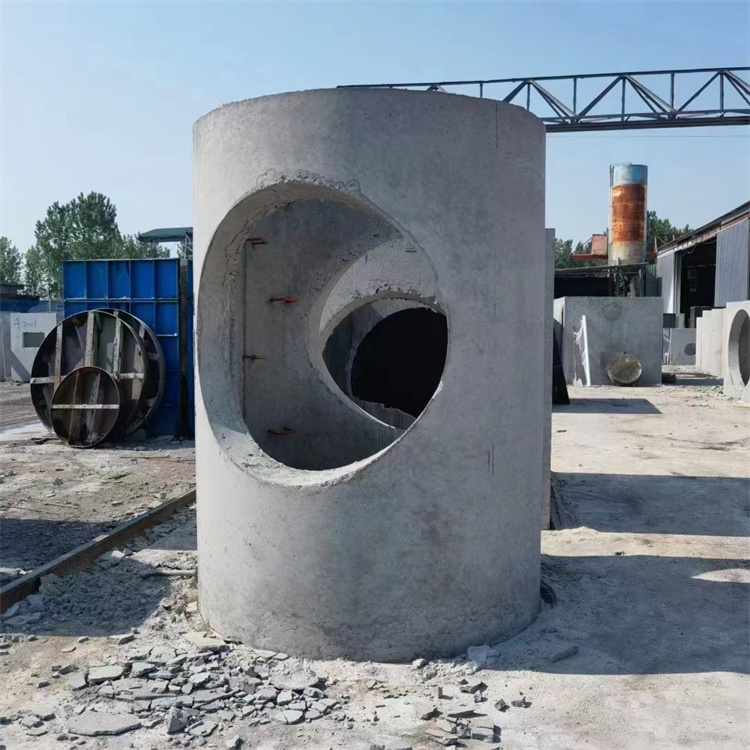
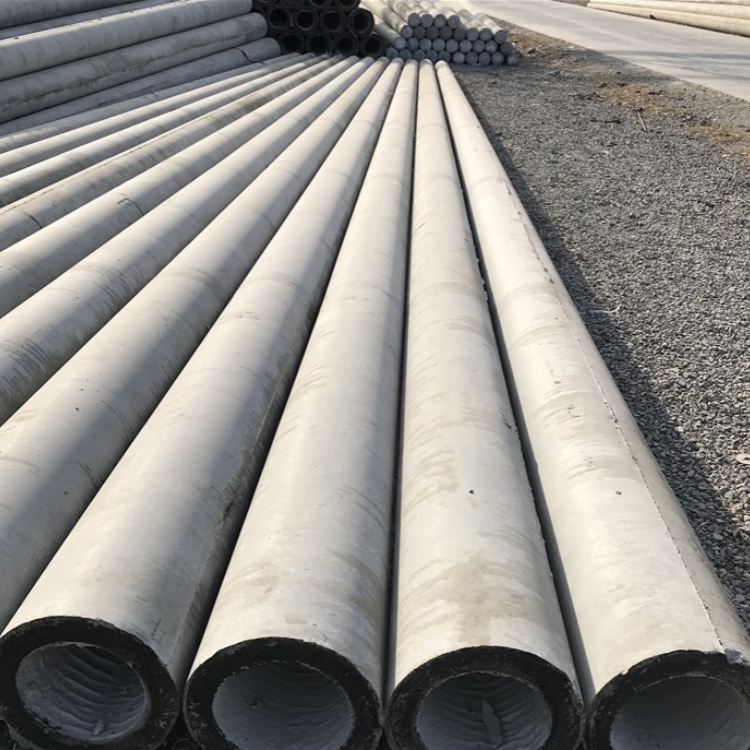
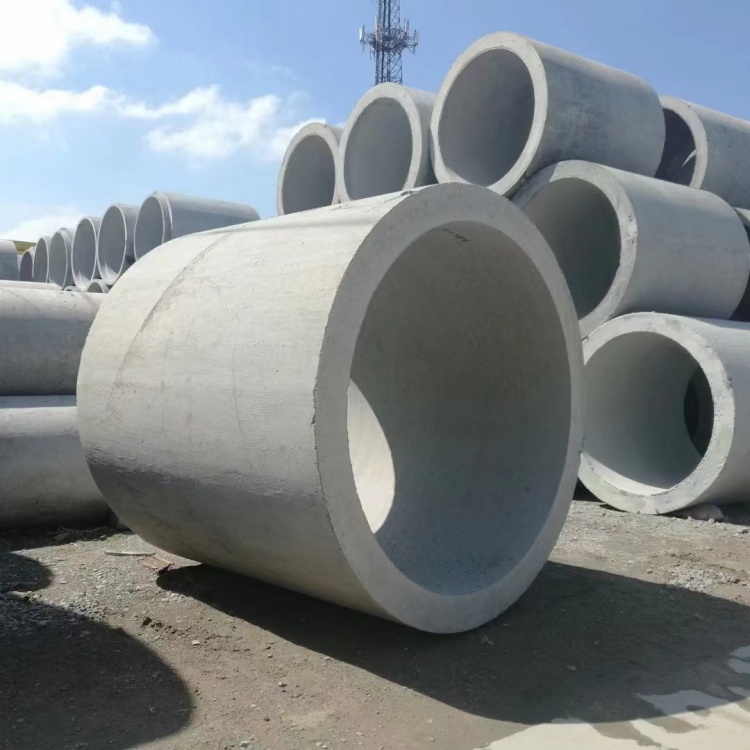
Coupling concrete pipes are reinforced concrete pipes characterized by tenon and groove designs at the pipe ends, which facilitate connections between pipes. This connection method transmits loads between pipe components, enhances sealing performance, and typically employs sliding rubber rings for sealing and preventing water leakage, thereby improving the sealing and integrity of the pipeline system. Coupling concrete pipes are widely used in urban construction, water conservancy projects, and agricultural irrigation fields.
Features of the socketed concrete pipe
Connection Method: The pipe ends of the企口 cement pipes are connected by a tongue-and-groove joint, which is a relatively sturdy method.
Sealing Performance: Generally, sliding rubber rings are used for sealing and waterproofing, enhancing the sealing integrity of the pipeline system and effectively preventing leaks.
Load Transfer: The tongue-and-groove design enables load transfer between pipes, enhancing the stability of the pipeline system.
Installation Efficiency: Compared to flat-end cement pipes, bell-end cement pipes are quicker to install and easier to handle.
Application of Socketed Cement Pipe
Coupling pipe made of cement is suitable for various engineering environments:
Urban Drainage: System for the discharge of urban rainwater and wastewater.
Farmland Irrigation: Used as a pipeline in agricultural irrigation systems.
Industrial wastewater discharge: Used for wastewater disposal in industrial parks.
Road Construction: Part of the road infrastructure, used for drainage and pipeline crossings.
Sleeve joint cement pipe installation
The construction steps for socketed cement pipes typically include:
Basic Preparation: Prepare the pipeline foundation according to design requirements, ensuring it is level and solid.
Pipe transportation: Deliver gasketed cement pipes to the construction site and arrange them in the order of construction.
Pipe Connections: Insert the tongue of the socketed cement pipe into the groove of another pipe and seal it with a sliding rubber ring.
Inspection and Testing: After completion of the connection, inspect and conduct pressure testing on the pipeline system to ensure there are no leakage issues.
The difference between jointed cement pipes and other cement pipes
Compared to plain-end cement pipes, bell-end cement pipes offer superior sealing performance and stronger resistance to seismic activity and uneven ground settlement. While bell-end cement pipes may be faster to install than socket-and-spigot cement pipes, the latter may provide greater flexibility and adaptability in certain situations.
Conclusion
Socketed cement pipes remain a good choice for various engineering applications due to their excellent sealing and stability. While they may be replaced by flexible socketed or spigot cement pipes in some high-performance scenarios, socketed cement pipes still offer competitiveness in terms of cost and construction efficiency. When selecting cement pipes, one should consider engineering requirements, budget, and construction conditions to choose the appropriate type of cement pipe.