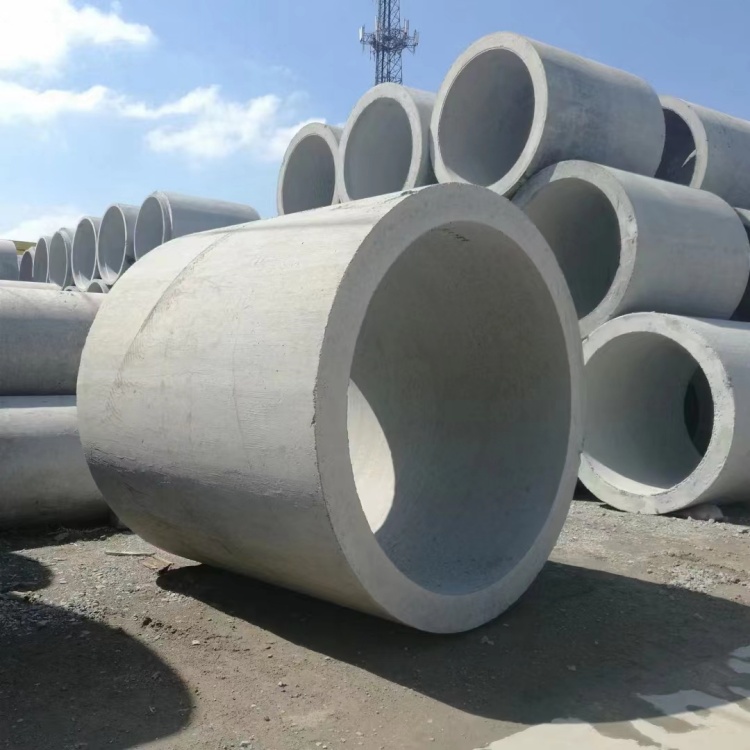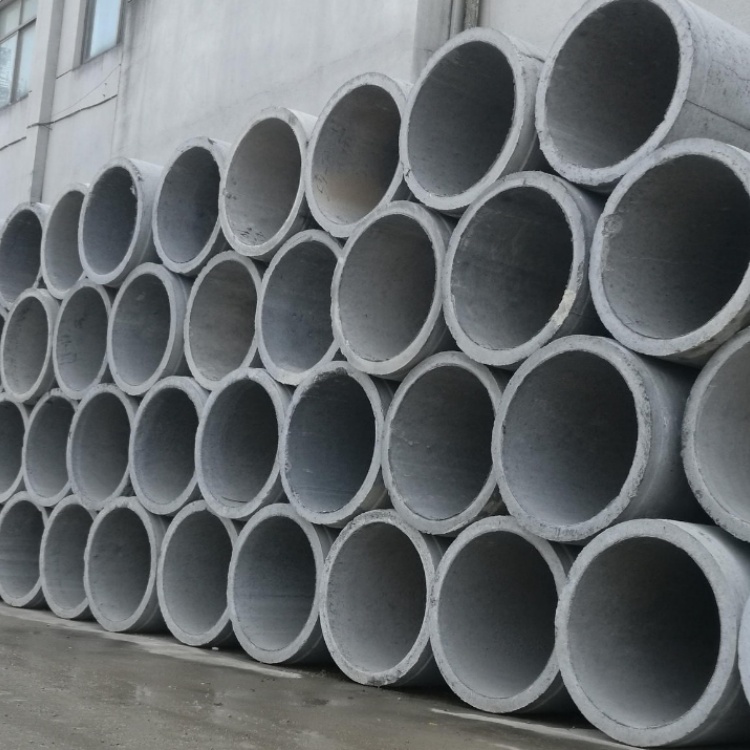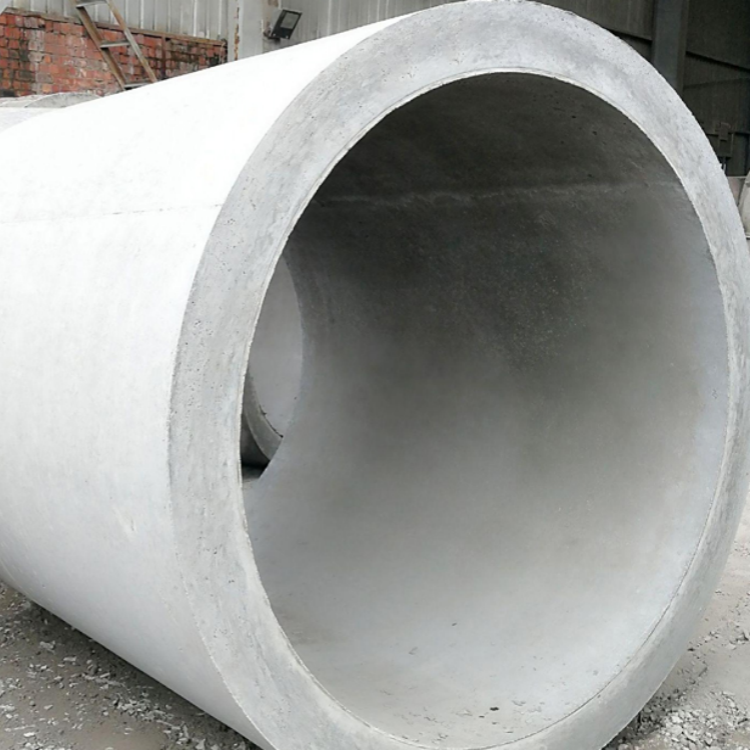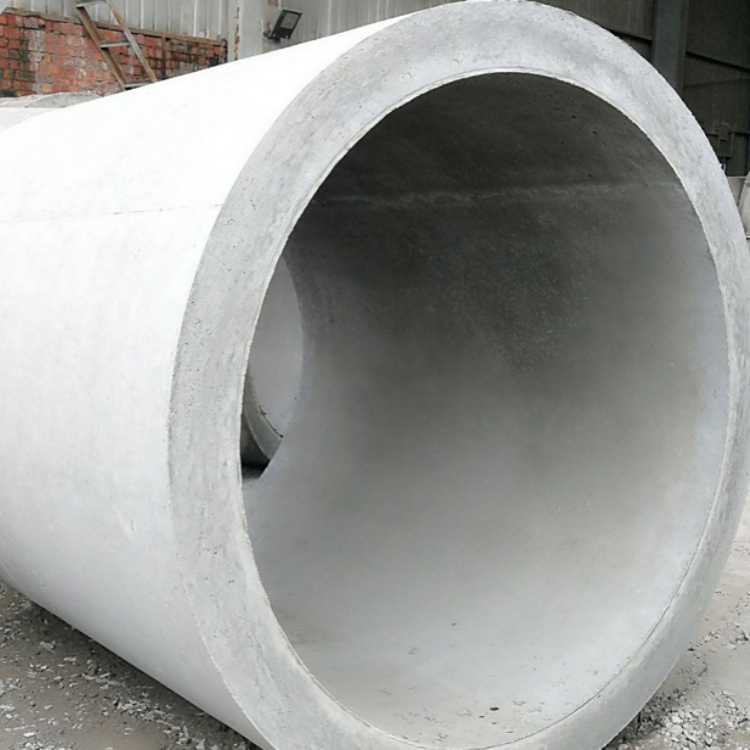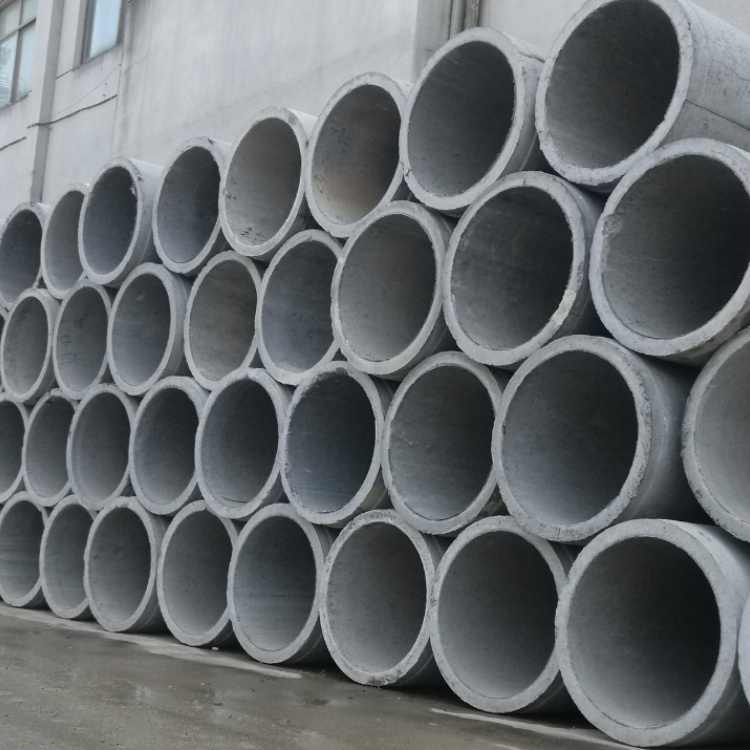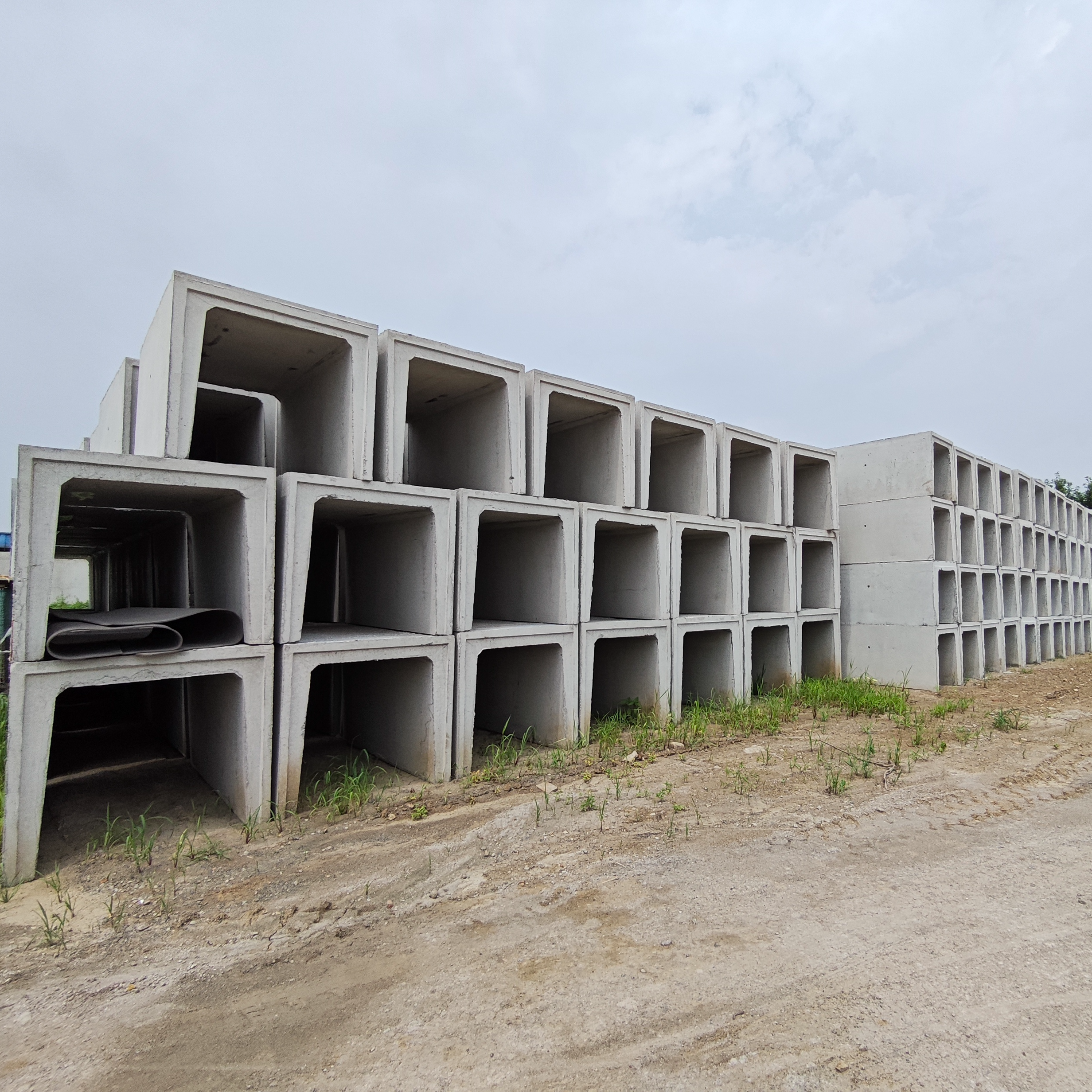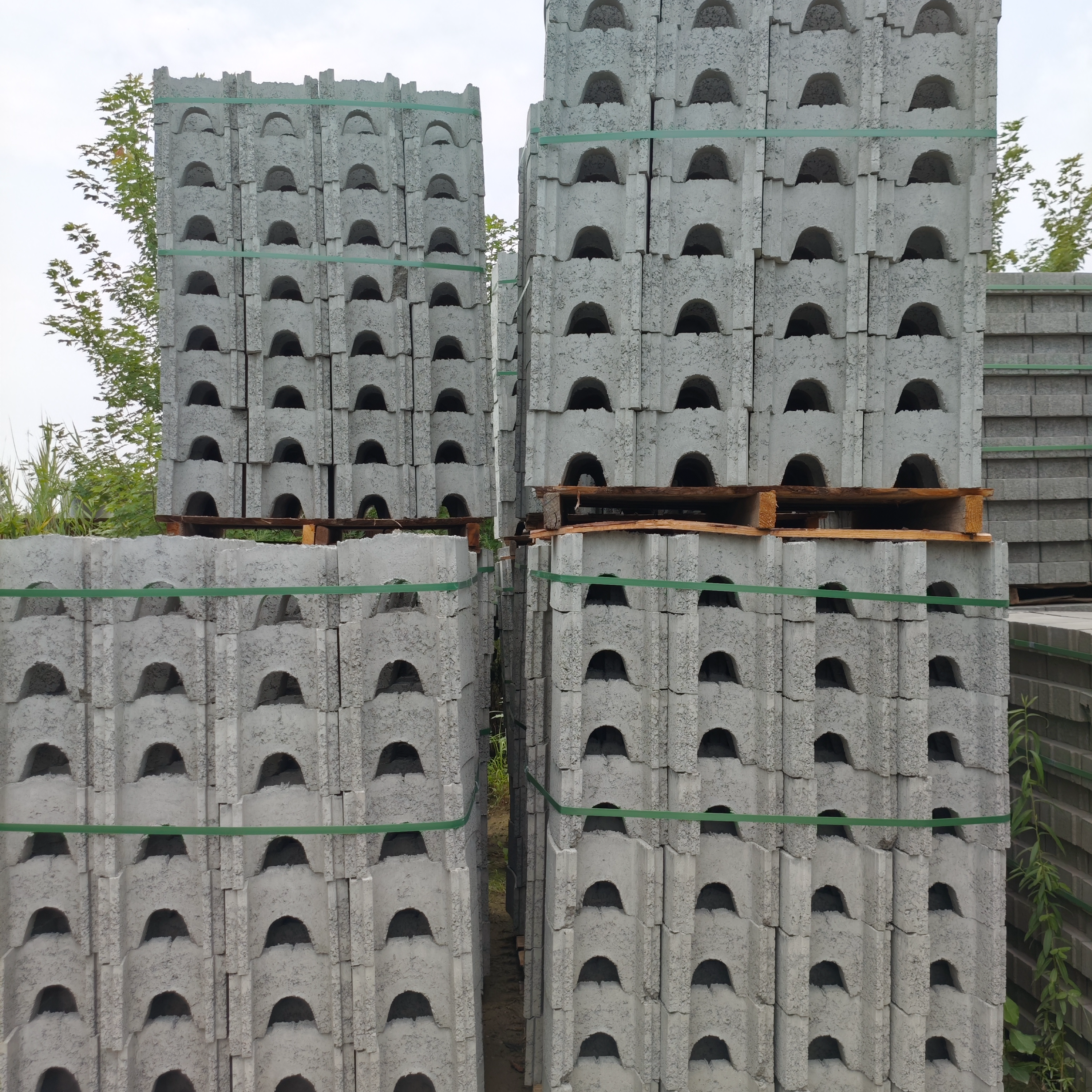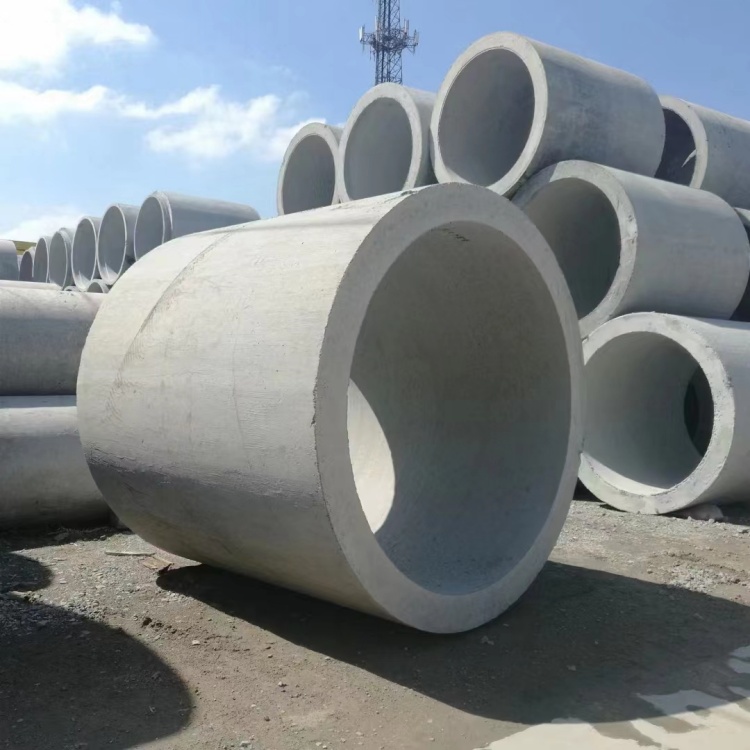

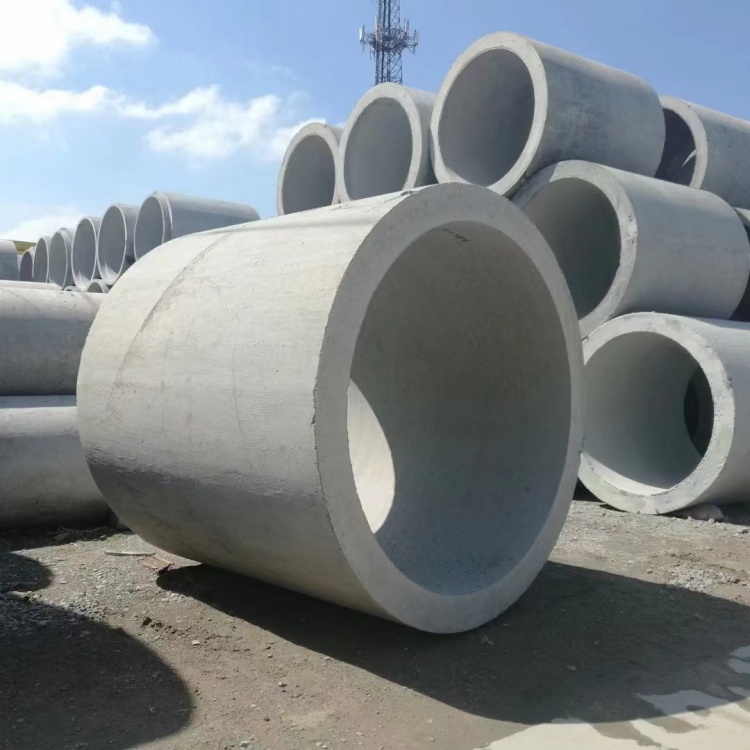
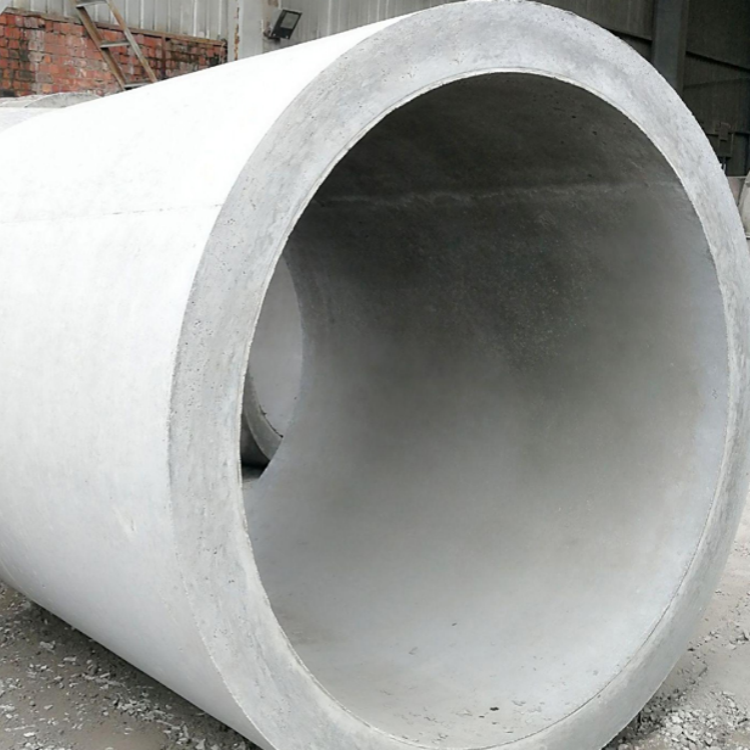


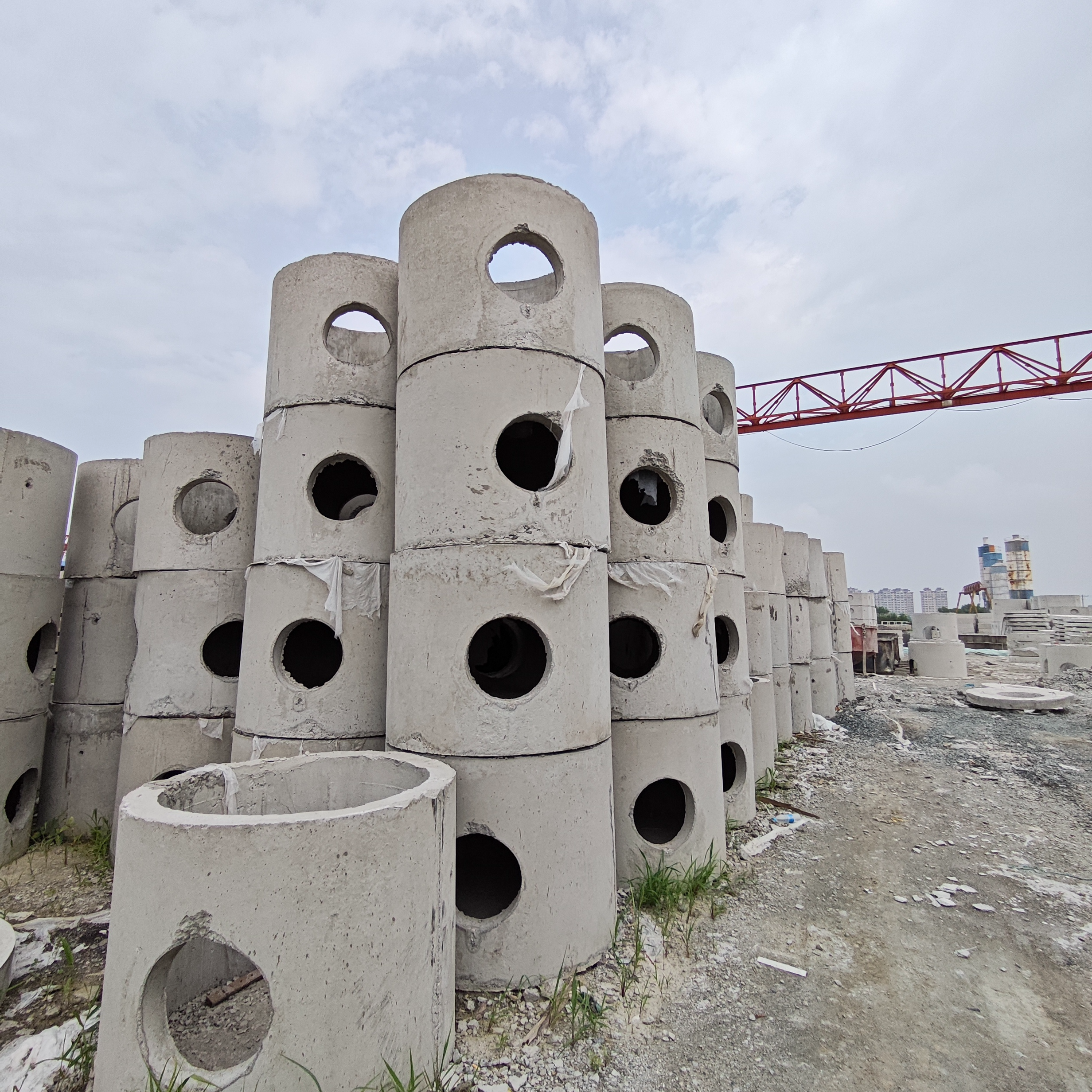
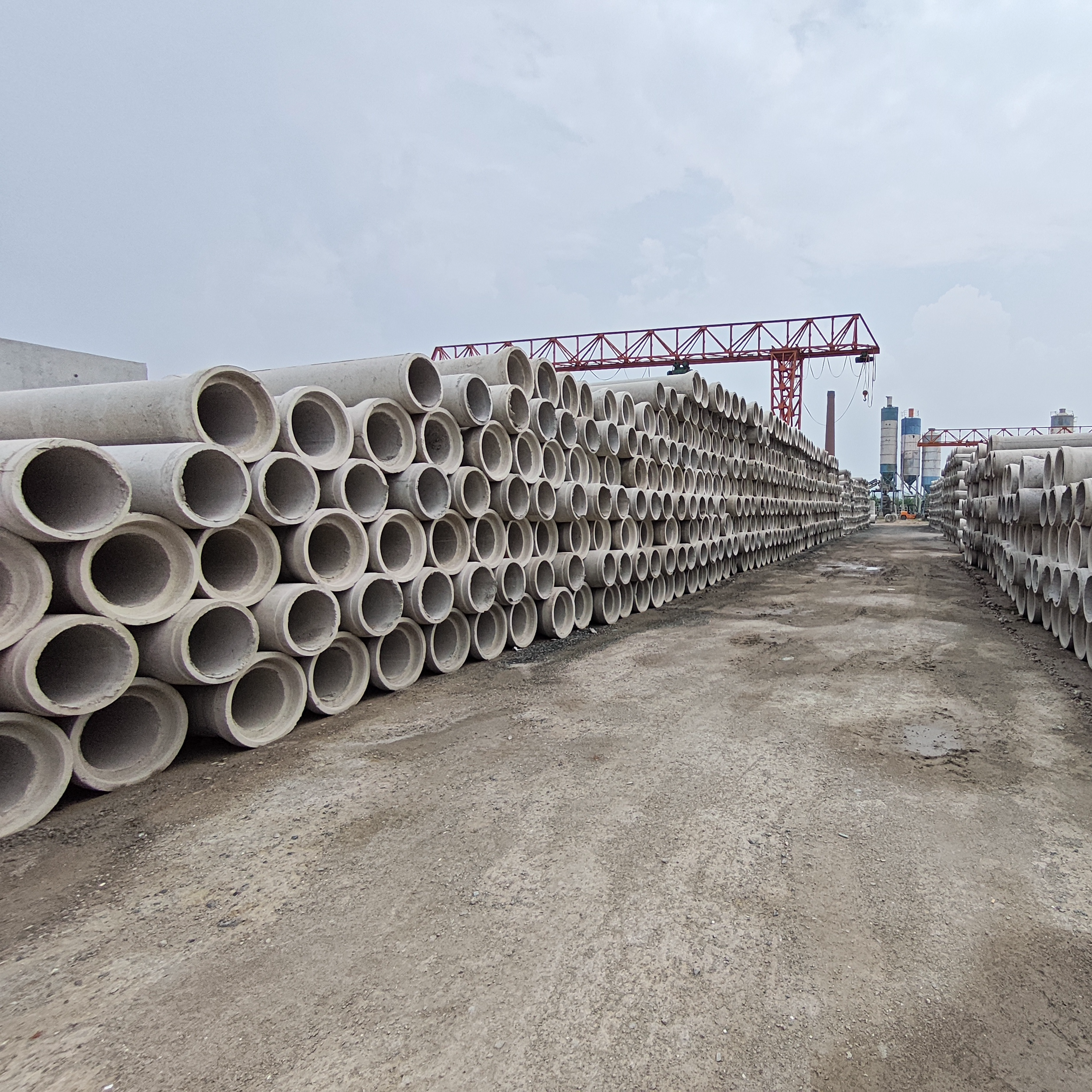
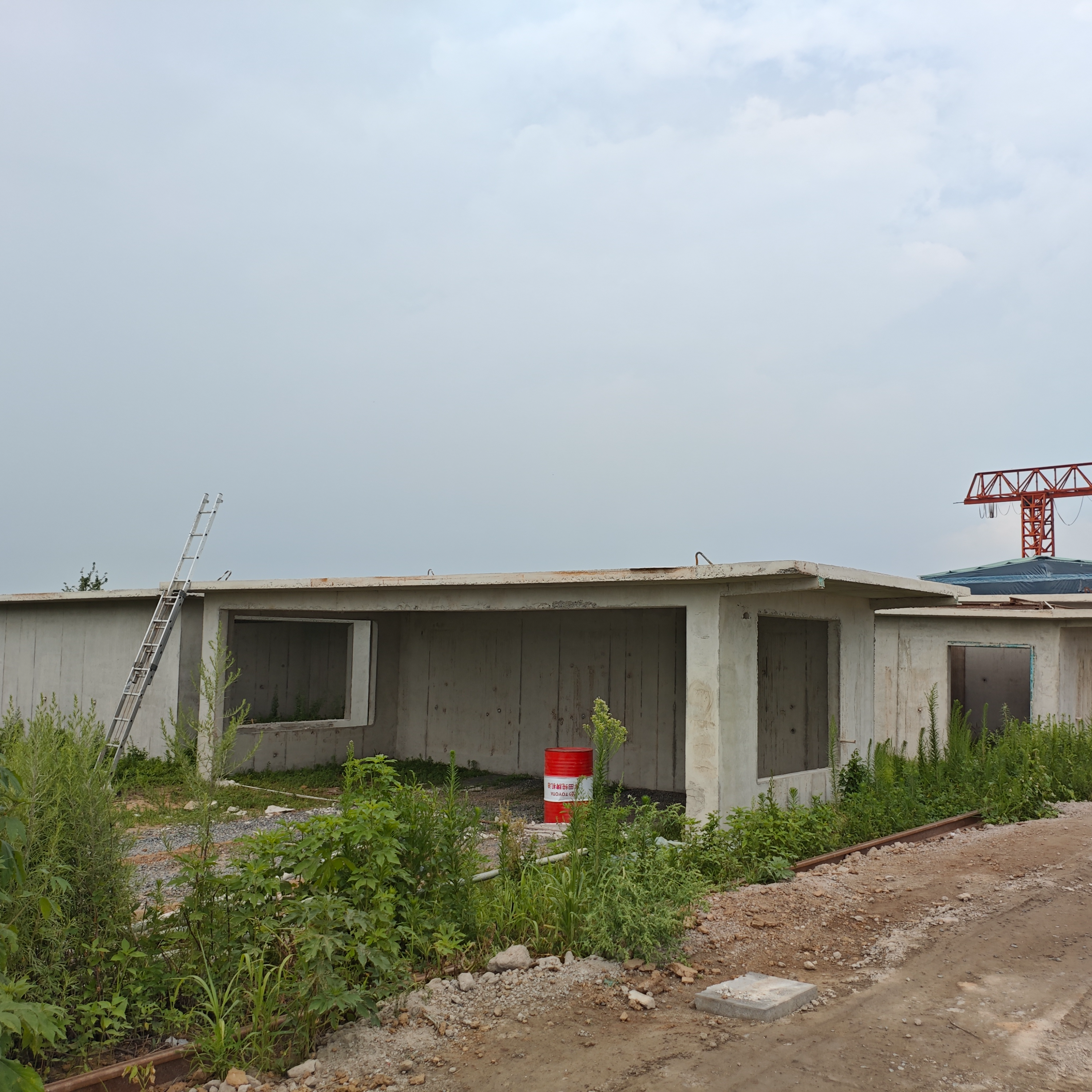





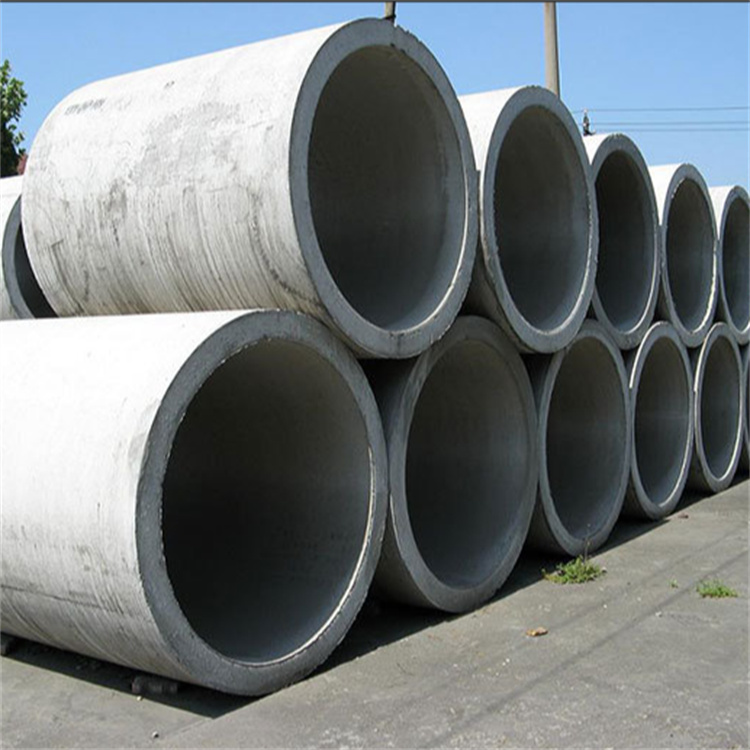
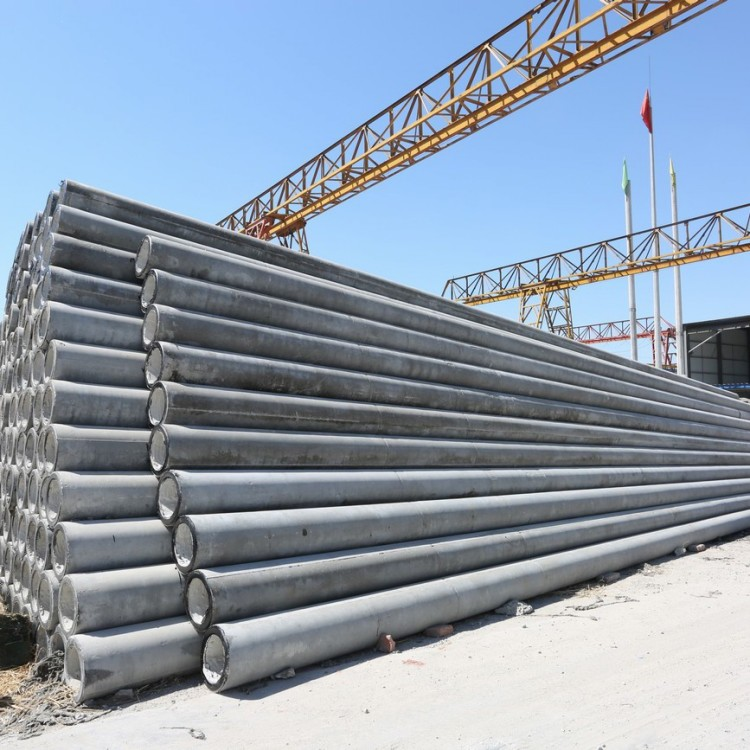
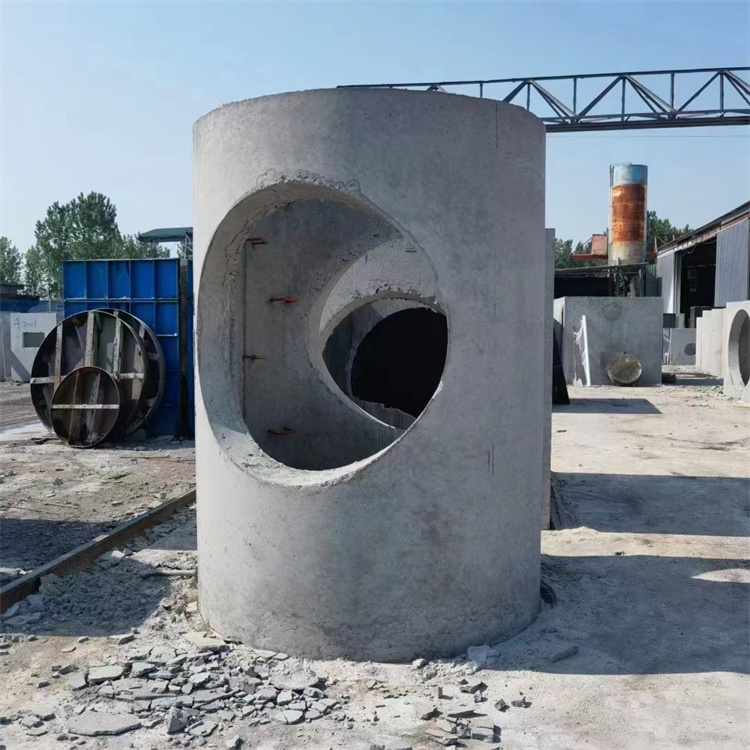
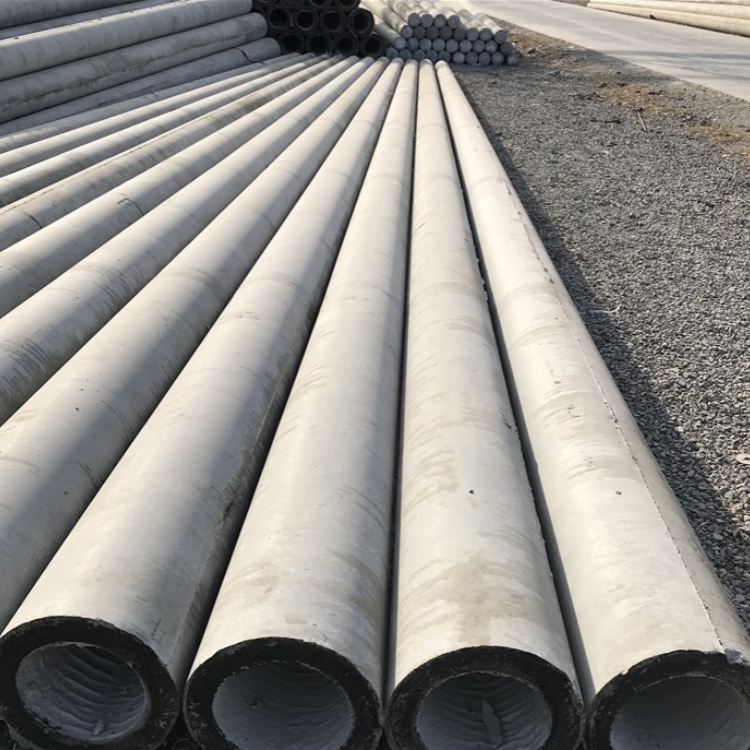
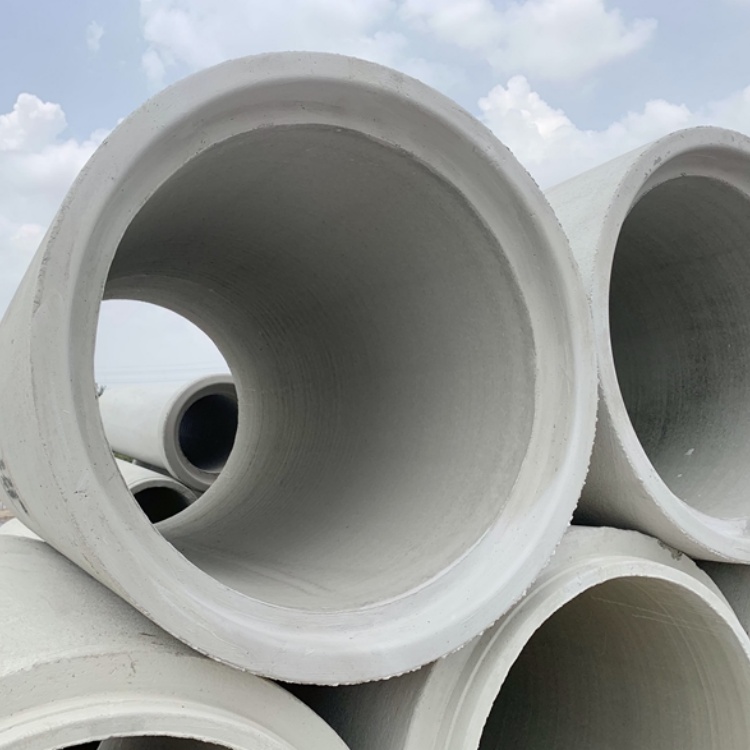
Plain-end cement pipes are a traditional type of cement pipe, characterized by flat ends without any special shape design. This type of pipe was widely used in early urban construction and water conservancy projects, primarily for sewerage, wastewater discharge, and flood prevention drainage. With technological advancements, the use of plain-end cement pipes has decreased, but they are still visible in specific occasions and small-scale projects.
Features of Plain Cement Pipe
Simple Structure: The flat-end cement pipe features a straightforward design with smooth end sections, making it easy to manufacture and install.
Lower Cost: Due to the relatively simple production process, the cost of flat-end cement pipes is lower.
Sealing Performance: Interface sealing usually employs wire mesh concrete tape, which is a rigid connection and has relatively poor sealing effect.
Seismic Performance: The seismic performance of flat-end cement pipes is poor; ground displacement may cause the joints to separate, leading to issues such as wastewater leakage.
Application of Plain End Concrete Pipe
Flat-end cement pipes are primarily used in the following scenarios:
Small Drainage Systems: In some small-scale drainage systems, flat-end cement pipes can still be effective.
Farmland Irrigation: In farmland irrigation systems that do not require high strength and tight sealing, plain-end cement pipes can be an economical option.
Temporary Drainage Facilities: Flat-end cement pipes can be rapidly deployed and dismantled in some temporary drainage projects.
Saddle-type cement pipe installation
The construction of plain-end cement pipes is relatively simple, mainly including the following steps:
Basic Preparation: Prepare the foundation along the pipeline route, typically concrete foundations.
Pipe Installation: Place the plain-end cement pipe on the foundation, aligning both ends.
Interface Sealing: Use wire mesh concrete tape for sealing at pipe interfaces.
Backfill soil: Backfill around and above the pipeline, and compact it.
The limitations of plain-end cement pipes
Despite the advantages of plain-end cement pipes, there are also some limitations:
Poor sealing: Rigid connections have worse sealing performance than flexible connections, which are prone to leakage.
Poor seismic performance: The joints of flat cement pipes are prone to cracking during earthquakes or other vibrations.
Foundation displacement sensitive: Uneven settlement of the foundation may cause separation at the interface, affecting the service life of the pipeline.
Conclusion
As urban construction and hydraulic engineering demand higher performance from pipelines, plain-end cement pipes are gradually being replaced by new types such as socket-and-spigot and flexible expansion joint cement pipes. However, in certain small-scale projects or cost-sensitive initiatives, plain-end cement pipes remain a viable option. When selecting cement pipes, one should decide which type to use based on the specific project requirements and budget.