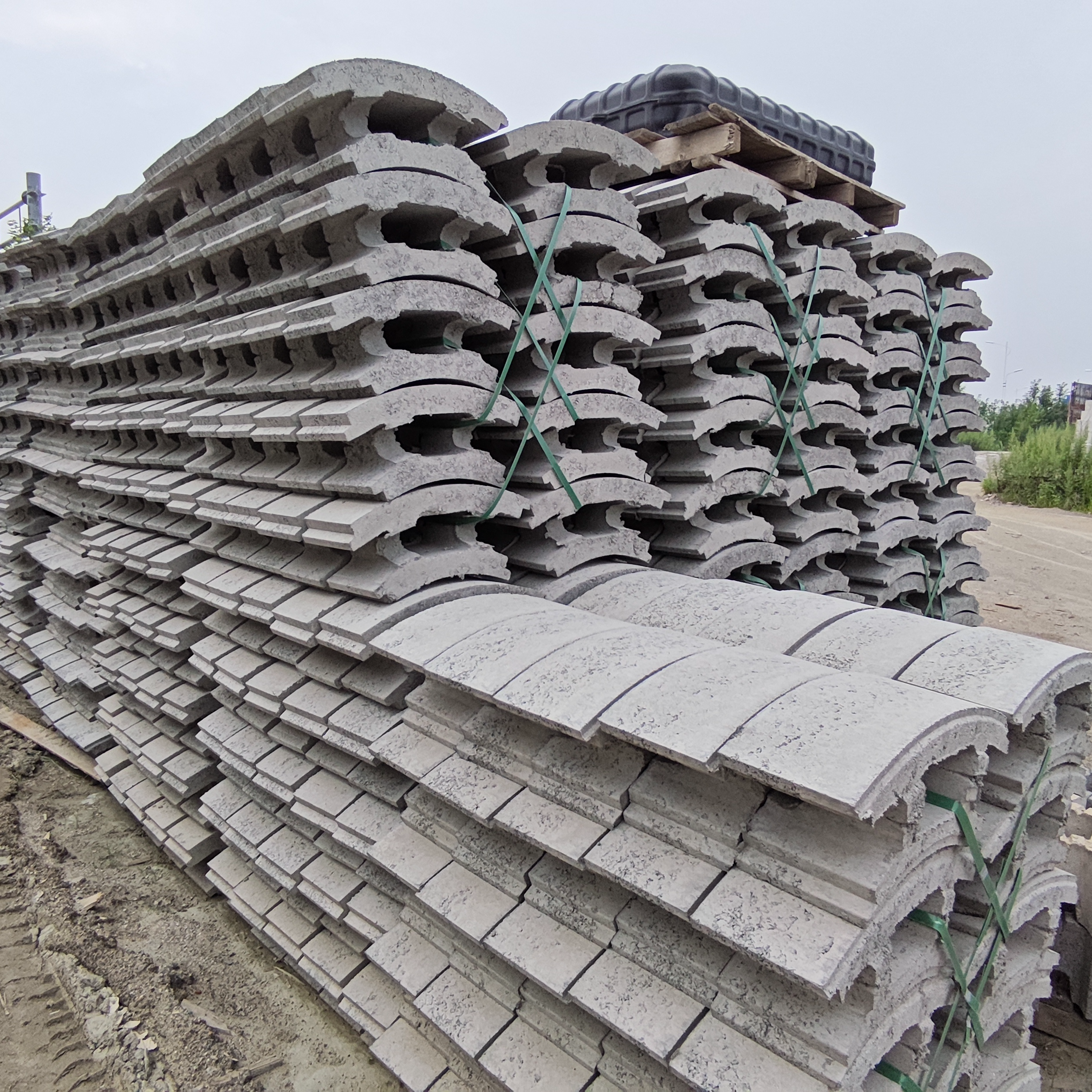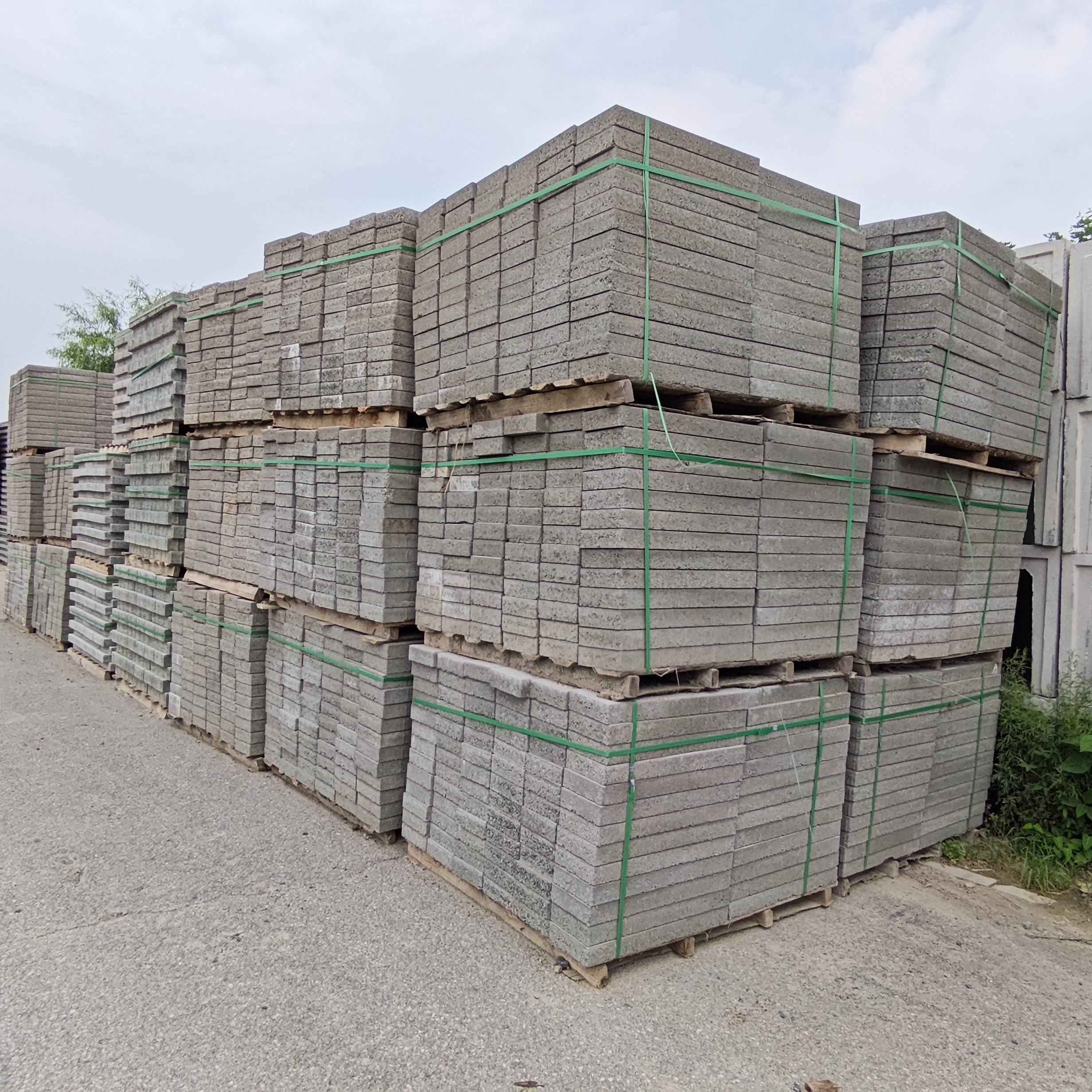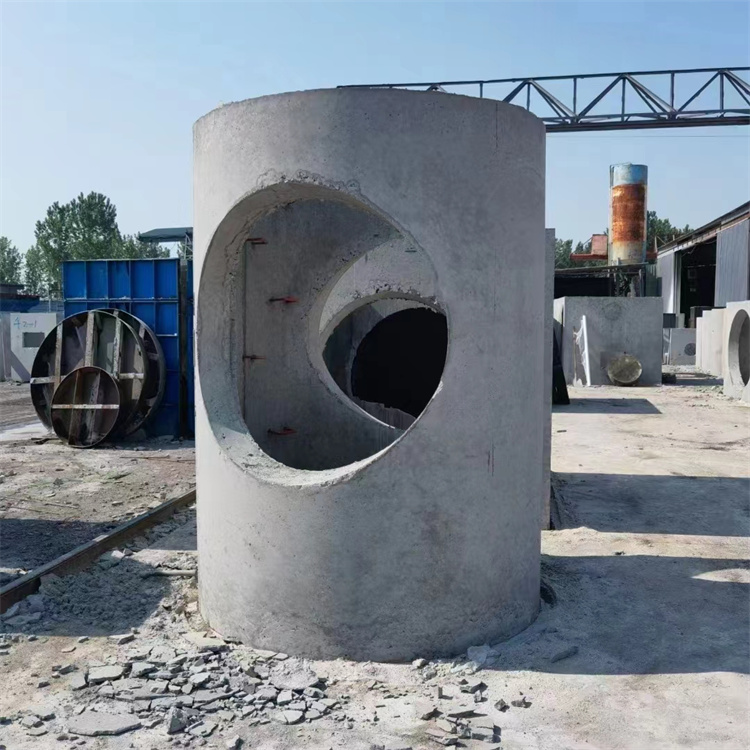

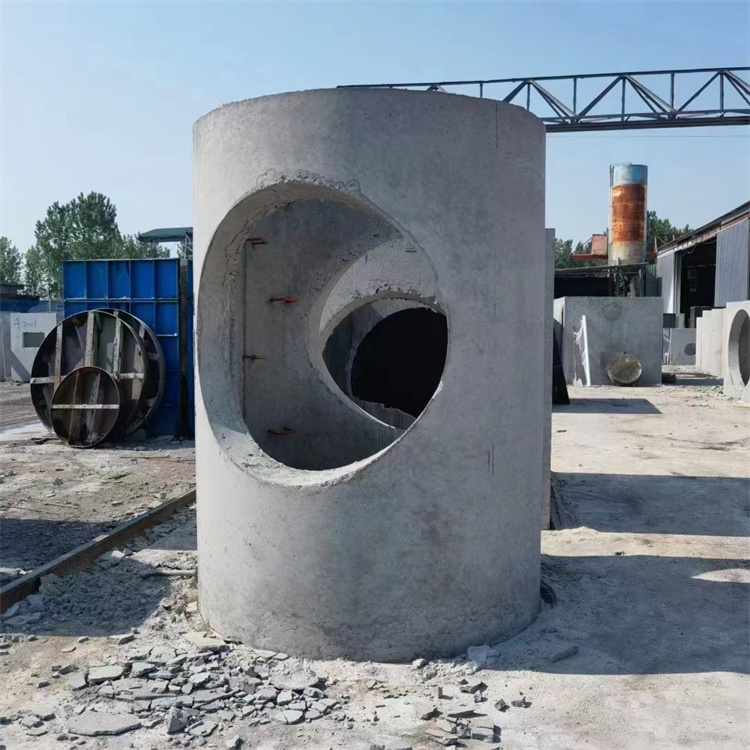
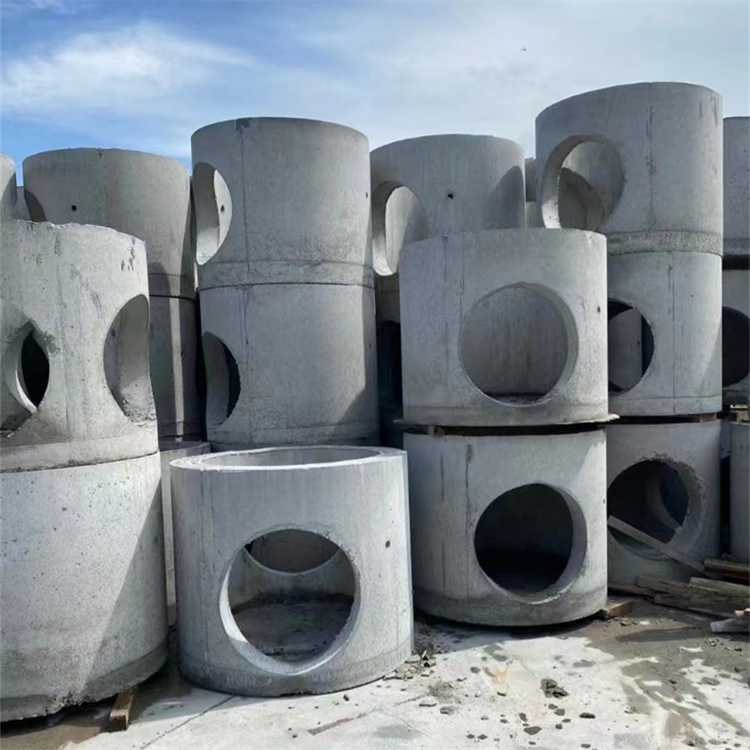


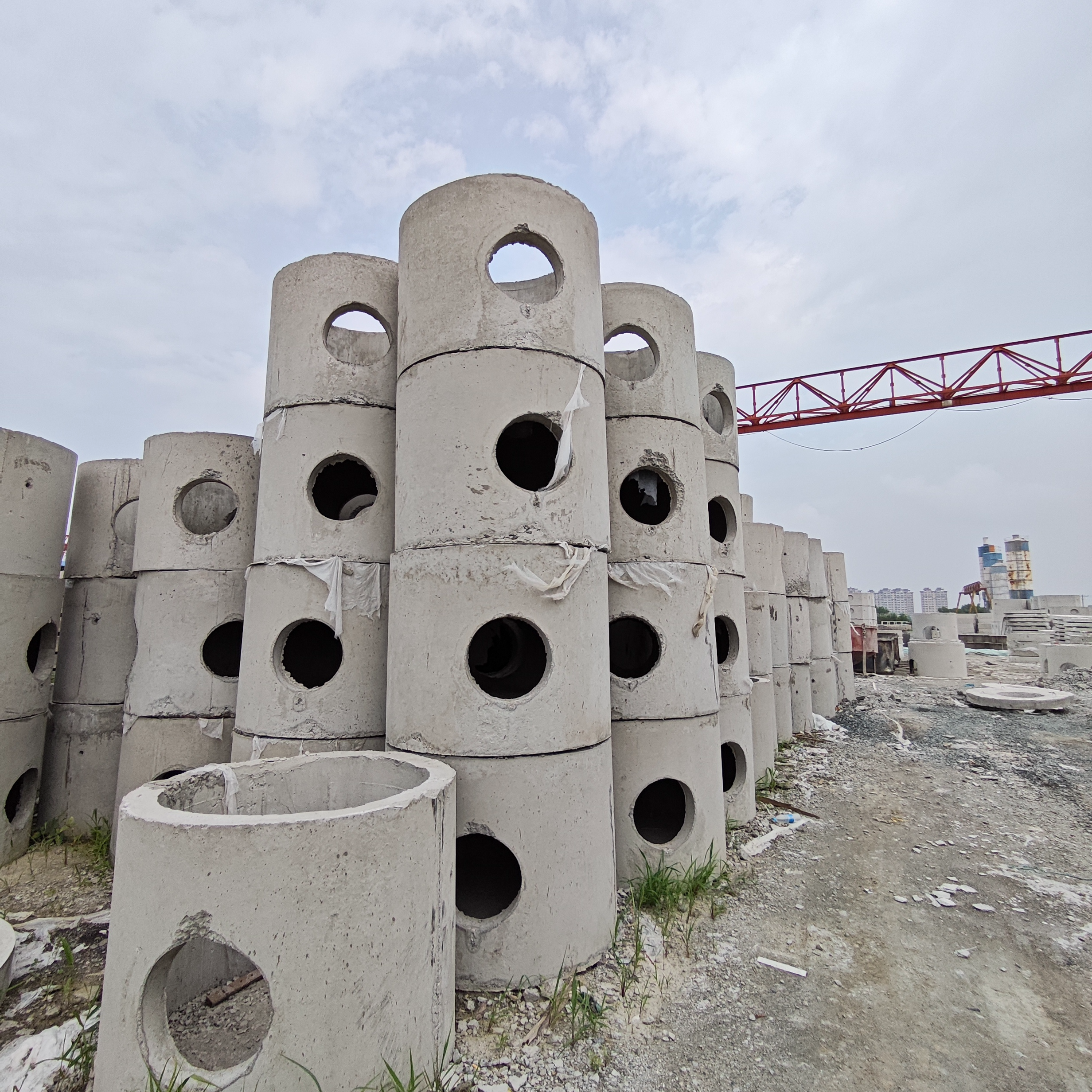
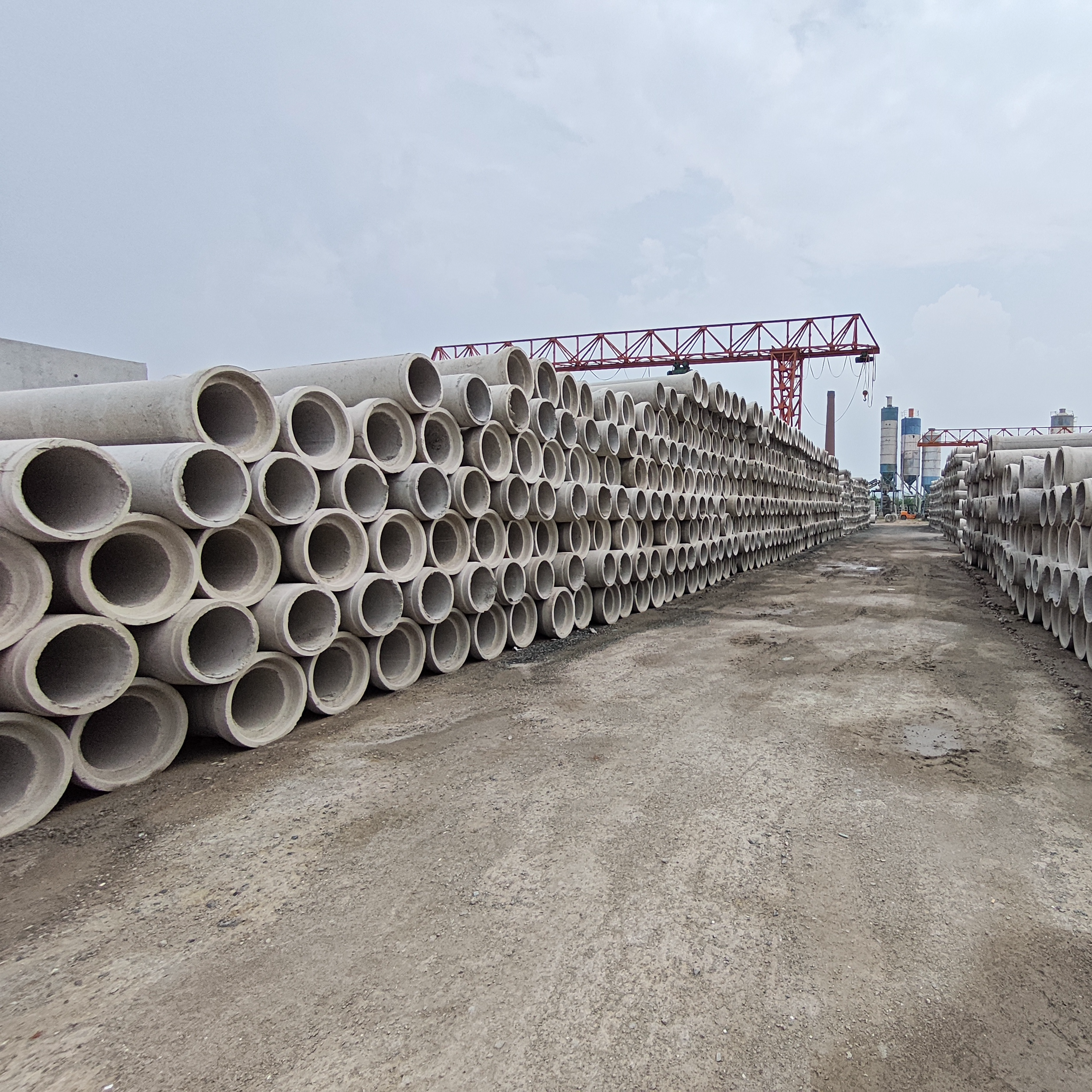
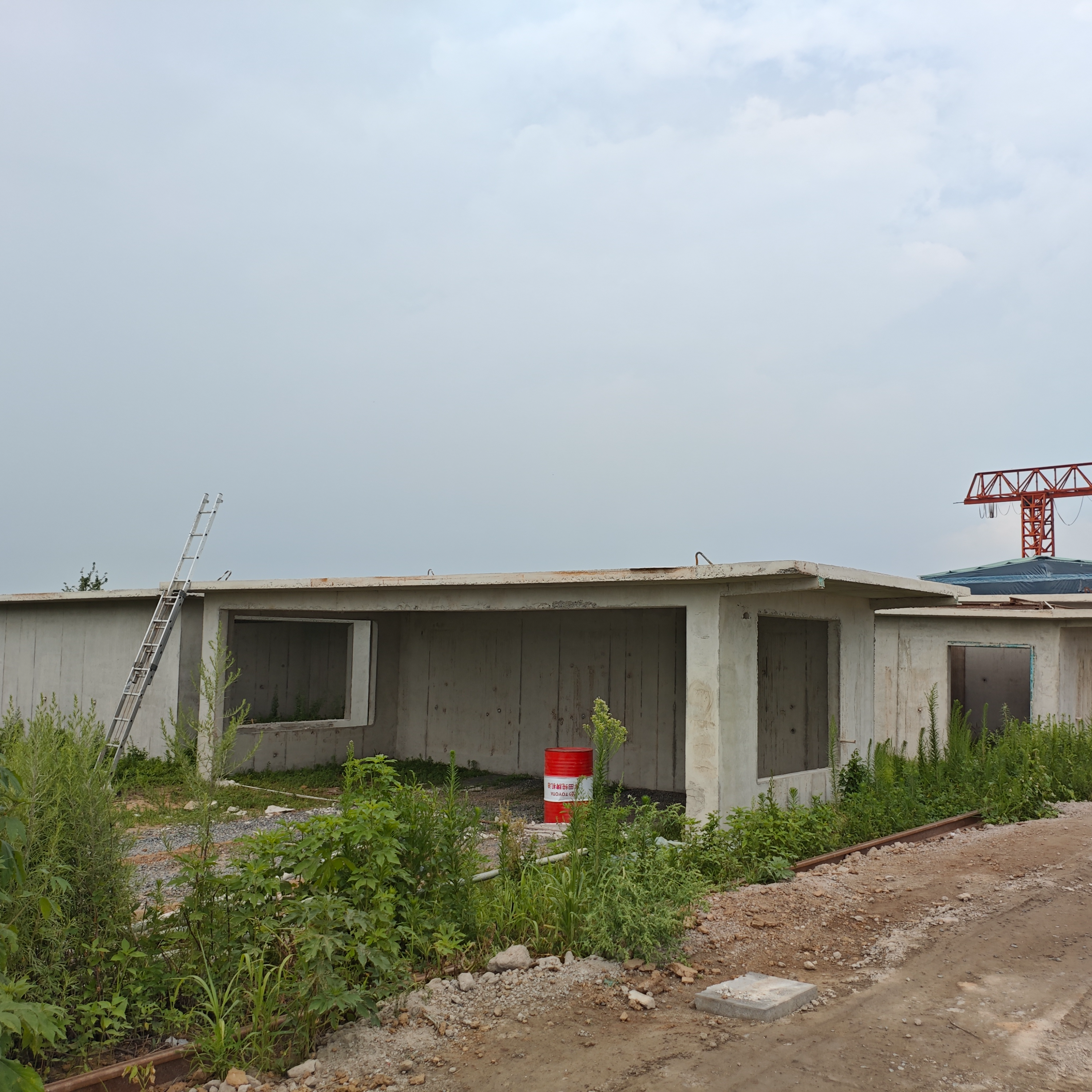





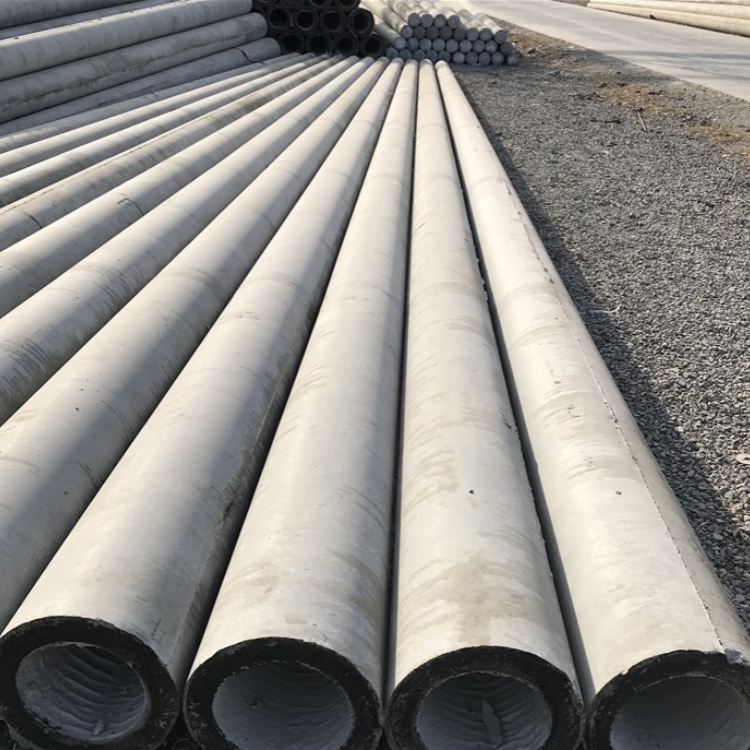
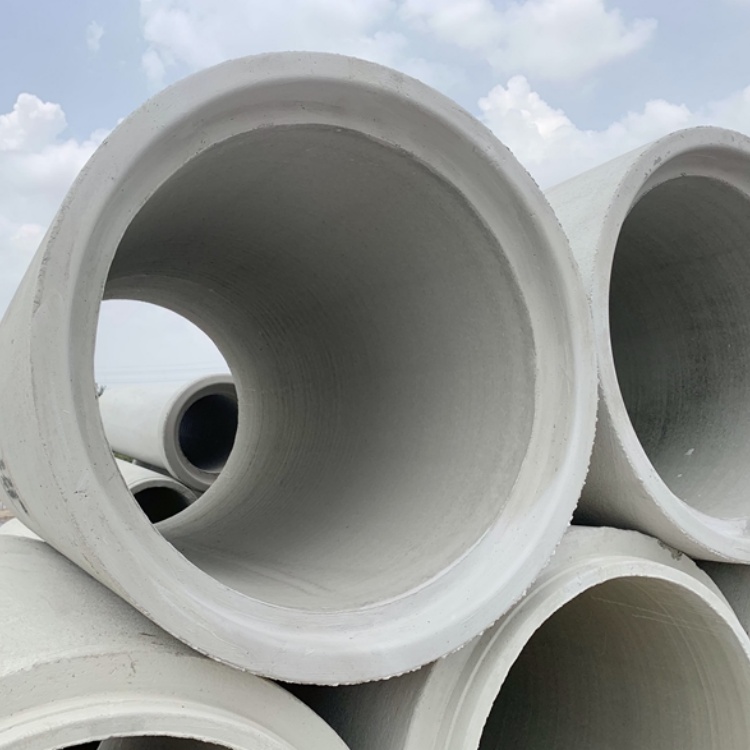
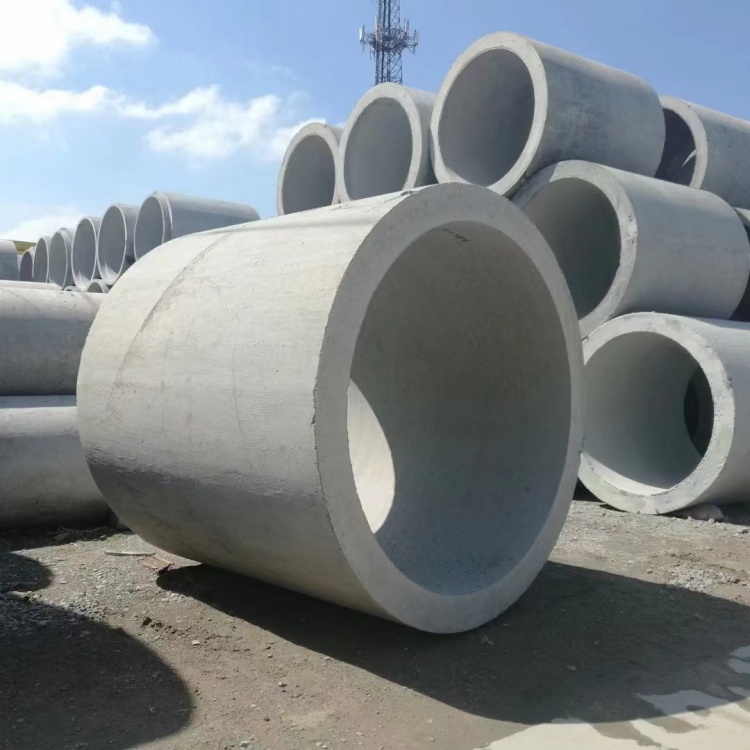
Manhole, also known as a maintenance hole or inspection chamber, is an essential component of the urban underground pipeline system, primarily used for inspecting, maintaining, and repairing underground pipelines. The design and construction of manholes are crucial for ensuring the normal operation of urban infrastructure and the quality of life for residents. Below is some detailed information about manholes:
Manhole function:
Provide access points to the underground pipeline system for ease of maintenance personnel to inspect and maintain.
Regular inspections of the pipeline are permitted to identify and resolve potential issues.
In emergency situations, such as pipe breaks or blockages, manholes can quickly locate the issue and facilitate repairs.
Manhole structure inspection:
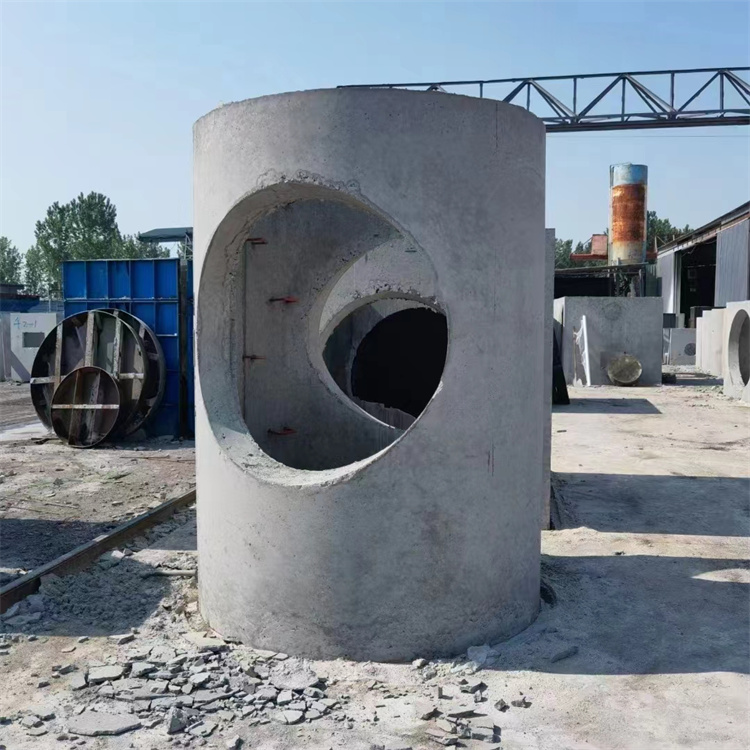
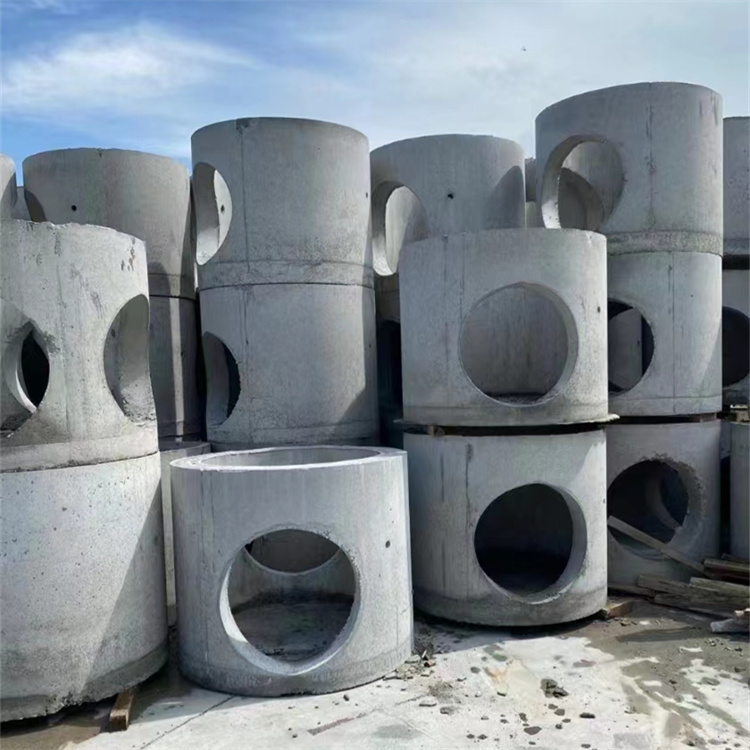
Composed typically of components such as manholes, bases, wells, and well bottoms.
Manhole covers are commonly made of cast iron or composite materials, offering certain load-bearing capacity and equipped with anti-theft designs.
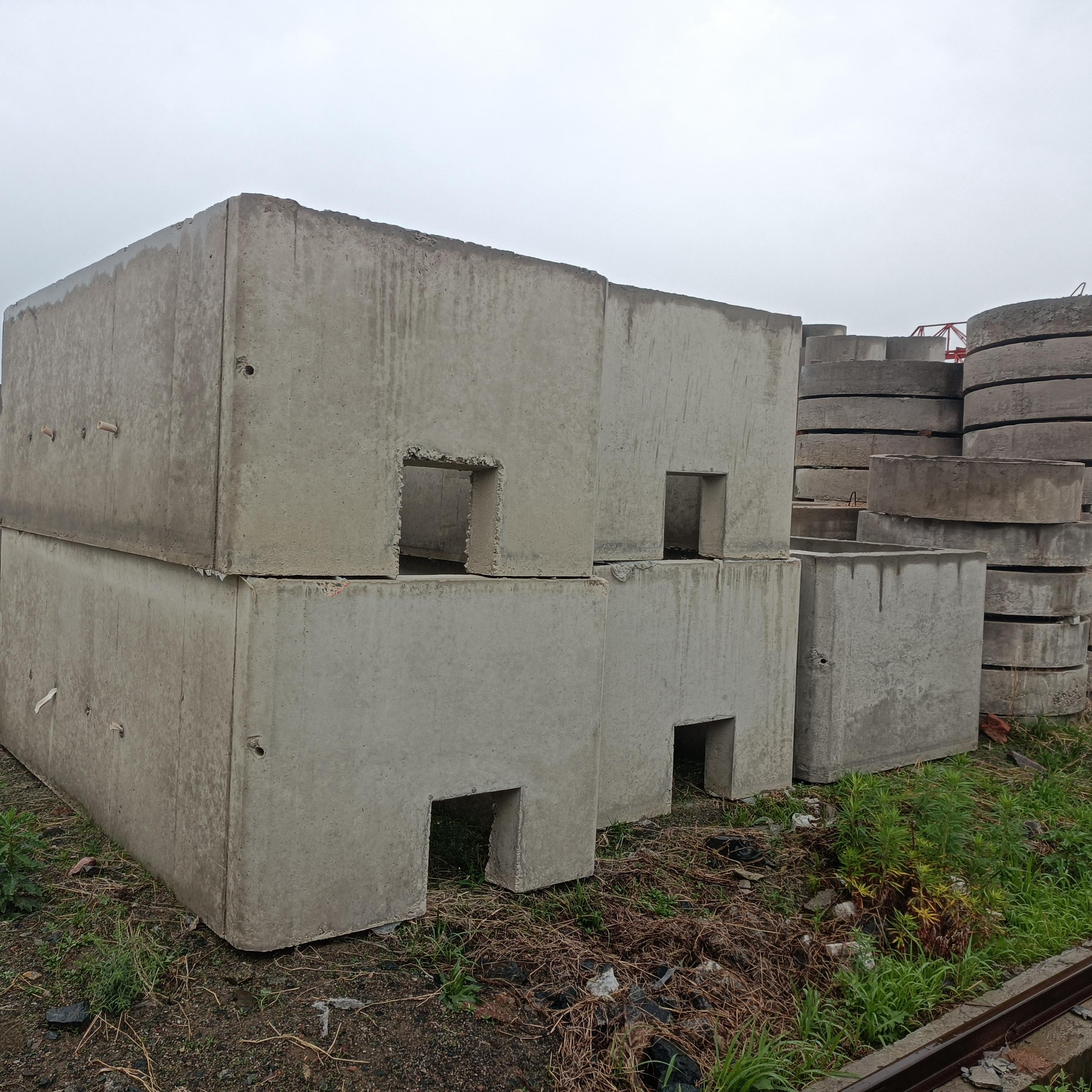
Wellheads and well casings are typically constructed of concrete or masonry to ensure the stability and durability of the manhole.
The well bottom is designed with a drainage system to prevent waterlogging and backflow of wastewater.
Manhole types:
According to pipe type and usage, manholes can be categorized as stormwater manholes, sewage manholes, potable water manholes, and telecommunications manholes, etc.
Based on the shape and load-bearing capacity of the manhole covers, inspection wells can be categorized into circular inspection wells, square inspection wells, light-duty inspection wells, and heavy-duty inspection wells, among others.
Design Principles for Manholes:
Ensure the manhole location is reasonable for ease of maintenance personnel's operation and equipment access.
Consider the manhole size and depth to accommodate maintenance needs for various pipelines.
Ensure the materials and structure of the manholes comply with local building codes and safety standards.
Emphasize the waterproofing, fireproofing, and anti-theft capabilities of the manhole to enhance its lifespan and safety.
Manhole maintenance and management:
Regularly inspect and clean the manholes to prevent blockages and corrosion.
Regularly inspect and maintain the manhole covers to ensure they are intact and functioning properly.
Manage the environment around the inspection well to prevent garbage and debris from accumulating, which may affect the use of the inspection well.
Regular maintenance and upgrades of inspection wells to accommodate the development and changes of urban infrastructure.
Future Development of Manholes
As urban infrastructure continues to upgrade and become intelligent, the design and functionality of manholes will also be continuously optimized and improved.
Future manholes may integrate more intelligent sensors and monitoring equipment, enabling remote monitoring and automatic alarm functions.
The materials and structure of the manholes will also be more environmentally friendly and durable, reducing maintenance costs and extending service life.