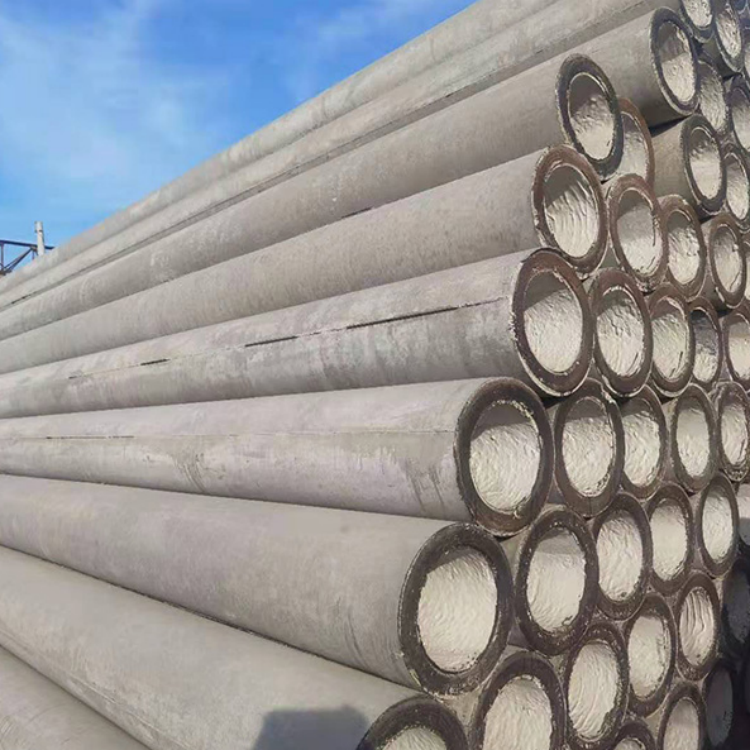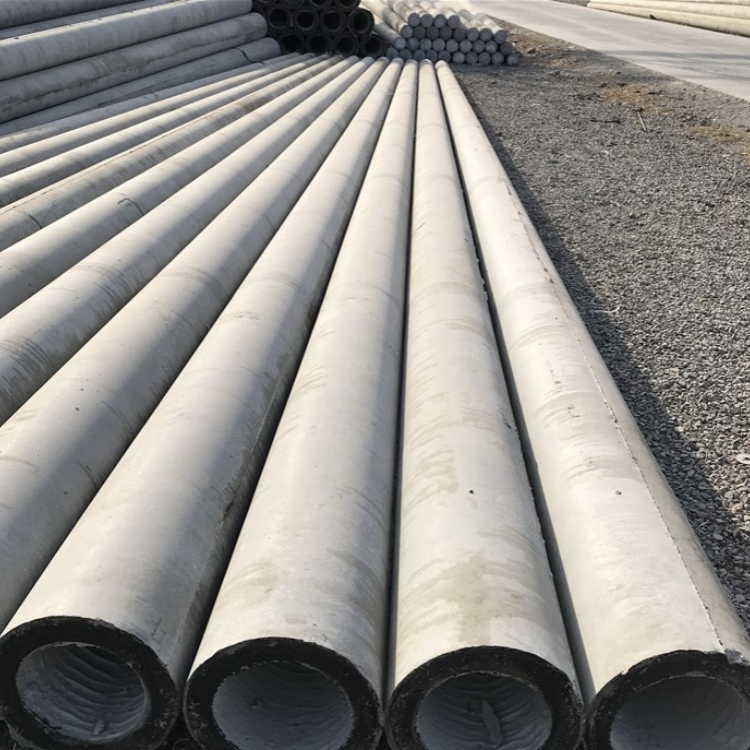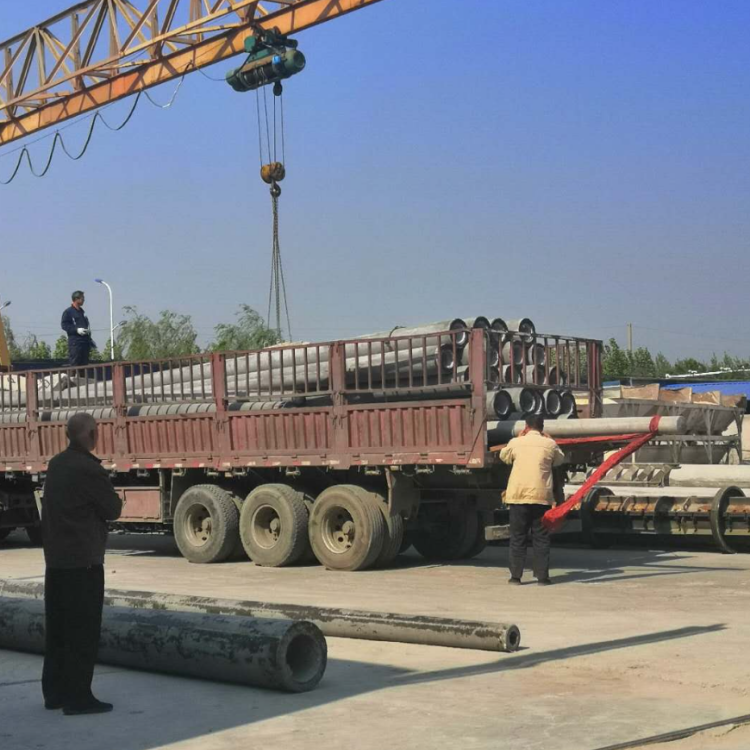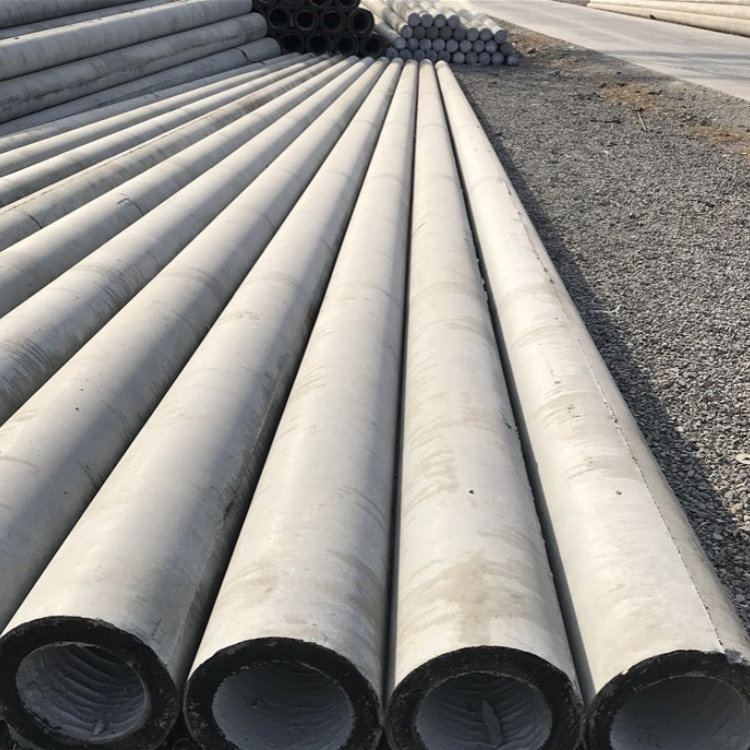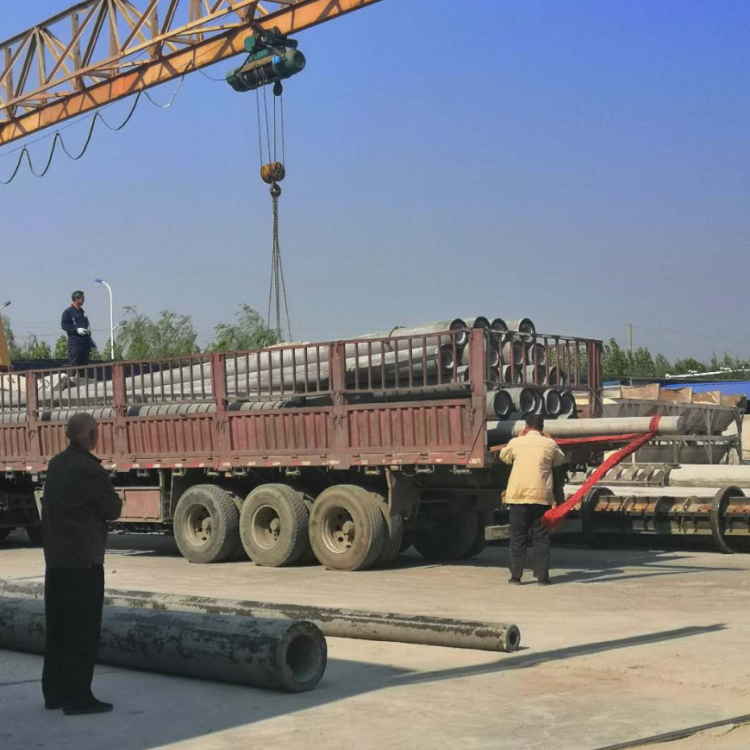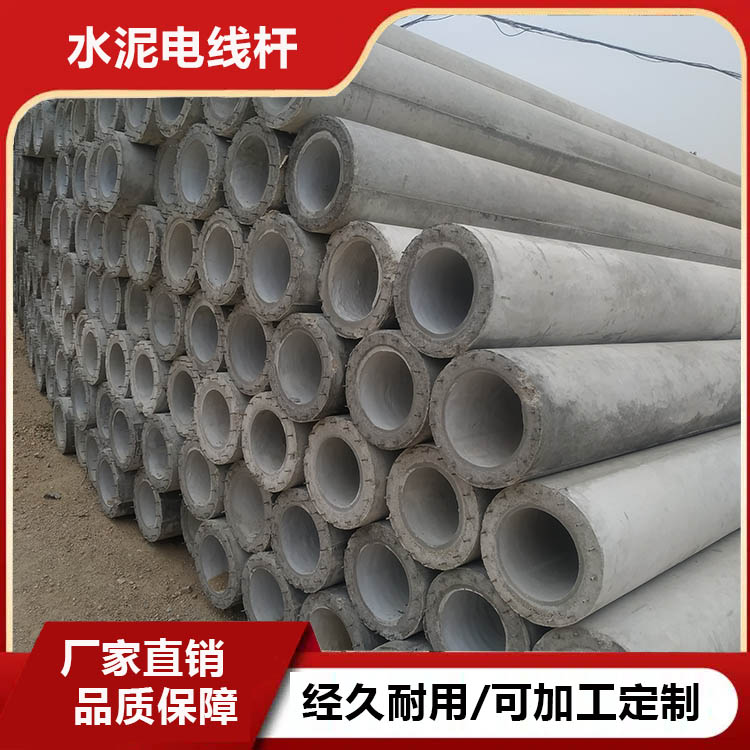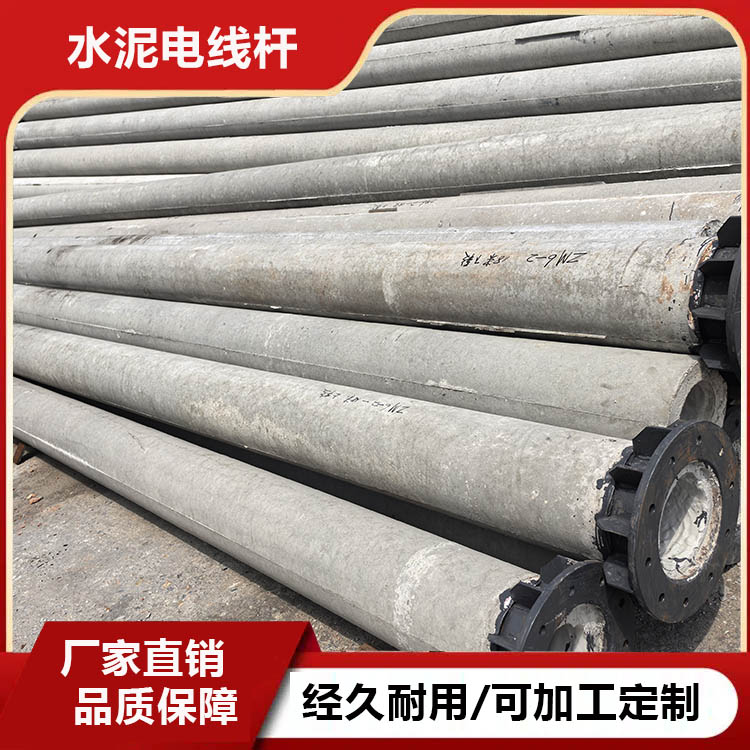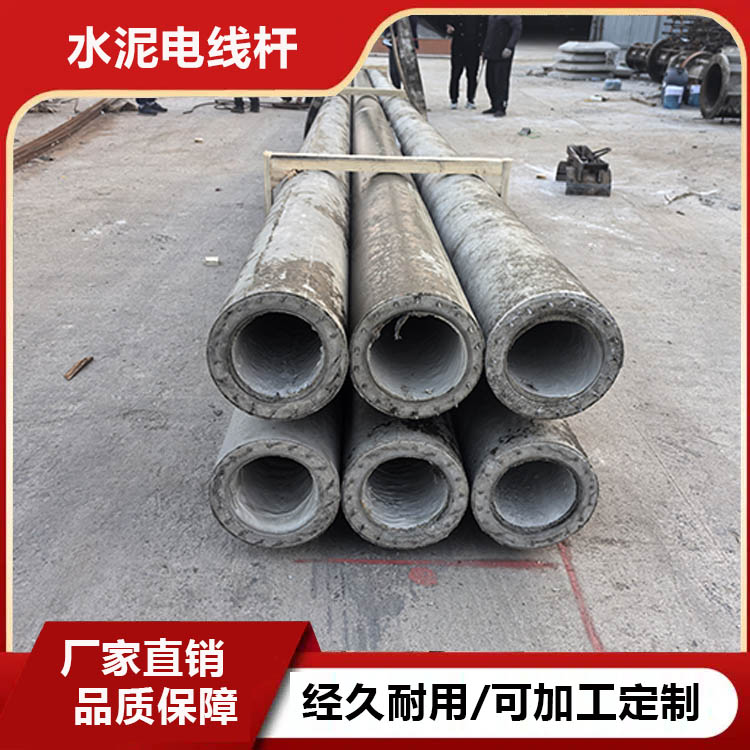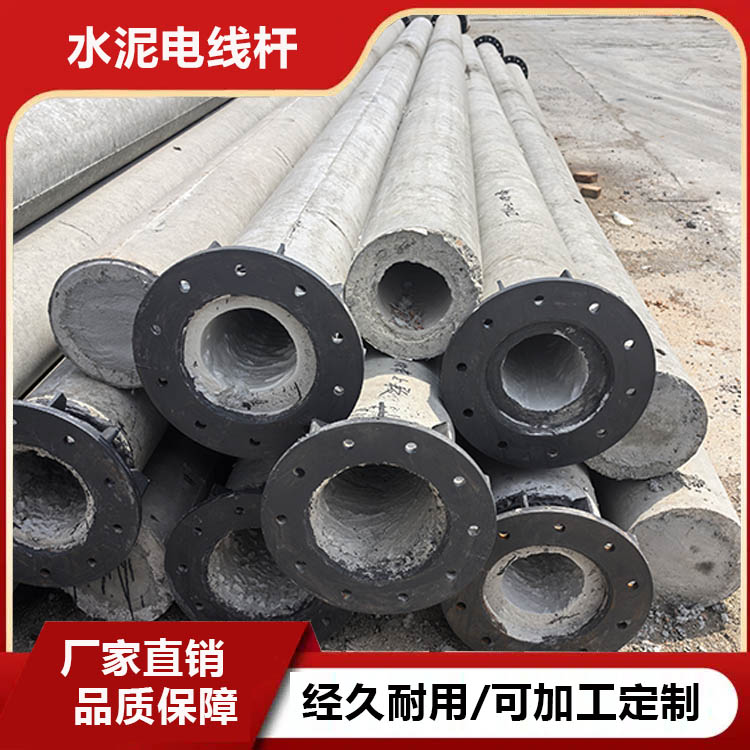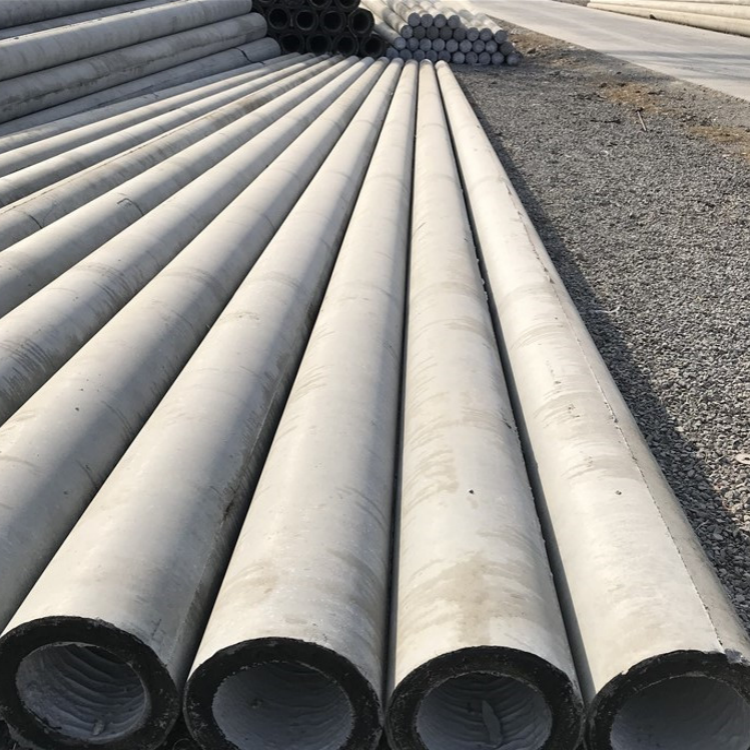

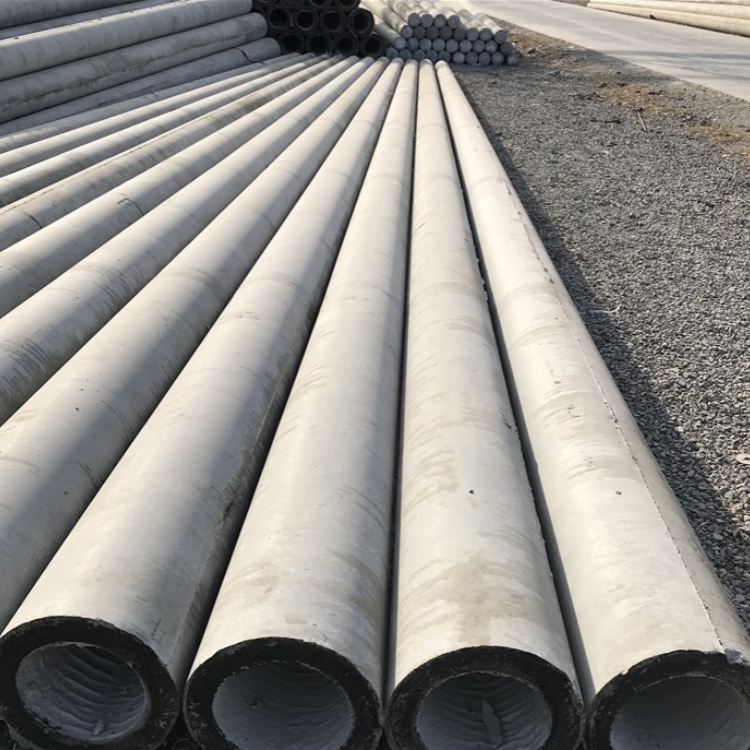
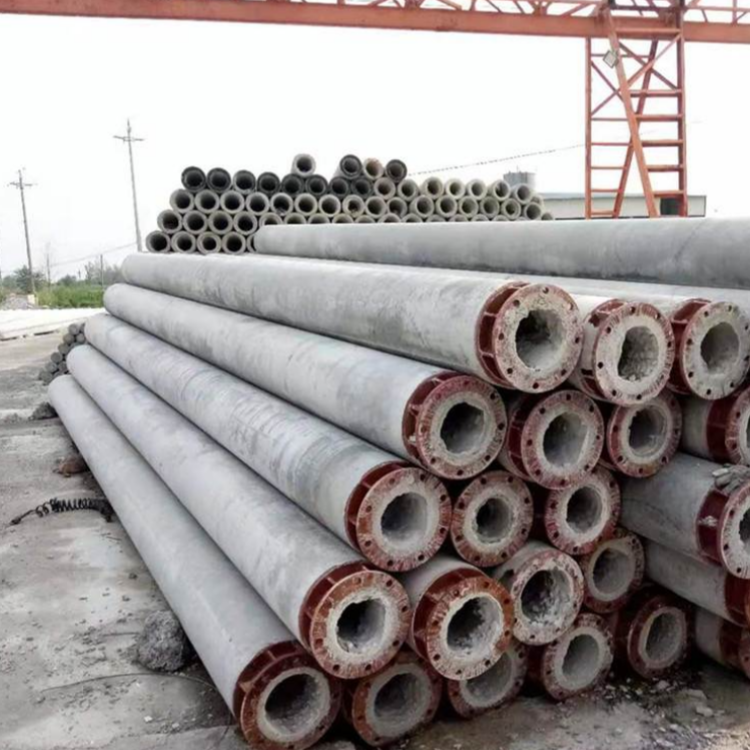


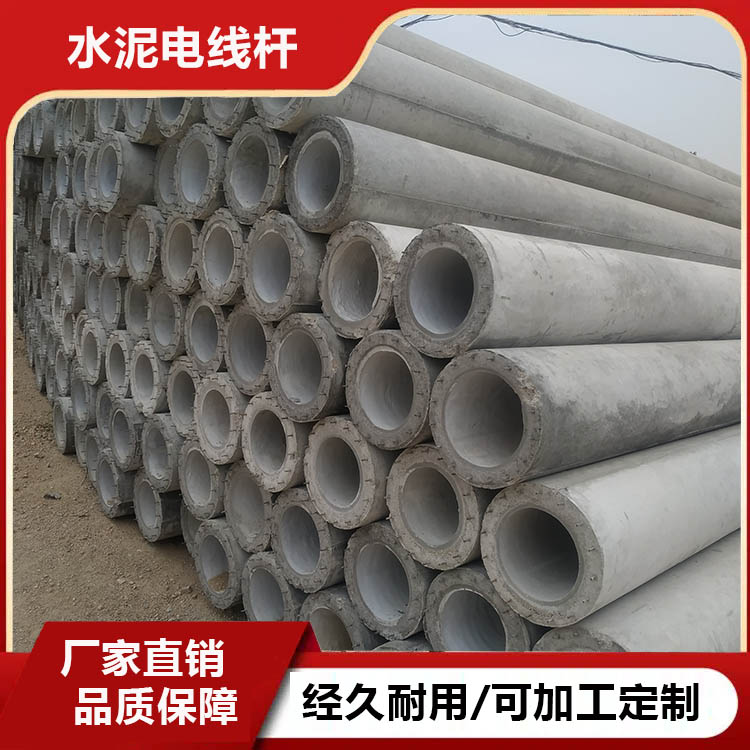
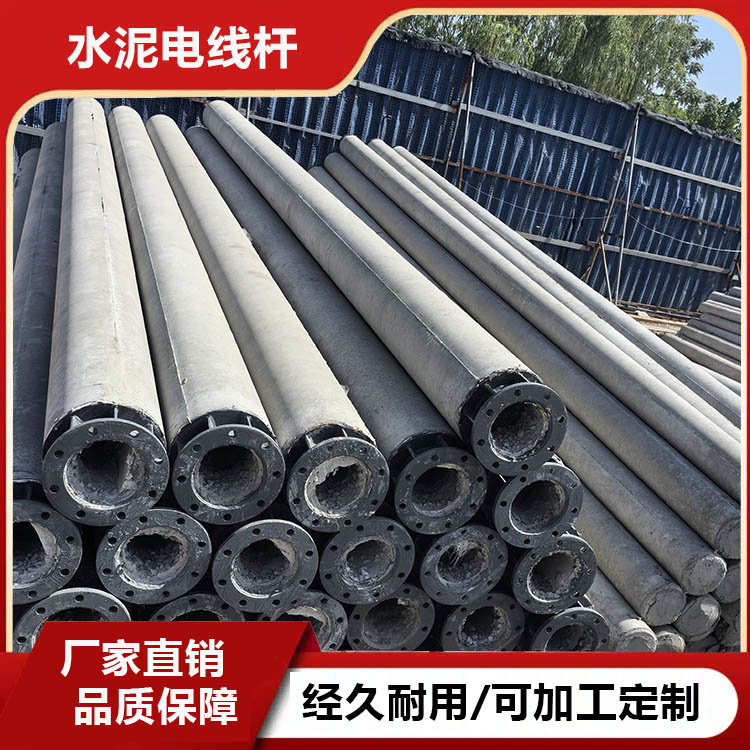
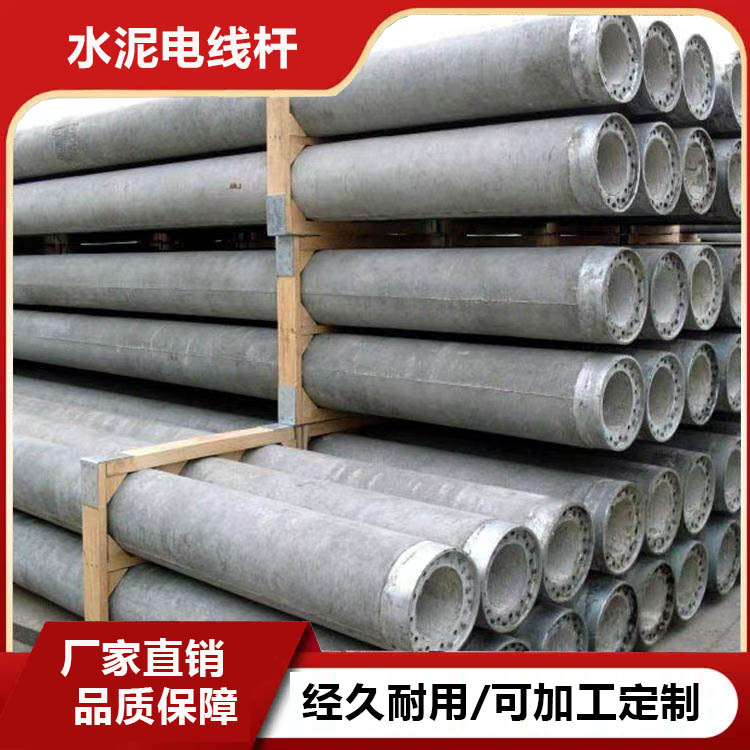
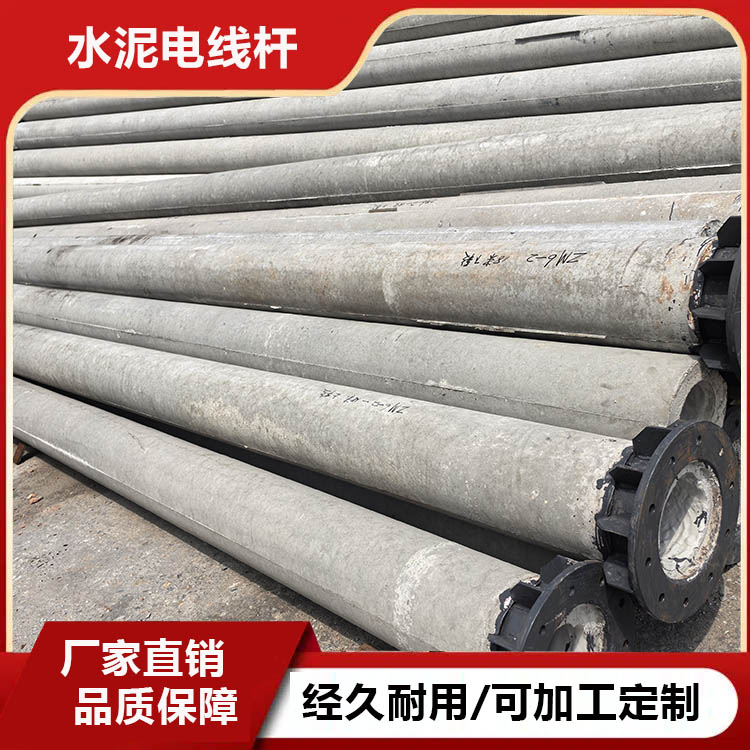
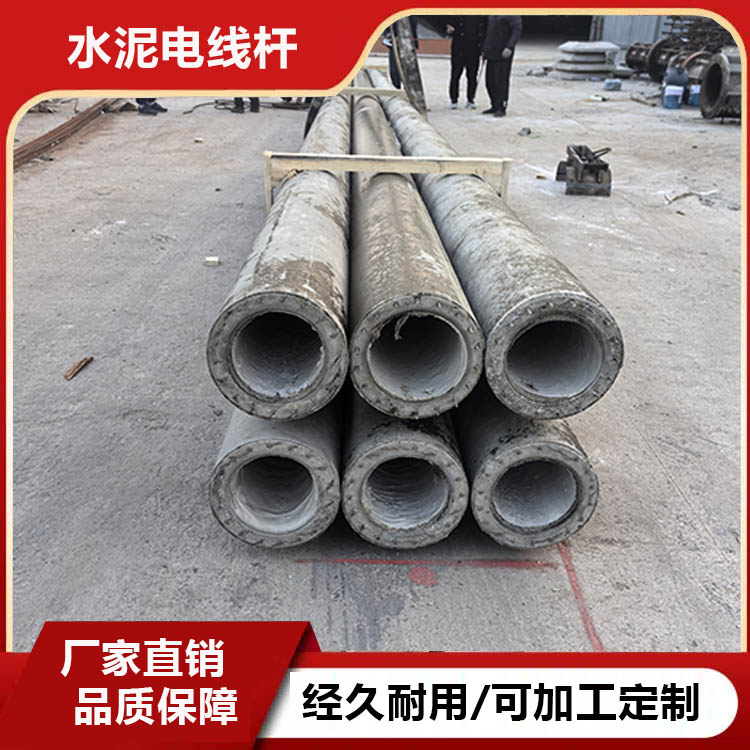





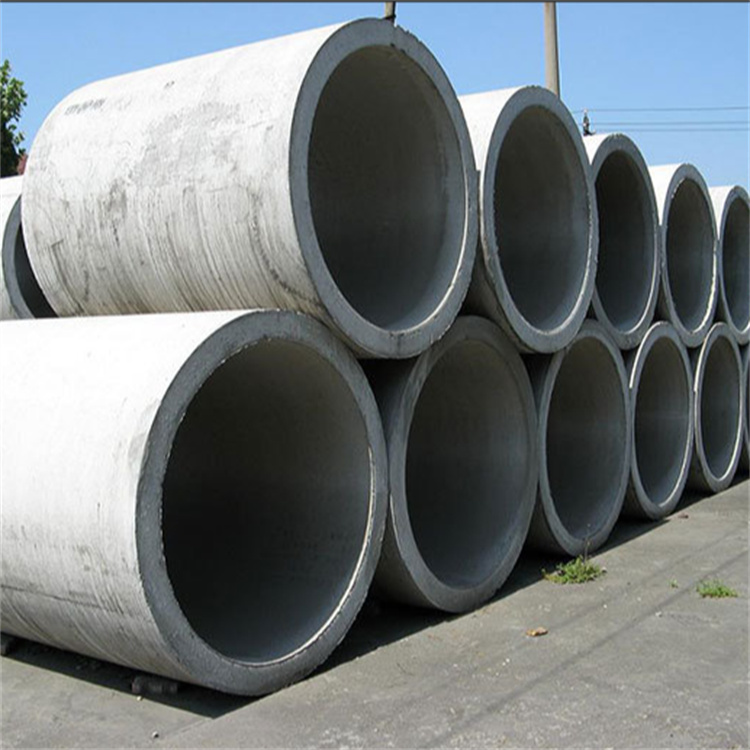
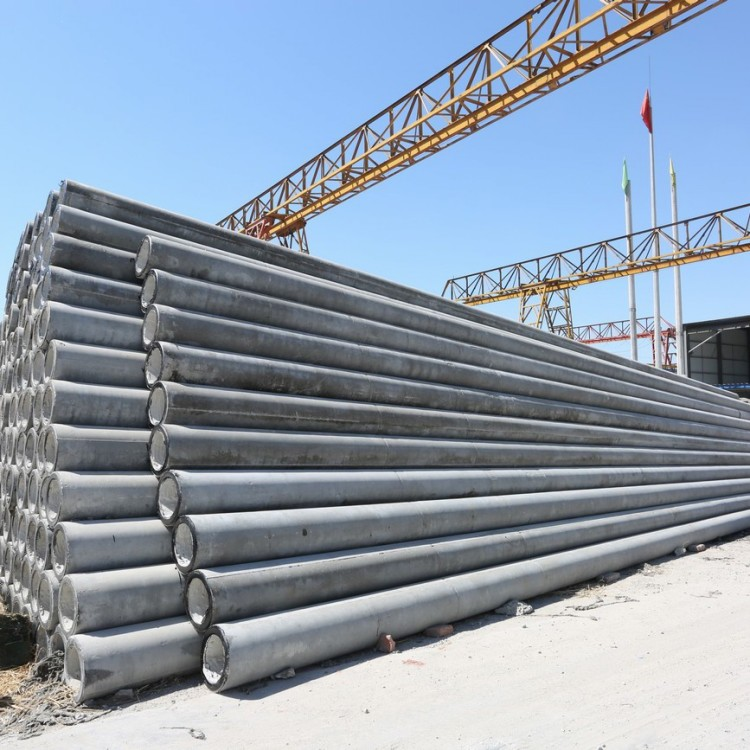
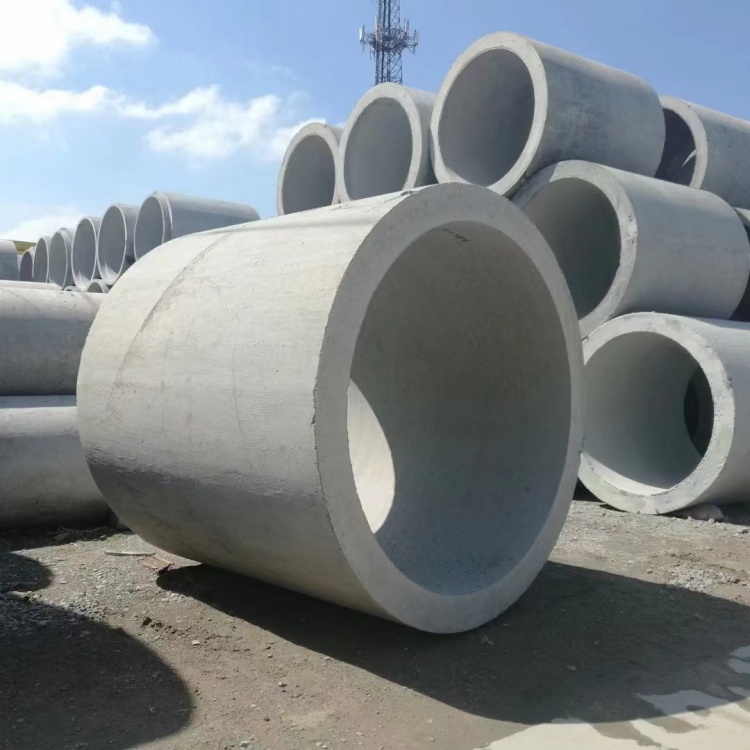
Concrete utility poles are essential infrastructure for supporting power and communication lines, primarily made of reinforced concrete. They play a vital role in power transmission and distribution, as well as in the construction of communication networks. The design and manufacturing of concrete utility poles are aimed at ensuring adequate strength and durability to withstand harsh weather conditions and the long-term weight of cables or wires.
Characteristics of Concrete Utility Poles
Durability: Cement utility poles offer excellent durability, withstanding the effects of wind, rain erosion, UV radiation, and temperature changes.
Strength: The addition of steel reinforcement significantly enhances the load-bearing capacity and bending resistance of concrete utility poles.
Cost-effectiveness: The production cost of cement utility poles is lower compared to other materials, and maintenance expenses are relatively minimal as well.
Environmental Adaptability: Concrete utility poles can withstand a variety of environmental conditions, including humid and saline-alkaline soils.
Cement electric pole classification
Cement utility poles can be categorized into several types based on their use and structure:
Straight Rod: Used for straight sections of power lines, supporting a single or multiple wires.
Elbow rod: Used at the turning points of power lines, it must withstand tension from wires in different directions.
Terminal Pole: Located at the start or end of the line, typically requiring higher strength and stability.
Overcrossing Pole: Used for power lines to cross rivers, roads, and other obstructions, requiring higher load-bearing capacity and stability.
Manufacturing of cement utility poles
The manufacturing process for cement utility poles typically includes the following steps:
Rebar Processing: Process rebars according to design requirements, including main rebars and stirrups.
Mold Preparation: Utilize custom cement pole molds to ensure the shape and dimensions of the pole.
Concrete Pouring: Pouring a mixture of cement, sand, aggregates, and water into molds.
Rebar Installation: Install the processed rebar in place before the concrete sets.
Curing: Place freshly casted concrete utility poles in a curing kiln or cover them with wet cloths to ensure adequate hardening of the concrete.
Demolding and Inspection: After concrete hardens, the utility pole is removed from the mold and quality inspection is conducted.
Concrete pole installation
The installation of concrete utility poles requires a construction crew and equipment, and mainly includes the following steps:
Basic Construction: Excavate suitable holes and pour concrete foundations according to the specifications and design requirements of the utility poles.
Pile: Use a crane to vertically set the concrete utility pole and accurately place it on the foundation.
Adjustment and Fixation: Adjust the position and verticality of the utility pole to meet design specifications, then secure it to the foundation using anchor bolts or other fixation methods.
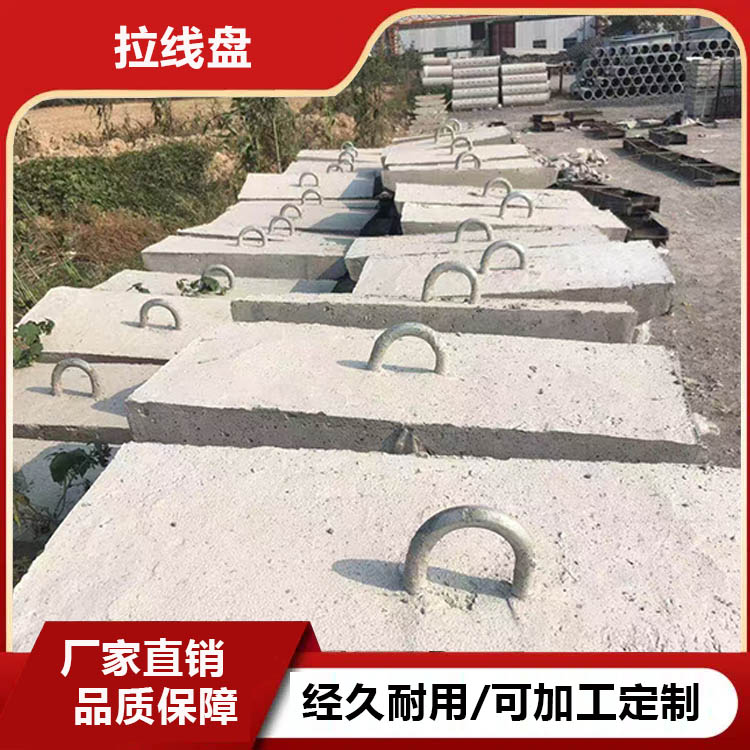
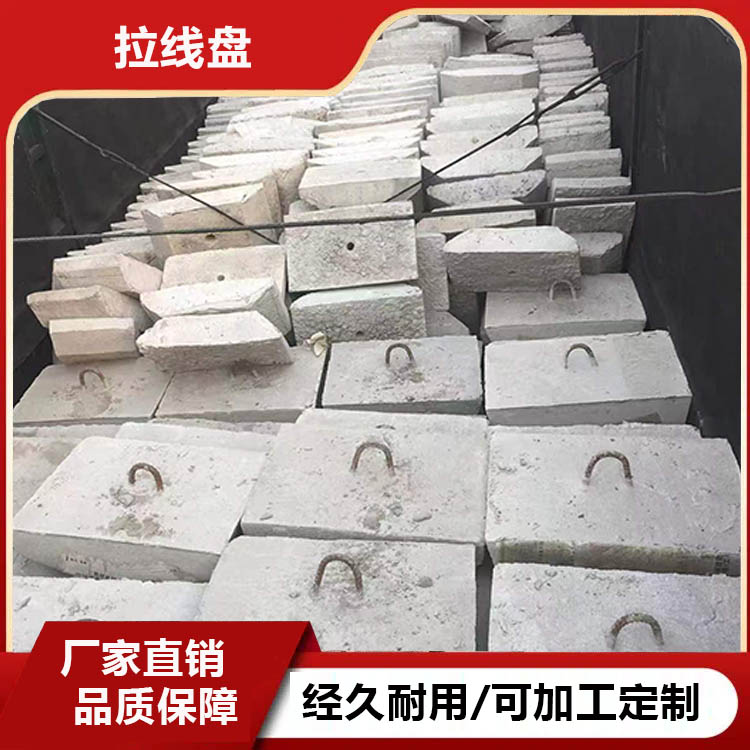
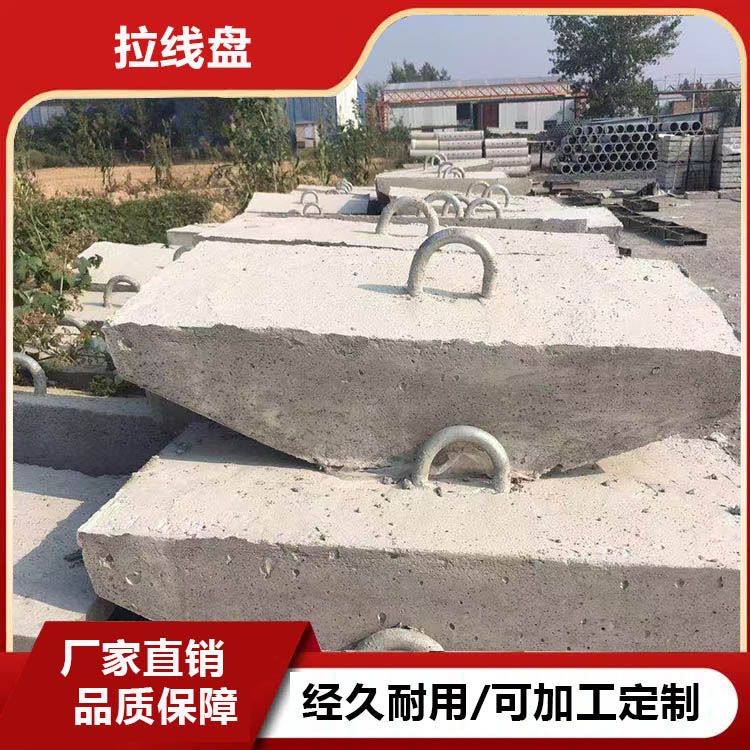
Rope installation: For poles requiring additional stability, guy ropes must be installed to prevent toppling.