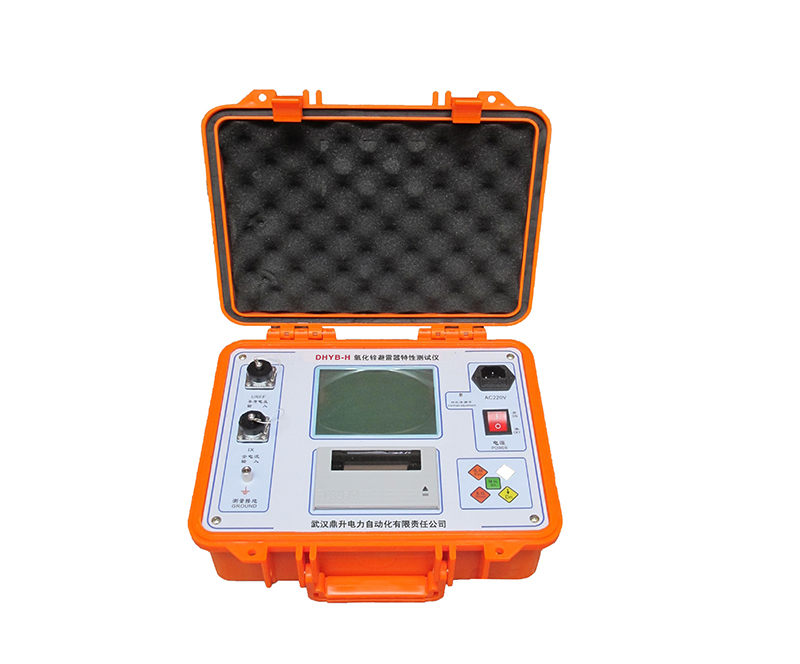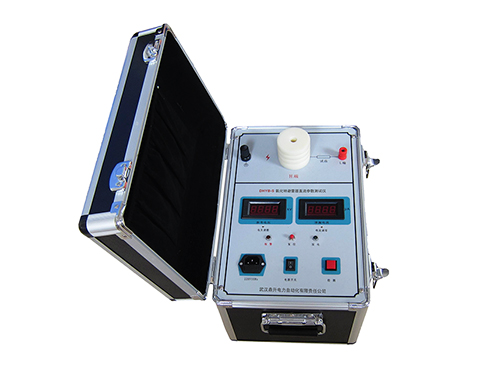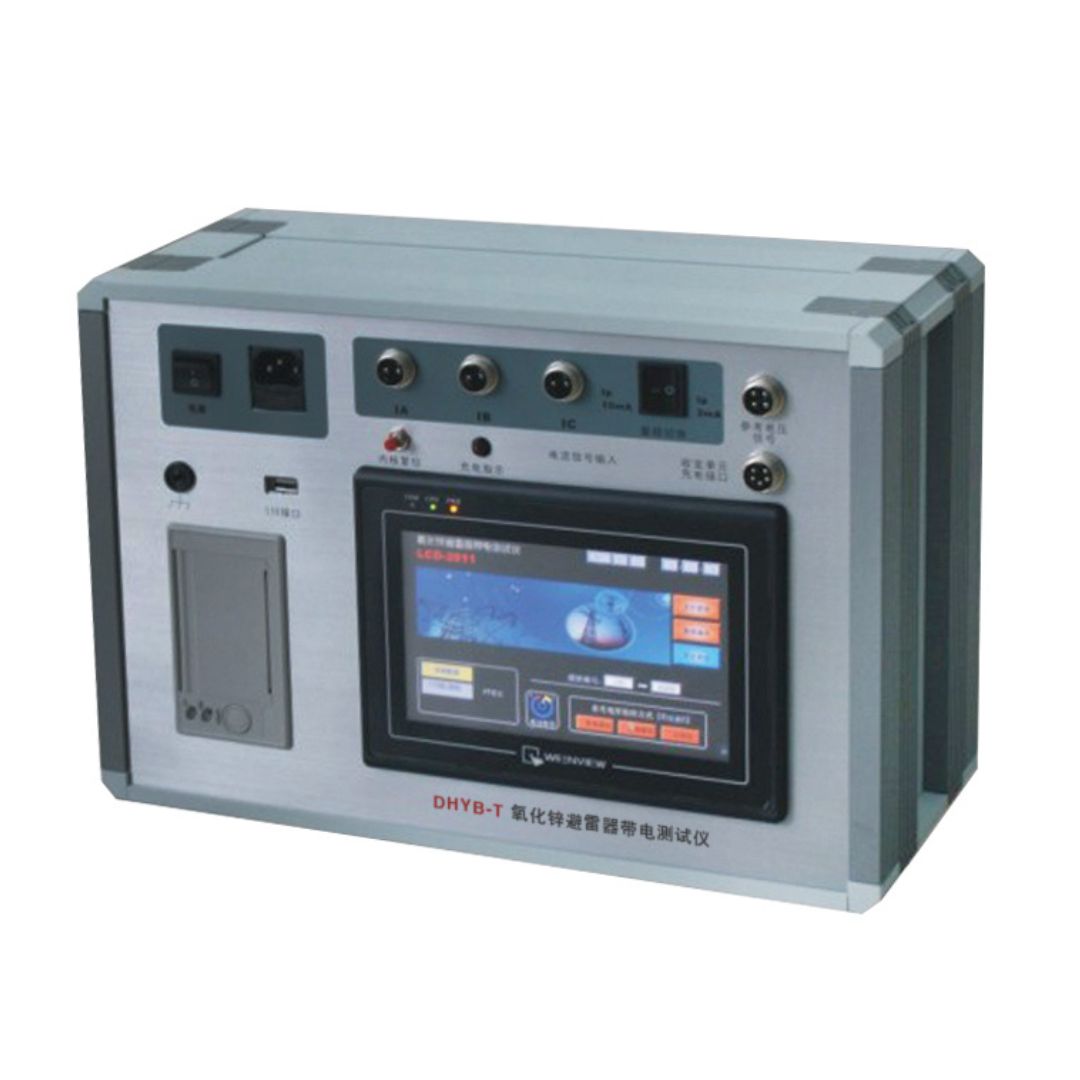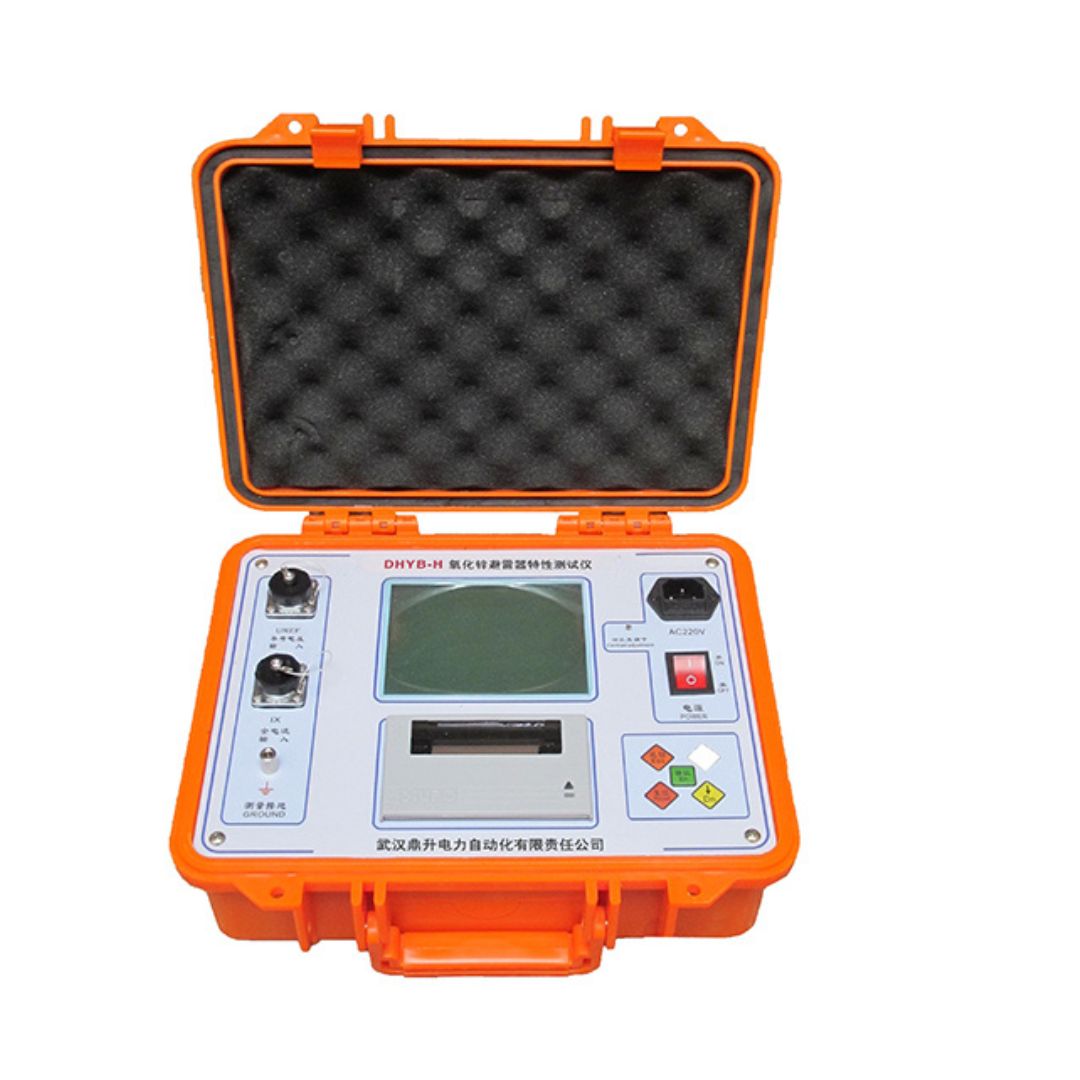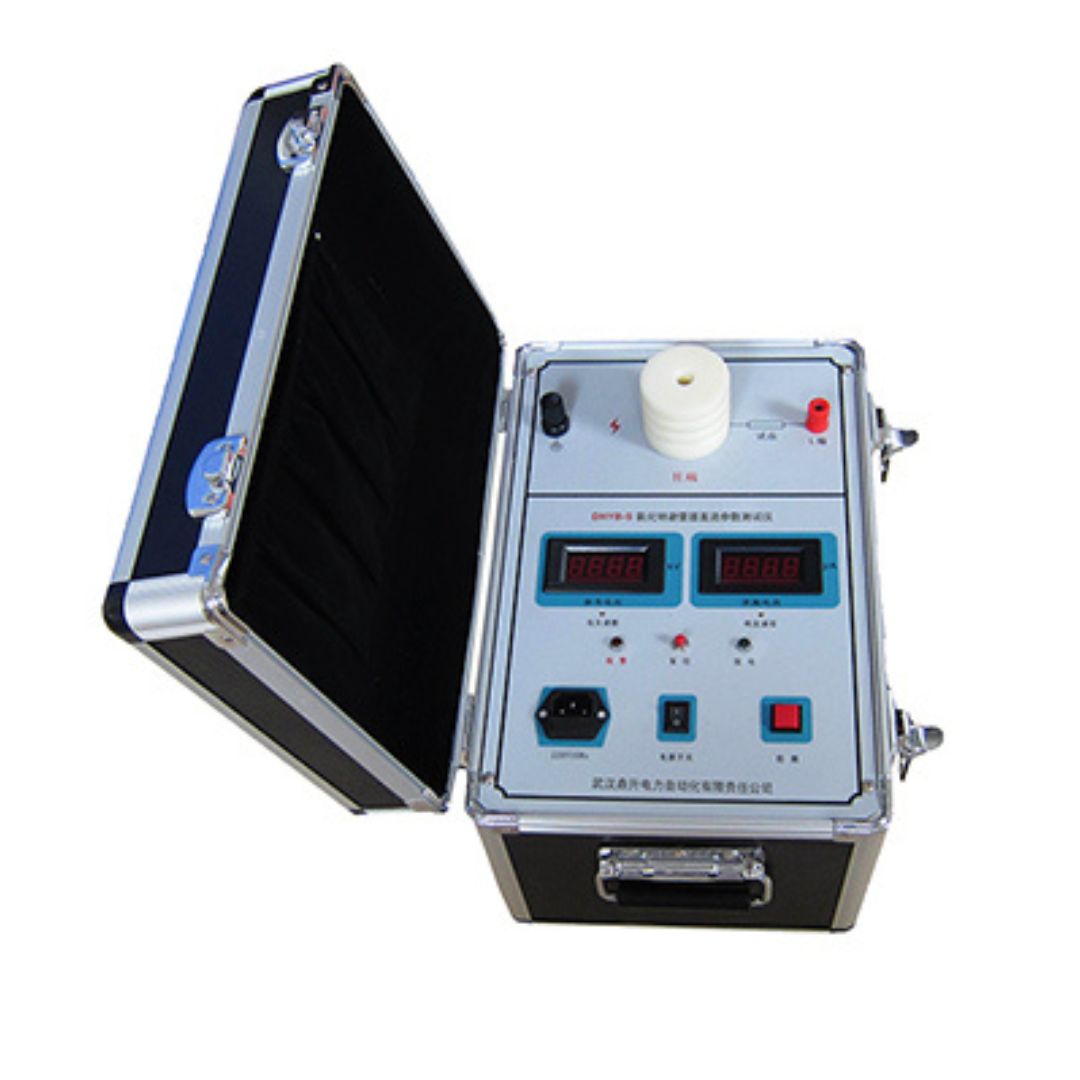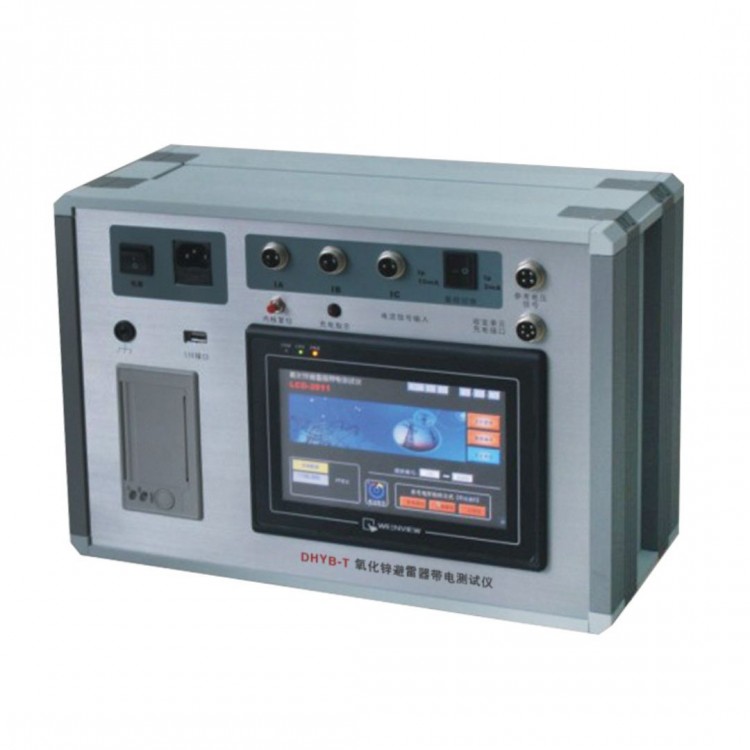

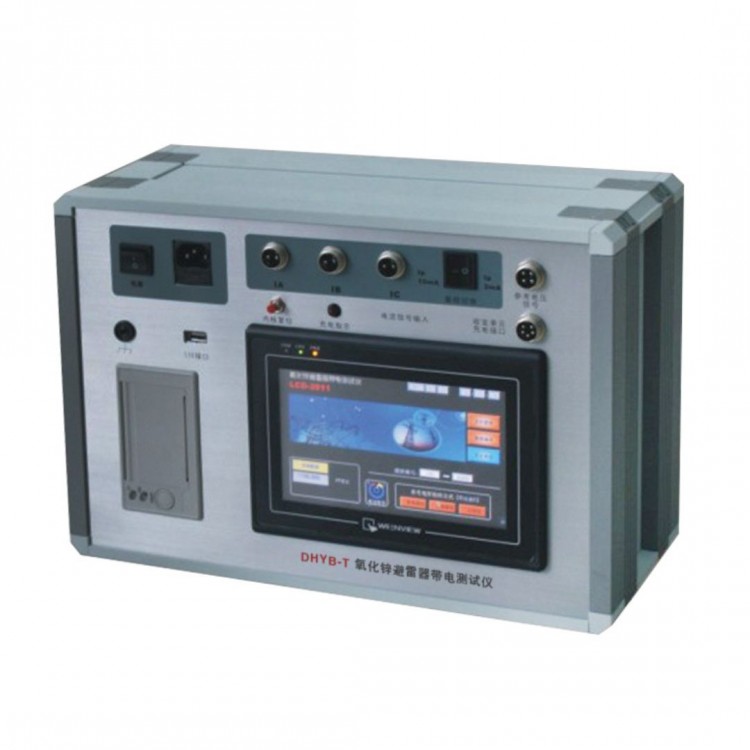
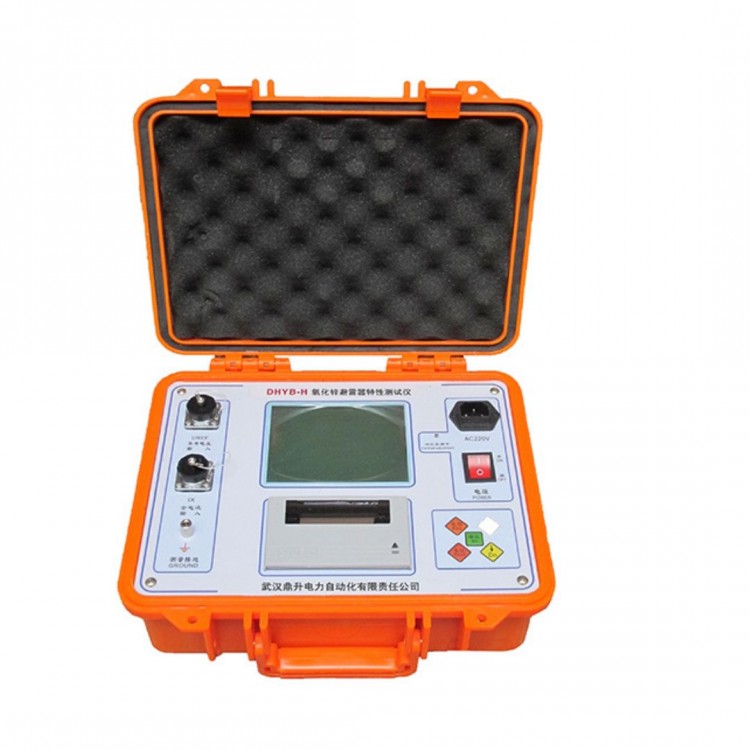
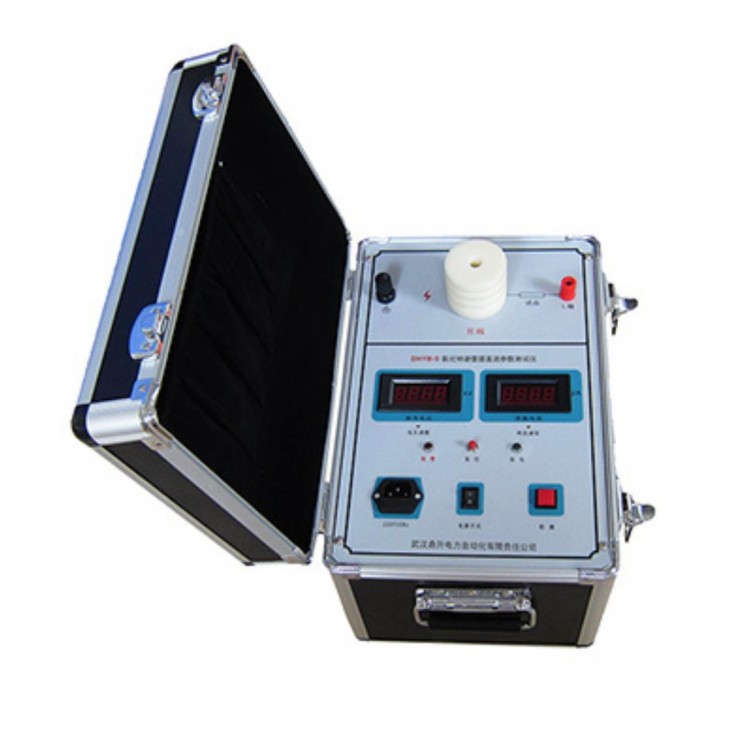







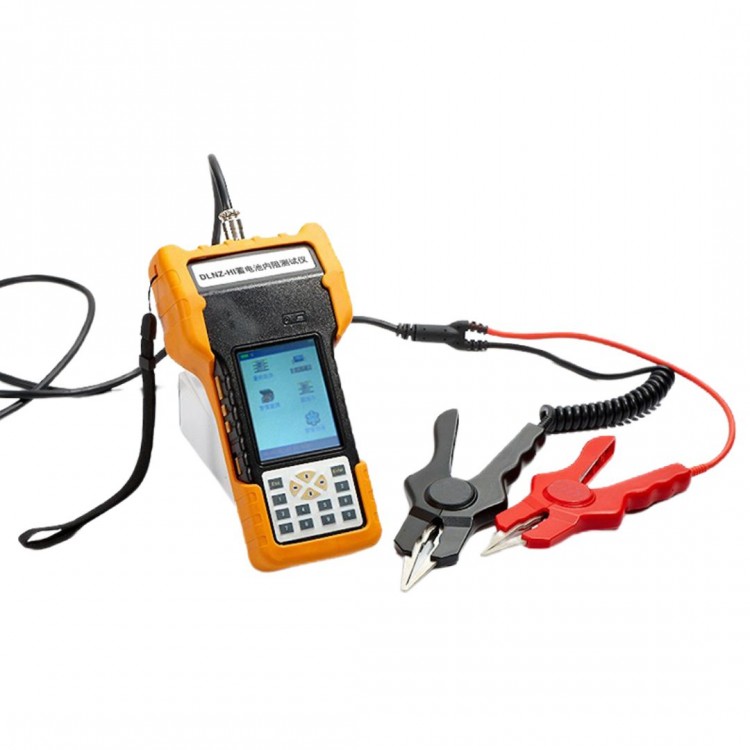
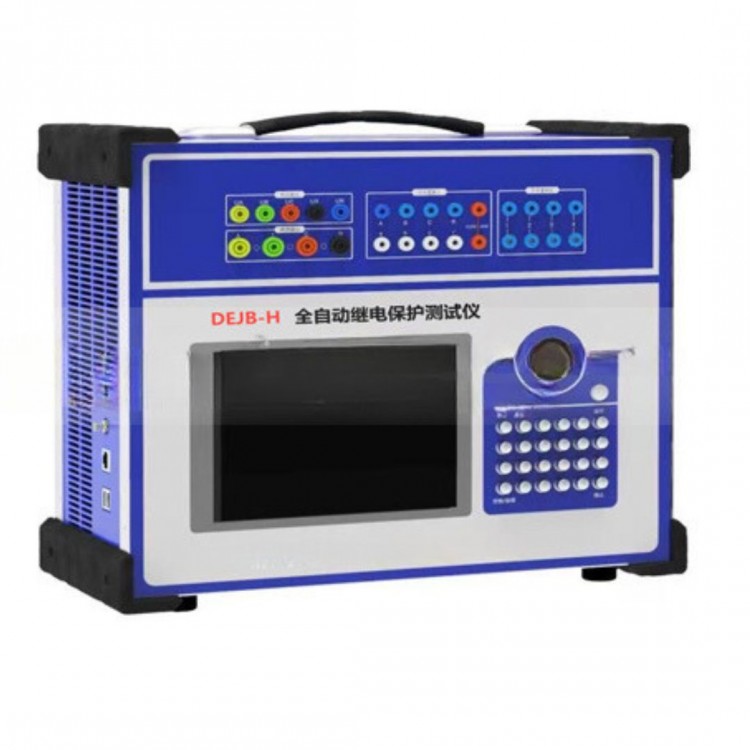


The working principle of the zinc oxide arrester tester primarily relies on the measurement of fundamental wave peak current and phase difference. This tester is used to detect the electrical performance of zinc oxide arresters and is suitable for arresters of various voltage levels, allowing for testing in both live and de-energized conditions. The tester collects voltage and current signals at both ends of the arrester using high-speed magnetic isolation digital sensors, converts these signals into electrical signals, and processes them using Fourier harmonic analysis technology. The processed signals are then output to the display, enabling the reading of parameters such as the arrester's voltage, current, and phase difference. The measurement results of these parameters can be used to assess the performance of the arrester and to promptly detect dangerous defects such as internal insulation moisture and valve piece aging.
The Zinc Oxide Surge Arrester Tester is easy to operate and convenient to use, with the entire measurement process controlled by a microcontroller. It not only measures the full current, resistive current and its harmonics, AC reference voltage and its harmonics, active power, and phase difference of the zinc oxide surge arrester, but also displays the true waveform of voltage and current on a large screen. By employing digital waveform analysis technology and utilizing software anti-interference methods such as harmonic analysis and digital filtering, it ensures the accuracy and stability of the measurement results.
In summary, the zinc oxide lightning arrester tester collects signals through high-speed magnetic isolation digital sensors, processes them using Fourier harmonic analysis technology, and combines the measurement of the fundamental peak value and phase difference of resistance current to assess the lightning arrester's performance, thereby accurately detecting and evaluating its electrical properties.