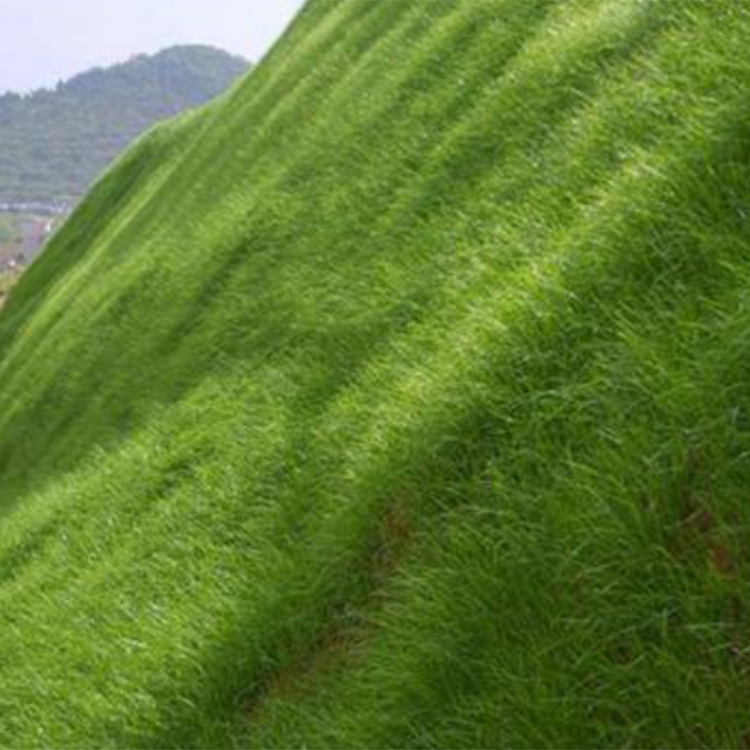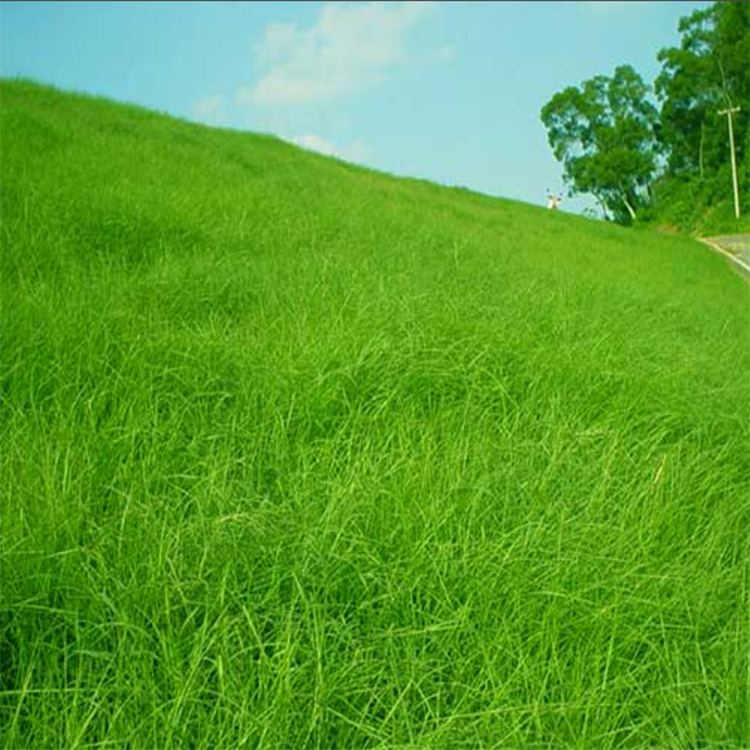

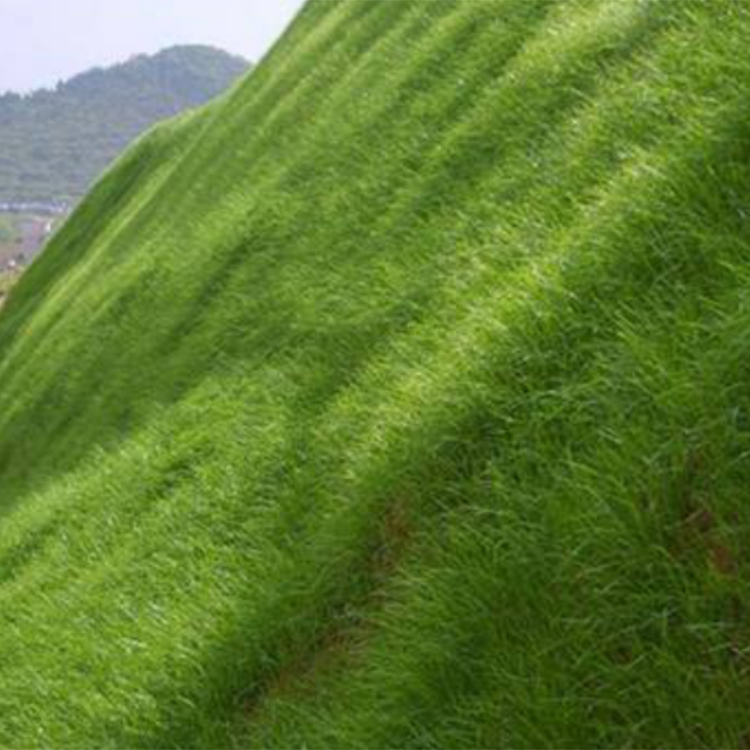
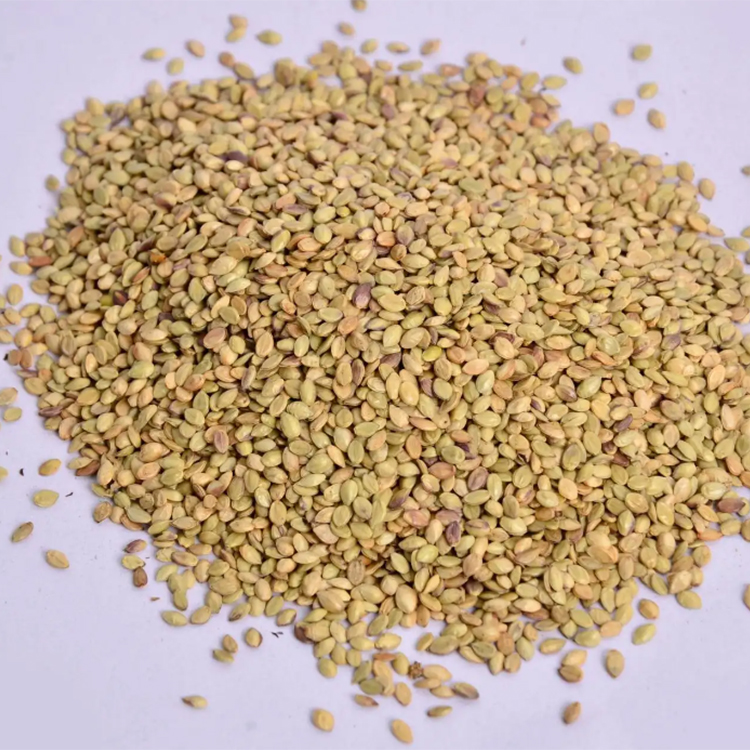











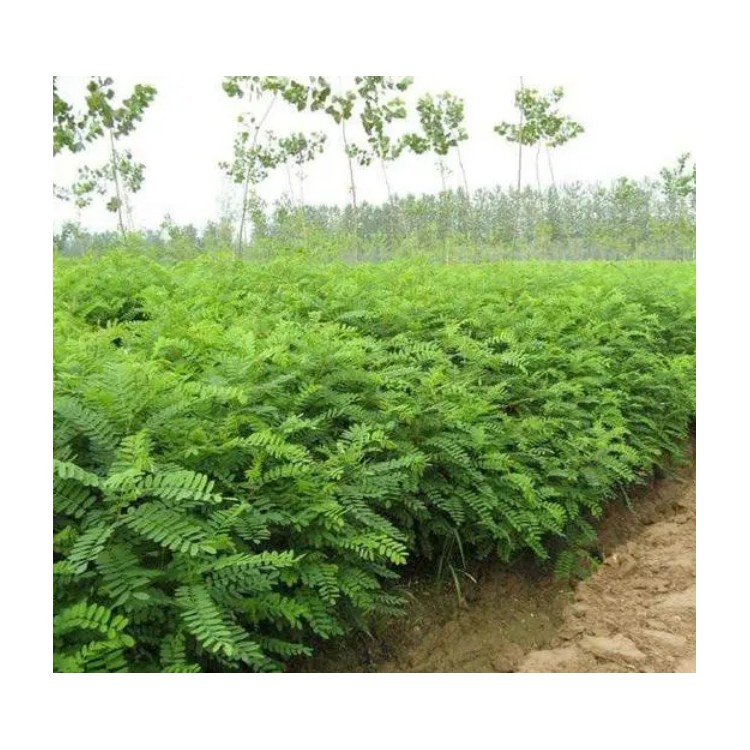
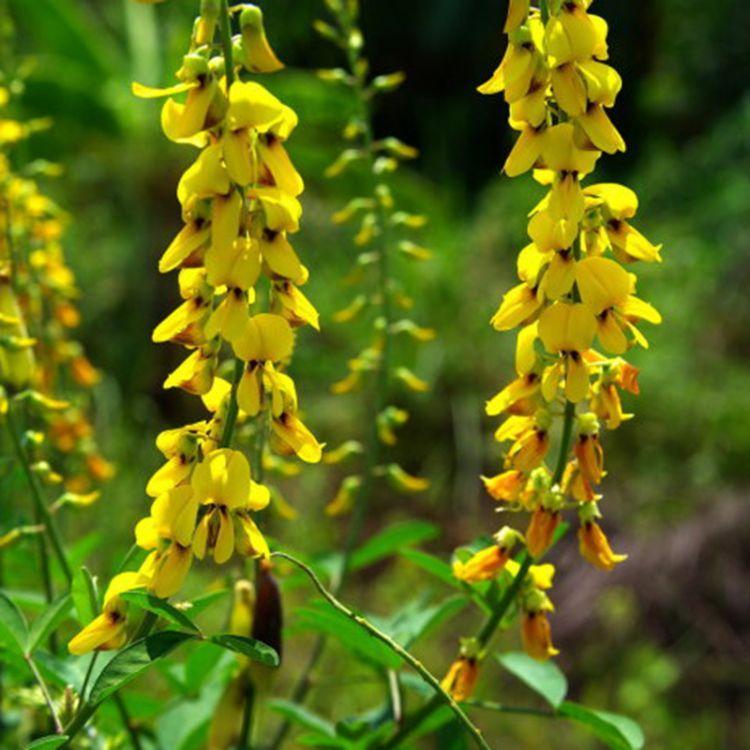
Baijiu GrassPaspalum notatumFlüggé is a perennial herb of the Andropogoneae family, belonging to the Andropogon genus. It has robust, woody, and jointed rhizomes; dense tufted stems; leaf sheaths at the base are expanded, with a membranous leaf ligule, flat or folded leaf blades, smooth and hairless; racemes are opposite, with long silky hairs in the axils, obliquely spreading, and purple anthers. Seeds are oval and glossy. Blossoming and fruiting periodSeptember.
Bahiagrass is native to the subtropical regions of eastern South America and is distributed in areas such as Guangdong, Guangxi, Hainan, Fujian, Sichuan, and Guizhou in China, as well as in the United States, Japan, and Australia. It thrives in warm and humid climates, is cold-tolerant, shade-tolerant, and extremely drought-resistant. Bahiagrass is highly adaptable to a wide range of soils, from arid deserts to poorly drained red soils, where it can grow normally. The primary method of propagation for Bahiagrass is by sowing.
Baihe grass exhibits rapid reproduction and high yield characteristics, serving as an effective agent for soil and water conservation and environmental beautification. It significantly improves ecological environments and soil physical and chemical properties. Baihe grass is also a great feed for livestock, poultry, and fish, as well as a fertilizer for fruit, tea, and mulberry gardens.