











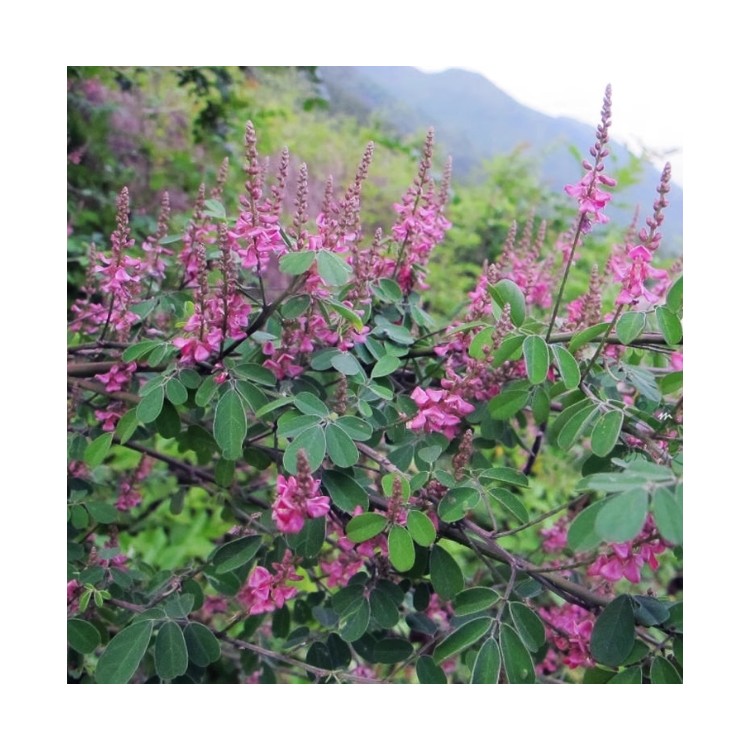
Seeds of Cassia obtusifolia
Semen Cassiae
Cassia Seed
Common names: Cassia seed, Horsehoof Cassia, False Mung Bean.
Source: Seeds of the leguminous plant Cassia obtusifolia L.
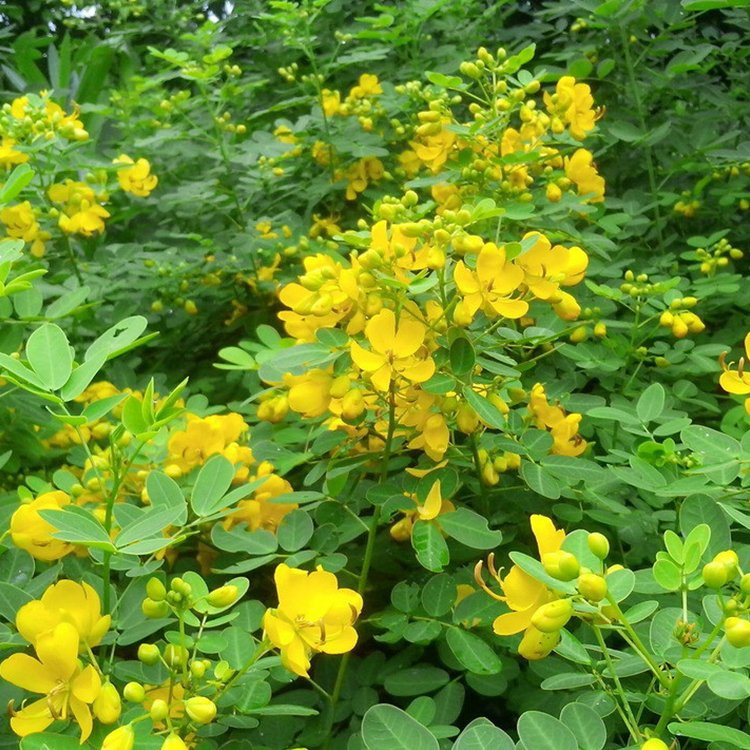
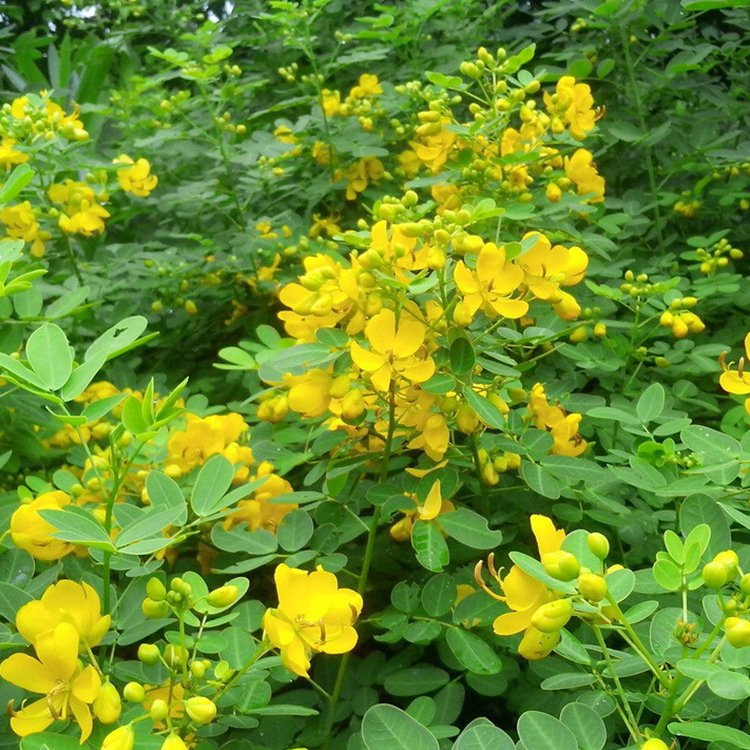
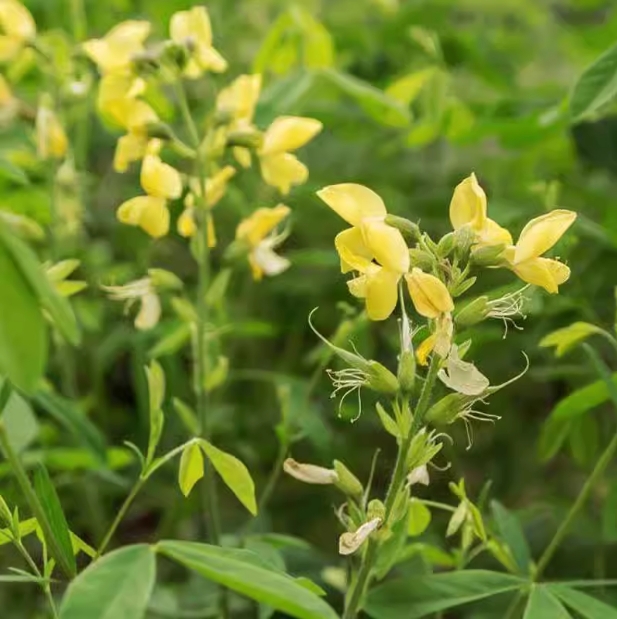
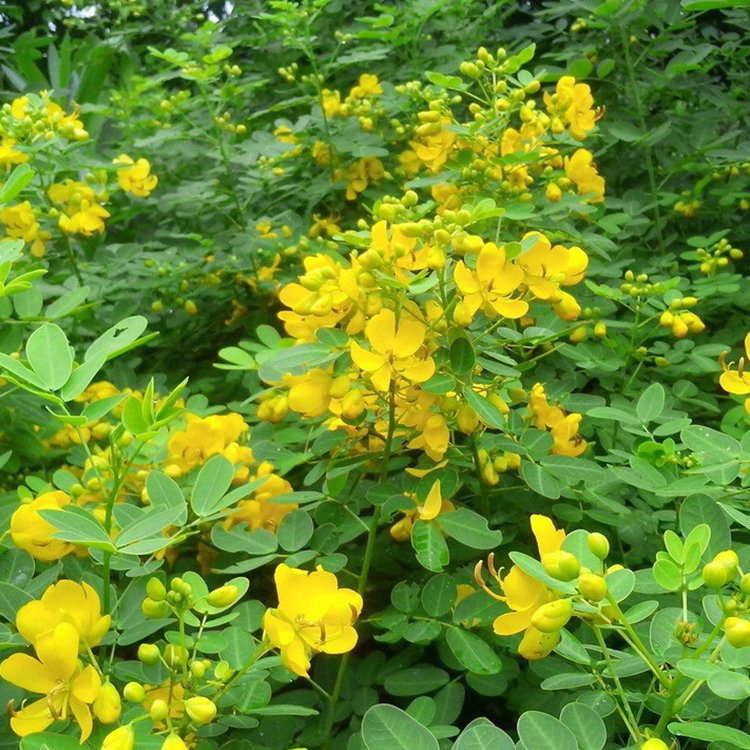
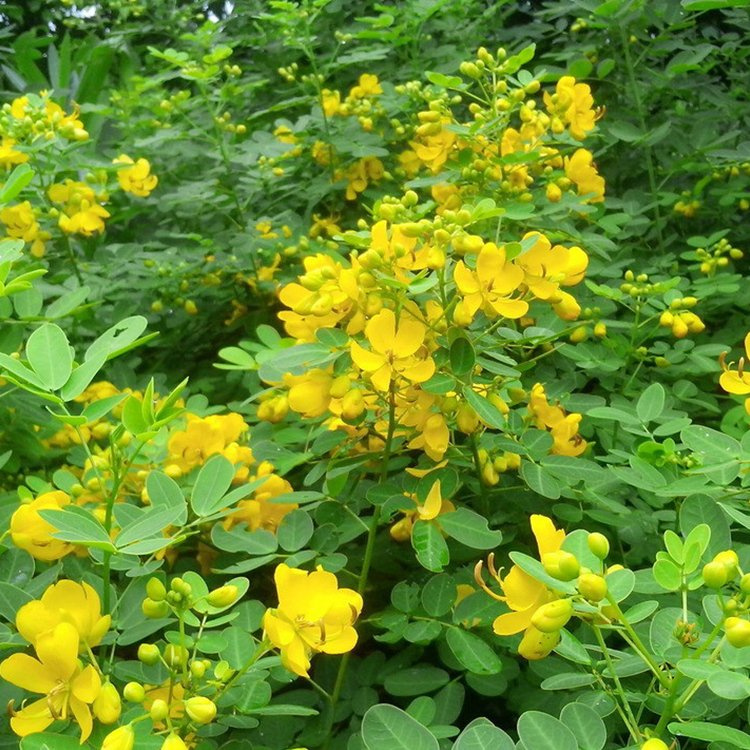
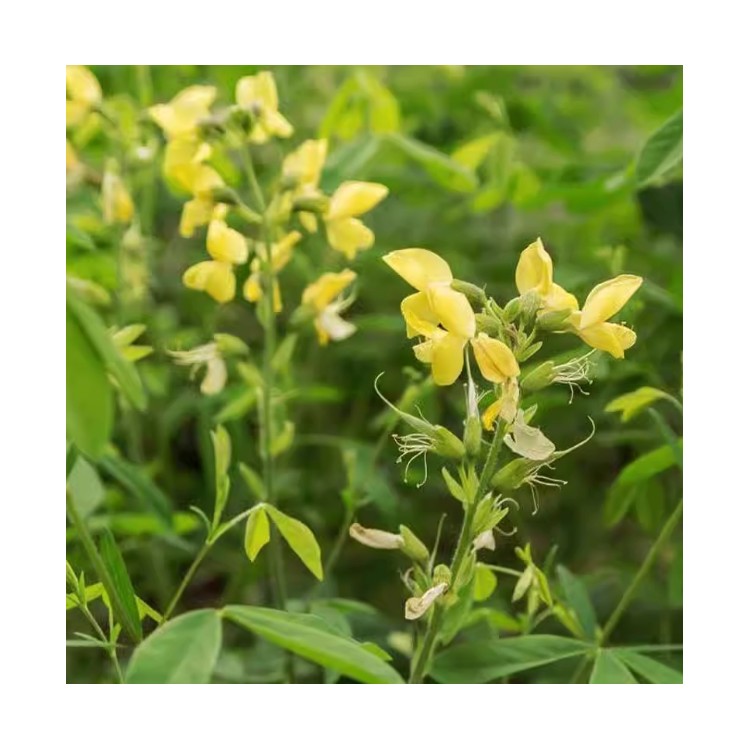
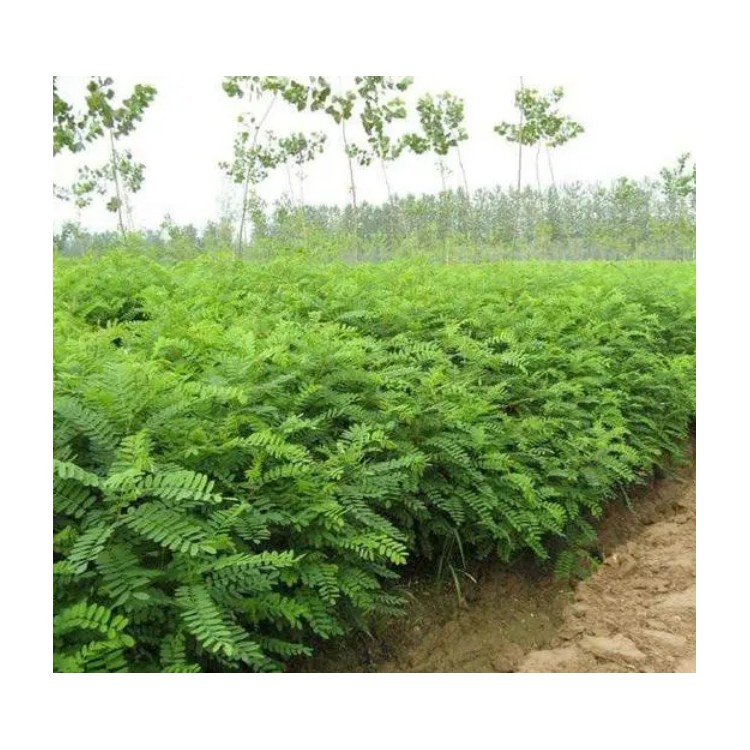
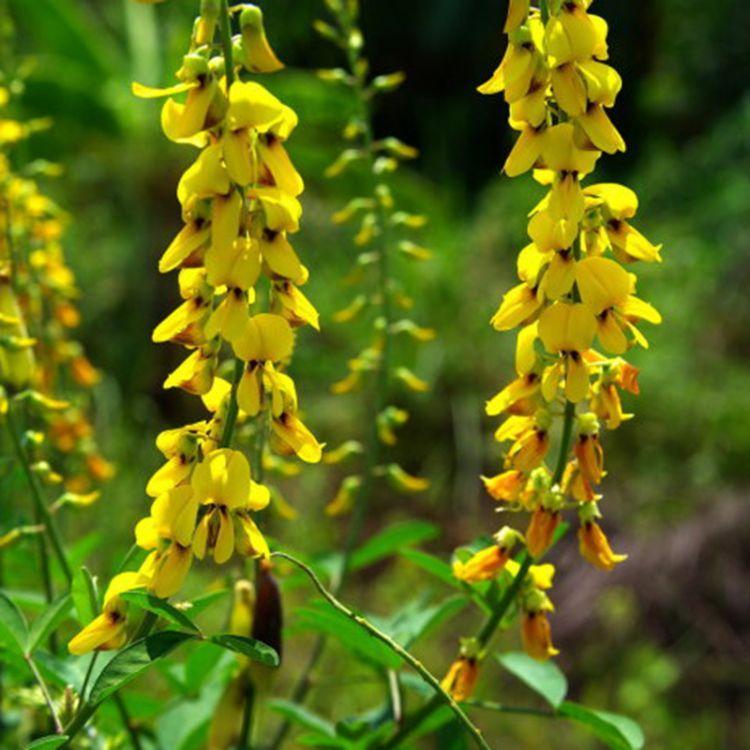
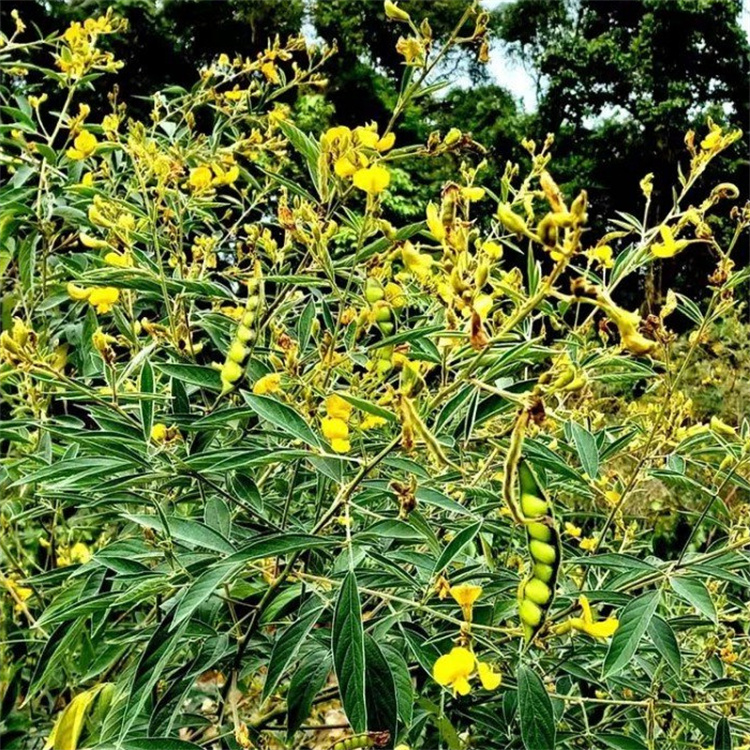
Plant morphology: Annual, semi-shrub herb, height 1-2m. Pinnate compound leaves alternate; leaflets 3 pairs, obovate or oblong-obovate, 1.5-6.5cm long, 0.8-3cm wide, apex obtuse, base rounded, oblique, sparsely pubescent on both surfaces when young; stipules conical, early falling. Flowers in pairs axillary; sepals 5, separate; petals 5, yellow, with claws; fertile stamens 7, the lower 3 more developed; ovary with a handle, white. Pod linear. Seeds numerous, rhombic, light brown, glossy. Flowering period: July to September; fruiting period: September to November.
Grown predominantly in most regions across the country, the main producing areas include Anhui, Jiangsu, Zhejiang, and Sichuan.
Harvested: The autumn yields mature fruits, which are then dried and the seeds are extracted.
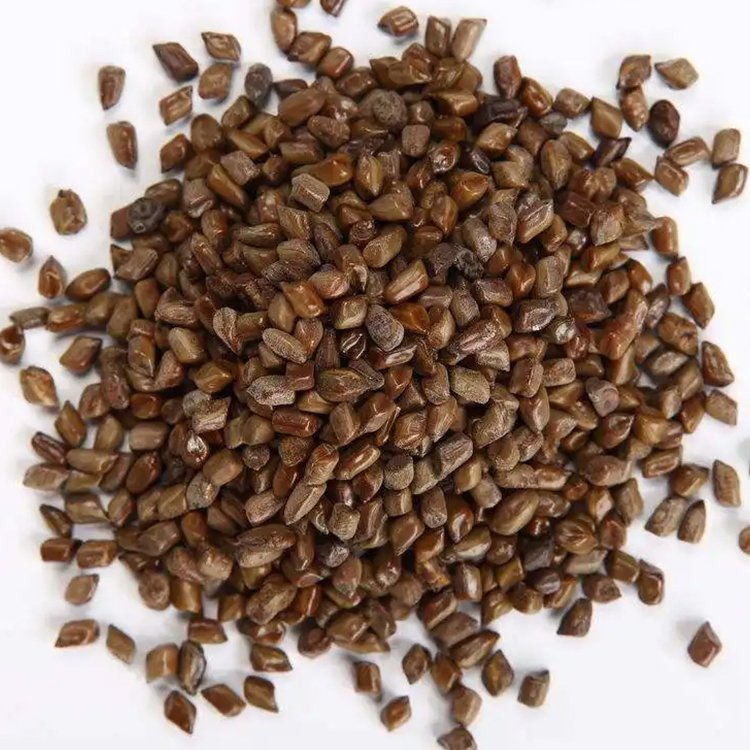
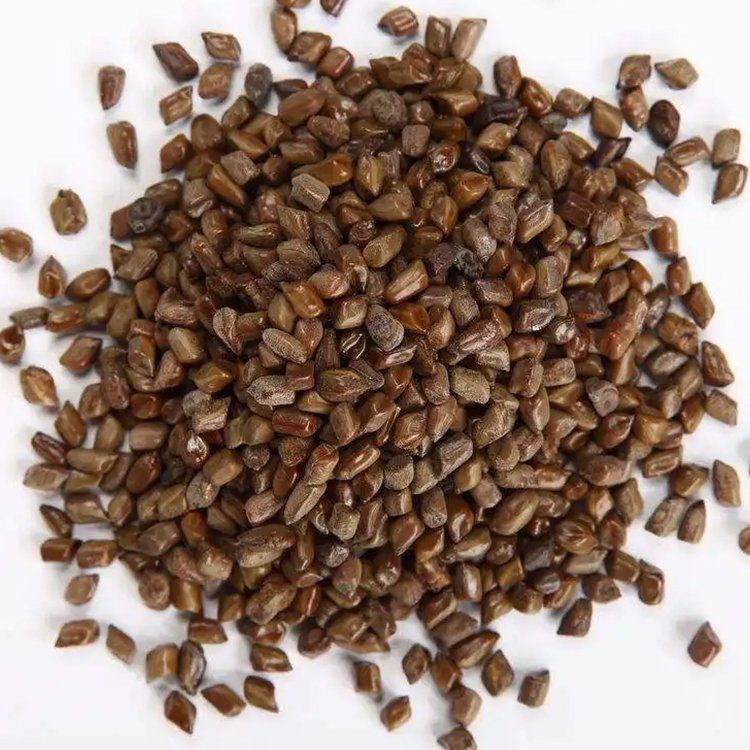
Characteristics: Seeds are square or short cylindrical, with parallel sloping ends, measuring 3-7mm in length and 2-4mm in width. The surface is green-brown or dark brown, smooth and glossy. One end is relatively flat, while the other end is slanted and pointed. Each side has a raised ridge line, with a diagonal, symmetrical, lighter line-shaped groove on either side of the ridge. The seeds are hard and not easily broken. The seed coat is thin, with two cotyledons that are yellow in color. The taste is slightly bitter.
Chemical Composition: Contains emodin, chrysophanol, emodin-7-O-glucoside, obtusin, obtusifolin, and their glycosides.
Property: Slightly cold in nature, sweet, bitter, and salty in taste.
Indications: Clears heat, brightens the eyes, moistens the intestines, and promotes defecation. Used for red, sore eyes, photophobia, excessive tearing, headache, dizziness, blurred vision, and constipation.