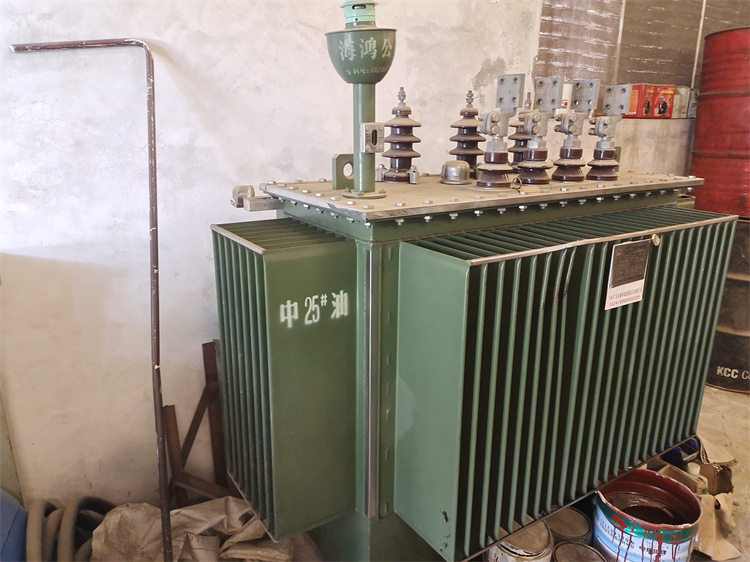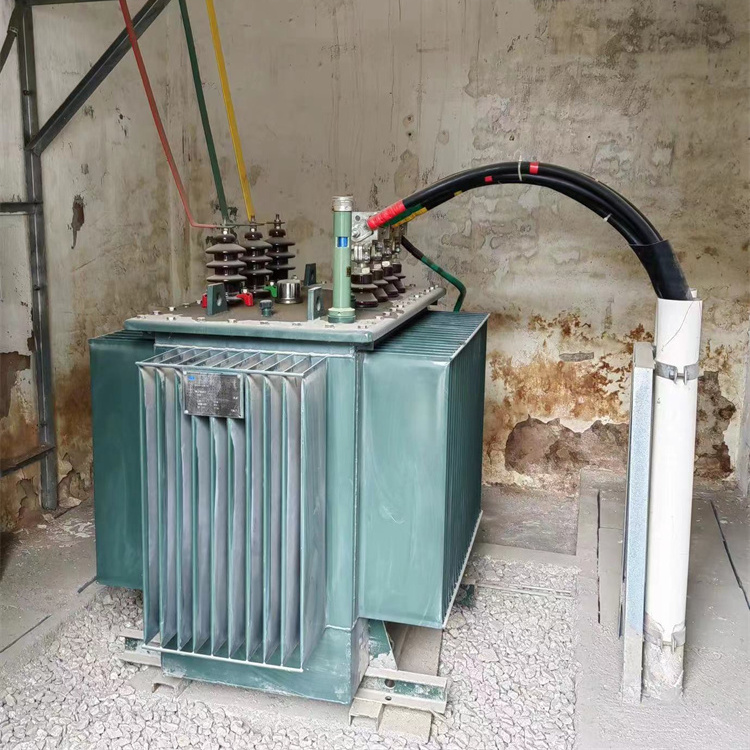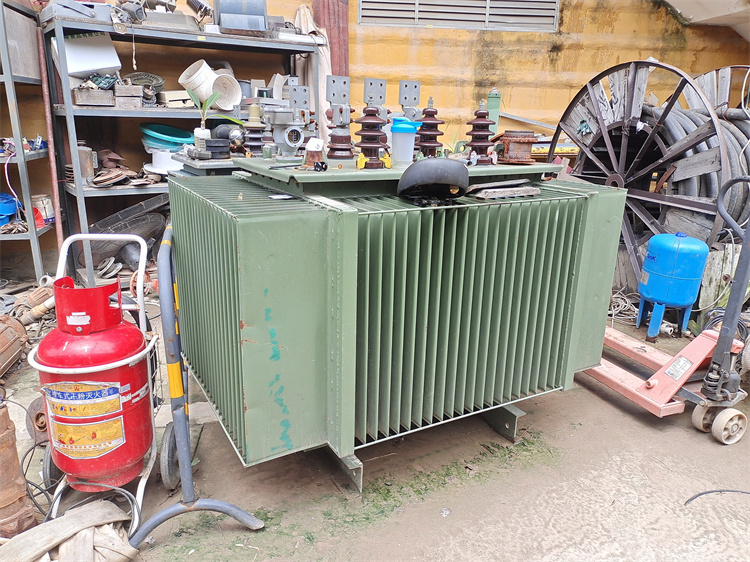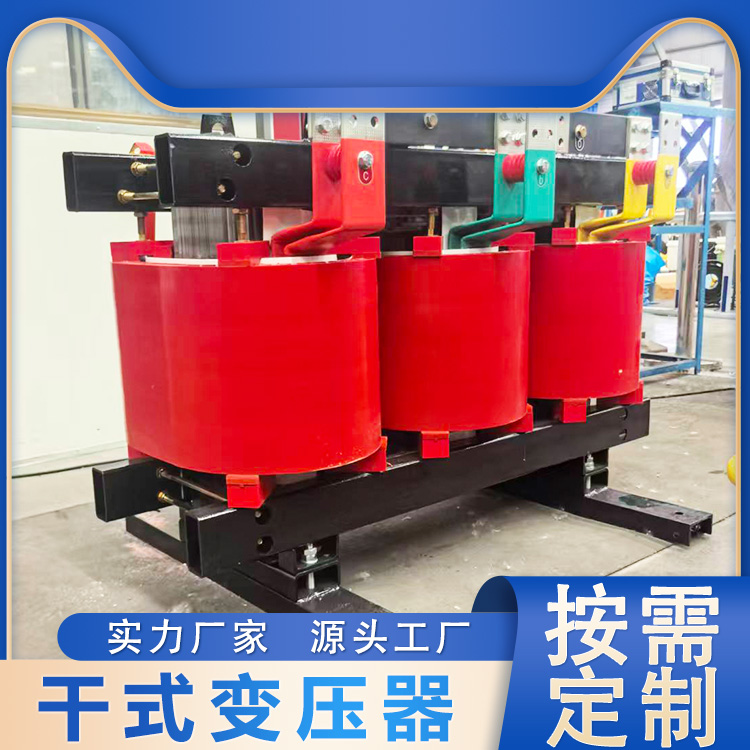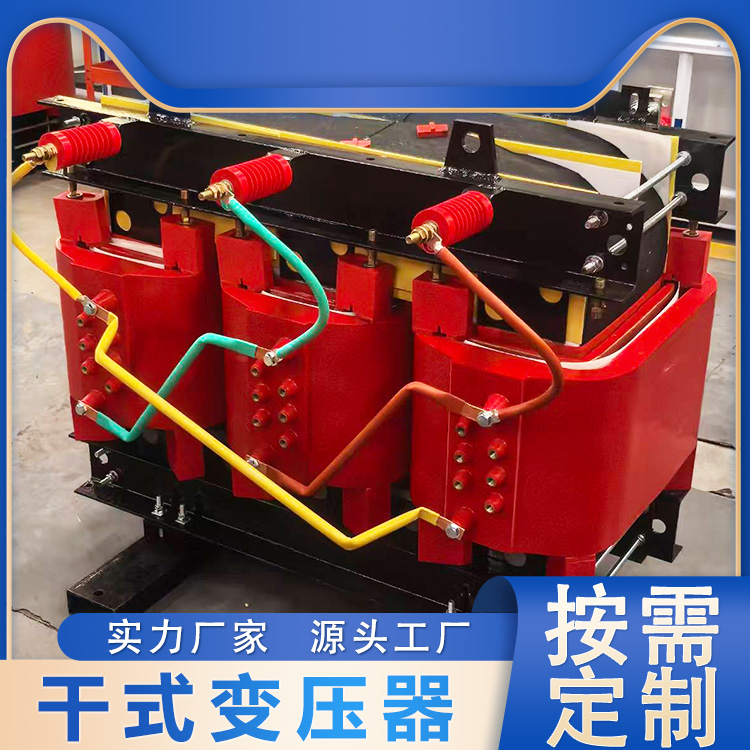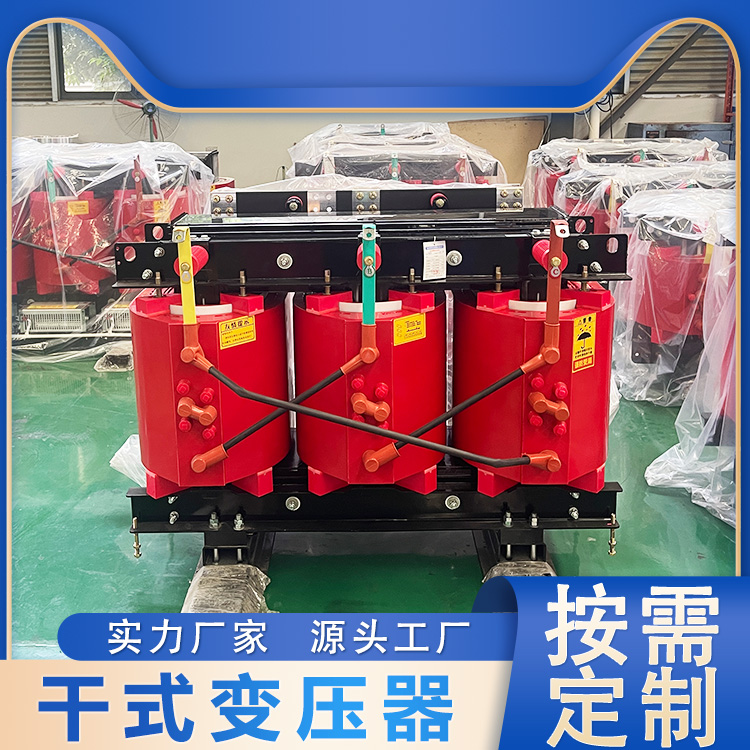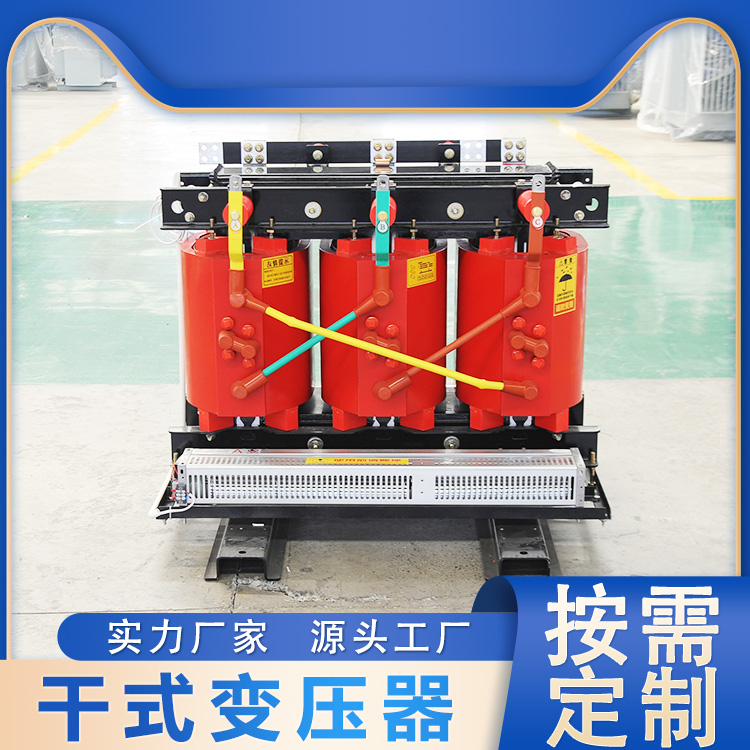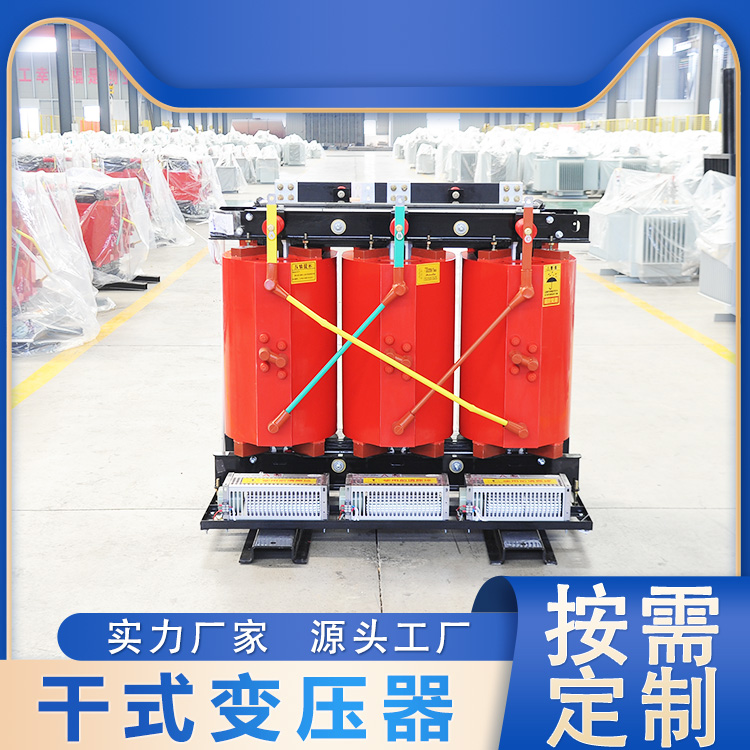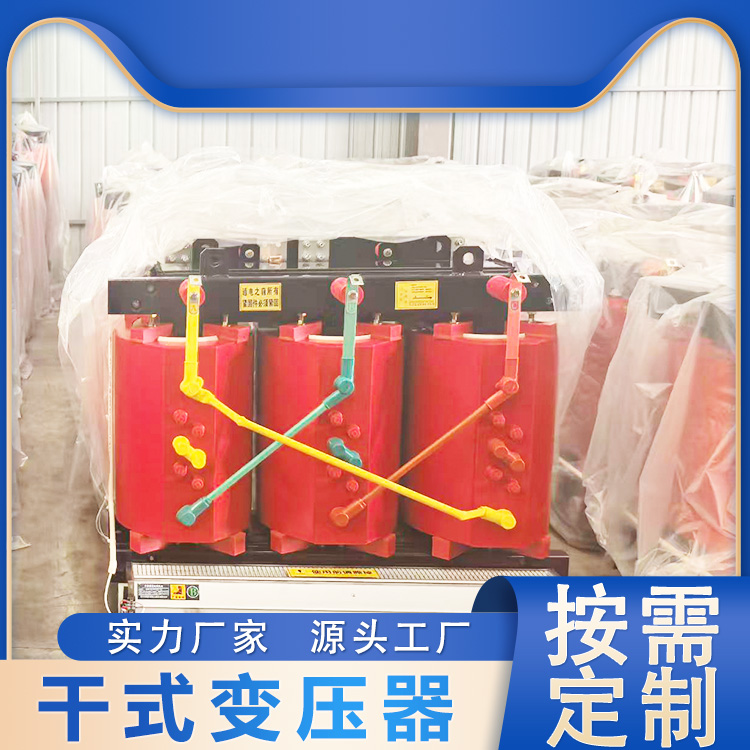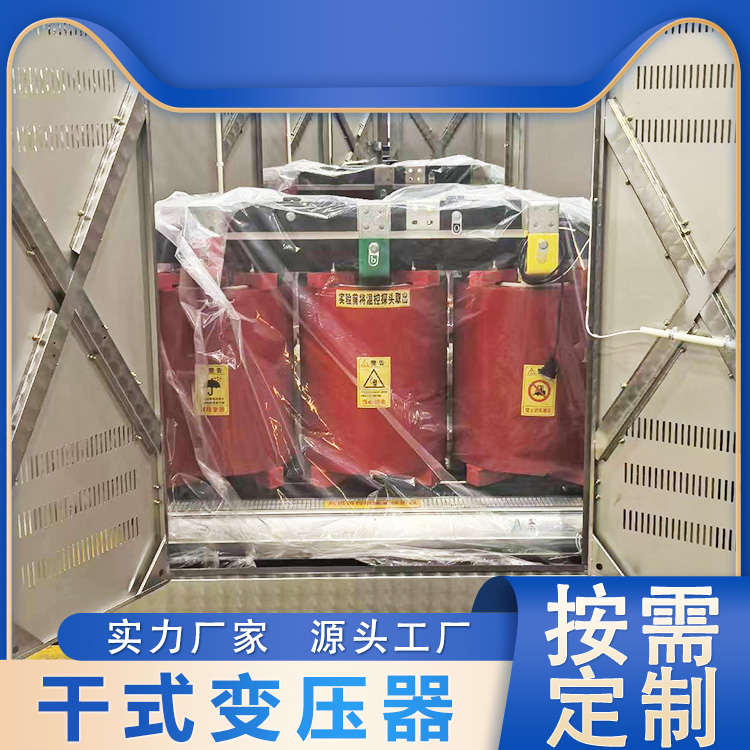

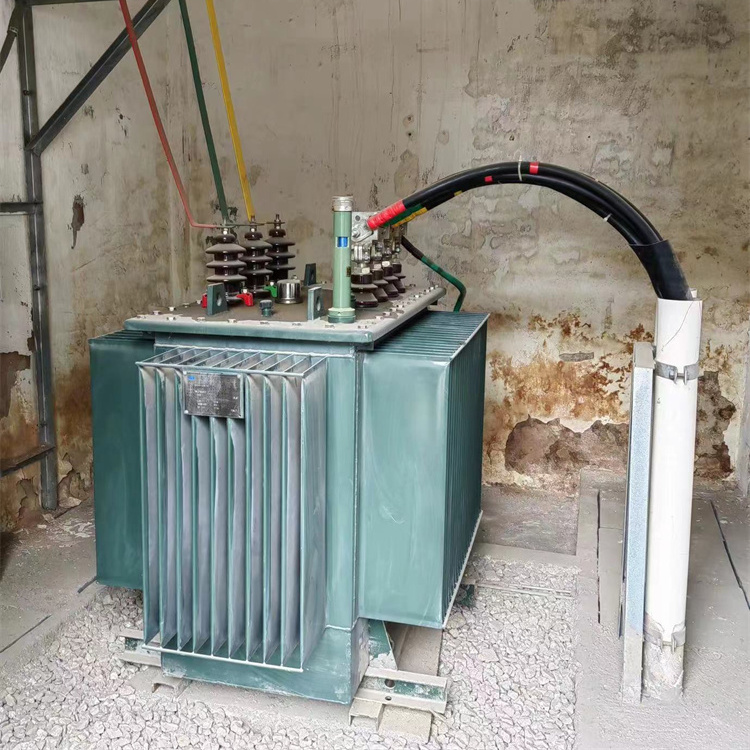
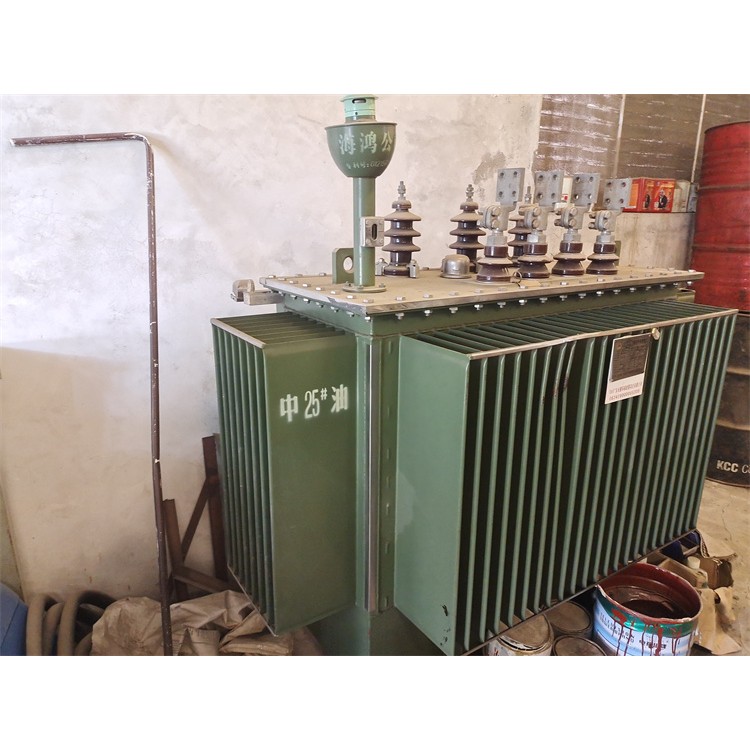
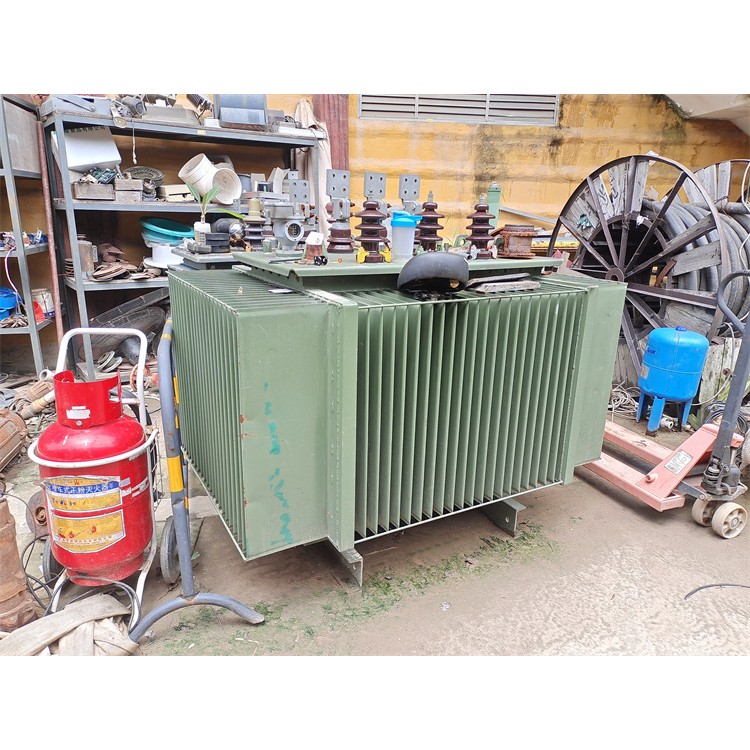


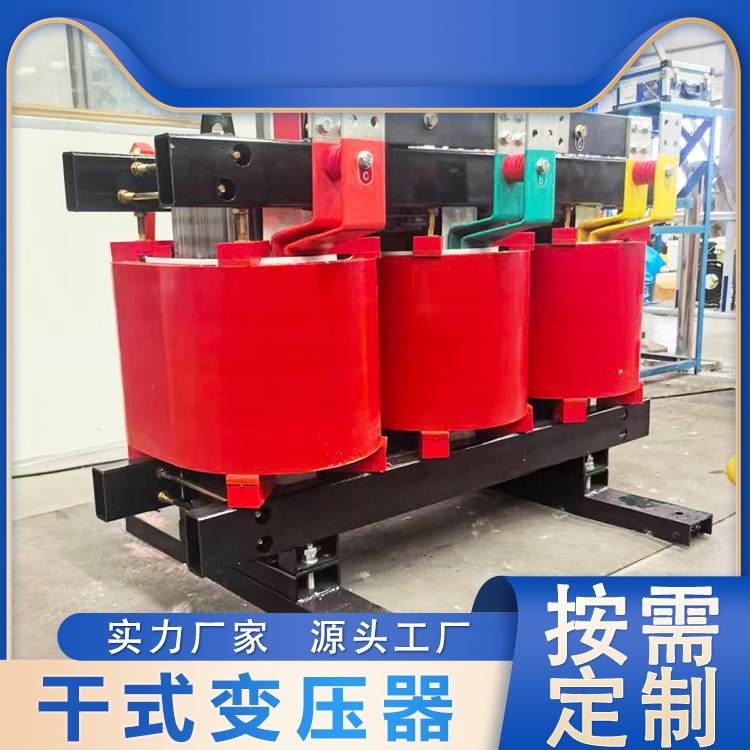
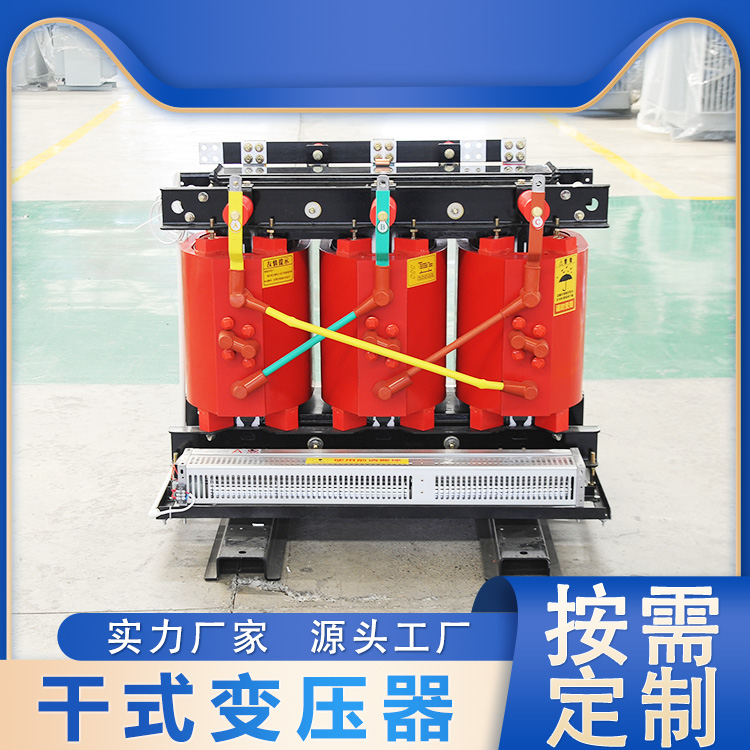
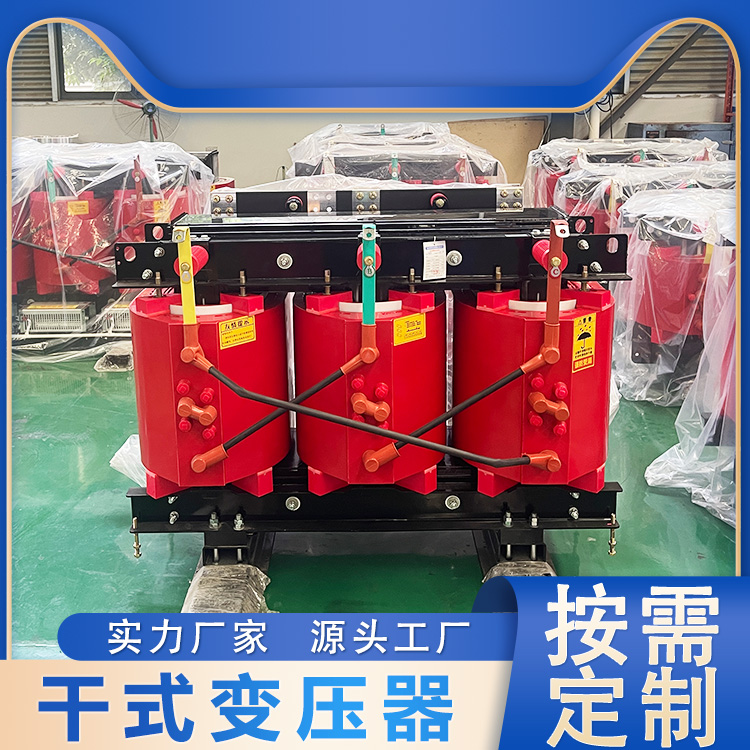
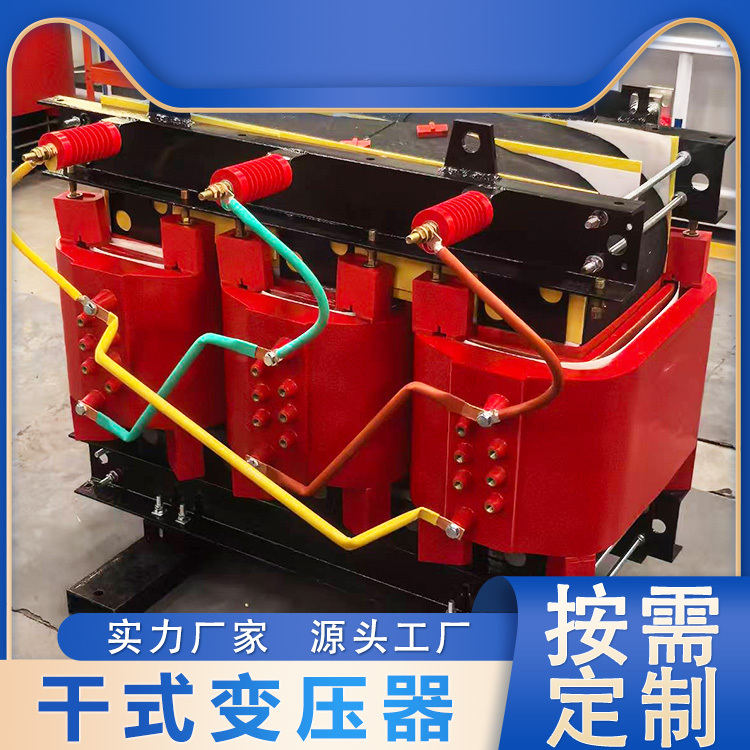
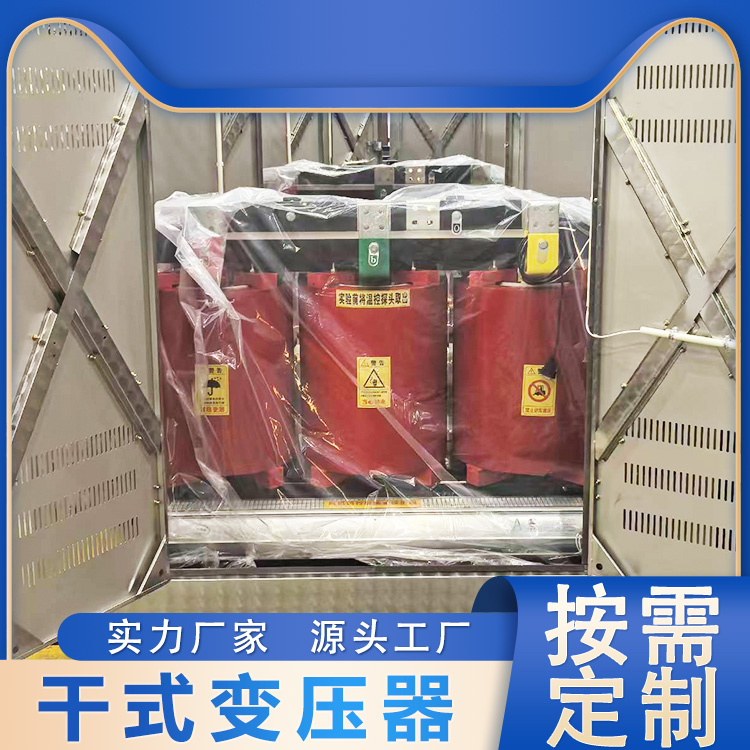





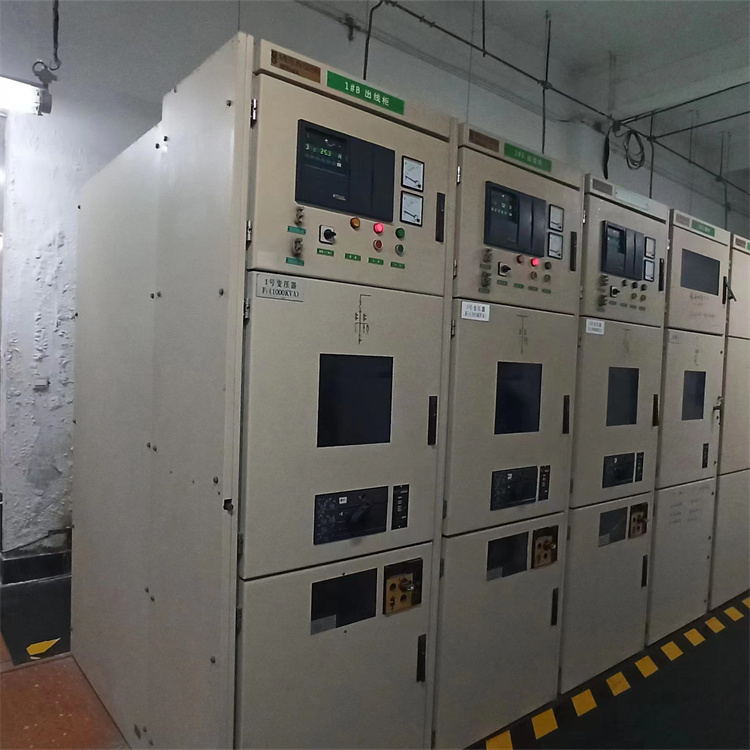
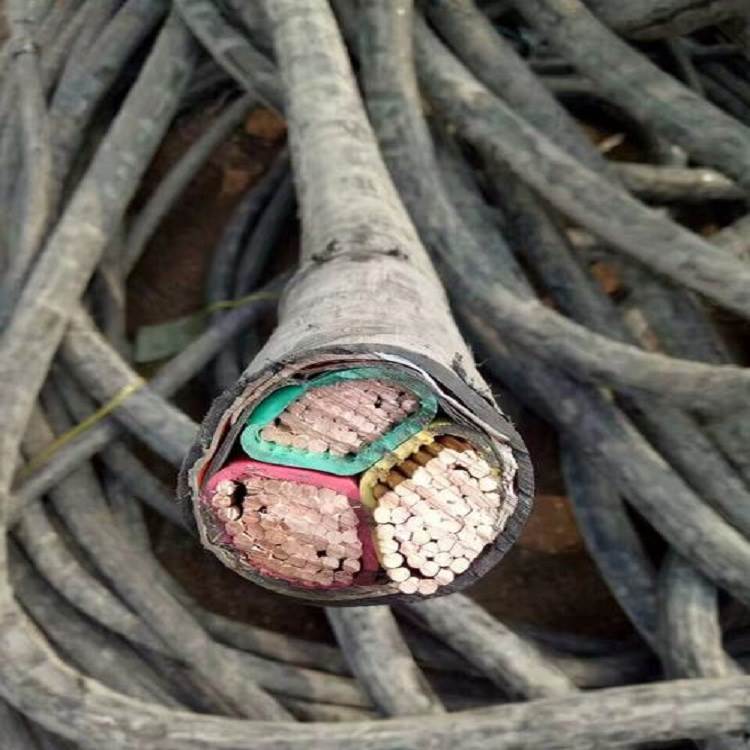
The disposal of old transformers is not only an environmental issue but also closely related to resource utilization and economic benefits. Here are several important reasons why transformer recycling is necessary:
Resource recycling
Waste transformers contain numerous recyclable materials, such as copper wire, iron cores, and insulating materials. By recycling these materials, we can prevent waste and excessive exploitation of natural resources, achieving sustainable resource utilization.
2. Environmental Protection
Hazardous substances like oil contamination and chlorofluorocarbons may be present in scrap transformers. Improper disposal or handling can lead to soil and water pollution, causing irreversible damage to the ecological environment. Rational recycling and processing can significantly reduce the negative impact on the environment.
3. Economic Returns
Transformer recycling not only reduces the cost of waste disposal but also creates job opportunities and drives economic development. After recycling, valuable components of the old transformers can be reprocessed into new products, providing raw materials for the related industrial chain, thereby promoting sustainable economic growth.
Transformer recycling methods:
To achieve transformer recycling, a series of scientific methods and processes must be adopted. Here are some common transformer recycling methods:
Disassembly and decomposition
Waste transformers must first be dismantled and decomposed. This process requires equipment and technology to ensure safety. Through dismantling and decomposition, the various components of the transformer can be sorted and processed, laying the groundwork for subsequent recycling and reuse.
2. Material Recycling and Reprocessing
After disassembly and decomposition, various materials from废旧 transformers can be recycled and reprocessed. Copper wires can be extracted for use in manufacturing new conductors and cables. The iron cores can be recycled as scrap iron for smelting and producing other iron products. Insulating materials can be used to make insulating products.
3. Environmentally friendly processing
The environmental-friendly disposal of waste runs parallel to material recycling. Attention must be given to the handling of remaining oil residues and hazardous substances to ensure they do not pollute the environment. Appropriate technology and equipment should be used for treatment, such as sedimentation and filtration of oil residues, and decomposition and treatment of hazardous substances.