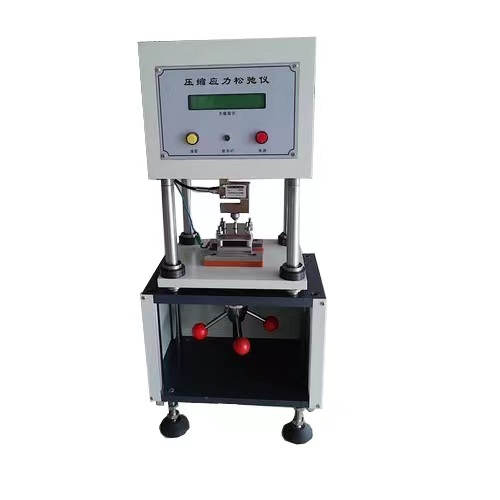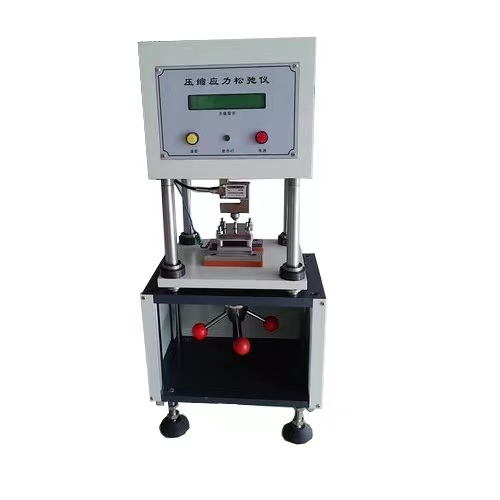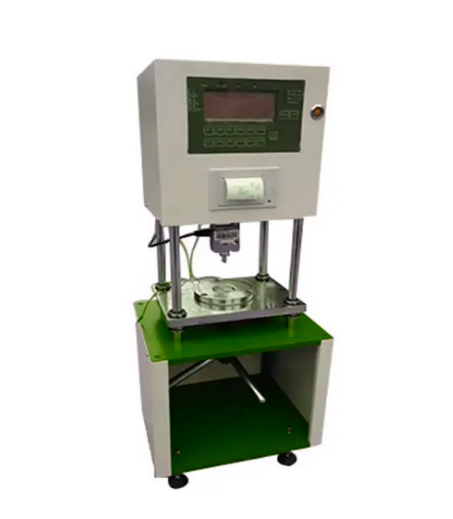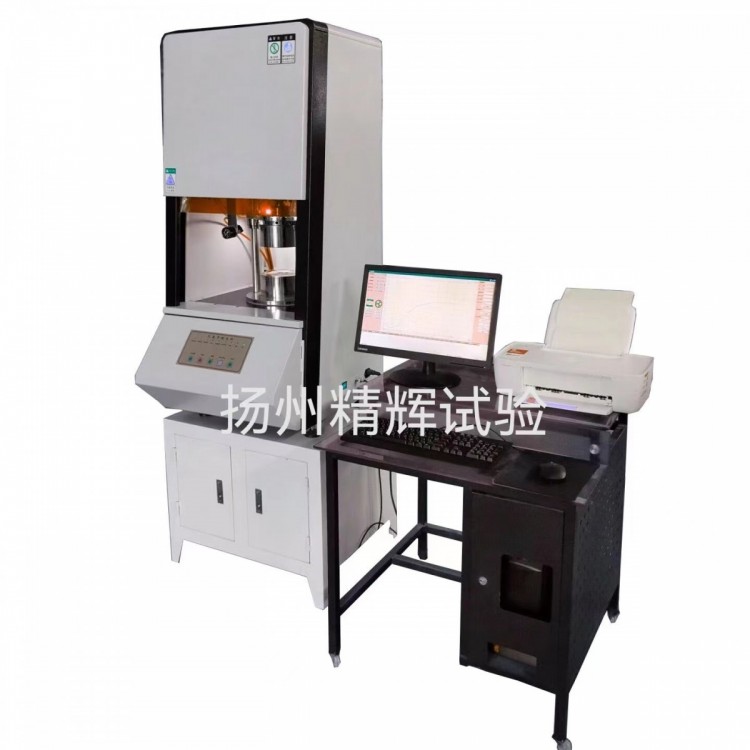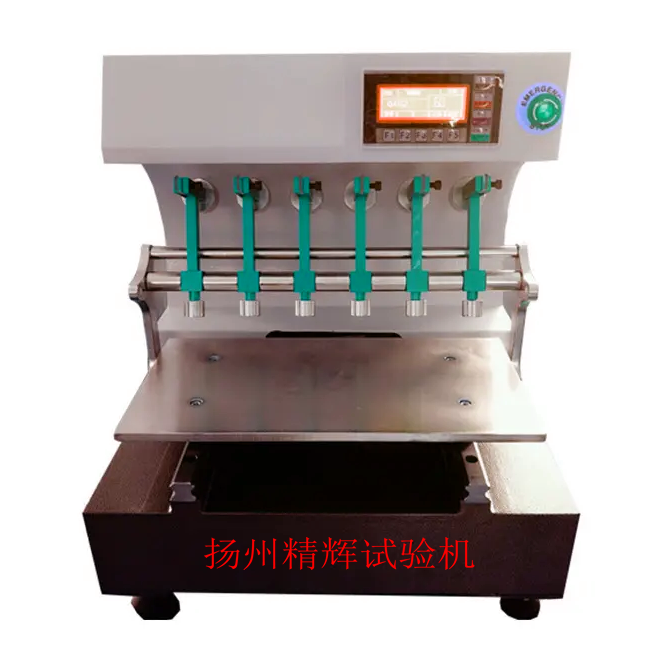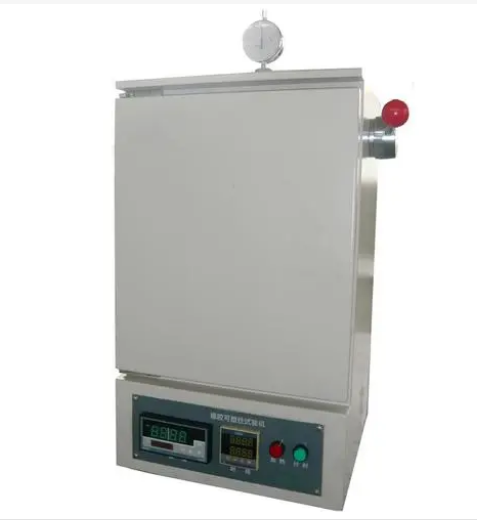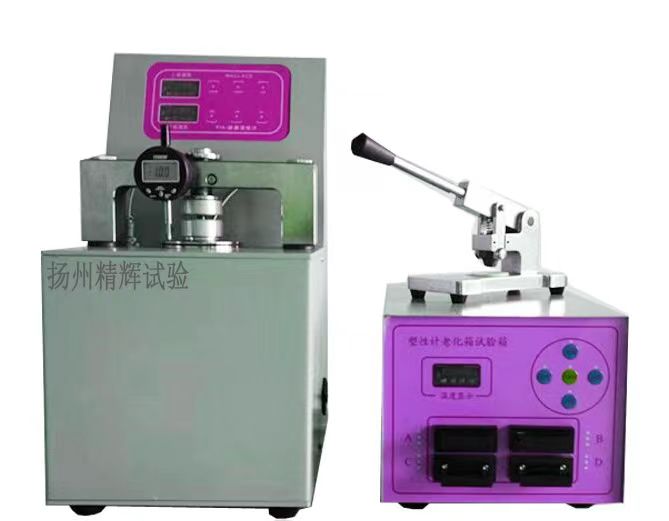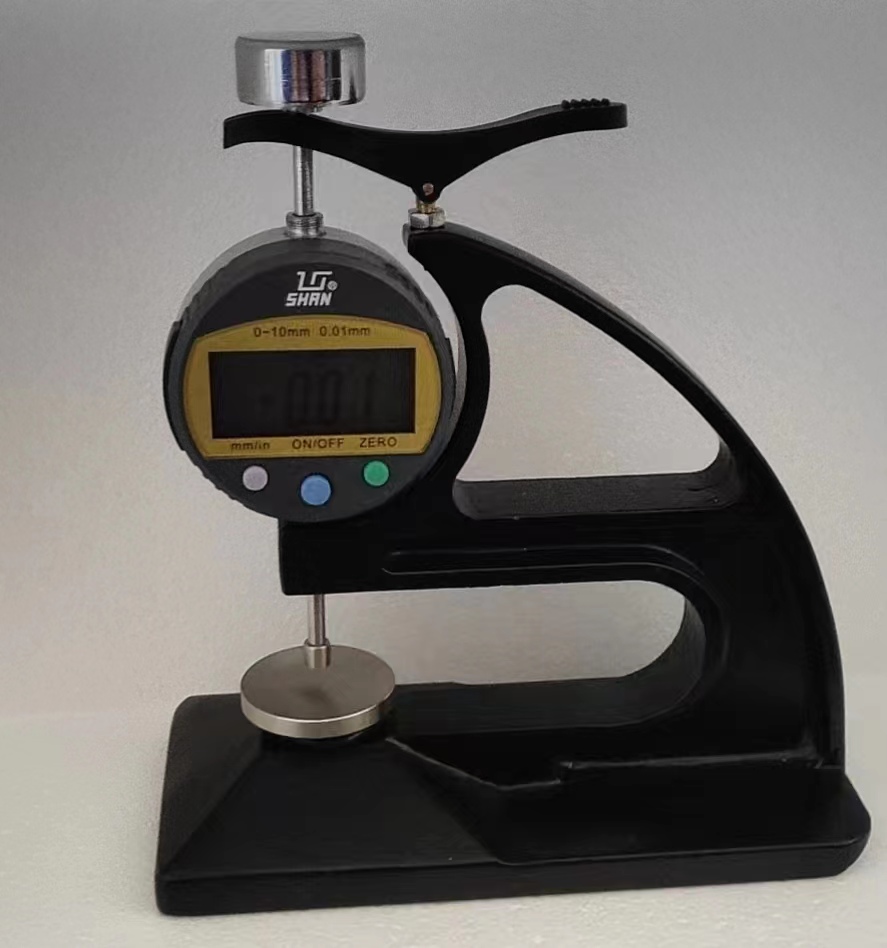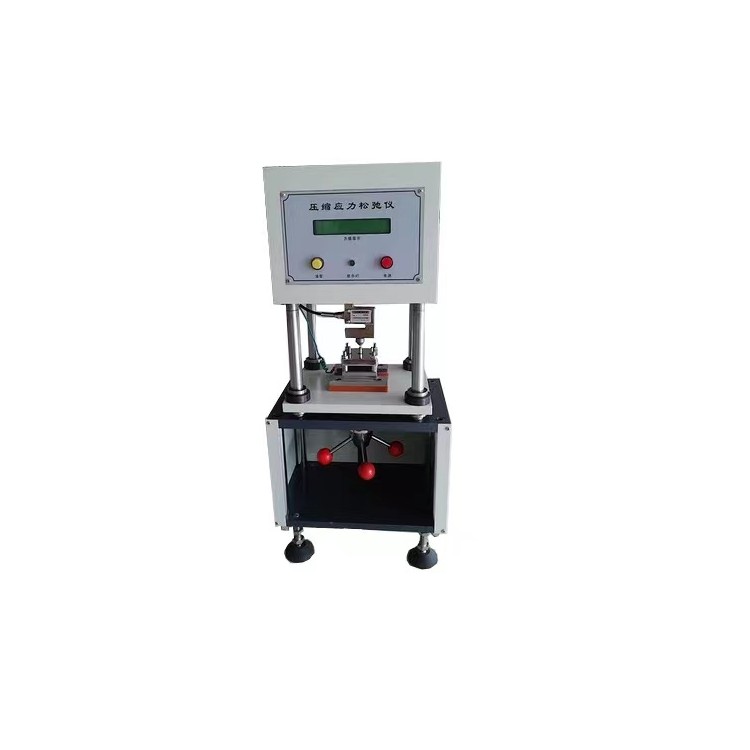

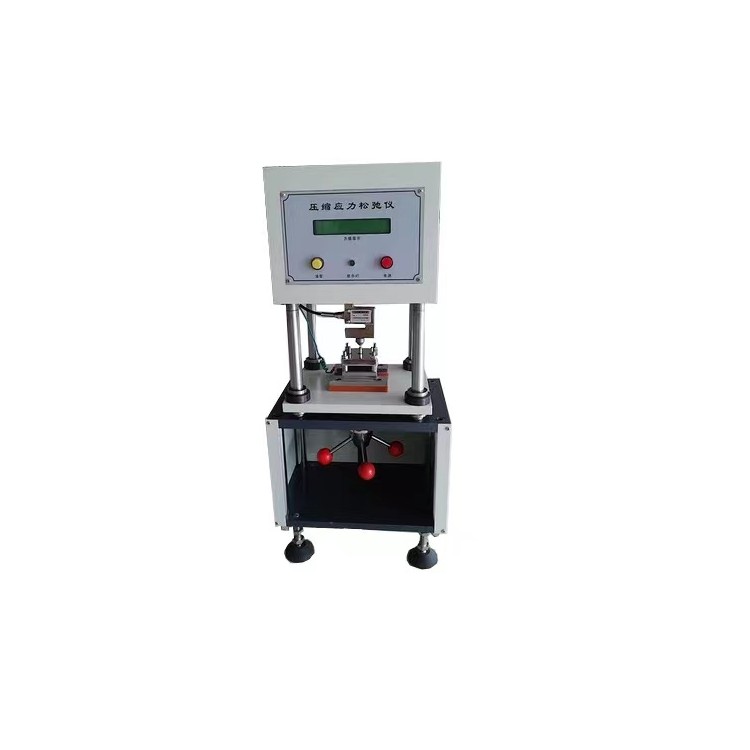
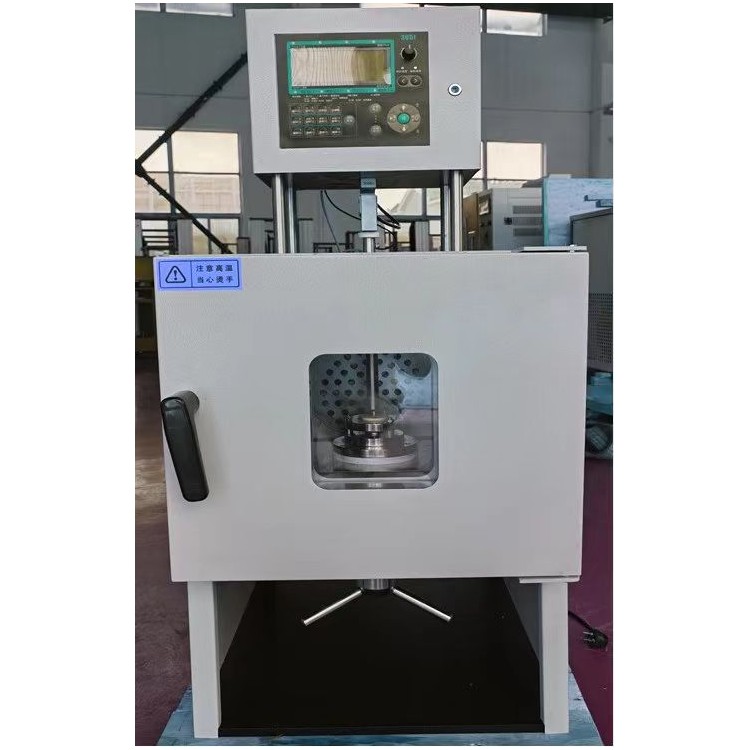
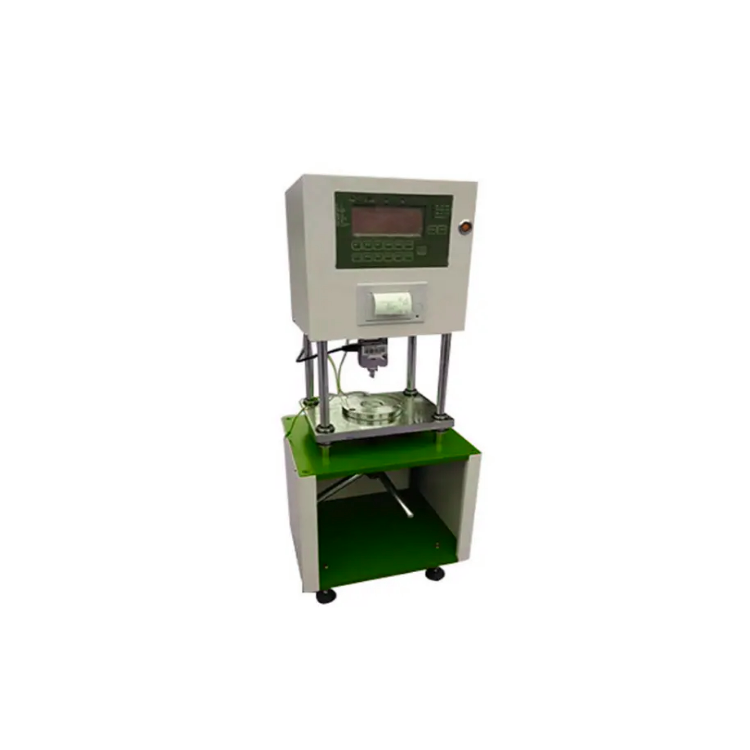


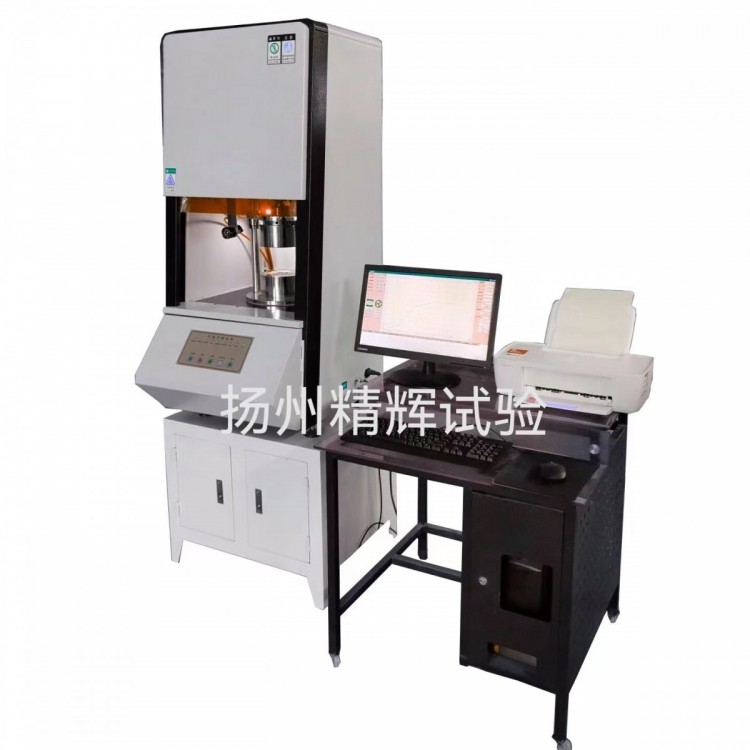
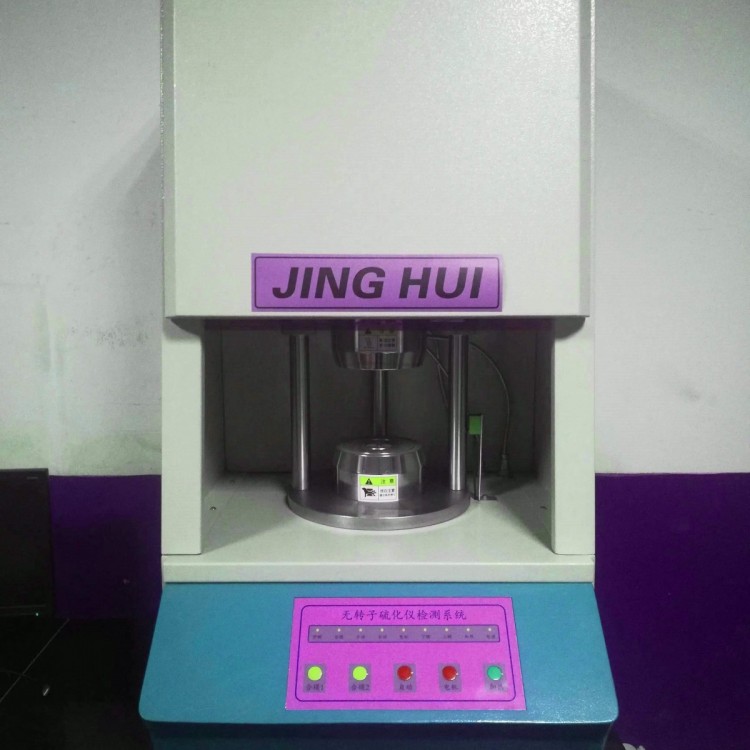





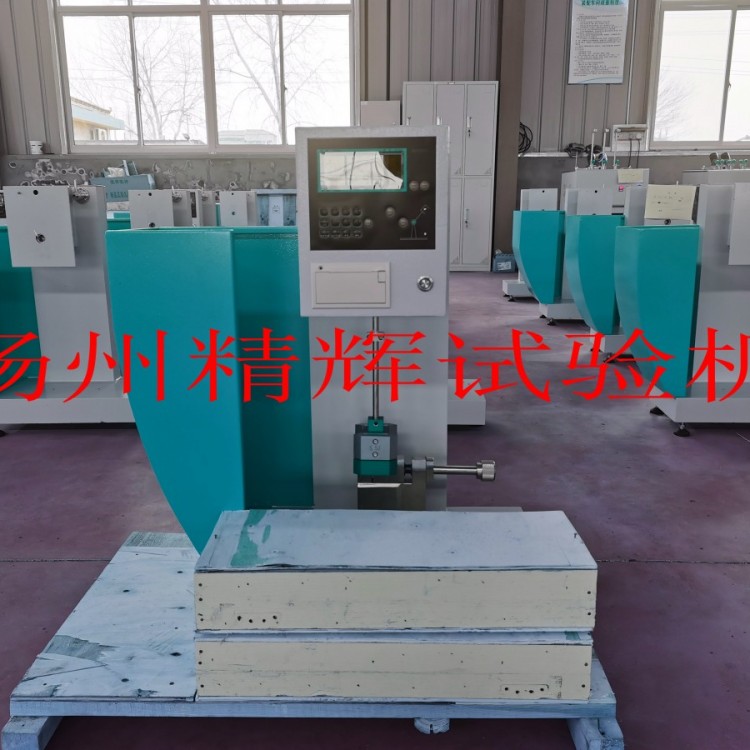

One,Rubber Compression Stress Relaxation TesterTechnical Specifications:
1Sensor Force Measurement/Display Range:
200N/199.9N
1000N/999.9N
2000N/1999.9N
2Tension Accuracy:0.5%
3Power supply:AC220V±10%,50Hz
4Dimensions:300×200×660mm
5Weight: 45kg
Two,Rubber Compression Stress Relaxation TesterSample
1Cylindrical test specimen
IType: StraightDiameterΦPlease provide the Chinese content you would like translated into American English.10.0mm±0.2mm, HighhPlease provide the Chinese content you would like translated into American English.10.0mm±0.2mm。
IIType:DirectDiameterΦPlease provide the Chinese content that needs to be translated into American English.13.0mm±0.5mm, heighthPlease provide the Chinese content to be translated.6.3mm±0.3mm。
Note: Results from the two different specifications of samples cannot be compared.
2Ring specimen
Circular specimens can be cut from flat test material using a rotating cutting blade, with the cross-section being square. Suitable for preparation of
Equipment for small circular sample, seeGB/T528AppendixB.
Sample Size
Thickness:2.0mm±0.2mm
Inner Diameter:15.0mm±0.2mm
Radial Width:2.0mm±0.2mm
Samples can be molded or prepared by cutting and polishing from finished products.
Furthermore, in addition toGB/T3452.1Specified codeBO140GNo Chinese content provided.OFormed Ring (Section Diameter:2.65mm,
Inside Diameter:14.0mmMay be used for standard specimens.
Note: Most test equipment includes a clamping mechanism. The specimen is compressed by tightening the screws until the steel plate reaches a stop, causing the specimen thickness to deform. Specimens within the above tolerance range can achieve the required compression strain when tested in this clamping mechanism. Therefore, it is essential to carefully match the clamping device and the specimen to ensure a good fit, resulting in the specified compression strain.