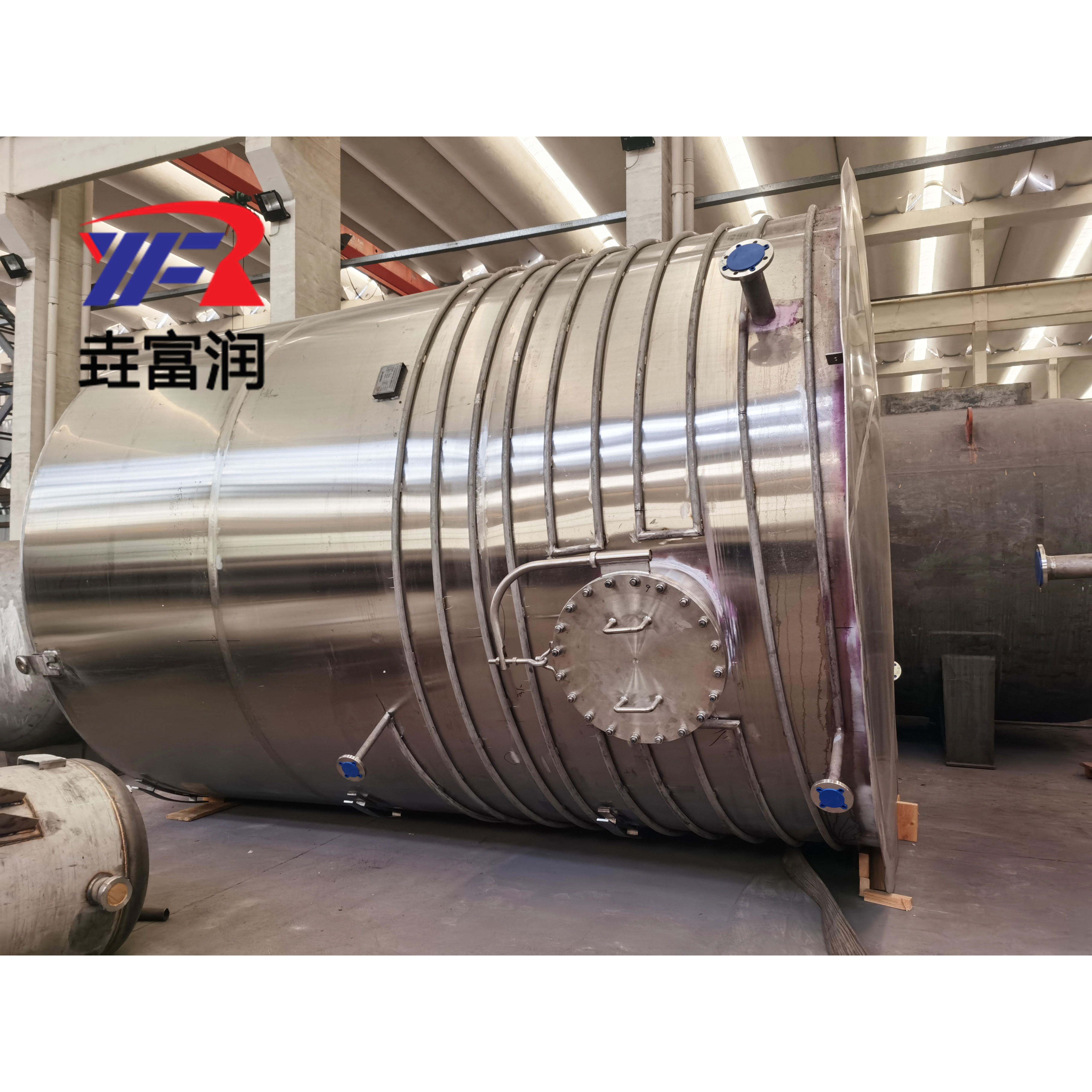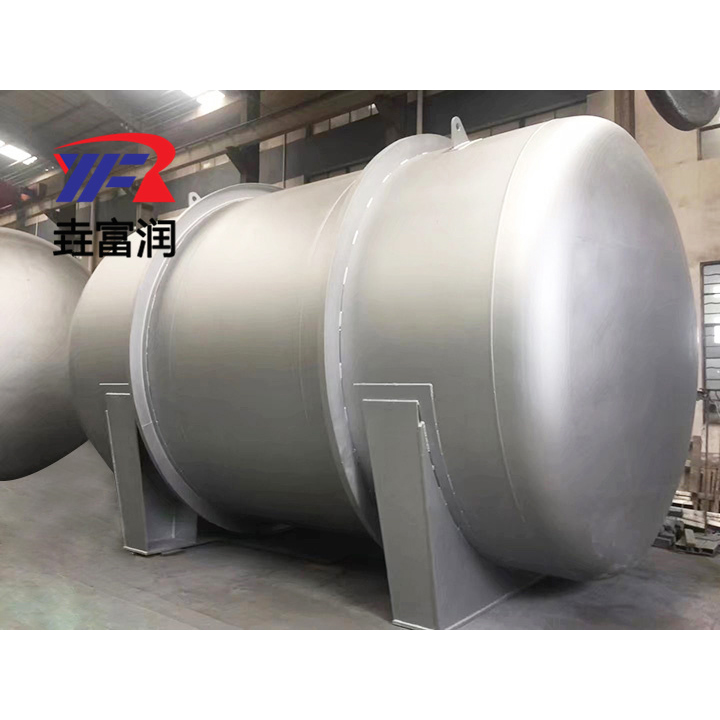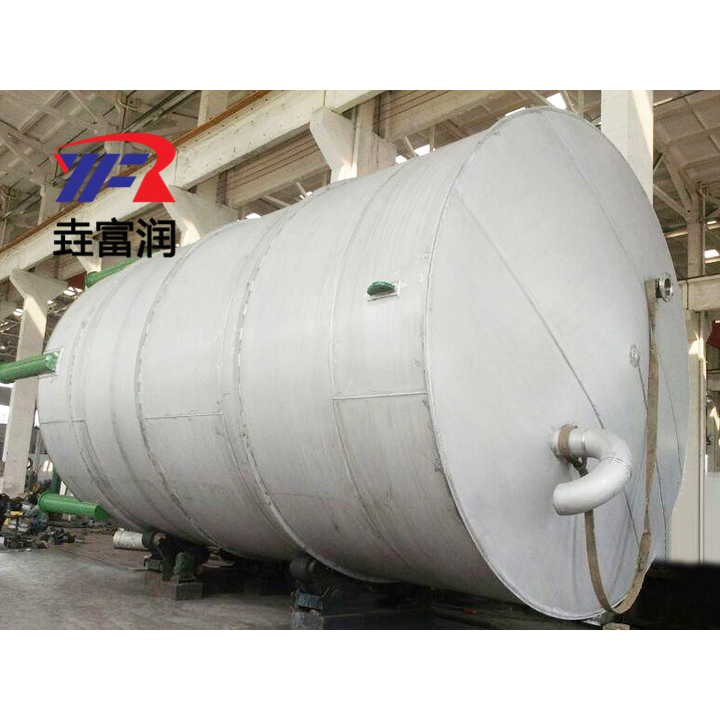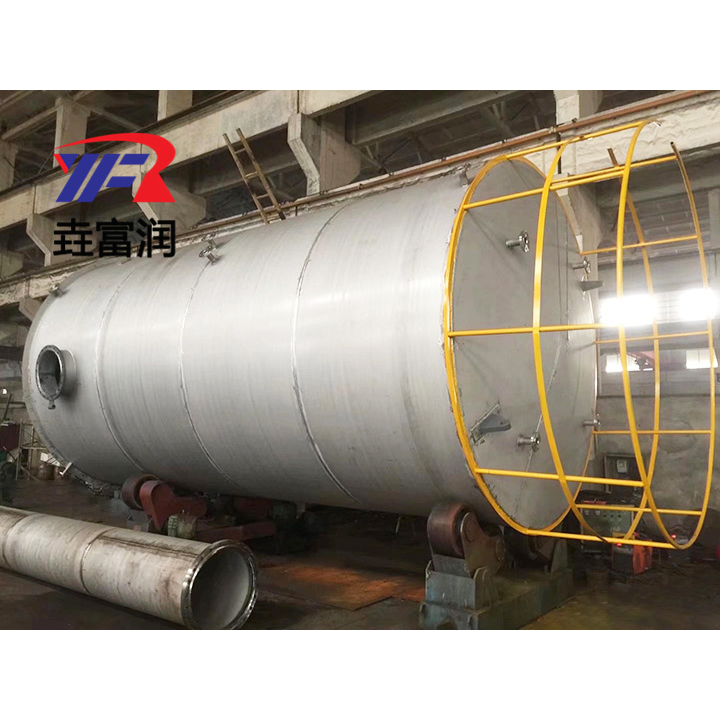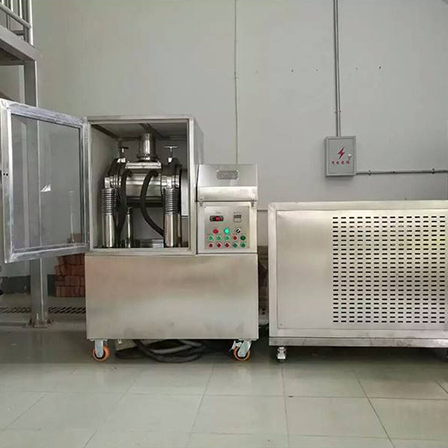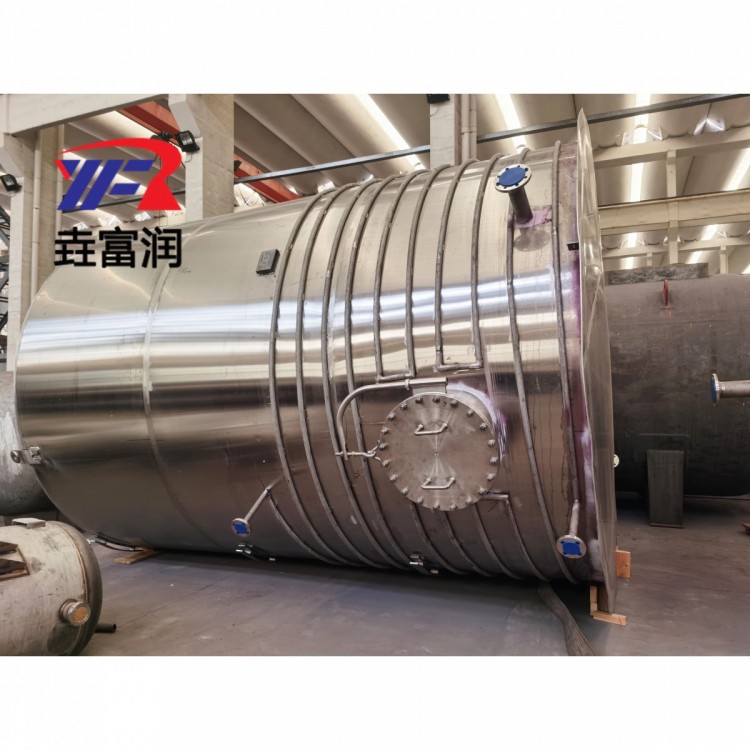
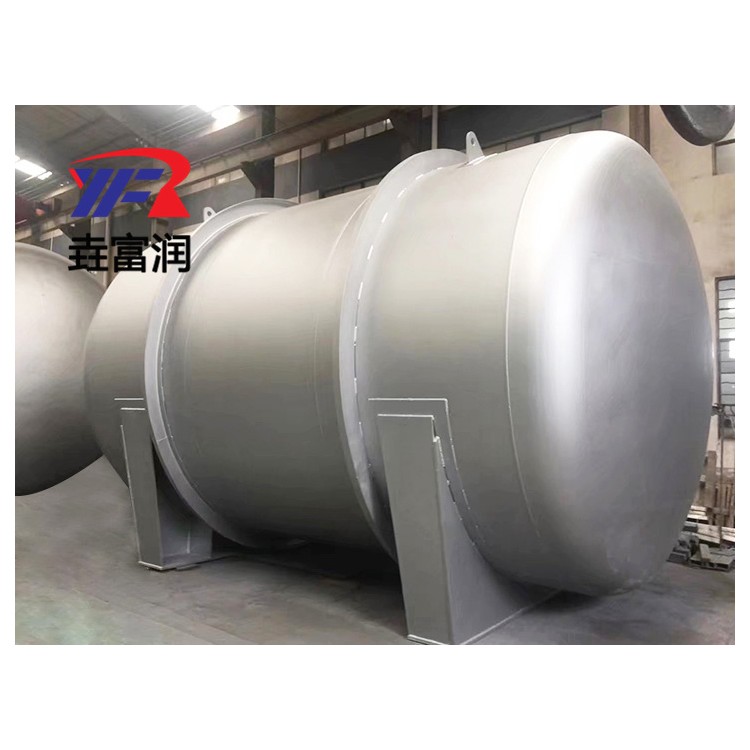
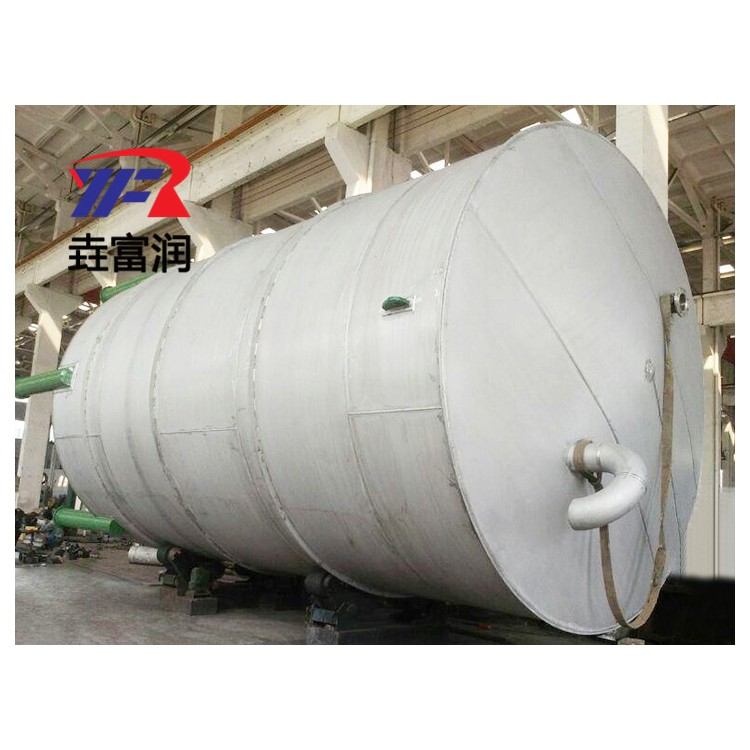
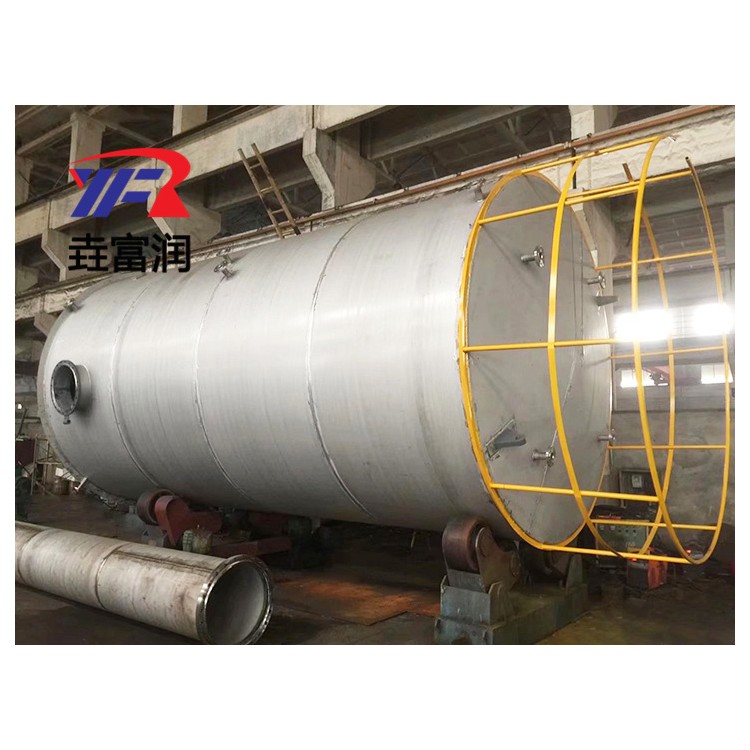







Product Information Brand: Zhongjie Material: 16MnDR Usage: Storage & Processing Customization: Available Origin/Manufacturer: Shandong Zhongjie

Other custom sizes, please contact customer service for actual product pictures.

Experienced factory direct supply, diverse models available, all customizable with high-quality, thick paint, vibrant colors, high saturation, and stable quality.

Material reliable 16MnDR for low-temperature resistance down to -60℃, flexible spraying quality is reflected; logo patterns for spraying can be customized according to customer requirements.

Product Detail Drawing

Thicker paper offers greater durability and guaranteed quality.
Fully automatic welding with strong adhesion, more standardized and secure.


Dual-valve design product packaging
Supplies

Custom Shipment Instructions Please contact customer service first for custom instructions. After providing the information, place your design order, and we will arrange production and shipment as soon as possible. Purchasing Instructions
Filter
(1) Inspect the filter body, welds, and joints for any leaks, cracks, or deformation. Report any issues immediately for prompt handling.
(2Inspect for any paint peeling or rust on the filter surface, and perform anti-corrosion treatment on the exterior surface.
Check for any abnormal noises or vibrations.
(4) Inspect the foundation and fasteners of the filter support for any damage, cracking, or loosening. Report and address any issues promptly.
Section 3: LNG Gasification Station Instrumentation Maintenance
To ensure the measuring instrument maintains good working condition, proper operation during use is essential, along with regular maintenance and care.
1. Instruments should be adjusted and calibrated regularly according to regulations. Regular zero-point adjustments should be made to keep the pointer at the starting position of the gauge.
2. Check the instrument readings and record whether they are normal. Verify if the instrument readings at the site match those displayed in the control room.
3. Check the instrument power supply and maintain it within the normal range (AC220V or DC24V), preventing it from being too high or too low. Ensure that all the instrument's wiring pipes and boxes are intact and properly grounded.
4. Inspect the instrument body and connecting components for damage and corrosion.
5. Inspect gauge and process interface for leakage.
6. Handle instruments with care, ensuring they are frequently kept clean. Use a soft cotton cloth to wipe them clean during maintenance and check for any abnormal appearance.
7. If the instrument readings are abnormal, they should be inspected immediately. Be cautious when removing and installing instruments; do not dismantle arbitrarily. Dismantling should only be done after proper preparations are made. If a transmitter must be dismantled, first disconnect the power. Wrap the power cable and signal cable connectors with insulating tape and adhesive tape, and store them properly. When dismantling a pressure gauge or pressure transmitter, first close the pressure-taking valve. Be aware that the pressure-taking port may become blocked, causing localized overpressure. This could result in material (liquid and gas) being ejected, potentially harming personnel.
8. The tag numbers of disassembled instruments should be placed in a prominent location. During installation, ensure they are matched correctly to avoid confusion with similar instruments due to different measuring ranges, which could lead to instrument malfunctions.
9. Regular descaling is required for pressure gauges, differential pressure transmitters, and pressure transmitters to prevent the accumulation of impurities in the pressure tapping tubes, which can directly or indirectly affect measurements.
10. Detailed inspection and maintenance records for instruments