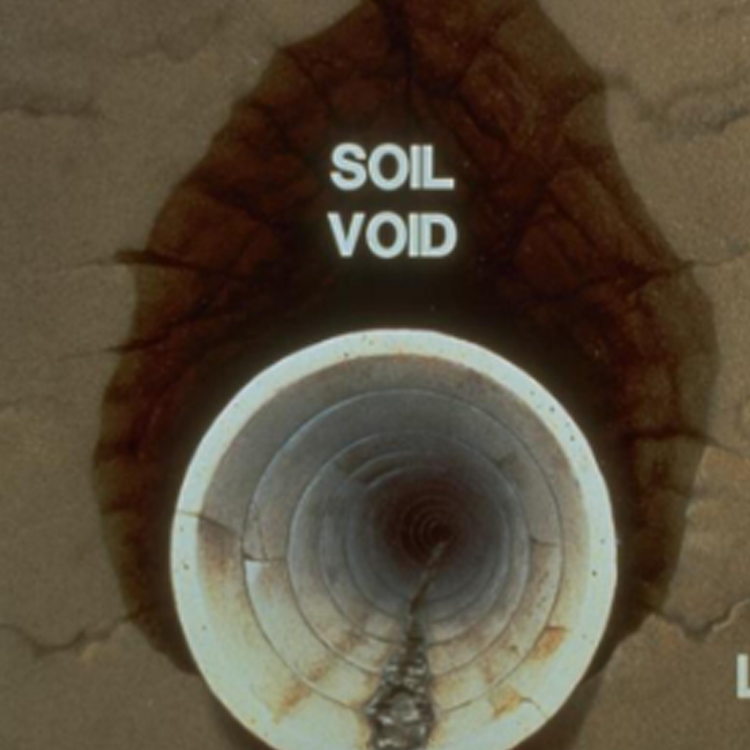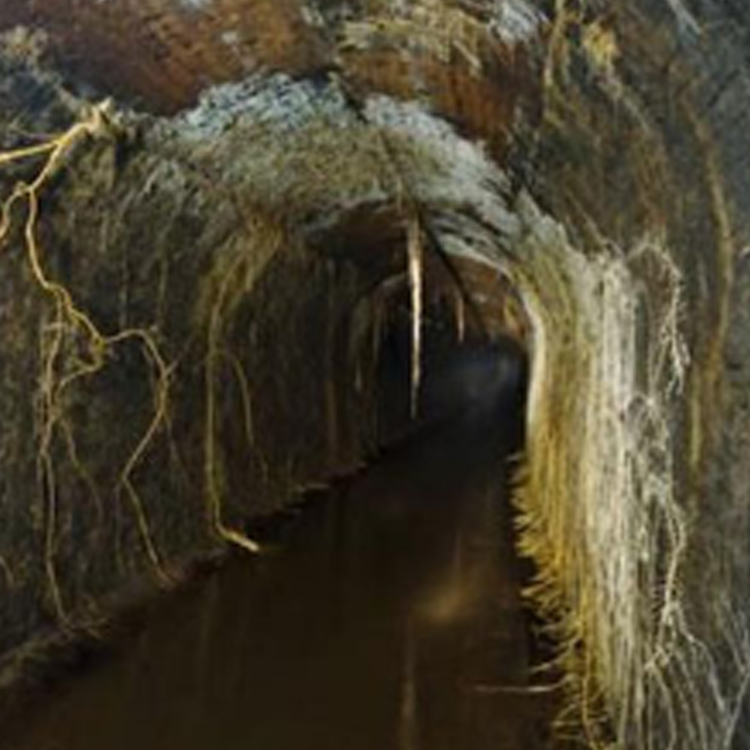


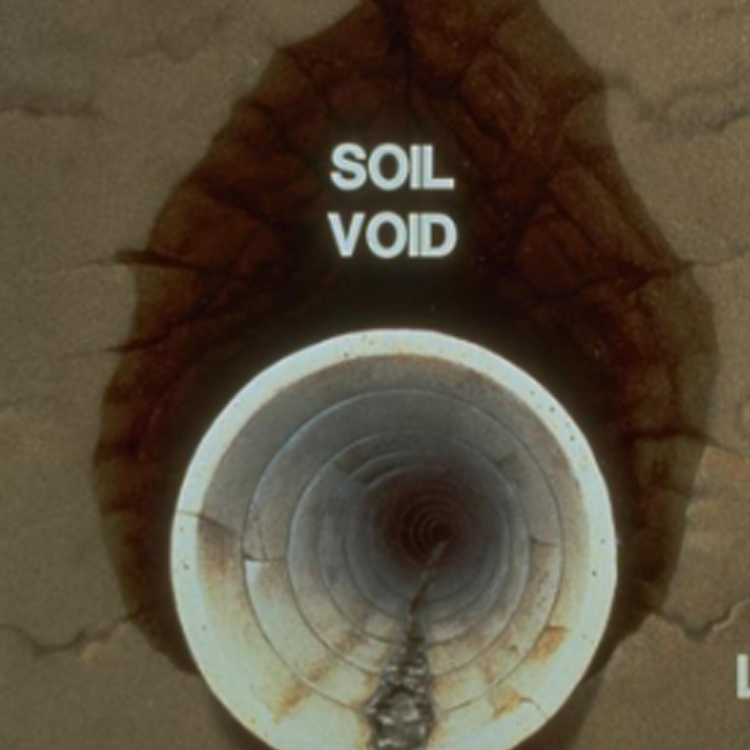
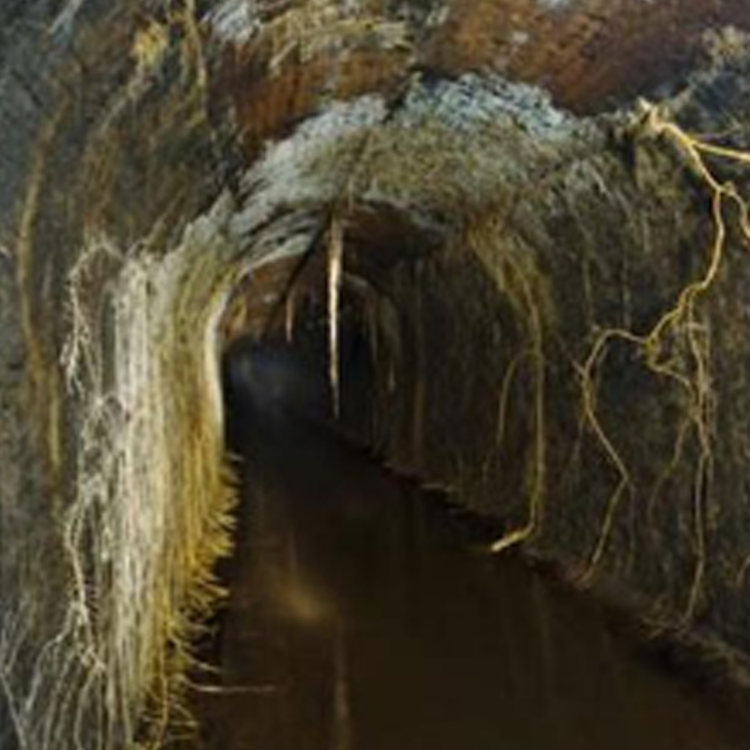
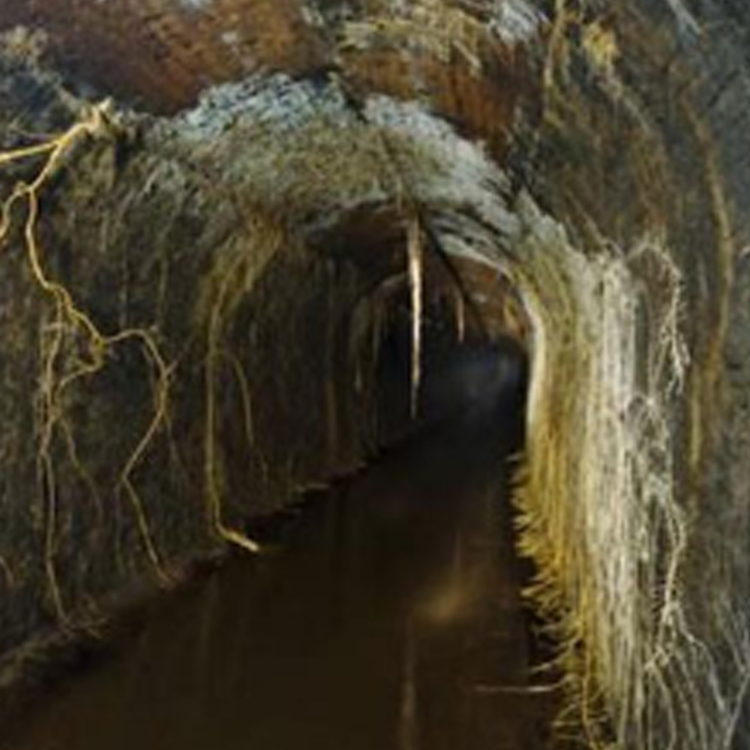


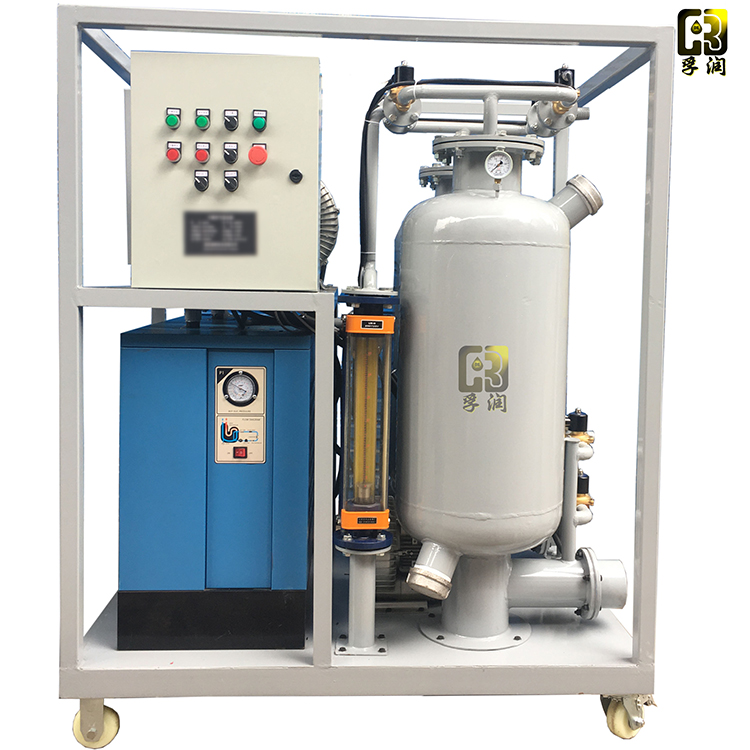






The Significance of Pipeline Repair Pretreatment
·Determines the long-term performance of the pipeline; ·Affects the safety of pipeline repair operations; ·Impacts the quality and acceptance of pipeline construction.
·Pains and challenges in pipeline repair.
Pre-treatment requirements
6.2 Original Pipeline Pretreatment
6.2.1 Prior to the non-invasive repair and update construction, the existing pipeline should be pre-treated and comply with the following regulations:
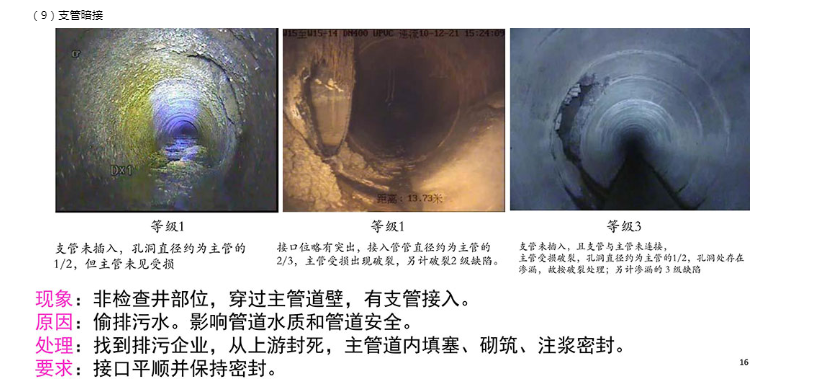
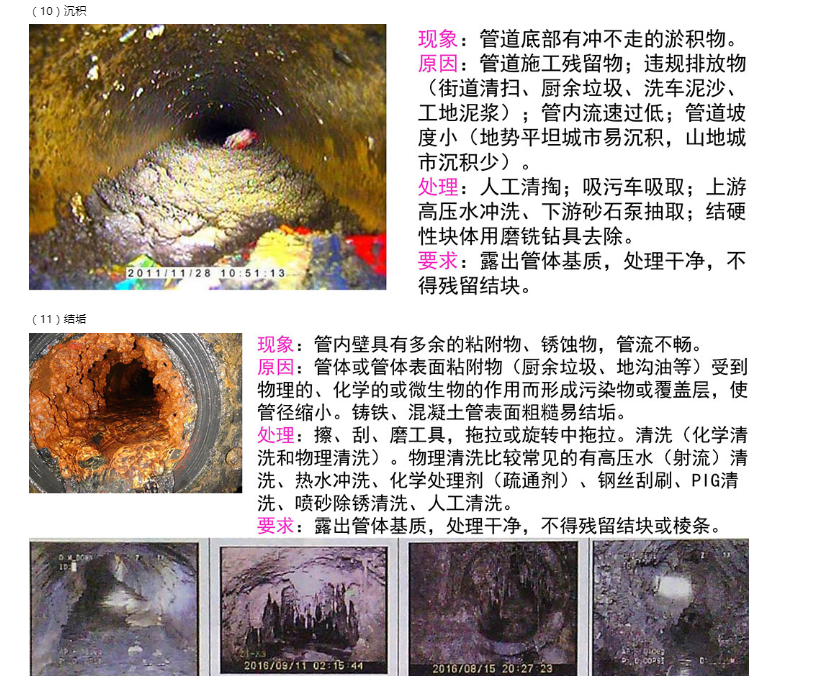
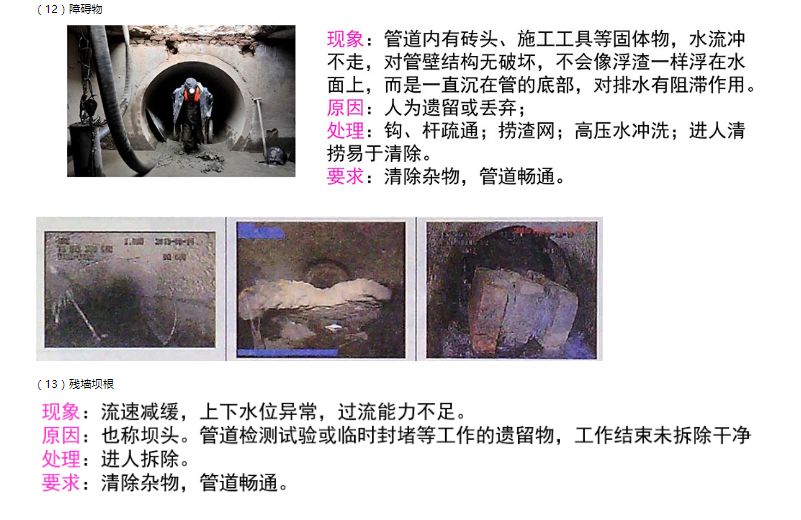
( 1)The original pipeline, after pretreatment, should be free of deposits, debris, and other obstructions. There should be no standing water that could affect construction. When using in-situ curing methods and spot in-situ curing methods for overall or partial repairs of the pipeline, there should be no leakage in the original pipeline.
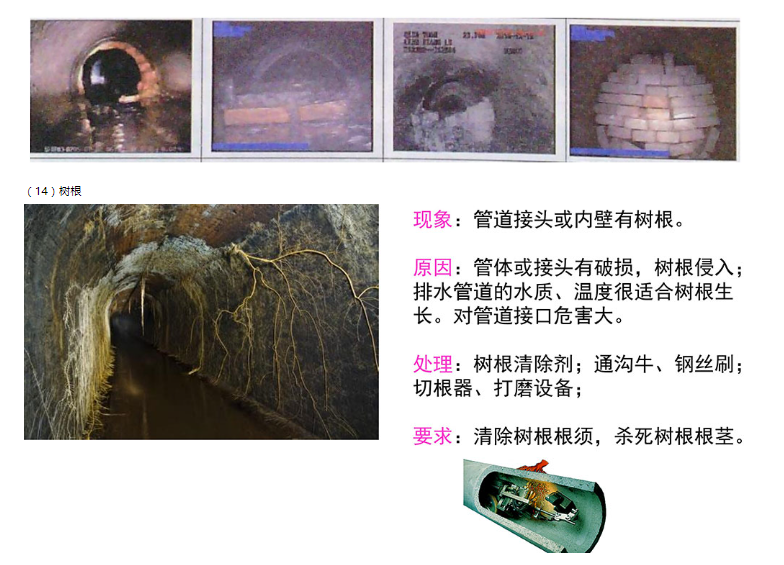
(2) The inner surface of the pipeline should be clean, free of any adherent material, sharp burrs, or protrusions that could interfere with insertion.
(3) When using the fractured pipe method, the inner surface of the existing pipeline does not need to be treated, but there should be a passage through which a traction rod or钢丝 rope has been pulled through.
( 4)When employing the local repair method, the inner surface of the original pipeline at the repair section and within a 500mm range before and after should be clean, free of any attachments, sharp burrs, or protuberances.
6.2.2 Piping should be cleaned using high-pressure water jetting. The wastewater and sludge generated during cleaning should be discharged from the inspection well, and the sludge should be handled in accordance with the relevant provisions of the current industry standard "Technical Code for Maintenance of Urban Drainage Pipelines and Pumping Stations" CJJ68.
6.2.3 Obstacles affecting the construction of the inner lining within the pipe should be removed using specialized tools or by partial excavation.
6.2.4 For existing pipelines with an internal steel sleeve, pre-treatment of the internal steel sleeve should be conducted.
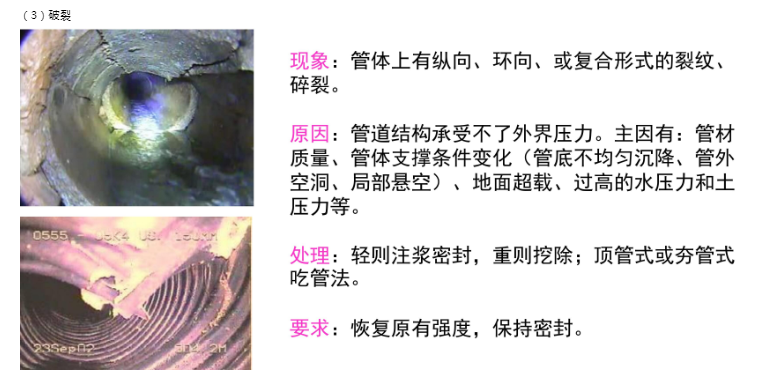
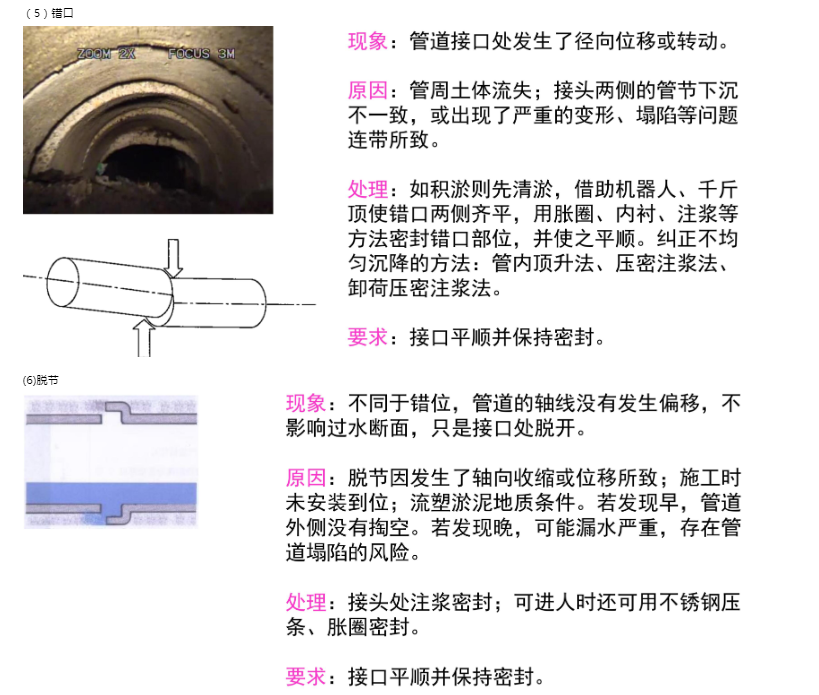
6.2.5 Areas with severe pipe deformation or damage, and significant joint misalignment, should undergo pre-treatment according to the approved construction organization design. 6.2.6 For original pipelines with severe leakage, water stopping or water-separation treatment should be applied to the leak points.
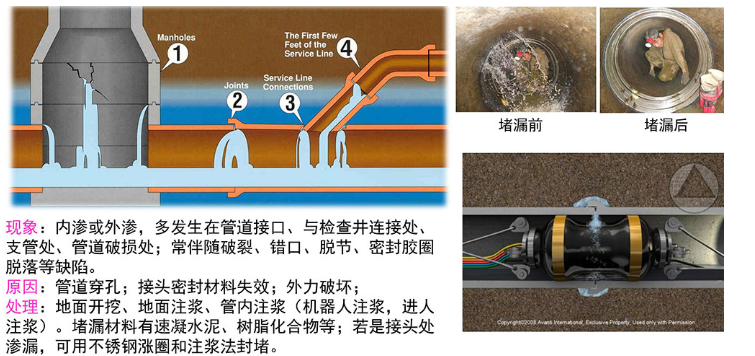
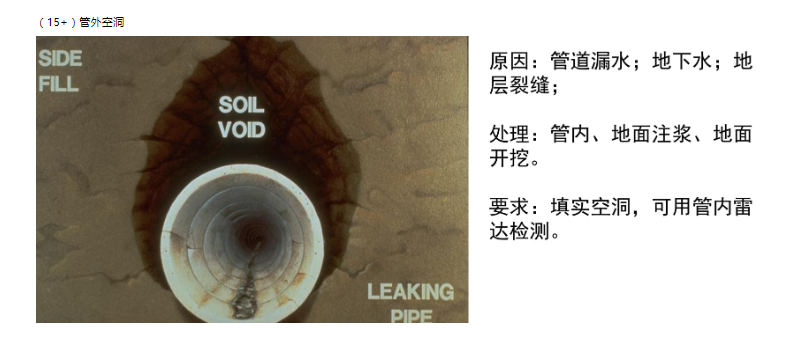
· Leaks must be sealed. Water leakage will affect construction quality and long-term lifespan. Even methods like inner lining, spiral wrapping, and pad sealing, which can seal pipeline cracks with circumferential injection grouting, require pre-sealing these leak points.
·Roughness and protuberances on the inner surface of the old pipeline must be removed. ·Deformed pipeline cross-sections should be restored.
·The tube wall should be continuous and intact. ·The surface of the tube wall should be clean.
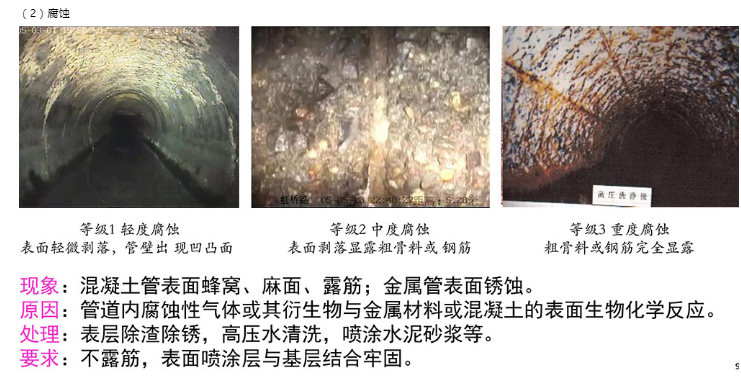
· CIPP Lining Repair and Coating Overhaul: The interior surface of the pipe is basically free of rust and scale, with the pipe surface being dry and achieving a Sa2.5 degree of rust removal. · Other Repair Methods: The interior surface of the pipe is primarily clean, allowing for a firm adherent layer up to 2mm thick, with no sharp protuberances or raised defects. Pre-treatment Measures
(1) Leakage

4 Pre-treatment Effect Inspection (1) Visual Inspection
(2) CCTv (closed circuit television) video inspection (3) ov (quick view) focusing video inspection
(4) Pipe trial fitting
Conclusion
·Pre-treatment before pipeline repair is a challenging aspect of the repair process.
·The pre-treatment includes the elimination of various pipeline defects, ensuring the integrity of the internal and external structure of the pipeline, plugging holes and cracks, and achieving a smooth and clean surface. It meets the required smoothness and wetting conditions for pipeline repair methods.·There can even be specialized pre-treatment companies handling such services.