









Technical Principle
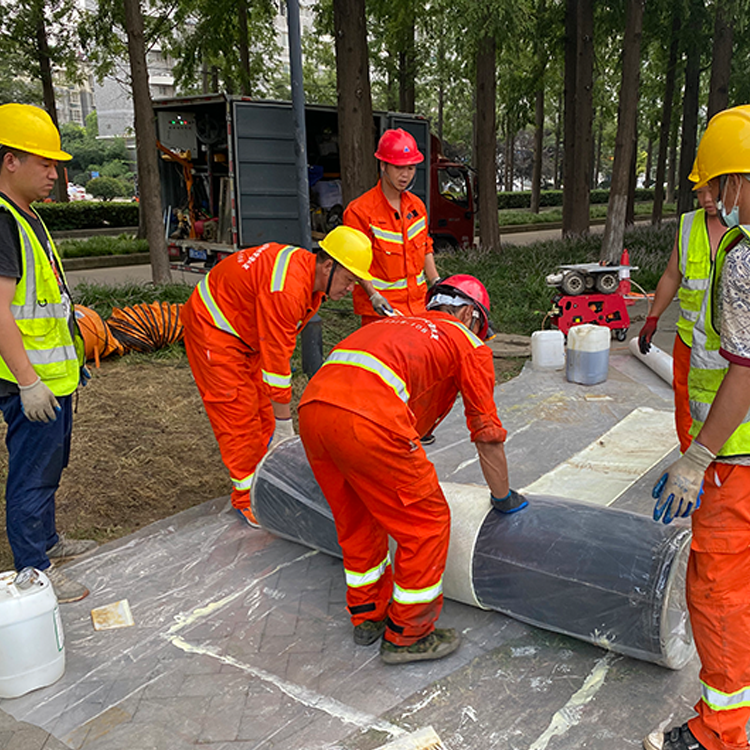
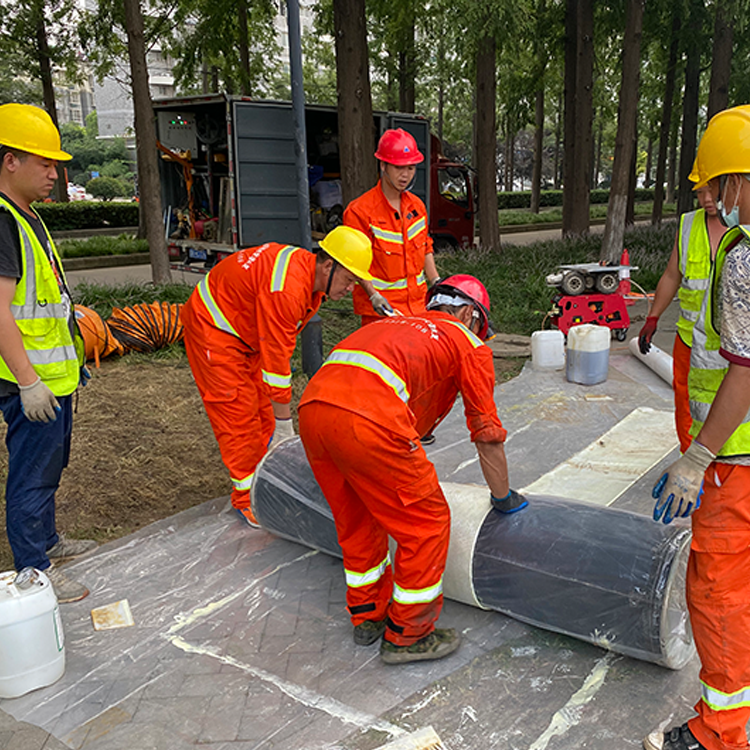
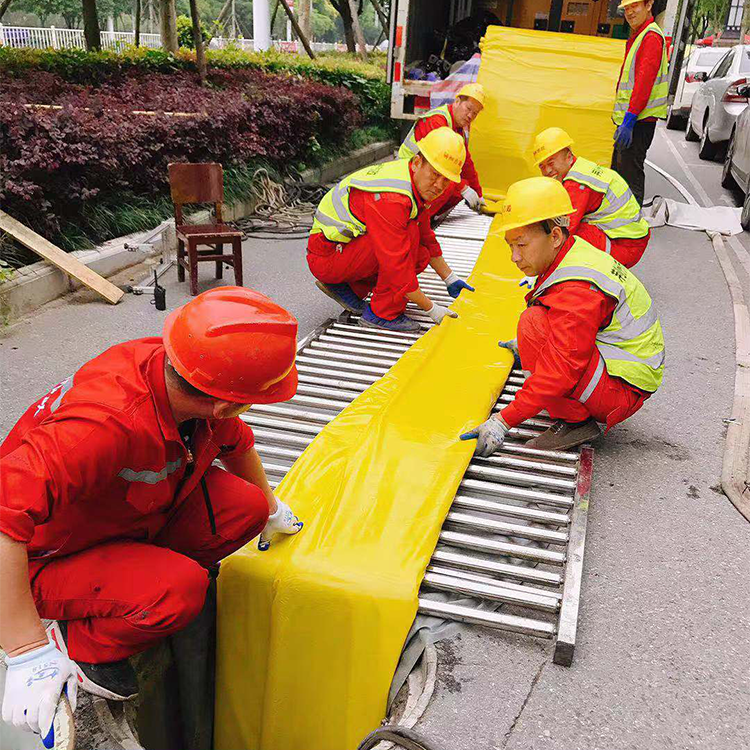
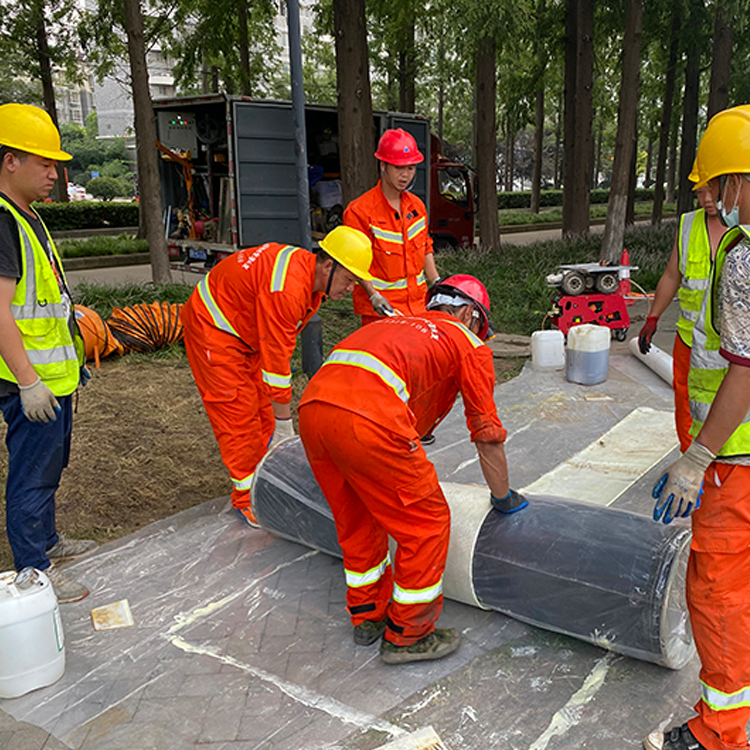
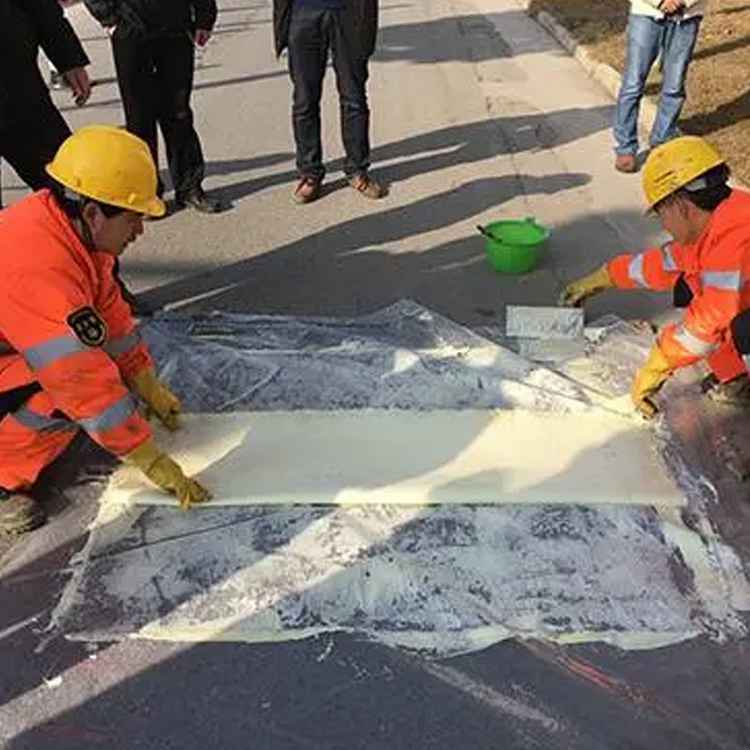
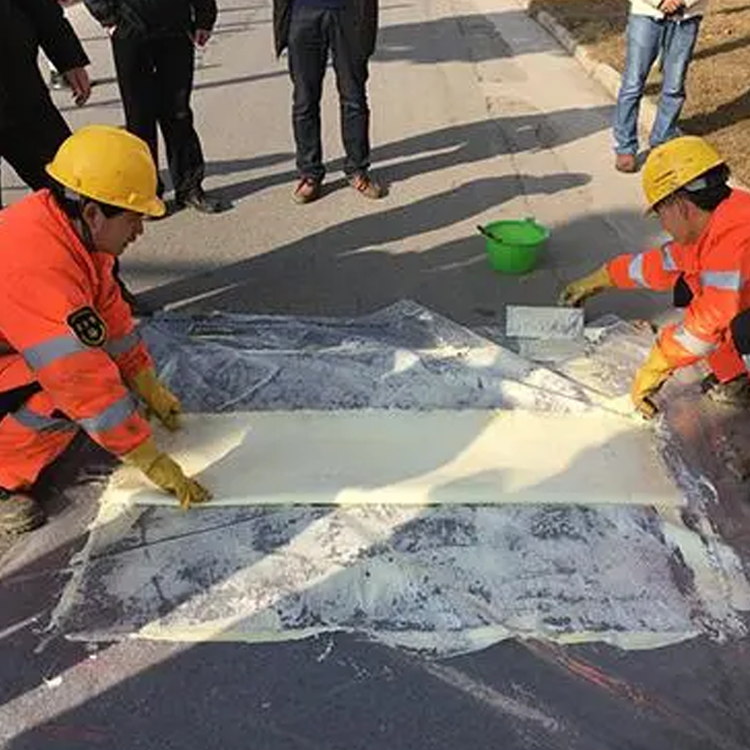
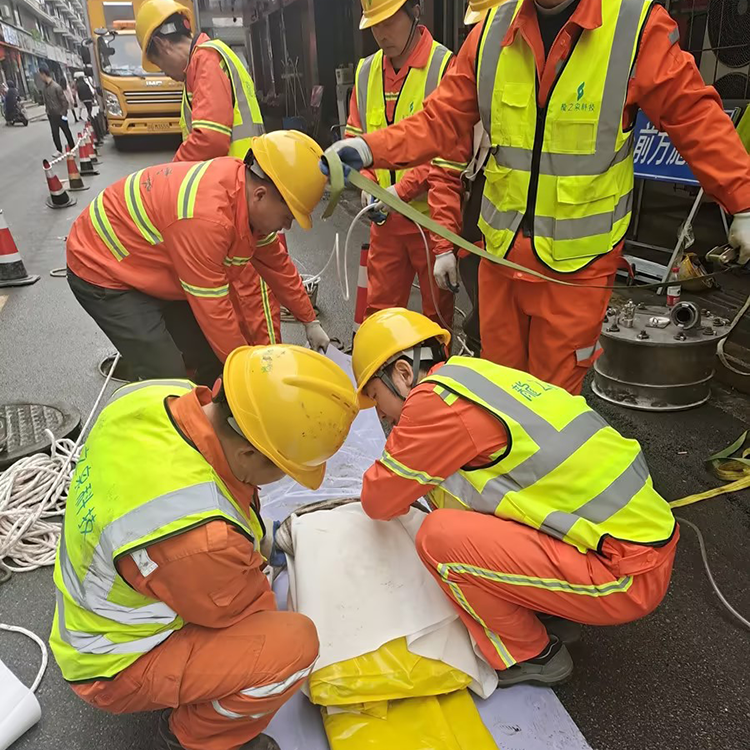
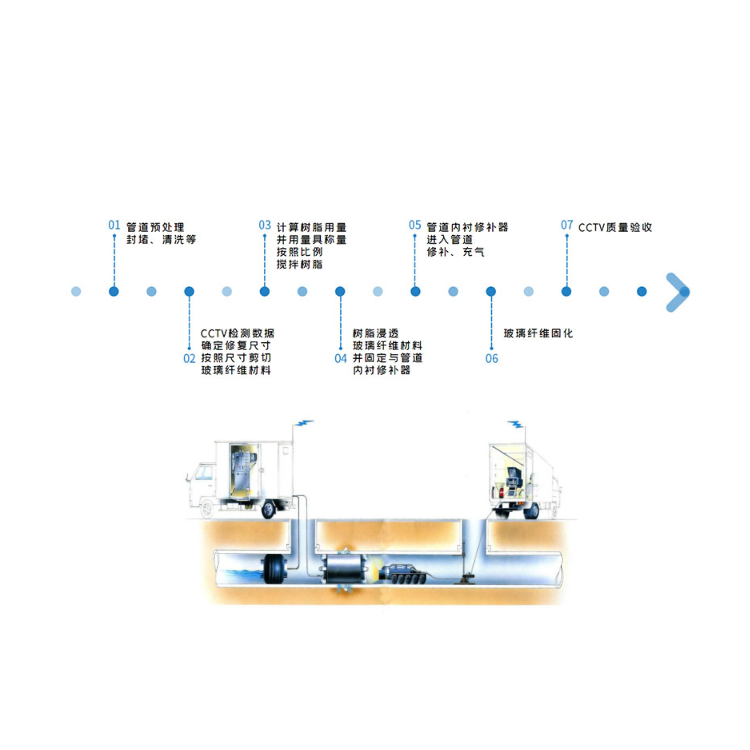
The core of the local resin repair technology lies in the resin, which is composed of unsaturated resin, its cross-linking agent, and accelerator. The damaged area can be cured by filling with the resin. The specific steps are as follows:
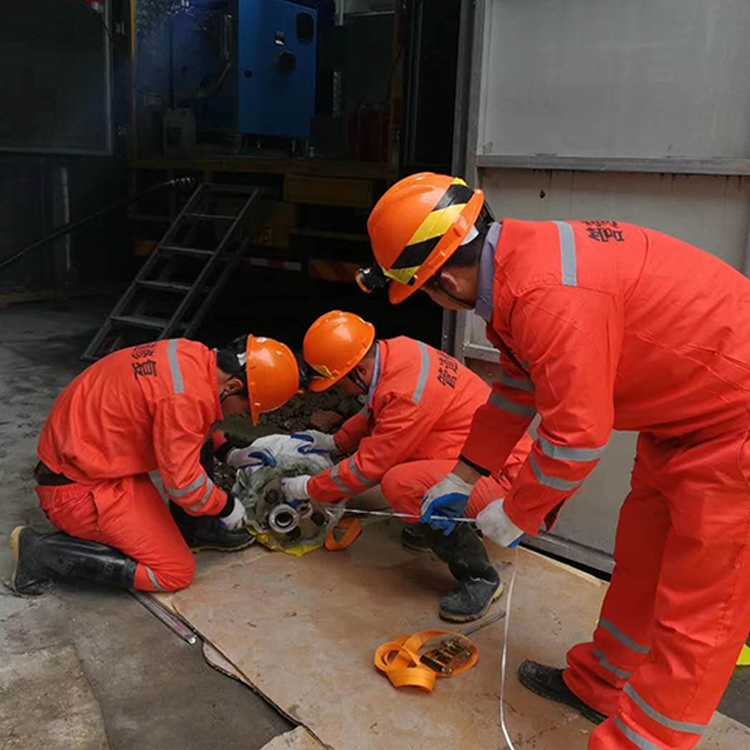
Clean the area to be repaired, remove loose materials, and sand the surface.
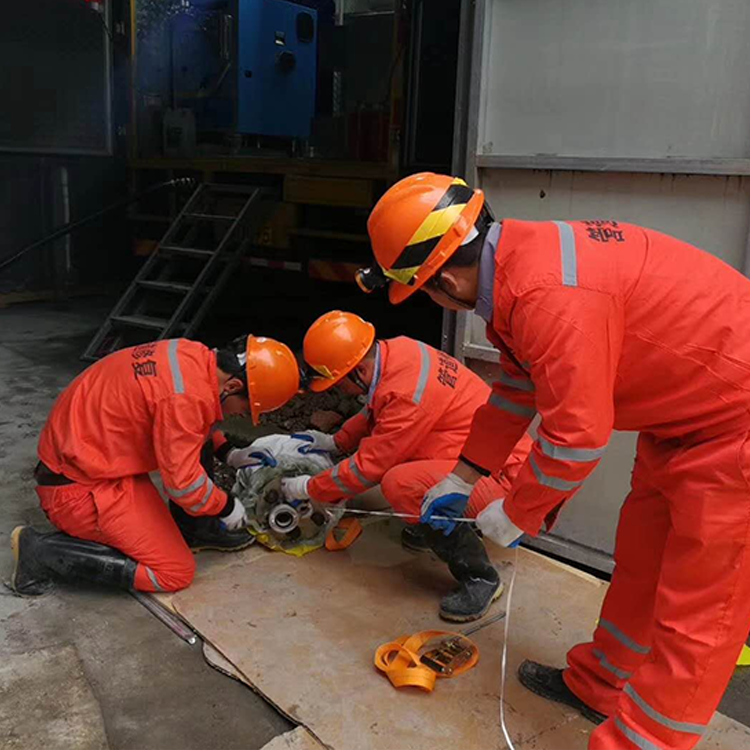
2. Pre-embed equipment and utilize fiber optic testing.
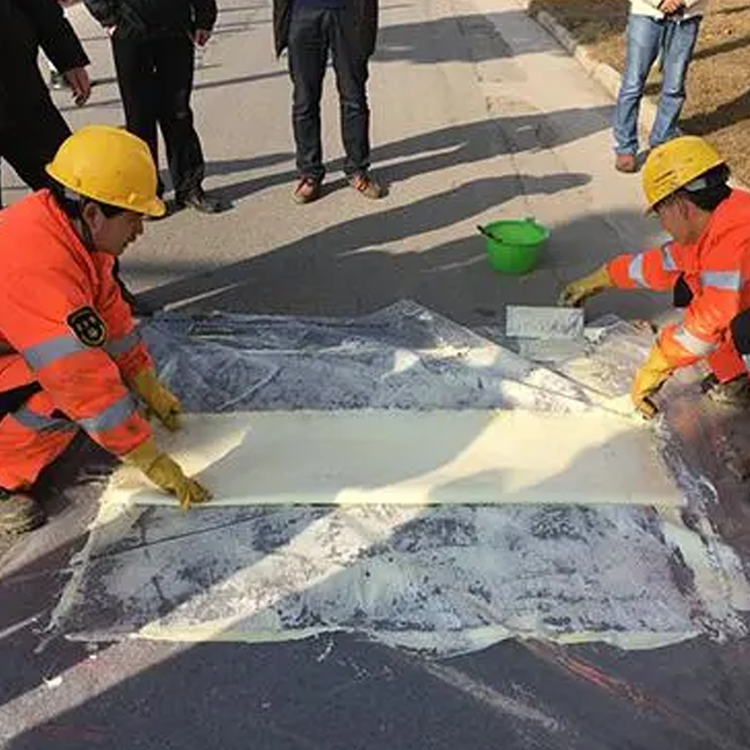
3. Select the type of filling resin and curing method based on the actual situation; generally, they are categorized into high molecular resin curing and reinforced fiber resin curing.
4. Fill the resin into the area to be repaired and cure it using light.
Application Scope
Partial resin repair technology can be widely applied to the repair of various damages in buildings and hydraulic engineering, such as cracks, sanding, corrosion, etc., and can also be used to enhance the load-bearing capacity of structures.
Advantages and Disadvantages
Compared to traditional damage repair methods, local resin repair technology offers the following advantages:
No need to dismantle the entire structure, saving time, costs, and labor.
2. The repaired effect is more durable, avoiding the need for repeated repairs.
3. Does not affect the load-bearing performance of the structure.
4. Local repairs, without causing unnecessary impact on other parts.
And the main drawbacks of local resin repair are:
The product requires certain environmental conditions, including adequate ventilation and sealing properties.
2. High technical requirements for construction personnel.