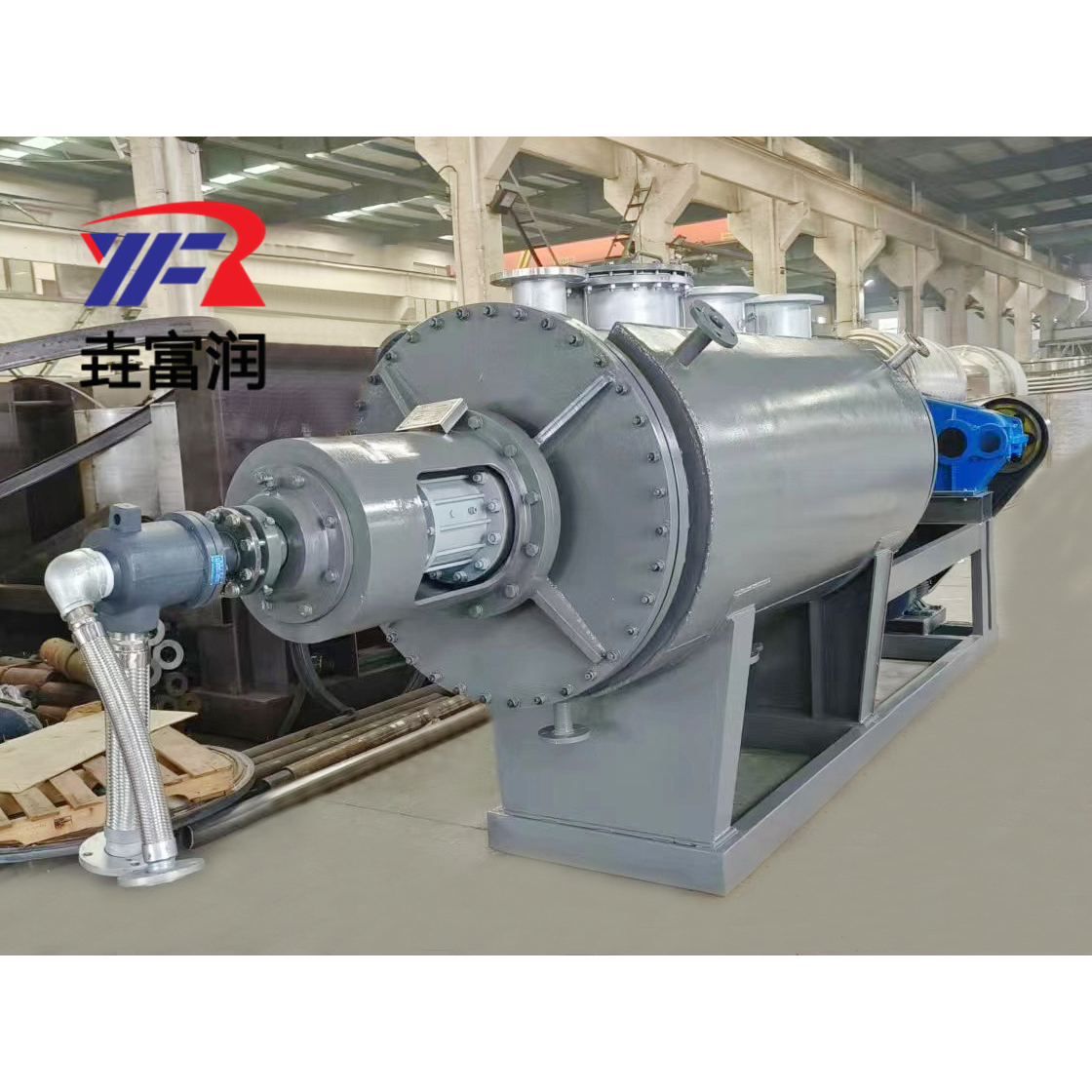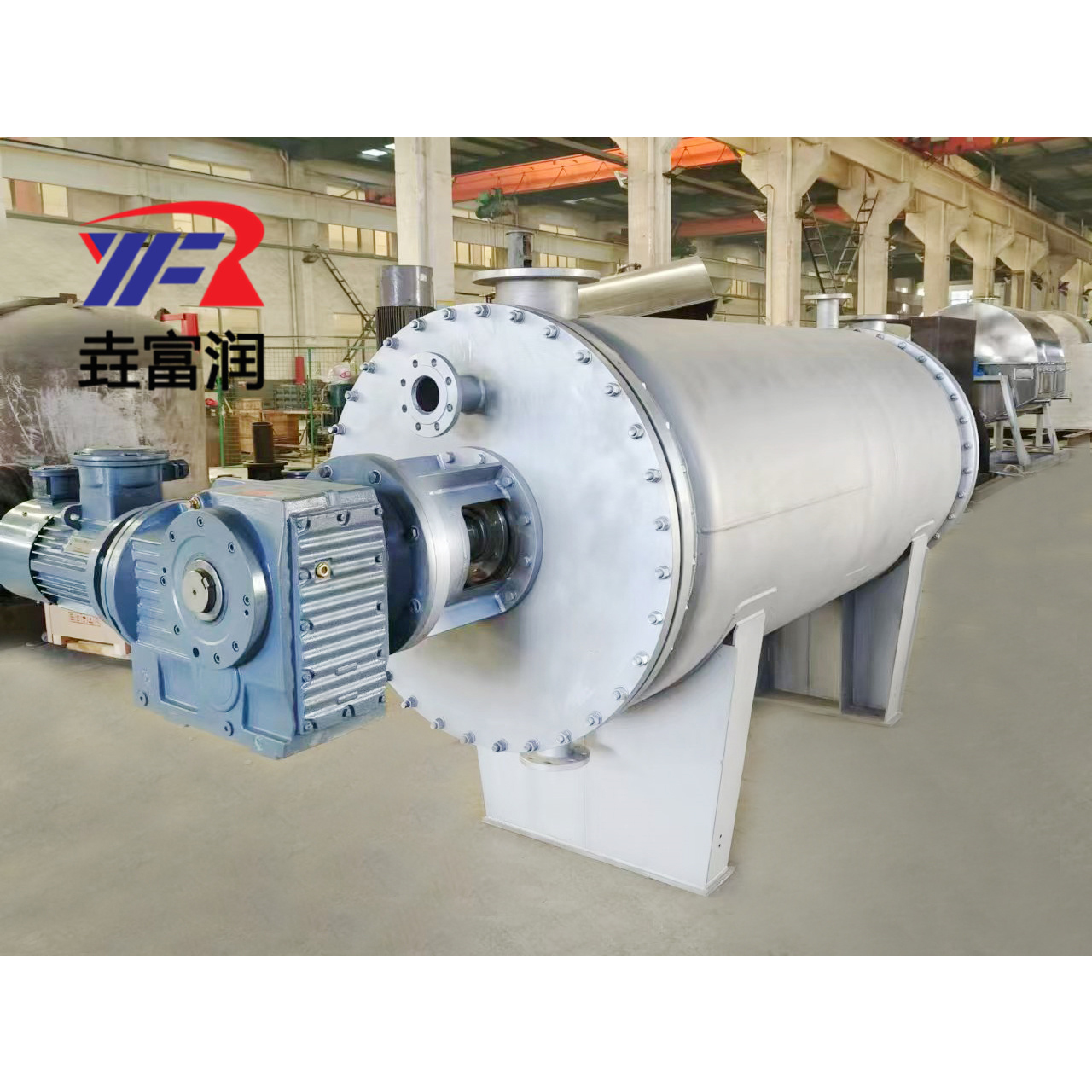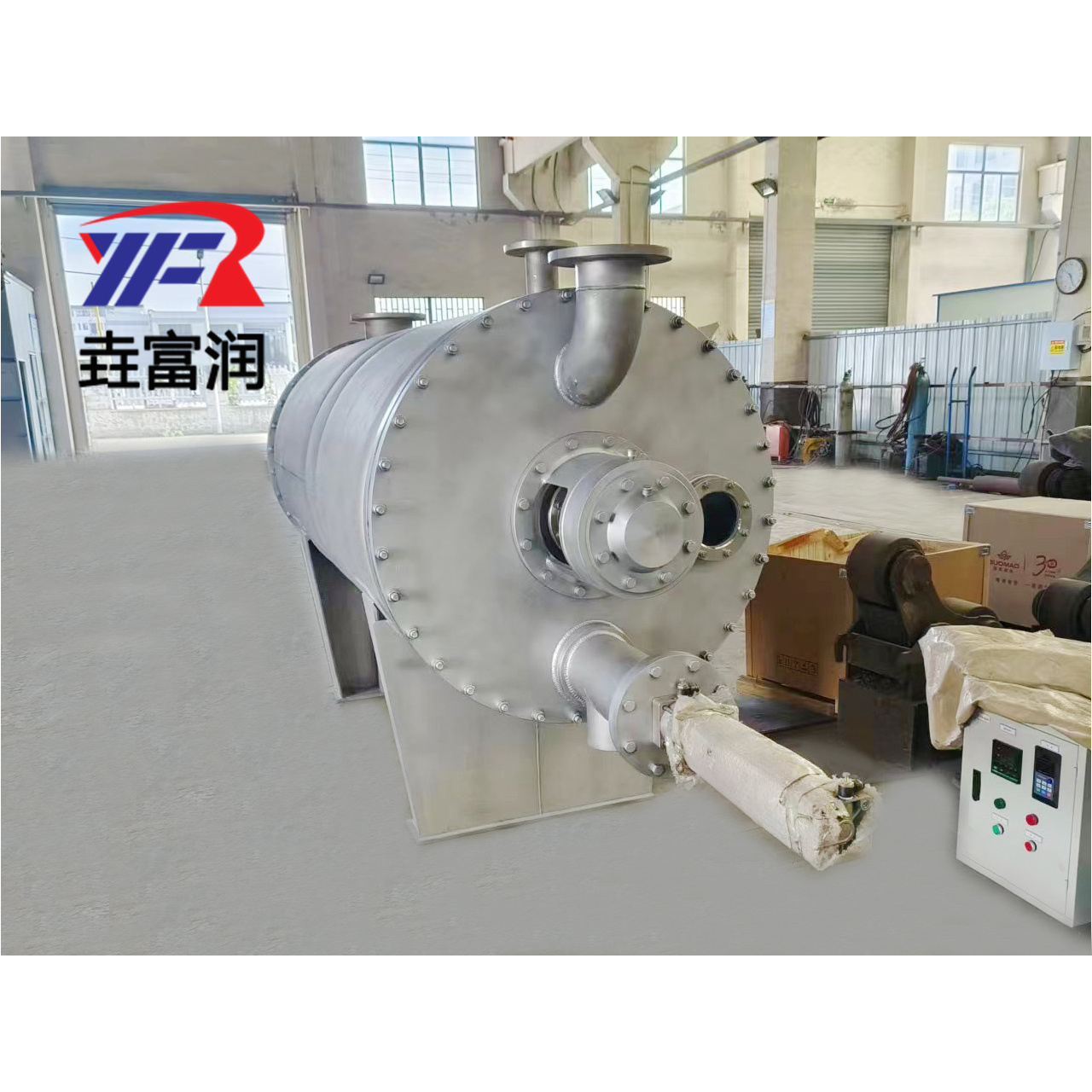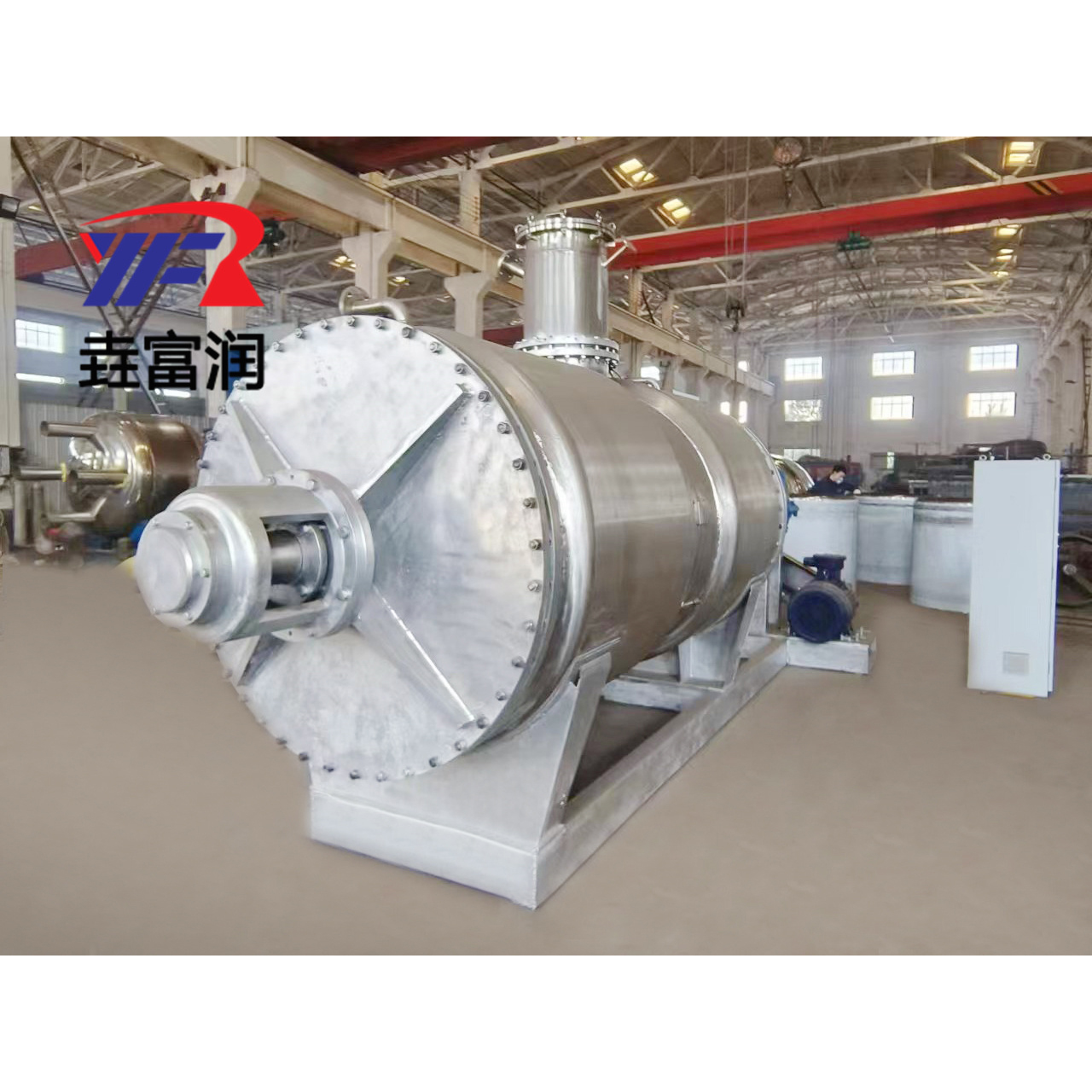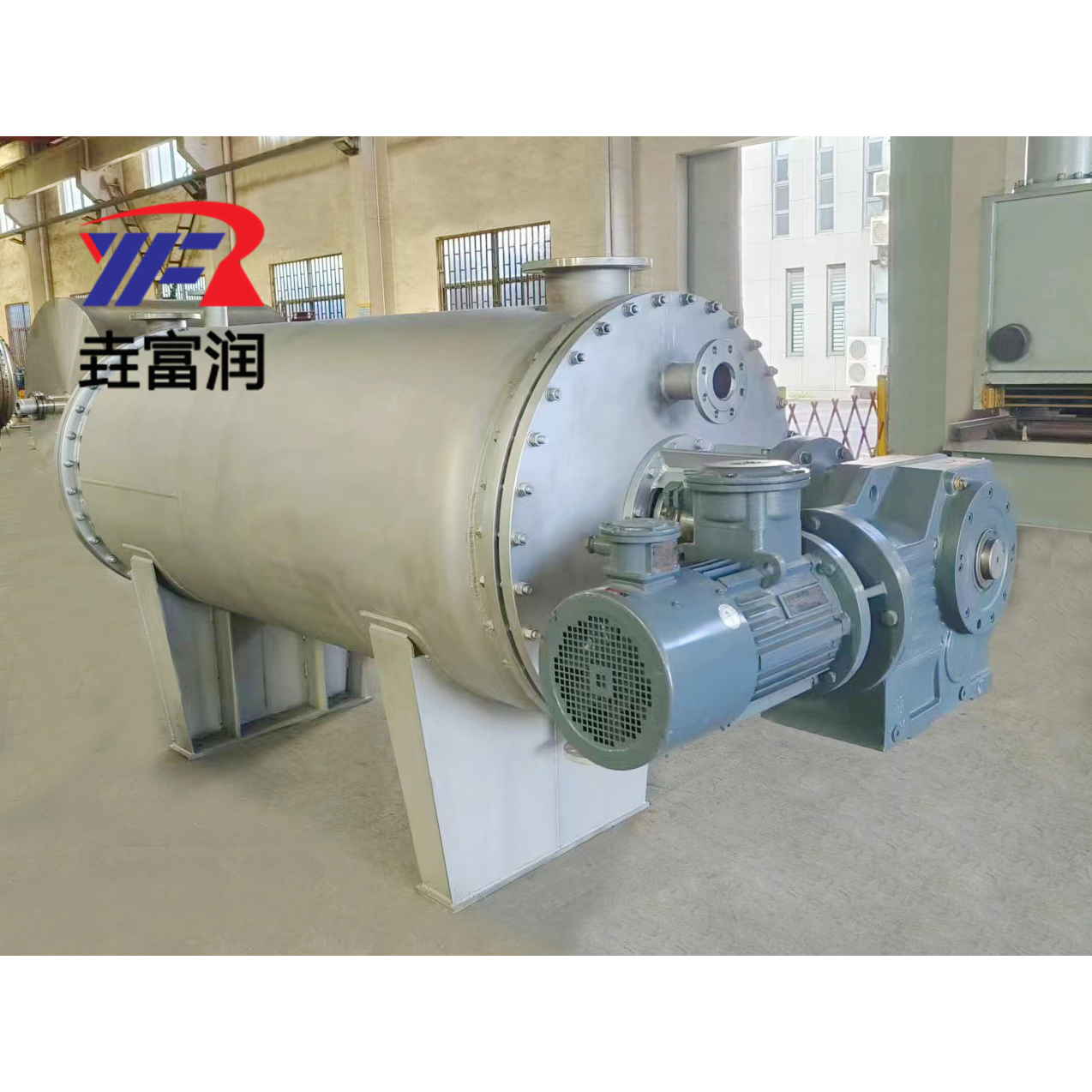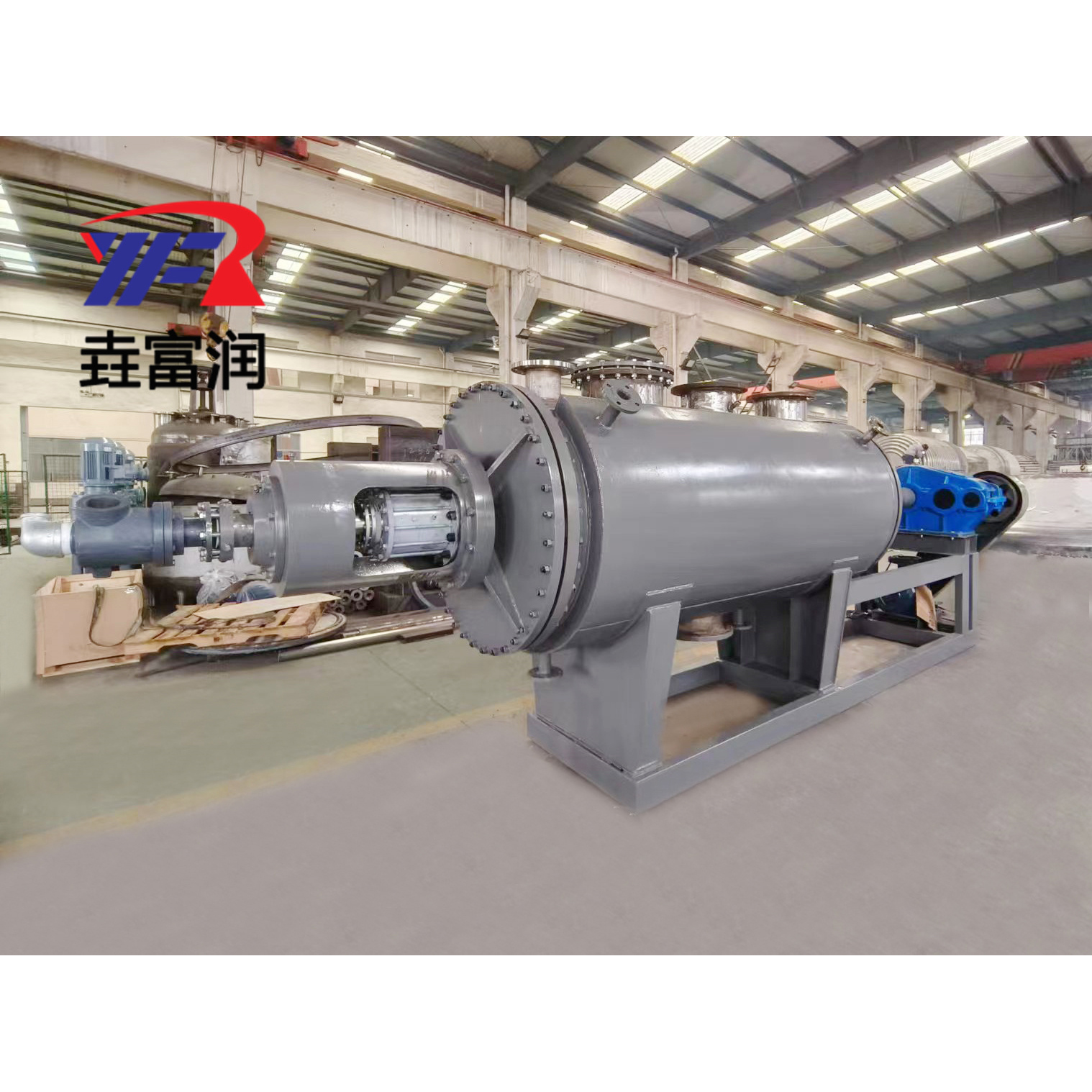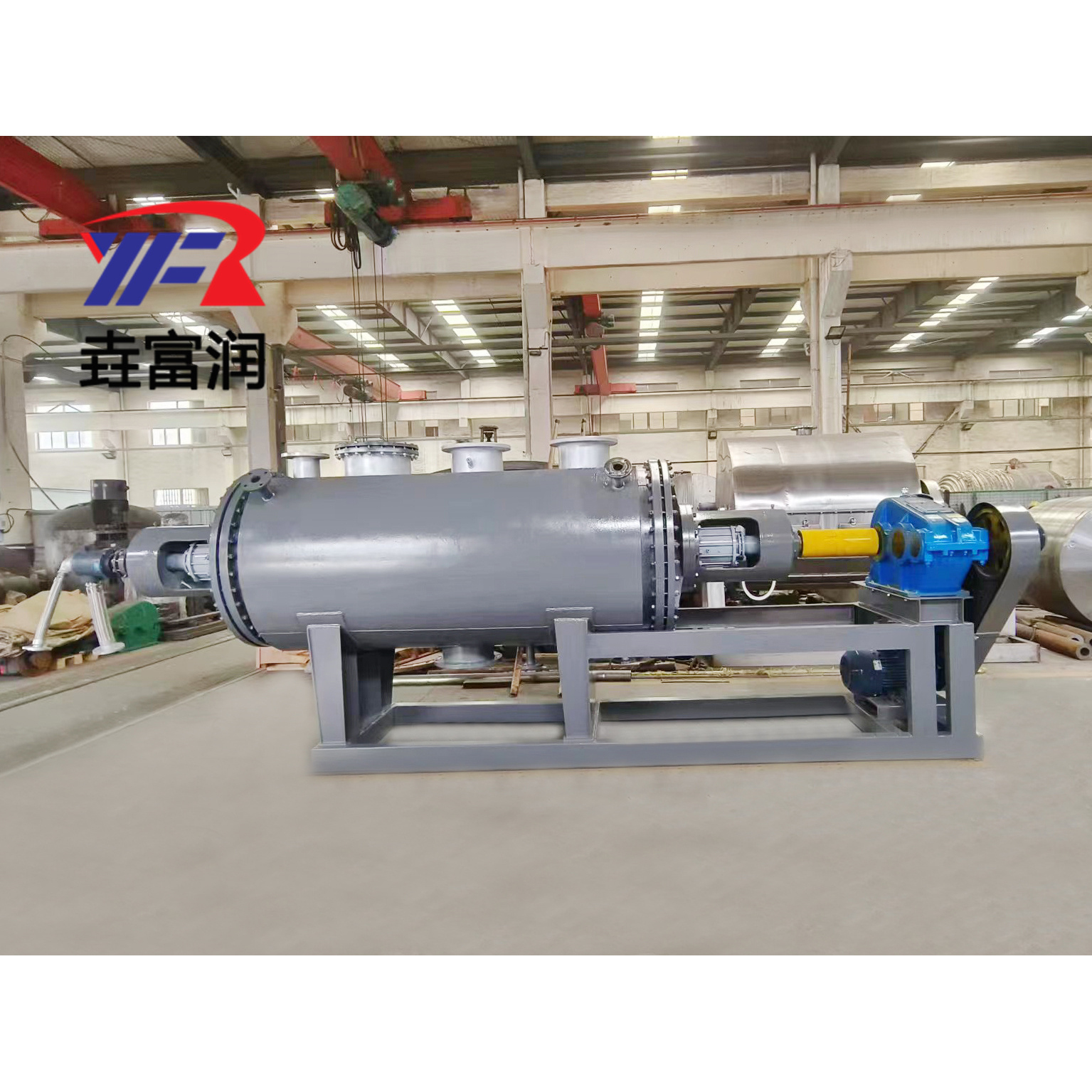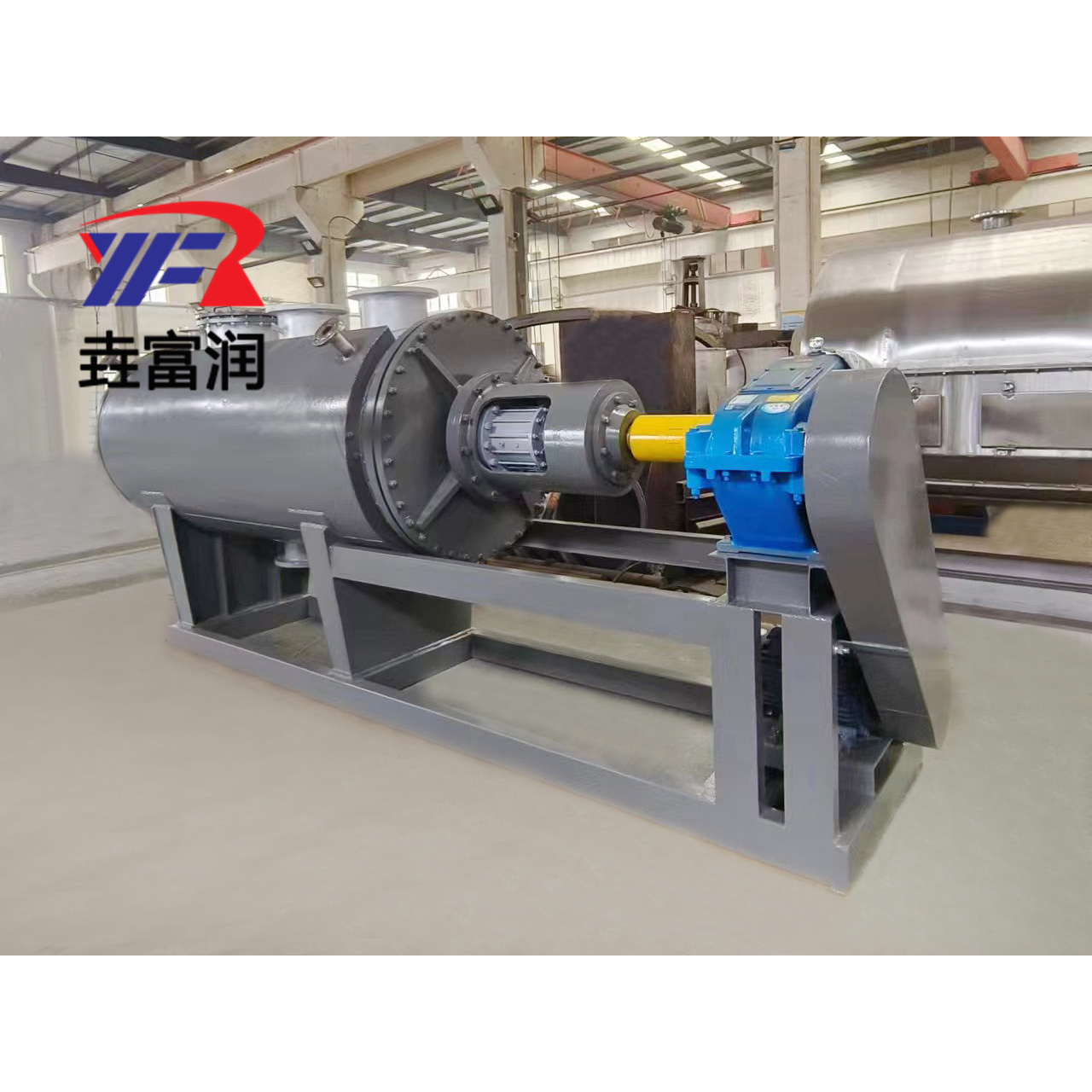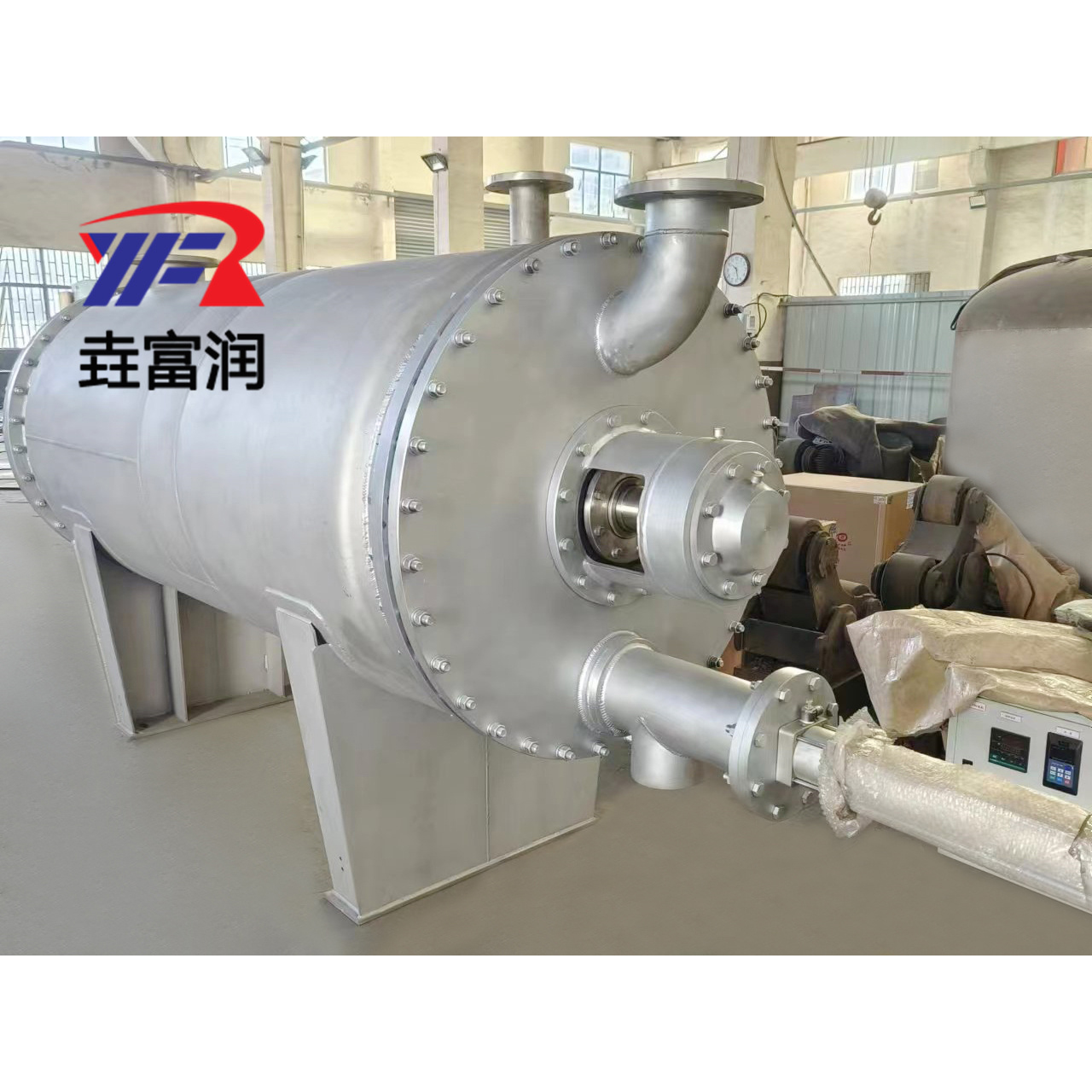

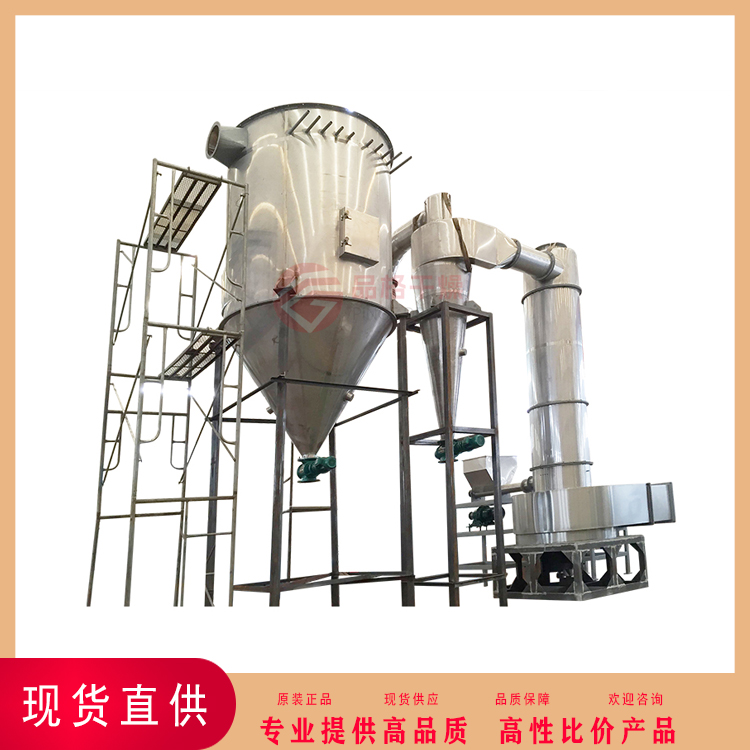
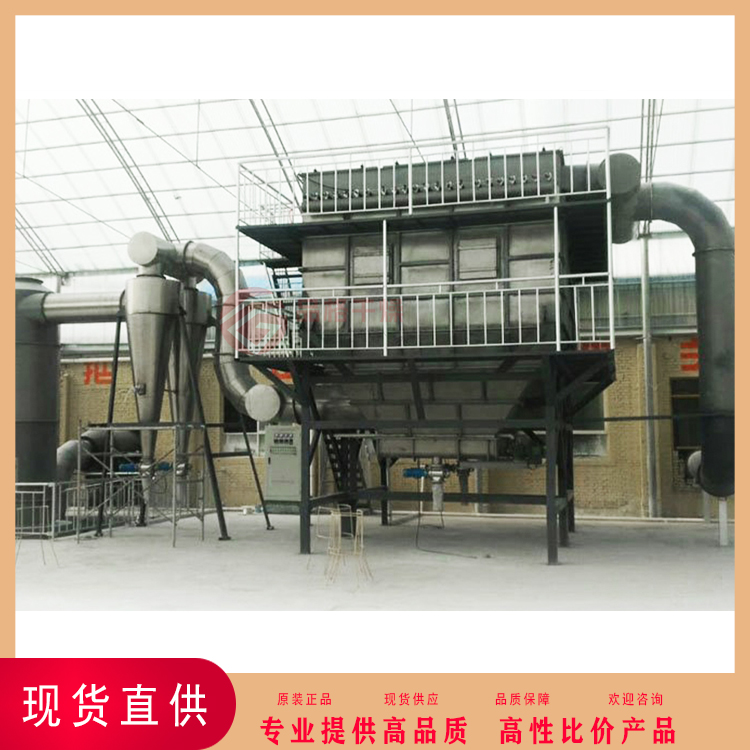


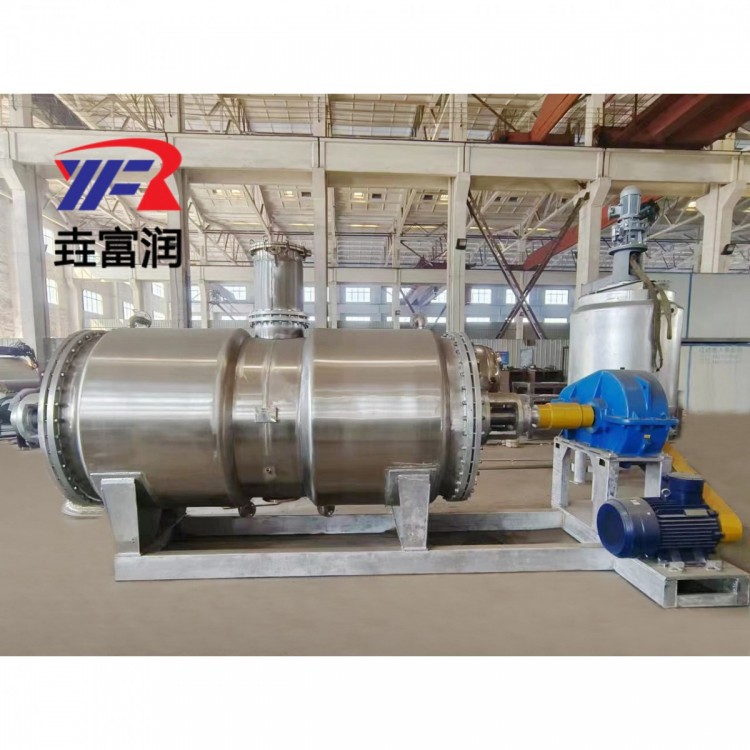
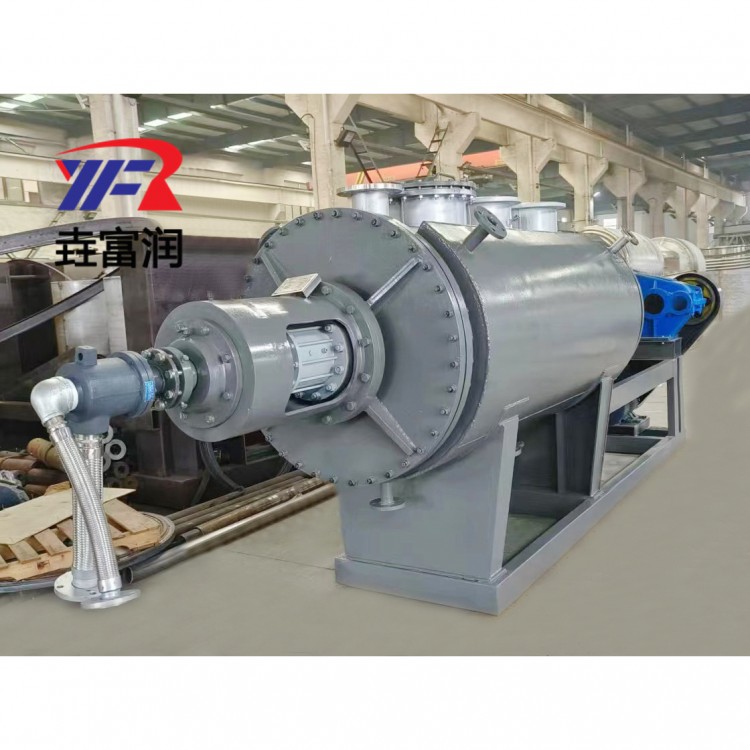
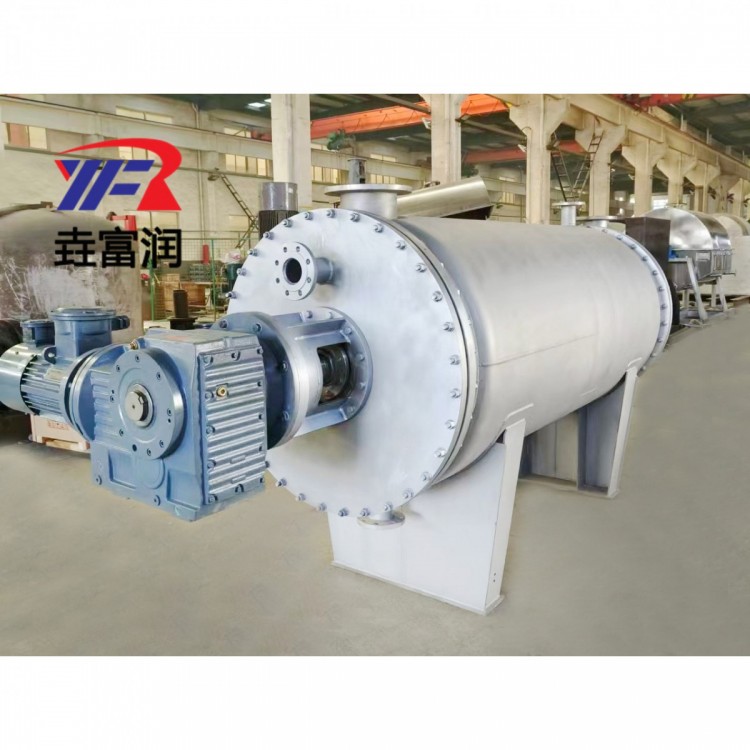






Product Introduction / INTRODUCE
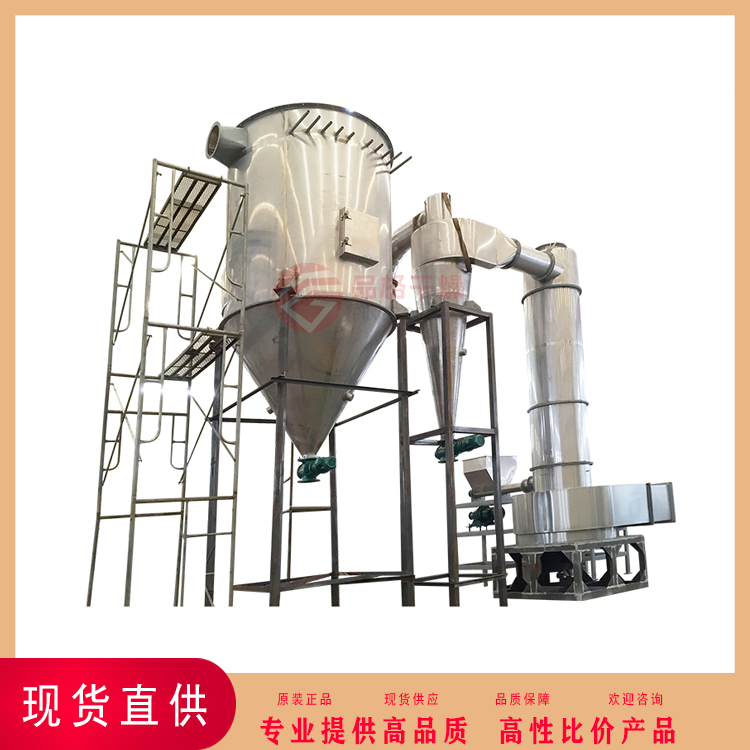
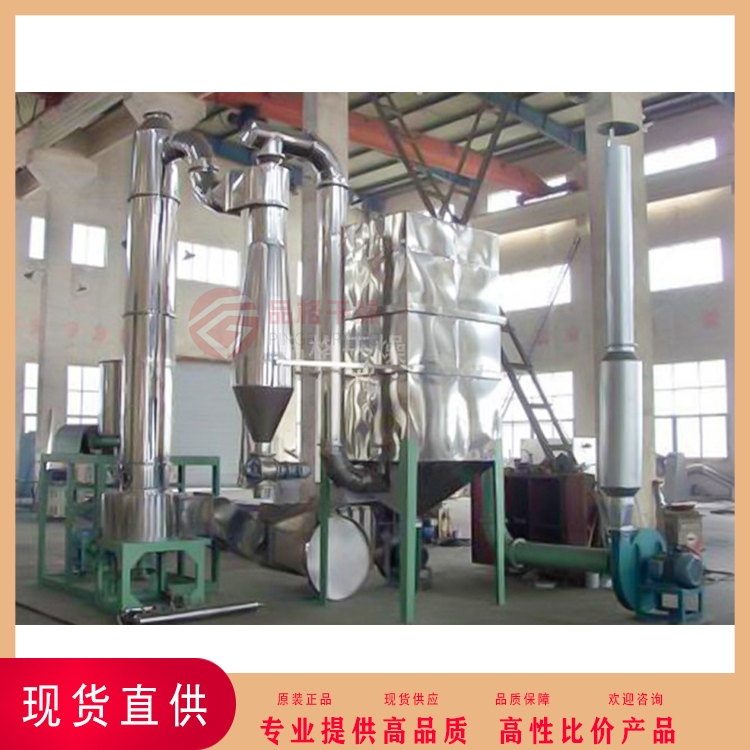
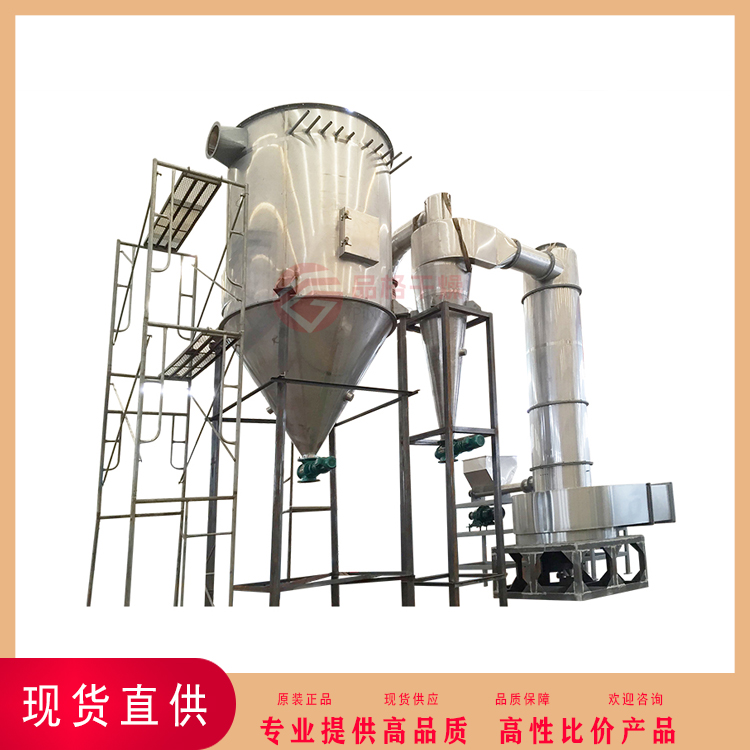
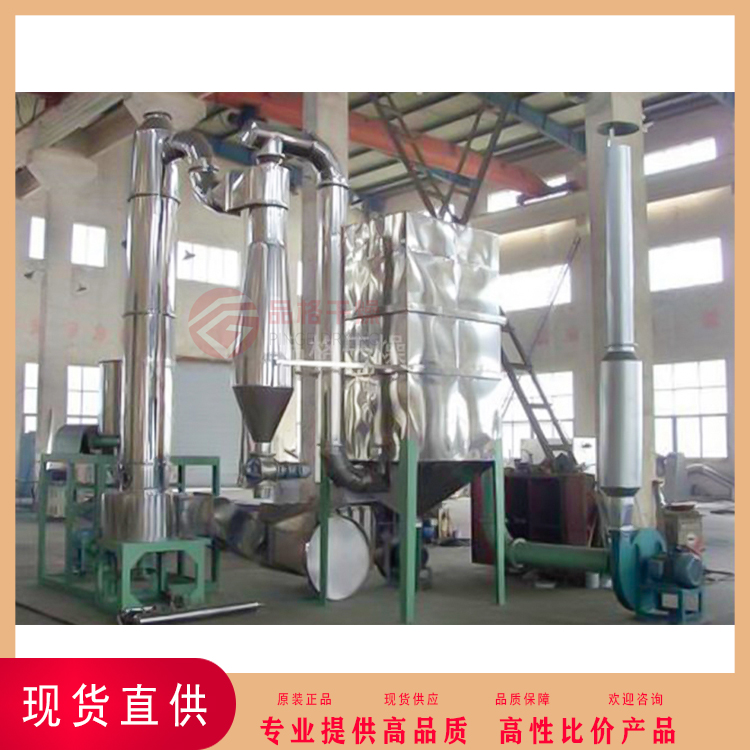
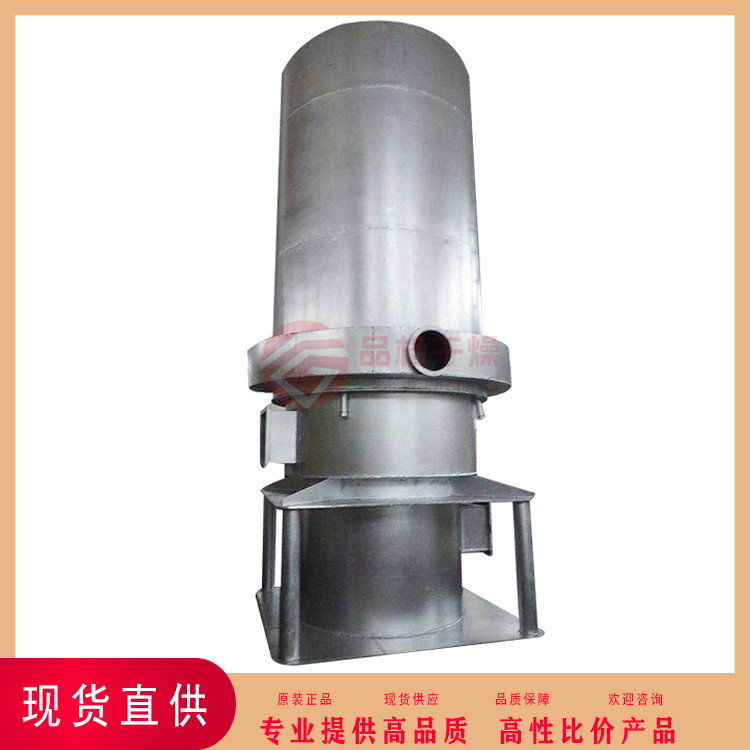
The XSG series of rotary flash dryer is characterized by hot air entering at an oblique angle to the bottom of the dryer, forming a powerful rotating airflow under the action of the agitator. The paste material is introduced into the dryer by a helical feeder, where it is subjected to strong impact, friction, and shearing forces from the high-speed rotating impeller, resulting in dispersion. The lumpy material is quickly pulverized, achieving ample contact with hot air, heat, and subsequent drying.
PRINCIPLE
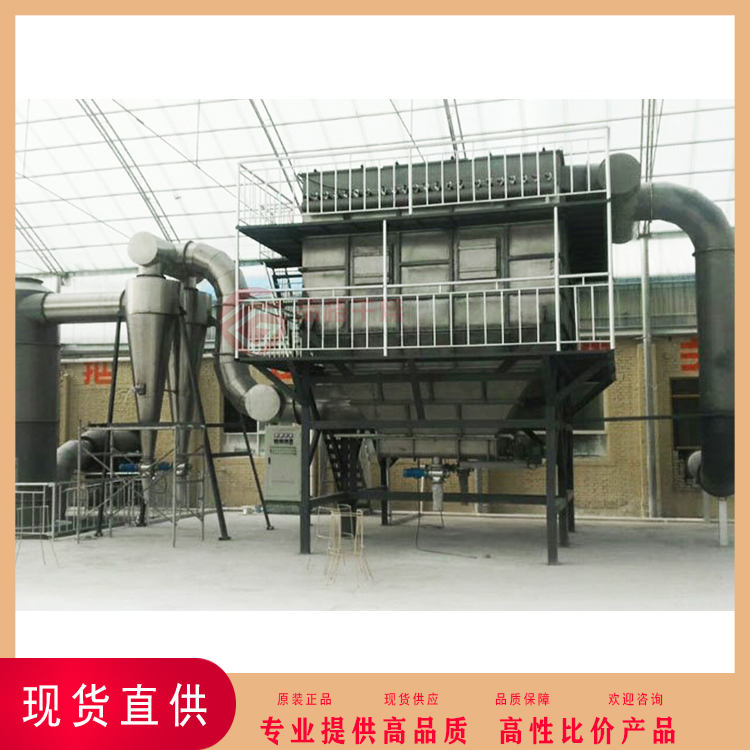
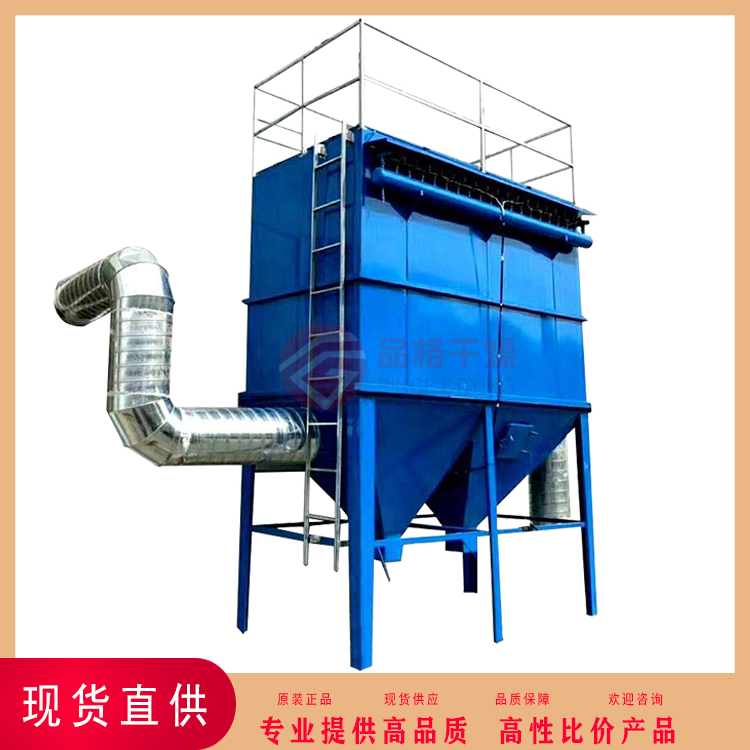
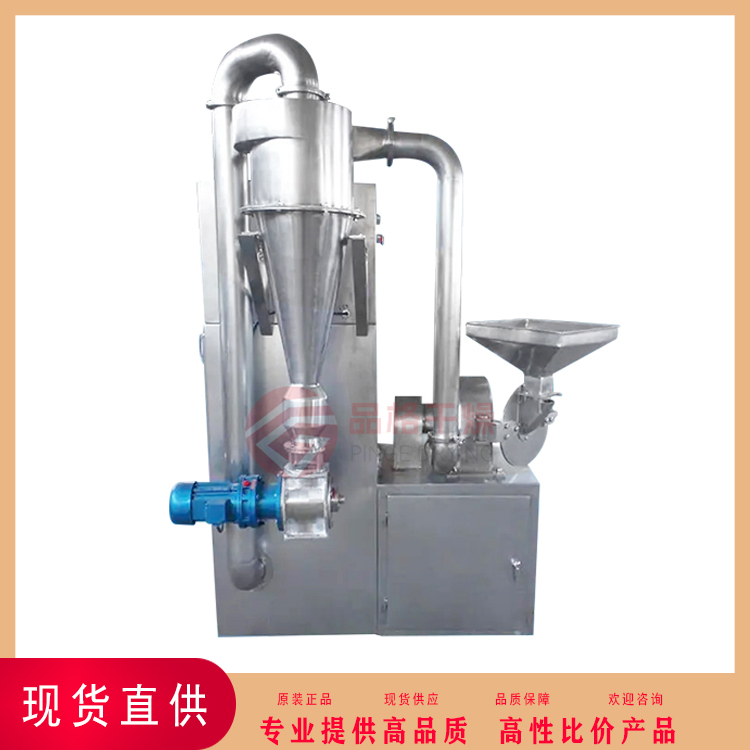
Hot air enters the bottom of the dryer tangentially, forming a powerful rotational air field under the action of the stirrer. Paste-like materials are introduced into the dryer by a spiral feeder, where they are dispersed under the intense force of the high-speed rotating impeller, subjected to impacts, friction, and shearing forces. The solid materials are rapidly crushed, and are fully exposed to the hot air for heating and drying. The dehydrated dry materials rise with the hot air stream, with the grading ring retaining larger particles, which are then discharged from the center of the ring outside the dryer. They are collected by the cyclone separator and dust collector. Un-dried or larger pieces, due to centrifugal force, are ejected towards the wall and then fall back to the bottom to be crushed and dried again.
Product Features / Characteristics
The rotary flash dryer boasts high thermal efficiency, short drying time, and excellent energy-saving effects. It can directly dry paste-like materials into powdered dried products, saving pre-drying preprocessing, post-drying crushing, and screening processes. Due to its rapid drying speed, the material is heated for a short time, making it less likely to damage the composition of the dried material, particularly beneficial for drying heat-sensitive materials. The drying process is fully enclosed, with no impurities mixed in, resulting in high product quality and a good operating environment. Various models have been designed for different materials, forming a series of products, with increasingly wide applications in industries such as chemicals, light industry, food, and minerals.
The integrated application of cyclone, fluidization, spray drying, and粉碎 classification technologies.
● High drying intensity, low energy consumption, and high thermal efficiency.
● Compact in design, with a small footprint and high production efficiency, the equipment operates continuously, achieving "big output from a small machine."
Material dwell time is short, finished product quality is excellent, suitable for drying thermosensitive materials.
Vacuum or slightly negative pressure operation, with good airtightness, high efficiency, and reduced environmental pollution.
Product Application/Use
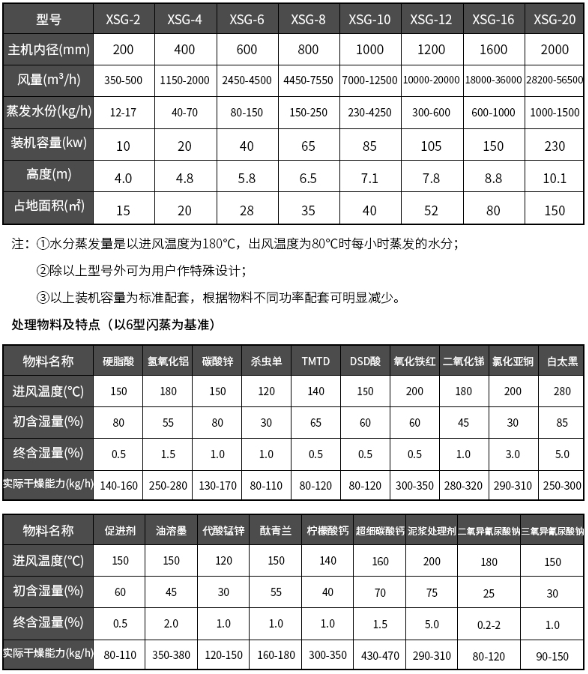
Flash drying machines are suitable for materials in paste, slurry, filter cake form, or those dehydrated by plate and frame presses or centrifuges. Such as:
Organic compounds: Acetoguanidine, Barium laurate, Cadmium laurate, Benzoguanidine, Benzoic acid, Calcium stearate, Cellulose acetate, Lead acetate, Diphenyl guanidine, Lignin, Polyvinyl laurate, Polyvinyl chloride, Sodium phthalate, Carbon black, Water-repellent powder, Rose essence, Bromic acid, DSD acid, J acid, Dicarboxylic acid, Carboxymethyl cellulose, etc.
Inorganic Substances: Aluminum Hydroxide, Lead Phosphate, Aluminum Phosphate, Zinc Phosphate, Aluminum Silicate, Silicone, Barium Carbonate, Calcium Carbonate, Manganese Carbonate, Nickel Carbonate, Potassium Carbonate, Strontium Carbonate, Carbon Black, Copper Sulfate, Lead Sulfate, Manganese Sulfate, Barium Sulfate, Sodium Thiosulfate, Sodium Metabisulfite, Lime, Antimony Trioxide, Antimony Pentoxide, Chromium Dioxide, Manganese Dioxide, Manganese Oxide, Iron Oxide, Iron Disulfide, Ammonium Aluminate, Bismuth Subgallate, Borax, Boric Acid, White Ink, Sodium Fluoride, Gypsum, Titanium Dioxide.
● Dyes and Pigments: Anthraquinone, Aminoanthraquinone, H Acid, T Acid, Monazoic Dyes, Diazo Dyes, Triazo Dyes, Fluorescent Yellow S, Indigo Pigment, Iron Oxide Black, Iron Oxide Red, Iron Oxide Yellow, Chrome Orange, Direct Black, Zinc Chrome, Lead Chrome, Zinc White, Nitro Dyes, Nitroso Dyes, Black Iron Oxide, Butyric Acid, Titanium Dioxide, Zinc Sulfide, Strontium Chromate, Titanium Dioxide, Ultramarine, Zinc Sulfide, Reactive Red, X-3B, Acidic Mordant Black T, Reactive Blue KN-R, Phthalocyanine Blue, Phthalocyanine Green, Copper Phthalocyanine, Lemon Yellow, Lixir Red, Cationic Brilliant Blue RL, various diazo dye intermediates.
● Pesticides: Atrazine, Bordeaux mixture, Mercuric oxide, Insecticide, Trisodium acetate tin
● Ceramics: Aluminum Oxide, Clay, Kaolin, Silicon Dioxide, Zirconium Silicate.
● Food: blood meal, bran, lees, lactose, soy protein, gelling starch, wheat sugar, wheat starch, wheat, corn oil cake, red bean paste.
● Waste Materials: biomass sludge, iron-manganese slag, manganese-containing residue, sugar aldehyde residue.