








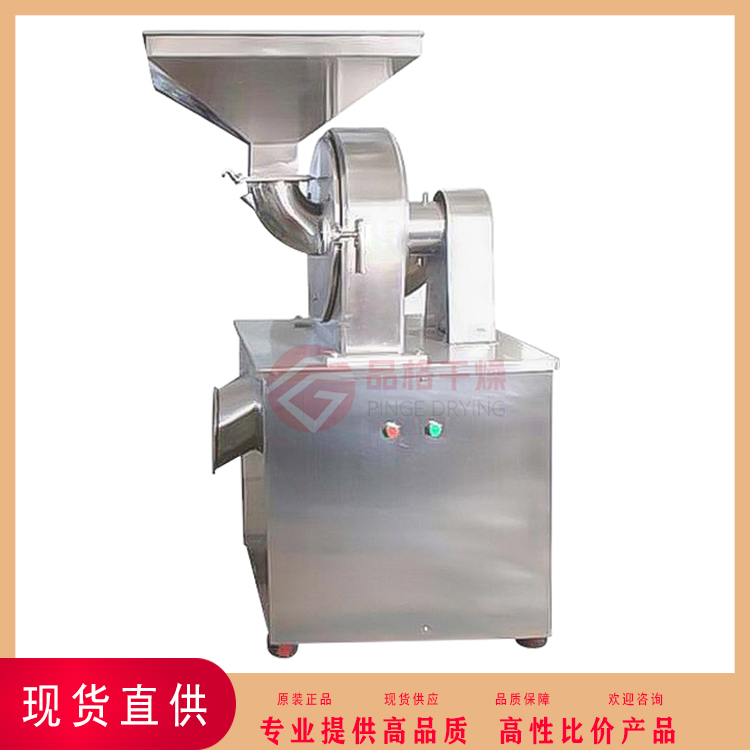
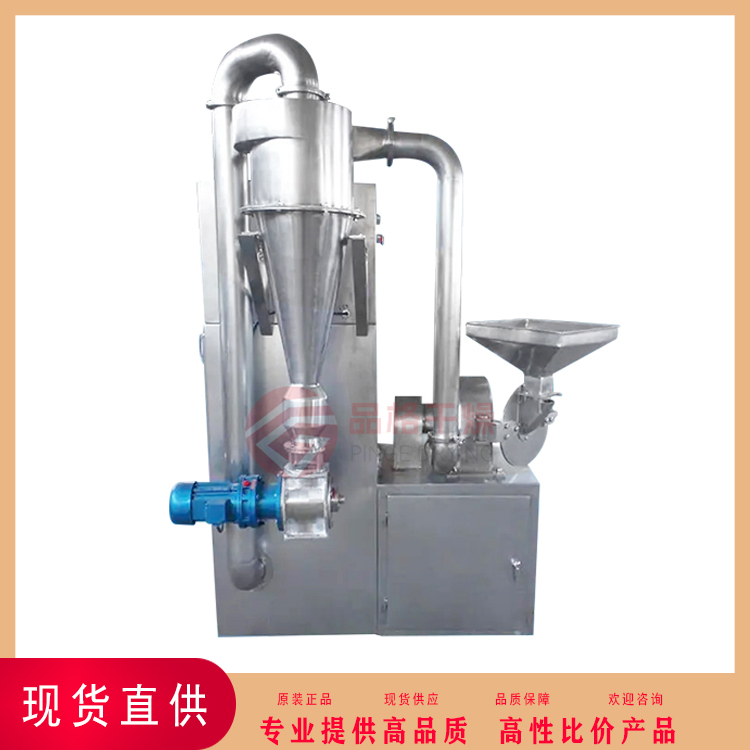

Product Introduction / INTRODUCE
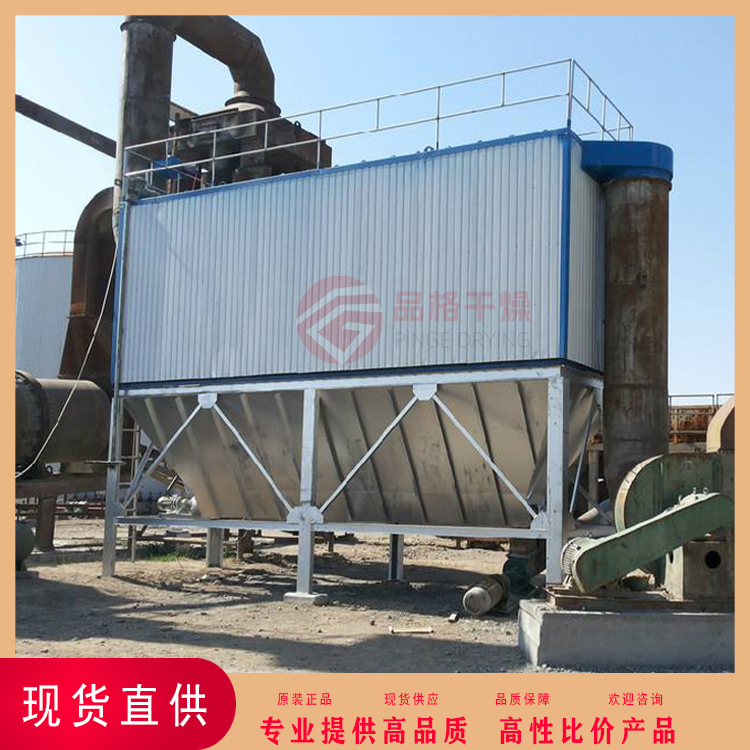
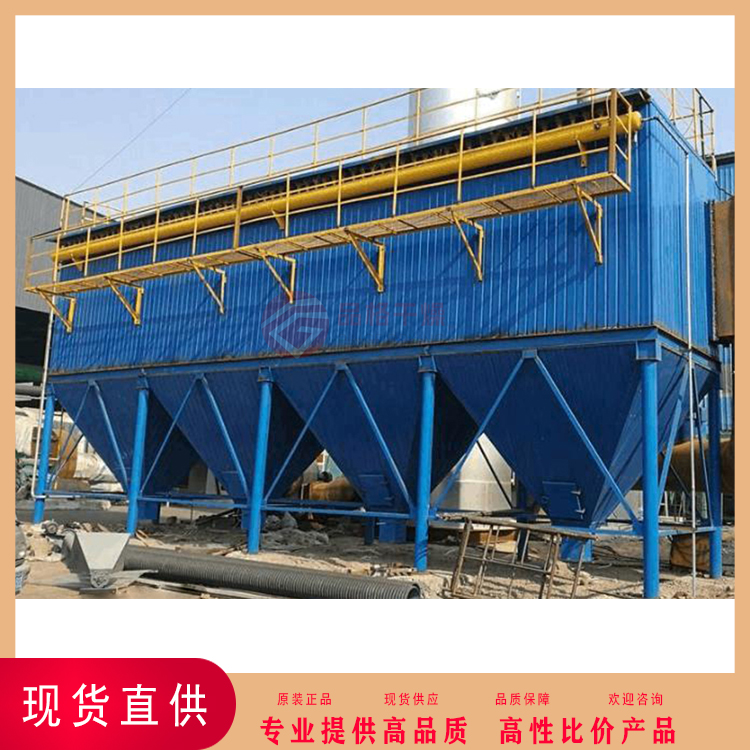
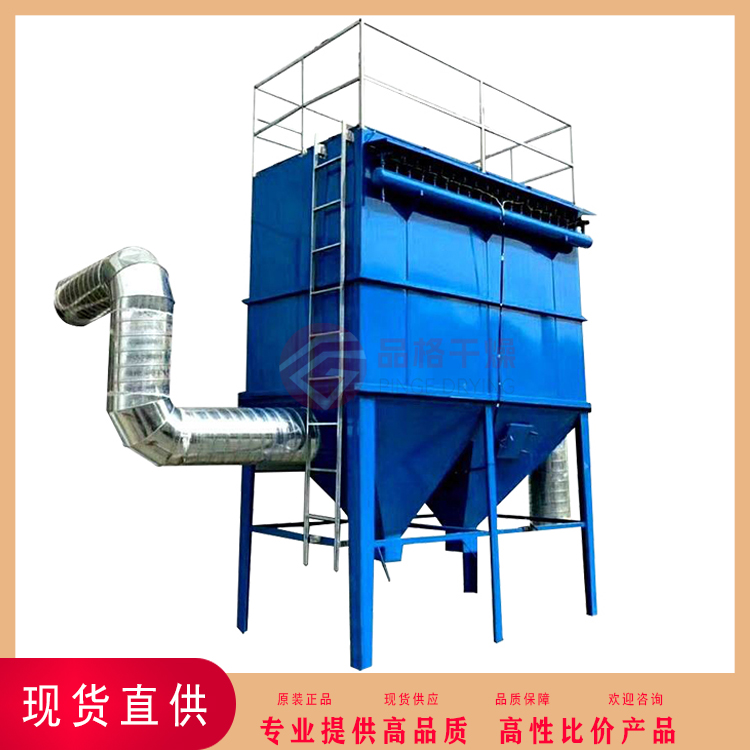
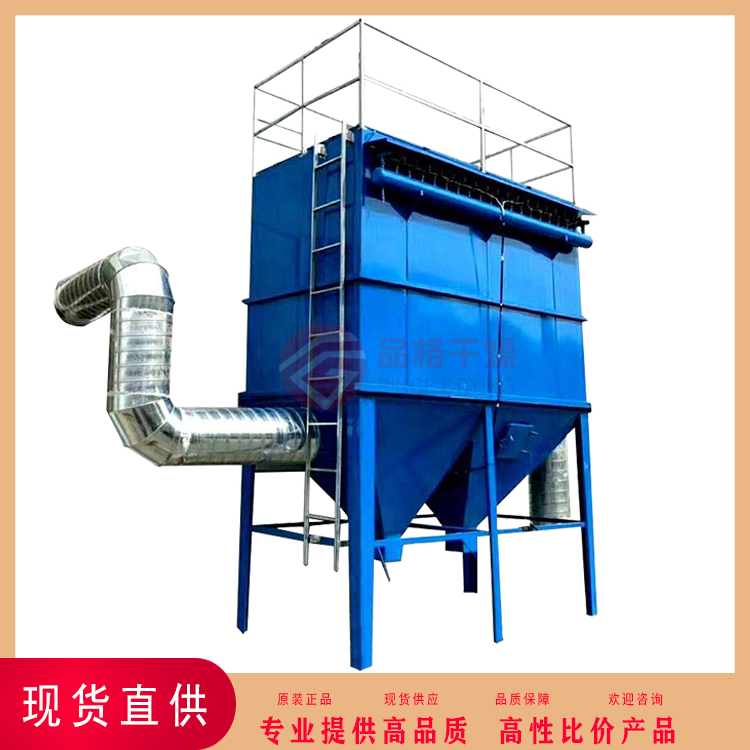
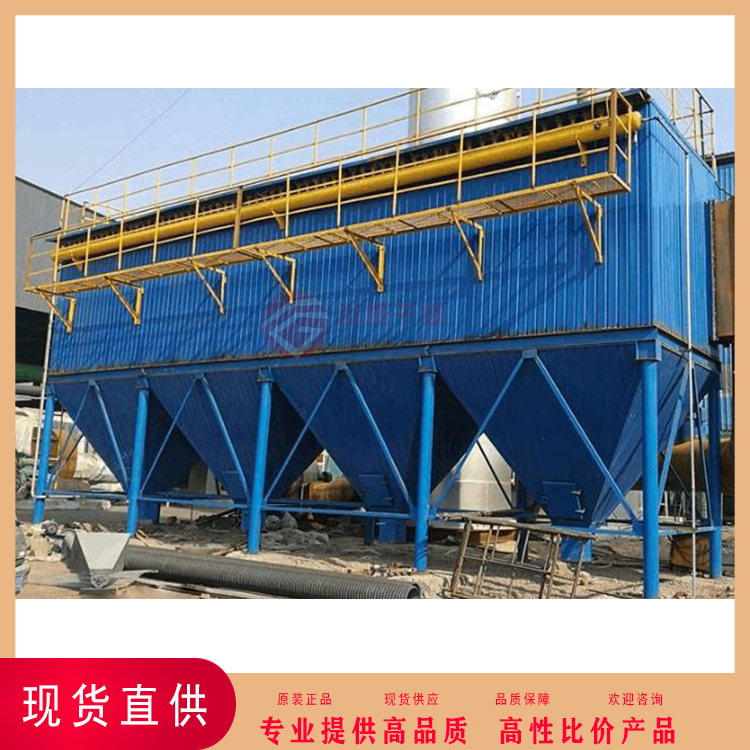
Pulse jet bag dust collectors feature high dust removal efficiency, large air volume handling capacity, stable performance, easy operation and maintenance, excellent usage effects, non-powder accumulation, and wide application range. They are extensively used in ventilation and dust removal, as well as dust recovery, for industries such as grain and food, feed, metallurgy and chemical, building materials, and pharmaceuticals.
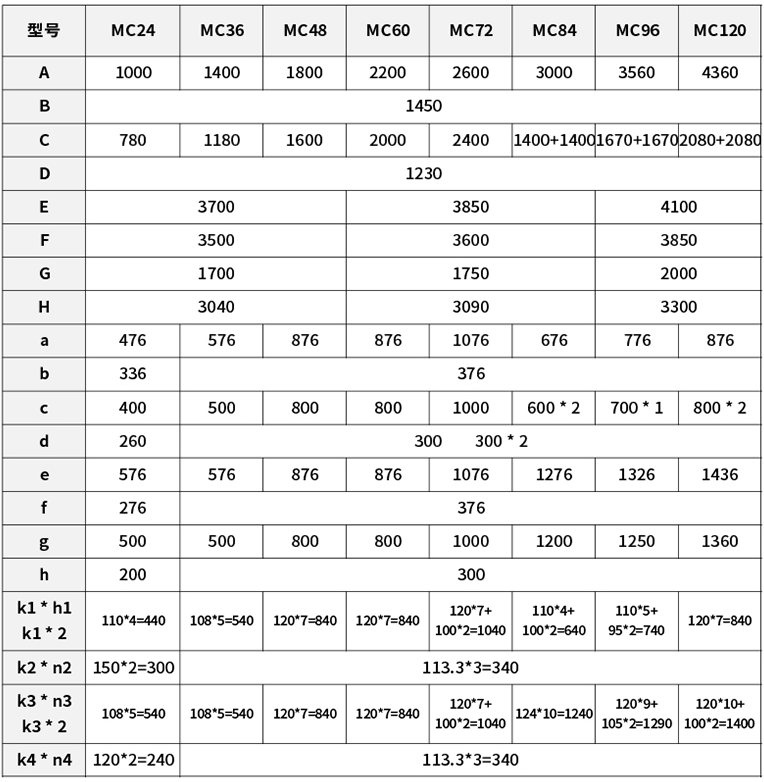
Product Specifications/ Parameter

Operation Principle/PRINCIPLE
The dust collector is composed of parts such as the ash hopper, upper, middle, and lower chambers, which are partitioned structures. During operation, dusty gas enters the ash hopper through the inlet duct, with coarse dust particles falling directly to the bottom of the hopper. Fine dust particles are carried by the gas stream and bend upwards into the middle and lower chambers, where they accumulate on the outer surface of the filter bags. The filtered gas then enters the upper chamber to the clean gas manifold-exhaust duct, and is expelled into the atmosphere by the exhaust fan. The cleaning process involves first cutting off the clean gas outlet duct of the chamber, placing the bags in a state with no gas flow (partitioned stop air cleaning). Then, the pulse valve is opened to use compressed air for pulse-jet cleaning. The closing time of the cutoff valve is sufficient to ensure that the dust detached from the filter bags after the jetting settles in the ash hopper, preventing the dust from reattaching to the surface of adjacent bags. This results in thorough cleaning of the filter bags, and programmable controllers are used for fully automatic control of the exhaust valve, pulse valve, and ash discharge valve, etc.
Product Features / CHARACTERISTICS
1. This dust collector utilizes a segmented room stop airflow pulse jet cleaning technology, overcoming the drawbacks of conventional pulse dust collectors and segmented reverse jet dust collectors. It boasts strong cleaning power, high dust removal efficiency, low emissions concentration, minimal air leakage, low energy and steel consumption, small land occupation, stable and reliable operation, and good economic benefits. It is suitable for the purification of dust-containing gases and material recovery in industries such as metallurgy, building materials, cement, machinery, chemicals, electricity, and light industry.
2. Due to the use of room-by-room stop-and-blow pulse cleaning, a single blow can achieve the purpose of thorough cleaning. Therefore, the cleaning cycle is extended, reducing the energy consumption for cleaning, and the air pressure consumption can be significantly reduced. At the same time, the fatigue level of the filter bags and pulse valves is also correspondingly reduced, thereby multiplying the lifespan of both the filter bags and valve blades.
3. Bag replacement and maintenance can be carried out in individual compartments while the system's fans are running and the system operates normally. The filter bag mouths feature elastic expanding rings for excellent sealing and are sturdy and reliable. The filter bag frames are designed with polygonal shapes, reducing friction between the bags and frames, extending the bag's lifespan, and making bag removal easier.
4. Utilizing an upper bag removal method, after removing the frame, the soiled bag is dropped into the lower ash bin of the box, and then retrieved through the manhole, altering the bag change operation conditions.
5. The housing features airtight design with excellent sealing properties. The inspection door is made with superior sealing materials, and leakage is checked during the manufacturing process using kerosene, resulting in a very low wind leakage rate.
6. The inlet and outlet duct arrangement is compact with minimal air flow resistance.