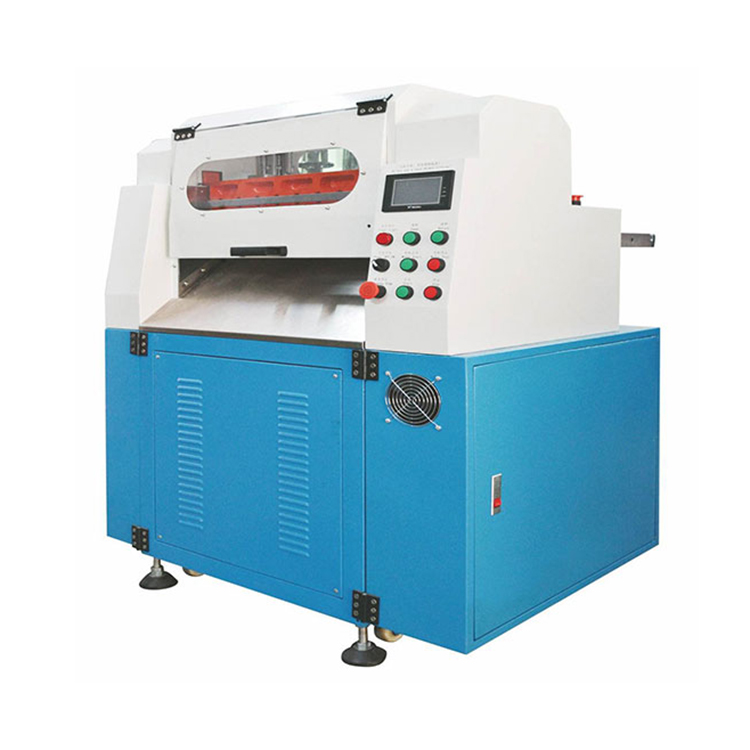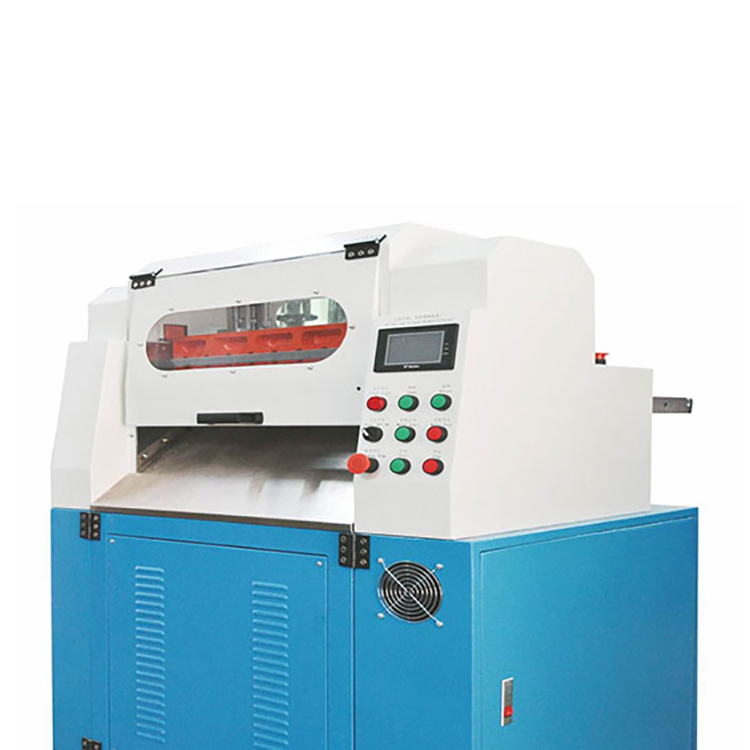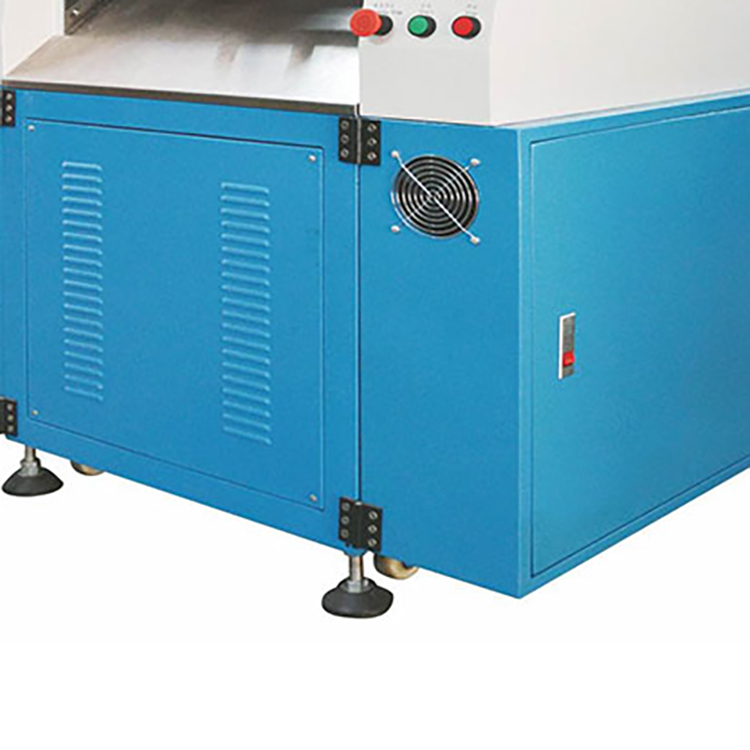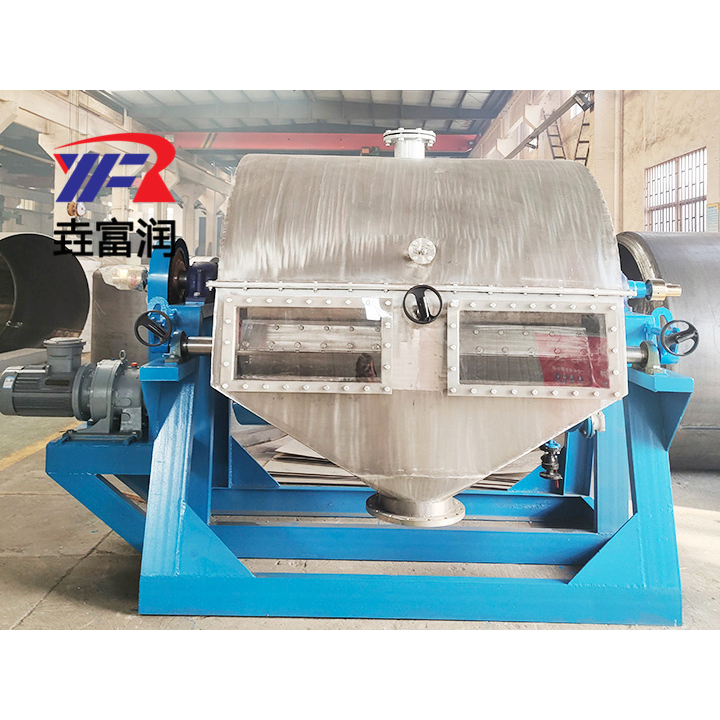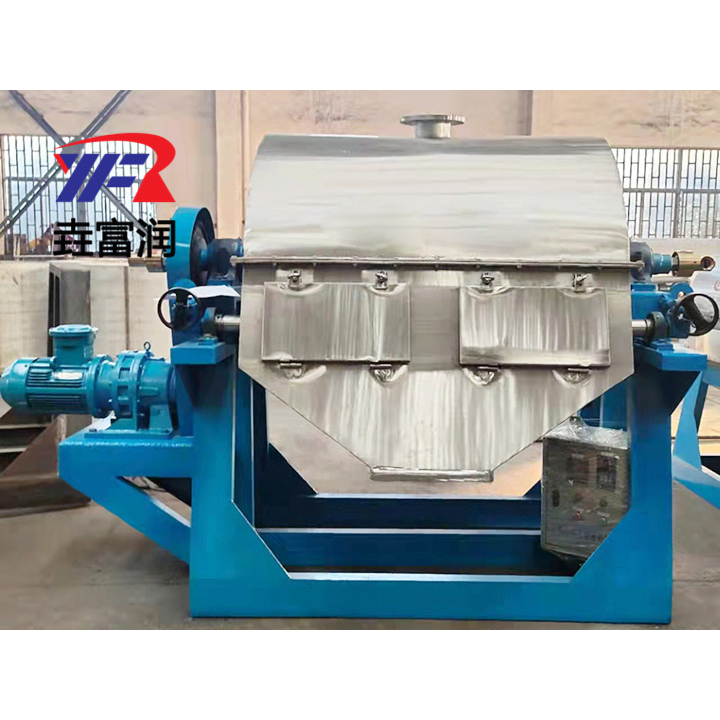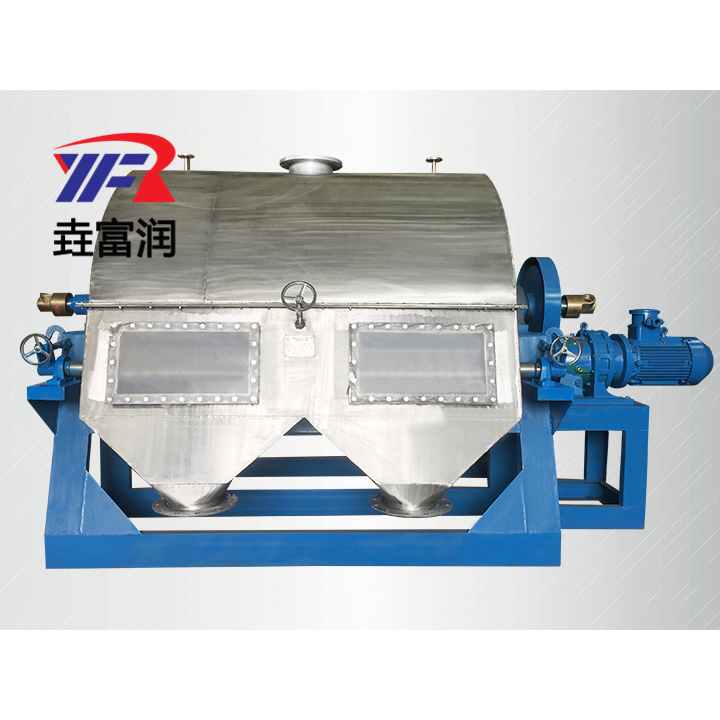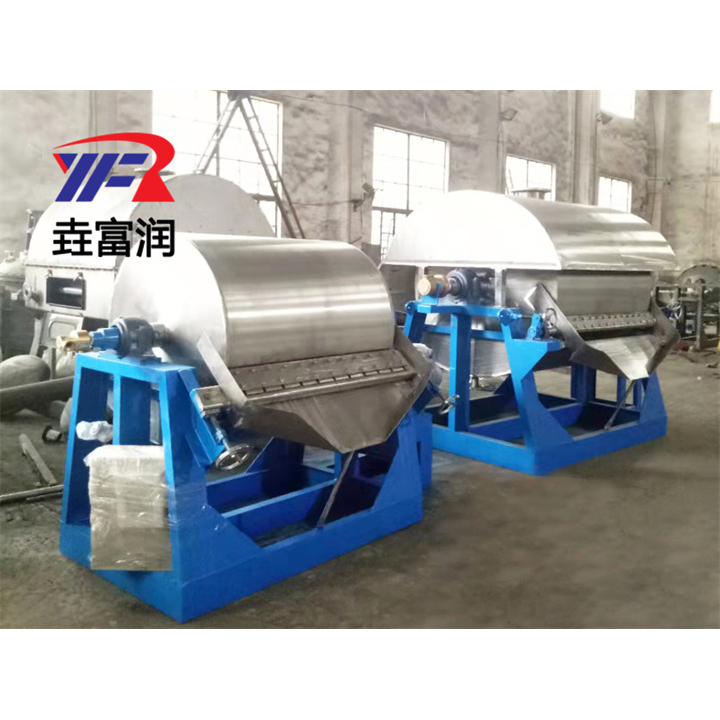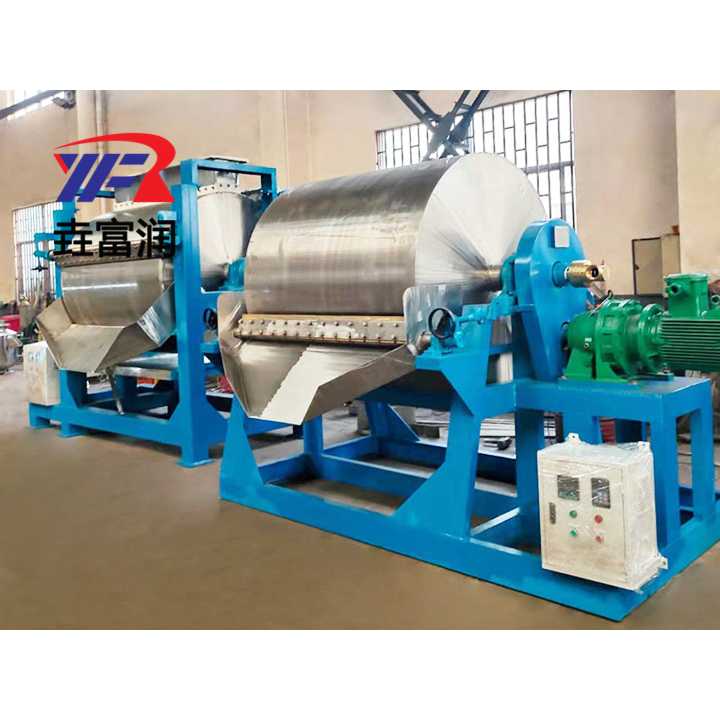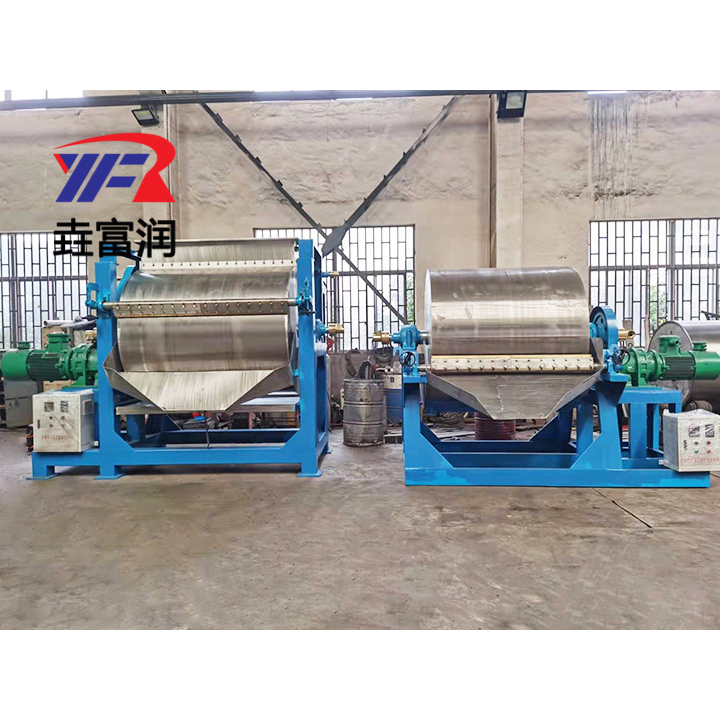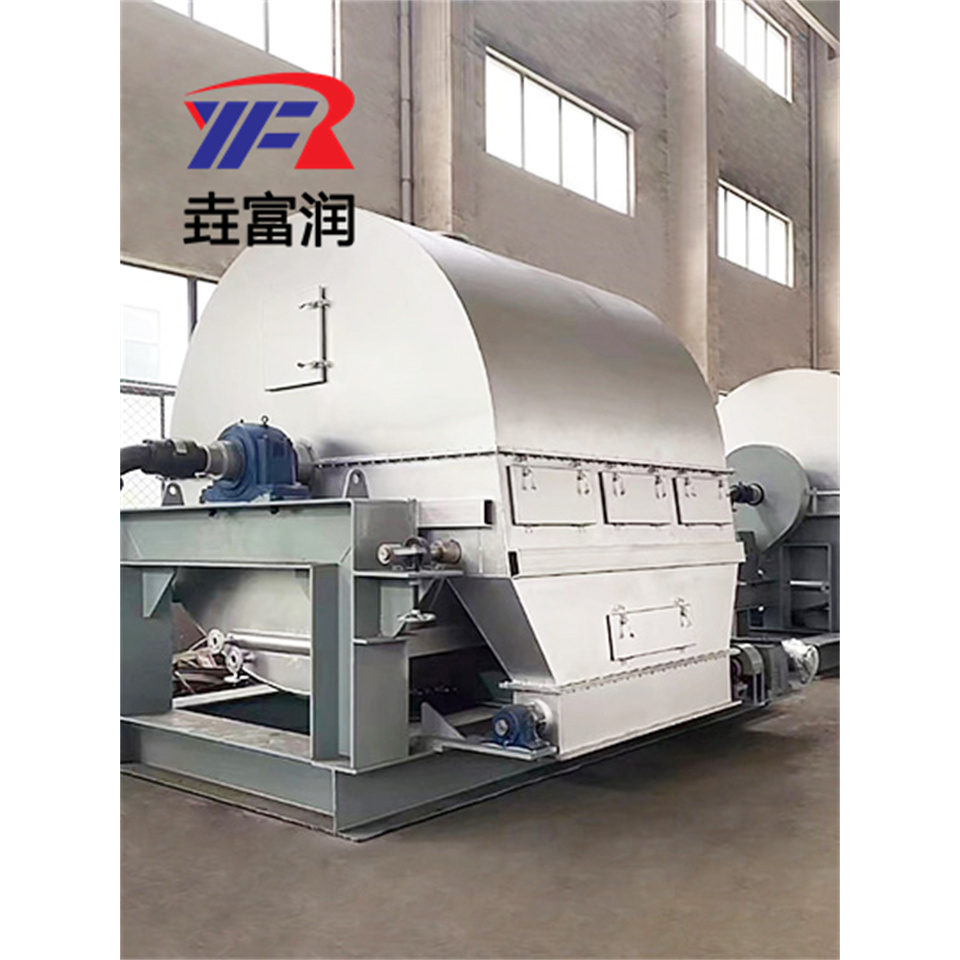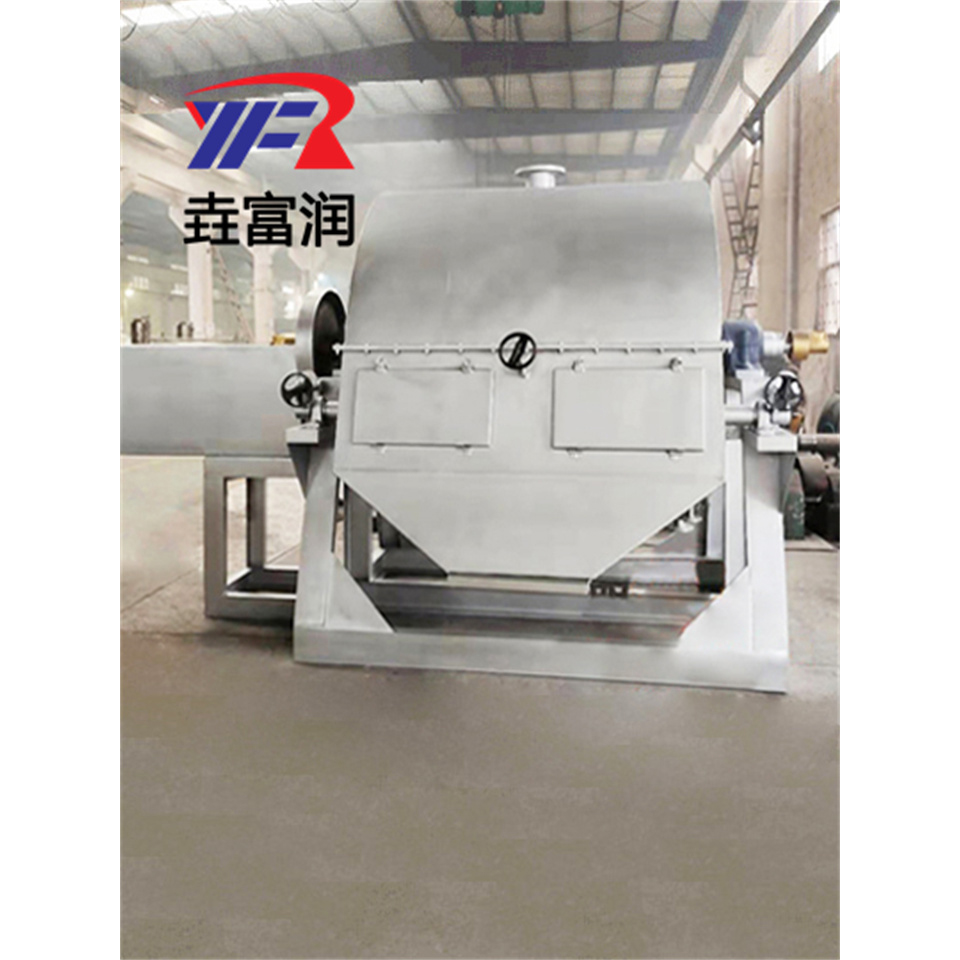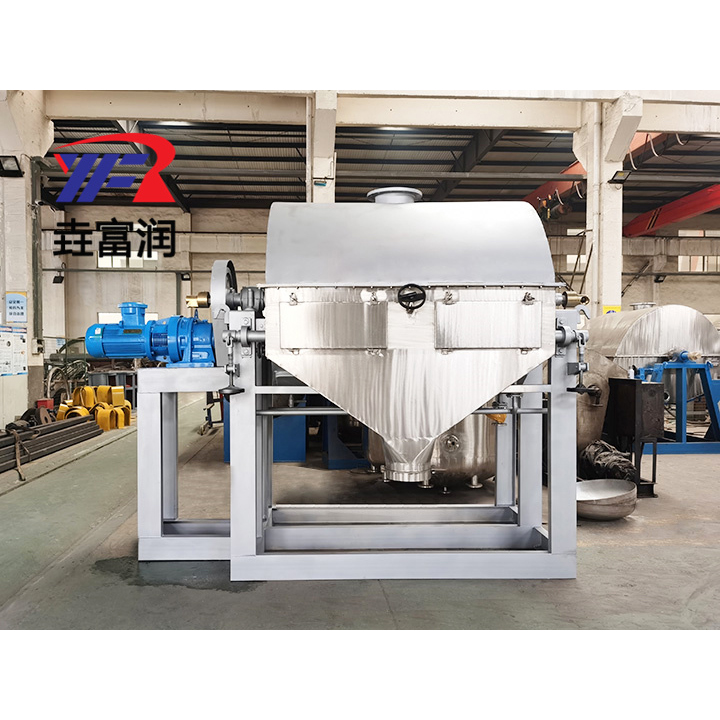

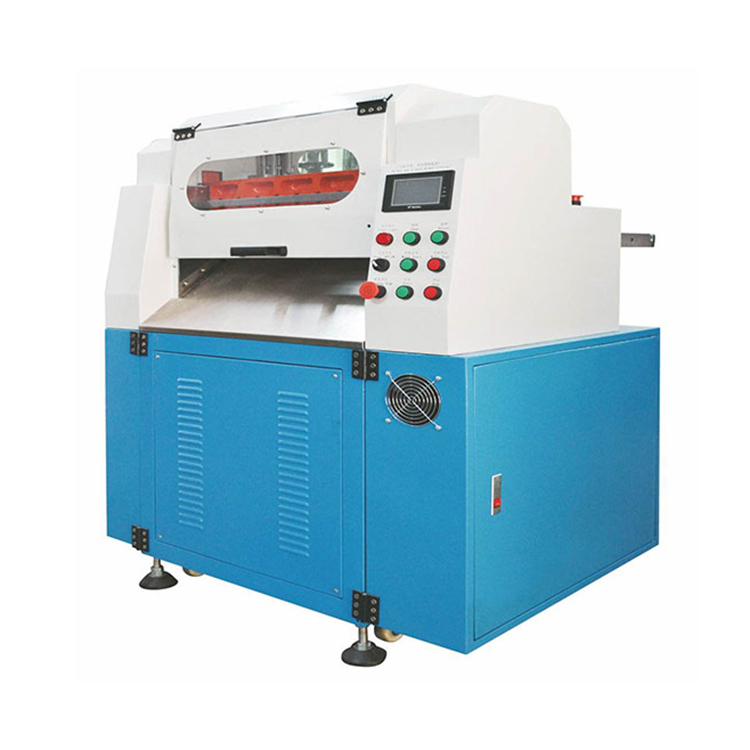









Slicer
Working Principle
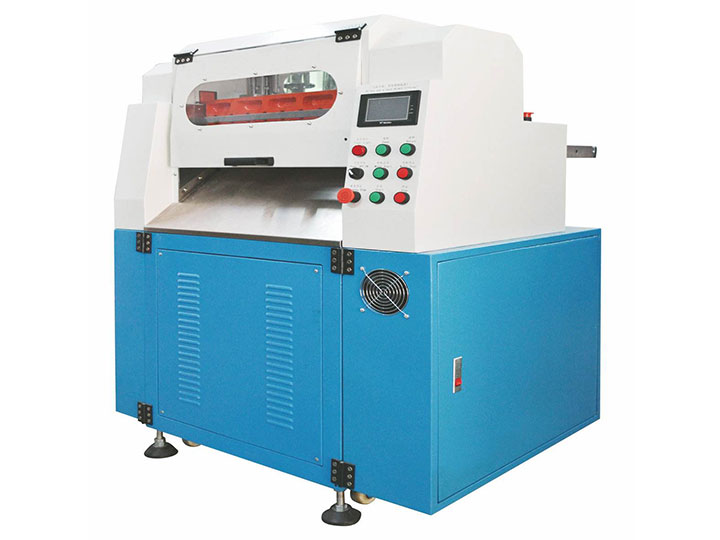
The principle of the slicing machine is quite simple; it uses the sharp cutting edge of the machine to cut objects and materials into slices according to a specific ratio or width, suitable for production or other uses.
Different slicers employ different slicing methods. For instance, during experiments, cells or tissues may need to be processed to facilitate observation under a microscope. Optical microscopes use either rotary or sliding slicers.
In the papermaking industry, slicing machines are also required, including disk-type slicing machines, drum slicing machines, spiral slicing machines, and more. A disk-type slicing machine consists of components such as the blade disk, housing, feed trough, and transmission unit. Its working principle is to utilize the heavy blade disk as a flywheel to stabilize the slicing process.
Another method involves cutting polymer strips into granules. This requires a specialized slicing machine, which is composed of guide plates, feed rollers, pressure rollers, and a rotating cutting disk. The working principle is: the cutting disk is driven by an infinite variable speed drive, the feed roller is driven by the cutting disk through a set of changeable gears, and multiple blades are mounted on the cutting disk according to the granule size. By changing the gears, the cutting length can be adjusted, and the infinite variable speed drive can alter the feeding speed of the strips.
Handling Instructions
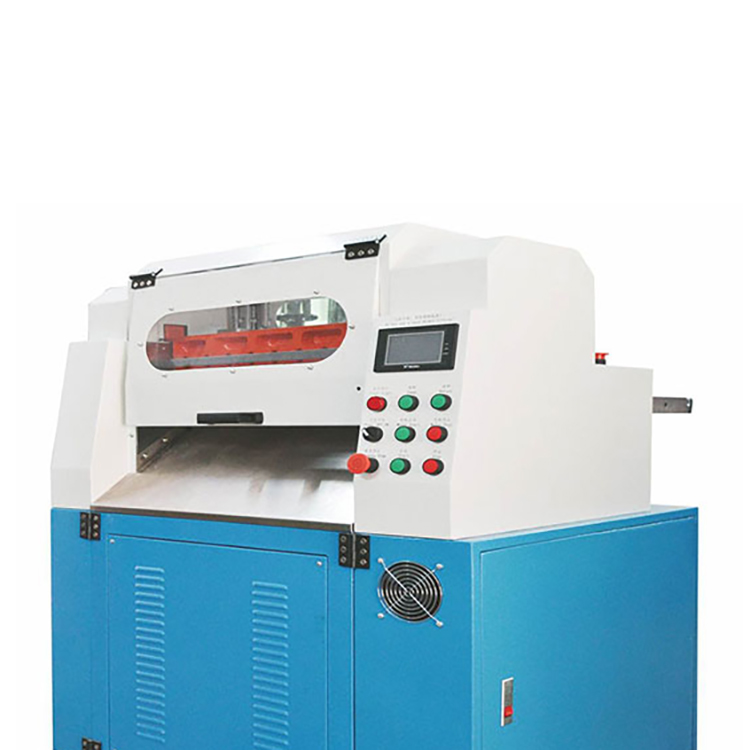
1. Lock the keyboard using the "Keyboard Lock" button on the control panel.
2. During shutdown, the glass windows should be opened, and the machine should be completely dried before turning it back on.
3. Absolutely no casual shutdown of the cabinet compressor is allowed; otherwise, it will severely impact your work.