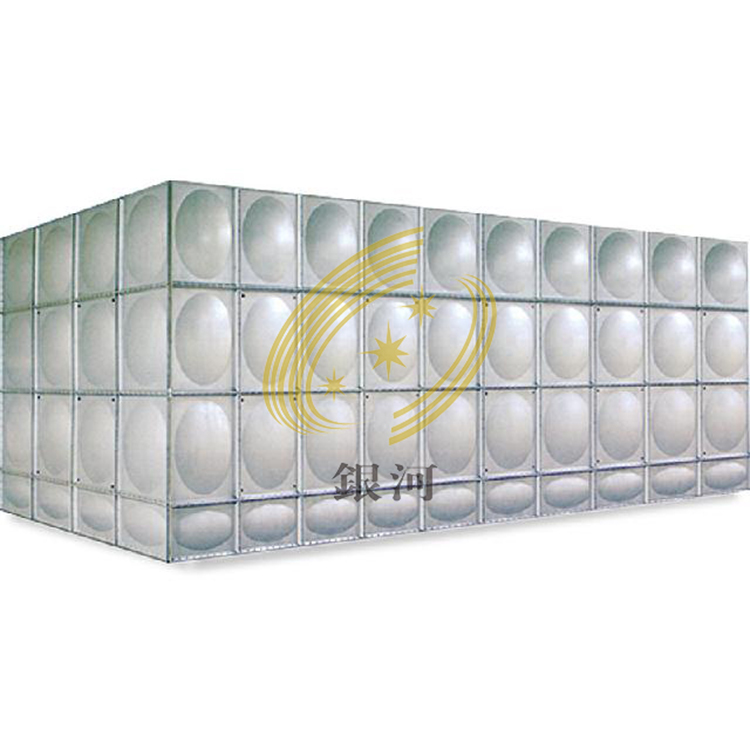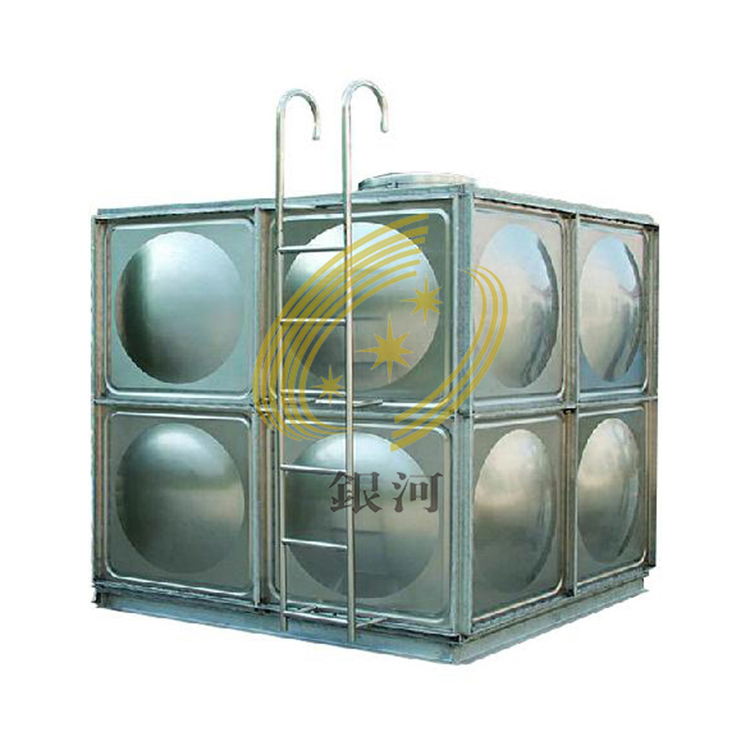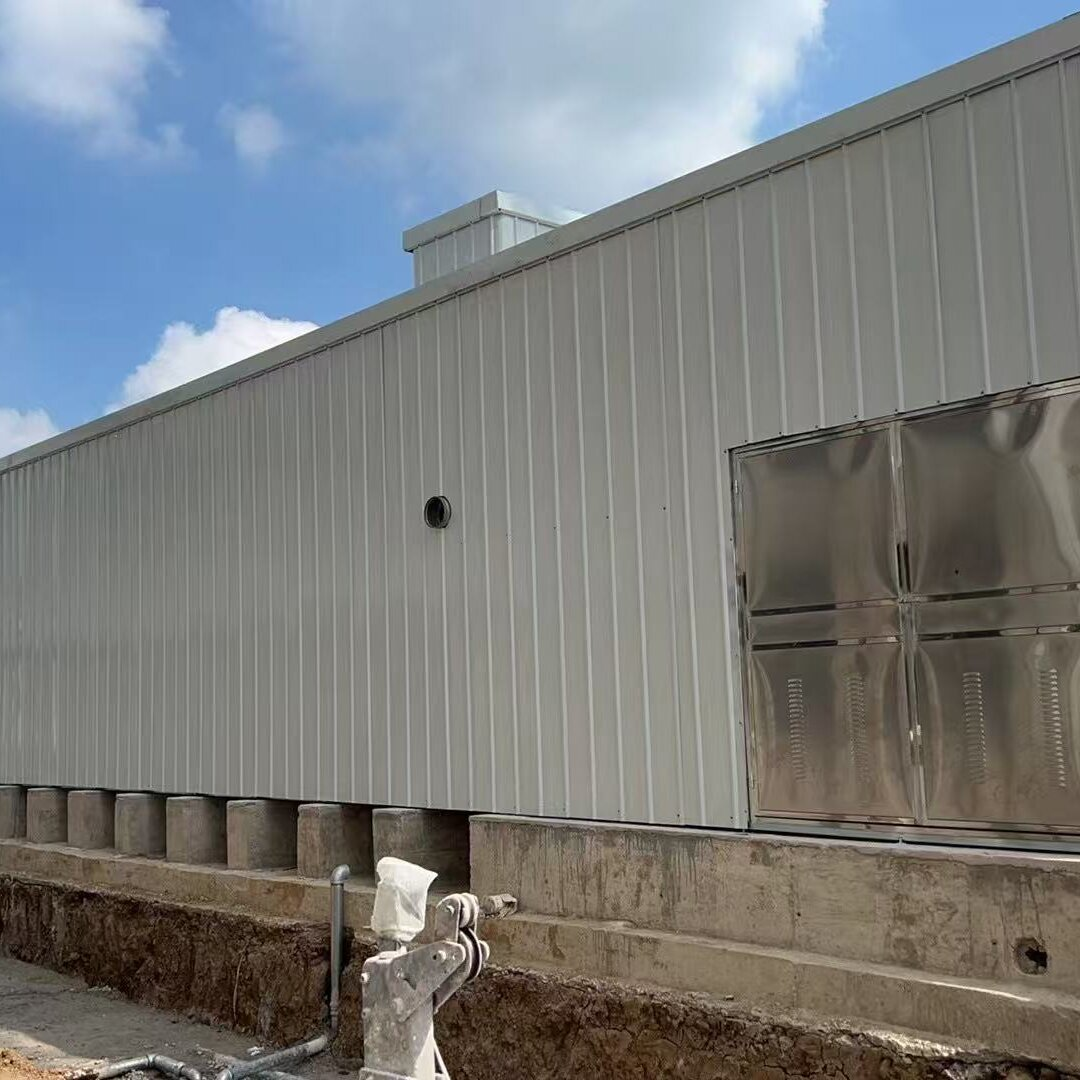
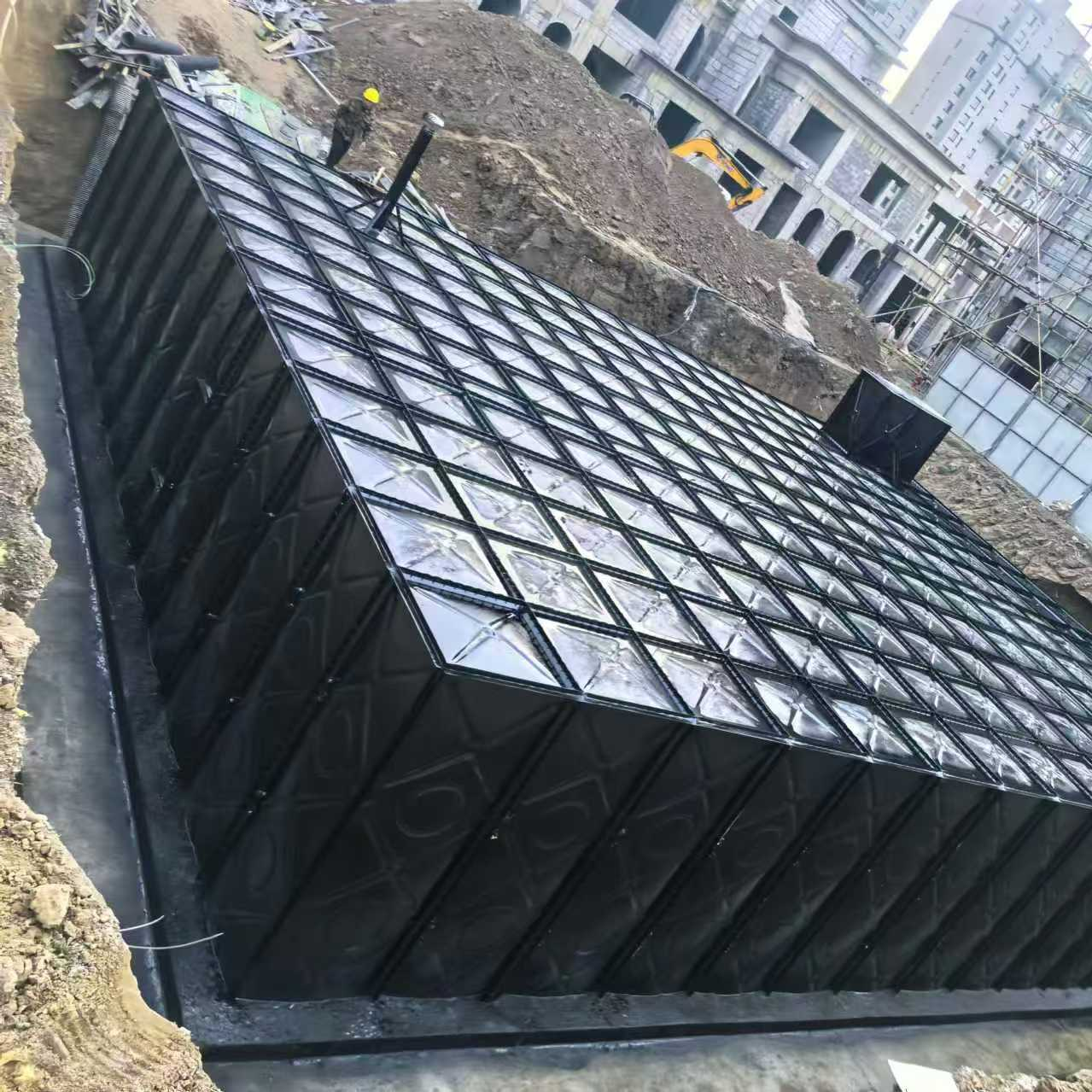
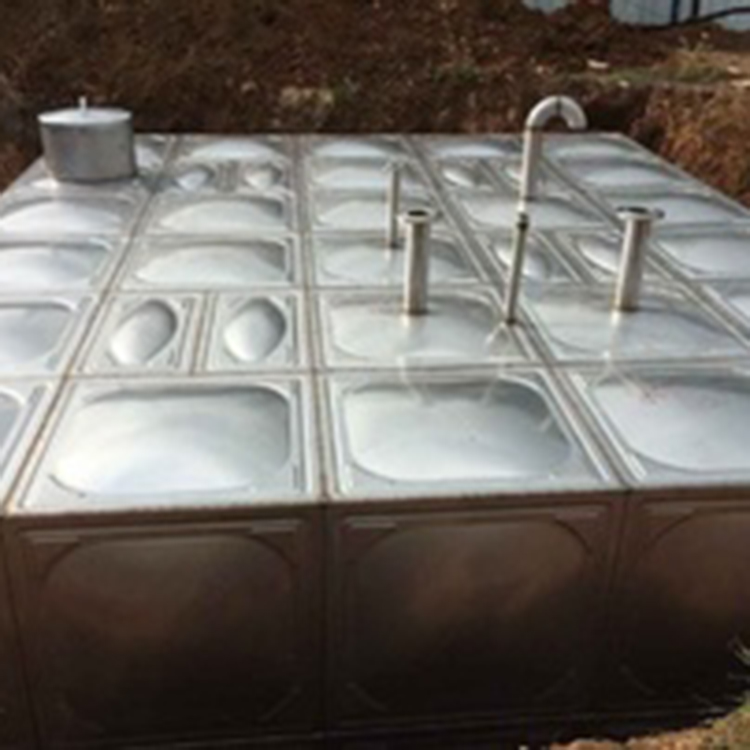







Pu'er Welded Fireproof Stainless Steel Water Tank
Stainless steel water tanks, as secondary equipment for storing potable water, are only for use with potable water (fire-fighting water) and cannot contain liquids with high acidity or alkalinity content. During use, do not place other light equipment on top of the tank, avoid using hard objects to randomly strike or draw on the tank surface or piping, and notify the manufacturer's technical maintenance personnel in advance if any issues arise. The repair welding personnel must be specialists in argon arc welding, and water must be drained during repairs. Do not randomly open the tank's access cover to prevent secondary contamination of the water quality. The tank should be cleaned and disinfected on a scheduled basis of 1-2 times per year.
One, Features of Stainless Steel Water Tanks: 1. Generally made of SUS304 stainless steel plates, stainless steel water tanks have stable physical and chemical properties, do not contaminate water quality, and ensure clean and hygienic water.
2. Stainlesss steel water tanks are formed by stamping, offering high strength, light weight, and a neat, aesthetically pleasing appearance.
3. Water tank panels are typically made of high-nickel 8.0 or above 3042B sheet, with a smooth and attractive surface that is easy to clean.
4. Due to its dense oxide layer, excellent corrosion resistance and good sealing performance. 6. Compared to other types of water tanks. 7. Selection: Food-grade stainless steel SUS304 significantly extends the lifespan of the tank and better prevents secondary water pollution.
8. Unique and rational structure: The housing is made of high-strength stamped plates and evenly distributed stainless steel ribs, ensuring uniform and reasonable pressure distribution.
9. Easy and Quick Installation: Standard stamped panels of 1000×1000, 1000×500, and 500×500mm can be assembled on-site without the need for lifting equipment, allowing for easy assembly and welding.
10. Compact and Aesthetically Pleasing Cabinet: High-quality stamping technology not only ensures the pressure requirements of the cabinet but also reduces material thickness, meeting the demands for both beauty and practicality.
Second, precautions for stainless steel water tanks: 1. As a secondary equipment for storing potable water, stainless steel water tanks can only be filled with potable water (fire-fighting water) and not with liquids that are acidic or alkaline in high concentration.
2. When using the water tank, do not place any other heavy equipment on top of it. Avoid using hard objects to strike or draw the tank layout and pipe fittings. In case of any issues, please notify the manufacturer's technical maintenance staff and repair welders. The focus is on argon. Arc welding personnel should drain the tank during maintenance.
3. Maintenance personnel should regularly inspect the internal and external main components and accessories of the tank on a monthly basis and report any issues to the manufacturer promptly.
4. Do not open the water tank's inlet cover to prevent secondary water contamination. The tank should be cleaned and disinfected 1-2 times a year.
Sanitary and environmental-friendly, all flow-through components of the stainless steel water tank are made of stainless steel, with mirror finish, compliant with international water contact hygiene standards, ensuring drinking water safety.
Save on investment and maintenance costs by replacing traditional water storage tanks with stainless steel tanks, which can eliminate a significant amount of civil engineering work, reducing civil engineering expenses and land area, thereby substantially lowering investment costs. The tanks are molded structures, assembled and welded on-site, avoiding the leakage and seepage issues of traditional water tanks, reducing investment and operating costs.
Self-cleaning washing, the stainless steel water tank features an automatic self-cleaning function. It can be equipped with a self-cleaning unit upon customer request. Users simply need to open the valve of the self-cleaning unit regularly or as needed, to achieve the self-cleaning of the tank, eliminating the need for extensive manual cleaning traditionally required, and making maintenance simple and convenient.
Non-stop water supply during maintenance; the double-tank stainless steel water tank features dual water inlets and dual hydraulic control float valves, particularly suitable for situations where water supply cannot be interrupted, completely preventing economic losses caused by water shutdown in specific scenarios.
Liquid Display and Protection: The stainless steel water tank is equipped with liquid display and level protection features. It detects the overflow of stored water in the tank through a level sensor, preventing excessive overflow and water waste.
Low-noise water intake unit, equipped with our independently developed noise-reducing intake device at the stainless steel water tank inlet, effectively reduces water intake noise and completely eliminates the issue of noise disturbing the public.
Standard pipe connection configuration, all connecting parts such as the stainless steel water tank's inlet, outlet, drain, and overflow ports are equipped with standard flanges, allowing for easy connection by the user.


Pu'er Welded Firefighting Stainless Steel Water Tank
Material Grade Description and Outstanding Advantages of Stainless Steel Water Tanks Advantage One: The material used is food-grade SUS304 or 316L stainless steel, ensuring clean and pure water quality to prevent contamination.
Benefit Two: The water tank undergoes cold bending and corrosion treatment, and can withstand significant pressure and temperature changes without affecting its strength or corrosion resistance. Additionally, it boasts a long service life. The stainless steel water tank has excellent welding properties, resistance to pitting corrosion, and good chloride corrosion resistance, making it more resistant to corrosion than 304 stainless steel in seawater and other media. Therefore, it is commonly used in harsh environments such as marine and chemical industries. However, its market price is higher, and it should only be used selectively based on actual needs. When installing large-tonnage stainless steel fire-resistant water tanks, since the weight of the water to be carried by the tank is considerable, reinforcing steel must be added to the foundation concrete.
304 stainless steel has strong corrosion resistance in oxidizing acid media, but it easily experiences pitting and stress corrosion in chloride ion-containing water. When the chromium content in the steel is 12%, the reactive chromium on the surface of the steel rapidly combines with oxygen to form a dense, solid oxide passive film (Cr2O3), effectively preventing further oxygen intrusion. Therefore, in air or oxidizing acids (such as nitric acid), this type of steel exhibits good general corrosion resistance, does not rust, and is therefore called stainless steel. However, in water, especially in water with a high concentration of Cl-, the Cl- ions can have a destructive effect on the Cr2O3 passive film in certain areas, leading to localized corrosion. Compared to general corrosion (chemical corrosion), localized corrosion (electrochemical corrosion) occurs much faster and is much more dangerous, often resulting in leakage and failure. In water containing Cl-, the vulnerable area prone to corrosion in stainless steel is typically the焊接 area, as it has been subjected to high-temperature heating, leading to degradation in structure and performance, and a decrease in corrosion resistance. Therefore, the lifespan of the water tank primarily depends on whether localized corrosion such as grain boundary corrosion, stress corrosion, and point (crack) corrosion occurs at the vulnerable areas (welding areas). Experimental research indicates that when the concentration of Cl- ions in the water is high, crack (pitting) corrosion is a common form of corrosion that occurs in the water tank.
1. The stainless steel water tank features: 1. The tank body is made of SUS304-2B (0Cr18Ni9) stainless steel sheet, formed into a 1×1 (m) tank single board (as shown in the top view), and assembled on-site. The inside is welded using tungsten inert gas (TIG) welding.
2. The channel steel base is welded and coated with rustproof paint for corrosion resistance.
3. Both inner and outer ladders are constructed using welded stainless steel round tubes.
4. All flange connections are made on-site using stainless steel materials.
5. The rod and support inside the water tank are welded with the same material as the tank panels to ensure welding strength.
1. When placing an order, please provide the tank size, pipe connection location, and pipe diameter.
2. Optimal water storage temperature is between 4-80°C. If the water storage temperature exceeds this value, please specify at the time of order for separate handling.
3. The load on the ground from the water tank should be verified and approved by the structural designer.
Stainless Steel Water Tank Installation and Acceptance: 1. Leave a maintenance channel of not less than 500mm between the tank and the wall during installation, with a clearance of not less than 300mm at the top and bottom of the tank.
2. During civil construction, ensure the foundation is well-prepared first. The connection joints between the bottom unit panels of the water tank should rest on the support piers.
3. After assembly, close the drain and overflow pipes, open the supply pipe, fill with water while checking, and ensure it is completely full without leaks for 24 hours to pass the inspection.
Function 1 of Stainless Steel Water Tank: The stainless steel water tank is generally made of SUS304 stainless steel plate, which has relatively stable physical and chemical properties, does not contaminate water quality, thereby ensuring the cleanliness and hygiene of the water.
2. It is made by stamping stainless steel water tanks, which have higher strength and lighter weight, weighing [weight], and present a neat and aesthetically pleasing appearance.
3. The tank panels are generally made of 3042B plate, with high nickel content of 8.0 or more, featuring a smooth and attractive surface; easy to clean.
4. Excellent corrosion resistance and good sealing properties due to the dense surface oxide layer.
5. High impact resistance and strong seismic performance;
Stainless steel water tanks, as secondary equipment for storing potable water, can only contain potable water (fire-fighting water) and not acidic or liquid substances. In tanks with high alkaline content, do not place heavy equipment on top of the tank, and avoid striking or scratching the tank's layout and fittings with hard objects. If you have any questions, please notify the factory's technical maintenance staff and welding repair personnel. The focus is on argon. Individuals performing arc welding should, during maintenance, have the maintenance staff inspect the tank's usage, external major components, and accessories on a monthly basis, and report any issues to the manufacturer promptly. The water intake cover of the tank should not be opened arbitrarily to prevent secondary contamination of water quality. The tank should be cleaned and disinfected 1-2 times regularly.


Pu'er Welded Fireproof Stainless Steel Water Tank
Stainless Steel Water Tank Insulation Principle: The polyurethane foam-insulated double-layer stainless steel water tank utilizes polyurethane foam technology with a foam thickness of 5cm, ensuring effective insulation for the tank.
Secondly, Insulating Foam Board, outer layer of thin aluminum glass fiber reinforced plastic plate.
Three, mineral wool insulation layer, outer layer of thin aluminum glass fiber reinforced plastic plate.
The 304 stainless steel water tank is a common material in stainless steel, with a density of 7.93g/cm3, also known as 18/8 stainless steel in the industry. It can withstand high temperatures up to 800°C, features good machinability and high toughness, and is widely used in industrial, furniture decoration, and food industries. Common marking methods on the market include SUS304, where SUS generally indicates production according to the Japanese standard, 304 typically indicates production according to the ASTM standard, and SUS304 indicates production according to the Japanese standard.
What are the specific specifications of 304 stainless steel water tanks? 304 is a general-purpose stainless steel that is widely used in the manufacturing of equipment and components requiring excellent overall properties (corrosion resistance and formability). To maintain the inherent corrosion resistance of stainless steel, the steel must contain over 18% chromium and over 8% nickel content. 304 stainless steel is a brand of stainless steel produced according to standards.
Stainless Steel Water Tank Features: 1. Made from high-strength stamping technology into standard panels, then welded on-site; 2. Material: SUS304 food-grade stainless steel plate, with corrosion resistance; 3. Rational structure design, fully welded on-site assembly. High strength, good sealing, prevents secondary water pollution; 4. Lighter in weight, half the weight of a general steel plate tank; 5. Capacity ranges from 1 to 2000 cubic meters, with 38 specifications for selection. Customers can freely combine the length, width, and height of the tank (standard panels are 1m*1m, 1m*0.5m) according to design requirements. No additional requirements on the installation site; 6. Appearance is neat, bright, and elegant.
The stainless steel water tank panels are made of 3042B sheets with nickel content above 8.0 high nickel, featuring a smooth and attractive surface that is easy to clean. The surface has a dense oxide layer, offering superior corrosion resistance and good sealing properties. The high-quality material, food-grade stainless steel SUS304, extends the lifespan of the water tank and effectively prevents secondary water pollution. Stainless steel water tanks typically use SUS304 material, which has stable physical and chemical properties, does not contaminate water, and ensures clean and hygienic water quality. The stainless steel water tanks are stamped into shape, demonstrating high strength, light weight, and a neat, elegant appearance.
Stainless steel water tanks do not rust, made from food-grade SUS304 stainless steel sheets, completely blocking sunlight to prevent algae growth, ensuring clean water quality at all times. Lightweight yet strong, stainless steel offers high strength and is formed using hydraulic single-mold technology, boasting good shaping, low internal stress, high precision, and a non-abrasive surface. The yield strength of stainless steel is equivalent to 1.5 times that of carbon steel and 6 times that of glass fiber reinforced plastic, demonstrating excellent shock resistance and vibration resistance. Compliant with fire safety and building standards, stainless steel tanks have superior high-temperature resistance compared to glass fiber reinforced plastic tanks, fully meeting fire safety building code requirements. The ideal mechanical structure, fully welded stainless steel tanks combine spherical and flat surfaces for an optimal mechanical design. These tanks feature smooth lines and an aesthetically pleasing appearance. Easy to install on-site, the welding stainless steel tanks are factory-pressed and assembled on-site. Due to the internal welding main structure, the tanks can be placed against three walls, which is crucial for clients with limited space. Leak-proof, the stainless steel tanks are assembled using full welding methods. Compared to traditional bolted connections, this eliminates the need for gaskets and bolted joints, enhancing the overall strength of the stainless steel tanks and ensuring no leaks. Cost-effective, the fully welded stainless steel tanks are priced competitively due to their unique and reasonable design, hydraulic production line technology, material utilization, and modern production service management. Hygienic, the fully enclosed welding stainless steel tanks prevent algae growth; their ventilation holes have multi-layer dust protection to prevent dust from entering the tank; the unique water inlet device reduces noise and effectively prevents water disturbance. The Zhongda fully welded stainless steel tanks can completely eliminate secondary water pollution. Customizable, the volume of the stainless steel welded tanks can be designed, manufactured, and assembled according to customer requirements, ranging from 0.125m3 to 1000m3.
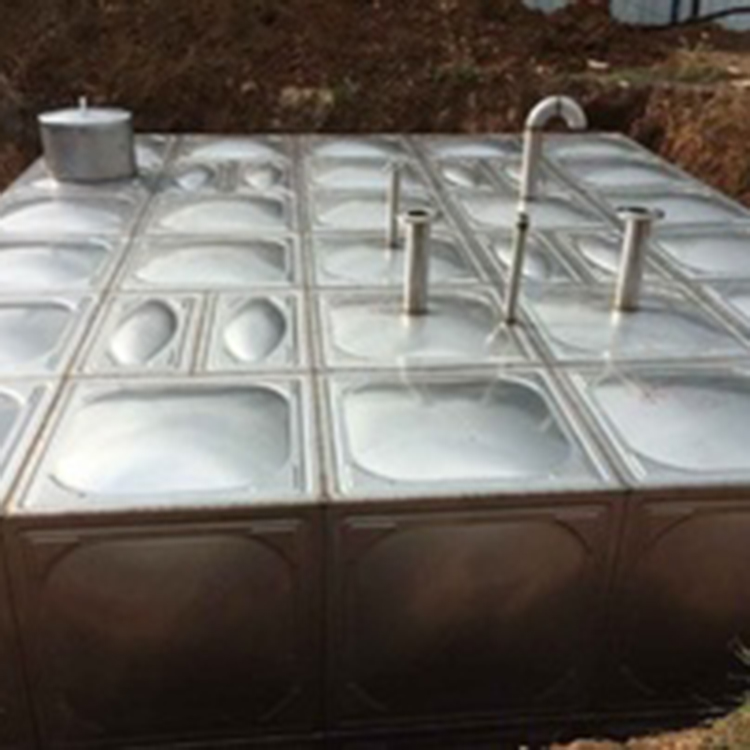
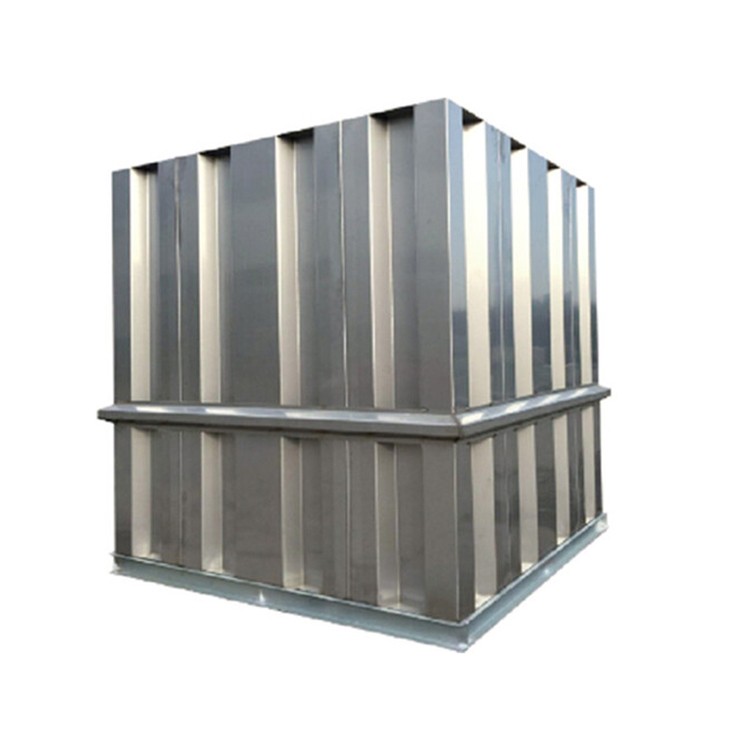
The base of the tank is rectangular and made of stainless steel, typically mounted on a foundation. The side panels are welded to the base. The top panel is also welded to the side panels. Additionally, a ventilation device is set on the top panel to ensure good breathability for the water tank. (2) The side panels of the tank are made by welding multiple stainless steel plates horizontally, and reinforced ribs are added for better structural integrity and to prevent deformation. Filters are installed on the ventilation holes of the tank to filter the incoming air, thus preventing impurities from entering.
High-quality stainless steel water tanks are durable, significantly extending their service life and effectively preventing secondary water pollution. These tanks are formed by stamping, offering high strength, lightness, smooth appearance, and elegance. The structure is well-designed, with high-strength stamped plates and evenly distributed stainless steel reinforcing bars inside, ensuring even pressure distribution and excellent shock resistance. The surface is coated with a dense hydrolysis layer, providing superior corrosion resistance and good sealing performance. The tank assembly is convenient and quick, with standard stamping panels of 1000×1000, 1000×500, and 500×500mm, which can be assembled and welded on-site. It is suitable for hoisting electronic equipment. The tank is lightweight and aesthetically pleasing, with high-quality stamping technology that ensures the necessary pressure-bearing capacity while reducing material thickness, meeting both aesthetic and practical requirements.
Stainless steel water tanks, as secondary electronic devices for storing potable water, are only intended for use with potable (firefighting) water and cannot contain liquids with high acidity or alkalinity. During use, avoid placing other lightweight electronic devices on top of the tank, and do not use hard objects to敲击 or draw on the tank's surface or piping. Report any issues to the manufacturer's technical repair personnel in advance. The repair焊接 personnel should be specialists in argon arc welding, and the tank should be drained before repairs. Maintenance staff should observe the internal and external main components and accessories of the tank on a monthly basis, reporting any issues to the manufacturer in a timely manner. The access cover of the tank should not be opened randomly to prevent secondary contamination of the water quality. The tank should be cleaned and disinfected 1-2 times annually.
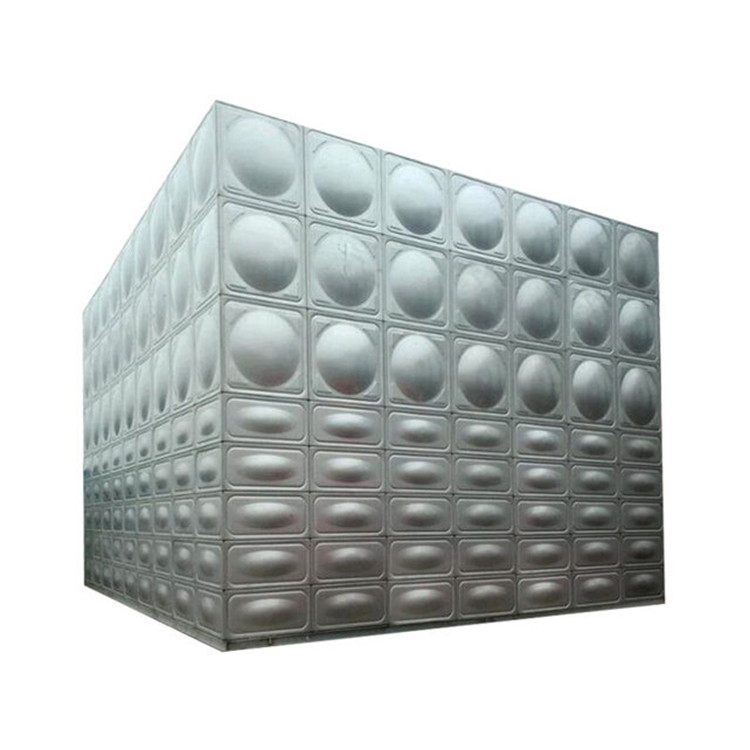
The stainless steel water tanks are assembled and welded from individual 1x1 square sheets of pre-bent stainless steel plates, echoing the modern architectural style with a sense of the times. The entire tank is enclosed with a smooth surface on the stainless steel plates, thus requiring minimal cleaning in daily use and being resistant to algae growth and sediment accumulation at the bottom. Due to manual assembly, the tank type and shape can be customized to fit the structure of the building, forming required configurations such as I-beam, L-shape, and Z-shape. These products are commonly used for water storage, beverage storage, and as liquid containers in environmental protection and chemical industries in hotels, residential complexes, commercial housing, and production enterprises. Food-grade stainless steel SUS304 extends the life of the tank significantly and helps prevent secondary water pollution. Properly structured with flexibility and a well-designed plate shape, the tank can accommodate various size combinations. The high-strength pressed plates and evenly distributed stainless steel reinforcing bars inside ensure uniform pressure distribution. Standard pressed plate sizes of 1000x1000, 1000x500, and 500x500mm are available for on-site assembly and welding, with the need for hoisting equipment for electronic devices. High-quality pressing technology ensures the tank can withstand the necessary pressure while reducing material thickness, meeting aesthetic and practical requirements. The price of the modular stainless steel water tanks is similar to that of glass fiber reinforced plastic tanks and decreases with increased volume. The price of extra-large tanks is comparable to that of concrete tanks and can also serve as storage containers.
The Five Advantages of Stainless Steel Water Tanks: 1. Reasonable bearing capacity: The spherical surface water tank utilizes fundamental principles of structural mechanics to distribute water pressure, eliminating the drawbacks of不便 production and excessive floor space in large and medium-sized circular tanks. Additionally, it addresses the limited bearing capacity issue of rectangular tanks by employing the scientifically proven principles of curved surface bearing, significantly improving the tank's inherent strength and seismic characteristics of the building.
The overall structure is excellent. The internal reinforcement design of the spherical water tank uses a rigorously calculated mesh structure, and the diagonal reinforcement with a special perspective is adapted to the situation. This ensures that every part of the tank is integrated into a single unit, creating a cohesive whole. When the tank is filled with water, the internal reinforcement serves its purpose, preventing the deformation issues commonly associated with external reinforcement methods.
Three, Clean environment. Utilizes SUS304 stainless steel profiles (material certificate available), with a polished finish to prevent stains from accumulating, facilitating easy cleaning of the water tank. Its opacity helps prevent the growth of harmful algae like green algae, meeting the high standards of modern living water requirements and suitable for property management.
Four, with a long application period, the SUS304 insulated water tank is suitable for storing water or substances with similar chemical properties. Material temperature: 0~90°C; surrounding environment temperature and humidity: 0~98%. Due to its strong corrosion resistance, its service life is much longer than that of ordinary materials. The use of high-quality argon arc welding processing technology ensures that the full electric arc welding structure eliminates the defect of the general assembled water tank's sealing gasket becoming brittle and leaking, making it unnecessary to replace it and extending its service life to 50 years.
Five, Suitable for large-tonnage water tanks. Due to their large volume, large-tonnage water tanks have high specifications for internal reinforcing ribs; excessive pressure also necessitates higher specifications for the tank material's tensile and shear resistance capabilities. Our company, by choosing a ball control panel and a mesh internal reinforcing rib design, achieves far superior tensile and shear resistance capabilities, exceeding the specifications for large-tonnage water tanks.