






Customized High-Alumina Phosphate Bricks, Processing Various Sizes of High-Alumina Phosphate Bricks, Hongfeng Refractories
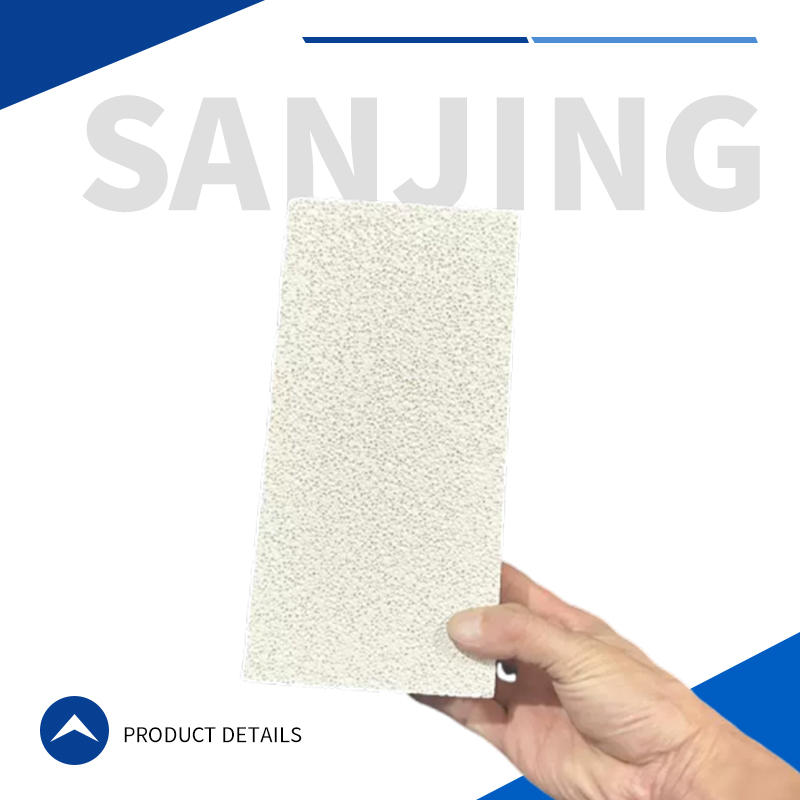
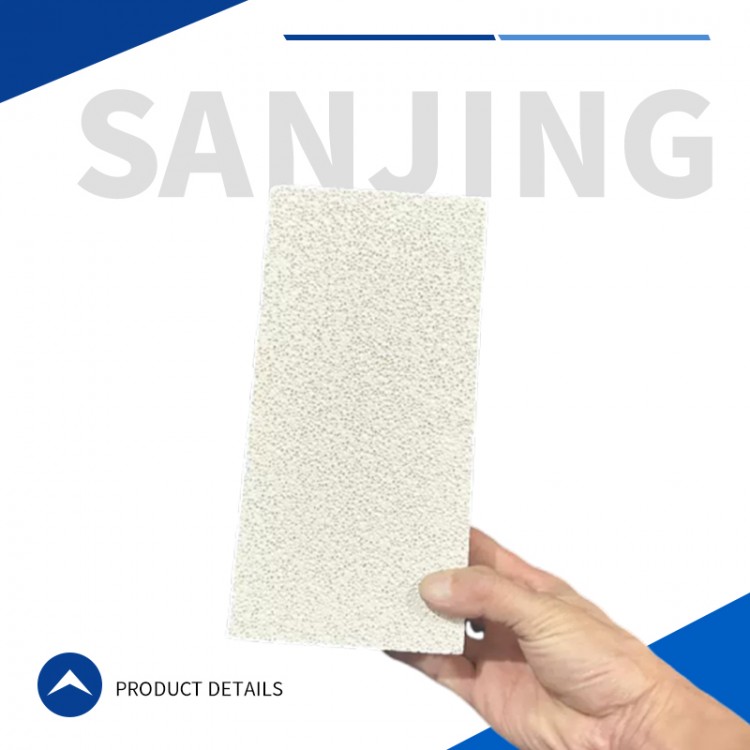
Phosphate wear-resistant bricks are made by combining high-alumina bricks with phosphate binder, enhanced through special processes and the use of chemical additives. They offer significantly improved wear resistance and load softening temperature. Their high-temperature properties and thermal shock resistance also surpass those of phosphate-bonded high-alumina bricks. They feature high compressive strength at room temperature, good thermal shock stability, excellent wear resistance, and strong slag resistance.
Technical parameters of phosphate wear-resistant bricks are as follows:
Technical Specifications
| Project | Product Number and Specifications | ||||
| P | PA | ||||
| Al2O3 content (%) ≥ | 75 | 77 | |||
| Room temperature pressure strength, MPa ≥ | 60 | 62 | |||
| Volume Density (g/cm³) ≥ | 2.65 | 2.7 | |||
| 0.2 MPa load softening start temperature RUL °C ≥ | 1350 | 1300 | |||
| Fusibility (°C) | 1770 | 1700 | |||
Phosphate wear-resistant brick applications:
Phosphate wear-resistant bricks are primarily used as refractory linings in the high-temperature sections of cement rotary kilns, targeting areas of severe wear. They are suitable for the burning zone, transition zone, cooling zone, coolers, and other sections of cement rotary kilns, as well as the high-temperature zones of vertical cement kilns. For rotary kilns with a diameter greater than 4 meters, arch frames (lining machines) should be used for construction.
Phosphate Resistant Storage: Although phosphate-resistant materials have better moisture resistance than magnesia bricks, it is still important to prevent moisture during storage.