






Wholesale Slurry Refractory Mortar, Bulk Canned Refractory Mortar, Hongfeng Refractory Materials
Also known as fire clay or jointing material (powdered substance). Used as the jointing material for the masonry of refractory products. It can be categorized by material into clay-based, high-alumina, silica-based, and magnesia-based refractory mortars.
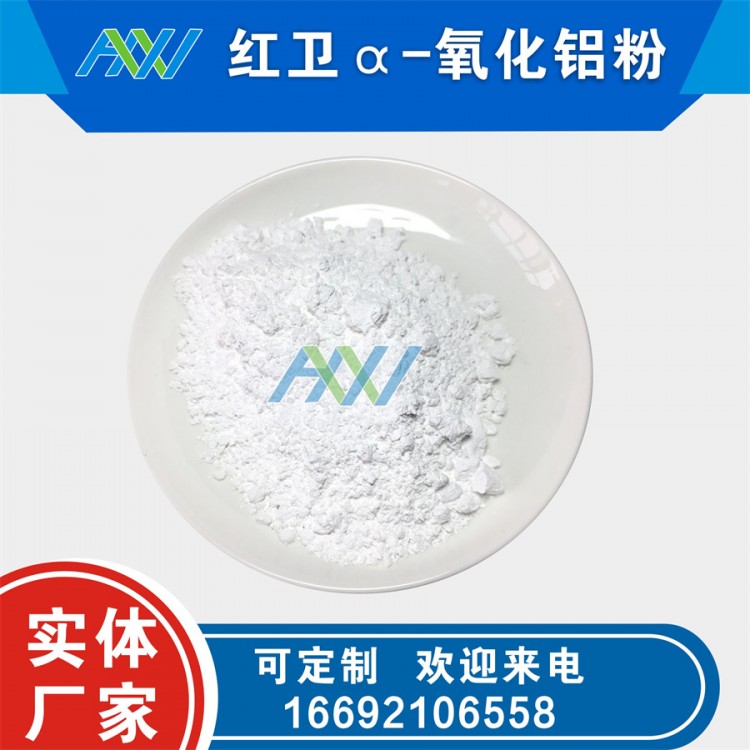
Composed of refractory powders, binders, and additives. All refractory materials can be processed into powders for making refractory mortars. Mortar made from refractory clinker powder mixed with a suitable amount of plastic clay as a binder and plasticizer is called common refractory mortar, which has low strength at room temperature but gains higher strength when forming ceramic bond at high temperatures. Refractory mortar with hydraulic, aerated, or thermal-curing binders is called chemical bond refractory mortar, which hardens through a certain chemical reaction before reaching the temperature for forming ceramic bond.
The particle size of refractory mortar varies according to usage requirements, with the maximum particle size generally less than 1mm, and some being less than 0.5mm or finer.
The material for refractory mortar should be selected to match the material of the refractory products used in the masonry. In addition to being used as joint material for masonry, refractory mortar can also be applied as a protective coating for the lining by means of spreading or spraying.
Fireproofing Mud Characteristics and Applications:
1. Good plasticity, easy to install.
2. High bonding strength, excellent corrosion resistance.
3. High耐火temperature, up to 1650℃±50℃.
4. Excellent slag resistance.
5. Good heat shedding property. Refractory mortar is mainly used in coke ovens, glass furnace, blast furnace hot blast stove, and other industrial furnaces. Industries applied in:
We offer: metallurgy, construction materials, machinery, petrochemicals, glass, boilers, electricity, steel, cement, etc.
Volume Density: 1.8-2.2 g/cm³.