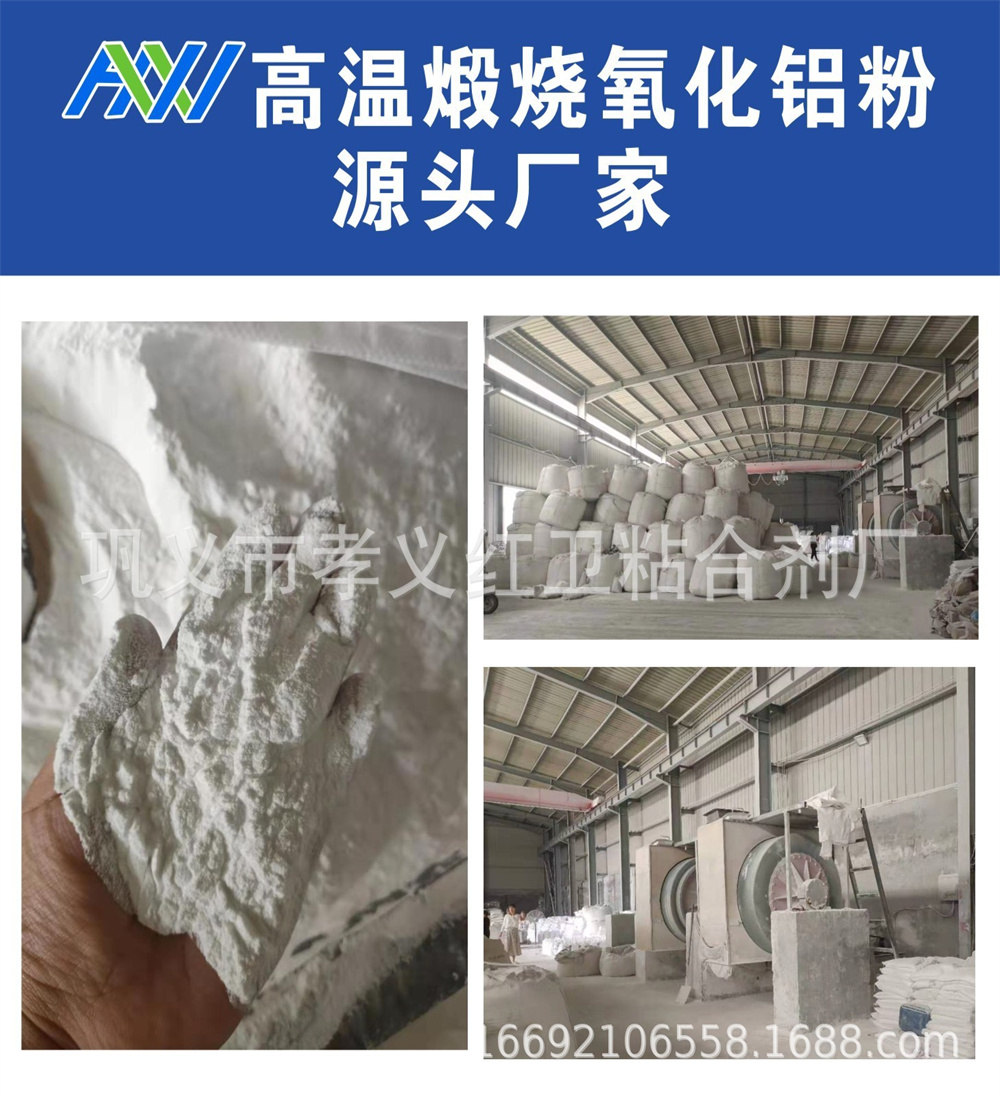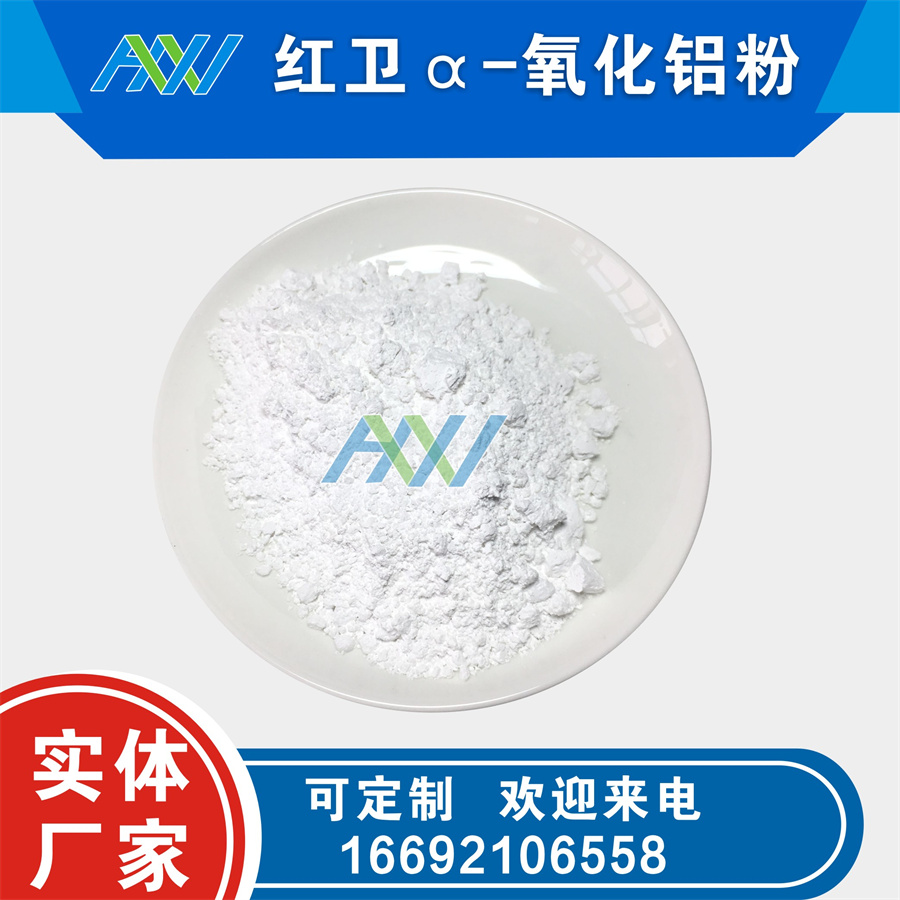



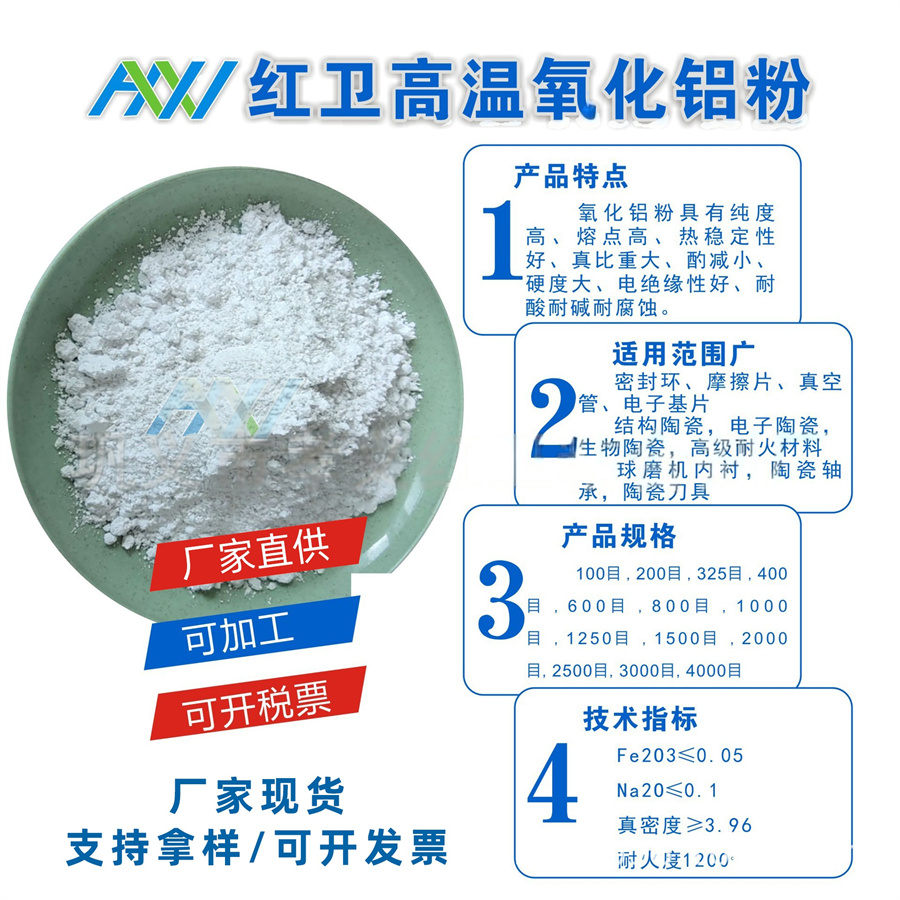





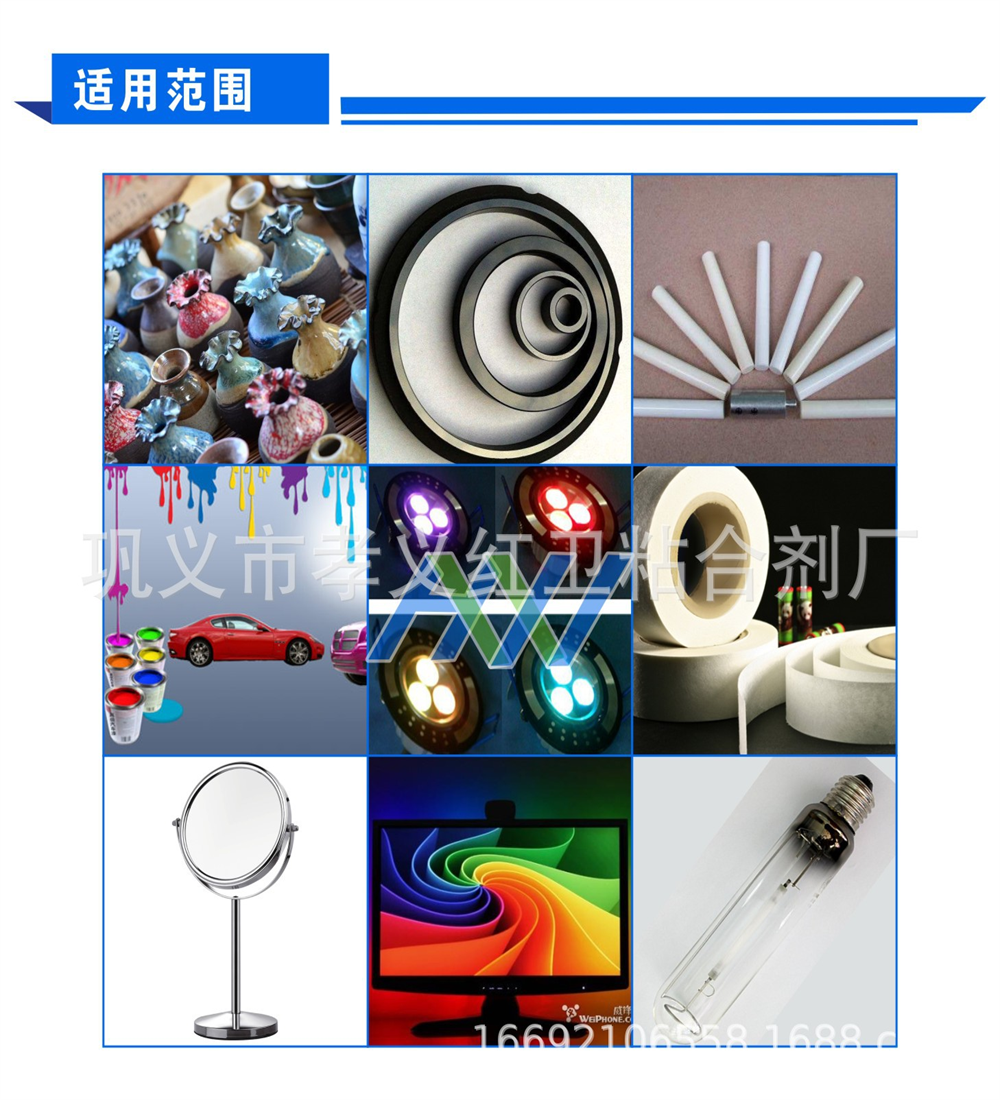
High-temperature sintered alumina powder products feature a high melting point, excellent mechanical strength, hardness, high resistivity, and thermal conductivity. They are widely applicable in industries such as electronic equipment, structural ceramics, refractory materials, wear-resistant materials, and polishing materials.
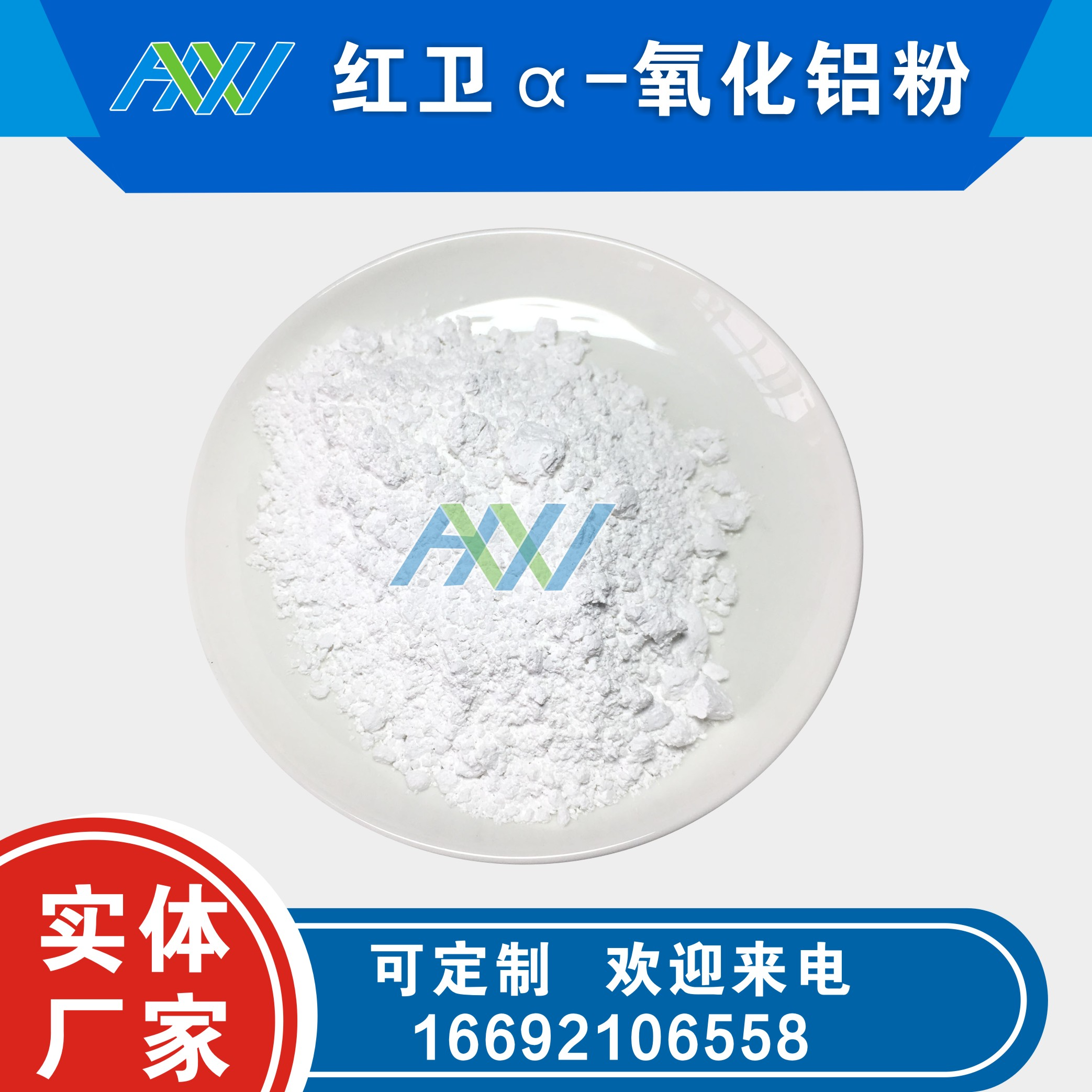
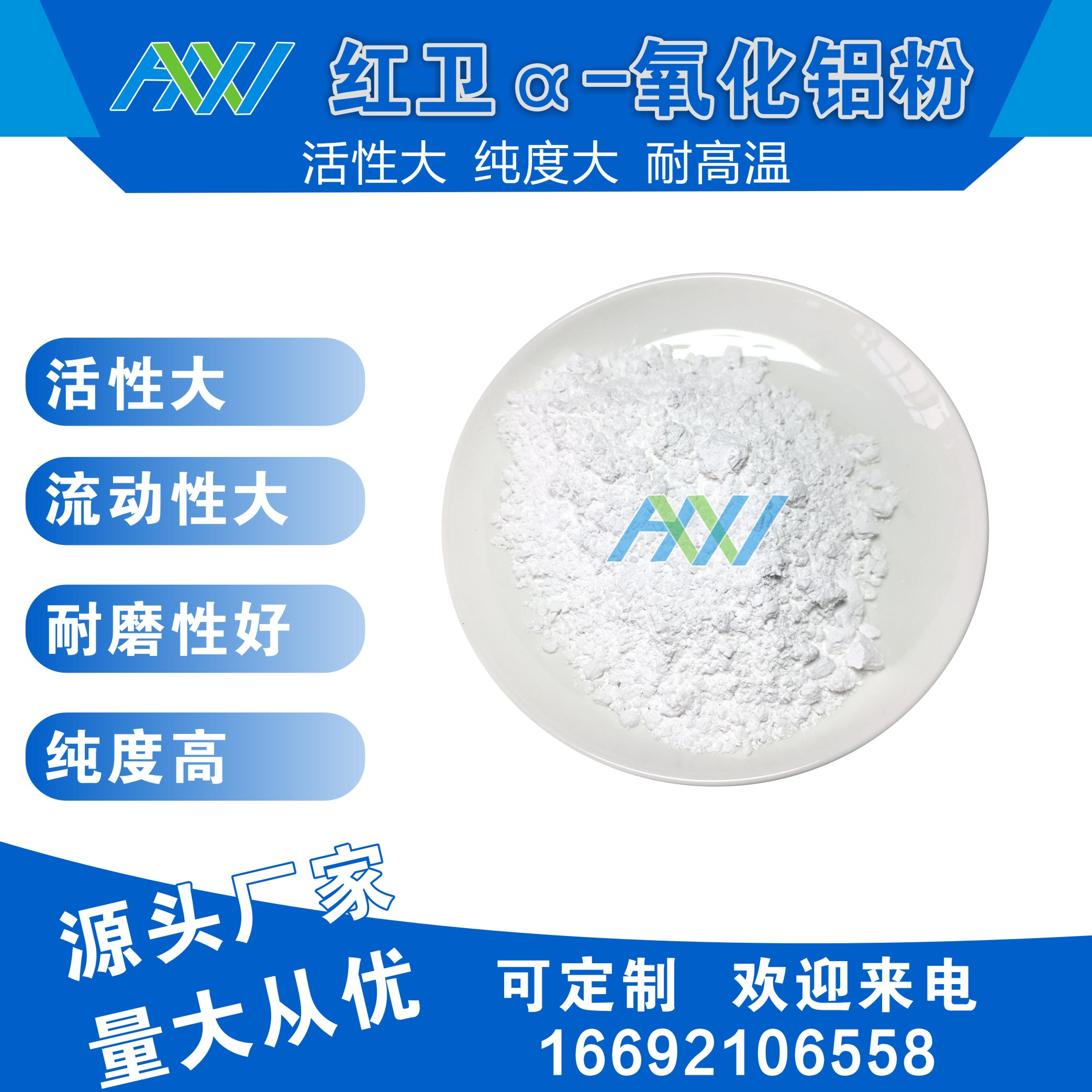
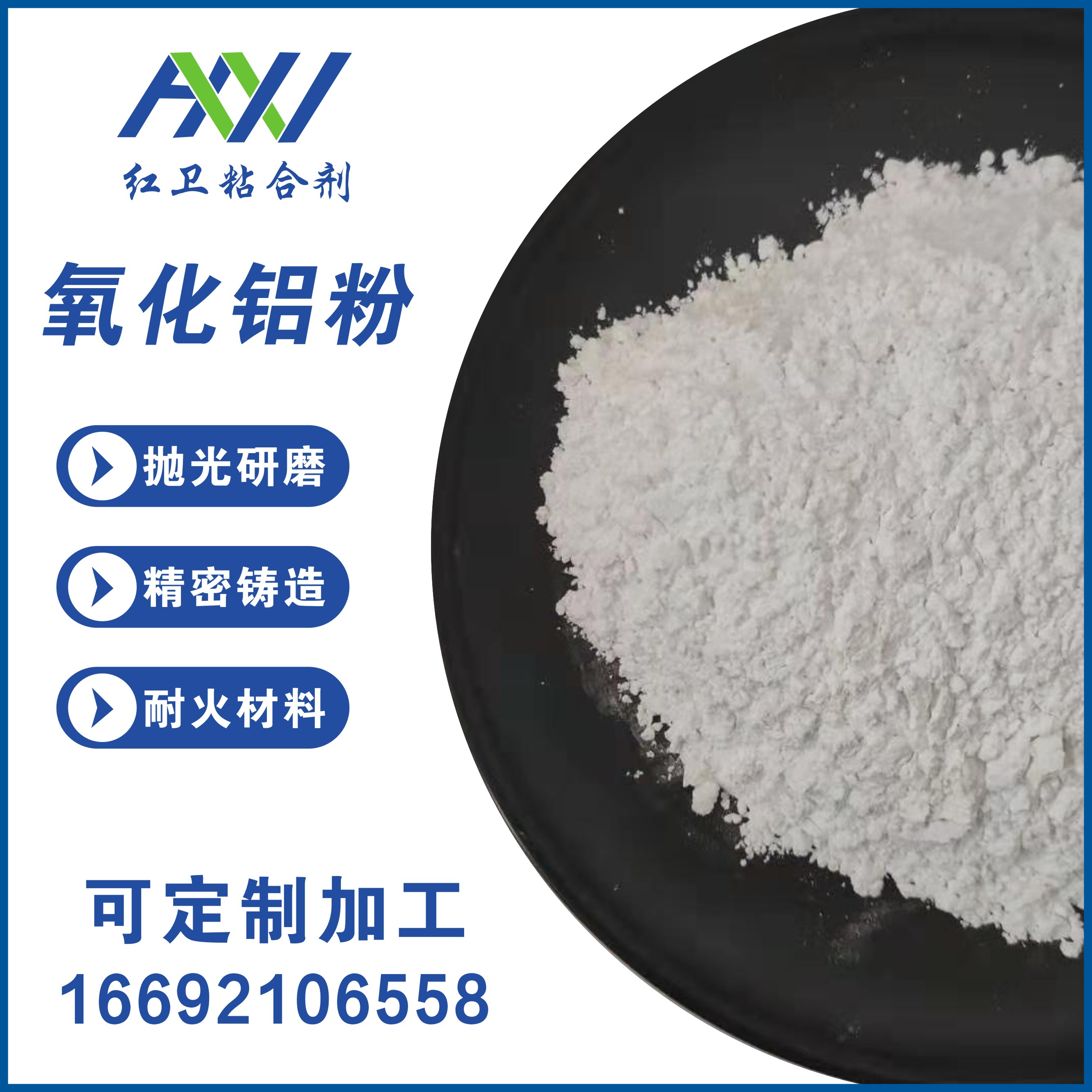
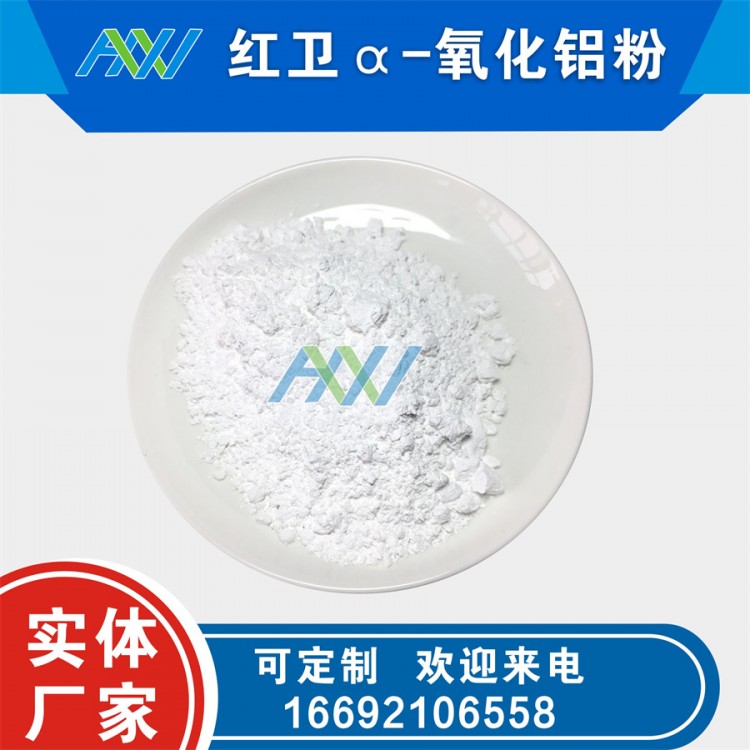
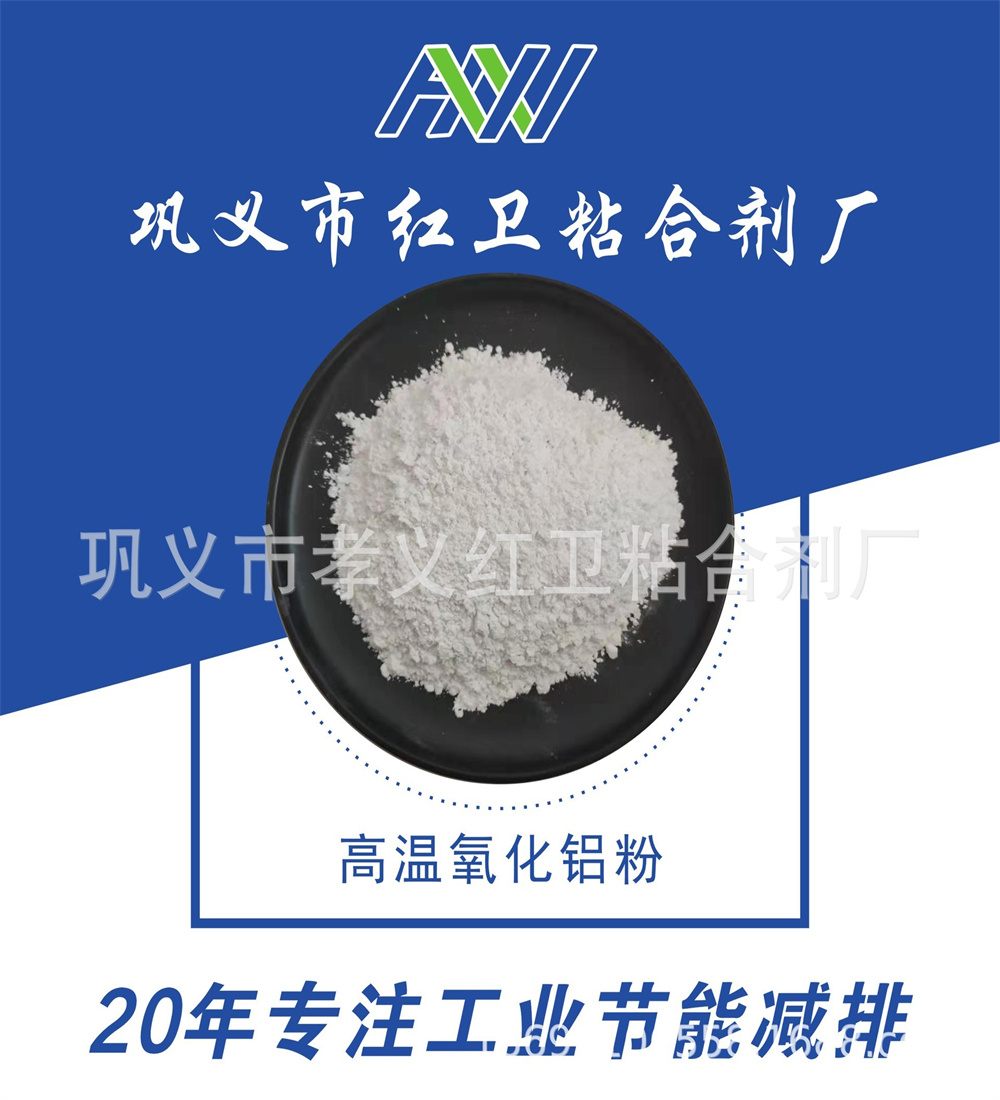
Alumina powder has a white powdered appearance with uniform particle size, low water retention, and stable chemical properties. It is easily soluble and has strong adsorption of fluorine, suitable for producing aluminum metal via salt electrolysis method, as well as for making corundum, ceramics, refractory materials, and other alumina chemical products. High purity ultra-fine alumina powder, with purity up to 99.99% and 99.999%, boasts good activity, high purity, concentrated particle size distribution, and free of sulfur content. It is widely used in applications such as tri-color phosphors, YAG single crystals, synthetic gems, high-pressure sodium lamps, long afterglow phosphor matrices, and high-tech fields like structural ceramics, bio-ceramics, and functional ceramics. It is one of the materials in the new materials of the 21st century.
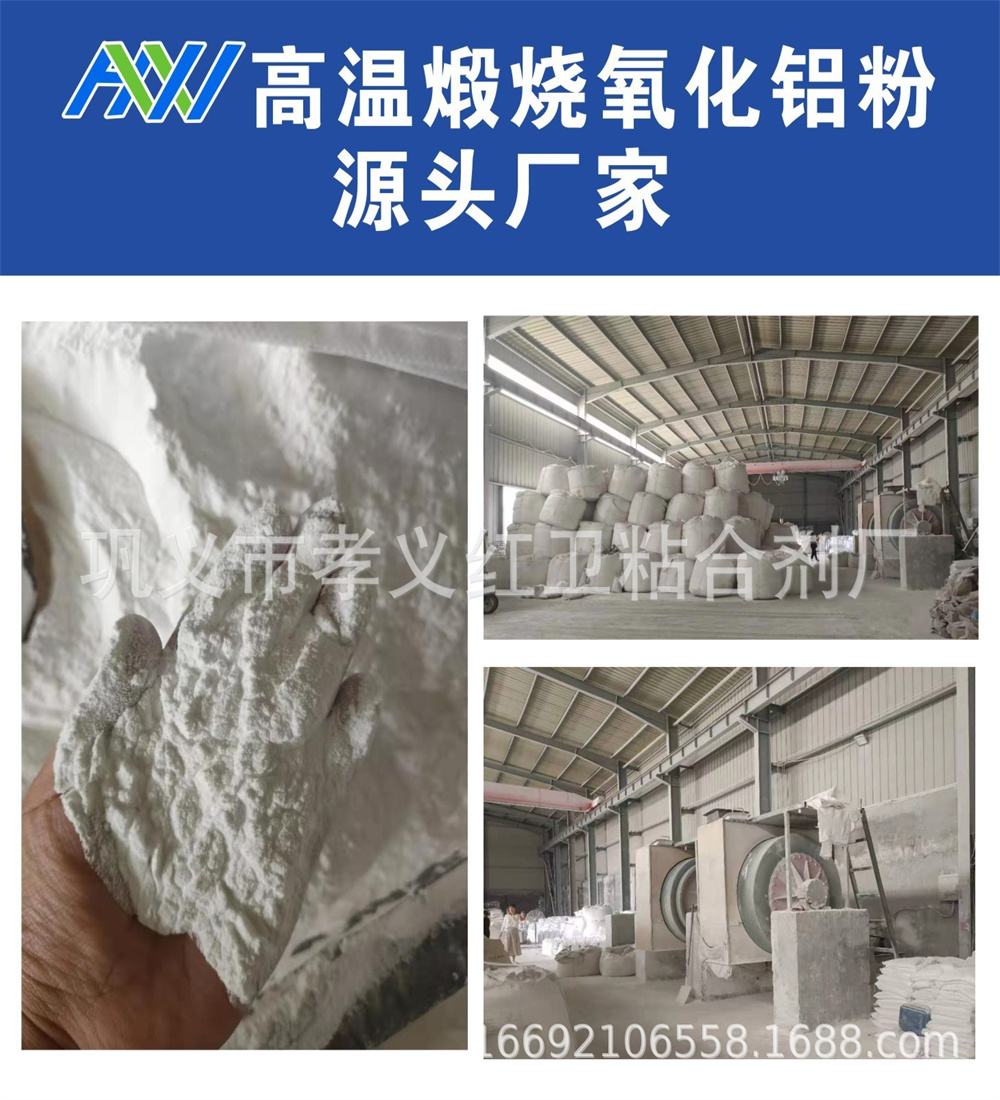
Alumina powder is produced using high-grade industrial alumina, aluminum hydroxide, and additive technology. After phase conversion calcination, it is further processed with advanced powder grinding technology and techniques. The resulting active alumina micro-powder boasts large activity, fine particle size; high purity, high melting point, good thermal stability, high true specific gravity, low shrinkage, high hardness, excellent electrical insulation properties, good wear resistance, impact resistance, and resistance to acids, alkalis, and corrosion.