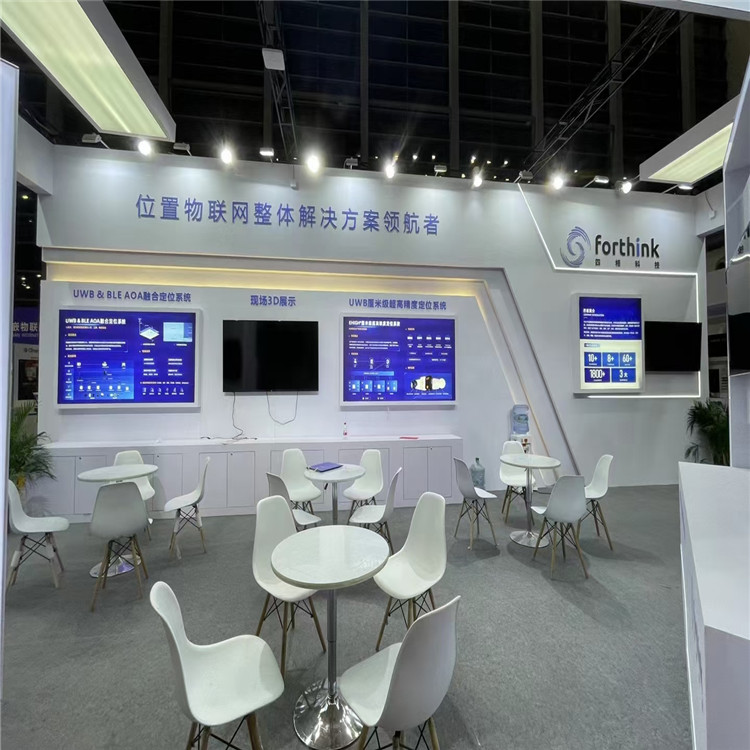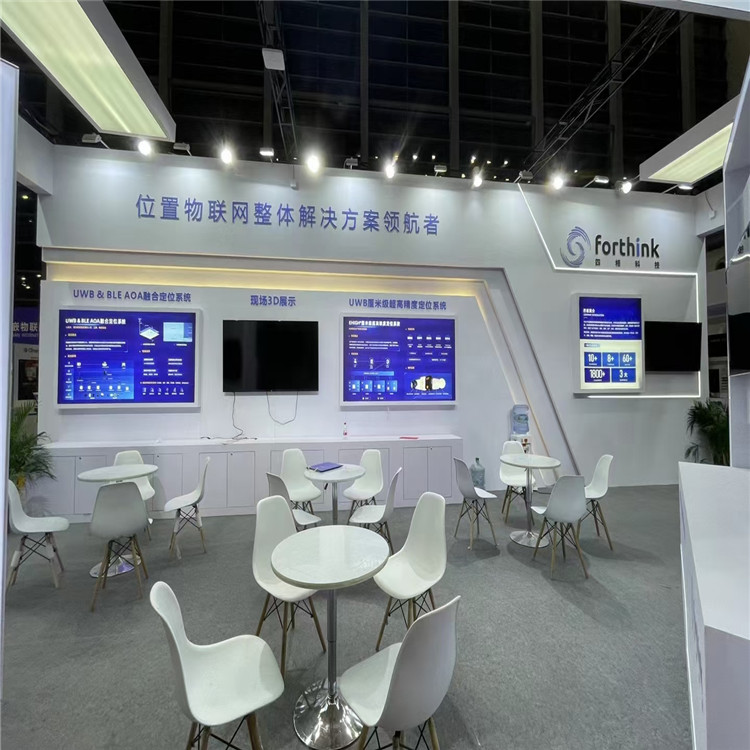













The stage is the core and focal point of the entire event, making stage construction a crucial element. Any stage setup must be based on safety at every stage.
Stage Setup Process:
Ensure the installation area is clean, cover the floor with a cloth according to the stage size, then place the frame and materials on the cloth. The stage should be installed in one go. When laying the platform mat, fasten it to the stage board with nails. When laying the exhibit carpet, make sure it is stretched flat, then secure it with nails. For larger stages, the carpet may need to be pieced together, with the seams overlapping outward and secured with nails. Install the stage skirt. After the carpet is laid, workers should wear shoes while walking. Also, pay attention to clearing debris at all times.
Setting up a stage is not just about constructing a platform; it's about advancing the event itself. Similarly, establishing an event stage requires considering many aspects.
1. Consider durability issues.
The sturdiness of the stage is a fundamental issue in stage construction, concerning the safety of both performers and the audience on and off the stage.
2. Consider the timing of the performance.
If it's a daytime performance, choose a time when the sunlight is less intense to avoid dazzling the performers or audience. The seating and stage should be positioned so that they are not in direct sunlight, otherwise the glare can be uncomfortable and hinder the viewing experience.
3. The stage should have distinct layers to facilitate the arrangement of numerous performers by the program director, ensuring the visual presentation of performances has a sense of depth and aesthetics.
4. When setting up the stage, for celebratory performances, ensure to fully present the on-site environment and atmosphere, creating the festive mood of the celebration event.
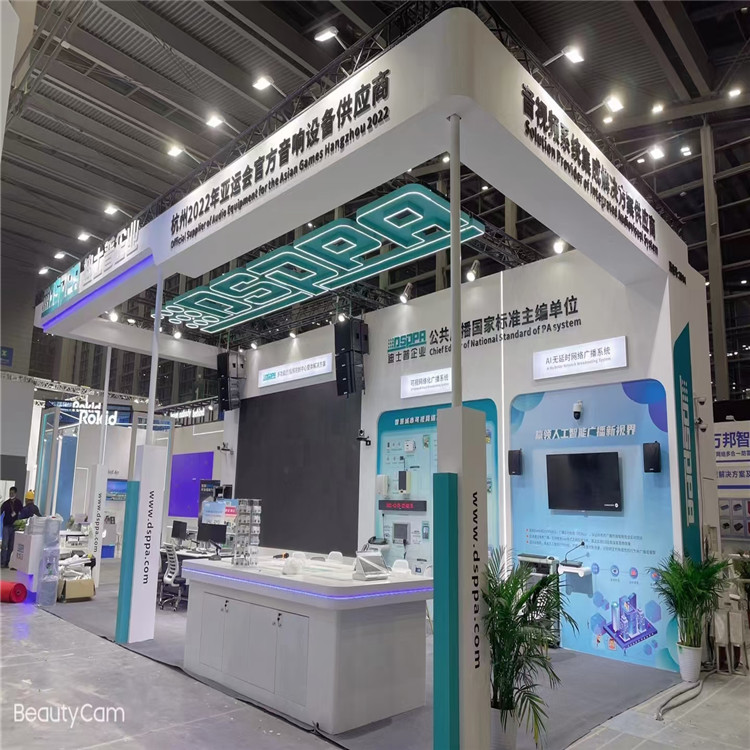
Stage Setup Techniques:
1. Stage height issue.
Standard庆典礼台 commonly comes in heights of 20cm, 40cm, and 60cm; a 20cm stage is often used for medium to small events or indoor gatherings, as its compact size allows for easy closeness to the audience, facilitating better communication and interaction; a 40cm stage is the most common and visually appealing, particularly for ceremonies like grand openings, ribbon-cutting ceremonies, unveilings, and large corporate annual meetings.
2. Stage safety.
Safety on the stage is a fundamental issue. For clients, if heavy objects need to be placed on the stage or many people are to stand on it, they must communicate with the stage construction party in advance. As stage construction personnel, it is essential to take appropriate safety measures, such as adding more iron supports, extra weight-bearing wooden boxes, and using double-layered stage boards, etc.
3. Stage aesthetics.
Once the stage setup is complete, a carpet will be laid out on the stage, customized to the customer's specifications in color. The perimeter of the stage will be enclosed with a border, creating a very attractive stage. During the stage beautification process, it's crucial to use brand new carpets and seamless borders for the enclosures. Paying attention to these details ensures a more beautiful and imposing stage.
4. Stage dimensions.
Stage setup must have size limitations as the wooden boards used for laying out are of a specific size.
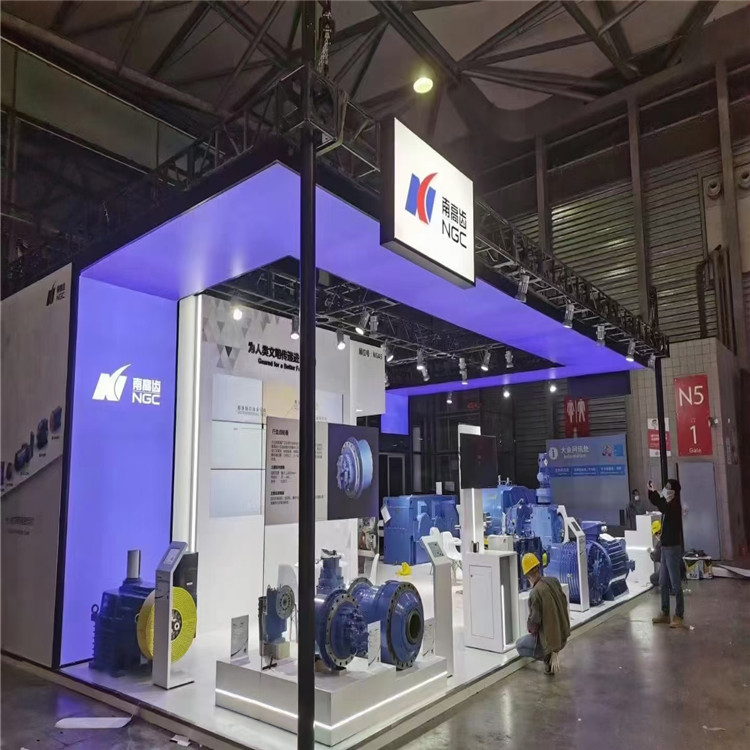
Preparation for stage setup:
1. Measure the ceiling height at the event venue.
When arranging the stage, lighting, and audio-visual equipment, the ceiling height has a crucial impact. Taking the stage background with an LED display as an example, the appropriate size of the LED display to install needs to be calculated based on the floor-to-ceiling height.
2. Check if there are any obstructions blocking the line of sight at the survey site.
Check each room from every angle to ensure there are no columns, chandeliers, or other obstructions blocking the view.
3. Plan the number and scale of stages based on actual circumstances.
For small businesses, the total is not substantial and is enough to establish a stage at an annual meeting. However, for large corporations, it's different; the number could be in the hundreds, so multiple stages or multiple displays within a single stage may be required. By pre-determining the number and orientation of the stages and background screens, space can be maximized to the greatest extent.
4. Estimate the required stage size based on the program's needs.
Our company adheres to the principle of "upholding contracts and providing excellent service," and upholds the corporate spirit of "unity, collaboration, rigorousness, realism, and innovation." We strive to offer satisfactory services to both new and existing clients.