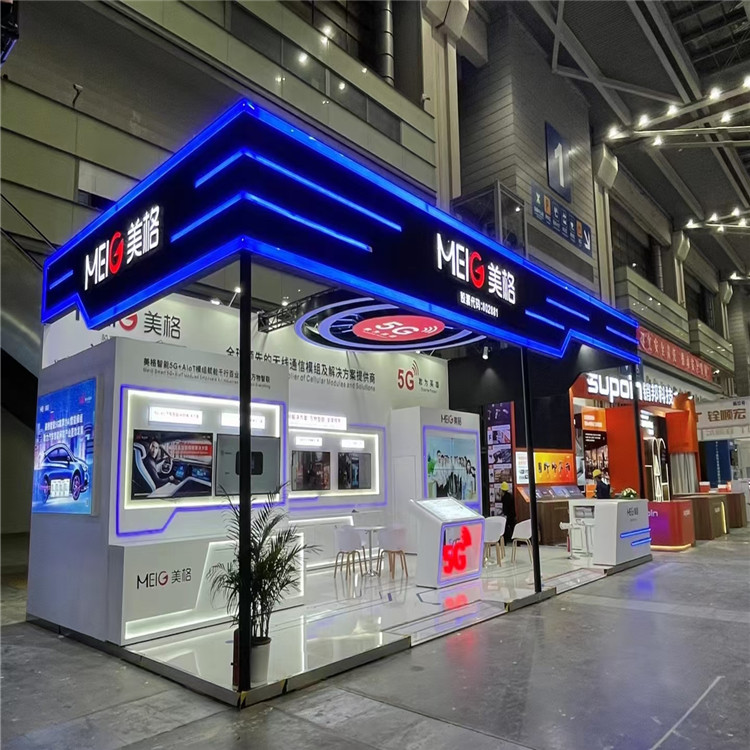













Staging plays a crucial role in modern commercial and performance events. It not only provides a platform for display but also participates in the events in its own right, contributing its own strength to the performance or commercial activities.
Stage Setup Process:
Clean the installation site, cover the floor with a cloth according to the size of the stage, then place the frame and materials on the cloth. The stage is installed in one go. When laying the platform mat, secure it with tacks on the stage board. When laying the display cloth, ensure it is pulled taut and then secured with tacks. For larger stages, the display cloth may need to be pieced together, with the seams overlapped outward and secured with tacks. Install the stage skirt. After laying the display cloth, workers should wear shoes while walking. And always keep the area clear of debris.
Preparation work for stage setup:
1. Measure the ceiling height at the event site.
When setting up the stage, lighting, and audio-visual equipment, the ceiling height plays a crucial role. Taking the stage backdrop with an LED display as an example, it's necessary to calculate the appropriate size of the LED display based on the height.
2. Check for any obstructions at the survey site that may block the line of sight.
Check the room from every angle to ensure there are no pillars, chandeliers, or other obstructions blocking the view.
3. Plan the number and scale of stages based on the actual situation.
For small businesses, the total is not substantial and is enough to establish a stage at an annual meeting. However, for large corporations, the number can be in the hundreds, thus requiring multiple stages or multiple displays on a single stage. By pre-determining the number and orientation of stages and background screens, space is maximized to a great extent.
4. Estimate the stage size required based on the program's needs.
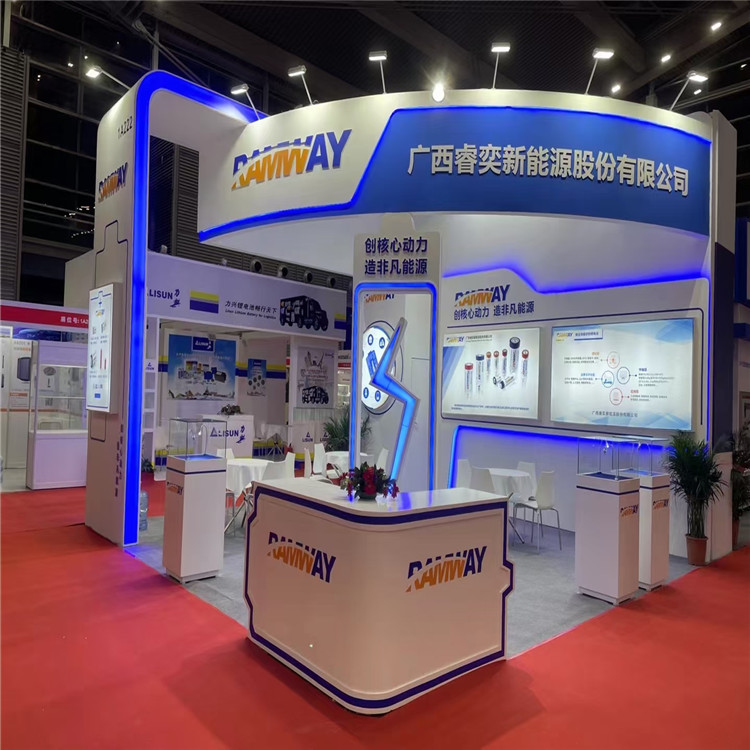
Setting up a stage is not just about constructing a platform; it's about advancing the event itself. Similarly, establishing an event stage requires considering many aspects.
1. Consider durability issues.
The sturdiness of the stage is a fundamental issue in stage construction, concerning the safety of both performers and the audience on and off stage.
2. Consider the timing of the performance.
If it's a daytime performance, when selecting the performance time, consider the angle of the sunlight to avoid the performers or audience squinting. The seating area and stage should be in the shade to prevent the sunlight from being blinding and affecting the viewing experience.
3. The stage should be well-structured with distinct layers, facilitating the arrangement of numerous performers for the program directors, ensuring a sense of depth and aesthetic beauty in the performance visuals.
4. When setting up the stage, for celebratory performances, ensure to fully present the on-site environment and atmosphere, creating a festive ambiance for the celebration event.
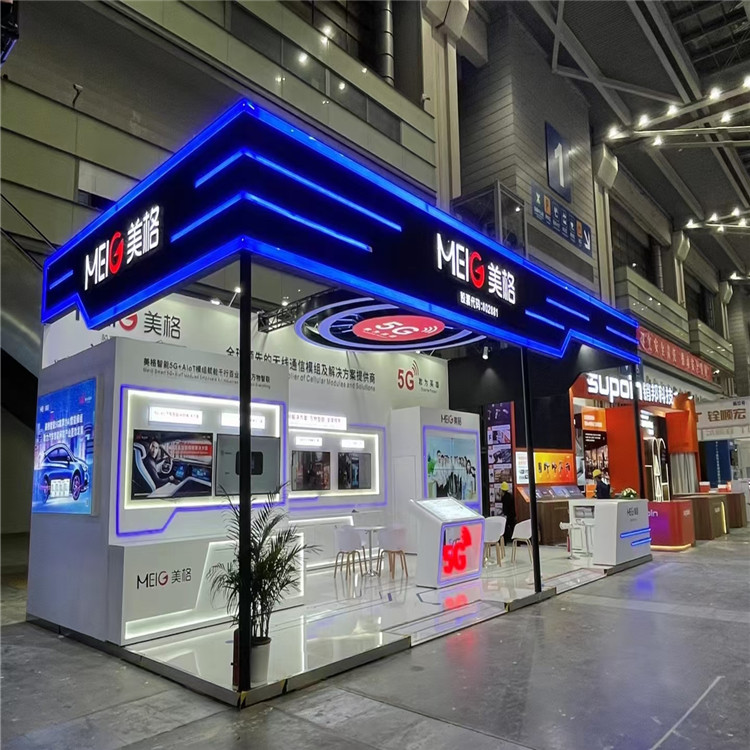
The stage construction is not merely a platform; it is also a part of the event itself. Therefore, it's not just about erecting a platform, but about promoting the event itself. Thus, when building a stage into an integrated project, several factors need to be considered:
1. Consider the stage location when setting up the stage.
For many promotional campaigns, the stage setup is not just a platform but a stage that draws public attention and maximizes the effectiveness of the promotion. Such events should be set up in busy areas or famous scenic spots locally.
2. The stage location should be conducive to the gathering and dispersal of participants.
Due to the large number of participants required for many business activities, the stage setup itself should consider the transportation issues of the participants. Only fast and convenient transportation can attract as many attendees to the exhibition events, thereby achieving the intended effect of the stage setup.
3. Equipment issues for stage setup.
Only well-equipped systems can keep the stage alive and maximize its effectiveness as a promotional platform. In this aspect, lighting and sound effects are crucial. With the advancement of modern audio-visual equipment, scenes can be created with excellent effects and can be adjusted according to the specific requirements of the event. Therefore, attention must be given to the use of audio-visual equipment in stage setup.
Let's commit to sincerity and integrity, always prioritizing "Quality First, Customer First," and move forward together hand in hand for common development. One partnership, a lifetime friendship! Our company warmly welcomes your visit!