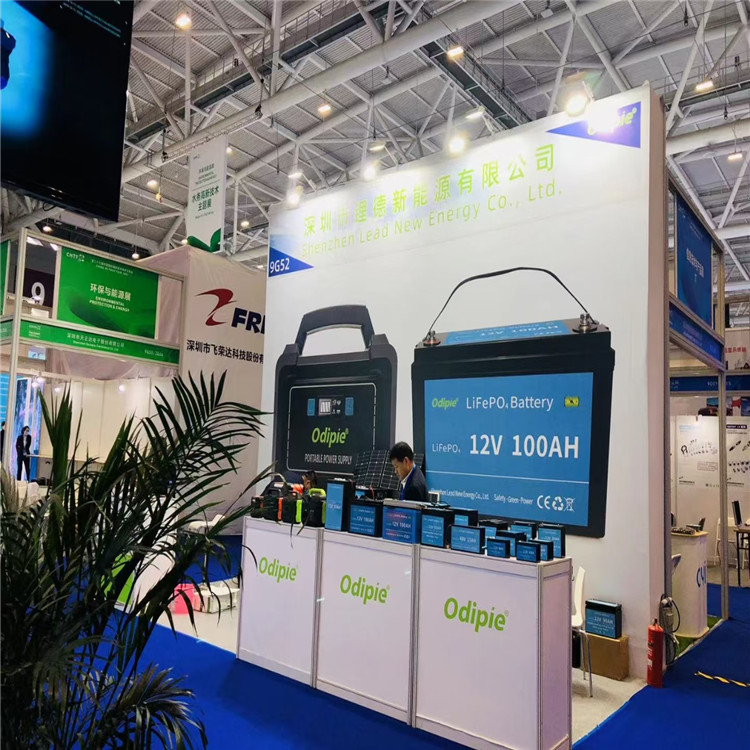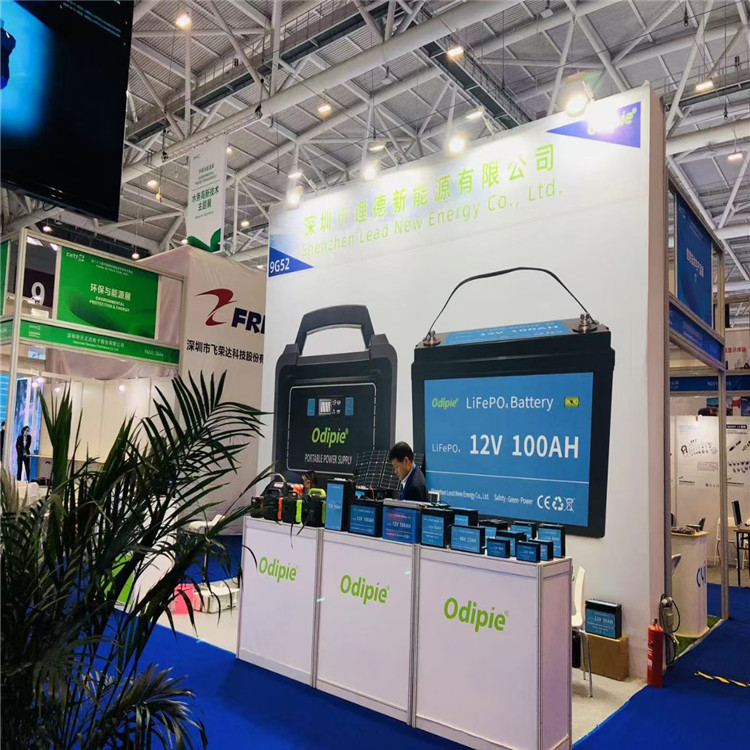













Stages are essential for ceremonial celebrations and are a must-have for all events, serving as the foundation to showcase participants' demeanor, the scale of the event, and the grandeur of the occasion. Therefore, the significance of stage setup is self-evident. Event companies must not only focus on stage construction but also prioritize stage lighting design, which is a crucial aspect. Lighting requirements for stages are also higher than those for general setups.
The stage construction is not just a platform; it is also an integral part of the event. Therefore, it's not merely about setting up a platform, but about enhancing the event itself. Thus, when building a stage into a comprehensive project, several factors need to be considered:
1. Consider the location when setting up the stage.
For many promotional campaigns, the stage setup is not just a platform but a stage to capture public attention and maximize the effectiveness of the promotion. Such events should be set up in busy local areas or scenic spots.
2. The stage location should be conducive to the gathering and dispersal of participants.
Due to the large number of participants required for many business activities, the stage setup itself should consider the transportation issues of the participants. Only fast and convenient transportation can attract as many attendees as possible to participate in the exhibition activities, thereby achieving the intended effect of the stage setup.
3. Stage setup equipment issues.
Only well-equipped facilities can keep the stage alive and effectively utilize it as a promotional platform. In this aspect, lighting and sound effects are crucial. With the advancement of modern audio-visual equipment, both sound and light can create excellent scene effects and can be adjusted according to the specific requirements of the event. Therefore, attention must be paid to the use of audio-visual equipment in stage setup.
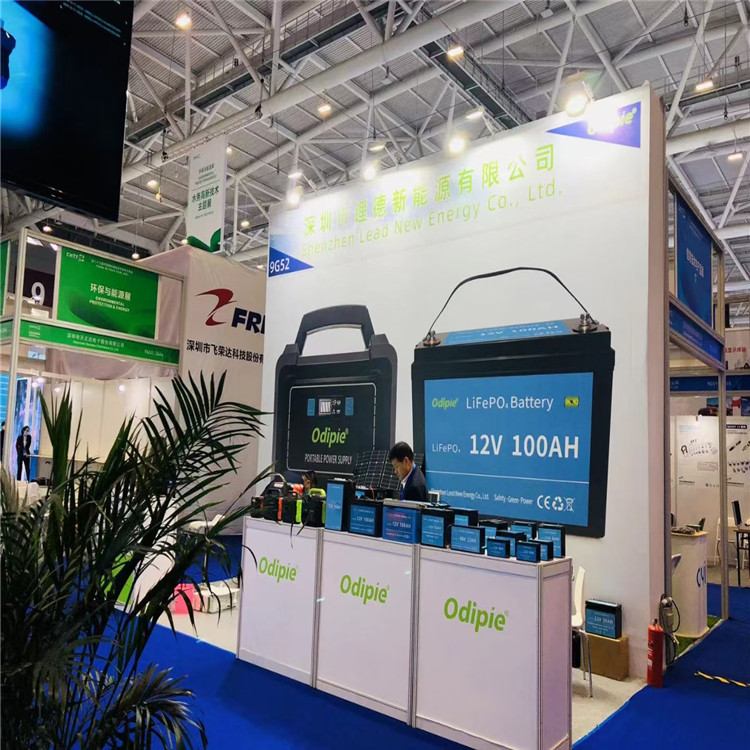
Preparation work for stage setup:
1. Measure the ceiling height at the event venue.
When arranging the stage, lighting, and audio-visual equipment, the ceiling height has a crucial impact. Taking the stage background with an LED screen as an example, the appropriate size of the LED screen to install needs to be calculated based on the height.
2. Check if there's anything blocking the line of sight at the survey site.
Check the room from every angle to ensure there are no pillars, chandeliers, or other obstructions blocking the view.
3. Plan the number and scale of stages based on actual circumstances.
For small businesses, the total number isn't substantial and is enough to establish a stage at an annual meeting. However, for large corporations, the numbers can be in the hundreds, necessitating multiple stages or multiple displays per stage. By pre-determining the number and orientation of stages and background screens, we can maximize space utilization to a great extent.
4. Estimate the stage size required based on the program's needs.
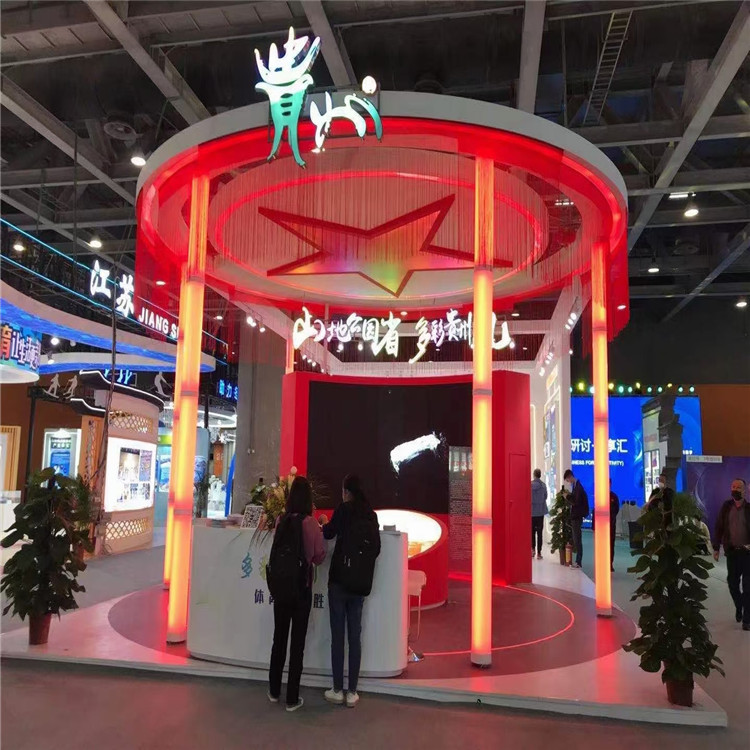
Stage Setup Techniques:
1. Stage height issue.
Standard stage heights commonly used are 20cm, 40cm, and 60cm. A 20cm-high stage is typically used for small to medium-sized events or indoor gatherings, as its size allows for easy closeness to the audience, facilitating better communication and interaction. A 40cm-high stage is the most common choice, both practical and visually appealing, especially for grand ceremonies such as grand openings, ribbon-cutting ceremonies, and large corporate annual meetings, where a 40cm stage is often used.
2. Stage safety.
Safety on the stage is a fundamental issue. If heavy objects need to be placed on the stage or many people will be standing there, it is crucial to communicate with the stage construction party in advance. As a stage constructor, one must ensure adequate safety measures, such as adding more support iron frames under the stage, extra heavy-duty wooden boxes, and using double-layered stage boards, etc.
3. Stage aesthetics.
After the stage setup is complete, carpet will be laid on the stage, custom-colored to the client's specifications. The stage will be enclosed with a border, creating an aesthetically pleasing stage. When beautifying the stage, ensure the carpet is brand new and the border is seamlessly joined. Paying attention to these details will enhance the stage's beauty and grandeur.
4. Stage dimensions.
Stage setup must have size limitations, as the wooden planks used for laying are of a specific size.

Stage Setup Process:
Clean the installation location, cover the floor with a cloth according to the size of the stage, then place the frame and materials on the cloth. The stage is installed in one go. When laying the platform pad, secure it to the stage board with tacks. When laying the exhibit cloth, ensure it is stretched flat and then secure it with tacks. For larger stages, the exhibit cloth requires splicing, and the seams should be externally pressed and secured with tacks. Install the stage skirt. After the exhibit cloth is laid, the workers should wear shoes while walking. And be mindful to clean up debris at all times.
Let's commit ourselves wholeheartedly, uphold our credibility, and always adhere to the principle of "Quality First, Customer Supreme." Let's join hands and progress together, developing together. Once a partnership, forever a friend! Our company warmly welcomes you!